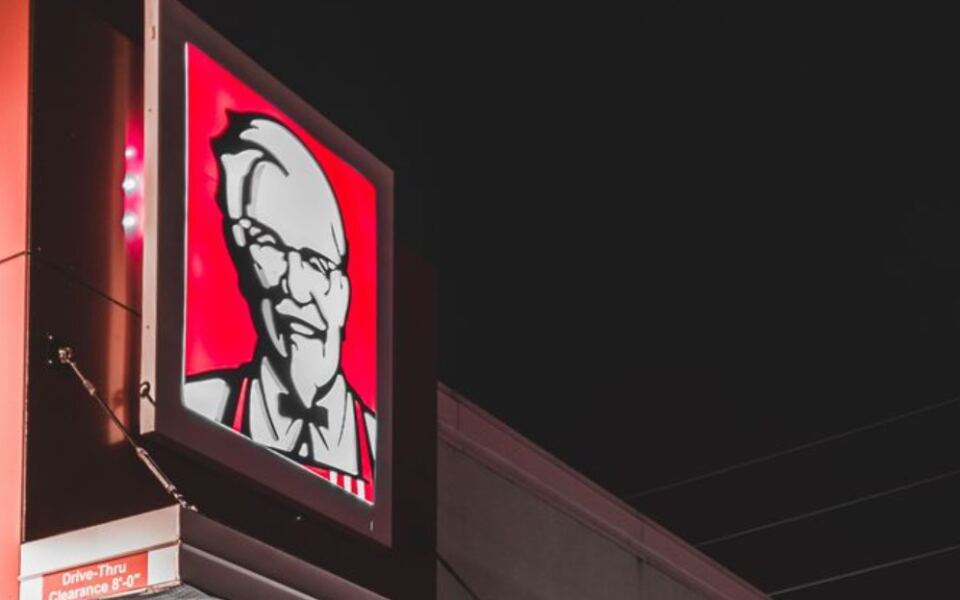
A celebration booth, a boba refresher and someone bringing fried chicken to your table. That is quite a departure from grabbing a bucket and balancing it on the passenger seat.
KFC’s new Open House restaurant puts those experiences under one roof, alongside breakfast, outdoor seating and a shop for branded merchandise. The first location opened in McKinney, Texas, in September 2026, giving the chain a working kitchen for testing what its restaurants could become.
For New Jersey diners, the interesting part is how those ideas might eventually change a familiar neighborhood stop. Could a chicken run turn into a sit-down lunch?
Could the breakfast sandwich enter your morning rotation? There is no announced Garden State opening to circle on the calendar yet.
But the Texas prototype offers a detailed preview of KFC’s ambitions, from the way customers order to where they settle in with their food and spend their time.
What Makes KFC’s Open House Different From Your Usual KFC
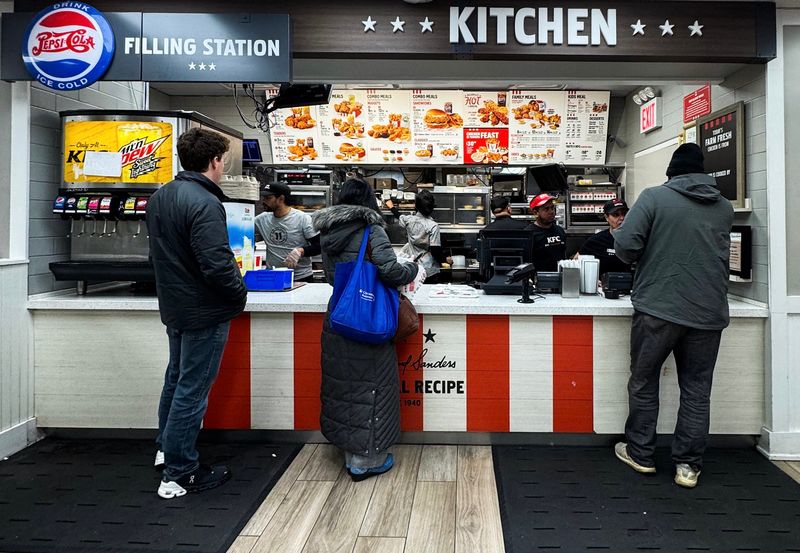
At 8751 El Dorado Parkway in McKinney, KFC is testing an entire restaurant experience rather than simply adding a sandwich to the menu. Open House combines changes to the building, food, ordering process and service, allowing the company to see how those pieces work together during an actual business day.
The location opened September 26, 2026, with announced daily hours of 6 a.m. to midnight. That long stretch gives KFC room to experiment with the morning crowd and late-night customers alongside its familiar lunch and dinner business.
The distinction matters because “new format” can sound like corporate shorthand for fresh paint and a different sign. Here, the changes reach into the practical details of a visit.
Someone stopping for coffee has different needs from a family sharing chicken, while a delivery driver has little reason to join either group in the dining room. Bringing those visits into one location creates a useful test of whether a familiar fast-food brand can handle more occasions without making lunch complicated.
KFC U.S. president Catherine Tan-Gillespie has positioned the restaurant as part of the company’s comeback effort, with successful ideas potentially reaching other locations. The McKinney restaurant is a place to find out what works before making bigger commitments.
For customers, that means the experience comes with a little experimentation built in. A feature that attracts attention at opening still needs to earn its place during an ordinary Tuesday rush.
The meaningful question is whether people return after the novelty wears off. A restaurant can look different in photographs; getting someone to change their regular lunch routine takes more.
A Brighter Dining Room With More Ways to Settle In
Picture the usual negotiation when everyone wants chicken but nobody agrees on where to eat it. One person wants to sit outside, another wants a proper table, and somebody has already suggested eating in the car.
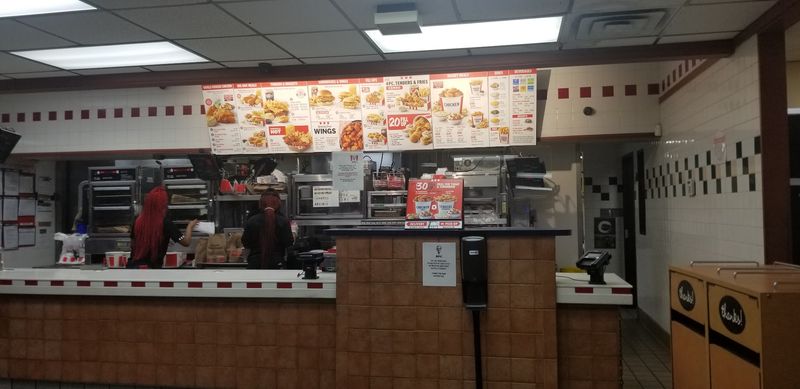
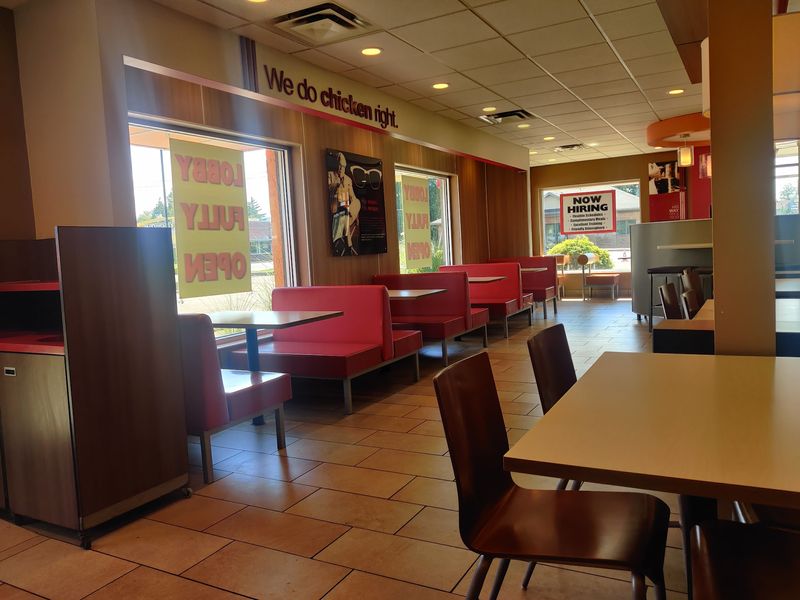
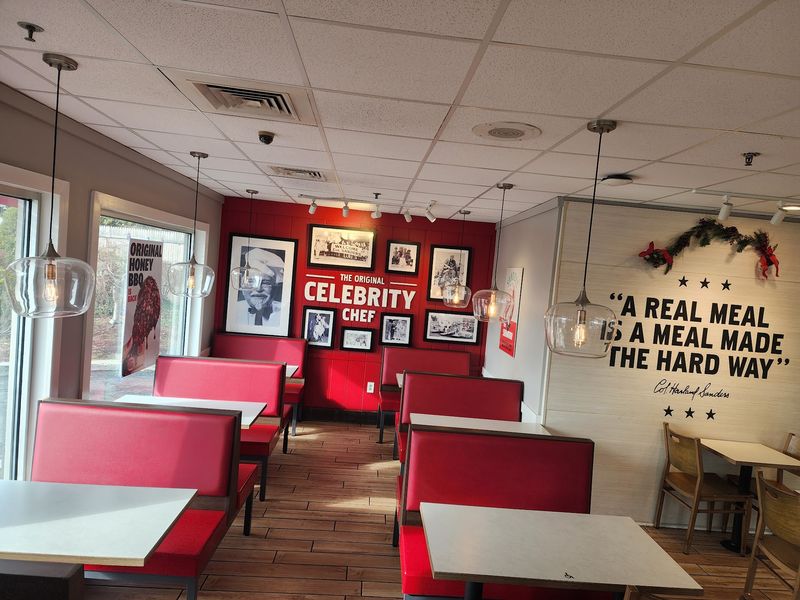
The McKinney design gives that conversation more possible endings. Oversized windows, indoor tables, outdoor seating and a breezeway are part of a layout inspired by midcentury modern design.
KFC’s familiar identity remains visible throughout, so the restaurant still reads as KFC even as its surroundings change. The building measures 3,400 square feet, with a stated seating capacity of 52 guests.
Those numbers help put the concept in perspective. This is still a quick-service restaurant, with a relatively modest number of seats, rather than an enormous dining hall built around a chicken counter.
The interest lies in the choice of settings within that footprint. Big windows give the dining area a visual connection to the outdoors.
A breezeway introduces another place to sit between the enclosed room and fully outdoor seating. For a customer deciding whether to stay, those are tangible differences.
You can imagine a quick solo lunch working differently from a meal with children or a catch-up with a friend. The design makes room for those possibilities without requiring everyone to use the restaurant the same way.
From a New Jersey perspective, the outdoor component also raises a practical consideration for any future version here. A seat that sounds appealing on a mild September afternoon is a different proposition in February.
That does not diminish the Texas experiment; it shows why translating a restaurant design between markets requires judgment. The feature worth watching is the flexibility itself, and whether diners actually use the different spaces.
Table Service Meets Self-Order Kiosks and New Pickup Options
Nobody collecting dinner after work needs an obstacle course between the entrance and the food. Open House tackles that everyday frustration with several ways to order and collect a meal.
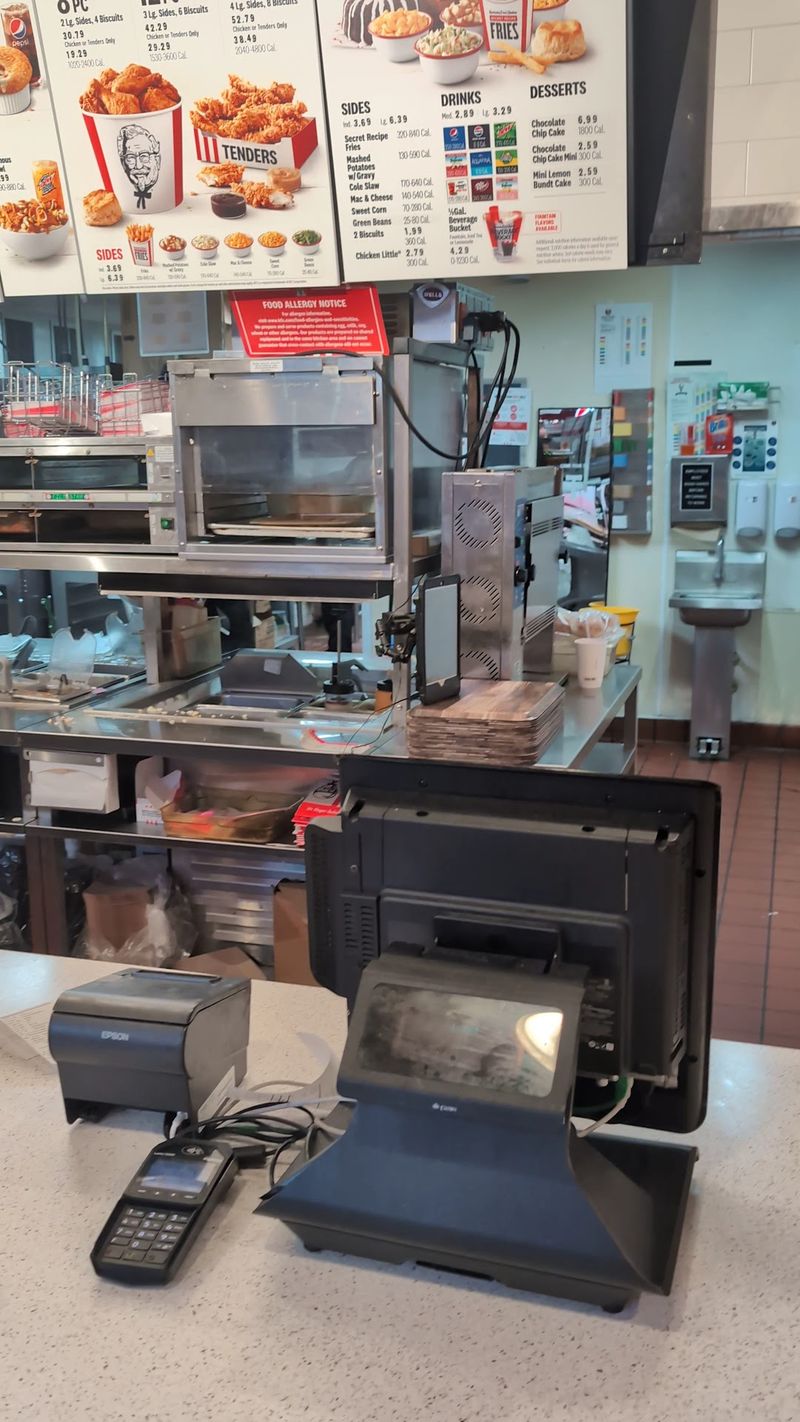
The prototype includes self-order kiosks, digital menu boards, dual drive-thru lanes, a dedicated mobile pickup lane and a delivery pickup area. Inside, a lobby host greets guests, helps people navigate ordering and brings meals to tables.
That last detail deserves attention. Table service here includes food being brought over by an employee; it should not be read as a promise of the full waiter-led experience you would expect at a neighborhood restaurant.
The appeal is more immediate: after ordering, you can settle into your seat instead of hovering near the counter waiting for a bag. Anyone managing children, drinks and a handbag can appreciate the difference.
The kiosks offer another route for customers who want time to consider their order. With sauces, beverages and meal formats competing for attention, a screen can make browsing less hurried.
Having an employee available also matters when someone needs help or simply cannot find the option they want. Outside, dedicated pickup arrangements address another familiar annoyance: placing an order ahead and then feeling as though you have joined the same queue anyway.
The layout is intended to give different kinds of customers clearer paths through the restaurant. Whether it delivers faster service consistently will depend on staffing, preparation and how well those paths function when business gets busy.
Two lanes alone cannot guarantee a quick dinner. For New Jersey drivers fitting a food stop between work, school pickup and the next errand, that is the useful standard.
The technology earns its keep when the visit feels easier, from placing the order to leaving with everything accounted for.
Breakfast, Boba and More Join the Fried Chicken Lineup
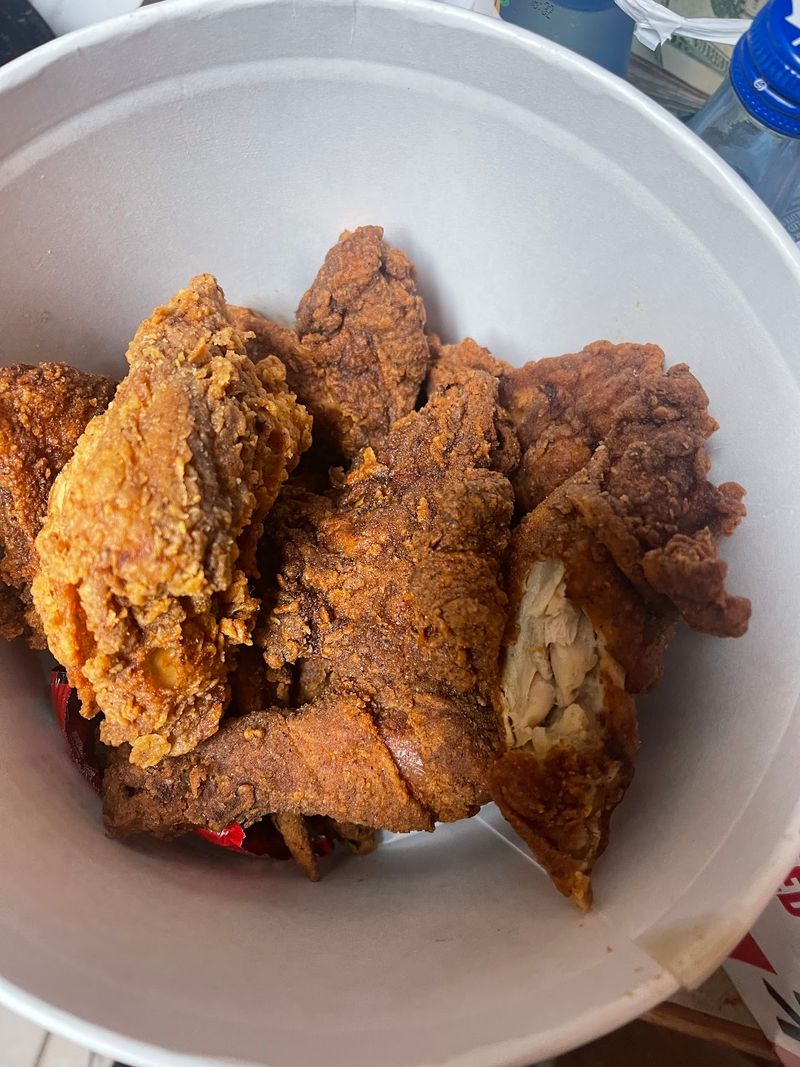
Hashbrown Sticks and an iced latte are probably not the first things that come to mind when someone says KFC. At Open House, they belong to a breakfast lineup that also includes breakfast sandwiches, Original Recipe tenders, Mini Cronuts and freshly brewed coffee.
Later visits bring other departures from the familiar chicken-and-sides routine, including lemonades, boba refreshers and Krunch shakes. The menu also features fried green beans, spicy pickles, Southwest Corn and chocolate chunk cookies alongside staples such as biscuits and mashed potatoes with gravy.
The result gives customers more ways to build a visit around something smaller than a shared bucket. A drink or a sweet item can be its own reason to stop, while breakfast introduces a meal occasion that changes how people might think about the brand.
For a state with strong opinions about breakfast sandwiches, that morning experiment is particularly interesting. A new option would have to earn its place beside an established routine, whether that means a bagel stop or the same coffee order every weekday.
Sauce choices add another layer. Kentucky BBQ, Buffalo and Ranch sit alongside Jalapeño Ranch, Sweet Heat Ranch and Garlic Parmesan, with customization available across items including sandwiches and the Twister.
Bone-in chicken and wings remain part of the offering. That gives a mixed group some room to maneuver: one person can stick with familiar chicken while another changes the flavor or chooses something easier to eat on the move.
These are menu details, however, rather than tasting notes. A longer list of possibilities does not establish how every item performs once it reaches the table.
It does make the restaurant’s ambition clear. KFC wants consideration at more points in the day, including the moments when a full fried chicken dinner was never part of the plan.
Celebration Booths and a Swag Bar Add to the Experience
A birthday lunch at a chicken restaurant does not usually come with a customizable digital backdrop. The Celebration Booth brings that possibility into Open House, using an immersive photo experience that guests can adapt to an occasion.
The restaurant also includes a Swag Bar with KFC-branded apparel and souvenirs. Both features give diners something to notice beyond the meal, though they serve different purposes.
The booth turns part of the dining room into a place for marking an event. The merchandise gives a committed fan something tangible to take home after the last biscuit has disappeared.
Neither feature needs to become the centerpiece of every visit to make sense. A family grabbing lunch might have no interest in shopping, while someone celebrating a birthday could find the photo element more memorable than another ordinary table.
There is a playful logic to giving a casual meal a small sense of occasion. Plenty of celebrations happen between larger plans, with neither the time nor the budget for an elaborate restaurant booking.
A chicken lunch can still be the meal where someone shares good news. The public opening leaned into that social side, with samples, giveaways, interactive activities and an appearance by streamer IShowSpeed.
Opening-day entertainment is its own event, of course, and does not describe what a regular visitor should expect on a weekday. The more lasting test is whether the booth and merchandise feel like enjoyable additions once the launch crowd has gone.
There is room for a little silliness in fast food. There is also a limit to how much novelty can carry a restaurant.
These extras work best when the basics are already in place: the order is right, the table is ready and the food gives everyone a reason to stay.
What the Texas Test Could Mean for New Jersey Diners
New Jersey already has plenty of places to put any successful KFC ideas into practice. The chain’s state directory currently lists 54 locations, including restaurants in Newark, Jersey City, Cherry Hill, Paramus, Brick and Toms River.
That existing presence makes Open House relevant to local customers even while the prototype itself remains a Texas story. As of November 2026, there is no publicly announced New Jersey Open House location or opening date.
There is also no commitment to reproduce every feature across the country. KFC’s approach is to evaluate the experiment and identify elements worth expanding.
Sarah Crow, the company’s chief strategic partnerships officer, has described the prototype as an opportunity to test possibilities before settling on a repeatable model. Franchisee interest exists, but the company has emphasized learning before a broader rollout.
For Garden State diners, that leaves several plausible outcomes rather than one promised makeover. A successful beverage could travel more easily than an entirely new building.
A pickup improvement might matter at a busy suburban location even if a Celebration Booth never arrives. Those are possibilities, not announced local plans, and they illustrate why a restaurant experiment can influence everyday visits in smaller pieces.
Local expectations would shape the reception, too. Breakfast would enter a crowded field.
Outdoor seating would need to make sense across the seasons. A redesigned pickup area would have to prove useful during the actual dinner rush.
The most interesting change may ultimately be the least photogenic one: a visit that runs smoothly enough to become part of the week. In New Jersey, where a familiar takeout order often has a well-established place in the household schedule, that is a meaningful measure of success.
A new look gets noticed once. An easier dinner can earn a regular spot.
Share this story