A Japanese market returning with Tokyo-style pizza and handmade pasta is the most surprising plan in your brief. I’m intrigued by that pairing, but it needs confirmation before readers should treat it as a menu they can order.
Your proposed Massachusetts lineup also connects British steakhouse traditions, Montreal-inspired cooking, and food shaped by the African diaspora. Those ideas offer plenty to explore, especially where music and a restaurant’s earlier history help explain the concept beyond its name.
I can’t access live websites in this conversation, so I can’t independently confirm fall 2026 opening dates, operating menus, or complete addresses. The six entries below therefore distinguish information supplied in your brief from facts still needing confirmation, rather than presenting an unverified article as ready to publish; I’d rather leave a detail open than send someone across Boston for a meal that isn’t available.
1. Hawksmoor
A British Sunday roast could give this steakhouse story more range than another discussion of steak cuts. Your brief identifies charcoal-grilled steaks, London origins, and the Sunday roast tradition as the main angles for Hawksmoor’s Boston location.
The supplied opening date is September 8, 2026, which would require past-tense language once independently confirmed. I cannot establish here whether that date reflects an actual opening, an announcement, or a subsequently revised schedule.
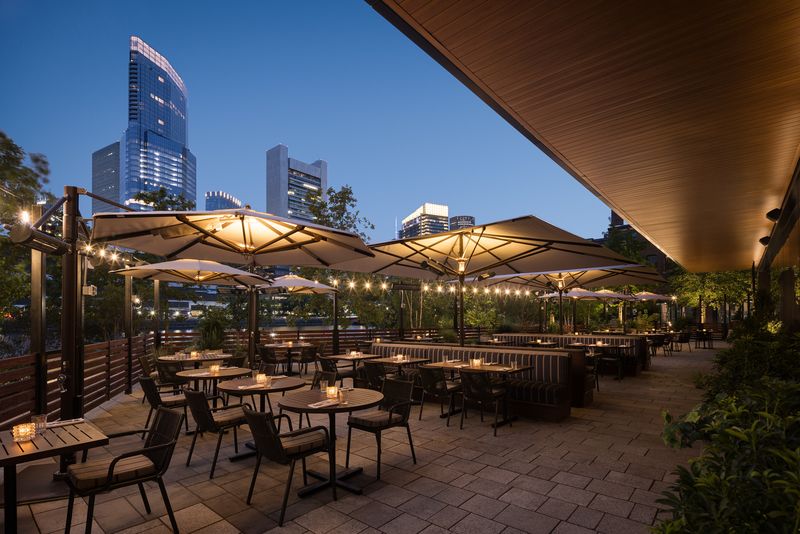
Fort Point is the neighborhood named in your instructions, with waterfront dining and an outdoor terrace suggested as possible features. Those details need support from the Boston location’s own information before they become descriptions of the finished restaurant.
For the food coverage, Boston-specific seafood deserves separate attention rather than a passing mention beside the steaks. However, no individual seafood dish, preparation, or ingredient can responsibly be named without an accessible Boston menu.
The same distinction applies to Sunday service, since a brand tradition does not establish a particular location’s current offerings. Readers should not be told that a roast is available on a given day without location-specific confirmation.
A publication-ready section needs the operating Boston menu, an authoritative opening announcement, and a complete street address. Until those are checked, this entry remains an editorial outline rather than a verified account of an operating Massachusetts restaurant.
2. Celine
Montreal gives this proposed restaurant story a more specific starting point than a broad French-inspired label. Your brief describes Celine through French-Canadian and American influences, with particular attention to that city.
It also identifies a connection to Coda Restaurant Group and asks for the story behind the restaurant’s name. Neither that relationship nor the suggested Céline Dion inspiration has been independently confirmed in this conversation.
Those distinctions matter because an appealing naming story can easily become an unsupported centerpiece. A statement from the restaurant or its owners should establish the connection before it appears as fact.
Menu coverage needs the same care, especially if the restaurant has progressed beyond its announcement stage. Proposed dishes may change before opening, and an operating menu should take priority over an earlier preview.
Without access to that menu, naming specific French-Canadian specialties would risk substituting expectations for the restaurant’s actual cooking. Montreal’s influence should be explained through documented dishes and the team’s own account, not familiar regional stereotypes.
The immediate reporting questions are its current operating status, latest opening timeline, exact Boston location, and confirmed ownership. A full address and specific food recommendations should remain absent until those details can be established reliably.
3. Harry Hare’s
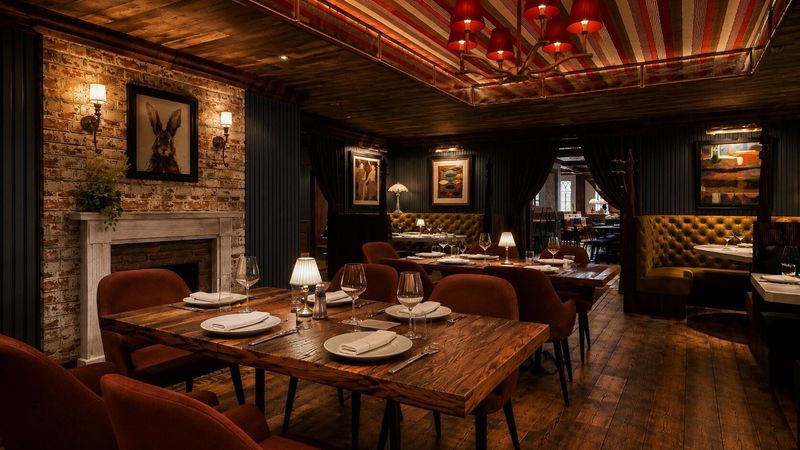
Chicken pot pie gives this proposed British pub a different kind of headline than a steakhouse. Your brief places Harry Hare’s on Charles Street in Beacon Hill and identifies fish and chips, roasts, and pot pie as planned menu subjects.
Those dishes must remain attributed plans until a restaurant announcement or operating menu confirms them. The same caution applies to any influences connected with Britain’s Indian diaspora.
That culinary connection could offer useful context, but it should come from the owners or documented menu choices. It would be misleading to add a curry or another familiar dish simply because the concept is British.
You identify November 2026 as the planned opening window and specifically request confirmation that it remains accurate. I cannot check whether that target has held, shifted, or already resulted in an opening.
The Charles Street address also needs careful reporting because your instructions identify a previous establishment at the site. Its name, closing history, and relationship to the new project should not be guessed.
A finished section should distinguish a new business occupying an existing restaurant space from a renamed or converted operation. Until ownership, premises, menu, and timing are checked, readers should not receive a definitive opening claim or an unverified full address.
4. Jazz Urbane Cafe
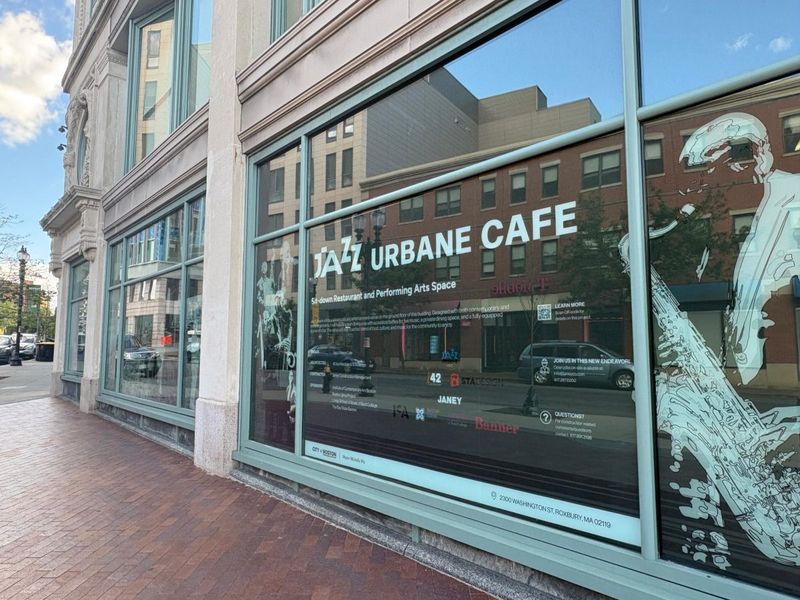
A meal and a live performance can share a room without sharing the same opening date. That distinction is especially relevant to Jazz Urbane Cafe, which your brief connects with dining, music, and cultural programming.
The supplied location is Nubian Square in Roxbury, and the proposed culinary focus draws on the African diaspora. More precise regional influences require a documented menu or an explanation from the culinary team.
Your instructions also mention dishes named after jazz musicians, an appealing link between the food and performance concepts. No dish names or musician references should be supplied without direct support.
Operating status requires more than finding evidence that an event occurred. A preview performance, private gathering, or community program would not by itself establish that regular restaurant service has begun.
For readers, the useful distinction is between an announced project, an active event venue, and a restaurant serving an established menu. I cannot determine which description accurately applies during fall 2026 from the information available here.
A finished Massachusetts dining feature should confirm the cafe’s service model, food offerings, public programming, and complete address separately. That would let the section explain how dining and music connect without inventing a schedule, an audience response, or a completed launch.
5. Session House
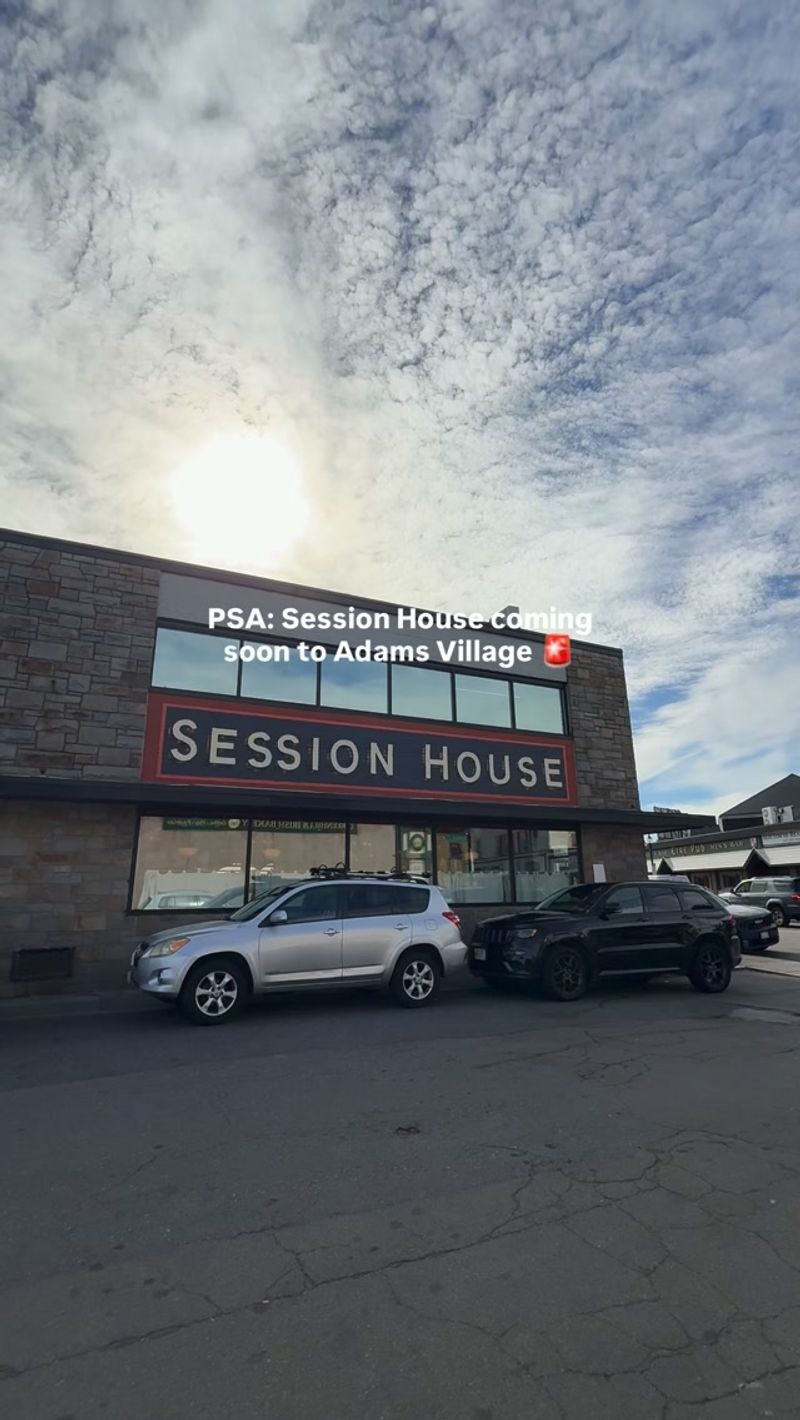
Traditional Irish music is the strongest proposed angle for this Adams Village project. Your brief presents Session House as an Irish pub concept associated with the phrase soul ceól.
Before explaining that phrase as the owners’ guiding idea, a published statement should establish its wording and meaning. It should not become a basis for inventing live sessions, resident performers, or a weekly schedule.
The supplied location connects the project to the former Scobie’s Cafe & Bar premises in Dorchester. That history needs confirmation, including whether Session House represents new ownership, a conversion, or another form of business change.
Explaining the distinction would help readers understand what is returning and what is new. Simply calling the project a brand-new restaurant could conceal an important part of the site’s story.
Your requested food coverage centers on Irish and British pub cooking, but no confirmed dishes are available within this conversation. Adding familiar pies, breakfasts, or other expected staples would turn a broad concept into an invented menu.
The latest opening window also remains unconfirmed here, so this entry cannot establish that service has begun. A publishable account needs an authoritative status update, documented food plans, the ownership connection, and a verified full address before offering a concrete description of the experience.
6. Ebisuya Market
Tokyo-style pizza and handmade pasta would make a Japanese market’s return an unusually interesting food story. Your brief identifies those ideas as plans associated with Ebisuya Market’s proposed transformation in Medford.
The essential distinction is that this is described as a returning business, not an entirely new establishment. Its earlier history and the nature of its return should anchor the section once documented.
You also identify noodles, bento, onigiri, Edomae sushi, and Japanese-Italian wafu dishes as subjects to investigate. That list cannot be presented as an available menu without confirmation of what the business actually serves.
Pizza and pasta require particular care because ambitious opening plans may develop in stages. Evidence that a market has reopened would not automatically establish that its complete proposed food program has launched.
The suggested story about a former restaurant space and an inherited pizza oven could explain the project’s direction. However, the previous occupant, equipment history, and actual use of the oven need reliable documentation before inclusion.
Its service format matters just as much as its menu, since a market counter differs from a conventional seated restaurant. Until the reopening status, available dishes, dining arrangements, and complete address are confirmed, this entry should remain a clearly labeled outline rather than a recommendation based on assumed operations.
Share this story