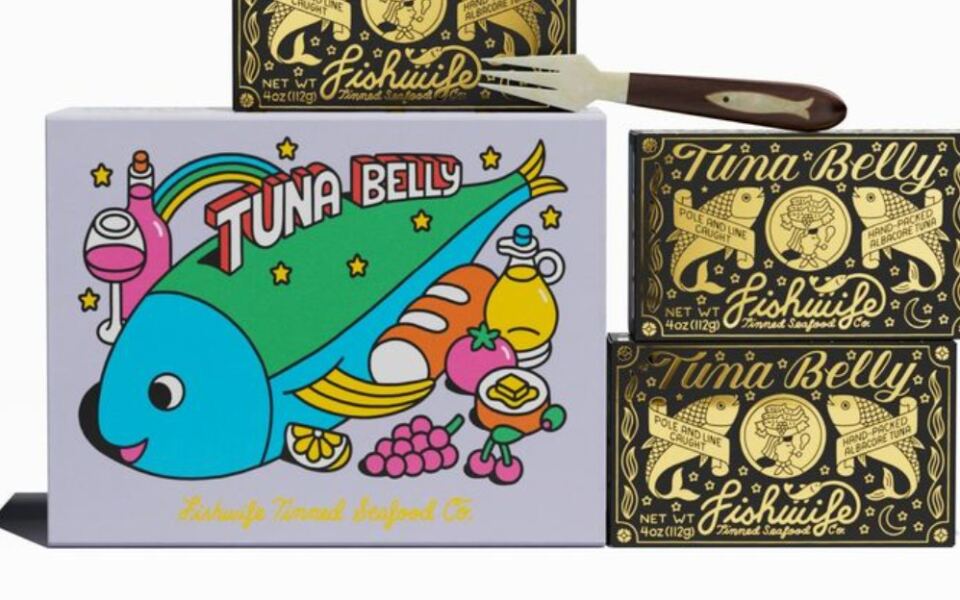
A $75 box of tuna comes with expectations. In Fishwife’s case, it also comes with three tins and a wooden-and-shell fork, which puts a different spin on opening something from the pantry.
This is fish you might bring to dinner as the gift, then hope the host decides to share. The brand’s returning Tuna Belly centers on ventresca, the prized belly cut of albacore, prepared simply enough to keep the fish itself in focus.
Its appeal rests on a question worth asking before spending that much on lunch: What separates a special tin from an expensive one? The answer involves the cut, the preparation, and how you plan to eat it.
There’s also a practical wrinkle in the comeback story: A return doesn’t guarantee ongoing availability. Here’s what to know about the release, its premium positioning, and the pleasure of letting a few good ingredients do the work.
Fishwife’s Tuna Belly Is Back for Another Round
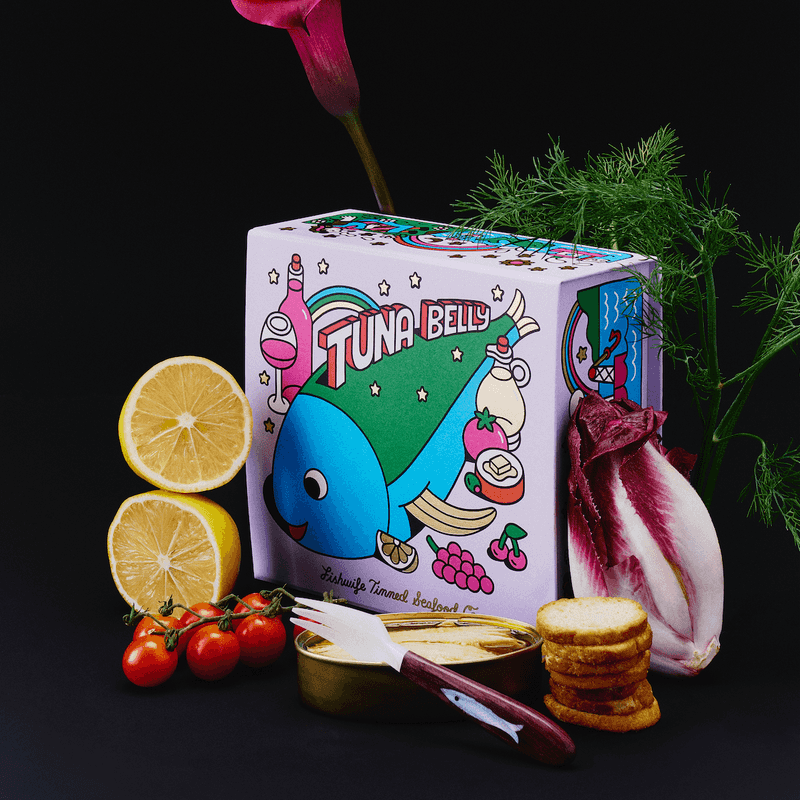
October brought another appearance for one of Fishwife’s more expensive offerings. Reporting on the return, The Kitchn’s Micki Wagner positioned the release as a holiday gift for someone who already loves tinned seafood.
That framing makes sense: A specialty food feels like a more personal present when the recipient knows exactly why it’s special. Someone with a favorite anchovy brand or strong opinions about sardines probably won’t need an explanation for receiving tuna in a gift box.
Still, there’s a distinction between a product returning and a product becoming reliably available. At the time of writing, Fishwife’s direct listing showed the Tuna Belly set as sold out, with an option to request a restock notification.
The comeback is real; an immediately shippable box is a separate matter. That detail deserves more attention than predictions about how quickly the next batch might disappear.
A previous sellout doesn’t establish a future deadline, and the listing doesn’t provide a confirmed date for another release. For anyone considering it as a present, the sensible approach is to treat availability as something to verify before building a gift plan around it.
The broader appeal, however, doesn’t depend on a countdown. This release gives existing Fishwife fans a chance to try a different cut rather than simply another seasoning combination.
It also offers an accessible concept for newcomers to premium seafood: the same familiar fish, with greater attention paid to which part goes into the tin. That’s a more useful reason to be interested than the idea that everyone else might get there first.
A good food gift should still sound appealing after the urgency has worn off.
What Makes Tuna Belly Different From Regular Canned Tuna
Think about choosing a steak by its cut rather than buying something labeled simply “beef.” That’s a helpful way to approach ventresca. The term identifies the belly portion, giving shoppers information that the broader word “tuna” leaves out.
Fishwife uses albacore for this product, so the distinction begins with the part of the fish rather than an unfamiliar species. The practical question is what that difference means at the table.
For a buyer, paying attention to the cut shifts the focus from how much tuna a recipe needs to how enjoyable an individual bite might be. A sandwich filling can accommodate chopped celery, mayonnaise, mustard, and pickles; the fish becomes one contributor among several.
A premium belly cut invites a simpler presentation in which you can assess it before adding anything else. That doesn’t mean mayonnaise is forbidden or that the tin needs ceremonial treatment.
It means a plain first taste gives you a fair chance to decide whether the upgrade matters to you. There’s also an expectation worth resetting: The word “belly” doesn’t make this a sushi product.
This is preserved albacore, and it should be judged as tinned fish rather than as a substitute for a piece of raw tuna at a sushi counter. Fishwife lists just albacore, olive oil, and sea salt as ingredients.
With no elaborate sauce in that lineup, the product asks the cut and preparation to carry the experience. Whether that’s a worthwhile purchase depends partly on what you enjoy about eating tuna.
If your favorite part is a heavily dressed salad or a bubbling cheese topping, a less expensive option may meet the brief beautifully. If you like tasting the fish before deciding what belongs beside it, ventresca offers a more focused comparison.
How Fishwife Sources and Hand-Packs This Prized Cut

The sourcing story starts in the Bay of Biscay, off France and northern Spain. According to Fishwife, the albacore for this release is caught individually using pole-and-line methods, then hand-filleted, slow-poached, and packed in Spanish olive oil.
Those details help explain the product more clearly than a string of luxury adjectives. They identify an origin, a fishing method, and a preparation process, all of which are useful things to know when comparing premium tins.
Fishwife also says each tin requires 37 minutes of cutting, cleaning, and hand-packing, using artisanal methods passed down for more than 85 years. That last detail is easy to misread: The age refers to the methods, not to olive oil sitting around for eight decades.
The distinction matters because a compelling production story should also be a precise one. Handwork can help explain why a product costs more, although it cannot promise that every shopper will prefer the result.
Labor and personal taste answer different questions. The same care applies to sustainability language.
Pole-and-line is a specific sourcing detail readers can evaluate; it shouldn’t be stretched into an unsupported claim that the product has no environmental impact. For the home cook, the most interesting part of the preparation may be what happens before the lid ever opens.
This is a finished food, which changes the job in the kitchen. You’re choosing accompaniments and deciding how much handling the fish needs, rather than starting with an ingredient that requires cooking from scratch.
That can make an expensive tin especially appealing for a low-effort meal. The convenience is immediate, while the production work remains largely invisible.
Understanding that work gives the price some context without requiring anyone to declare it automatically justified.
What You Get in the $75 Gift Set
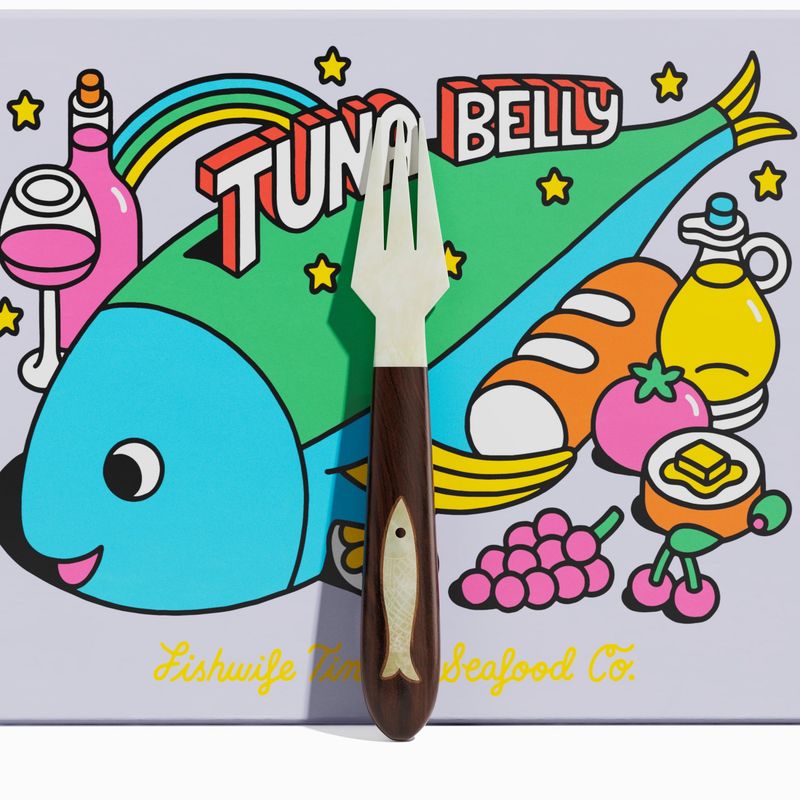
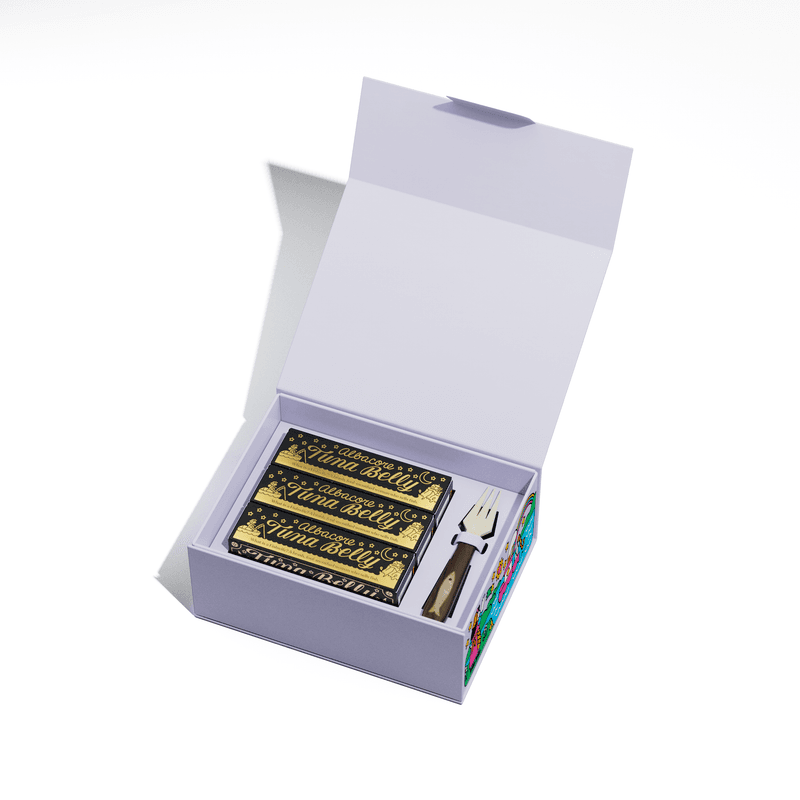
Let’s do the arithmetic before admiring the fork. The listed $75 price covers three four-ounce tins, a gift box, and a custom wooden-and-shell fork with an engraved fish inlay.
Dividing the set price across the tins gives an effective cost of $25 per tin, with the accessories included. That’s a clearer shopping calculation than treating the fork as a fourth item with an equal share of the price; Fishwife doesn’t provide a separate value for it.
For comparison, the brand lists its regular Albacore Tuna in Olive Oil at $32 for three 3.2-ounce tins. The belly set therefore contains more labeled net weight as well as a different cut and presentation.
Using those listed weights, the gift set works out to $6.25 per ounce, compared with about $3.33 for the regular three-pack. That comparison uses net package weight, not drained fish weight, so it’s helpful for evaluating the purchase rather than measuring the precise cost of edible tuna alone.
In either case, the belly release carries a substantial premium. Whether the set feels well judged depends on its purpose.
As a gift, the box and utensil contribute to the experience of receiving it. As pantry shopping for yourself, those extras may have less value, particularly if you already own perfectly serviceable forks.
Neither reaction requires defending. A food lover might happily spend more on a distinctive cut and care very little about the packaging; another might appreciate the whole presentation.
The useful question is whether the complete set fits the occasion and the recipient. At this price, it deserves the same consideration you’d give a specialty cheese selection or a carefully chosen bottle.
Attractive packaging can help a present feel finished, but the contents still need to suit the person opening it.
What Shoppers Say About the Flavor and Texture
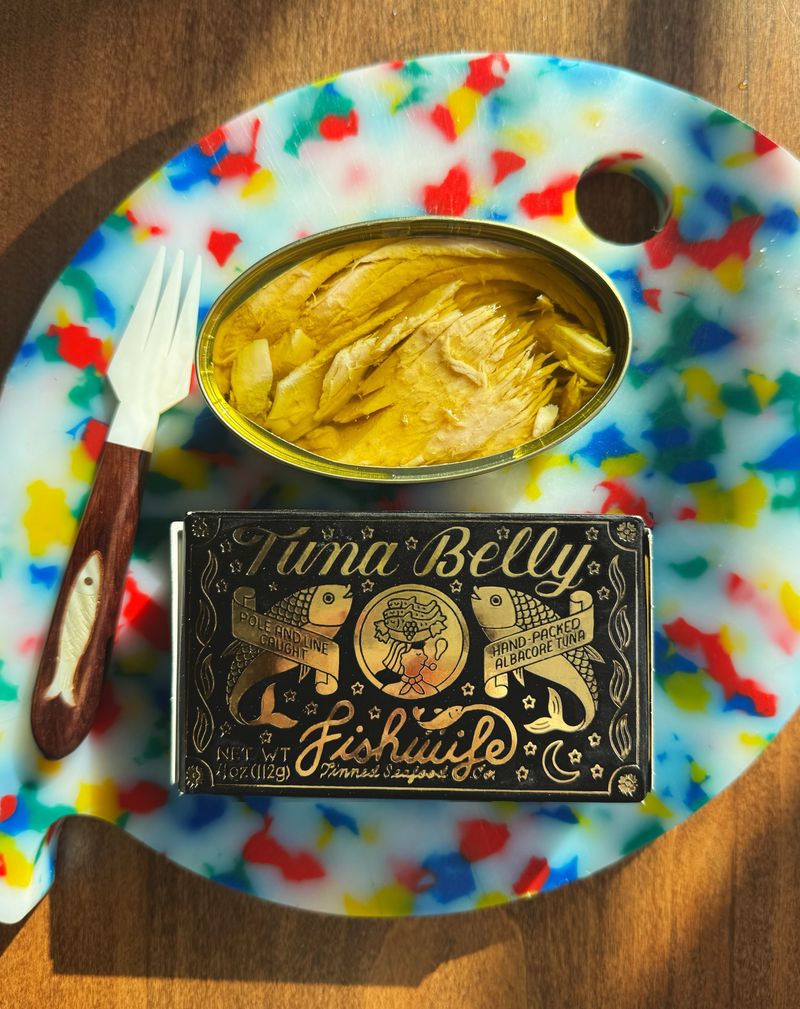
A potato chip may tell you more about this product’s appeal than the gift box does. Among the customer comments highlighted by The Kitchn, Henry S. described serving the tuna on chips, while Jo K. favored a Ritz cracker and emphasized its softness and restrained flavor.
Brittney T. reported that her husband enjoyed receiving the set and appreciated the included utensil. Together, those accounts suggest two distinct sources of satisfaction: eating the fish and enjoying it as a present.
They’re useful observations, though they remain individual customer experiences rather than a controlled tasting. Fishwife’s listing displayed a 4.5-out-of-5 rating based on 21 reviews when checked.
The distribution included lower ratings as well as enthusiastic ones, which is worth keeping in view when a premium food gets described in superlatives. An average score can summarize a small group’s responses; it can’t establish that the price will feel reasonable to everyone.
The serving details are arguably more informative. Chips and crackers suggest that at least some buyers found the fish satisfying without an elaborate recipe.
Comments about softness address the eating experience more directly than praise for the packaging. Neither tells us how it would perform against several competing ventresca brands in a blind tasting, and these reports shouldn’t be presented as if they do.
There’s no need to flatten that uncertainty into either blanket praise or suspicion. People can agree that a food tastes good and disagree sharply about its value.
Someone comparing it with everyday sandwich tuna brings a different expectation from someone buying a small food gift. The fairest reading of the feedback is that several customers enjoyed a simple serving and found the presentation appealing.
That gives prospective buyers something concrete to consider without borrowing another person’s enthusiasm as a guarantee.
Simple Ways to Serve and Savor Every Tin
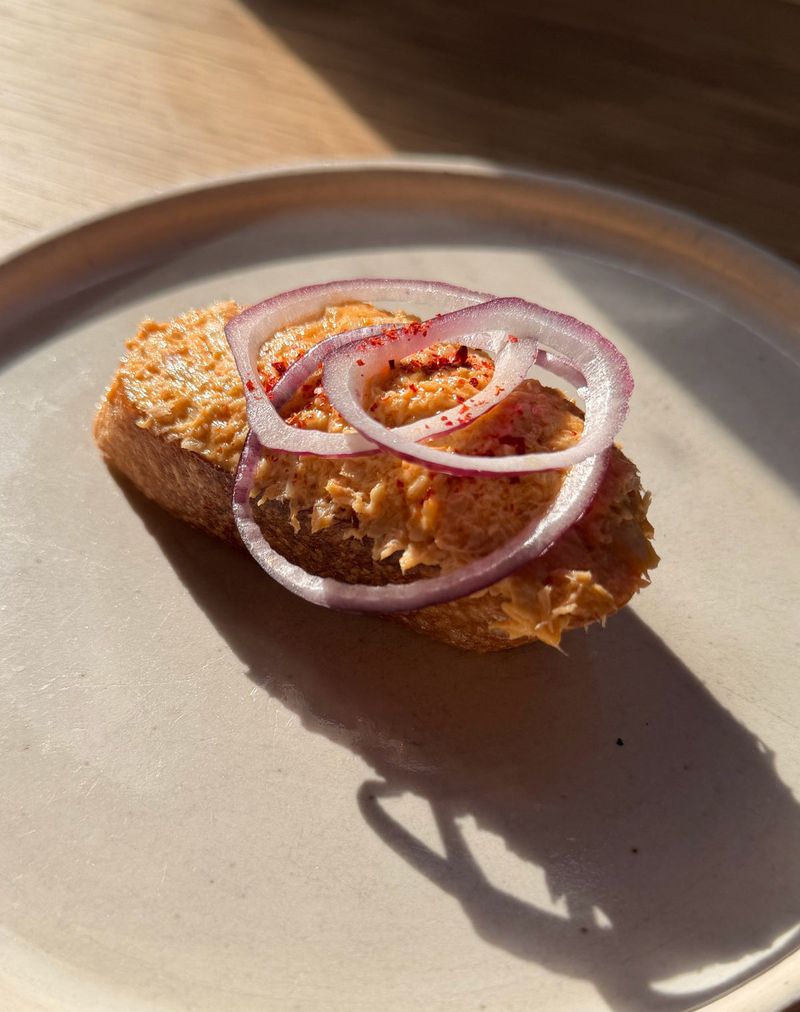
Set out a small plate, a piece of bread, and a fork before reaching for the condiment shelf. For the first taste, keeping things plain makes it easier to decide what you’d like to add.
Try a little fish on its own, then another bite with bread. From there, a squeeze of lemon or a small amount of something pickled can become a deliberate choice rather than an automatic addition.
Fishwife’s own serving suggestions include baguette, crackers, tomato toast, Caesar salad, and linguine with lemon and capers. Those ideas offer a useful range, from almost no preparation to a complete meal.
For tomato toast, one approach is to toast the bread firmly, add sliced tomato, and lay the fish on top just before eating. Taste before adding salt, especially if other salty ingredients are joining the plate.
For a salad, place larger pieces over the dressed leaves rather than stirring everything vigorously together. That gives you more control over how much fish goes into each forkful and keeps the presentation simple.
Pasta can work just as well when the tuna is treated as a finishing ingredient. Prepare the linguine and lemon-caper mixture first, then gently fold in the fish at the end instead of working it around the pan throughout cooking.
These are serving choices, not rules about the only respectable way to eat an expensive tin. If you prefer it on a buttery cracker, there’s no culinary examination to pass.
The same goes for sharing: A few small tastes can make a pleasant opening to dinner without turning the tin into a production. Bread, something fresh, and one sharp accompaniment give everyone room to find a combination they like.
The meal can stay that simple, down to the last piece of toast.
Share this story