A pastry filled with smoked herring can rearrange your breakfast plans. So can a bowl of pumpkin soup substantial enough to make lunch unnecessary, or a plate of fried pork that demands one more forkful of peppery pikliz.
Across South Florida, Haitian food rewards that kind of appetite: curious, flexible, and willing to follow a good meal beyond the obvious restaurant corridors. Little Haiti is an essential starting point, but the map stretches through North Miami, into Broward’s bakeries and restaurants, and south to Homestead.
Along the way, there are flaky patties, mushroom-darkened rice, slow-cooked conch, and several persuasive arguments for ordering goat. These places offer different ways into the cuisine, from a quick bakery stop to a Sunday meal worth planning around.
Leave room for the sides, bring cash where needed, and resist treating every stop as a mission to order the same thing. There’s considerably more to explore.
1. Chef Creole
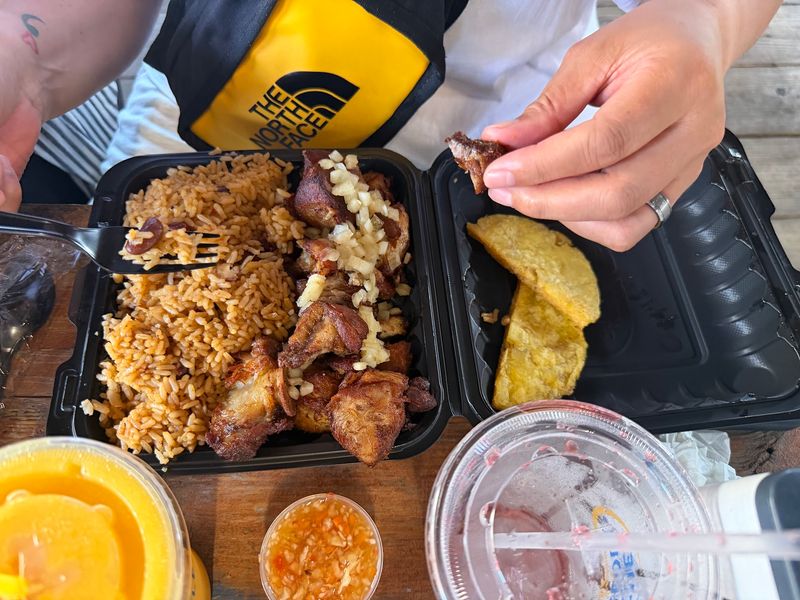
Since December 1992, Wilkinson “Ken” Sejour’s cooking has helped make Haitian flavors part of Miami’s everyday restaurant vocabulary. He opened the first Chef Creole with his late brother, Jude Pierre, and the business grew into multiple locations, including one at Miami International Airport.
That reach makes it an accessible introduction, but the menu deserves more attention than a hurried airport decision usually gets. Griot and stewed oxtail sit alongside seafood, with fried snapper, conch, and lobster tail showing how much territory this kitchen covers.
The Little Haiti location at 200 NW 54th Street makes a useful starting point. Choose your meal around what you actually want to eat rather than trying to assemble a greatest-hits plate.
If seafood is the draw, let it lead; ordering fish and then adding every fried side in sight can bury the reason you came. If you’re leaning toward oxtail, rice becomes part of the main event, giving the sauce somewhere to go.
Conch offers another direction, especially for anyone whose Caribbean seafood experience begins and ends with shrimp. Sejour’s menu also makes room for conch salad and fritters, reflecting a Miami approach that moves comfortably between Haitian cooking and neighboring island traditions.
For a first visit with friends, order different mains and negotiate a few forkfuls across the table. That provides a better introduction than everyone choosing pork by default.
There’s no need to make the meal academic, though. Start with a dish that sounds good, pay attention to its seasoning, and let the second visit answer whatever questions the first one leaves behind.
2. Naomi’s Garden Restaurant & Lounge
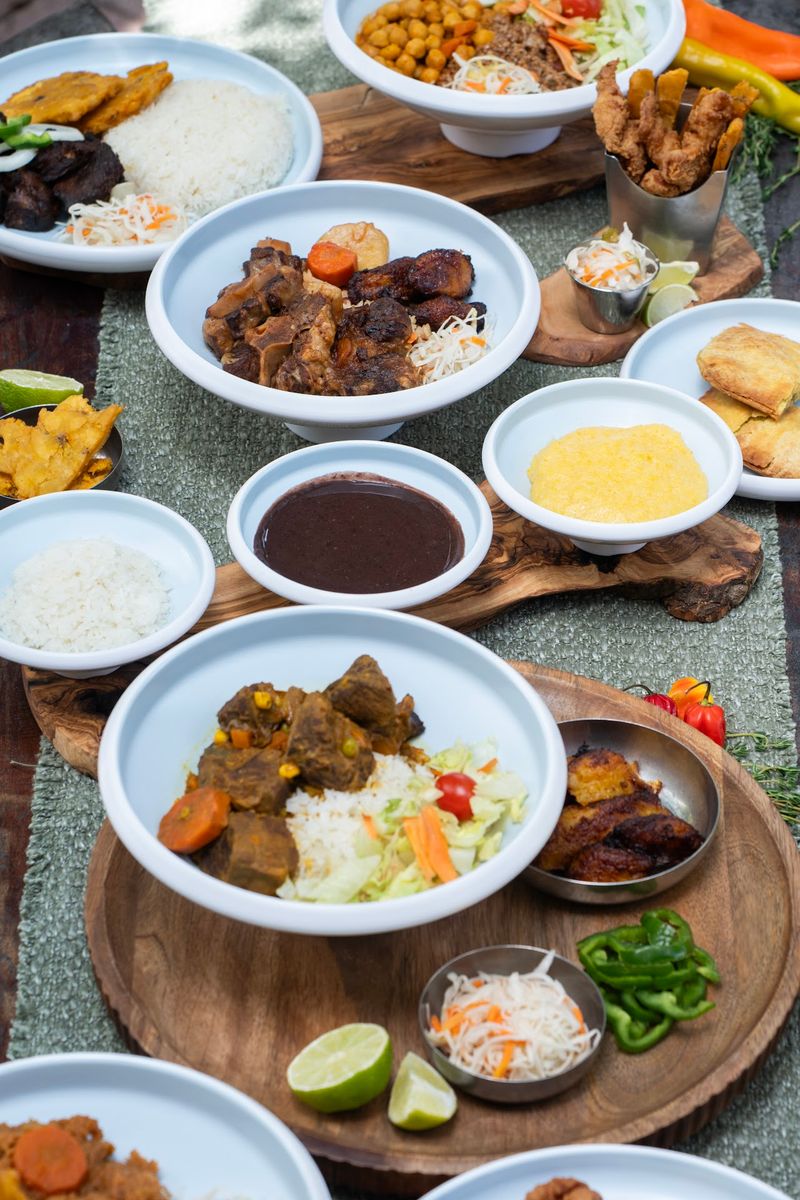
A takeout container and a garden table make a very convincing lunch arrangement. At the original Naomi’s Garden, 650 NW 71st Street, the outdoor setting gives a counter-service meal room to stretch out.
Tropical plants, murals, and garden seating supply the particulars behind the name; you can collect your food and stay awhile instead of immediately returning to the car. The current menu includes fried goat tassot, goat stew, fried snapper, and chicken preparations that range across Haitian and broader Caribbean cooking.
The restaurant’s backstory is equally specific. Yaron and Shula Yemini began with a vegetarian health-food truck in the late 1970s, established a commissary in Liberty City in the early 1980s, and started serving Haitian-Caribbean food in 1998 in response to neighborhood demand.
Their sons, Noam and Omaar, now manage the business. That history helps explain a menu with several culinary accents and an identity shaped by the people around it.
For an order focused on Haitian dishes, consider the goat: tassot takes the meal toward fried meat and contrasting sides, while kabrit stew makes a different argument for slowing down over a plate. Ask what vegetables and starches are available before committing to a combination.
That small pause is especially useful when dining with someone who wants a lighter meal or prefers vegetables. The garden is a reason to eat here rather than carry everything home, so build a little breathing room into the visit.
A rushed pickup works perfectly well, but this is also a place where an ordinary weekday lunch can occupy its full allotted hour. Sit down, open the container, and give the phone a break.
3. L’Auberge Restaurant
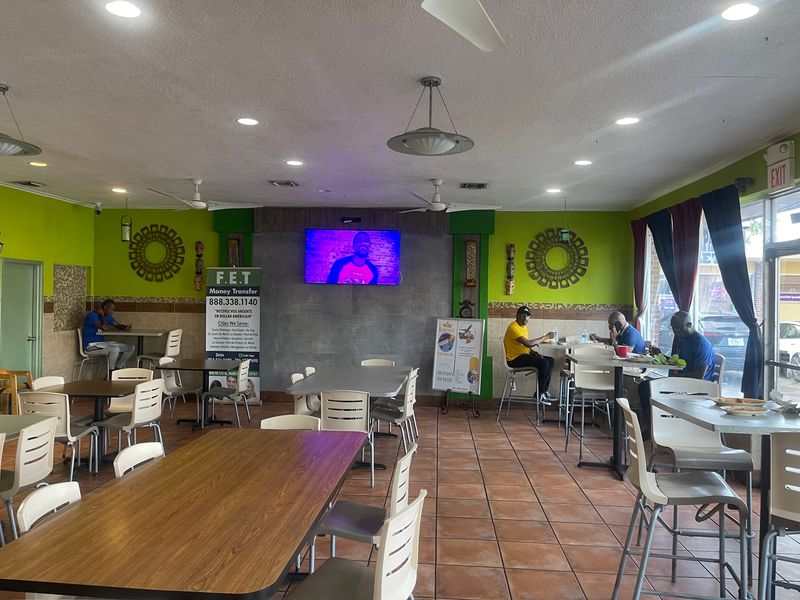
Sunday creates a pleasant scheduling problem at 13315 W. Dixie Highway: arrive early for soup joumou, or come later for chicken with cashews.
Both are strong reasons to put this North Miami restaurant on the calendar. The morning soup combines pumpkin, beef, pasta, and root vegetables, with Haitian bread and a banana alongside.
Later, bone-in chicken cooked in a tomato-accented cashew sauce offers a different kind of comfort. Djon djon rice, colored and flavored by Haitian mushrooms, makes a fitting companion.
The restaurant’s “atomic juice,” a blend that includes beet, carrot, and orange, provides another house specialty to work into the order. The sensible move is to choose which Sunday meal matters most to you.
Anyone intent on soup should aim for the morning rather than assume a pot will last through the afternoon. If chicken and cashews are the priority, ask about that day’s timing before setting off.
Daily specials are part of the appeal here, so a brief conversation at the counter can be more useful than arriving with an inflexible order. There’s also pleasure in letting rice receive equal billing with the protein.
Take a bite on its own before combining it with sauce; otherwise, it’s easy to miss the contribution of the mushrooms. Then put the components together and see how the meal changes.
This is a particularly good stop for someone who already knows griot and wants another point of reference. A Sunday visit expands the picture without requiring an enormous order.
Soup, bread, and juice can be a complete outing; chicken and rice can be another. Nobody needs to settle the competition in a single sitting.
4. Fidele Seafood Restaurant
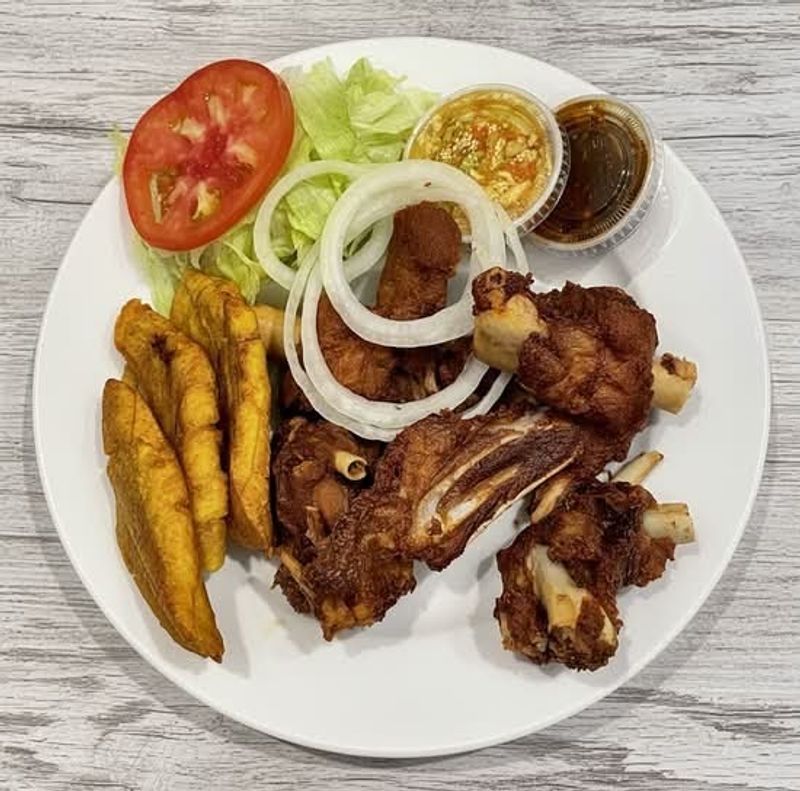
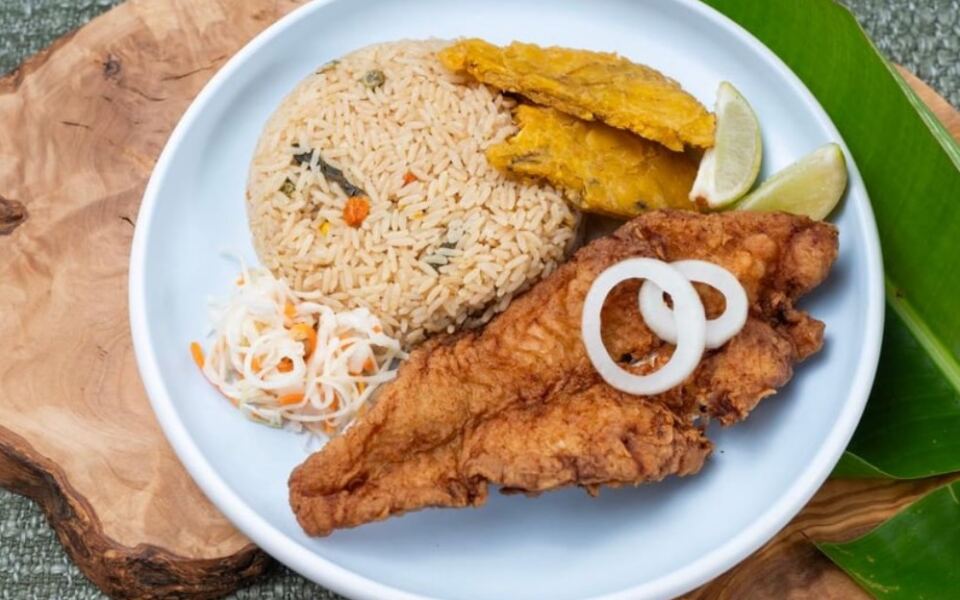
Whole fried snapper gives you a clear assignment: work patiently around the bones and leave as little behind as possible. This small North Miami takeout restaurant at 12391 NE Sixth Avenue is a worthwhile place to accept it.
Its snapper is seasoned with epis and lightly coated before frying, while rice and beans provide a straightforward accompaniment. Space inside is limited, so plan around taking the meal elsewhere rather than expecting a long restaurant sit-down.
Despite the name, seafood isn’t the only reason to stop. Fried turkey appears on the ordering menu, listed at $20 on the delivery platform checked for this guide; counter prices may differ.
That gives a mixed group a useful alternative when one person wants fish and another would rather have poultry. The address is firmly in North Miami, an important detail when searching for a business whose listings sometimes collect neighboring place names.
For takeout, think about where you’ll eat before collecting a whole fish. A proper surface, a fork, and a little room for the container improve the experience considerably.
This is a less forgiving car lunch than a pastry, and rushing through it defeats much of the pleasure. If you’re sharing, portion the fish carefully before everyone starts reaching in from different directions.
Keep the rice separate for the first few bites, then use it to gather seasoning and sauce. Bring cash as a practical precaution; the restaurant has been described as cash-only.
There’s no need to complicate the order with a tour of the entire menu. Fish, rice, and enough time to eat them properly already make a persuasive case for the stop.
5. Pack Supermarket
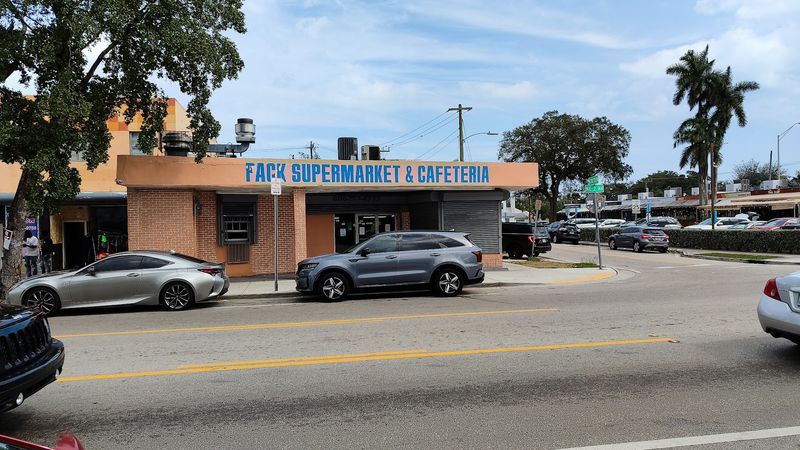
Forget the usual supermarket lunch calculation. At 8235 NE Second Avenue, the fried-chicken counter is the destination.
Pack’s Haitian-style drumsticks use a light cornstarch coating rather than a thick jacket of breading, putting the seasoned chicken and crisp skin at the center of the meal. Rice and beans, pikliz, and fried plantains supply the supporting cast.
This is primarily a takeout proposition, even though there are a few tables inside. The distinction matters if your reference point is a heavily battered bucket of chicken.
Here, order with the sides in mind: something starchy, something sharp, and the chicken itself. Pikliz earns its place because a little acidity and pepper can change the next bite completely.
Try a small amount first rather than spreading it across the entire meal before you know your preferred level of heat. Fried plantains are also worth considering as part of the plate rather than an automatic extra.
Pack has long appeared in conversations about inexpensive Miami meals, but old bargain prices are a poor basis for planning a current lunch. Ask about today’s portions and combinations at the counter.
That’s especially useful if you’re ordering for several people, when a few individual meals and a larger chicken order may solve different problems. One practical qualification belongs here: the business was reported among temporary inspection closures in August 2026, so confirm that the food counter is operating before making a dedicated trip.
Once the logistics are settled, keep the eating arrangements simple. Have somewhere nearby in mind, open the box promptly, and let lunch remain lunch rather than an afternoon spent driving around with cooling fried chicken.
6. Piman Bouk’s New Florida Bakery
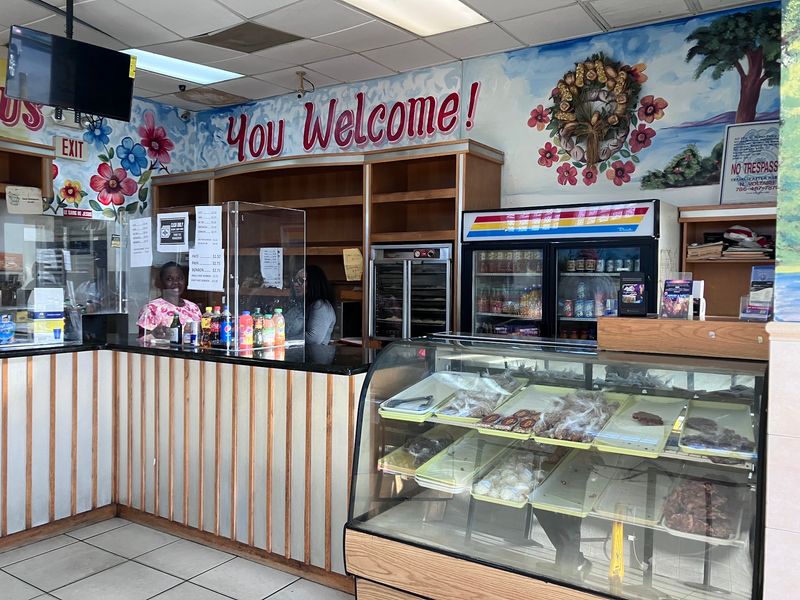
The first bite should happen over the bag. Haitian patties at this Little Haiti bakery have flaky layers that make a reasonably tidy snack an unrealistic ambition.
At 46 NE 62nd Street, Piman Bouk’s New Florida Bakery specializes in the kind of savory pastry that can turn a quick stop into breakfast. Beef and cod fillings are documented favorites, while coconut bread and tablet pistache, Haitian peanut brittle, give you reasons to look beyond the warm patties.
Bring cash; the bakery has been described as cash-only. Its location adds useful neighborhood context.
The bakery sits near Notre Dame d’Haiti Catholic Church and the Toussaint Louverture memorial, placing a food stop close to institutions that help tell Little Haiti’s story. You don’t need to turn breakfast into a sightseeing checklist to appreciate that connection.
A bakery is part of the neighborhood’s daily life, and buying bread is one small way to encounter that rhythm. Start with one savory pastry you plan to eat immediately, then consider what will travel well.
Coconut bread makes a different purchase from a hot patty, while peanut brittle can wait until later without requiring a carefully timed lunch break. If you’re buying for someone else, ask about available fillings instead of assuming every pastry looks different enough to identify through the bag.
A small mixed order is more interesting than half a dozen identical choices, particularly if this is your introduction to Haitian baking. Save a napkin for the crumbs and a little room for the bread.
The most useful souvenir from this stop may be tomorrow’s breakfast, provided it survives the ride home.
7. Yardie Spice
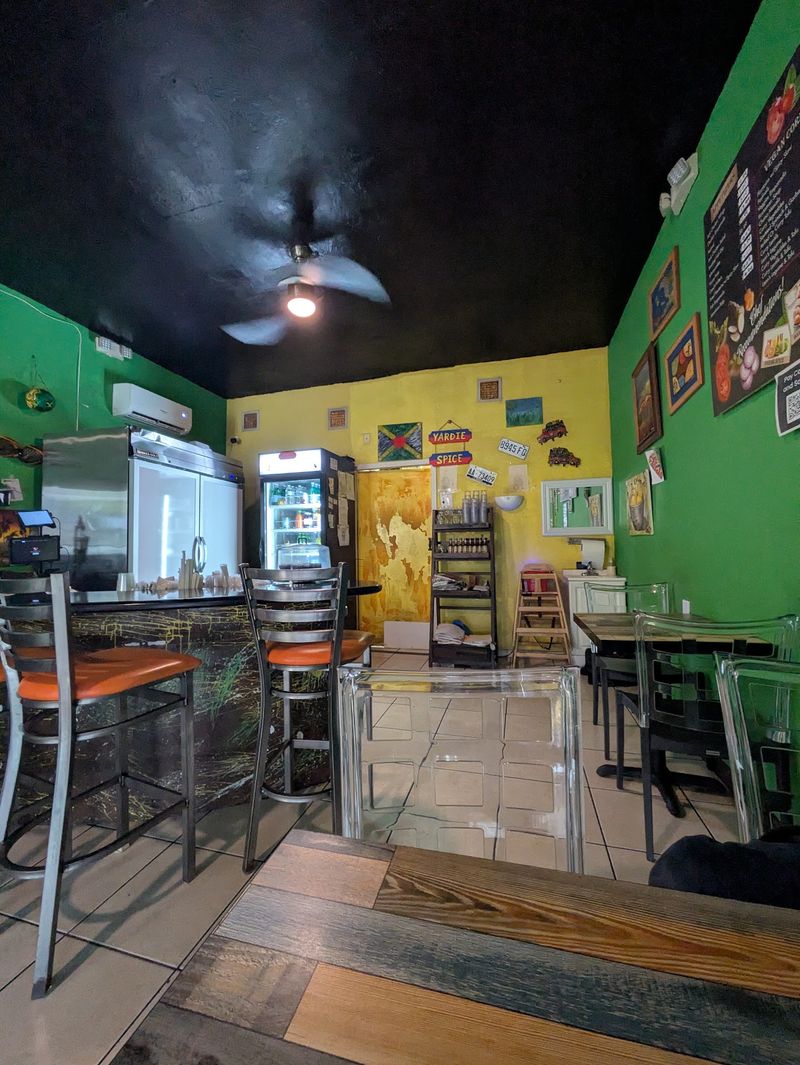
A Jamaican mother and a Haitian father give this Homestead restaurant’s menu a very literal family connection. At 225 S.
Krome Avenue, Yardie Spice brings the two cuisines together without asking diners to choose an island before choosing lunch. Griot shares menu space with jerk chicken, curry preparations, and vegetable dishes, while Leon’s legume gives the Haitian side a substantial plant-based option.
Conch fritters made with malanga batter and coconut rum cake add two more reasons to pay attention. For anyone exploring Haitian food with a vegetarian companion, this is an especially practical stop.
The restaurant maintains a dedicated vegan section, including curry lentils, curry tofu, jerked tofu, and Leon’s legume. Its posted menu lists griot with salad, spicy slaw, and plantain, so it’s possible to build distinct meals rather than make one person assemble dinner from miscellaneous sides.
Ordering across the menu can be fun, but give each dish enough space to register. Split an appetizer, choose individual mains, and exchange a taste rather than combining everything into one indistinguishable plate.
That approach is particularly useful with jerk and griot, which offer different seasoning and texture experiences. Homestead also deserves more than an accidental stop on the way somewhere else.
Make lunch here the plan, then decide what the rest of the afternoon needs. The restaurant posts Monday-through-Saturday service and a Sunday closure, a detail worth remembering if your weekend itinerary is still loose.
Leave a little room at the end if cake is available. A slice of coconut rum cake is a perfectly reasonable reason to postpone the last few bites of rice.
8. Alberte’s Restaurant
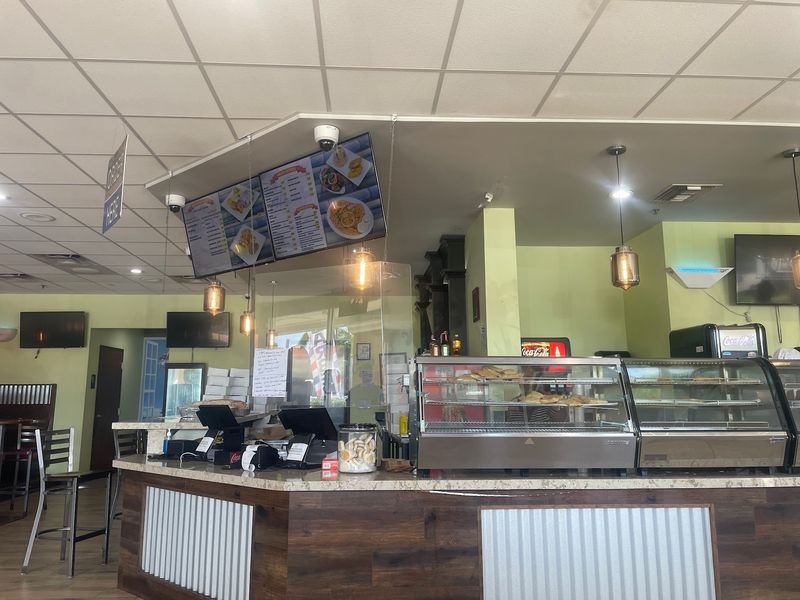
Oakland Park belongs on this food map, and 1201 NE 38th Street is a good address to start with. Alberte’s pairs a broad Caribbean menu with the option to make dinner a longer evening: its patio hosts Friday and Saturday music programming, and the restaurant offers indoor tables, bar seating, and a private room.
That makes it useful when the assignment is more complicated than “find somewhere for lunch.” A birthday dinner, a group catch-up, or a meal with relatives who all want something different can fit here. The Haitian side of the menu has included griot, legim, and lalo, the jute-leaf stew that deserves attention whenever it’s available.
Breakfast offerings have also included spaghetti, cornmeal with stew, and an egg sandwich on Creole bread. Those choices show why treating Haitian restaurants solely as places for fried pork leaves a lot uneaten.
Ask which dishes are being served that day, especially if a particular stew is the reason for your visit. For a group dinner, the best preparation is agreeing on the occasion rather than preselecting everybody’s food.
Decide whether you want conversation over an early meal or a later evening with music, then choose the seating accordingly. The patio and the bar solve different social problems; someone bringing a grandparent and someone meeting friends after work may want different arrangements.
The restaurant’s reservation form explicitly distinguishes between those seating options, so be specific when booking. Once seated, let at least one order move beyond the familiar.
If lalo is available, it can give the table something new to discuss between bites. A broad menu is most useful when it encourages a little curiosity.
9. Chez Katu
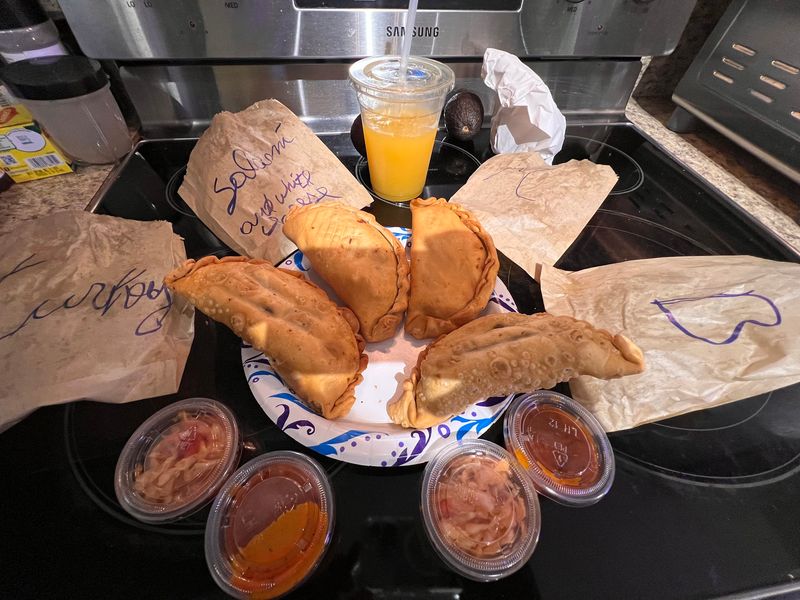
Macaroni gratin inside a fried pastry is a fairly persuasive answer to the question of what to eat for breakfast. This Miramar specialist has built its reputation around pate kode: substantial fried dough pockets with savory fillings, including traditional combinations and several playful departures.
Documented options include salted cod, smoked herring with hard-boiled egg, beef, griot with pikliz, and Haitian macaroni gratin. There’s even a pepperoni pizza version.
At 7150 Pembroke Road, the format is takeout, so think in terms of collecting a meal rather than settling into a dining room. The useful distinction is between these fried pastries and the flaky baked patties found at many Haitian bakeries.
Order accordingly. If you’re picturing a couple of light snacks before lunch, a generously filled pate kode may revise the schedule.
Choosing one traditional filling and one less conventional option to split makes sense for two curious eaters; ordering several simply because they’re handheld may be more ambitious than necessary. The house sauce adds another element, and a little on the side lets you decide how much belongs in each bite.
Current operating details deserve a direct check before a dedicated drive: published schedules conflict, and listings for the address are inconsistent. Confirm the pickup location, available fillings, and ordering method rather than relying on an old saved recommendation.
That practical step matters more here than memorizing a supposedly perfect order. Once you’ve established what’s available, consider the eating logistics too.
A plate and a place to sit beat trying to manage a full pastry, sauce, and a drink in the driver’s seat. Breakfast can be informal without becoming a balancing exercise.
10. Pearl of the Island
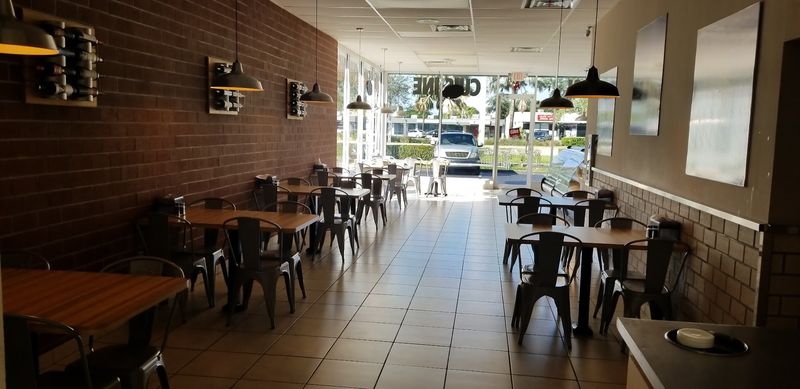
The seafood legume brings shrimp, conch, and blue crab into one vegetable stew, which should settle any suspicion that the vegetable section is merely an afterthought. Pearl of the Island offers that dish alongside lalo, stewed conch, goat, snapper, meatballs, and several forms of fritay.
Its menu also gives djon djon rice its proper place among the sides. With locations listed in Margate, Hollywood, Oakland Park, and Lake Park, this is one of the more geographically flexible options for a Haitian meal across South Florida.
The Margate restaurant is at 1490 State Road 7, Bay A; Hollywood’s address is 1832 Harrison Street. Choose the branch first, then check that location’s menu rather than assuming every item and price is identical.
A Margate ordering menu, for example, lists griot, goat, oxtail, conch, and fritay platters, giving you several ways to scale the meal. If you want to explore fried foods, choose a fritay platter and let the combination do its job.
The restaurant lists accompaniments including akra, marinade fritters, plantains, and pikliz. If a stew sounds more appealing, take advantage of the entrée format and choose sides that give the sauce somewhere to land.
For two people, one stew and one fried preparation would make a useful comparison without requiring a table covered in containers. Add a rice dish you haven’t tried, then see whether another side is actually necessary.
The menu is broad enough to encourage overordering, but there’s a better argument for saving a few dishes for another visit. Conch alone could justify choosing an entirely different meal next time.
11. La Paix Bakery
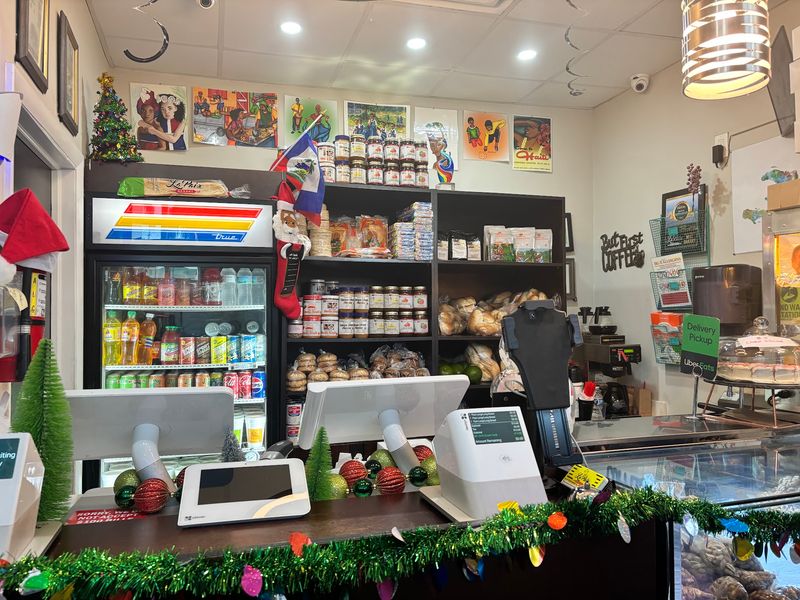
“Peace” is a lovely name for a bakery, particularly one that gives you several reasons to abandon an argument about where to get breakfast. Founded in Miramar in November 2005 by Lucien Nozile, Yolande Derosier, and Nadeige Sterlin, La Paix remains a family business.
After Lucien’s death in 2017, Yolande continued the operation with daughters Natasha Nozile-Janvier and Nadeige. The original Miramar shop is at 6035 Miramar Parkway, and the business also lists a Miami Shores location at 9636 NE Second Avenue.
Bread is a sensible starting point, but the menu gives you considerably more to work with. There are baked patties filled with beef, chicken, cod, or herring, plus fried pate kode, ginger-molasses buns called bonbon siwo, starch cookies, and coconut bread.
Akasan, a cornmeal drink, offers a change from the automatic coffee order. More substantial choices include spaghetti, cornmeal, bouillon, and soup joumou.
Treat this as two shopping decisions: what you’ll eat now and what you want at home. A warm savory pastry solves the immediate problem; a loaf and a bag of cookies solve tomorrow’s.
If you’re sharing with people unfamiliar with Haitian baking, a mixed selection makes the introduction easier than trying to explain every item before anybody has tasted one. The menu’s English and Haitian Creole names also make it useful for connecting a new favorite with the word you’ll use to order it again.
Compare a baked patty with a fried one rather than assuming they’re interchangeable. Then add something sweet that’s small enough to save.
A bakery bag with a little variety has a habit of making the rest of the day better.
12. Detente Cafeteria & Bakery
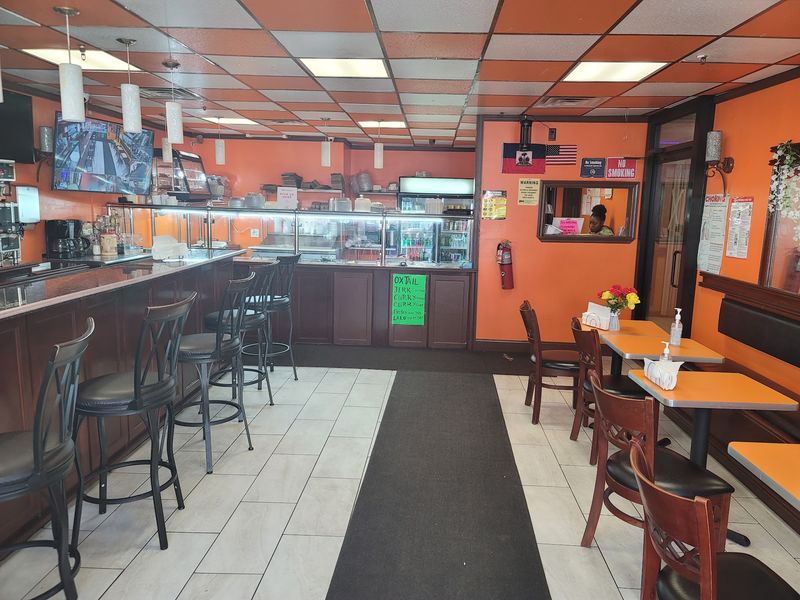
Seven in the morning to ten at night is a generous window for fitting Haitian food into an ordinary day. Detente posts those hours daily at 6333 Miramar Parkway, giving breakfast people, late lunch people, and the chronically undecided a workable option.
Its menu covers morning staples and substantial mains, with labouyi bannann, plantain porridge, appearing alongside eggs and coffee. Later choices include stewed goat, fried pork, chicken in sauce, stewed vegetables, conch, and grouper with lime sauce.
That range makes it useful to arrive with a mood rather than a rigid plan. A bowl of porridge and a coffee call for a different appetite from goat and rice, and there’s no reason to turn every visit into a large dinner.
For a first substantial meal, ask about the goat preparations: the menu distinguishes taso cabrit, goat tidbits served with Creole dipping sauce, from kabrit nan sos, stewed goat. Akra, made with malanga, provides another possible starting point.
When ordering something unfamiliar, a precise question helps more than asking what’s “good.” Ask whether you want fried meat or stew, how large the portion is, and which sides come with it. Those answers will get you closer to a satisfying lunch than a long discussion of somebody else’s favorite dish.
Vegetable-based names also deserve a quick ingredient check if you avoid meat; a stew’s name doesn’t necessarily disclose its stock or every addition. For a mixed group, choose food that reflects different appetites instead of making everyone match.
One person can have soup while another settles into a full plate. The all-day format is the appeal: a neighborhood restaurant that can meet you at breakfast, dinner, or the slightly awkward hour in between.
13. Founey Caribbean Bar & Grill
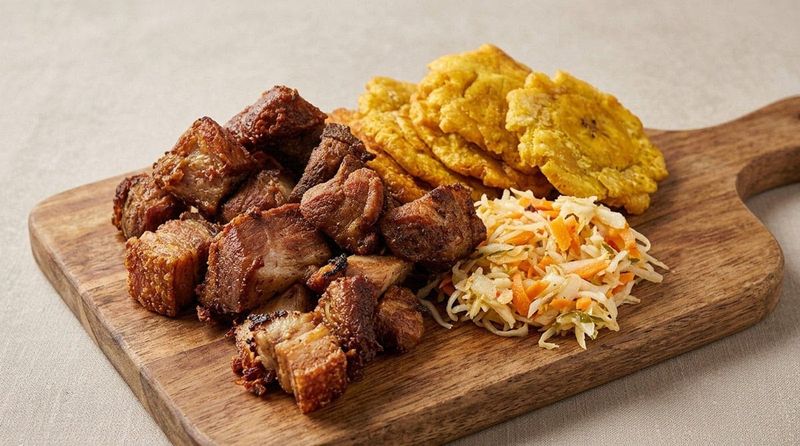
Charcoal-grilled conch gives this Pembroke Road kitchen a distinct place in the lineup. Chef and owner Founey Thys opened the restaurant in 2024 at 6252 Pembroke Road, where the menu moves between breakfast, stews, fried meats, and food cooked over open charcoal.
Lambi boukannen, grilled conch, is listed at $35; charcoal-grilled red snapper starts at $35. Those are useful alternatives to the stewed and fried preparations that appear elsewhere on the menu.
Build the meal around that choice. If grilled seafood is the reason for coming, resist adding so many starters that it becomes an afterthought.
Sharing an appetizer and leaving room for the main gives the kitchen’s different preparations a chance to stand apart. For a group, one person choosing stewed conch and another choosing grilled conch would make an interesting comparison, provided everyone is willing to surrender a few bites.
Breakfast takes the menu in another direction, with spaghetti, eggs and plantains, and mayi moulen with spinach and smoked herring. Lalo, a jute-leaf stew with meat and seafood, adds another possibility for a return visit.
The schedule favors a leisurely late-week dinner: posted hours run until midnight Thursday through Saturday, with earlier closing Sunday through Tuesday and a Wednesday closure. That makes the restaurant useful when dinner has slipped past its original time without becoming an excuse to order blindly.
Decide whether the evening calls for something grilled, something saucy, or a plate of fried meat, then choose the accompaniments to match. A piece of plantain can handle the last spoonful of sauce; a little room on the plate lets the charcoal-cooked conch have its say.
Share this story