A burger once came in a divided foam box designed to keep its hot and cold ingredients apart. That kind of extra effort makes an old fast food menu feel less like a shopping list and more like a collection of curious inventions.
Other vanished offerings included tiny crown-shaped chicken nuggets, a taco filling served on a hamburger bun, and a pizza built for sharing on a grand scale. I love how these ideas reveal what chains were willing to try, even when the result never became a lasting menu fixture.
The favorites below come from former American menus, rather than a promise that you can order them today at a nearby counter. Limited returns and regional exceptions can complicate the word discontinued, but the appeal is simple: sometimes you miss the odd little side dish as much as the main event.
1. McDLT
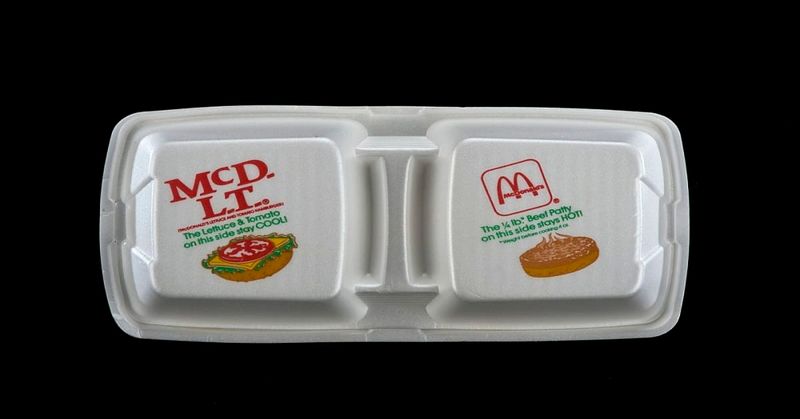
A hamburger once needed a two-room apartment, and the McDLT supplied the floor plan. Its divided foam package separated the hot burger from the lettuce, tomato, and other cooler components until assembly.
McDonald’s introduced the sandwich in the 1980s, when packaging formed a major part of its sales pitch. You weren’t simply buying lunch; you were finishing a small construction project before the first bite.
The name pointed to its central ingredients: McDonald’s, lettuce, and tomato. Compared with burgers built around a special sauce, this one made the temperature of familiar toppings the main attraction.
That approach also explains why a homemade copy requires more than stacking the right ingredients. Toast your bun, keep the vegetables chilled, and assemble the sandwich immediately before eating for a similar contrast.
The original foam container belongs to its era, rather than a sensible modern comeback plan. Still, the basic promise deserves another chance: a burger whose salad toppings don’t spend their entire journey beside hot beef.
Address: Not applicable to a discontinued chain menu item. Availability historically covered multiple participating locations rather than one restaurant address.
2. Arch Deluxe
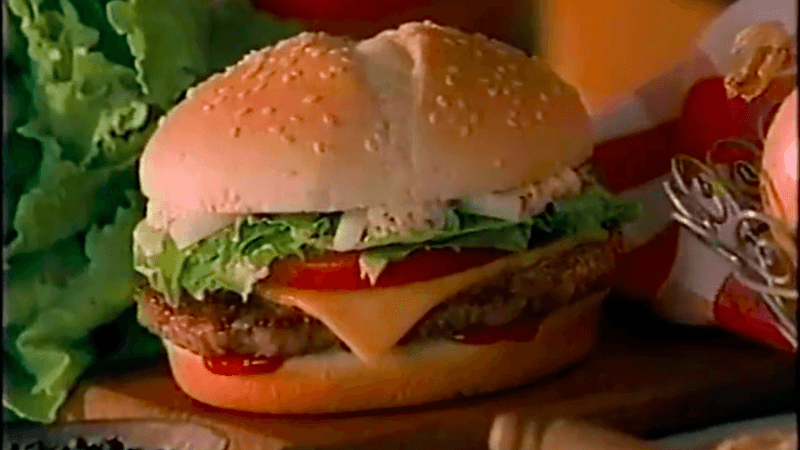
Growing up apparently required a different hamburger, at least according to one memorable marketing campaign. McDonald’s positioned the Arch Deluxe as a burger aimed at adult tastes when it launched in 1996.
The sandwich combined a beef patty with lettuce, tomato, cheese, onions, ketchup, and a mustard-mayonnaise sauce. Its bakery-style bun helped separate the presentation from the chain’s more familiar everyday burgers.
You can understand the idea without buying the advertising argument that children and adults need opposing lunches. A sharper sauce and a different bun can make standard burger ingredients feel like a separate product.
The Arch Deluxe also offers a useful lesson for anyone chasing a nostalgic copy at home. Start with the sauce and bread, since an ordinary cheeseburger foundation alone won’t capture the sandwich’s intended identity.
Its elaborate rollout became better remembered than its place on the menu. Yet the burger itself remains an interesting candidate for another appearance, preferably without asking lunch to prove how mature you’ve become.
Address: Not applicable to a discontinued chain menu item. The sandwich appeared at participating McDonald’s restaurants rather than one permanent destination.
3. Onion Nuggets
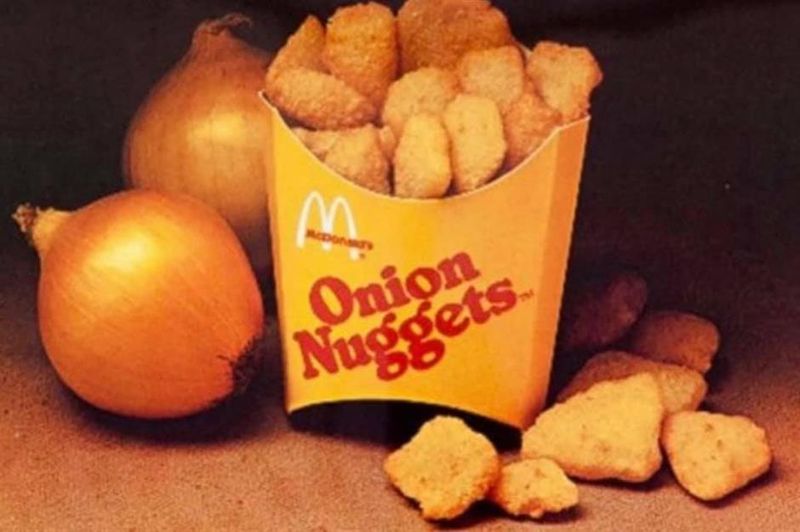
Before chicken nuggets became a menu giant, chopped onions had their own bite-sized audition. McDonald’s tested Onion Nuggets in the 1970s, offering a fried vegetable snack instead of a familiar ring.
The important distinction sits right in the shape: these were small battered onion pieces, not circular onion slices. That gave the concept a different identity from the onion rings available at other chains.
If you enjoy onion-based sides, the appeal doesn’t require much explanation or a complicated origin story. You could add a few savory bites to a burger meal without committing to another full sandwich.
A home version should borrow from onion fritters rather than attempt to reshape frozen onion rings. Use a tested recipe, keep portions small, and follow its frying temperatures instead of guessing from an old photograph.
Onion Nuggets deserve attention because they represent a road the menu didn’t continue following. Chicken eventually claimed the nugget spotlight, but there’s room in our imaginary comeback order for a vegetable with better timing.
Address: Not applicable to a discontinued test-menu item. Historical availability depended on participating restaurants, not a single address visitors can use today.
4. McSalad Shakers
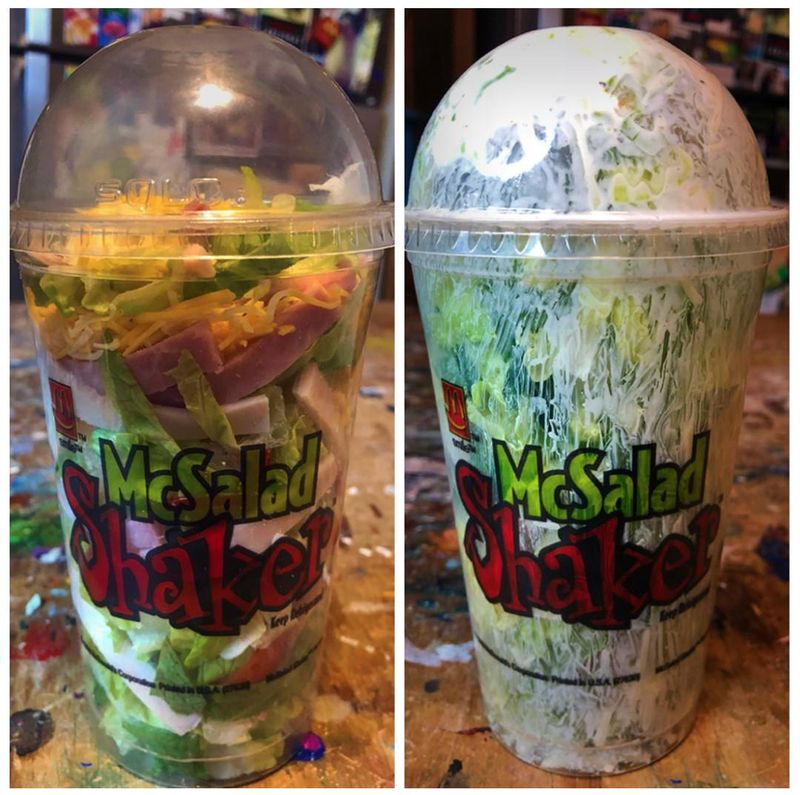
Salad briefly borrowed the cup holder’s favorite shape and asked you to supply the motion. McSalad Shakers put a side-sized salad into a clear cup that you could shake after adding dressing.
McDonald’s introduced the line in 2000, with varieties that included Garden, Chef, and Grilled Chicken Caesar. The container made the product visually different from the broad bowls often associated with fast food salads.
You still needed a fork, so the cup didn’t turn lunch into something you could sensibly drink. Its useful trick was giving the dressing space to move through the ingredients before you opened the lid.
For a practical remake, leave room at the top of a lidded food container before shaking. Pack dressing separately until mealtime, especially when delicate leaves need to stay crisp during a longer trip.
The concept feels surprisingly easy to understand beside today’s packed lunches and reusable salad jars. We’d welcome another attempt, provided the lid stays secure and the instructions don’t accidentally turn your desk into the mixing bowl.
Address: Not applicable to a discontinued chain menu item. McSalad Shakers belonged to participating restaurant menus rather than one specific location.
5. Fruit And Walnut Salad
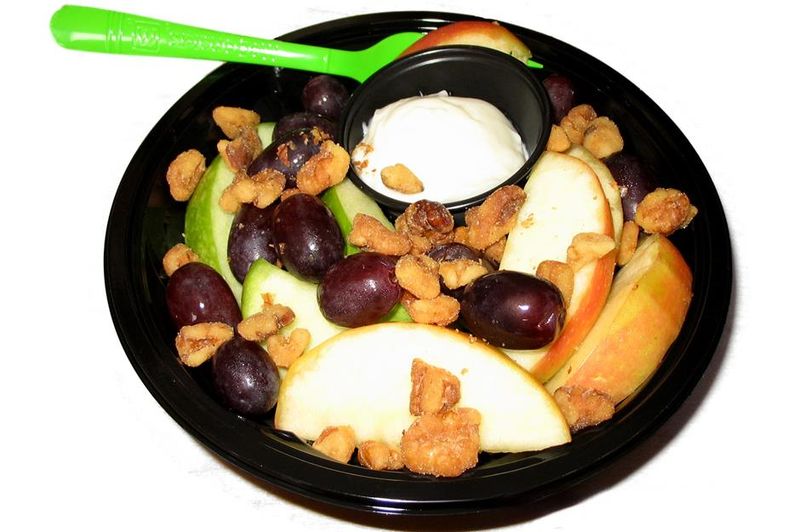
Apple slices and walnuts once made a convincing case for skipping the fryer altogether. McDonald’s Fruit and Walnut Salad paired fruit with candied walnuts and vanilla yogurt in a small snack-style serving.
Despite its name, you weren’t opening a box of lettuce with a few decorative apple pieces. Apples and grapes carried the fruit portion, while the yogurt worked as an accompaniment rather than a leafy-salad dressing.
That distinction matters if you’re trying to remember why this side stood apart from other menu choices. It offered a different kind of snack break without asking you to buy a full entrée salad.
You can recreate the basic arrangement with fresh fruit, a separate yogurt cup, and a measured portion of walnuts. Keep the nuts apart until serving if you want to preserve their texture during storage.
A comeback would appeal most as an extra option, not a lecture about what anyone should order. Sometimes your burger needs fries beside it, and sometimes your afternoon simply needs apples with a little supporting cast.
Address: Not applicable to a discontinued chain menu item. The former snack appeared through participating McDonald’s locations rather than a dedicated restaurant.
6. Big N’ Tasty
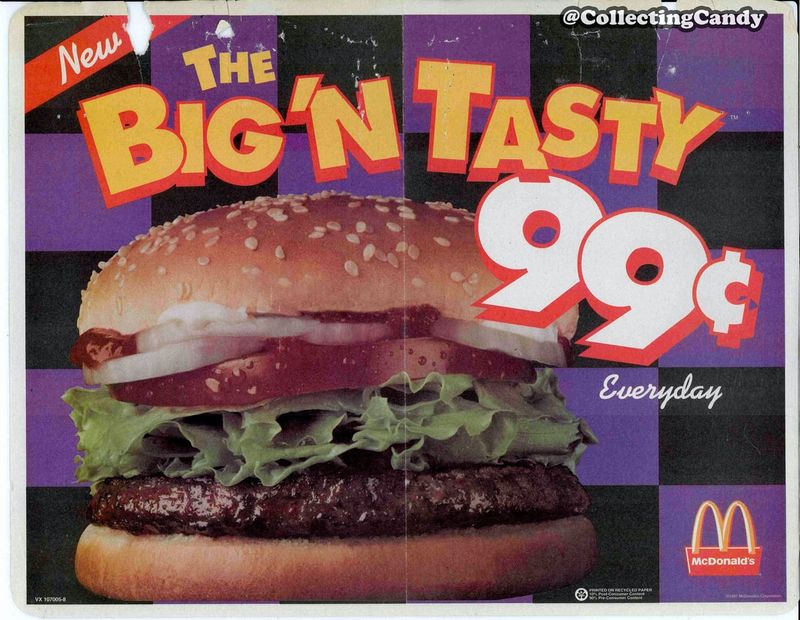
Not every memorable burger needed a secret middle bun or an elaborate origin story. The Big N’ Tasty leaned on a quarter-pound beef patty and familiar toppings inside a sesame seed bun.
Lettuce, tomato, onion, pickles, ketchup, and mayonnaise formed its straightforward supporting cast. Cheese belonged to a separate variation, so adding it changes which version of the former American sandwich you’re remembering.
The appeal was partly its position between a basic hamburger and the chain’s more heavily branded signature sandwiches. You could recognize the ingredients immediately without learning a special assembly method or a new sauce name.
When searching for old photographs, include the American product name rather than assuming overseas Big Tasty sandwiches match it. Similar names can hide different sauces, different builds, and separate menu histories across international markets.
That naming wrinkle makes this an especially useful reminder to be specific about nostalgia. We’d order the original American version again for its uncomplicated construction, not because a bigger list of toppings automatically makes lunch better.
Address: Not applicable to a discontinued American menu item. International products with related names should not be treated as one matching location.
7. Bell Beefer
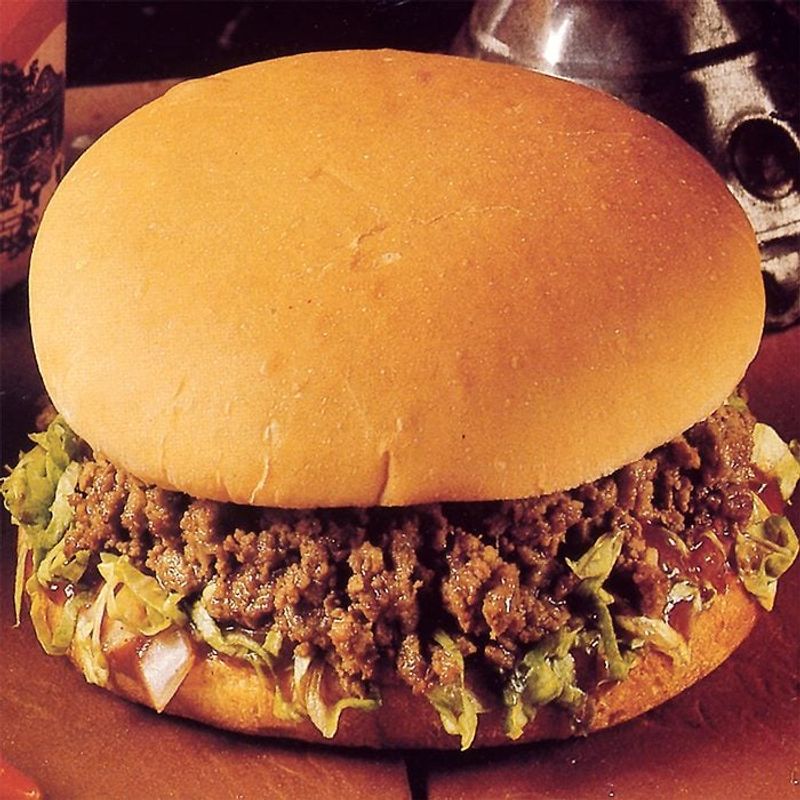
A taco filling once took a detour through the hamburger aisle and stayed for lunch. Taco Bell’s Bell Beefer served seasoned ground beef on a bun instead of inside a tortilla or shell.
The basic sandwich included lettuce, diced onion, and sauce, giving it a clear connection to the chain’s familiar ingredients. Its bread made the format different without requiring an entirely separate kitchen identity.
You might compare the general idea with a loose-meat sandwich, although the seasoning and toppings gave it its own direction. Calling it merely a burger misses the important point that the filling wasn’t a formed patty.
For a home tribute, use cooked taco-seasoned ground beef and choose a bun sturdy enough to hold loose filling. Add modest amounts of sauce first, since bread can soften quickly when the filling carries extra moisture.
The Bell Beefer makes a strong comeback candidate because its appeal is so easy to explain. Sometimes you want the flavor of a taco but would rather let a bun handle the structural engineering for a change.
Address: Not applicable to a discontinued chain menu item. Its historical availability involved participating Taco Bell restaurants rather than a single storefront.
8. Seafood Salad
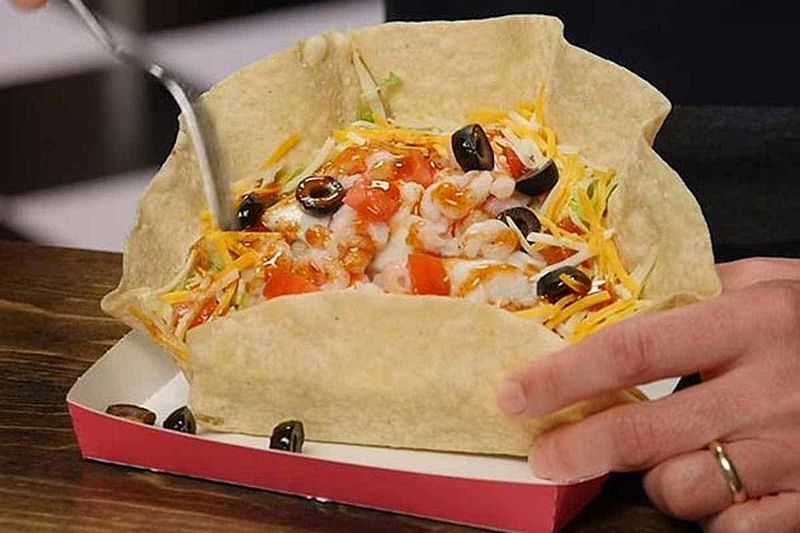
Seafood in a tortilla bowl sounds like a menu rumor until you meet this former offering. Taco Bell introduced a Seafood Salad during the 1980s, moving well beyond its usual ground-beef comfort zone.
The advertised seafood combination included shrimp and whitefish, served as part of a salad in a tortilla shell. That made the item different from simply adding another sauce to an established taco or burrito.
Its place here rests on curiosity as much as nostalgia, because unusual menu experiments deserve an honest second look. You don’t have to declare it a forgotten masterpiece to wish you could judge one properly prepared serving.
If you recreate the idea, use a reliable seafood salad recipe and follow safe refrigeration guidance closely. Keep the tortilla bowl separate until serving so the shell doesn’t spend hours absorbing moisture from its filling.
A modern return would need clear ingredient information and careful handling, not just a wink at an old advertisement. Still, a seafood detour this unexpected earns a spot on a wish list built around missing possibilities.
Address: Not applicable to a discontinued historical menu item. No single present-day restaurant address represents the former chainwide advertising or participating locations.
9. 7-Layer Burrito
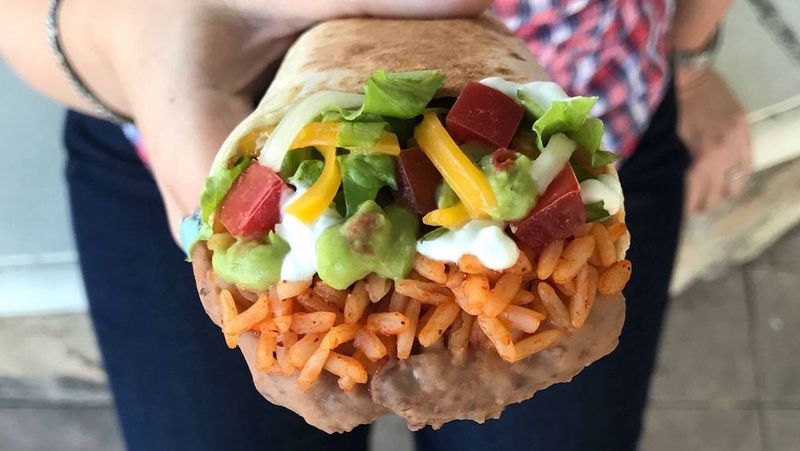
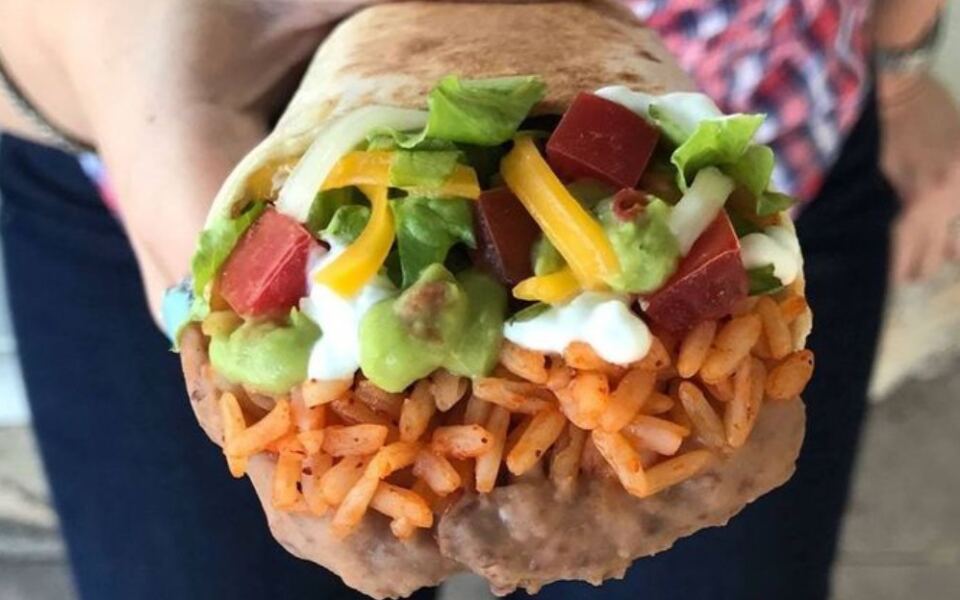
Seven ingredients gave this meatless burrito plenty to discuss without adding a beef filling. Beans, rice, lettuce, tomatoes, guacamole, sour cream, and cheese supplied the layers that made its name so easy to remember.
Taco Bell removed the 7-Layer Burrito from its standard American menu during its 2020 simplification. The loss mattered because it was a recognizable ready-made choice, rather than an order customers had to design themselves.
You can sometimes build a related combination from other menu components, but availability and customization rules vary. Asking politely about substitutions works better than assuming a restaurant maintains an unofficial menu with guaranteed instructions.
At home, balance matters more than achieving seven dramatic stripes when you slice the tortilla. Spread the beans and rice first, then keep wetter ingredients controlled so the burrito remains manageable after folding.
The strongest case for a return is convenience: a familiar vegetarian order should not require a planning meeting. We’d welcome the original name back on the board, with the ingredients already gathered and no extra explanation necessary.
Address: Not applicable to a discontinued standard menu item. Any customized substitute depends on the individual participating restaurant and its available ingredients.
10. Grilled Stuft Burrito
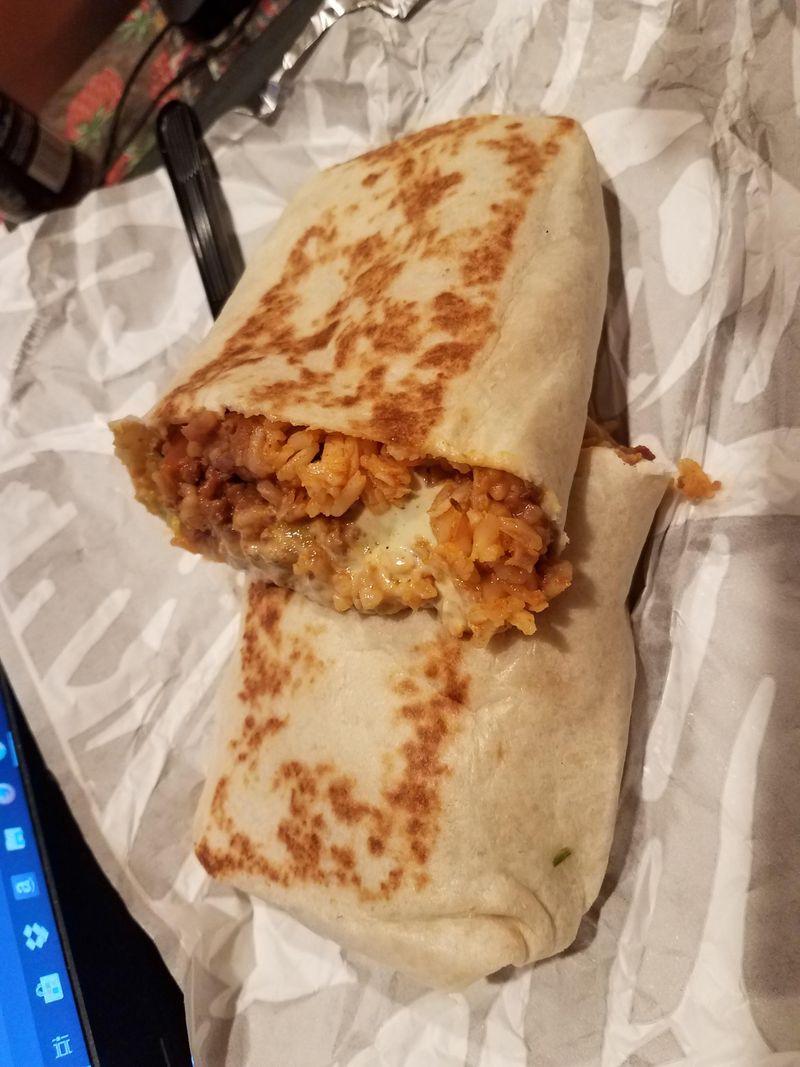
The grill gave this burrito a finishing step that its name practically shouted across the counter. Taco Bell’s Grilled Stuft Burrito combined a filled flour tortilla with a pressed, grilled exterior.
The original build brought together ingredients including beans, rice, cheese, pepper jack sauce, and a choice of protein. Later XXL versions changed the formula, so photographs from different years don’t necessarily show the same burrito.
That difference matters when you’re tracking down the version you miss rather than simply remembering the largest wrapper. A familiar name can survive recipe changes long enough for separate groups of fans to remember different fillings.
For a homemade interpretation, fold the tortilla tightly and place the seam against a preheated skillet first. Use moderate heat so the outside gains color while the filling heats through without scorching the bread.
Its comeback appeal rests on that final press as much as the ingredients inside. A burrito already handles lunch efficiently, but a grilled surface makes the package feel deliberately finished rather than merely wrapped for transport.
Address: Not applicable to a discontinued chain menu item. Original and later versions appeared at participating locations across different menu periods.
11. SuperBar
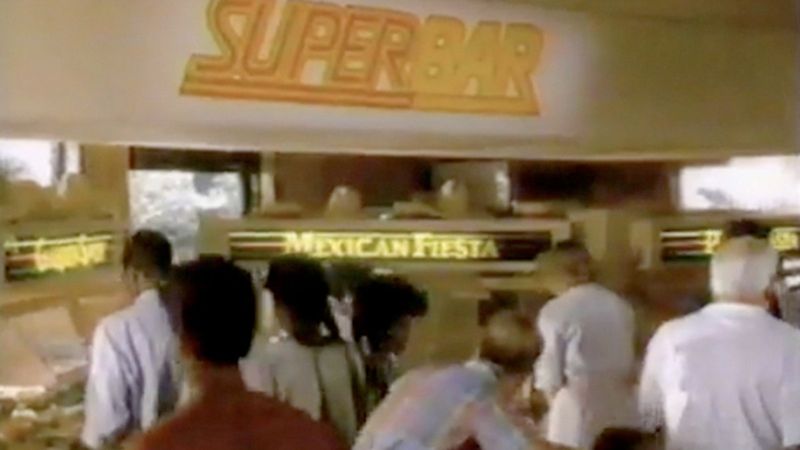
One trip to the counter could once lead to salad, pasta, and taco ingredients instead of a burger. Wendy’s SuperBar expanded the restaurant’s buffet idea into several food categories under one larger self-service setup.
Introduced in the late 1980s, it included sections associated with salads, Mexican-inspired choices, and pasta. The attraction was variety within one visit, rather than a single sandwich offered with a different topping.
You could approach the meal by choosing a familiar combination or assembling a plate from separate stations. That freedom helps explain why memories of the SuperBar often focus on the format as much as individual foods.
A realistic return would require more than placing a few serving trays near the dining area. Food temperatures, clean utensils, ingredient labeling, and staffing would need careful attention throughout service at each participating restaurant.
Even with those practical hurdles, the idea remains easy to miss on behalf of indecisive lunch eaters. Some days choosing between pasta and a taco feels unnecessary, and the SuperBar once made room for that very reasonable position.
Address: Not applicable to a discontinued restaurant feature. Historical SuperBar service varied by participating Wendy’s location rather than a single fixed address.
12. Frescata Sandwiches
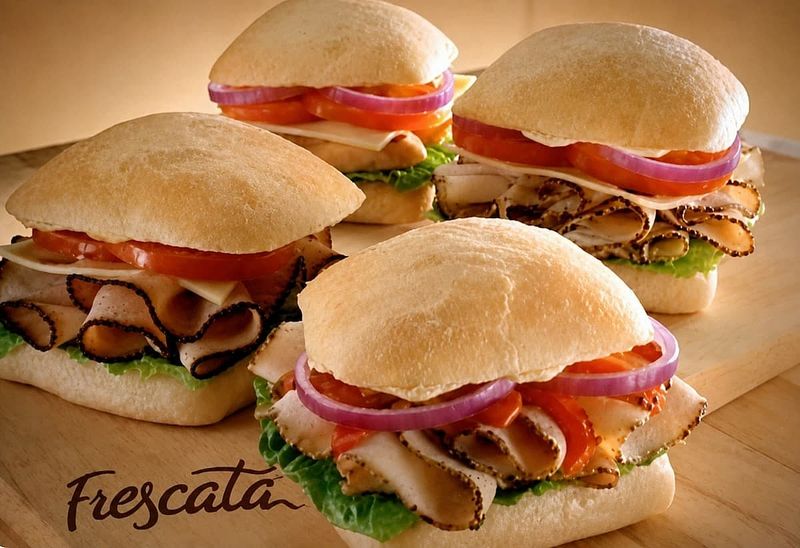
Deli-style sandwiches briefly shared menu space with square hamburgers, which made Wendy’s lunch options look rather different. The Frescata line arrived in 2006 with sandwiches built around deli meats and artisan-style bread.
Choices included turkey-focused sandwiches and an Italian-style option, rather than one standard filling wearing several names. The line gave customers another route when they wanted a sandwich but didn’t want a burger or breaded chicken.
You should distinguish Frescata from later Wendy’s chicken sandwiches when searching old menus or promotional photographs. The bread and sliced-meat format were central to its identity, not incidental details around a familiar fried fillet.
A home recreation works best when you select one historical version instead of combining ingredients from the entire range. Start with a suitable roll, then match the meat, vegetables, and dressing to that particular sandwich.
The case for bringing Frescata back isn’t that a burger chain must become a deli. It’s that a clearly different lunch choice can be useful, especially when a group wants one stop but doesn’t share one sandwich preference.
Address: Not applicable to a discontinued sandwich line. Frescata availability historically depended on participating Wendy’s restaurants rather than a dedicated sandwich shop.
13. Gouda Bacon Cheeseburger
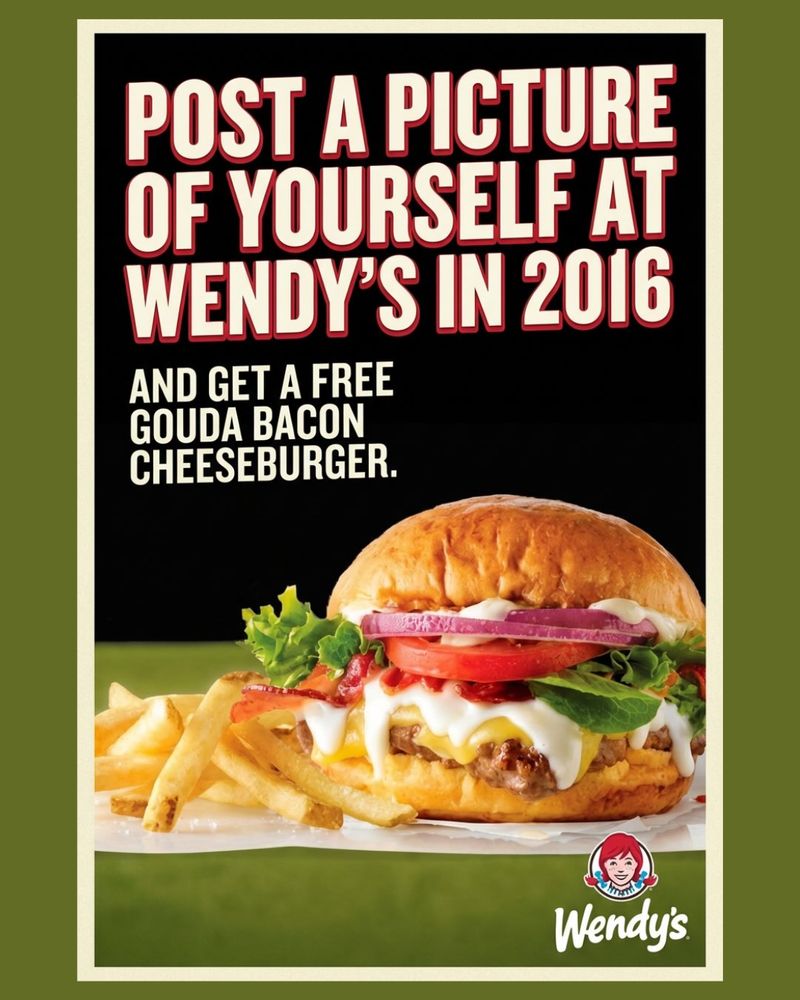
Gouda got a turn in the burger spotlight instead of leaving the cheese conversation to familiar American slices. Wendy’s Gouda Bacon Cheeseburger combined that cheese with bacon and a more elaborate set of supporting ingredients.
The limited-time sandwich included Swiss Gruyere cheese sauce, garlic aioli, and spring mix on a brioche-style bun. Those details matter because a basic bacon cheeseburger with Gouda wouldn’t fully represent the original build.
You can see the design logic in the combination of sliced cheese and a separate cheese sauce. One provided a recognizable topping, while the other spread another layer of flavor across the sandwich’s other components.
If you attempt a tribute at home, keep the sauces measured rather than stacking on unlimited spoonfuls. A burger needs enough structure to remain a sandwich, especially when greens and bacon already occupy valuable space.
Limited runs don’t need to become permanent fixtures to earn a repeat appearance later. We’d happily give this one another window on the menu, with its actual ingredient combination intact rather than its name attached to a simpler replacement.
Address: Not applicable to a former limited-time menu item. Participating Wendy’s restaurants offered the sandwich during its promotional run, not at one exclusive address.
14. Crown-Shaped Chicken Nuggets
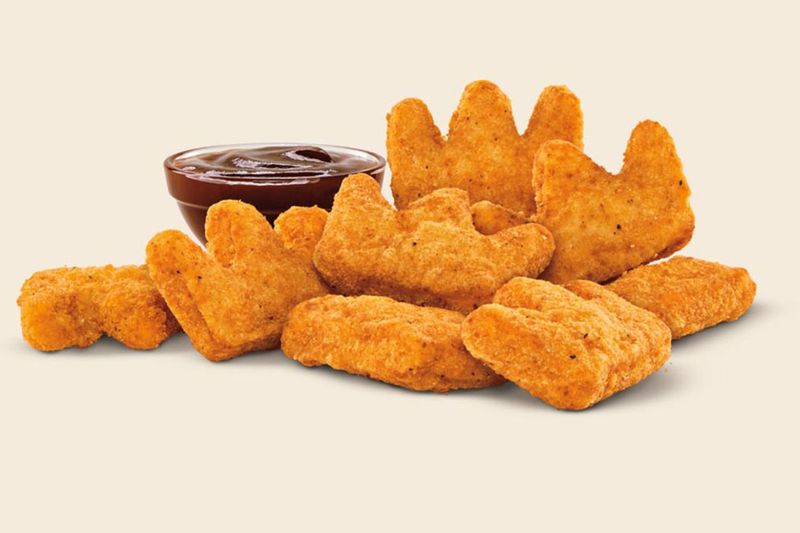
Chicken nuggets once arrived dressed for a tiny royal appointment, complete with points along the top. Burger King’s crown-shaped nuggets turned the chain’s central symbol into an actual piece of the meal.
The appeal began with a visible difference rather than an unfamiliar sauce or a complicated sandwich build. You could identify the shape before taking a bite, which gave an otherwise common menu category an immediate signature.
When looking for historical images, check that you’re seeing crowns rather than the chain’s later standard nugget shapes. Packaging alone can suggest the right brand while showing a completely different generation of the product inside.
Recreating them at home is more involved than pressing a cutter into a cooked chicken nugget. Use a tested shaped-chicken recipe and follow safe cooking temperatures instead of treating raw poultry like ordinary cookie dough.
A return would make sense as a playful design choice, without pretending the outline changes the entire meal. Sometimes the memorable part of fast food is wonderfully small, and three little points can do more branding work than another slogan.
Address: Not applicable to a discontinued product shape. Historical service involved participating Burger King restaurants rather than a single location with ongoing availability.
15. Shake ‘Em Up Fries
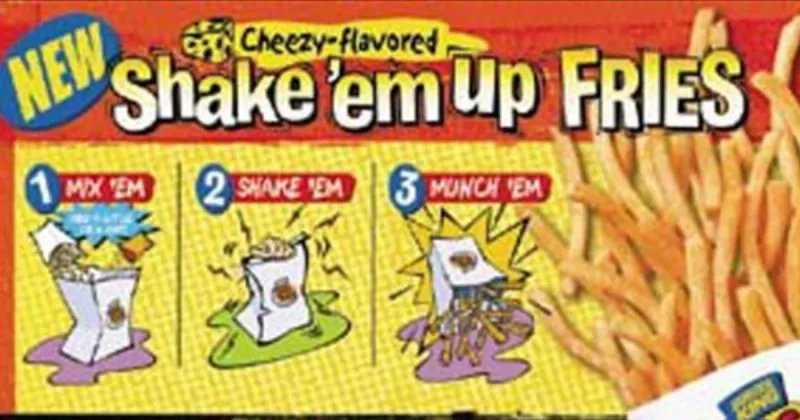
French fries briefly came with homework, although the assignment was mostly shaking a paper bag. Burger King’s Shake ‘Em Up Fries paired fries with a cheese seasoning packet that customers could add themselves.
The product appeared in the early 2000s and made the preparation ritual part of the appeal. Instead of receiving a fully dressed side, you controlled the final step after collecting your order.
That setup offered a simple difference from fries covered in melted cheese or a heavy sauce. A dry seasoning changes the coating without turning the entire serving into something that automatically requires a fork.
For a home version, use a food-safe bag or a large lidded container with room for movement. Add seasoning gradually while the fries are hot, then shake carefully rather than crushing them against the sides.
The concept could also support different seasonings, though those would be new variations rather than the original product. We’d start with the cheese version and let the bag do its modest bit of dinner theater before discussing any ambitious expansion.
Address: Not applicable to a discontinued promotional menu item. The fries appeared at participating Burger King locations rather than a single permanent destination.
16. BK Broiler
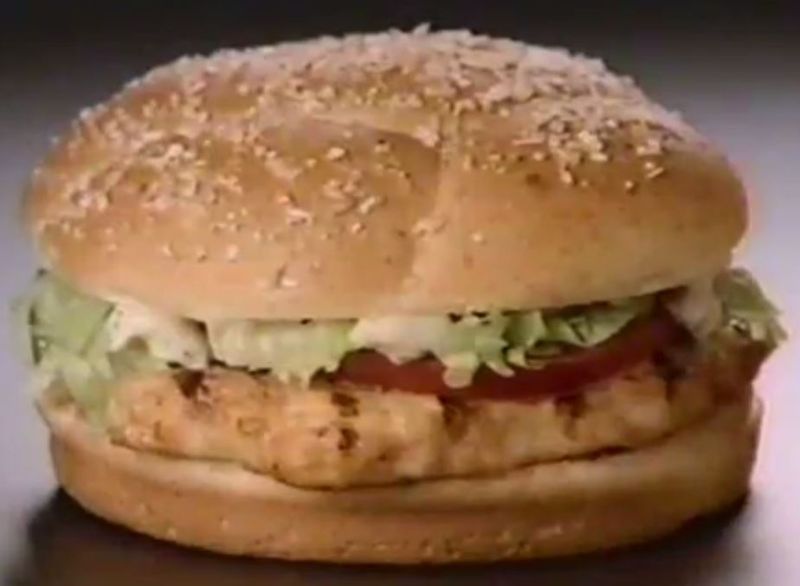
Grilled chicken had a named place on the board long before today’s chicken sandwich debates grew so crowded. Burger King introduced the BK Broiler in 1990 as an alternative to its breaded chicken offerings.
The sandwich centered on an unbreaded chicken breast fillet with lettuce, tomato, and mayonnaise on a specialty roll. Its identity depended on that grilled format, not on a new coating or an extra-crisp breading style.
Later chicken sandwiches replaced it, but a replacement doesn’t automatically preserve the earlier sandwich’s full character. Bread, portion specifications, seasoning, and toppings can shift even when the basic category remains grilled chicken on a bun.
If you’re comparing old advertisements, use the BK Broiler name rather than searching only for Burger King chicken sandwiches. That narrower search helps separate this product from the many other versions introduced in later years.
We’d welcome another appearance because a straightforward grilled option can hold its own without joining a breading competition. Give the chicken a suitable roll and familiar vegetables, and let the sandwich make its case without an elaborate new personality.
Address: Not applicable to a discontinued named menu item. Historical availability covered participating Burger King restaurants rather than one restaurant address.
17. Potato Wedges
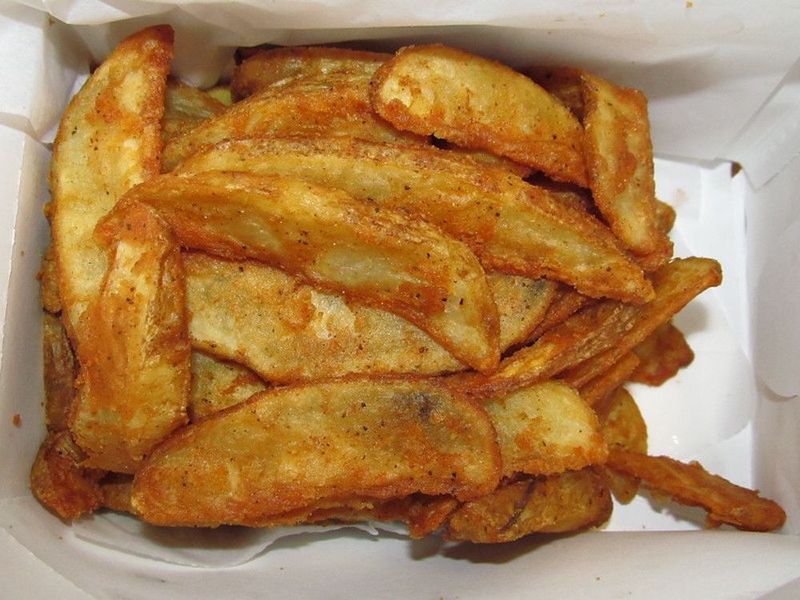
A potato side can change the mood of a chicken order without touching the chicken itself. KFC’s potato wedges supplied thick, skin-on pieces with a seasoned coating instead of the thinner shape of standard fries.
The chain replaced wedges with Secret Recipe Fries on its American menu in 2020. That switch explains why ordering the current potato side doesn’t necessarily satisfy someone remembering the earlier cut and preparation.
Wedges also give you a different balance of potato interior and outer coating within each piece. The appeal isn’t simply that one shape is better; it’s that the two sides offer noticeably different constructions.
For a homemade tribute, cut potatoes into similarly sized wedges so they cook at a more even pace. Follow a tested seasoned-wedge recipe, and don’t assume that a sprinkle of spice alone recreates a coated restaurant version.
A comeback could work as an additional side rather than a demand to remove the replacement. Chicken meals can support more than one kind of potato, and we’d gladly let the thick-cut former favorite share the menu again.
Address: Not applicable to a discontinued American side dish. Availability historically involved participating KFC restaurants and should not be inferred from overseas menus.
18. Little Bucket Parfaits
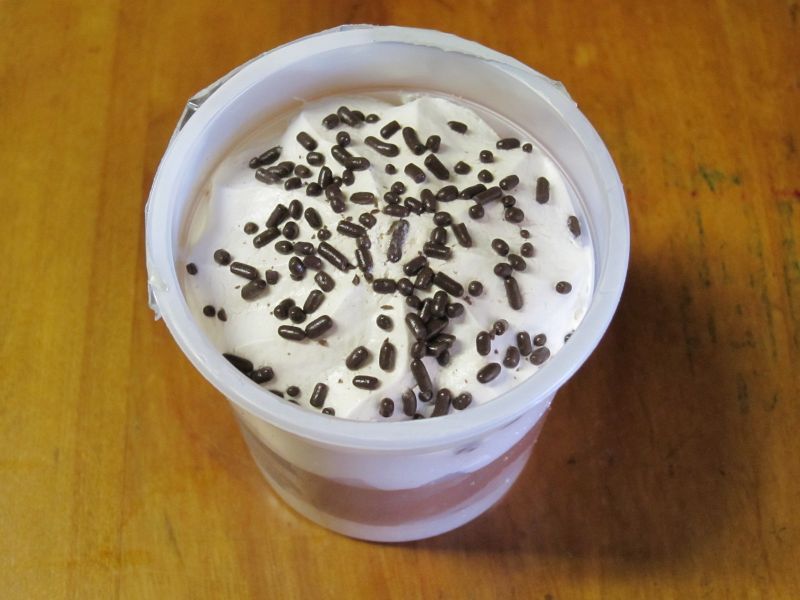
Dessert once arrived with a name that matched the chicken order’s most recognizable piece of packaging. KFC’s Little Bucket Parfaits served layered sweets in individual cups rather than asking you to share a large dessert.
The line included chocolate-focused and other varieties during its history, so memories don’t always point to one recipe. A photograph of one flavor shouldn’t be used to define the ingredients in a different cup.
The layered presentation gave the small dessert its main visual appeal through the clear container. You could see separate components instead of guessing what sat beneath a single uniform surface of pudding or topping.
To recreate the format, choose a tested pudding or parfait recipe and assemble it in individual clear cups. Keep crumb layers separate until closer to serving if your chosen recipe depends on their remaining crisp.
These little desserts deserve another chance because the portion and packaging made sense beside a larger shared meal. You could finish your own cup without negotiating slices, serving utensils, or whose turn it was to find another plate.
Address: Not applicable to a discontinued dessert line. Historical flavor choices and availability depended on participating KFC locations and the menu period.
19. Bigfoot Pizza
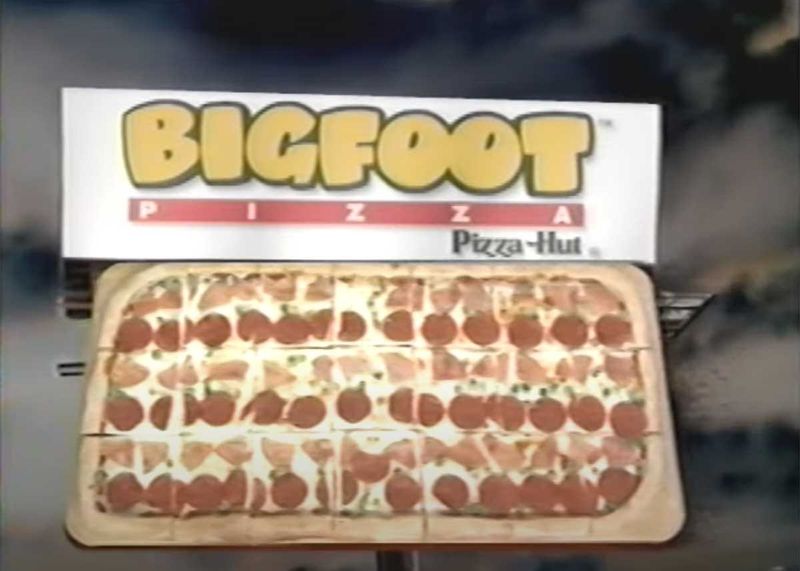
A pizza called Bigfoot had little interest in hiding inside a standard round box. Pizza Hut’s 1990s offering used a large rectangular format and was promoted around its generous overall footprint.
The pizza measured roughly two feet long and one foot wide, with 21 slices forming its familiar presentation. Those proportions made the package itself part of the event before anyone started choosing a piece.
You shouldn’t confuse Bigfoot with later rectangular party pizzas simply because both can feed a group. The original product had its own name, dimensions, and promotional identity within Pizza Hut’s changing lineup.
If you’re planning a homemade tribute, measure your oven and baking pans before dreaming up a full-size copy. Two smaller sheet-pan pizzas can borrow the serving idea without requiring restaurant equipment or an unusually cooperative oven door.
Its strongest comeback argument is social rather than technical: one oversized box makes a shared meal feel like a planned occasion. We’d happily clear some table space for another sighting, then let the group begin the important discussion about corner pieces.
Address: Not applicable to a discontinued promotional pizza. The product appeared at participating Pizza Hut restaurants rather than one exclusive historical address.
20. Frings
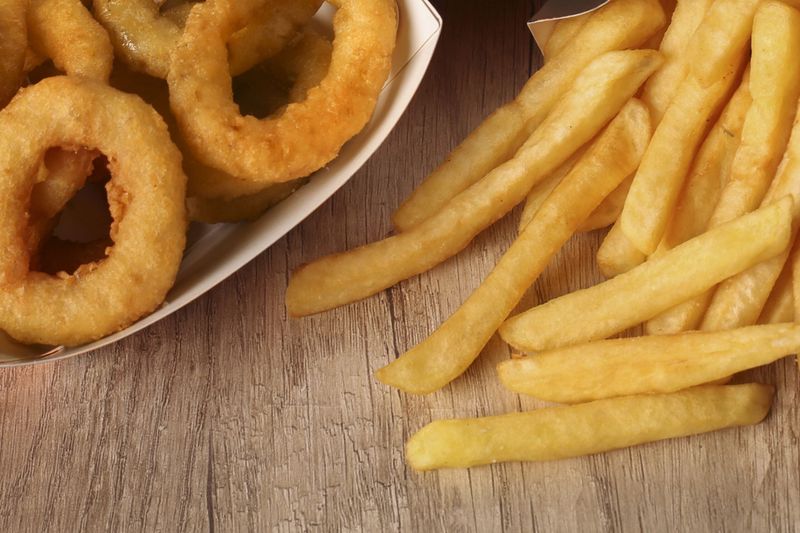
Choosing between fries and onion rings once had an answer that fit inside one side-order name. Jack in the Box’s Frings combined the two, saving customers from committing their entire order to either potato or onion.
The idea didn’t depend on inventing a new ingredient or changing how a burger was assembled. It simply treated two familiar sides as a pairing instead of presenting them as competing choices.
That makes Frings an especially understandable favorite for anyone who enjoys variety but doesn’t want two full side orders. The attraction lies in the combination, not in pretending that ordinary fries become a completely different food.
You can build a similar plate at home by cooking small portions of fries and onion rings separately. Follow each product’s cooking directions, since different coatings and sizes may require different temperatures or cooking times.
A return would be a small menu adjustment with an unusually clear purpose, which seems fitting for this list’s final wish. After so many ambitious sandwiches and unusual experiments, sometimes the smartest invention is permission to stop choosing between two good sides.
Address: Not applicable to a discontinued named side combination. Historical availability involved participating Jack in the Box restaurants rather than one fixed address.
Share this story