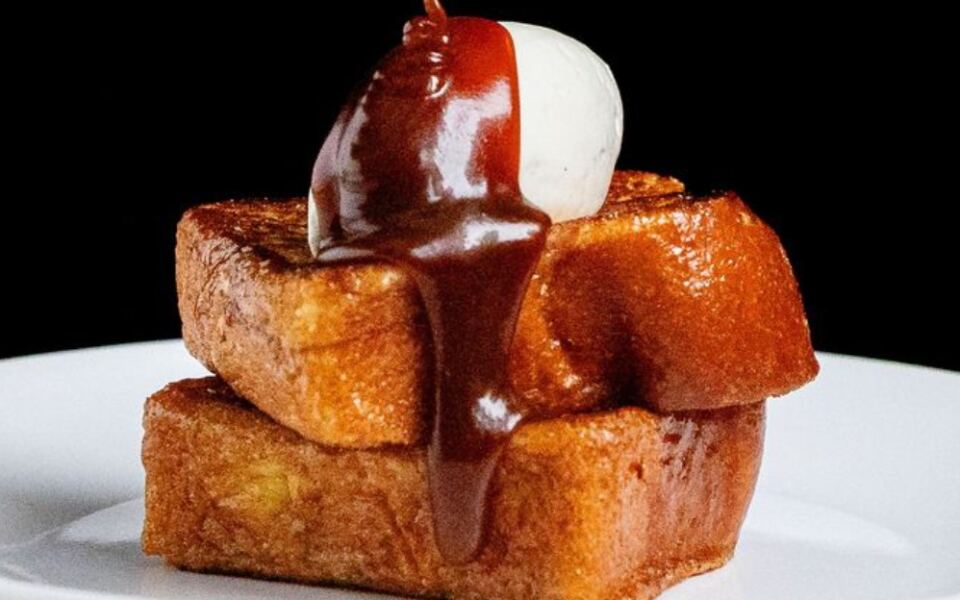
Yesterday’s bread can become tonight’s soup, tomorrow’s salad, or a sweet pudding, which makes a stale loaf look less like a problem and more like a head start on dinner.
I love how cooks working with small budgets learned to build meals around what they had: dried beans, potatoes, rice, sturdy greens, and bread that needed another chance before anyone considered throwing it away.
Many of those dishes grew through years of home cooking rather than one famous invention, so their stories belong to households and communities, not simply a single clever chef with a lucky idea. Their appeal still makes sense when groceries cost more than you hoped, the fridge holds a few odds and ends, and you want something satisfying without buying a long list of ingredients you might use only once before forgetting them behind the mustard.
1. Ribollita
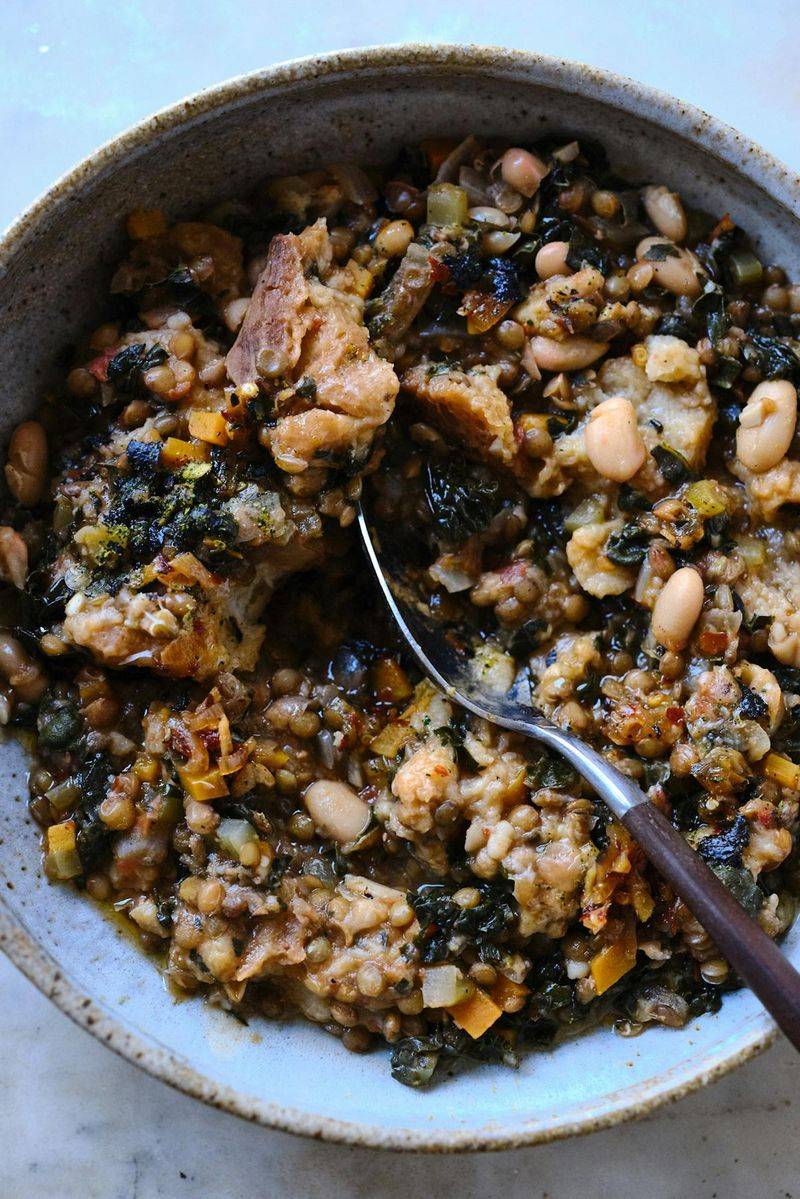
Yesterday’s soup gets a second act in a dish whose Italian name means reboiled. In Tuscany, ribollita brings together vegetables, beans, and bread that has passed its sandwich days.
The dish belongs to a tradition of stretching cooked food rather than starting fresh at each meal. Recipes vary, but cannellini beans, cabbage, and dark leafy greens often form the base.
You can make a useful version with cooked white beans, carrots, onions, and whatever suitable greens need attention. Add sturdy stale bread near the end, giving it time to absorb the broth and thicken the pot.
Keep the heat low once the bread goes in, and stir so the bottom doesn’t catch. A little olive oil at serving adds richness without asking you to buy a separate main ingredient.
For a thicker bowl, mash some beans before adding the bread, and adjust the liquid as needed. The real lesson is wonderfully practical: leftovers can become a planned ingredient, not a backup dinner you reluctantly accept when shopping has to wait another day and the cupboard seems less promising than it did before you opened it.
2. Panzanella
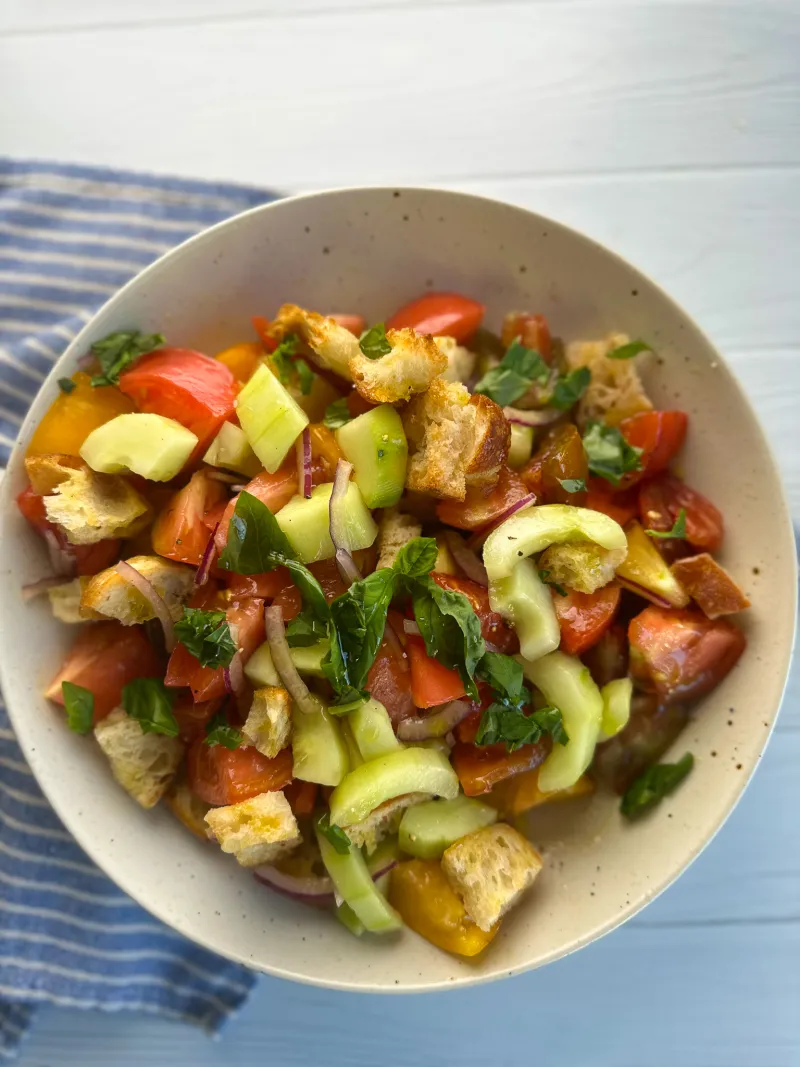
A loaf too firm for sandwiches can still earn a place at the center of lunch. Panzanella turns old bread into a Tuscan salad instead of treating it as something to hide.
Older forms of the dish predate the familiar tomato version, with bread and onions playing important roles. Today’s common combinations include ripe tomatoes, cucumber, basil, and onion, though household recipes differ.
Choose sturdy bread that can absorb dressing without immediately becoming paste, and cut it into generous pieces. Very dry bread may need a brief soak followed by a squeeze before you mix the salad.
Salt the tomatoes separately and let their juices collect, then use that liquid in the dressing. You’ll get more flavor from the ingredients already on your board rather than opening another bottle.
Add the bread gradually and allow a short rest, tasting before pouring in extra dressing or adding more salt. You want pieces that soften while keeping some shape, proving that a thrifty meal can have balance, color, and plenty of personality without requiring a stove or making a grand production out of a few vegetables and yesterday’s loaf.
3. Pappa Al Pomodoro
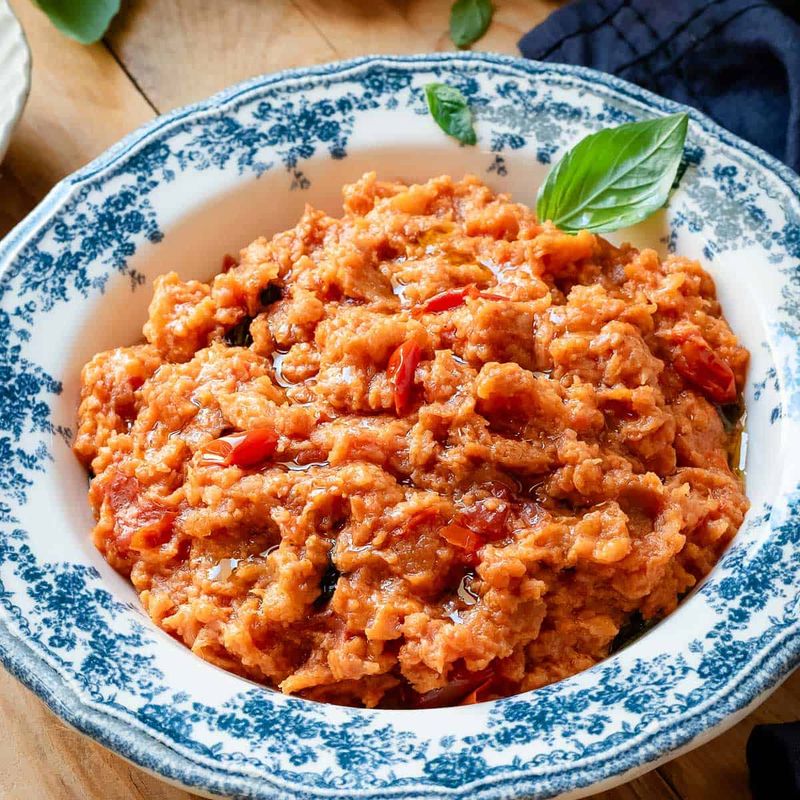
Bread doesn’t merely accompany this tomato soup; it takes over the spoon. Pappa al pomodoro is a Tuscan dish that gives stale bread a useful job as the main thickener.
Tomatoes, garlic, olive oil, basil, and bread create a meal with a short ingredient list. Its place in humble home cooking reflects a sensible habit of using bread rather than discarding it.
You can use ripe fresh tomatoes in season or canned tomatoes when the fresh ones lack flavor. Start by gently cooking garlic in oil, then add tomatoes and let their flavors come together.
Tear in plain country bread and stir as it softens, adding water or broth to control the thickness. Avoid heavily sweetened bread, since its flavor can pull the soup away from its savory balance.
Let the finished pot rest briefly before serving, because the bread continues to absorb liquid after cooking stops. Adjust the seasoning afterward, and remember that a rich texture doesn’t always require cream, expensive ingredients, or a complicated technique when a few patient minutes and a forgotten piece of bread can do so much of the work for you.
4. Pasta E Fagioli
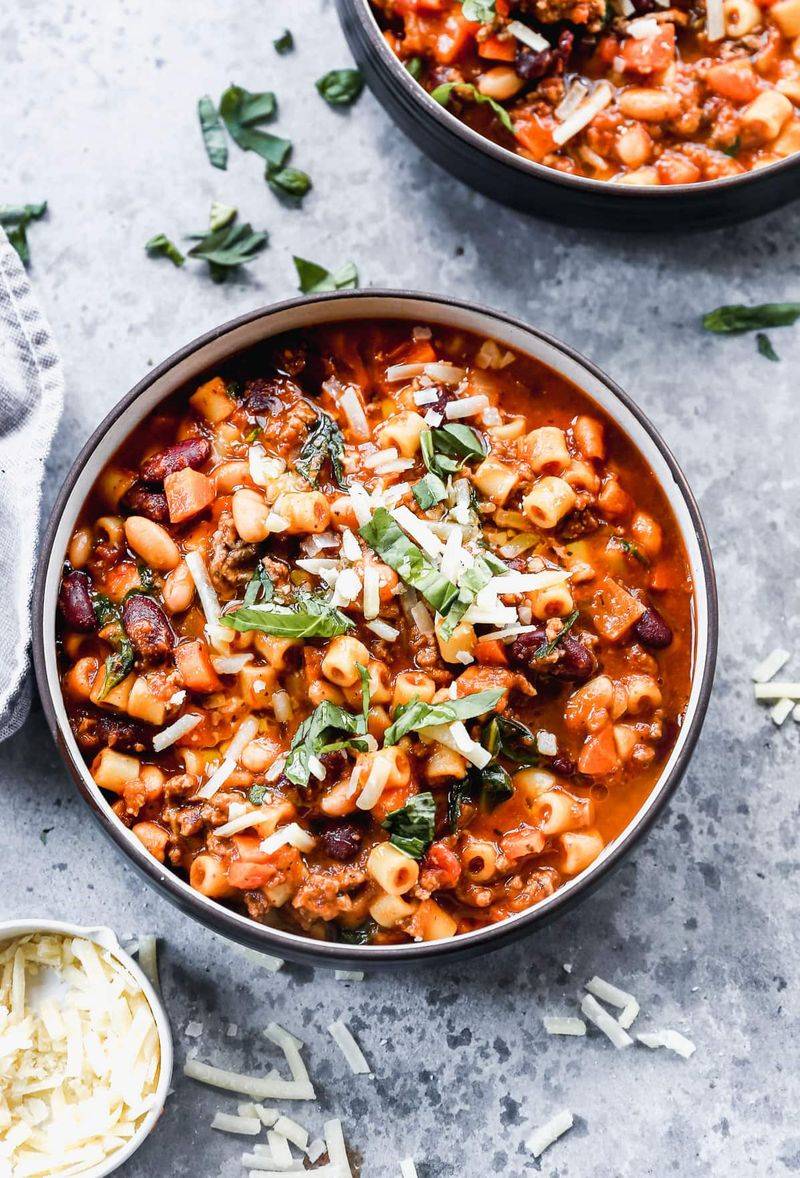
A handful of pasta goes further when beans share the bowl. Pasta e fagioli, meaning pasta and beans, belongs to Italian home cooking rather than one fixed restaurant recipe.
Regional versions differ in thickness, bean choice, and seasonings, and some include meat while others don’t. That flexibility helps explain its lasting usefulness when a kitchen holds small amounts of several basic ingredients.
For an affordable pot, soften onion, carrot, and celery before adding cooked beans and water or broth. Mash a portion of the beans to make the liquid fuller without reaching for cream.
Small pasta shapes work well, and broken pieces can be useful if that’s what your cupboard offers. Cook them in the soup for extra starch, or separately if you expect to save several portions.
Stored pasta keeps absorbing liquid, so add a splash of water when reheating and check its texture carefully. You’ll end up with a meal that uses modest ingredients thoughtfully, with beans providing substance and pasta adding comfort without demanding that either one carry the entire dinner by itself on a night when your shopping budget could use a little breathing room.
5. Tortilla De Patatas
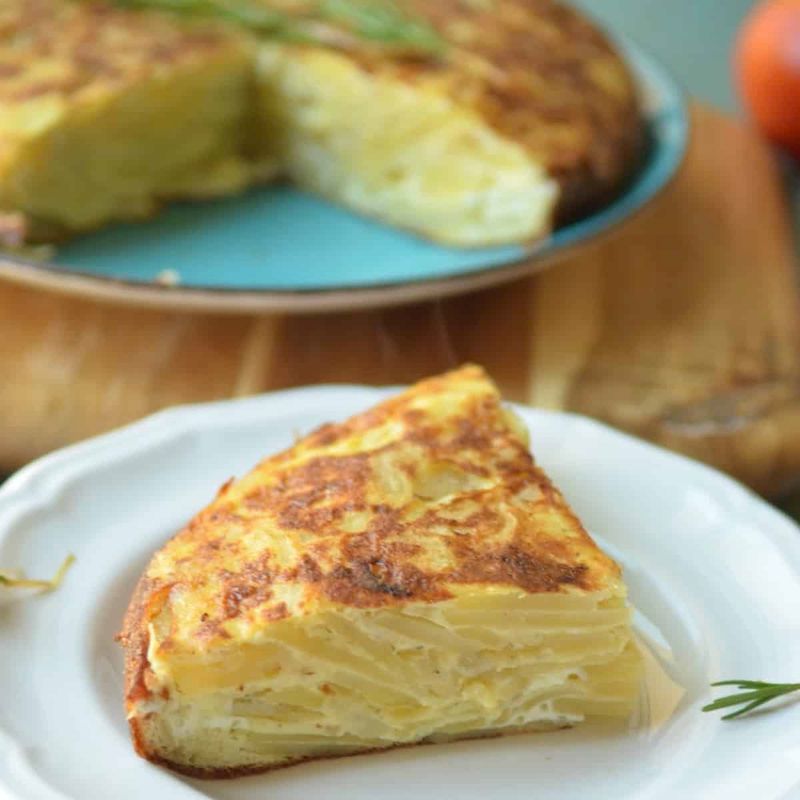
Potatoes and eggs can hold dinner together without much help. Spain’s tortilla de patatas turns those familiar staples into a thick omelet that slices into useful wedges.
Its precise origin remains debated, so a tidy story about one inventor would oversimplify the history. What you can clearly see is the economical structure: inexpensive potatoes give a few eggs considerably more substance.
Traditional preparation cooks sliced potatoes gently in oil before combining them with beaten eggs and returning them to the pan. Onion appears in many versions, although its inclusion inspires plenty of spirited disagreement.
Use a pan you can handle comfortably, especially if you plan to flip the tortilla onto a plate. You can also finish a suitable pan under the broiler, watching closely and protecting your hands.
For home food safety, cook the egg mixture until set rather than copying a very runny restaurant style. Serve wedges with vegetables or bread, and refrigerate leftovers promptly so your economical cooking remains useful beyond one meal without turning the next day’s lunch into a fresh project that needs another shopping trip, another recipe, or another stack of dishes beside the sink.
6. Migas
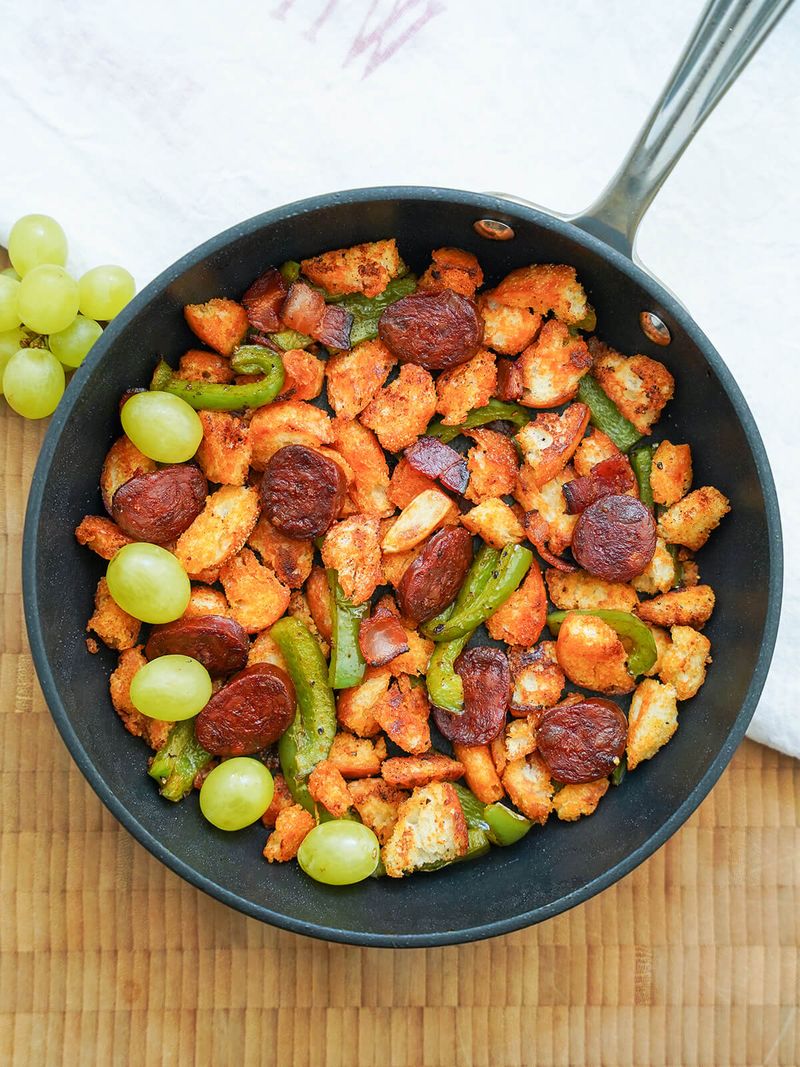
Crumbs rarely get top billing, but Spanish migas puts them in charge. The name means crumbs, and many Spanish versions transform old bread into a substantial pan of seasoned pieces.
Recipes change across regions, with garlic, peppers, and various additions reflecting local tastes and available supplies. Some dishes sharing the name use flour instead, while Mexican migas follows a different tortilla and egg tradition.
For a bread version, start with firm pieces rather than fine packaged crumbs intended for coating food. Sprinkle them with water and let them soften slightly, avoiding enough liquid to make a soggy mass.
Cook garlic in oil, then add the prepared bread and keep it moving as the moisture escapes. Patience matters more than fancy equipment, since the goal is separate pieces with some browned surfaces.
You can add cooked vegetables or serve fruit alongside, depending on the version you want to explore. Rather than treating bread as a disposable side dish, migas asks you to notice how texture, moisture, and a little cooking fat can turn a nearly empty bread bag into something worth bringing to the table while the pieces still have their pleasant crisp edges.
7. Colcannon
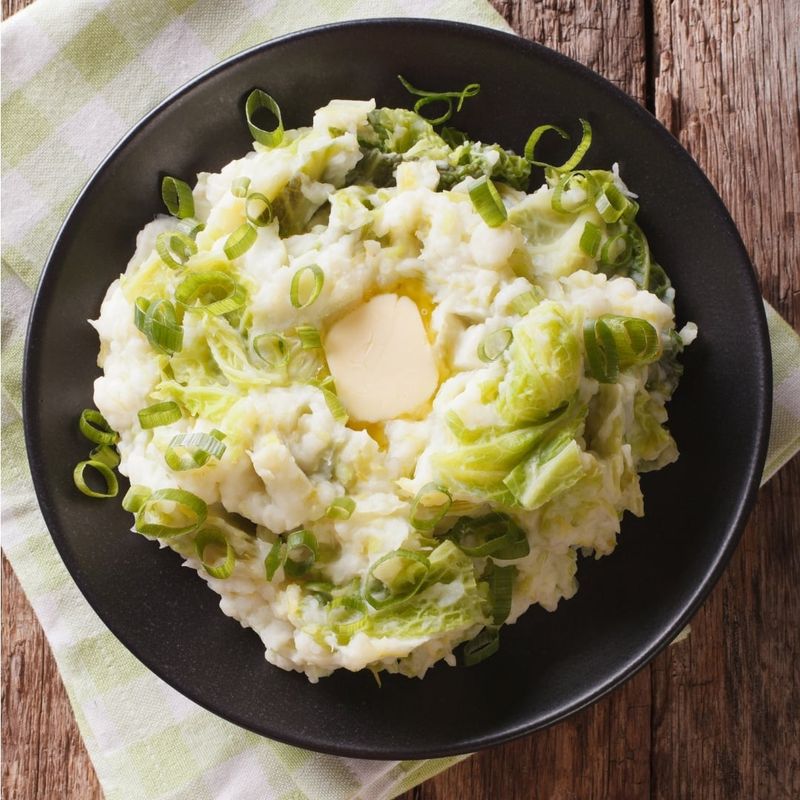
Cabbage can do more than wait beside the potatoes. In Irish colcannon, cooked greens join mashed potatoes to make a filling dish from ingredients that suit practical household cooking.
Recipes commonly use cabbage or kale, with milk and butter adding softness and richness to the mash. Scallions appear in many versions, although ingredients and proportions vary between families and recipes.
Start with potatoes suited to mashing, and cook the greens separately so you can control their tenderness. Drain both carefully, because extra water can leave the finished mixture loose rather than pleasantly spoonable.
Heat the milk before adding it, and fold in finely chopped greens after mashing the potatoes. If you have only a small amount of butter, use it where you’ll notice it most, near serving.
Leftover colcannon can become pan cakes, provided you chill it promptly and reheat it thoroughly when you’re ready. That second meal extends the same useful idea: a staple becomes more interesting when you combine it with another affordable ingredient, and supper doesn’t need a long shopping list to feel thoughtfully made or give you a welcome change from another plain bowl of mashed potatoes.
8. Bubble And Squeak
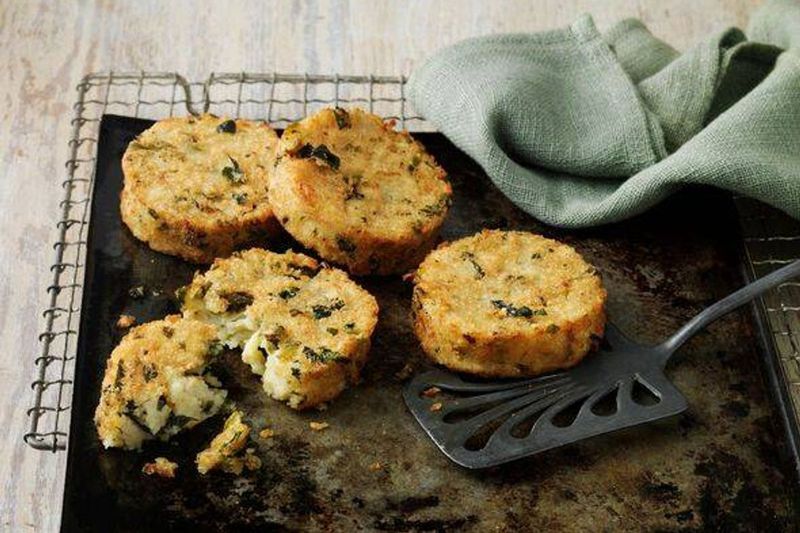
Even the name sounds like a pan doing useful work. Bubble and squeak is a British dish now commonly made by frying leftover potatoes and cooked greens together.
Historical versions differed, so today’s familiar mixture shouldn’t be treated as an unchanged recipe from one particular moment. Its enduring appeal lies in giving cooked vegetables another meal instead of another container in the fridge.
Cold mashed potatoes provide a convenient binder, while chopped cabbage, sprouts, or other cooked vegetables add variety. Drain moist vegetables first, and keep the potato portion large enough to help the mixture hold together.
Press it into a lightly oiled pan, either as one round or several smaller cakes you can turn easily. Leave it alone long enough to brown before lifting an edge, since constant stirring works against a crust.
Use leftovers that were stored safely, and heat the center thoroughly rather than judging readiness by the outside alone. With those basics covered, you’ve got a flexible lunch that rewards yesterday’s cooking and gives the bits in separate containers a shared purpose, which is considerably more appealing than letting them hold another silent meeting on the refrigerator shelf.
9. Congee
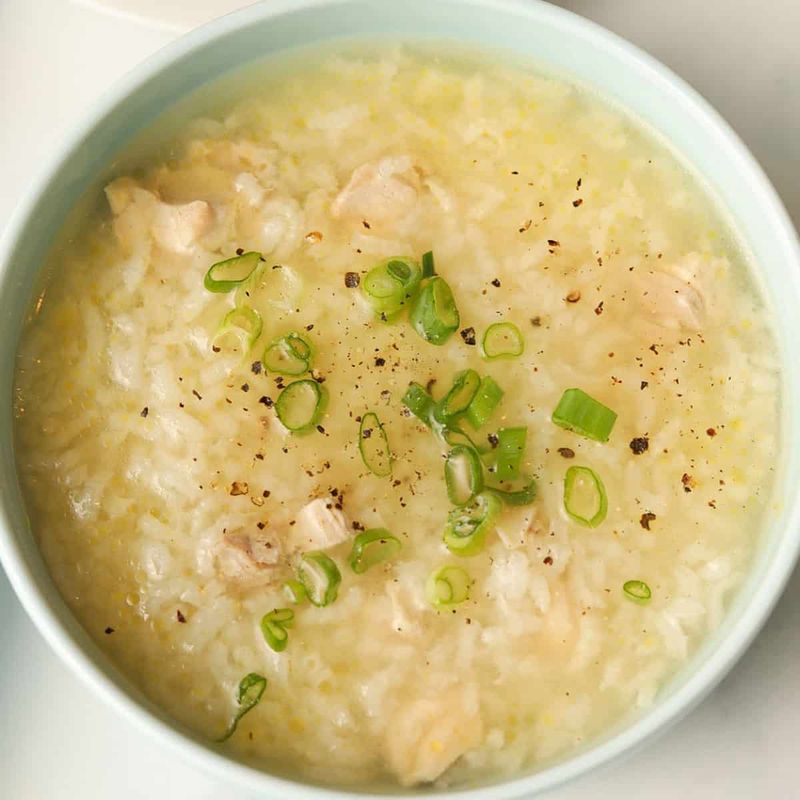
A small scoop of rice can fill a surprisingly generous pot. Congee uses plenty of liquid and a long simmer to turn grains into a soft, adaptable porridge.
Rice porridges appear across Asia under many names, with different grains, textures, toppings, and cultural roles. Congee isn’t simply a hardship food, but its ability to stretch rice makes it especially useful in economical cooking.
You can begin with uncooked rice and water, then simmer until the grains break down to your preferred consistency. Stir occasionally and add liquid as needed, since rice varieties and cooking times change the final thickness.
Ginger, scallions, a cooked egg, or leftover cooked vegetables can add interest without requiring a crowded toppings bar. Keep additions modest if your goal is a low-cost meal rather than an elaborate bowl.
Cool leftover rice dishes promptly, refrigerate them, and reheat portions thoroughly instead of leaving the pot at room temperature. Beyond the practical savings, the dish offers a useful reminder that changing the amount of water and the length of cooking can give one familiar ingredient a completely different role at breakfast, lunch, or dinner without sending you back to the store.
10. Khichdi
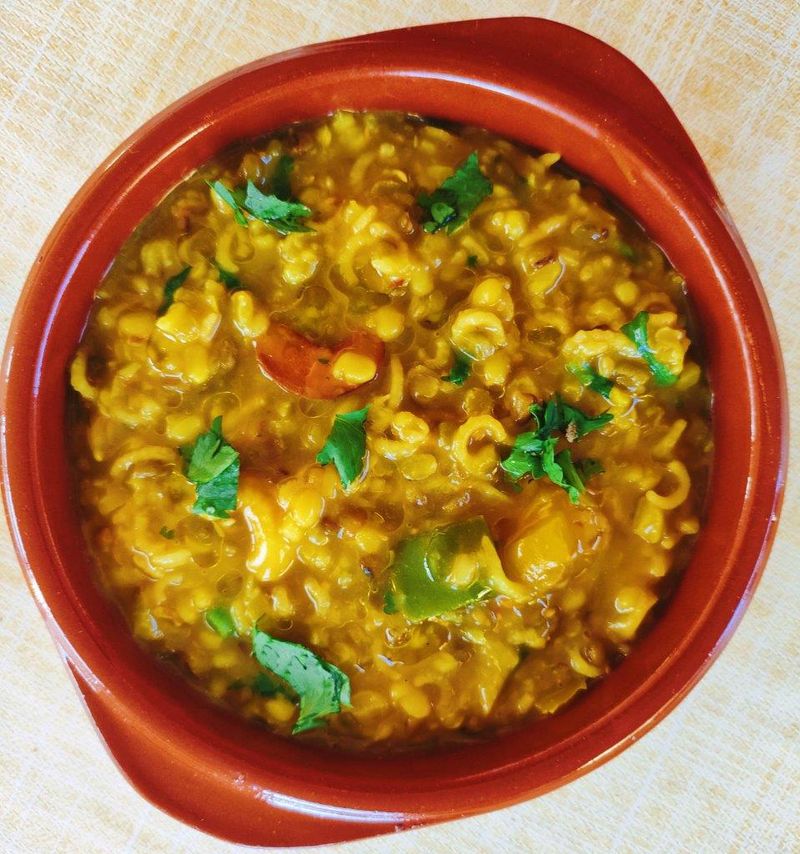
Rice and lentils make a remarkably capable team in one pot. Khichdi pairs them in a South Asian dish whose many versions range from simple and soft to more richly seasoned.
Its history reaches well beyond modern budget cooking, and it carries meanings that differ by region and household. Still, the basic combination shows how pantry staples can create a filling meal without expensive extras.
Split mung beans are a common choice, especially when you want a soft texture and relatively quick cooking. Rinse the rice and pulses, then simmer them together with water, adjusting the amount for your preferred consistency.
A little turmeric or cumin can guide the flavor, while vegetables can join if you have suitable pieces available. Use a modest amount of oil or ghee, rather than assuming richness must come from a large quantity.
Watch the pot toward the end, since a thick mixture can stick once the liquid runs low. You can keep dinner gentle and simple or add more seasoning at the table, making this a practical option when different people want different levels of spice without asking you to cook two entirely separate meals from scratch.
11. Mujaddara
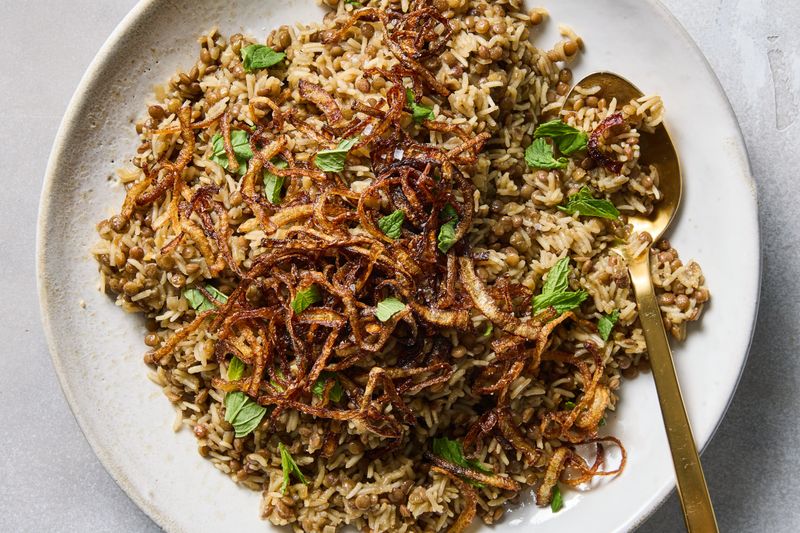
Onions do some impressive heavy lifting when you give them enough time. Mujaddara combines lentils with rice or bulgur, often finishing with browned onions that bring sweetness and depth.
The dish has a long history in Middle Eastern cooking, with regional names, methods, and grain choices. Its affordable foundation makes it a strong example of building satisfaction from pulses and grains rather than costly additions.
Choose lentils that hold their shape if you want a finished dish with clearly separate grains and beans. Start cooking them before adding the rice when their cooking times require it, and follow the recipe’s liquid guidance.
Slice the onions evenly and give them room in the pan, working in batches if necessary for better browning. Moderate heat and attention help you avoid blackened edges while developing a deeper color.
Serve with chopped vegetables or plain yogurt if those fit your budget and preferences, but don’t feel obliged to add more. The central idea already works: use inexpensive ingredients with different textures, then spend your effort on one flavorful element that makes the whole bowl feel complete without loading your grocery basket with a collection of extras you’ll rarely use.
12. Red Beans And Rice
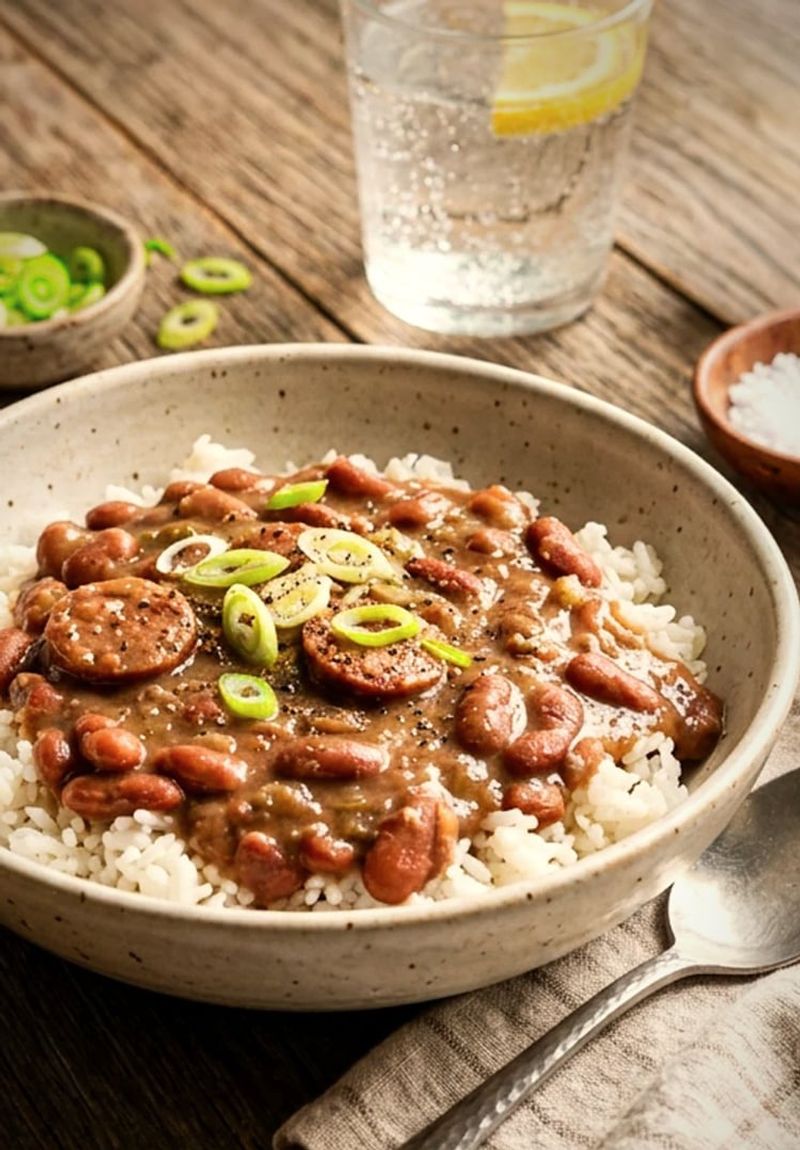
A pot of beans can handle dinner while rice helps stretch the portions. In Louisiana cooking, red beans and rice became closely associated with Monday meals and the household work of washday.
The familiar explanation connects slow-simmering beans with a day when cooks had other demanding chores to manage. Recipes vary, and smoked meat appears in many versions, but the dish doesn’t require a large amount.
You can build flavor with onion, celery, green bell pepper, garlic, and seasonings before adding properly prepared beans. Mash some against the side of the pot if you want a creamier texture without adding dairy.
When using dried kidney beans, follow established safety instructions that include a proper boil rather than relying on a slow cooker. Canned beans offer a practical shortcut and can help you make a smaller batch.
Cook the rice separately so you can choose how much goes into each bowl and store leftovers more easily. The result shows how time, seasoning, and a sensible balance of staples can make an economical meal feel complete, even when your pantry has more promise than variety and your evening needs something dependable rather than another complicated cooking assignment.
13. Bread Pudding
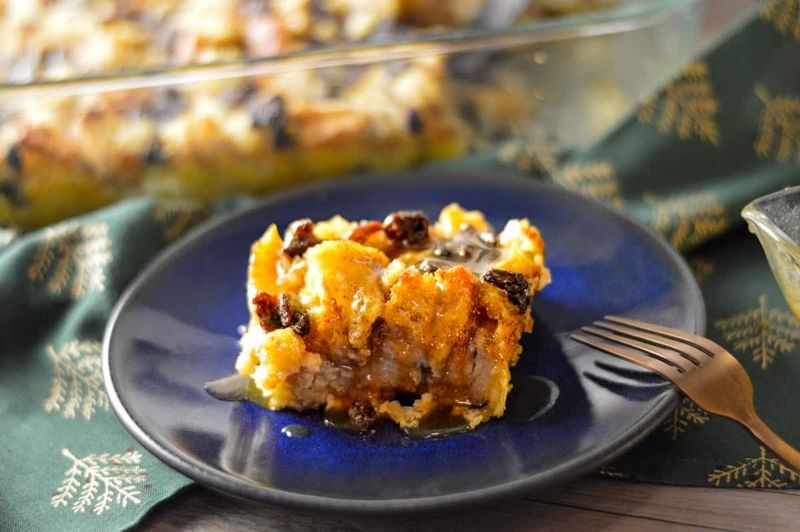
Dessert doesn’t have to begin with a shopping trip. Bread pudding gives stale bread another purpose by soaking it in a sweetened mixture that sets as it bakes.
Forms of bread pudding developed in different places, so the dish doesn’t belong to one neat invention story. Its practical appeal is easier to trace: bread remains useful after it loses its fresh softness.
Many familiar versions use eggs, milk, sugar, and spices, with dried fruit added when available or preferred. Cut the bread into similar pieces and allow enough soaking time for the centers to absorb the liquid.
Choose a baking dish that lets the pudding cook evenly, and follow a tested recipe for proportions and timing. The center should set properly, rather than leaving you with browned edges surrounding an undercooked egg mixture.
You can use a modest amount of sugar and skip a separate sauce if you want a simpler finish. What makes the dish clever isn’t an extravagant topping, but the way ordinary bread becomes the structure of dessert, proving that a nearly empty bread bag can still have a fairly impressive final chapter before you reach for flour and start baking something entirely new.
14. Pain Perdu
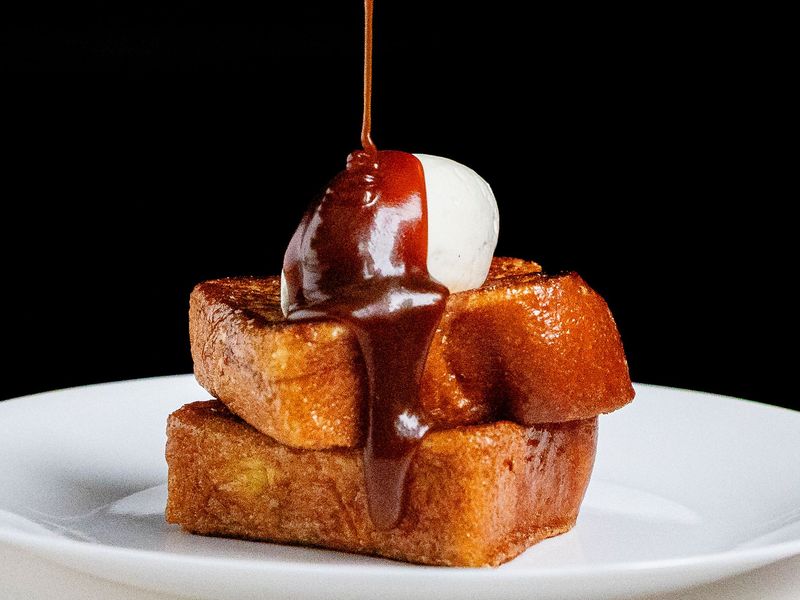
Lost bread has a surprisingly bright future in a frying pan. The French name pain perdu refers to bread reclaimed through soaking and cooking, a close relative of familiar French toast.
Recipes for soaking and frying bread have a long history, so France doesn’t hold a simple claim to invention. The useful principle crosses borders: firm bread can absorb liquid and become tender again when properly cooked.
Use slices thick enough to handle soaking, and mix eggs and milk thoroughly before the bread goes in. A little sugar or spice is optional, depending on whether you want a sweeter or simpler result.
Adjust the soaking time to the bread’s dryness, since thin slices soften much faster than sturdy country loaves. Cook over moderate heat so the middle heats through before the outside becomes too dark.
Fruit can make a pleasant topping, but you don’t need a tower of extras to justify breakfast. Served plainly, the dish makes its point with very little fuss: the bread that seemed unpromising yesterday may be exactly what you want today, especially when a hot pan and a small bowl of batter can save both the loaf and your morning plans.
15. Polenta
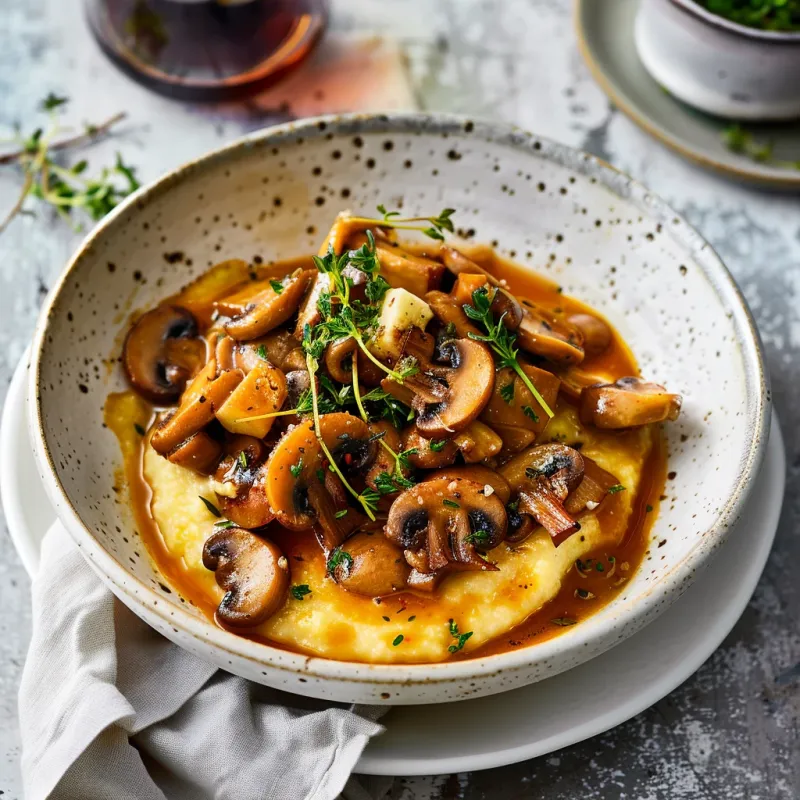
Cornmeal can stretch into supper with water, heat, and steady attention. Modern Italian polenta usually means cooked cornmeal, although the word’s history includes porridges made from other grains before corn reached Europe.
It became an important staple in parts of northern Italy because it could fill bowls at modest cost. That history also deserves care, since dependence on a narrow range of foods could bring serious nutritional problems.
For your kitchen, treat polenta as a useful base rather than a complete daily eating plan by itself. Whisk cornmeal into the recommended amount of liquid, then cook according to its grind and package directions.
Stir as needed to prevent lumps and sticking, and protect your hands from thick bubbles that may splash. Beans, cooked greens, or a small amount of cheese can add variety without turning dinner into an expensive project.
Pour leftover polenta into a shallow container, refrigerate promptly, and slice the firm mixture for later pan cooking. One pot can offer two different textures across two meals, which feels like a fitting finish for food built on thrift: a practical ingredient still finding another useful trick after you thought it had already done its job.
Share this story