A single large bakery bagel can pack roughly the same carbs as four slices of sandwich bread. I had to read that twice.
Many sneaky foods work the same way. A glass of orange juice, a flavored yogurt, or a bottle of sweet tea can push blood sugar up faster than you’d guess.
Some of them even wear healthy-looking labels.
Nobody is saying you can never eat these foods again. Managing blood sugar is mostly about knowing what you’re dealing with, then choosing portions and pairings wisely.
Adding protein, fiber, or healthy fat can slow things down. A little planning goes a long way.
I love that small swaps can make such a big difference. Below are the usual suspects, plus friendly tips for keeping them in check.
Which one on this list surprised you most? Check with your doctor or dietitian for advice that fits you best.
1. White Bread
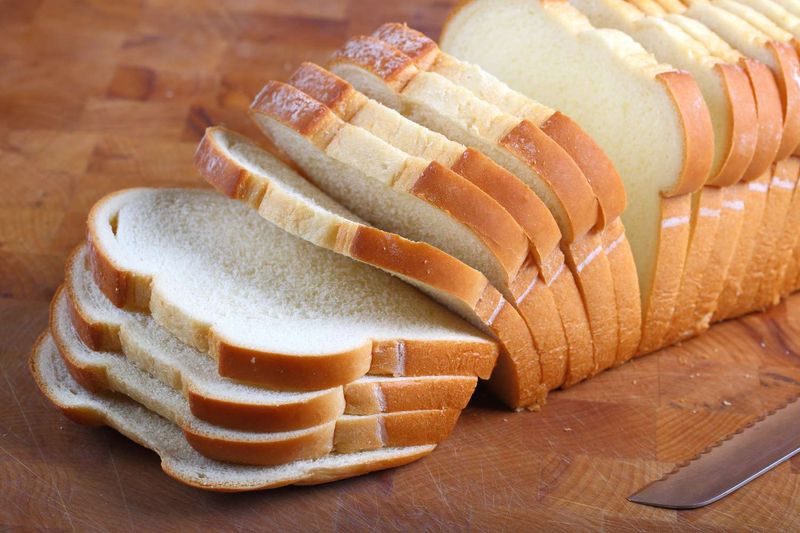
Soft, fluffy, and perfect for a grilled cheese, white bread has been a lunchbox hero for generations. Sadly, your blood sugar sees it a little differently.
During milling, the bran and germ of the wheat get stripped away.
Those removed parts hold most of the grain’s fiber. Without that fiber, your body breaks the bread down into glucose very quickly.
The result can be a fast spike, followed by a slump that leaves you hungry again.
You don’t have to give up sandwiches, though. Swapping to 100 percent whole wheat or whole grain bread is an easy first step.
Check the ingredient list and look for the word whole at the very top.
Be careful with labels like wheat bread or multigrain. Those terms can still mean mostly refined flour with a few extras sprinkled in.
The ingredient list tells the real story, not the front of the bag.
Portions matter too. An open-faced sandwich uses one slice instead of two, which cuts the carbs in half.
Pile it high with turkey, eggs, avocado, or veggies, and you’ve got a meal that holds you over longer.
Pairing helps more than people expect. Protein and healthy fat slow down how fast carbs hit your bloodstream.
So peanut butter on toast is usually a better bet than plain toast with jam.
Some folks also like sprouted grain breads or lower-carb options from the freezer aisle. Try a few and see what you enjoy.
A blood sugar meter, if you use one, can show you how your body responds.
Fun fact: sliced bread first went on sale in 1928 in Chillicothe, Missouri. People loved the convenience right away.
Nearly a century later, the smartest move is simply choosing which loaf earns a spot in your kitchen.
2. White Rice
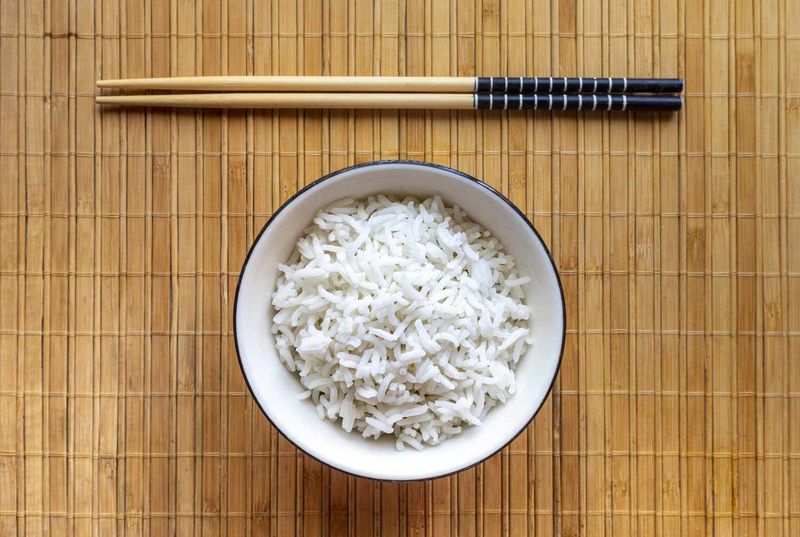
Half the world’s people eat rice as a staple, so it’s no small topic. White rice is comforting, cheap, and goes with almost anything.
Still, it can raise blood sugar quickly, especially in large servings.
Like white bread, white rice has had its bran and germ removed. That makes it soft and quick to cook.
It also means less fiber to slow digestion down.
Here’s a simple trick worth trying. Cooked rice that is cooled in the fridge develops something called resistant starch.
Some studies suggest this type of starch may have a gentler effect on blood sugar, even after reheating.
Portion size is your best friend. Many restaurant servings are much bigger than the half cup to one cup that many meal plans suggest.
Try using a smaller bowl, or measure your rice a few times so you learn what a serving looks like.
You can also stretch your rice with vegetables. Mixing in riced cauliflower, peas, or chopped greens adds volume without piling on carbs.
Your plate looks full, and your stomach feels it too.
Brown rice, wild rice, and quinoa bring more fiber to the table. Their nutty taste takes some getting used to for a few people.
Give it a couple of weeks before you decide.
The plate method is a handy guide. Fill half your plate with non-starchy vegetables and a quarter with protein.
The last quarter can go to rice or another starch.
Eating your veggies and protein first may help as well. Some research shows that eating carbs last in a meal can lead to smaller blood sugar rises.
It costs nothing to try, and your stir-fry still tastes great.
3. Regular Soda
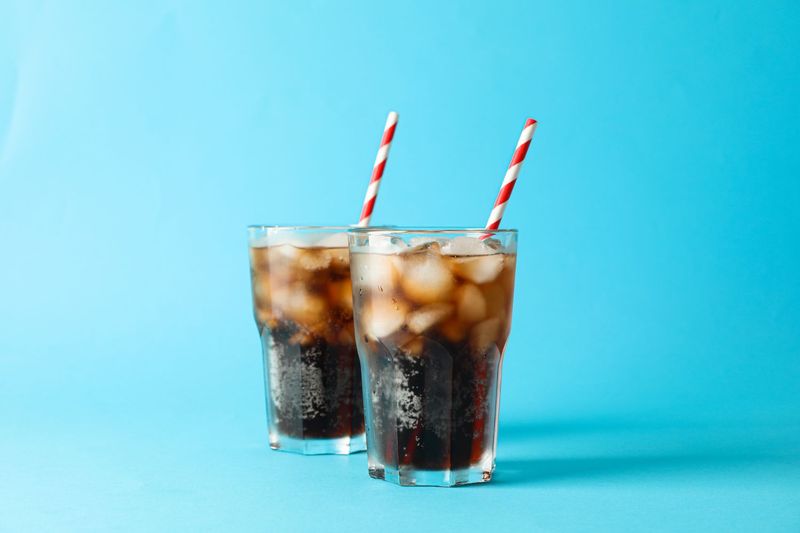
One 12-ounce can of regular cola holds around 39 grams of sugar. That’s roughly ten teaspoons, gulped down in a few minutes.
Your blood sugar barely has time to blink.
The American Heart Association suggests no more than about 36 grams of added sugar a day for most men. For most women, the number is about 25 grams.
A single can blows right past both limits.
Liquid sugar is extra sneaky. With no fiber, protein, or fat to slow it down, it reaches your bloodstream fast.
It also doesn’t fill you up the way food does.
So what can you sip instead? Sparkling water gives you that fizzy bite without the sugar.
Add a squeeze of lime, a few berries, or a sprig of mint for flavor.
Diet sodas are another option some people choose. They don’t contain sugar, but experts still debate their long-term effects.
Many dietitians suggest treating them as a stepping stone rather than a forever habit.
If quitting cold turkey feels impossible, go slow. Cut back from three cans a day to two, then one.
Pouring soda over lots of ice in a small glass can help too.
Watch out for fountain drinks at gas stations and movie theaters. Some cup sizes hold 32 ounces or more.
That can mean well over 80 grams of sugar in one trip.
Regular soda does have one useful role. Some people with diabetes use a small amount to treat a low blood sugar episode, following their doctor’s advice.
Outside of that situation, it’s a drink best kept in the rare-treat category.
4. Fruit Juice
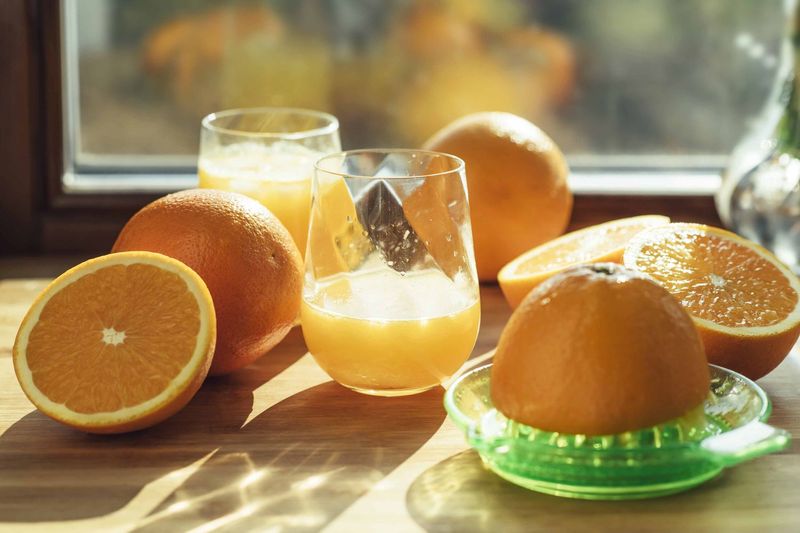
Orange juice has a sunny, healthy reputation thanks to decades of breakfast commercials. It does bring vitamin C to the party.
It also brings a surprising amount of natural sugar with very little fiber.
An eight-ounce glass of orange juice has around 20 to 25 grams of sugar. It takes several oranges to make that one glass.
Eating that many whole oranges in one sitting would be tough, but drinking them takes seconds.
Fiber is the key difference. Whole fruit keeps its fiber, which slows sugar down and helps you feel full.
Juicing removes much of it, so the sugar hits faster.
Even 100 percent juice with no added sugar works this way. The label can say all natural and still raise your blood sugar quickly.
Juice drinks or cocktails often have added sugar on top of that.
Love your morning OJ? Try a small four-ounce juice glass instead of a big tumbler.
Some folks mix half juice with half sparkling water for a fizzy, lighter version.
Better yet, reach for the whole fruit. An orange, an apple, or a handful of berries gives you sweetness plus fiber.
Pair it with a few nuts or some cheese for staying power.
Vegetable juice can be another choice, though sodium varies a lot. Read the label and pick lower sodium versions when you can.
Tomato juice usually has less sugar than fruit juice.
Juice does have one job it does well. Like soda, it can quickly raise blood sugar during a low, and doctors sometimes recommend it for that.
For everyday sipping, though, the whole fruit is the smarter pick.
5. Sugary Breakfast Cereal
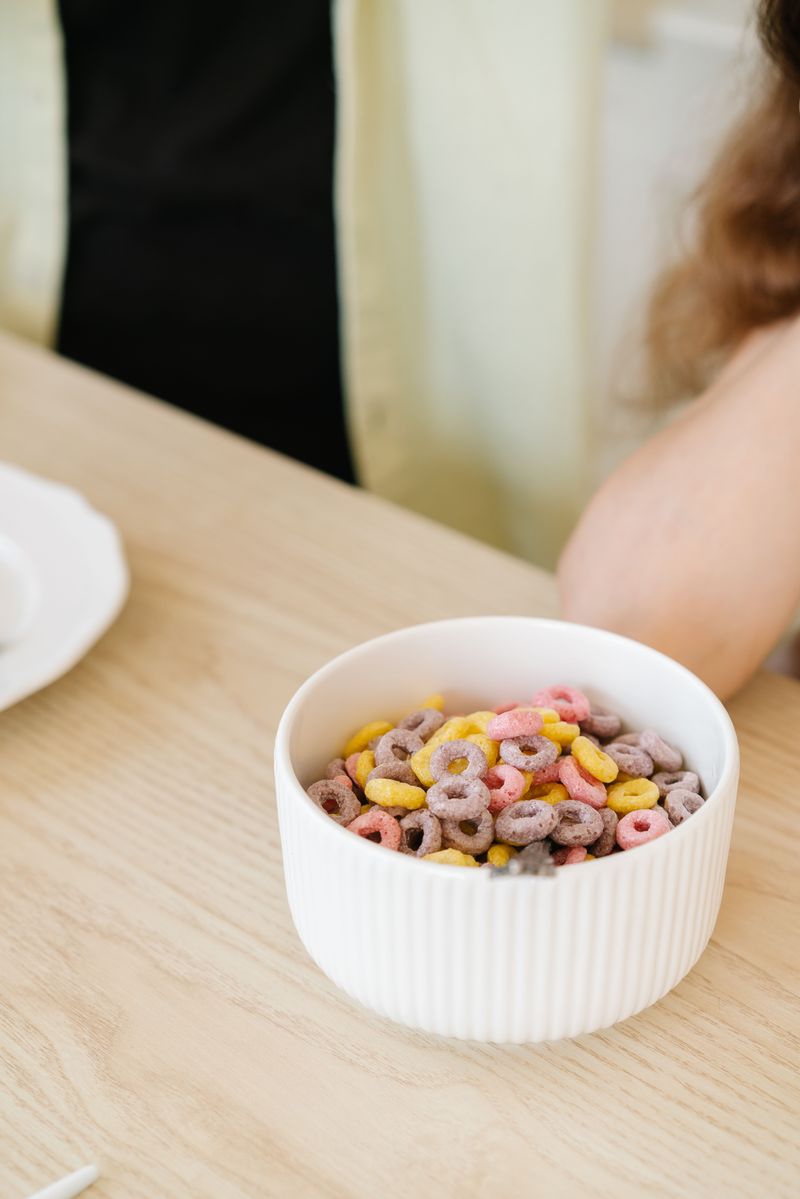
Cartoon mascots have been selling cereal to kids for decades, and adults still fall for the crunch. A bowl feels quick and easy on busy mornings.
The problem is what’s hiding in that bowl.
Many popular cereals are made from refined grains coated in sugar. Some contain 10 to 15 grams of added sugar per serving.
And the serving size listed on the box is often smaller than what people actually pour.
Try this experiment just once. Pour your normal amount, then measure it.
Plenty of people discover they’re eating two or three servings without realizing it.
Even cereals that look healthy can be tricky. Some granola-style options and honey-coated flakes carry plenty of sugar too.
The nutrition label is your best tool here.
Look for cereals with at least 3 grams of fiber and fewer than 6 grams of sugar per serving. Plain shredded wheat, bran cereals, and some oat-based options often fit the bill.
You can sweeten them lightly with fresh berries.
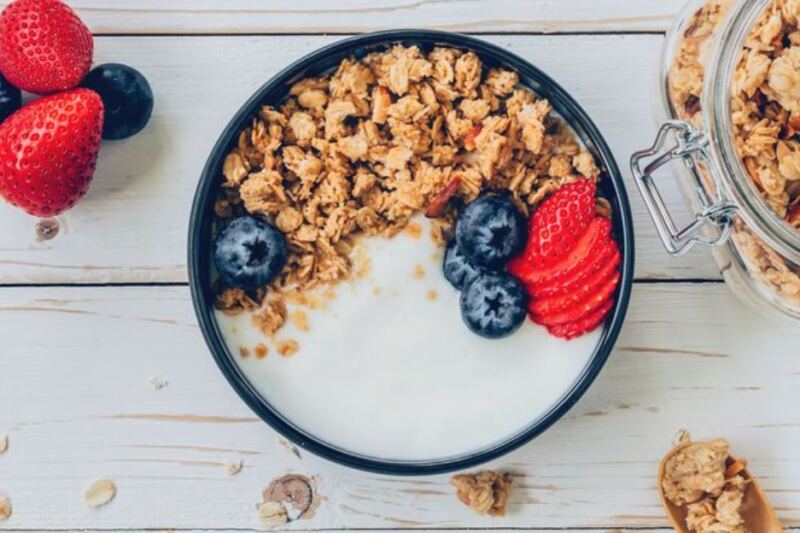
Protein helps a lot at breakfast. Add a hard-boiled egg on the side, or pour your cereal over plain Greek yogurt.
Sprinkling in nuts or chia seeds adds healthy fat and fiber too.
Plenty of people do better with a savory breakfast instead. Eggs with veggies, cottage cheese, or whole grain toast with avocado can keep you full until lunch.
Fewer mid-morning snack attacks is a nice bonus.
If you can’t give up your favorite sugary cereal, use it as a topping. A small sprinkle over a lower-sugar cereal gives you the taste you love.
Your taste buds stay happy while your blood sugar gets a break.
6. Flavored Yogurt
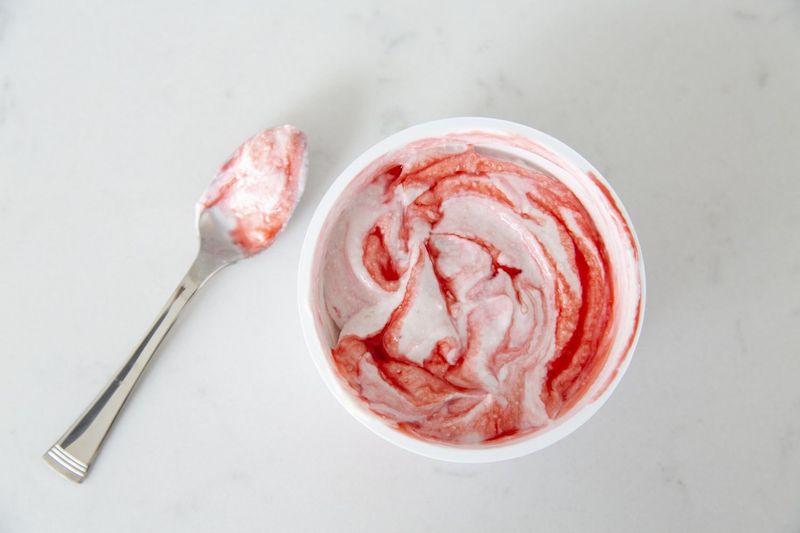
Yogurt sounds like a health food champion, and plain versions often are. Once fruit flavors and sweeteners join in, things change.
Some single cups carry as much sugar as a dessert.
A flavored yogurt cup can hold 15 grams of sugar or more. Some of that is natural milk sugar called lactose.
The rest is often added sugar from fruit syrups and sweeteners.
The newer nutrition labels help a lot. They now list added sugars on their own line.
That makes it much easier to see what’s naturally there and what got stirred in.
Plain Greek yogurt is a favorite swap for many dietitians. It’s thick, tangy, and usually high in protein.
Protein helps slow digestion and keeps you full longer.
Not a fan of the tang? Add your own toppings so you control the sweetness.
Fresh berries, a dash of cinnamon, or a few drops of vanilla can make plain yogurt taste like a treat.
Crunch is easy to add too. A spoonful of chopped walnuts, almonds, or pumpkin seeds brings texture and healthy fat.
Just go easy on store-bought granola, which can be sugary.
Watch out for yogurt parfaits at coffee shops and drive-thrus. They often layer sweetened yogurt with sugary granola and fruit sauce.
That combo can add up quickly.
Plant-based yogurts vary a lot as well. Some are low in protein and high in added sugar.
Unsweetened versions are usually the best place to start, so read before you buy.
7. Dried Fruit
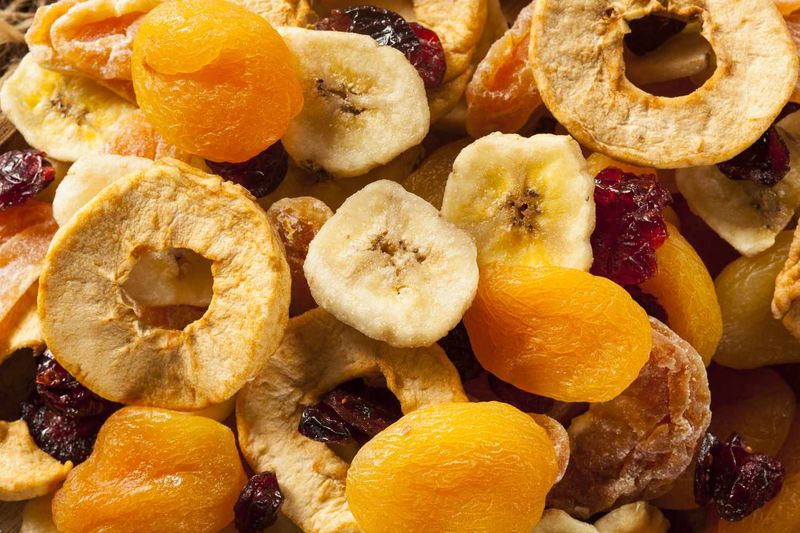
Grapes shrink into raisins, but their sugar doesn’t go anywhere. When water leaves fruit during drying, the sugar becomes packed into a tiny bite.
That’s what makes dried fruit so easy to overeat.
Think about it this way. A cup of fresh grapes is a big, juicy snack.
A cup of raisins holds far more sugar and calories, because many more grapes went into it.
Some dried fruits get extra help from the factory too. Dried cranberries and mango are often sweetened with added sugar.
Check the label for words like sugar, syrup, or juice concentrate.
Dried fruit isn’t a villain. It still has fiber, potassium, and other nutrients.
The trick is treating it like a garnish instead of a whole snack.
A small handful, about two tablespoons, is a reasonable portion for many people. Mix it with nuts to slow down how fast the sugar hits.
The protein and fat from the nuts make a big difference.
Be careful with trail mix from the store. Some blends contain chocolate candies and yogurt-coated raisins.
Making your own lets you control the ratio of nuts to sweets.
Fresh fruit usually wins for blood sugar. Berries, apples, pears, and cherries offer more water and volume.
You get to eat more and feel fuller.
One fun idea: freeze fresh grapes or berries. They turn into tiny icy bites that feel like candy.
On a hot day, they might even beat a box of raisins.
8. French Fries
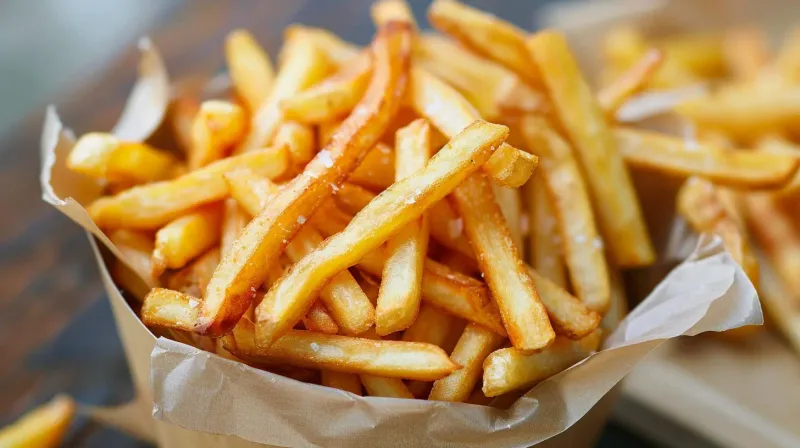
Crispy, salty, and practically irresistible, fries are the sidekick to countless burgers. They start as potatoes, which are already starchy.
Then they take a dip in hot oil, and the serving size often balloons.
Potatoes are high in starch that the body turns into glucose fairly quickly. Russet potatoes, the kind often used for fries, tend to rank high on the glycemic index.
Frying adds a lot of fat and calories on top.
Fast food portions make it worse. A large order can be several times bigger than a small.
Ordering the smallest size, or sharing, is an easy win.
At home, you have more control. Roasting or air frying potato wedges uses much less oil.
Leaving the skin on adds a bit of fiber too.
Sweet potatoes are a popular swap, but they’re still starchy. They do bring fiber and vitamin A, which is a plus.
Portion size still matters with them.
Want something fry-like with fewer carbs? Try roasted zucchini sticks, green beans, or turnip fries.
Toss them with olive oil, salt, and garlic powder for a crunchy side.
Restaurants often let you swap fries for a side salad or steamed veggies. It never hurts to ask.
Many places offer the switch without fuss.
If fries are calling your name, enjoy a few with a protein-heavy meal. A grilled chicken sandwich and a small order is more balanced than fries alone.
Savor them slowly, and they’ll feel like the treat they are.
9. Pastries and Donuts
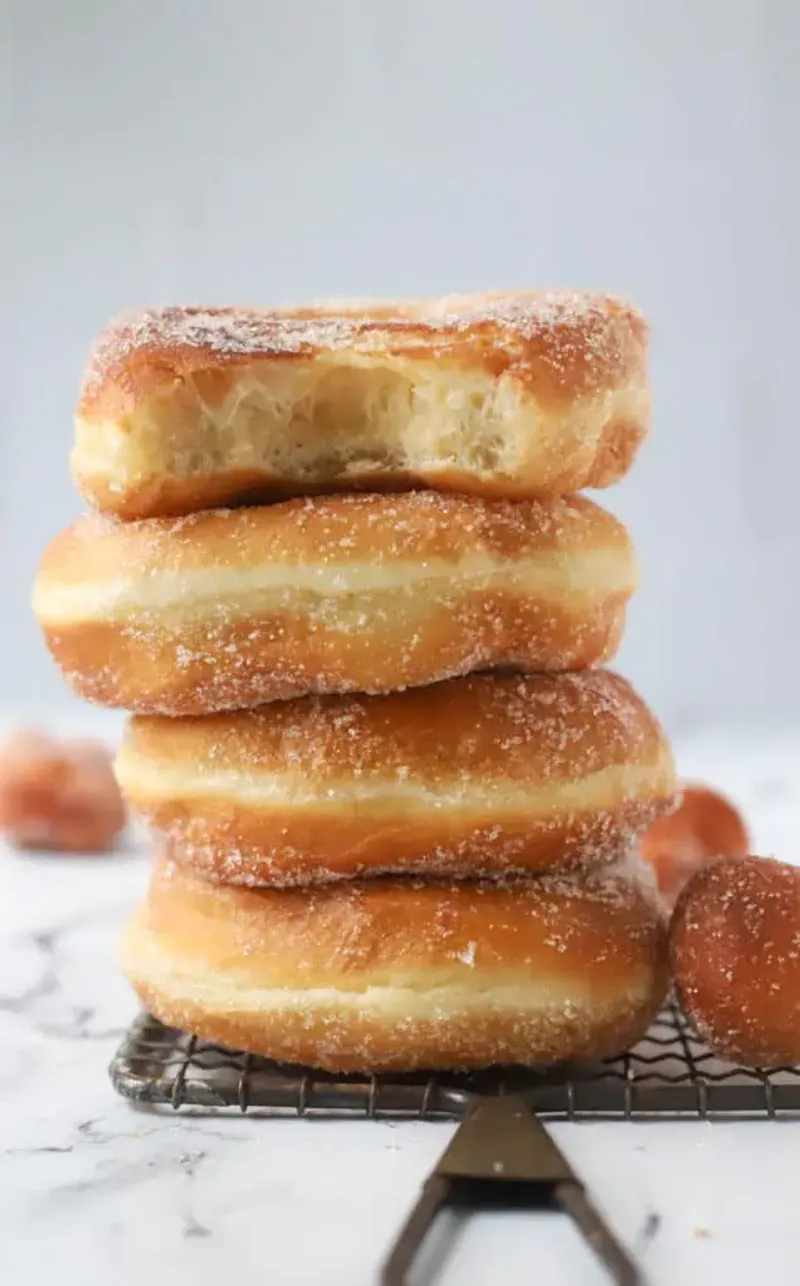
A glazed donut is basically three blood sugar troublemakers holding hands. You’ve got refined flour, deep frying, and a sugary coating.
Delicious? Sure.
Gentle on blood sugar? Not quite.
Muffins, croissants, cinnamon rolls, and danishes belong in the same club. Many bakery muffins are huge, sometimes as big as a softball.
Some can carry 50 grams of carbs or more.
Muffins are especially sneaky. Words like blueberry or bran make them sound healthy.
In reality, many are closer to cake than breakfast.
The office break room is often where trouble starts. Someone brings a box, and suddenly you’re on your second one.
Eating a solid breakfast at home makes those boxes much easier to resist.
Craving a pastry anyway? Cut it in half and save the rest for later.
Pair your portion with eggs, nuts, or Greek yogurt to soften the blood sugar rise.
Baking at home gives you more options. Almond flour, oat flour, and less sugar can create tasty muffins with more fiber and protein.
Many recipes online are built just for this.
Timing can matter too. Having a sweet treat after a balanced meal often works better than eating it on an empty stomach.
A short walk afterward may also help your body use that sugar.
Donuts have been around in America for a long time. The Salvation Army even served them to soldiers in World War I.
Today’s smartest approach is enjoying them on special days, not daily.
10. Candy
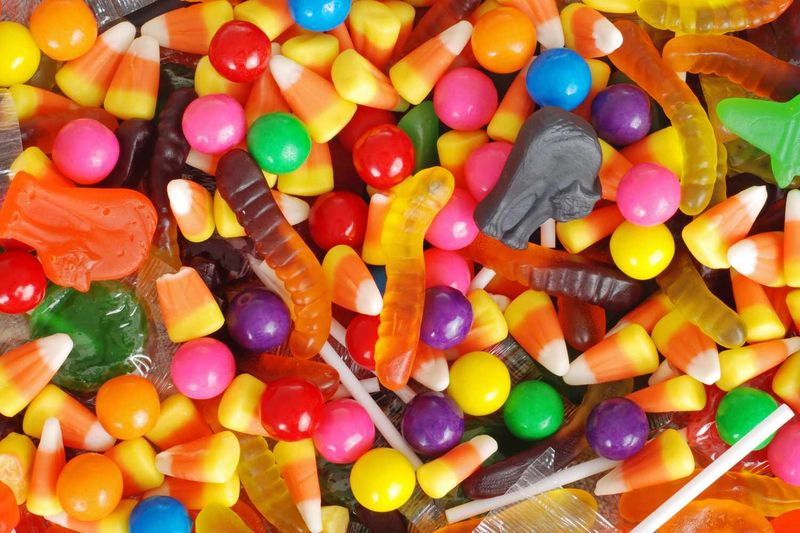
Gummy bears were invented in Germany in the 1920s, and they’ve been charming sweet tooths ever since. Candy is about as direct as sugar gets.
There’s no hiding what it does to blood sugar.
Most candies are mainly sugar and corn syrup with little fiber or protein. That’s why they raise blood sugar so quickly.
It’s also why a handful never seems like enough.
Hard candies and gummies are fat-free, but that doesn’t make them a smart choice. Fat-free and sugar-free are two very different things.
Candy shows that clearly.
Sugar-free candy can seem like an easy fix. Many use sugar alcohols such as sorbitol or maltitol.
These can still affect blood sugar a little and may upset your stomach if you eat a lot.
Dark chocolate is a favorite option for many people. Varieties with 70 percent cacao or more tend to have less sugar than milk chocolate.
A square or two can satisfy a craving.
Keeping candy out of sight helps more than you’d think. Bowls on desks and counters invite mindless grabbing.
Store treats in a cabinet, and you’ll likely eat less.
Holidays bring candy in waves. Halloween, Valentine’s Day, and Easter can test anyone’s willpower.
Buying small amounts after the holiday, or none at all, keeps leftovers from piling up.
Candy does serve a purpose for some people. Glucose tablets or certain candies are used to treat lows, under a doctor’s guidance.
For everyday snacking, fruit with nut butter is a tastier long-term friend.
11. Sweetened Coffee Drinks
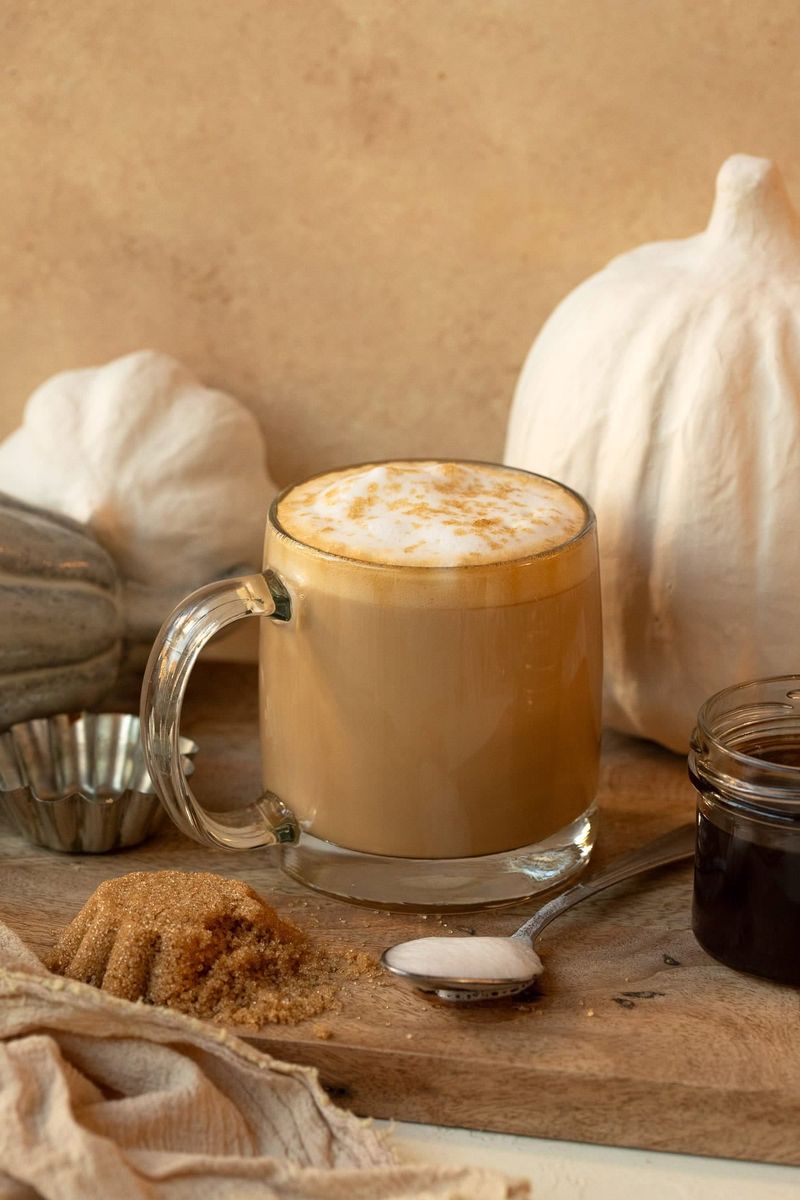
Black coffee has almost no carbs. Add caramel syrup, whipped cream, and a drizzle on top, and you’ve built a milkshake with caffeine.
Many specialty coffee drinks fall into this category.
Large flavored lattes and blended coffee drinks can carry 40 to 60 grams of sugar or more. That’s often more than a can of soda.
And it’s easy to sip one every single morning.
Each pump of flavored syrup adds sugar. Large drinks often get more pumps than small ones.
Asking for fewer pumps is a simple way to cut back.
Sugar-free syrups are available at many coffee shops. They can help you keep the flavor you love.
Unsweetened almond milk or regular milk is often a better pick than sweetened creamers.
Size matters a lot here. Going from a large to a small can cut sugar dramatically.
You still get your treat, just in a friendlier dose.
At home, try a splash of milk and a sprinkle of cinnamon. Cinnamon adds a sweet-tasting warmth without sugar.
A dash of vanilla extract works nicely too.
Bottled coffee drinks at the grocery store deserve a careful look. Some contain as much sugar as the fancy café versions.
Read the label before tossing them in your cart.
Coffee itself isn’t the problem for most people. Some studies even link regular coffee drinking with a lower risk of type 2 diabetes.
The extras are what sneak up on you.
12. Refined Pasta
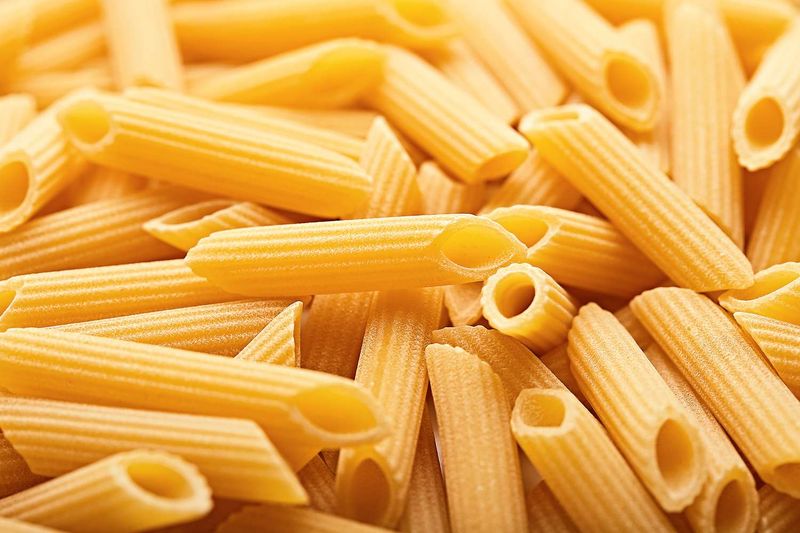
Italian grandmothers might gasp, but pasta portions in America have grown a lot. A restaurant plate can hold three or four cups of noodles.
That’s a big carb load in one sitting.
Regular pasta is made from refined wheat flour. It’s lower in fiber than whole grain versions.
Still, pasta cooked al dente tends to have a gentler blood sugar effect than overcooked noodles.
That’s a neat bonus for pasta lovers. Firm, slightly chewy noodles digest a bit more slowly.
Follow the low end of the cooking time on the box.
Portion is where you win the game. A serving is often about one cup of cooked pasta.
Use it as a side dish rather than the whole meal.
Bulk up your bowl with vegetables. Spinach, mushrooms, zucchini, and peppers add color and fiber.
They also make a smaller amount of pasta look generous.
Protein is another helper. Toss in grilled chicken, shrimp, beans, or lean meatballs.
These slow digestion and keep you full.
Swaps have come a long way. Whole wheat pasta, chickpea pasta, and lentil pasta offer more fiber and protein.
Zucchini noodles and spaghetti squash cut carbs even further.
Watch the sauce too. Some jarred tomato sauces contain added sugar, and creamy sauces add heavy calories.
A simple marinara with olive oil and garlic is hard to beat.
13. Granola Bars
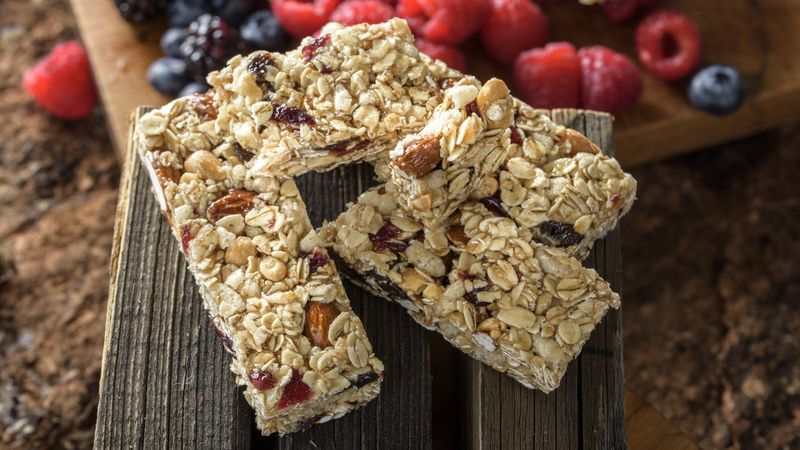
Mountains, sunshine, and hikers on the wrapper make granola bars look like pure health. Flip the bar over, though, and the label may tell a sweeter story.
Many are closer to cookies than trail fuel.
Plenty of granola bars use honey, brown rice syrup, or corn syrup to hold the oats together. Chocolate chips and yogurt coatings add more sugar.
Some bars carry 10 to 15 grams of sugar or more.
Size can be misleading too. Some packages contain two bars, and the label lists nutrition for just one.
It’s an easy detail to miss.
Look for bars with more fiber and protein and less added sugar. A good starting goal is fewer than 6 grams of sugar.
Short ingredient lists are often a good sign.
Nut-based bars can be a better option. They usually contain more healthy fat and protein.
That combination helps slow down the sugar.
Making your own is easier than you think. Mix oats, nut butter, seeds, and a little cinnamon, then press into a pan.
Chill and slice for a grab-and-go snack.
Sometimes a bar isn’t the best snack at all. A handful of almonds, a cheese stick, or an apple with peanut butter may keep you fuller.
Real food often beats packaged food.
Bars do have their place on long hikes or busy travel days. Keep one in your bag for emergencies.
Just pick it carefully, like you’d pick a trail.
14. Honey and Maple Syrup
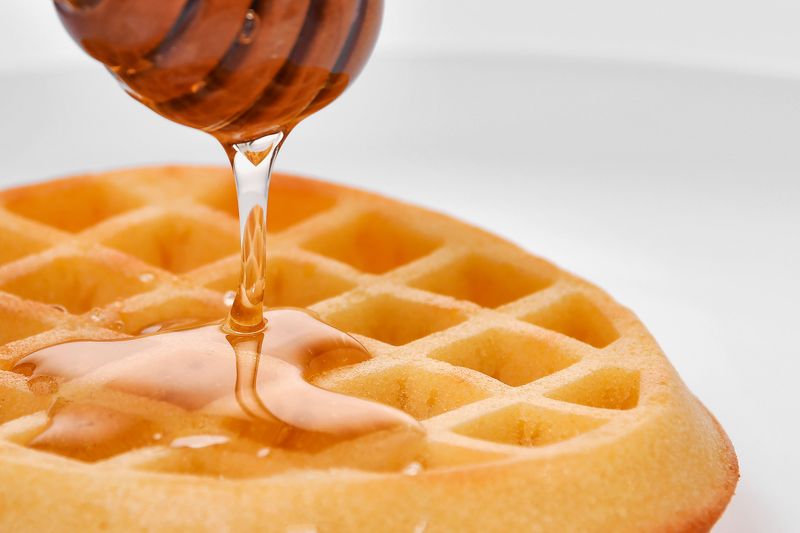
Bees visit around two million flowers to make one pound of honey, according to the National Honey Board. That’s impressive work.
Your blood sugar, however, still counts honey as sugar.
Honey and maple syrup feel more natural than white sugar. They do contain small amounts of antioxidants and minerals.
But in your body, they act a lot like regular sugar.
One tablespoon of honey has around 17 grams of carbs. Maple syrup is close behind.
A heavy pour on pancakes can easily reach three or four tablespoons.
Pancake syrup from the grocery store is often a different product altogether. Many are made mostly from corn syrup with flavoring.
Pure maple syrup has a stronger taste, so a little goes further.
Measuring helps more than guessing. Pour into a spoon instead of straight from the bottle.
Your eyes will learn what a tablespoon really looks like.
Try mixing things up. Top pancakes with berries and a dollop of Greek yogurt instead of drowning them in syrup.
Warm the berries in a pan to make a quick, juicy sauce.
Tea drinkers often add honey without thinking about it. Cutting back slowly gives your taste buds time to adjust.
Cinnamon or lemon can add flavor without the sugar.
Agave nectar is sometimes promoted as a healthy option too. It’s still an added sugar and should be used sparingly.
No sweetener gets a free pass.
15. Pizza

Friday night pizza is practically an American tradition. It’s cheesy, shareable, and easy.
It can also be a tricky meal for blood sugar.
Pizza crust is usually made from refined flour, which brings plenty of carbs. The cheese and toppings add fat, which slows digestion.
That can cause a delayed blood sugar rise hours after you eat.
Many people with diabetes notice this delayed effect. Their blood sugar seems fine at first, then climbs later in the evening.
Checking a bit later, if you use a meter, can be eye-opening.
Thin crust is a simple swap. It has fewer carbs than deep dish or stuffed crust styles.
Cauliflower crusts are another option, though some still contain flour or starch.
Toppings make a big difference. Load up on peppers, onions, mushrooms, spinach, and olives.
Grilled chicken adds protein without as much greasy fat as some meats.
Start with a salad before your slice. The fiber can take the edge off your hunger.
You may find that two slices feel like plenty.
Homemade pizza puts you in charge. Try a whole wheat tortilla or whole grain flatbread as the base.
Add sauce, cheese, and lots of veggies, then bake until crispy.
Leftover pizza for breakfast is a classic. Pair a slice with eggs to balance things out.
Pizza can stay on the menu with a little strategy.
16. Bagels
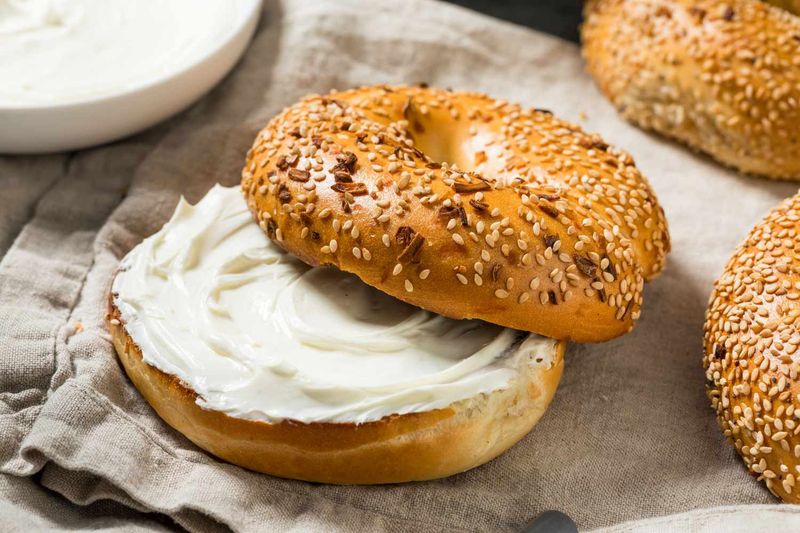
Bagels used to be smaller, closer to the size of a donut. Over the years, many bakery bagels have grown dramatically.
Today, one large bagel can equal about four slices of bread in carbs.
That’s often 50 to 60 grams of carbs, sometimes more. And that’s before you add any spread.
For a breakfast that feels light, it packs a serious punch.
Bagels are also made mostly from refined flour. Their dense, chewy texture comes from boiling the dough before baking.
Delicious, yes, but not very high in fiber.
Scooping out the inside is one popular trick. Many bagel shops will do it if you ask.
You keep the crispy outside and lose some of the bread.
Half a bagel is another easy move. Save the other half for tomorrow.
Mini bagels and bagel thins are also widely available.
Toppings can help balance things. Smoked salmon, eggs, or peanut butter bring protein and healthy fat.
A smear of cream cheese with tomato and cucumber adds freshness too.
Whole wheat bagels offer a bit more fiber. Check the size, though, because some are just as large.
Bigger is not better here.
Bagels have a long history, with roots in Jewish communities in Poland. They came to America with immigrants and became a New York favorite.
Enjoying them mindfully lets you keep that tradition on your plate.
17. Pretzels
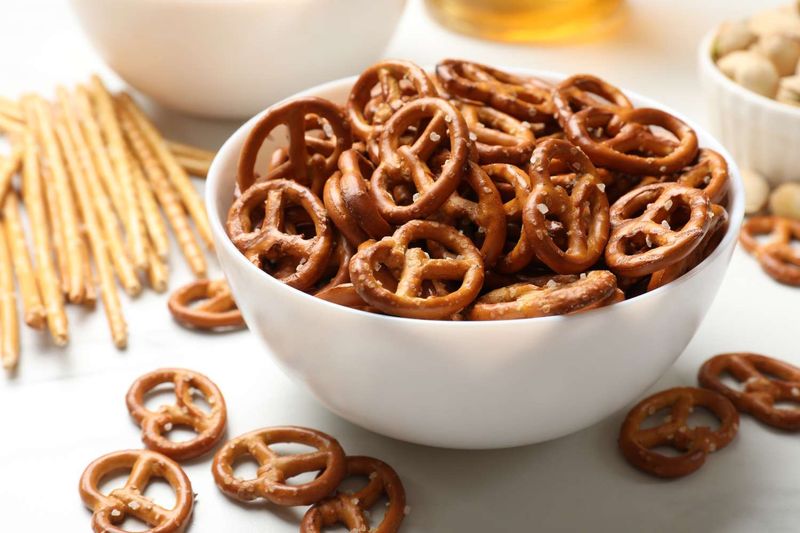
Low fat and crunchy, pretzels have long been sold as a smart snack. They’re certainly lower in fat than chips.
But your blood sugar cares more about carbs than fat.
Pretzels are mostly refined white flour. They have very little fiber or protein.
That combo can send blood sugar up fairly quickly.
They’re also easy to munch without noticing. A bag in your lap during a movie can disappear fast.
A typical serving is about one ounce, which isn’t many twists.
Portion them out ahead of time. Use a small bowl or snack bags instead of eating from the big bag.
This one habit can make a real difference.
Pairing helps here too. Dip pretzels in hummus, peanut butter, or a little cheese.
The protein and fat slow things down and keep you satisfied.
Soft pretzels at malls and ballparks are even bigger. Some contain more carbs than several slices of bread.
Sharing one with a friend is a fun compromise.
Looking for crunch with more nutrition? Try roasted chickpeas, nuts, or seeds.
Crunchy veggies like snap peas and cucumbers work great too.
Here’s a fun legend: pretzels may have been created by European monks, shaped to look like arms crossed in prayer. No one knows for certain.
What’s clear is that a mindful handful beats a bottomless bag.
18. Store-Bought Smoothies
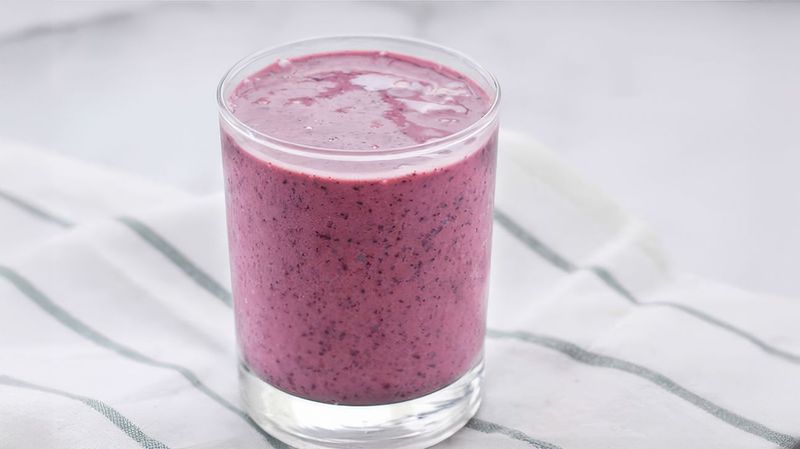
Bright colors and fruit pictures make smoothies look like the healthiest thing on the menu. Some are.
Many store-bought versions, though, are sugar bombs in a cup.
Smoothie shops often use fruit juice, sherbet, frozen yogurt, or sweeteners as a base. Large sizes can hold 60 grams of sugar or more.
That’s a lot for something you sip through a straw.
Blending fruit also makes it easier to drink much more than you’d eat. Would you eat three bananas and a pile of mangoes in one sitting?
In smoothie form, it happens without a second thought.
Ask questions when ordering. Request no added sugar, no juice, and no sherbet.
Many shops can use water, unsweetened milk, or plain yogurt instead.
Go for the smallest size. Kids’ sizes are often closer to a reasonable serving.
You still get the flavor and the fun.
Homemade smoothies give you full control. Blend a half cup of berries, a handful of spinach, plain Greek yogurt, and unsweetened almond milk.
Add chia seeds or nut butter for staying power.
Bottled smoothies at grocery stores need a careful look as well. Some are mostly fruit juice with puree mixed in.
Check the sugar line on the label.
Leafy greens are a great addition. Spinach blends in easily and barely changes the taste.
Your smoothie turns green, but your blood sugar stays steadier.
19. Sports Drinks
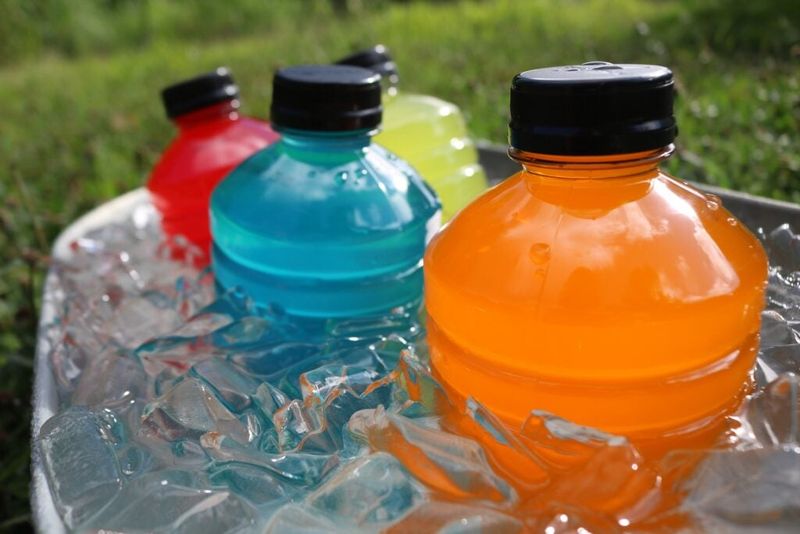
Sports drinks were first created for athletes sweating it out in hot weather. Gatorade, for example, was developed in 1965 for the University of Florida football team.
Most of us aren’t playing football in Florida heat, though.
A 20-ounce bottle of a typical sports drink has around 34 grams of sugar. That’s nearly as much as a can of soda.
It’s easy to drink one during a casual walk or while sitting at a desk.
These drinks are designed to replace sugar and electrolytes during long, intense exercise. For a short workout, water usually does the job.
Your body doesn’t need the extra sugar.
Kids’ sports games are a common trap. A cooler full of bright drinks shows up after a one-hour soccer game.
Water and orange slices work just fine for most young athletes.
Zero-sugar versions are available. They can be useful if you want flavor and electrolytes without the carbs.
Still, plain water is the cheapest and simplest choice.
Want electrolytes naturally? Foods like bananas, yogurt, and salted nuts provide potassium and sodium.
A pinch of salt and a squeeze of citrus in water is a simple homemade option.
Exercise is great for blood sugar control. Muscles use glucose for energy during and after activity.
You just don’t want to drink back all the sugar you burned.
If you exercise for long stretches or have diabetes, ask your care team about fueling. They can help you plan when a sports drink makes sense.
Every body is a little different.
20. Barbecue Sauce and Ketchup
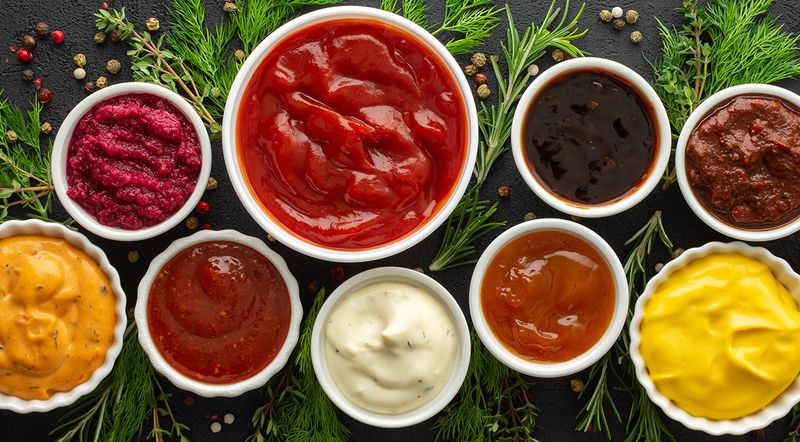
Condiments seem tiny and harmless, sitting quietly on the table. Barbecue sauce and ketchup, however, can carry more sugar than you’d expect.
They sneak in one squirt at a time.
One tablespoon of ketchup has about 4 grams of sugar. Many barbecue sauces have 6 grams or more per tablespoon.
Slather it on ribs or chicken, and you could be using several tablespoons.
Honey mustard, teriyaki, and sweet chili sauces belong on this watch list too. Many salad dressings, especially French and raspberry vinaigrettes, contain added sugar as well.
The label is your best friend.
Brushing sauce on lightly at the end of grilling uses less than dunking. Serving sauce on the side lets you control how much you use.
Dip rather than drench.
Look for low-sugar or no-sugar-added versions. Many stores now carry them right next to the regular bottles.
Taste a few and pick your favorite.
Spice rubs are a flavorful alternative. Paprika, garlic, cumin, black pepper, and chili powder can add big flavor without sugar.
A good rub can make sauce almost unnecessary.
Mustard is a great swap too. Yellow, Dijon, and spicy brown mustards are usually very low in sugar.
Hot sauce is another low-sugar way to add a kick.
Fun fact: early ketchup recipes didn’t even use tomatoes. Some were made from mushrooms, walnuts, or fish.
Today’s tomato version is tasty, just best enjoyed in small squeezes.
21. Ice Cream
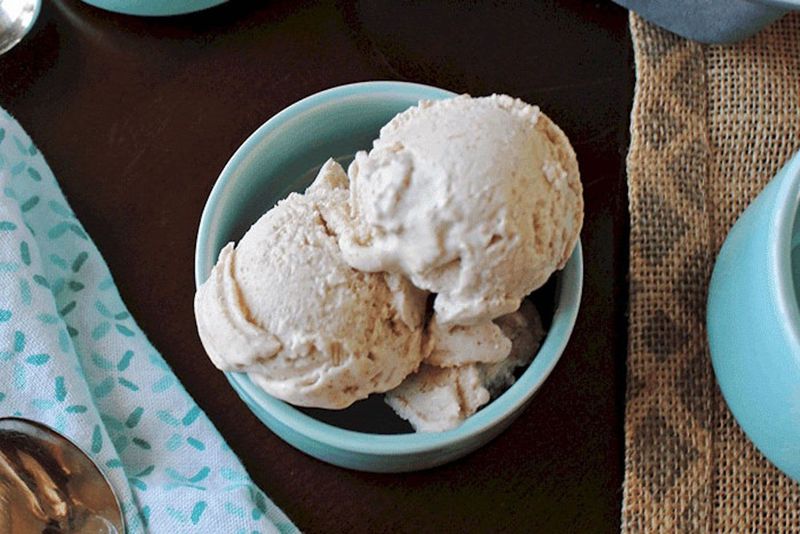
July is National Ice Cream Month in the United States, thanks to President Ronald Reagan in 1984. That’s how seriously Americans take their scoops.
Your blood sugar, though, takes them seriously too.
A half cup of regular vanilla ice cream has around 14 to 16 grams of sugar. Premium brands and loaded flavors can have much more.
Mix-ins like cookie dough and caramel swirls add up quickly.
The real challenge is portion size. A half cup is smaller than most people scoop.
Eating straight from the carton makes it nearly impossible to track.
Serve yourself in a small bowl or a cup. Put the carton away before you sit down.
You’ll enjoy each bite more when you slow down.
The fat in ice cream slows digestion a bit. That’s why its blood sugar effect may be less sharp than sugary drinks.
It’s still a dessert, though, and best kept occasional.
Plenty of lower-sugar ice creams now fill grocery freezers. Some use sugar alcohols or other sweeteners.
Remember that large amounts of sugar alcohols can upset your stomach.
Homemade treats are worth a try. Blend frozen bananas or berries with a splash of milk for a soft-serve style dessert.
Plain Greek yogurt with frozen fruit makes a tangy option too.
Toppings matter as well. Skip the syrup and add fresh berries or a few chopped nuts.
A small, thoughtful scoop can still make a summer night special.
22. Rice Cakes
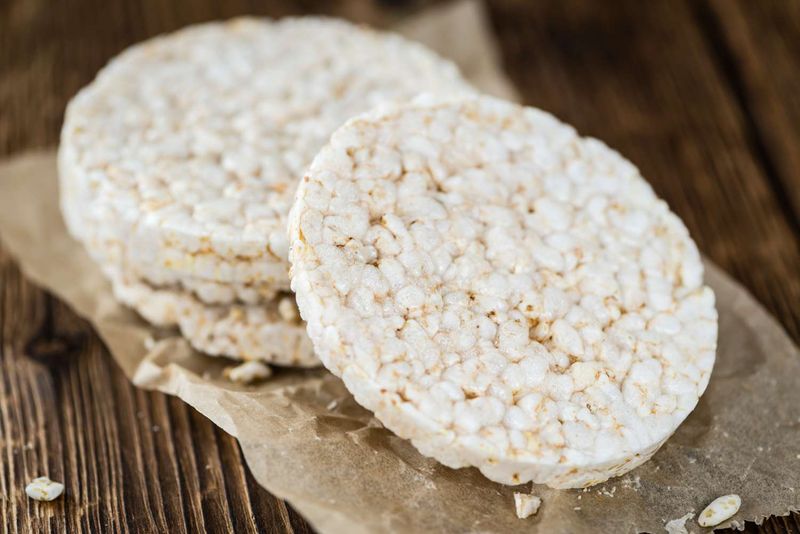
Light as air and almost zero fat, rice cakes became a diet favorite decades ago. They feel like the perfect snack.
Surprisingly, they can raise blood sugar quite fast.
Rice cakes are made from puffed white rice in most cases. Puffing makes the starch very easy to digest.
Plain rice cakes are often rated high on the glycemic index.
They also don’t fill you up much. A couple of rice cakes leave many people hungry soon after.
That can lead to more snacking later.
The fix is in the toppings. Spread on peanut butter, almond butter, or mashed avocado.
Add a sliced hard-boiled egg or turkey for a mini open-faced snack.
Brown rice cakes have slightly more fiber than white versions. Multigrain cakes can be another option.
Flavored ones, like caramel or chocolate, often add sugar.
Watch the snack-size rice crisps sold in bags. They’re easy to eat by the handful.
A few servings can quickly add up.
Need a crunchy base for toppings? Whole grain crackers with seeds can provide more fiber.
Cucumber rounds and bell pepper slices make fresh, crunchy alternatives too.
Rice cakes aren’t bad, just misunderstood. They work best as a platform, not the whole show.
Dress them up with protein, and they become a much smarter snack.
23. Fat-Free Packaged Snacks
Back in the 1990s, fat-free snacks were everywhere. Fat-free cookies flew off grocery shelves.
The idea was simple: less fat meant healthier food.
The catch? When food companies remove fat, they often add sugar to keep the taste appealing.
Many fat-free cookies, puddings, and dressings contain more sugar than full-fat versions. Your blood sugar notices the difference.
Fat helps slow digestion. Without it, sugary snacks hit your bloodstream faster.
Fat-free foods can also leave you hungry sooner.
That doesn’t mean you should eat unlimited fat. Healthy fats from nuts, olive oil, avocado, and fish are great choices.
They help balance meals and keep you satisfied.
Reading labels is your superpower here. Compare the sugar in a fat-free product with the regular one.
You might be surprised by what you find.
Low-fat salad dressings are a common example. Some replace oil with sugar and thickeners.
A simple homemade dressing of olive oil, vinegar, and herbs is easy and tasty.
Fat-free flavored yogurts and puddings can be tricky too. Check for added sugars on the label.
Plain versions with your own toppings are usually better.
The big lesson is that one label claim doesn’t tell the whole story. Words like light, low-fat, and fat-free say nothing about sugar.
Look at the full nutrition facts before deciding.
24. Instant Oatmeal Packets
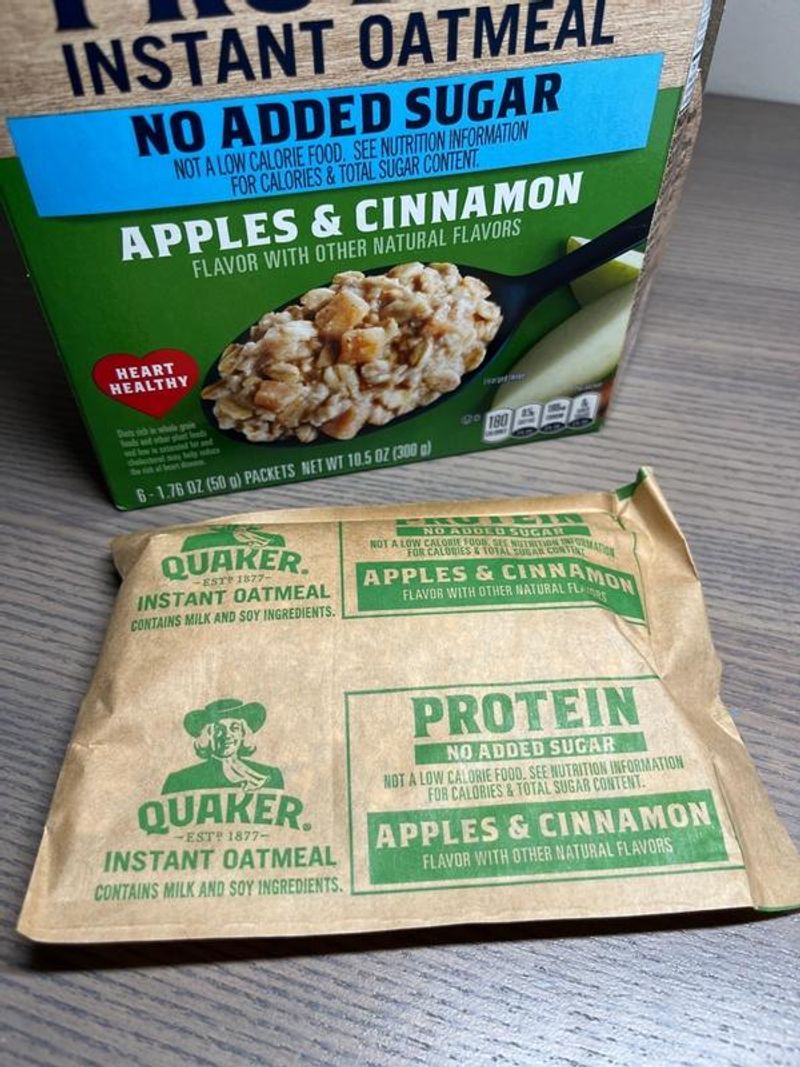
Oatmeal sounds like the gold medal winner of breakfast. Plain oats really are a solid choice for many people.
Flavored instant packets, though, can change the game.
Many flavored packets, like maple brown sugar or apple cinnamon, contain about 10 to 12 grams of sugar. They’re also made from oats cut and rolled very thin.
That helps them cook fast, but also digest faster.
Here’s how oats compare. Steel-cut oats are the least processed and digest slowly.
Old-fashioned rolled oats fall in the middle, and instant oats digest the fastest.
Steel-cut oats take about 20 to 30 minutes on the stove. Busy morning?
Cook a big batch on Sunday and reheat portions all week.
Overnight oats are another easy option. Mix rolled oats with milk or yogurt and let them sit in the fridge overnight.
Grab and go in the morning.
Plain instant oats are better than flavored ones. You can add your own toppings and control the sweetness.
Cinnamon, berries, and a spoonful of nut butter work beautifully.
Protein boosts oatmeal’s staying power. Stir in Greek yogurt, an egg while cooking, or a scoop of protein powder.
Chopped nuts or chia seeds add healthy fat too.
Oats contain a fiber called beta-glucan. Research links it to better cholesterol and steadier blood sugar.
Just keep the packets plain and the portions sensible.
25. Sweet Tea
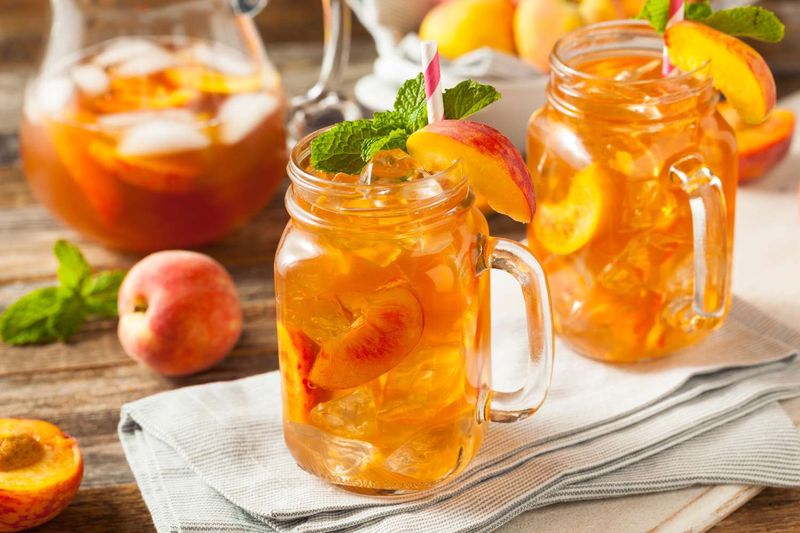
In much of the South, sweet tea is less a drink and more a way of life. It’s poured at family dinners, picnics, and barbecue joints.
It also tends to be loaded with sugar.
Traditional recipes often call for a cup or more of sugar per gallon. A big glass can rival a can of soda.
Bottled sweet teas at stores can be similarly sugary.
Tea itself is a great choice. Black and green teas have almost no calories or carbs.
It’s the sugar stirred in that makes the difference.
Half-and-half is a friendly compromise. Mix sweet tea with unsweetened tea.
Over time, you can shift the balance toward more unsweetened.
Your taste buds can adjust. Many people find that after a few weeks of less sugar, old favorites taste too sweet.
It’s a surprising and helpful change.
Flavor without sugar is easy to add. Try lemon, fresh mint, peach slices, or a cinnamon stick.
Herbal teas like hibiscus offer natural tartness and bright color.
Restaurants usually offer unsweetened tea too. Ask for it with lemon on the side.
You can add a small amount of sweetener yourself if needed.
Brewing at home lets you control everything. Make a pitcher of cold brew tea and keep it in the fridge.
A refreshing glass is always ready, and your blood sugar stays calmer.
Share this story