Fruit juice can contain vitamins while missing much of the fiber found in whole fruit, which gives that cheerful breakfast glass a little more to explain. I like this example because it shows how a healthy reputation can tell part of the story without telling you what matters for your next meal.
Packages often highlight protein, whole grains, or natural ingredients, yet those claims don’t explain serving sizes, added sugar, or how filling something might be. A food can offer useful nutrients and still need a closer look, especially when its label seems to promise more than its contents deliver.
You don’t need to clear your cupboards or turn grocery shopping into a science exam to make thoughtful choices that fit your needs. A few simple checks can help you spend wisely, build satisfying meals, and decide which products deserve space in your cart.
1. Granola
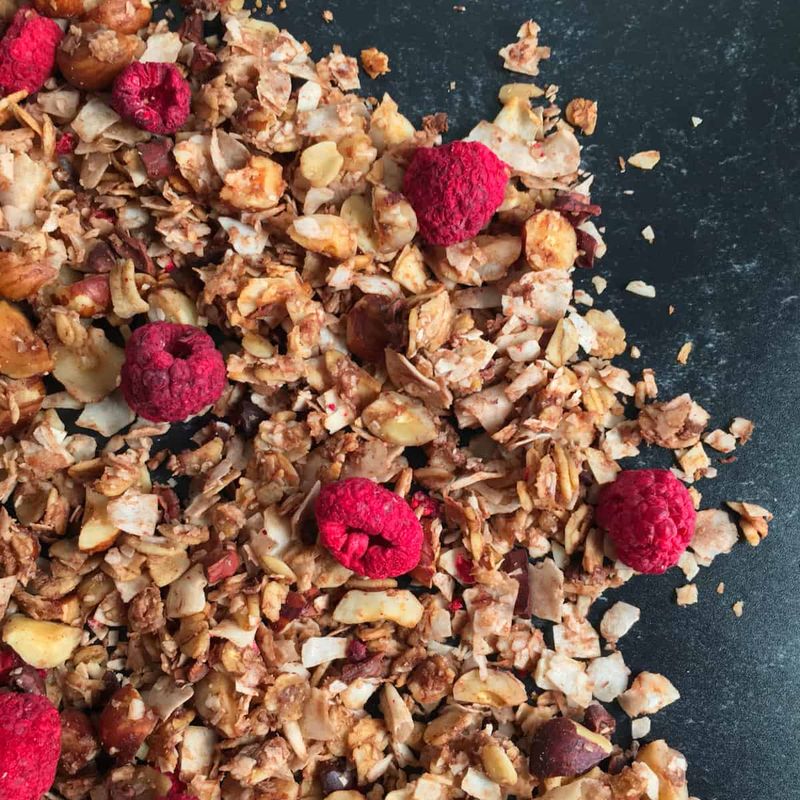
A bowl of crunchy oats can carry more sweetness than its outdoorsy packaging suggests. Many granolas combine whole grains with added sugar and oils, making portions worth checking.
That doesn’t cancel the benefits of oats, nuts, or seeds in the mix. Those ingredients can supply fiber, unsaturated fats, and useful minerals, depending on the recipe.
The surprise often comes when you compare your usual pour with the serving size. A generous cereal bowl may hold several labeled servings before milk or yogurt joins the party.
Check added sugars, then compare products using the same portion rather than the front label. Honey, maple syrup, and coconut sugar still count as added sugars when manufacturers mix them into granola.
Try using a smaller scoop as a topping for plain yogurt and fresh fruit. You’ll keep the crunch while adding protein, volume, and a wider mix of nutrients.
Homemade versions let you adjust sweetness, though nuts and oils still make them energy dense. Treat granola as a flexible ingredient, not a food that needs either a gold medal or a permanent ban from your breakfast table at home.
2. Flavored Yogurt

The fruit on the cup doesn’t tell you how much sugar joins the spoonful. Flavored yogurt can provide protein and calcium while also containing a meaningful amount of added sugar.
Start by separating naturally occurring milk sugar from sweeteners added during production. The Nutrition Facts panel lists total sugars and added sugars separately, which makes this distinction easier.
Protein varies too, so two similar cups may keep you satisfied for different lengths of time. Greek and strained styles often contain more protein, but the label gives the clearest answer.
You can choose a lower sugar flavor without treating dessert flavors as forbidden territory. Compare equal serving sizes, and consider how the yogurt fits with the rest of your breakfast.
Plain yogurt with berries, cinnamon, or chopped fruit gives you more control over sweetness. Frozen fruit works nicely and can help you avoid buying fresh berries you won’t finish.
Prefer your usual flavored cup? Pair it with nuts or oats if you want more texture and staying power, rather than assuming the healthiest choice must taste like a compromise every single morning before work or school.
3. Fruit Juice

A glass can hold the juice of several fruits without requiring much chewing. That makes juice easy to drink quickly, even when you wouldn’t eat the same amount of whole fruit.
One hundred percent juice can supply vitamins and other plant compounds, depending on the fruit. It usually contains much less fiber than the whole fruit it came from.
Without that intact structure and fiber, juice may feel less filling than a piece of fruit. A large bottle can also deliver more sugar and energy than you expected with your meal.
Read the product name carefully because juice drinks and fruit punches may contain added sugars. A claim of no added sugar doesn’t mean a drink contains no naturally occurring sugar.
Keep portions modest and make water your usual choice when you’re simply thirsty. Whole fruit is generally the more filling option for snacks and a useful way to increase fiber.
You can still enjoy juice without assigning it superhero duties at breakfast. If you manage blood sugar, account for its carbohydrates and discuss individual portions with your care team rather than relying on the fruit picture alone.
4. Bottled Smoothies
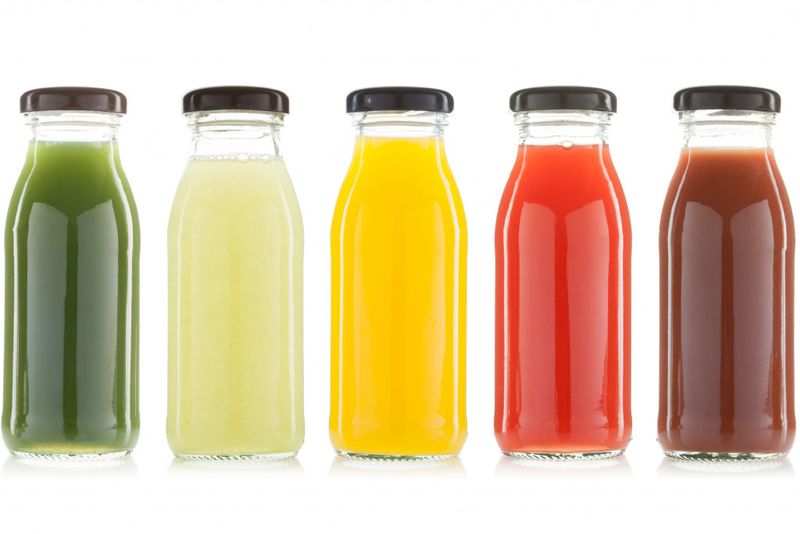
A smoothie bottle can hide a surprisingly crowded fruit basket inside one convenient drink. Depending on the recipe, it may also include juice concentrates, sweeteners, or very little protein.
Blending whole fruit keeps more fiber than juicing, so smoothies aren’t automatically the same as juice. Still, ingredients and portions matter more than a cheerful promise about greens on the bottle.
Check whether the container holds one serving or more before comparing its nutrition numbers. Then look at protein, fiber, and added sugars to judge what the drink actually contributes.
A fruit-heavy blend may work as part of a meal without being a complete meal itself. Adding plain yogurt, milk, or an appropriate fortified soy drink can improve its protein content.
For homemade versions, combine whole fruit with a protein source and avoid adding juice by default. Vegetables can contribute nutrients, but a handful of spinach doesn’t erase the rest of the recipe.
Choose a size that matches your appetite and what you’re eating alongside it. Your smoothie can be convenient and enjoyable without needing to perform like a salad, a full breakfast, and a nutrition miracle at once.
5. Protein Bars
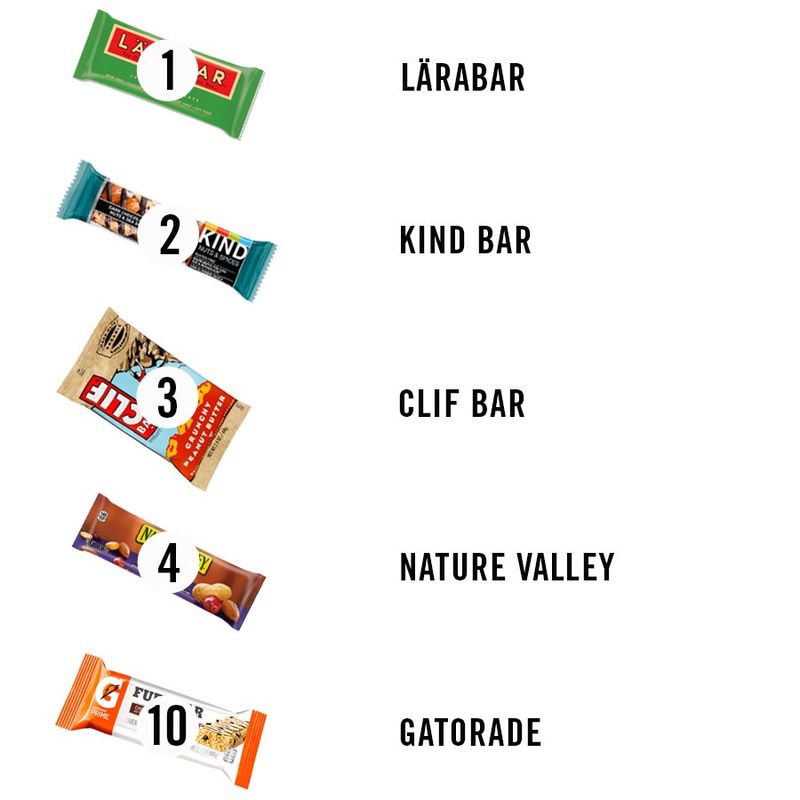
Protein printed in large letters doesn’t make the rest of a wrapper disappear. Bars vary widely in added sugar, saturated fat, fiber, and the amount of protein they actually provide.
Convenience is their strongest argument, especially when a meal or snack would otherwise be hard to manage. You don’t need to reject a packaged option simply because it isn’t homemade.
Decide what job the bar needs to do before judging its numbers. A small snack and a meal replacement require different amounts of food, and one bar may not satisfy both.
Some products use sugar alcohols or added fibers to lower sugar or boost fiber claims. Larger amounts can cause gas or stomach discomfort for some people, so notice your own response.
Compare bars with simple alternatives such as yogurt, nuts, cheese, or fruit paired with a protein source. Those choices may cost less, though storage and convenience differ.
Keep a bar handy when it helps, and choose one you enjoy eating. There is little benefit in buying an impressive nutrition panel attached to a snack you avoid until it becomes a permanent resident of your bag.
6. Sports Drinks
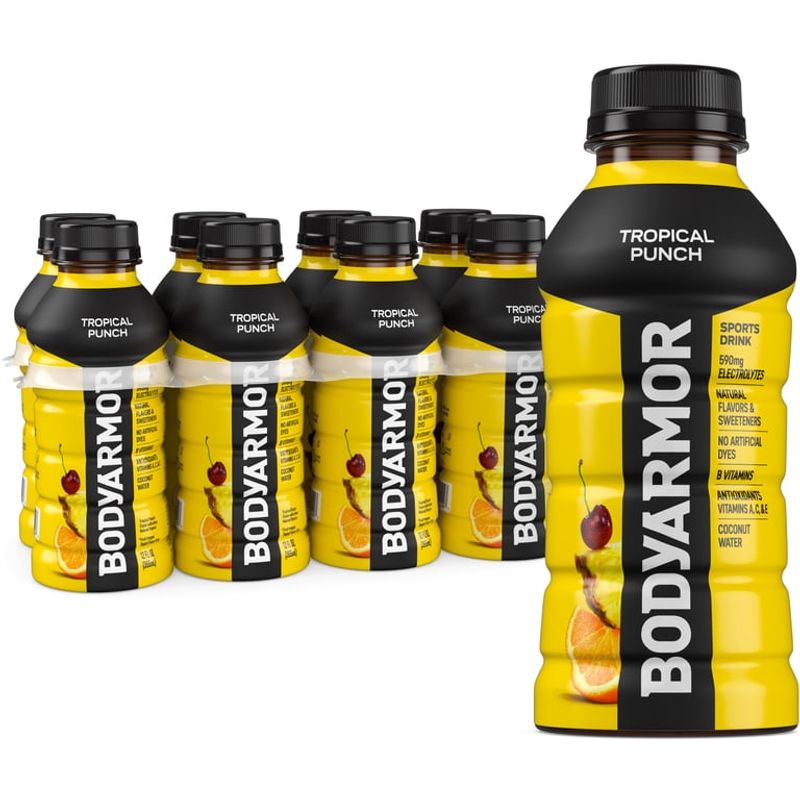
Electrolytes sound impressive, but your afternoon errands probably don’t require a special hydration strategy. Sports drinks mainly serve a purpose during prolonged, vigorous exercise or situations involving substantial sweat losses.
Many contain carbohydrates and sodium to help support that kind of activity. During a short walk or an ordinary desk day, water is usually enough for routine hydration.
The sugar isn’t a mysterious flaw when a drink is designed to fuel exercise. The mismatch happens when you sip it like water without needing the extra fuel it provides.
Sugar-free versions remove that carbohydrate source, though they aren’t automatically necessary for casual activity either. You can also get electrolytes through regular meals, rather than assuming they must come from a bright bottle.
Consider exercise length, intensity, heat, and your personal needs before choosing a drink. Athletes with demanding schedules may benefit from guidance that matches their actual training and sweat losses.
For most everyday thirst, refill a water bottle and eat balanced meals. Save specialized drinks for a clear purpose, instead of letting the sports label turn a grocery run into an imaginary endurance event for your body.
7. Coconut Water

The tropical reputation is doing some heavy lifting for a fairly simple drink. Coconut water supplies fluid and potassium, but it doesn’t offer a special shortcut to better health.
Its natural sugar content varies, and flavored products may include added sweeteners. Check the label rather than assuming a coconut on the carton means the contents are sugar free.
Compared with many sports drinks, coconut water generally provides less sodium, an electrolyte lost through sweat. That means it isn’t a direct substitute for a carefully chosen exercise hydration plan.
You can enjoy it for taste without expecting it to cleanse your body or transform recovery. Your kidneys and liver already handle the body’s normal waste processing without a specialty beverage.
People with kidney disease or instructions to limit potassium should ask their care team about suitable drinks. More potassium isn’t automatically better when your body has trouble managing it.
For ordinary hydration, plain water remains a practical and usually less expensive choice. Keep coconut water as an optional drink you like, not a daily requirement that has somehow earned a permanent subscription to your grocery budget without a clear reason.
8. Vegetable Chips
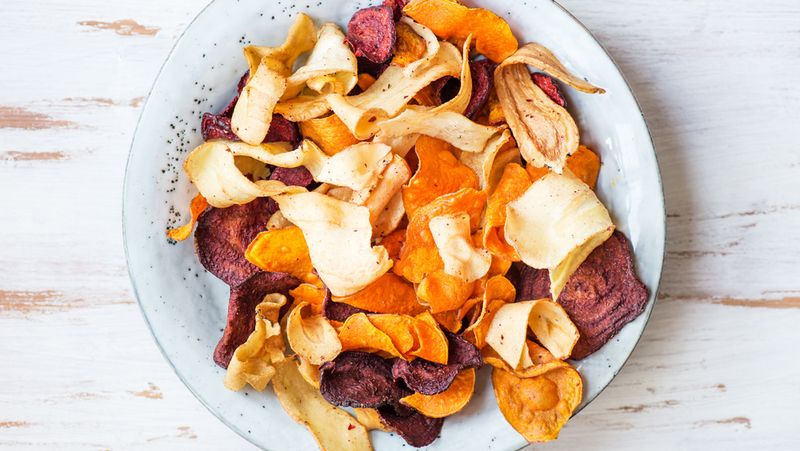
A beet on the bag doesn’t turn a crunchy snack into a vegetable side dish. Many vegetable chips are fried or made from starch blends with relatively small amounts of vegetables.
Recipes differ, so avoid assuming that the whole category has identical nutrition. Some contain sliced vegetables, while others rely mainly on potato starch, flour, or similar ingredients.
Check the ingredient list to see what forms the bulk of the product. Then compare sodium, fiber, and serving size with the chips you already buy and enjoy.
Vegetable powders can add color without supplying the same fiber or volume as a portion of fresh produce. Cooking and processing can also change nutrients, depending on the vegetable and method used.
Enjoy a reasonable portion as a snack if you like the crunch. Pair it with a sandwich, beans, or another filling food rather than expecting the chips to carry the meal.
For more vegetables, try carrots with hummus, roasted broccoli, or frozen vegetables alongside dinner. You can keep snack foods in your routine while giving actual vegetables their own spot, instead of making a colorful bag handle both jobs at lunch.
9. Multigrain Bread

Several grains can share a loaf without a single one being a whole grain. Multigrain describes variety, not necessarily how much of each grain remains after processing.
Whole grains retain the bran, germ, and endosperm, which together provide fiber and other nutrients. Refined grains lose parts of that original structure, although enrichment can replace certain vitamins and minerals.
Look for whole wheat or another named whole grain near the beginning of the ingredient list. A brown color, scattered seeds, or rustic packaging won’t answer that question for you.
Compare fiber per slice, keeping slice size in mind so the comparison stays fair. Sodium and added sugar can also vary, though bread doesn’t need a flawless label to fit your meals.
Choose a loaf that works for your taste, budget, and dietary needs. Someone who needs a lower fiber diet for medical reasons may require a different approach than general advice suggests.
Build a filling sandwich with protein and produce rather than judging lunch by bread alone. The useful question isn’t how many grains appear on the bag, but what the loaf contributes to the meal you’re actually going to eat.
10. Gluten-Free Snacks

Removing gluten solves a specific problem, not a universal nutrition puzzle. For people with celiac disease, avoiding gluten is essential, and careful attention to cross contact also matters.
Others may need to avoid it based on medical advice or individual tolerance. However, a gluten-free cookie doesn’t automatically provide more fiber, less sugar, or better nutrition than a regular cookie.
Many packaged options use refined rice flour, tapioca starch, or potato starch for structure. Those ingredients can be useful, but they don’t guarantee the benefits associated with whole grains.
Check fiber, added sugars, and serving size just as you would with another snack. Look for options containing ingredients such as certified gluten-free oats, buckwheat, nuts, or seeds when appropriate.
If celiac disease is a concern, speak with a clinician before removing gluten from your diet. Starting a gluten-free diet before testing can make the diagnostic process harder to interpret.
Choose these products because they meet your needs or because you enjoy them. The label is an important safety tool for some shoppers, not a general health award that makes the rest of the ingredient list unnecessary to read.
11. Plant-Based Meat Alternatives

A plant-based label tells you where ingredients come from, not the full nutrition story. Meat alternatives can be convenient sources of protein, but their recipes vary considerably.
Some products contain substantial sodium, and certain versions use coconut oil that adds saturated fat. Others offer less saturated fat than the meat they replace, so direct comparisons matter.
Read the protein amount instead of assuming a vegetable patty matches a beef burger or chicken portion. Patties based mainly on vegetables or grains may provide less protein than soy-based alternatives.
Check for iron and vitamin B12 if these products regularly replace animal foods in your meals. Fortification differs, and a plant-based eating pattern still needs reliable sources of essential nutrients.
You can also rotate in beans, lentils, tofu, and tempeh for variety. Those options bring different textures and nutrition profiles, and some make affordable additions to quick weekday meals.
Use meat alternatives when they suit your preferences, cooking habits, or broader food goals. Judge the specific product and the whole meal, rather than expecting one label to settle nutrition, convenience, and taste in a single neat answer before dinner even reaches your plate.
12. Reduced-Fat Peanut Butter

Taking out some peanut fat doesn’t necessarily make a better spread. Reduced-fat peanut butter may replace part of that fat with starches or sweeteners to maintain texture and flavor.
Peanuts naturally contain mostly unsaturated fats, along with protein and some fiber. Those fats help make peanut butter satisfying, so removing them isn’t automatically a nutritional upgrade.
The calorie difference may be smaller than the front label leads you to expect. Compare equal portions and check added sugars, sodium, and the ingredient list before deciding which jar suits you.
Regular peanut butter made mainly from peanuts can be a useful pantry staple. Versions with added ingredients can also fit your meals, especially when convenience, texture, or cost affects your choice.
Spread an amount that matches your appetite on toast, or pair it with apple slices. Measuring occasionally can help you learn a portion without turning breakfast into a permanent weighing project.
Peanut allergies require avoidance and careful label reading, regardless of a product’s fat content. For everyone who can safely enjoy it, the better question is what the spread adds to a balanced meal, not whether its label boasts fewer grams of fat.
13. Dried Fruit
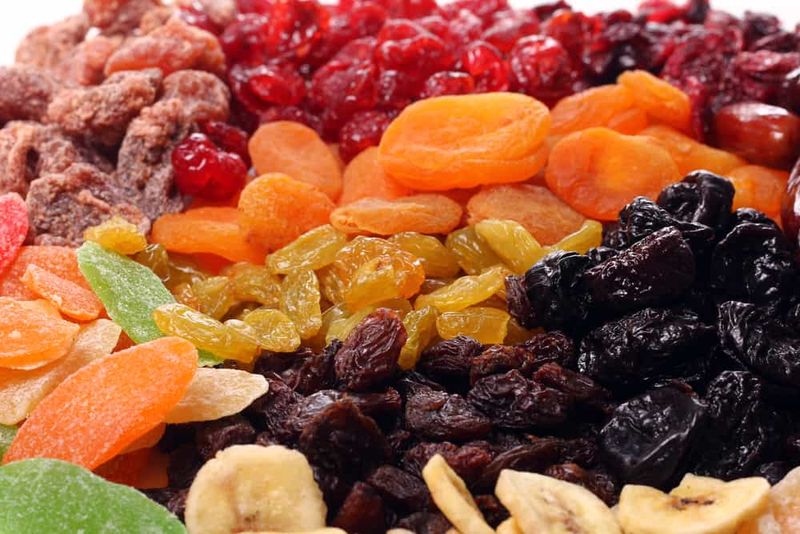
Removing water makes fruit easier to pack and easier to eat by the handful. Dried fruit still provides fiber and nutrients, but a small portion represents more fruit than you might expect.
That concentrated form isn’t a reason to avoid it or fear its natural sugars. It is a reason to notice portions, especially when you snack straight from a large bag.
Some varieties, including many dried cranberries, contain added sugar to balance their tartness. Check the ingredients and added sugars line rather than assuming dried fruit is always unsweetened.
Pair a modest handful with nuts or plain yogurt to make a more balanced snack. You can also use it to add sweetness to oatmeal without pouring in extra syrup.
Fresh and frozen fruit offer more water and volume, which may help when you want a larger snack. Dried fruit offers portability and a longer shelf life, making it useful in different situations.
Keep the choice practical instead of turning fruit into a nutrition contest. A small container in your bag can be helpful, while an open family-size pouch may make it harder to notice how much you’ve eaten during a busy afternoon.
14. Agave Syrup

A plant origin doesn’t give a sweetener special permission to skip the sugar discussion. Agave syrup is an added sugar, even when its label emphasizes natural ingredients or a less processed image.
It often contains a higher proportion of fructose than ordinary table sugar. That composition can produce a lower immediate blood glucose response, but it doesn’t establish a broad health advantage.
A lower glycemic index describes one feature of a food, not its complete effect on your diet. Total intake and the foods you regularly choose still matter more than a single appealing number.
Count agave alongside honey, maple syrup, and other added sweeteners when considering your usual habits. Swapping one for another may change flavor without meaningfully reducing the amount of sweetness you consume.
Use a small amount if you enjoy how it mixes into a recipe or drink. You can gradually reduce sweetness in familiar foods rather than searching for a syrup with magical credentials.
People managing diabetes should account for agave’s carbohydrates and follow individualized guidance. The practical upgrade is often using less sweetener overall, not paying extra for a bottle that sounds closer to a garden than a sugar bowl.
15. Prepared Salads

Lettuce can share a bowl with enough extras to change the meal’s nutrition considerably. Prepared salads range from balanced lunches to combinations that need more protein, more substance, or a lighter hand with dressing.
Cheese, croutons, crispy toppings, and creamy dressings aren’t forbidden ingredients, but their portions add up. Sodium can also climb when several salty toppings appear together in the same bowl.
Start by checking whether the salad includes a useful protein source, such as beans, eggs, tofu, chicken, or fish. Add whole grains or another carbohydrate source when you need a more satisfying meal.
Keep some dressing rather than assuming a dry bowl is automatically better for you. Fat helps your body absorb certain nutrients, and enjoying your vegetables makes them easier to include regularly.
Request dressing separately when possible so you can add an amount you like. If nutrition information is available, use it to compare options without reducing lunch to a numbers contest.
A salad earns its place through its ingredients and how well it meets your needs. The green base is a useful beginning, not a free pass or a guarantee that lunch will keep you satisfied.
Share this story