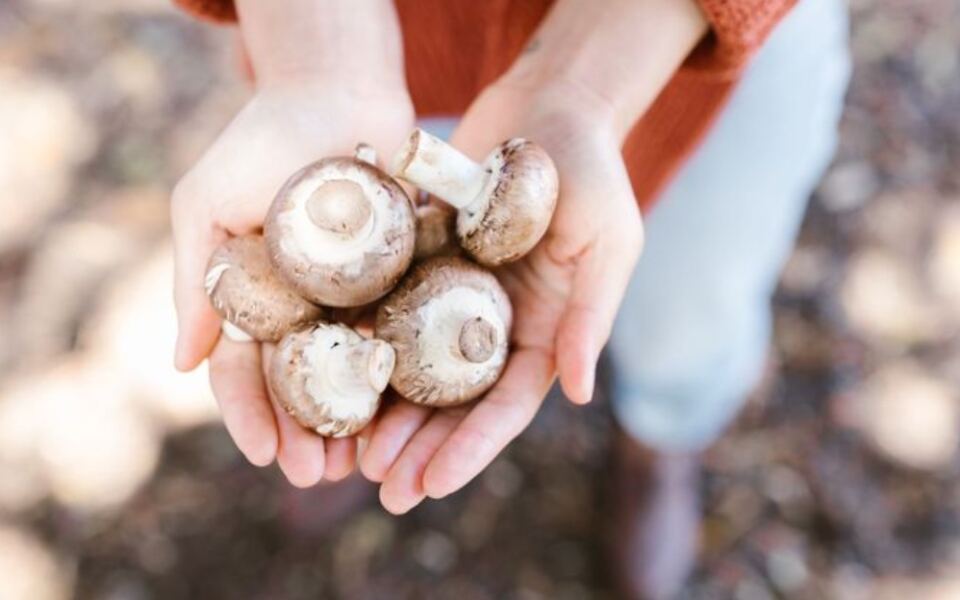
White buttons, brown cremini, and giant portobellos belong to the same mushroom species, yet they bring different strengths to dinner. That makes the mushroom shelf more useful than it first appears, especially when you know which signs point to freshness and which shapes suit your recipe.
I like how a few simple checks can make shopping easier without turning the produce aisle into a science class. Firm caps, clean smells, and sensible packaging tell you more than a fancy label, while a little planning helps keep that promising purchase from becoming forgotten fridge clutter.
Your best choice depends on what you want to cook, how soon you plan to cook it, and what looks good today. A familiar button mushroom might win, or a ruffled cluster could earn its spot beside tonight’s noodles.
Let Freshness Make the First Decision
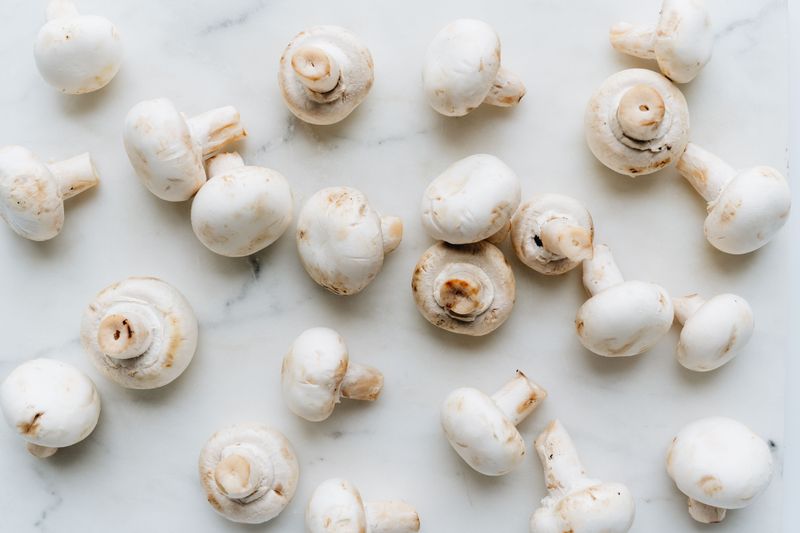
A fancy mushroom cannot rescue dinner if it has already turned soft and slippery. Start with condition before you think about variety, size, or the recipe waiting at home.
Look for mushrooms that appear firm, plump, and reasonably dry, with no visible mold. Their color should make sense for the variety, rather than follow one rule for every mushroom.
White buttons naturally look different from brown cremini, and dark portobello gills are normal. Wet dark patches, heavy bruising, and collapsing flesh deserve more attention than ordinary color differences.
If loose mushrooms are available, handle them gently and follow the store’s rules. A fresh mushroom generally smells mild and earthy, never sour, fishy, or strongly unpleasant.
A little growing material on the surface is common and can be cleaned away. Dirt alone tells you less than texture, smell, and signs of moisture damage together.
Check several mushrooms in a package, including those underneath when the container allows it. One attractive cap on top should not make the whole buying decision for you.
Choose the freshest suitable option, even when that means changing varieties. Your skillet will manage the substitution better than it handles spoiled ingredients.
Give the Package a Quick Inspection
The container can reveal almost as much as the mushrooms tucked inside it. Before adding a carton to your basket, take a moment to inspect its sides and bottom.
Heavy condensation, pooled liquid, or mushrooms pressed into a damp layer suggest poor conditions. A little fog does not prove spoilage, but it deserves a closer look.
Many mushrooms come in packaging designed to allow some airflow through small openings. An intact store package can work well, so plastic covering alone is not a reason to reject it.
Loose bins let you choose individual mushrooms and buy only what your meal needs. Use the provided bag and avoid squeezing caps while searching for the perfect handful.
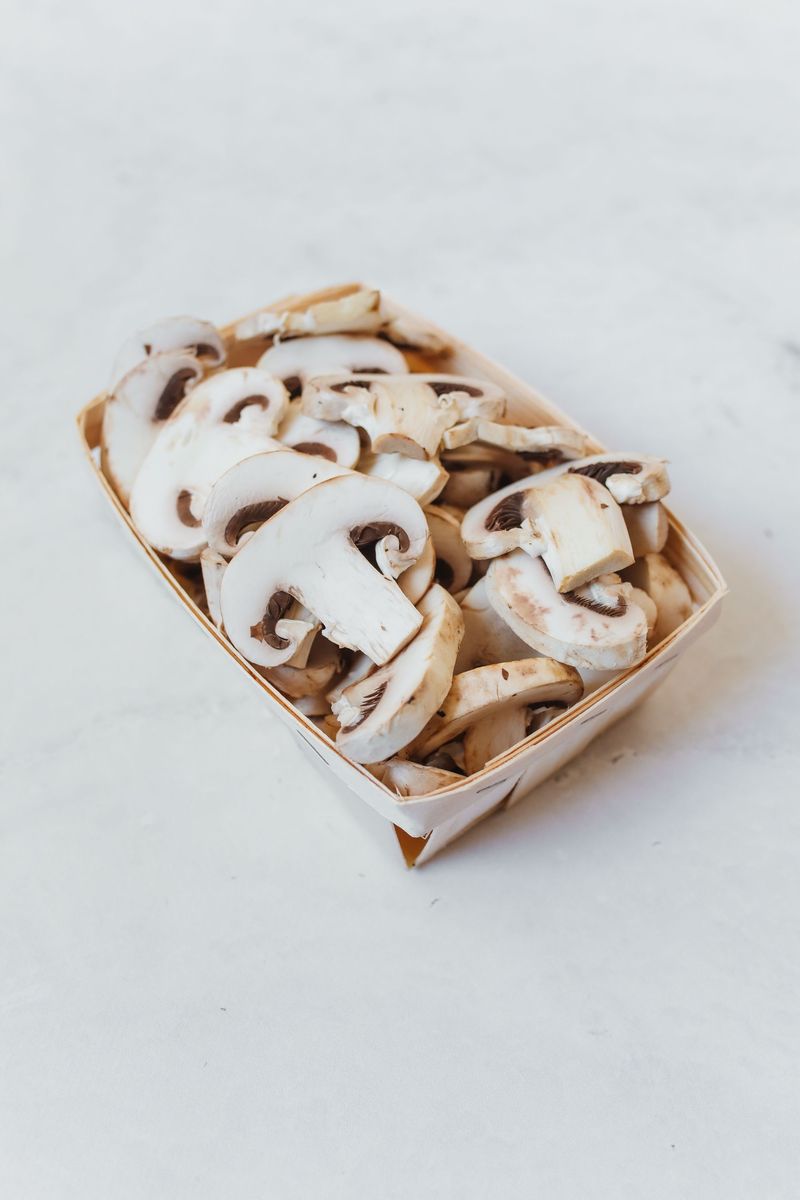
Whole mushrooms usually keep better than sliced ones because less flesh is exposed. Presliced packs still offer convenience when you plan to cook them promptly after shopping.
Check any storage directions and dates, while remembering that appearance still matters. A printed date cannot guarantee freshness after poor handling or a warm trip home.
Keep the carton away from heavy cans and other crushing groceries. Mushrooms need a safe ride, not a wrestling match with tomorrow’s pantry supplies.
Count on White Buttons for Everyday Meals
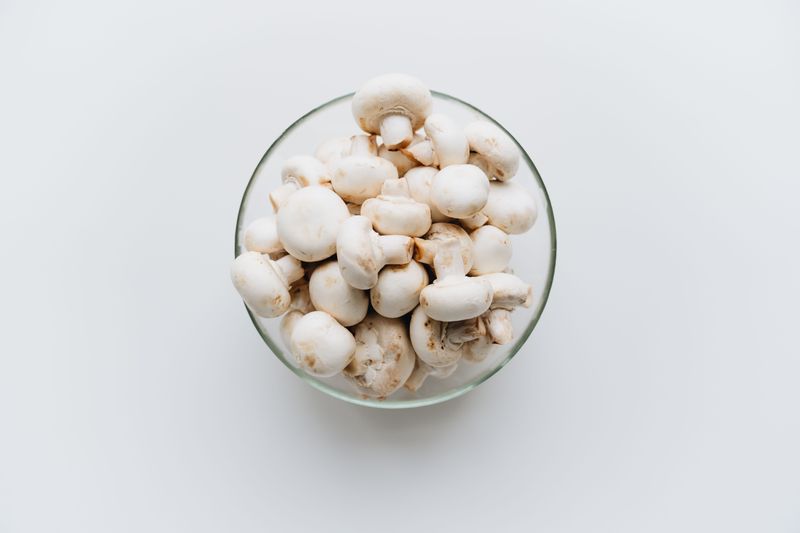
For a mushroom that rarely argues with the rest of dinner, start here. White buttons have a mild flavor that fits pasta, soups, omelets, and simple vegetable sides.
Choose firm caps with smooth surfaces and little shriveling around their edges. Small marks can happen during handling, but widespread wet bruising signals a less appealing purchase.
A closed veil beneath the cap usually points to a younger mushroom. As that veil opens, the gills become visible, which does not automatically mean the mushroom has spoiled.
Size matters more for preparation than for proving quality at the store. Similar sizes help whole mushrooms cook evenly, while larger caps make slicing quicker and easier.
For stuffing, select caps broad enough to hold your filling without splitting. For a chopped sauce, smaller mushrooms work nicely and need no special beauty contest.
The stems are edible when fresh, though you can trim dry ends. Save sound trimmings for a cooked broth instead of automatically sending them to the scraps bowl.
Buy buttons when you want a flexible ingredient rather than a strong mushroom statement. They are a useful starting point for cooks still learning which varieties they enjoy.
Reach for Cremini When Dinner Needs More Depth
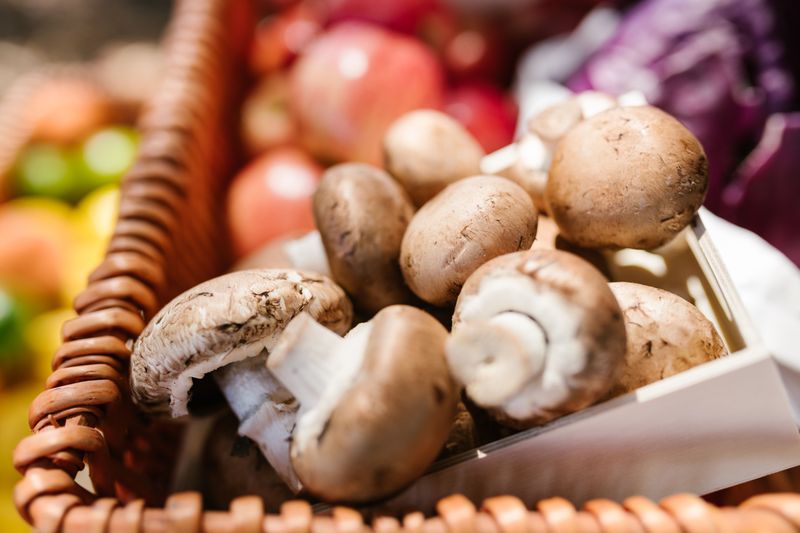
Brown caps can bring a fuller mushroom flavor without asking you to learn a completely different cooking routine. Cremini suit browned skillet dishes, hearty soups, and finely chopped fillings.
You may see them labeled baby bella, mini bella, or brown button mushrooms. They are the brown form of the same species as white buttons and portobellos.
Calling every cremini an older white button oversimplifies how these mushrooms are grown. Think of color and maturity as related shopping clues, not interchangeable labels for everything.
Pick firm mushrooms with plump caps and no slick patches or sour smell. Brown coloring is expected, so judge suspicious spots by wetness and damage as well.
Closed caps work well when you want neat slices that hold together. Exposed gills can appear as mushrooms mature and are not, by themselves, a freshness warning.
Choose a fairly even size for roasting whole mushrooms on one tray. Mixed sizes are less troublesome when you will chop everything for a sauce or filling.
For an easy switch, use cremini where your recipe calls for white buttons. You can keep the same basic preparation while giving the finished dish a richer mushroom presence.
Size Up Portobellos Before You Stuff Them
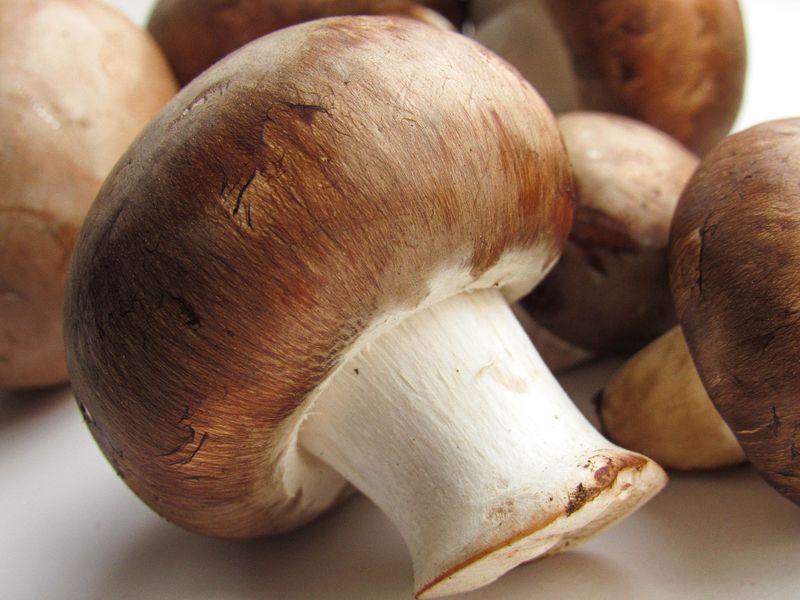
Big caps offer useful cooking space, especially when dinner involves stuffing or grilling. Portobellos are mature brown mushrooms with broad caps and naturally dark, fully exposed gills.
Look for caps that feel firm enough to lift without folding or collapsing. Avoid slimy surfaces, unpleasant smells, and wet damaged areas around the edges or stem.
Dark gills are normal here, so do not use their color alone to reject a mushroom. A fresh portobello can have very deep brown gills without being spoiled.
Match the cap shape to your plan before reaching for the largest specimen. A slightly cupped cap holds filling, while a flatter one suits sandwiches and grilling.
Check the underside when packaging allows, since large caps can hide damage underneath. Similar sizes also help when you want several portions to finish cooking together.
You can remove the gills with a spoon, but that step is optional. They are edible, though they may darken a pale sauce or release loose bits.
Trim a tough or dry stem before cooking and save sound pieces for broth. These mushrooms release moisture as they heat, so leave space around them rather than crowding the pan.
Check Shiitake Caps, Not Just Their Color
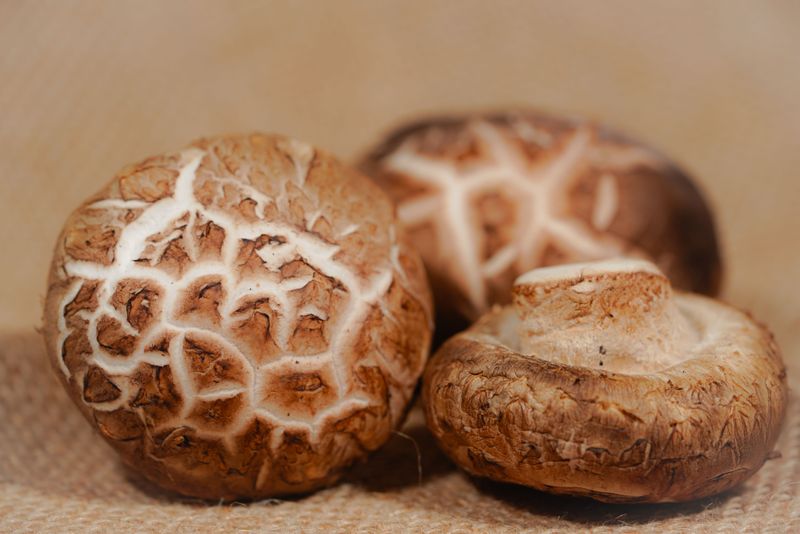
Shiitakes bring a savory flavor that can carry a simple bowl of noodles. Their brown caps and pale undersides make them easy to recognize among common grocery varieties.
Seek plump caps that feel firm, with no slime or unpleasant odor. A dry surface is normal, but badly shriveled flesh suggests the mushrooms have lost moisture.
Some shiitakes naturally develop pale cracks or patterns across their cap surfaces. Those markings alone do not mean poor quality, especially when the flesh remains thick and sound.
Fresh shiitake stems are often too tough for pleasant eating after ordinary cooking. Plan to remove them, and judge value by the amount of usable cap you need.
Sound stems can add flavor to simmered broth before you strain them out. Keep them separate from tender cap slices so they do not sneak into your finished meal.
Choose similarly sized caps if you want to cook them whole or in halves. For soups and stir-fries, mixed sizes are fine because slicing makes the pieces more even.
Buy fresh and dried shiitakes with different uses in mind rather than treating them as identical. Dried mushrooms need soaking and offer a concentrated flavor for cooked dishes.
Handle Oyster Mushrooms Like Delicate Produce
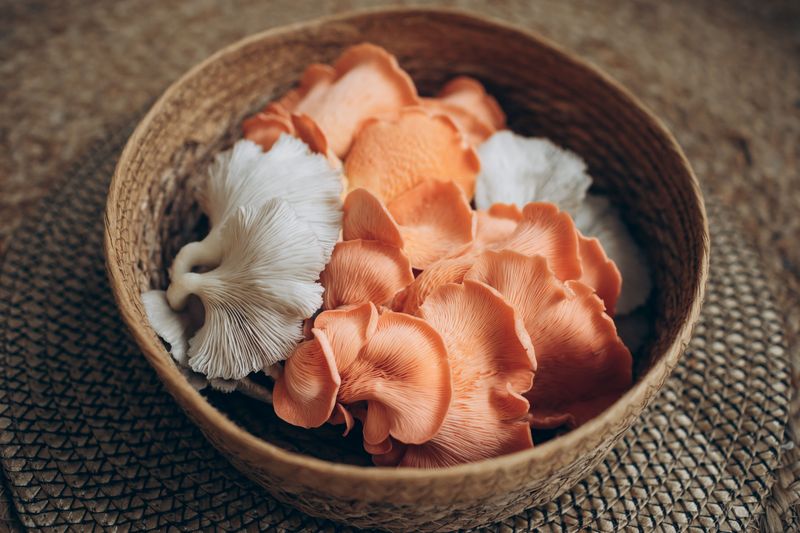
Those overlapping fans deserve a gentler shopping hand than a bag of potatoes. Oyster mushrooms have delicate caps that can tear or become bruised when handled roughly.
Look for clusters with supple, fairly intact caps and fresh-looking edges. Avoid soggy patches, widespread browning, or mushrooms that have collapsed into a damp, tangled mass.
Color varies among oyster varieties, so gray is not the only acceptable shade. Pink and yellow varieties exist, making the label useful when the display looks unfamiliar.
Dry, curled edges can suggest moisture loss, especially when the caps also seem brittle. A few small tears may simply reflect handling rather than a serious freshness problem.
Choose a cluster size that fits your cooking plans and fridge space. The mushrooms usually separate easily, but a large attached base can add trimming work.
At home, cut away the tough base and divide the tender sections. Their broad surfaces work well in a hot pan when you avoid piling them too deeply.
Plan to use delicate oyster mushrooms earlier than your sturdier whole buttons or cremini. Buying them for tonight makes more sense than hoping they will wait patiently through several menu changes later.
Treat Enoki as a Cooked Ingredient
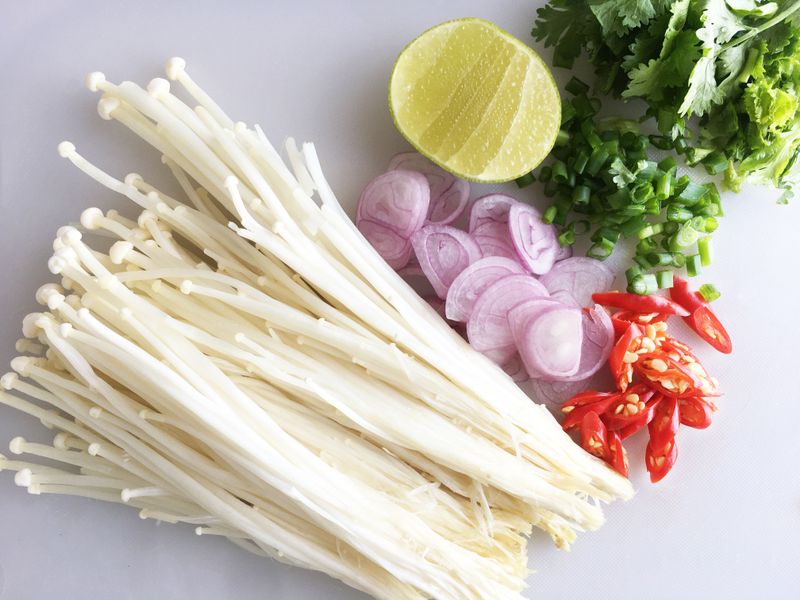
Tiny caps and long white stems give cultivated enoki a look unlike most mushroom choices. Their delicate shape works well in soups and other dishes that cook them thoroughly.
Select a refrigerated package with clean-looking clusters and no slimy buildup. Browning, excess liquid, or an unpleasant smell are reasons to leave that package behind.
Good appearance cannot rule out harmful bacteria, so freshness checks are only one step. Enoki have been linked to Listeria outbreaks, making safe handling especially worth your attention.
Check current food recall notices when buying them, particularly if a brand is unfamiliar. Skip any recalled product even if its mushrooms look completely normal through the package.
Keep enoki refrigerated and separate from foods you will eat without further cooking. Wash your hands, utensils, and preparation surfaces after handling the uncooked mushrooms and their packaging.
Trim away the compact root base, then separate the cluster for even cooking. Follow package directions and cook thoroughly rather than using raw strands as a finishing garnish.
Pregnant people, older adults, and anyone with weakened immunity should be especially careful about uncooked enoki. A pretty bowl still needs sensible food handling before it reaches the dinner table.
Make Room for One Unfamiliar Variety
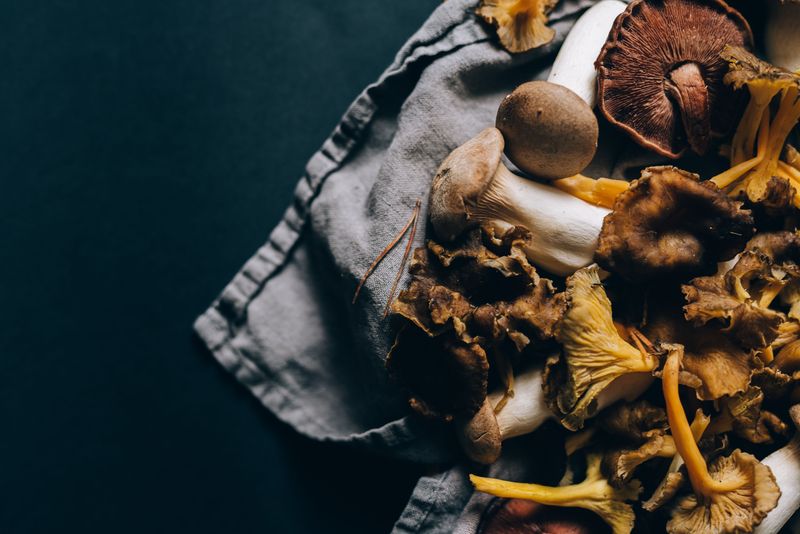
Curiosity works best when you pair it with a modest shopping basket. Trying one unfamiliar variety gives you room to experiment without committing your whole meal to it.
King trumpet mushrooms have thick stems that provide much of their usable flesh. Choose firm specimens without slick spots, and slice the stems evenly so pieces cook together.
Maitake, also called hen of the woods, forms branching clusters with rippled edges. Look inside the folds when possible, checking for trapped moisture, soft areas, and visible mold.
Lion’s mane has a shaggy surface rather than the usual smooth mushroom cap. Favor firm, mostly white specimens, while checking any discoloration alongside smell and texture.
A mixed mushroom pack can introduce several shapes in one convenient purchase. Read its label carefully so you know what you are buying and how to prepare it.
Different shapes may need different trimming and cooking times, even in one package. Separate thick pieces from delicate ones instead of assuming everything should enter the pan together.
Keep the first preparation simple enough to notice the mushroom’s own flavor and texture. A small cooked side dish teaches you more than burying an unfamiliar variety beneath strong seasonings.
Buy With Your Fridge and Dinner Plan in Mind
The best mushroom bargain is the amount you will actually cook while it stays fresh. Before choosing a large carton, check your meal plans and available refrigerator space.
Refrigerate fresh mushrooms promptly, keeping the temperature at 40 degrees Fahrenheit or below. Leave them unwashed until preparation so extra moisture does not sit against their surfaces.
Follow package storage instructions when provided, especially for products sold in special breathable wrapping. For loose mushrooms, a paper bag offers a practical way to allow airflow.
Avoid sealing loose mushrooms in an airtight plastic bag that traps released moisture. Keep them away from raw meat juices and protect delicate caps from heavy containers.
Plan around condition rather than treating a storage estimate as a firm promise. Many common varieties keep for several days, but delicate mushrooms may need attention sooner.
Right before cooking, brush away debris or rinse briefly under running water. Dry them well, and avoid a long soak that leaves extra water to manage in the pan.
Cook surplus mushrooms while they are still sound, then cool and freeze them promptly. Label the container so your smart grocery choice becomes a future meal instead of an unidentified freezer puzzle.
Share this story