Smokey Jollof Jambalaya shares a bowl with Nigerian honey beans, grilled chicken, vegetables, and stewed plantains, giving familiar comfort food a fresh direction. That combination puts West African cooking at the center of a meal rather than treating it like a side note.
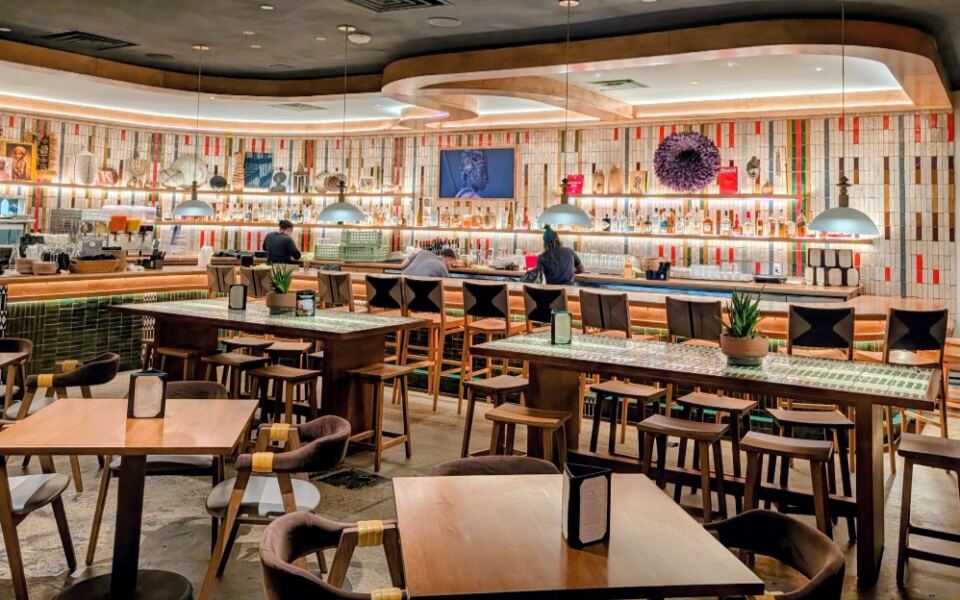
At its Montrose dining room in Texas, the same attention carries into clay walls, African craftsmanship, and wallpaper by Nigerian artist Uzo Njoku. I like how the setting gives the food a wider story without asking you to study before lunch or recognize every ingredient.
The menu draws on several countries and adds Southern influences, so one order can offer more than a single introduction. For anyone curious about jollof, suya, or Liberian greens, the real question becomes which flavor deserves the first forkful and what should follow it.
A Big Idea Comes Served in a Bowl
A bowl can carry a surprisingly big idea, and ChòpnBlọk builds its identity around making West African cooking approachable. Founder Ope Amosu draws on his Nigerian roots while leaving room for the Southern influences surrounding him in Houston.
The business began with pop-ups in 2018 before opening its first permanent spot at POST Houston in 2021. Its Montrose restaurant followed in October 2024, giving the concept a dedicated home beyond the food hall.
That background helps explain the menu’s balance between traditional references and combinations built for an easy lunch or dinner. You can start with a named pairing instead of trying to assemble an unfamiliar meal ingredient by ingredient.
I appreciate that approach because accessibility doesn’t have to mean stripping away the names and stories behind the food. Here, dishes point toward particular cooking traditions, giving you useful clues about what makes each selection different.
For a first visit, choose one pairing that includes both something familiar and something you haven’t tried before. You’ll have a comfortable starting point, plus a reason to ask a thoughtful question about the rest of your plate before choosing what to explore next time around.
Let the Golden Bowl Handle the Introductions
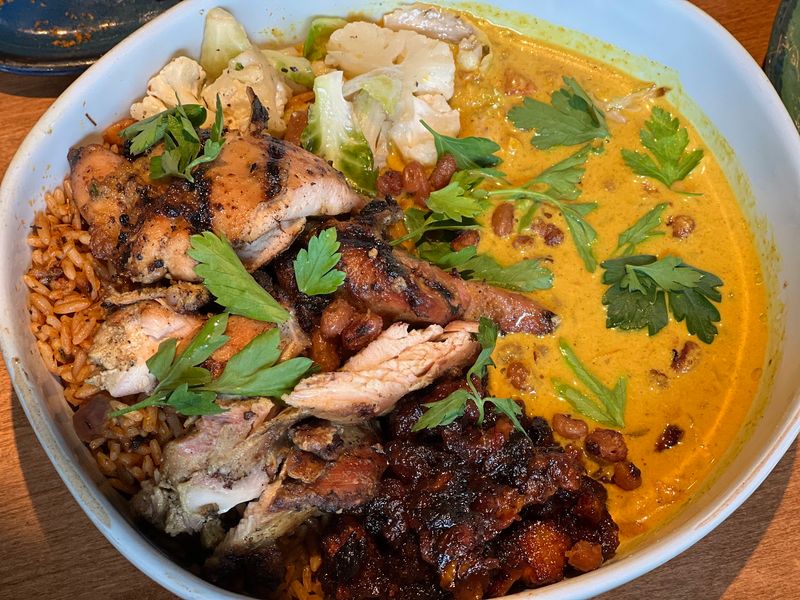
Choosing one dish gets easier when the kitchen has already brought several parts of its menu together for you. The Golden Bowl combines Smokey Jollof Jambalaya, Motherland Curry, Blok Chicken, Yaji Vegetables, and Stewed Plantains in one order.
Each component adds a different reference point, making the bowl useful for understanding how the restaurant builds a meal. Rice anchors the combination, while chicken, beans, vegetables, and plantains give you several directions to explore with your fork.
Motherland Curry uses Nigerian honey beans in an East African coconut curry sauce, extending the bowl’s reach beyond one region. That distinction matters because African cooking contains many separate traditions, even when a restaurant brings them into conversation.
Try the components separately before mixing a few bites together, especially if these names are new to you. Doing so helps you notice what each element contributes instead of turning your first taste into a guessing game.
Check the menu when ordering, since restaurant offerings and preparations can change over time at any location. If an ingredient raises a dietary concern, ask about that specific component rather than assuming the whole bowl follows one simple recipe or dietary category throughout.
Rice Gets More Than a Supporting Role
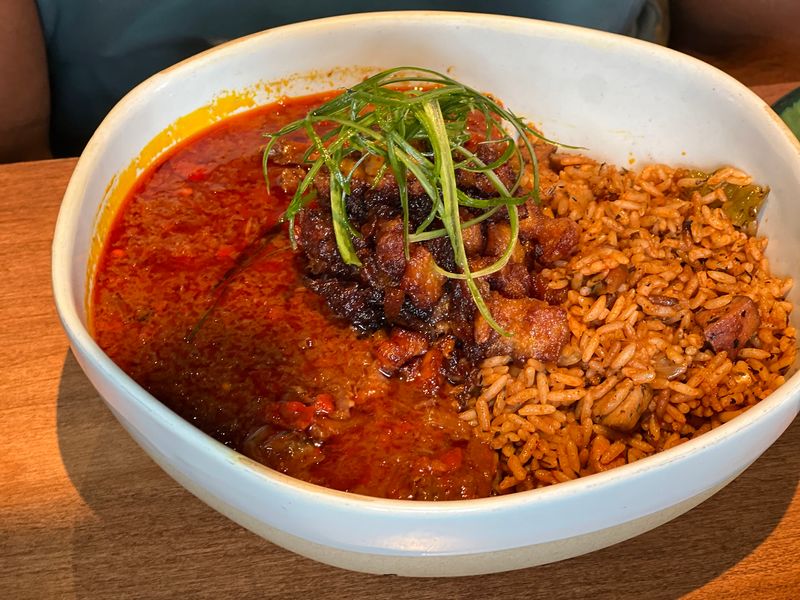
Plain background duty isn’t the assignment for rice on this menu, where several preparations bring their own clear identity. Jollof Jambalaya pairs a tomato-based West African rice tradition with Creole inspiration, connecting two cooking worlds through one dish.
Waakye Fried Rice takes a Ghanaian-inspired direction, while Rice & Greens includes Liberian-style braised collards and kale alongside steamed rice. Those names offer useful guidance when you’re deciding which part of the menu deserves your attention first.
Rather than treating every rice choice as interchangeable, think about the larger combination you want to explore that day. A tomato-based preparation introduces a different foundation than rice served with greens, even before you consider a protein.
The Black Star Blok Pairing brings Waakye Fried Rice together with Ikoyi Shrimp and Yassa Curry for another starting point. Reading the full pairing matters because its sauce and protein help define the meal as much as its base.
If you’re ordering with a companion, choosing different rice dishes can make the conversation at the table more interesting. Compare what the menu says about each preparation, then decide which direction you’d like to explore more closely on a future visit to ChòpnBlọk together.
Follow the Seasoning Beyond Your Usual Protein
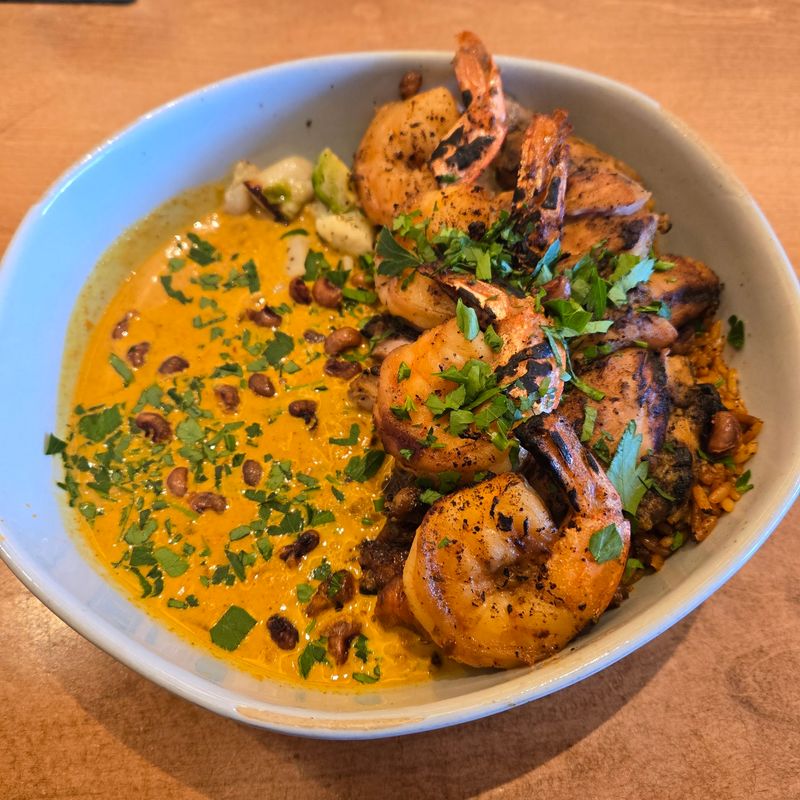
Chicken, shrimp, and beef sound familiar enough, but their seasonings give you a better reason to study this menu. Blok Chicken is five-spiced grilled chicken, while Ikoyi Shrimp uses Cameroon pepper in its preparation of seared prawns.
Polo Club Suya takes grilled beef skewers in another direction through Yaji, a peanut pepper spice associated with suya. The useful detail isn’t simply that beef appears here, but that its seasoning carries a particular culinary reference.
Anyone managing a peanut allergy should pause at that description and speak with staff before placing an order. Ask about preparation and shared equipment too, rather than relying on a dish name to answer every safety question.
For everyone choosing by preference, start with the seasoning you want to learn about instead of automatically picking your usual protein. That small change can make an otherwise familiar lunch feel more thoughtful without turning ordering into a complicated project.
You can also ask how a protein fits into the pairing you’re considering, including its accompanying rice and sauce. The goal is a combination that interests you as a whole, not a competition to select the most unfamiliar ingredient available on the menu that day.
The Smaller Plates Have Plenty to Say
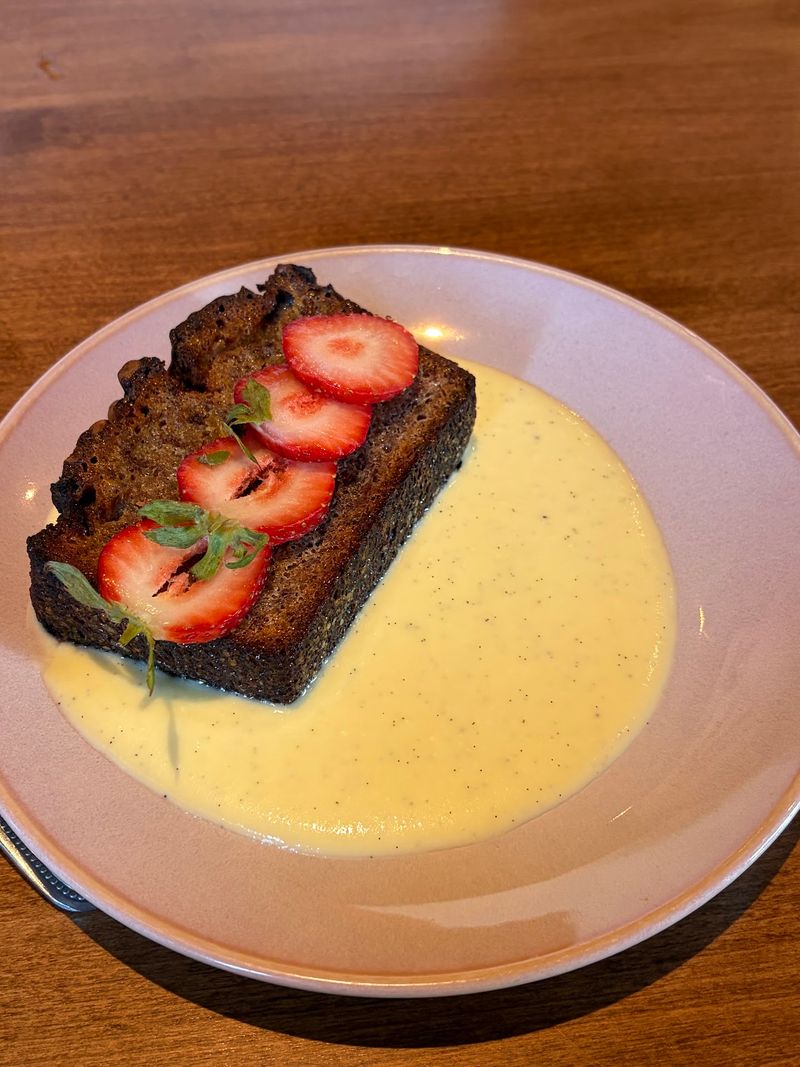
Not every introduction needs to arrive as a full bowl, especially when the smaller dishes offer their own angles. Minnie Pies bring West African baked pastries to the table, giving you another format to explore beyond rice dishes.
Chips & Dip pairs plantain chips with Liberian greens, connecting a familiar snack setup with a specific cooking tradition. It’s a useful reminder that the supporting dishes deserve a look before you make your main decision.
Then there’s the Deviled Scotch Egg, which combines the Scotch egg idea with a Southern-style deviled egg approach. The name gives away the meeting point, but checking its preparation is still worthwhile if ingredients affect your order.
Sharing a small plate can help a group explore another part of the menu without everyone choosing matching meals. Ask how many pieces an order includes instead of guessing, since a dish name doesn’t tell you its size.
Keep your choices focused on curiosity rather than trying to cover the entire menu in a single sitting. One extra dish can give you something new to discuss, while leaving the main meal enough room to make its own clear impression without competing for all your attention.
Give the Sauces Their Own Moment
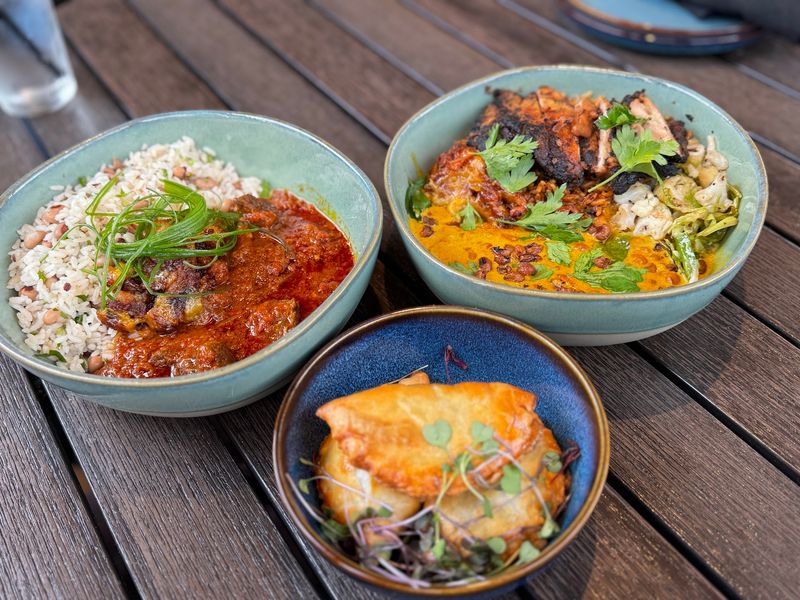
Sauce can explain a dish more clearly than its protein, and two preparations here make that point especially well. Motherland Curry brings Nigerian honey beans into an East African coconut curry sauce, combining references within a single component.
Yassa Curry follows a Senegalese-inspired direction with caramelized onion, Dijon, and lemon coconut, according to the menu’s description. Those ingredients give you concrete information to work with instead of a vague promise that something tastes interesting.
Read the pairing as a complete sentence: rice, protein, sauce, and vegetables each help explain the kitchen’s intended combination. If you’re unsure where to begin, asking about the sauce may be more helpful than asking which dish is best.
That question leaves room for your own preferences, including ingredients you enjoy and any dietary needs you must discuss. Coconut and mustard deserve attention here, just as peanuts do elsewhere on the menu, so mention relevant allergies clearly.
I like menus that offer enough detail to make curiosity practical, and these descriptions give you a useful starting point. You don’t need to become an expert before ordering; knowing what you’d like to understand next is plenty for one meal and a conversation at ChòpnBlọk.
Look Up Between Bites in Montrose
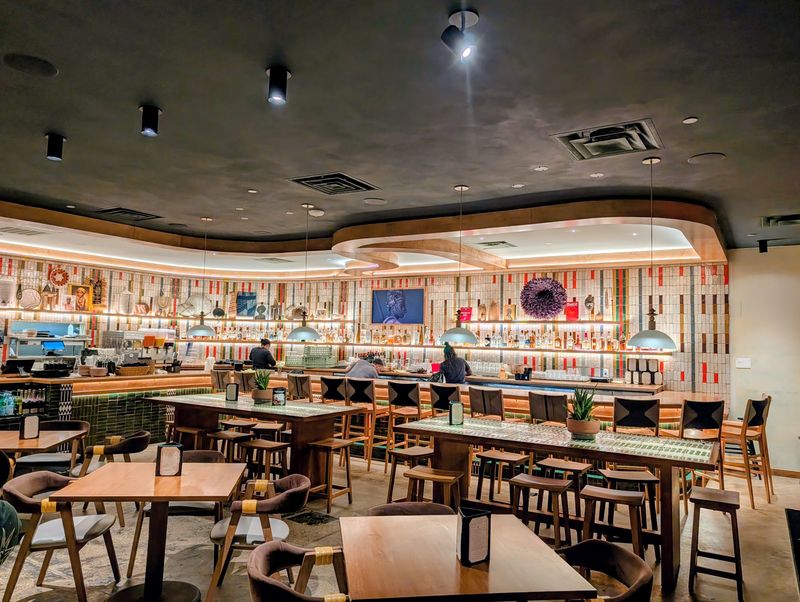
Your plate isn’t the only place where the Montrose restaurant makes its cultural references visible throughout the dining experience. The interior includes walls made with Texas clay, bringing a local material into a setting shaped by African craftsmanship.
Custom wallpaper by Nigerian artist Uzo Njoku celebrates Black joy, adding a named artist’s work to the room. Woven fabrics and an Aso Oke pattern provide further details worth noticing when you take a break between bites.
Amao Creative and Gin Design Group collaborated on the interior, giving the restaurant a design story alongside its culinary one. Rather than treating the room as an unnamed backdrop, you can connect particular features with the people behind them.
The space also includes handmade African products curated by Houston-based Root To Home and books selected through Kindred Stories. Those connections link the restaurant to other creative businesses without requiring the food to tell every part of the story.
Take a moment to notice the materials and artwork, while keeping other diners’ space in mind if you’re taking photographs. A wider view of the room can add context to your meal without turning anyone else’s dinner into part of your personal photo collection.
An Oga Palmer Makes a Useful Detour
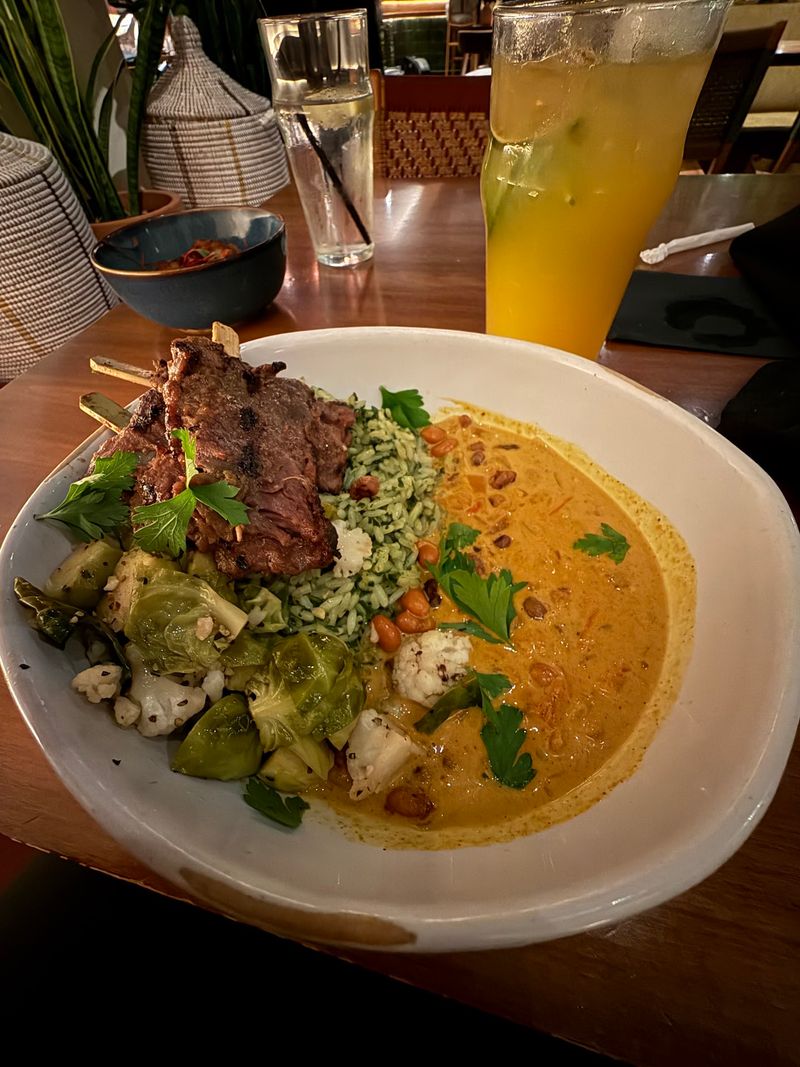
Hibiscus tea and lemonade make a clear introduction to the Oga Palmer, one of the restaurant’s house-prepared beverage choices. Its ingredients offer an easy starting point if you want your drink order to explore the menu as well.
ChòpnBlọk draws inspiration from West African street flavors for its beverages, extending the concept beyond what’s on your plate. That gives the drink list a purpose of its own rather than making it an afterthought beside the bowls.
Because sweetness and ingredient preferences vary, ask about the preparation instead of assuming the name tells you every detail. The same goes for dietary concerns, which deserve a direct conversation even when an order seems fairly straightforward.
There’s no requirement to match a particular drink with a particular dish, so let your own preferences guide you. Choosing one unfamiliar element at a time can be more enjoyable than turning your entire meal into a tasting assignment.
For a simple approach, read the beverage descriptions after deciding on your food and see what catches your attention. You might keep the meal familiar and explore through your glass, or let the Oga Palmer accompany a bowl that’s already taking you somewhere new that day.
Put the Right Address Into Your Plans
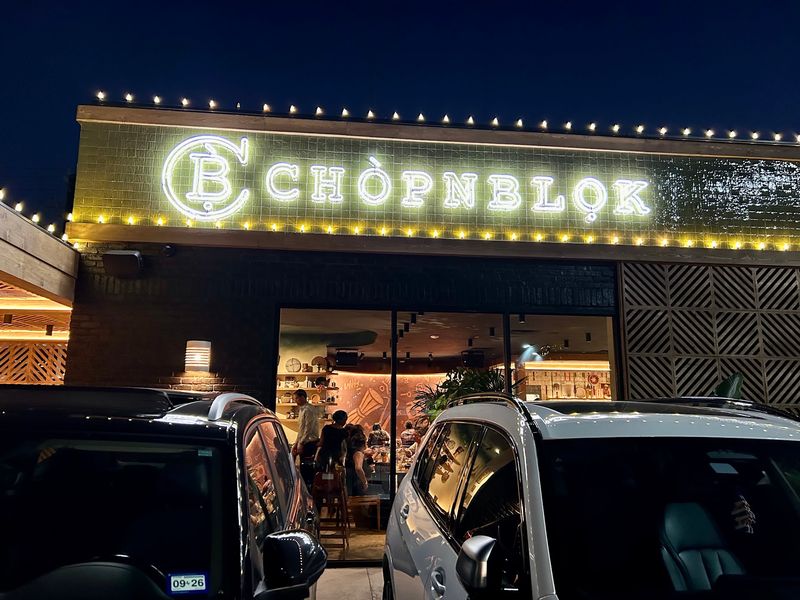
Before making plans, decide which setting you want, because the Montrose restaurant and POST Houston location offer different formats. For the dedicated dining room, head to ChòpnBlọk at 507 Westheimer Rd, Houston, TX 77006, in the Montrose neighborhood.
The original permanent location operates within POST Houston’s food hall, so checking your destination prevents an unnecessary change of plans. This article centers on Montrose, where the food, artwork, materials, and dining room come together in one restaurant space.
In Texas, a good meal can anchor an outing, but a little planning still helps the day run smoothly. Check the restaurant’s latest hours and ordering options before leaving, especially around holidays or when arranging a group meal.
Online ordering and catering provide other ways to explore the food when sitting down at the restaurant doesn’t fit. Review the menu attached to your chosen location, since you shouldn’t assume every offering appears in every service format.
My suggestion is simple: choose a pairing that sparks curiosity, then leave room to notice what surrounds your plate. Between the cooking and the creative work in the room, there’s enough here to reward attention without making lunch feel like homework for the whole table.
Share this story