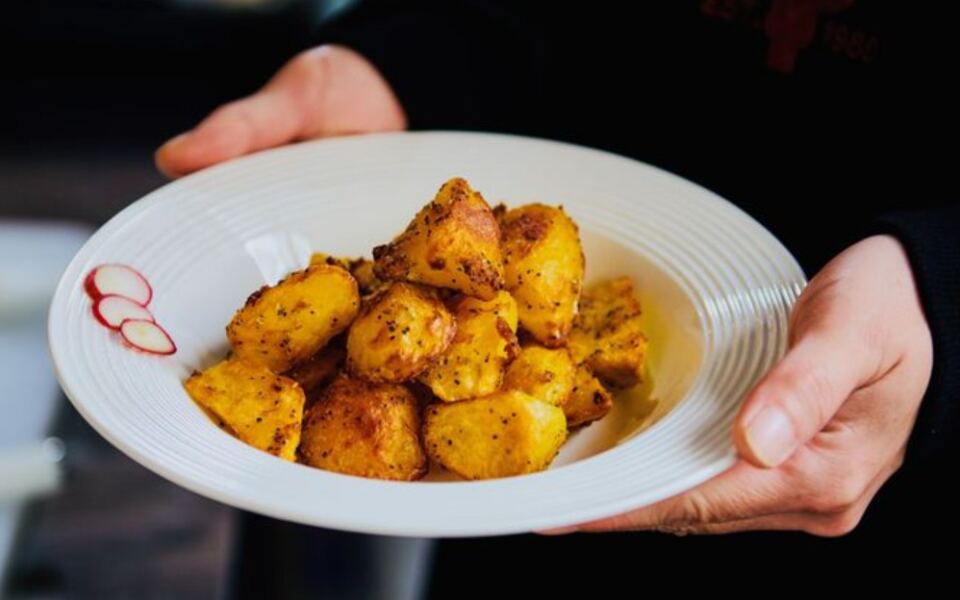
A pinch of baking soda in the boiling water can turn plain potatoes into crunchy, golden bites. That tiny trick roughs up the outside so it crisps like magic in the oven.
I love how one small step makes such a big difference at dinner. Ready to learn the secrets behind the perfect roast potato?
Parboil First, Thank Yourself Later
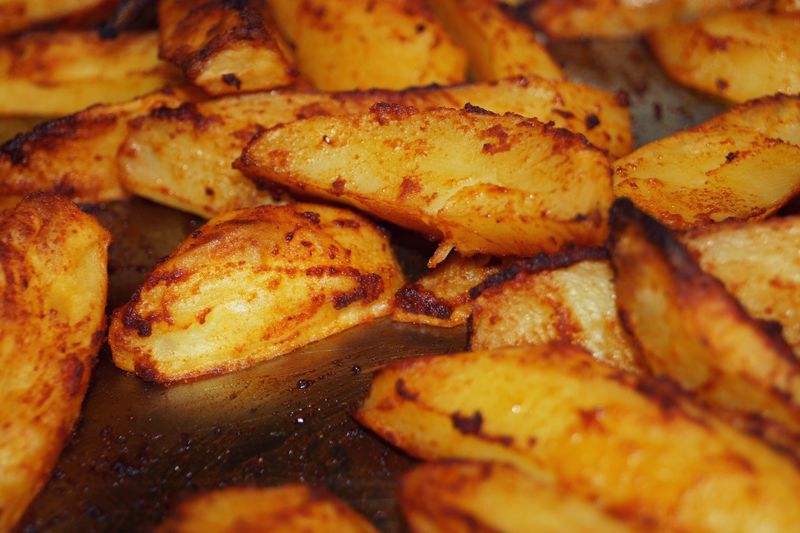
Boiling potatoes before roasting them sounds like extra work. Trust me, it pays off in a big, crunchy way.
Cooks call this step parboiling, which means cooking food partway in water.
Start by peeling your potatoes and cutting them into chunks about the size of a golf ball. Drop them into a pot of cold, salted water.
Bring the pot to a boil, then let the potatoes simmer for around eight to ten minutes.
You want the outside soft while the middle still feels a little firm. A butter knife should slide in near the edge but meet some push in the center.
If the potatoes fall apart completely, they went too long, though they will still taste good.
Why bother? Raw potatoes go straight into the oven with a smooth, tight skin.
Parboiled ones arrive with a soft, starchy coat that is ready to turn crisp. The inside also gets a head start, so it turns fluffy instead of dense.
Salting the water matters too. Potatoes soak up flavor while they cook, so every bite tastes seasoned all the way through.
Plain water gives you plain potatoes.
A Pinch of Baking Soda Changes Everything
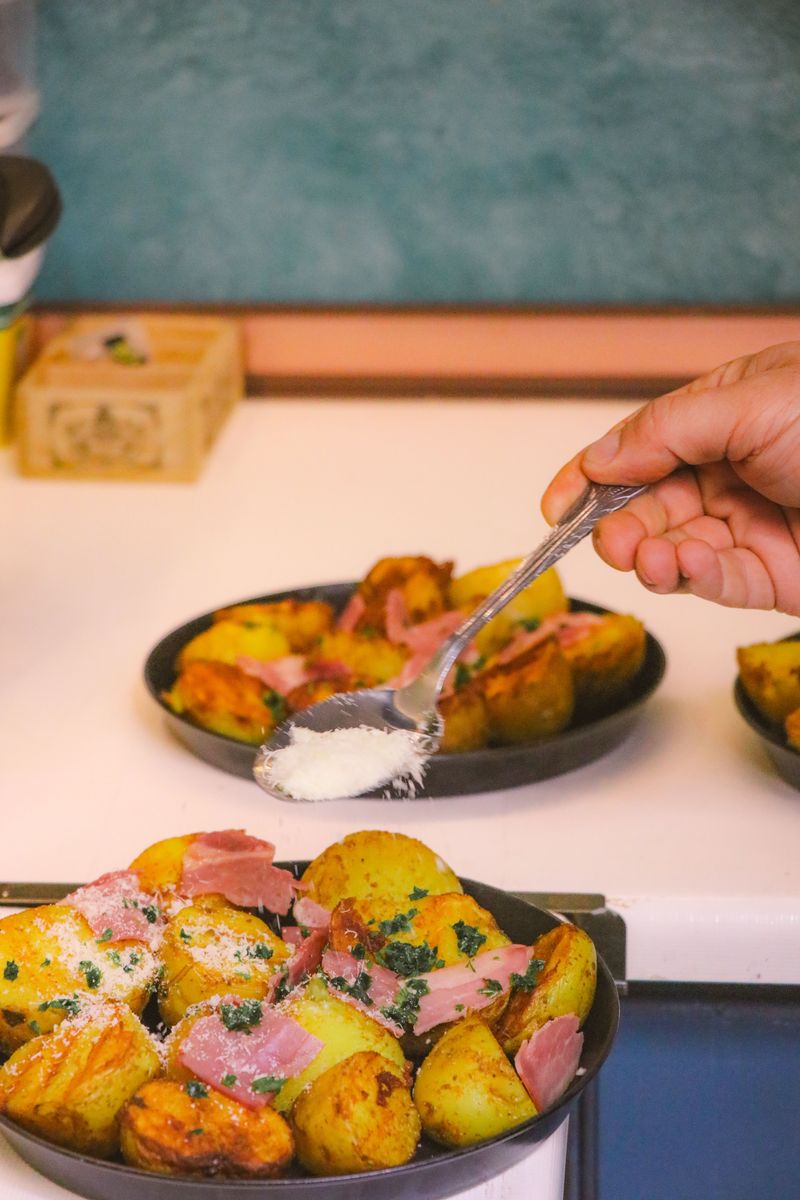
Half a teaspoon of baking soda might be the sneakiest ingredient in your whole kitchen. It barely costs anything, yet it can transform your roast potatoes.
Here is the science, kept simple. Baking soda makes water alkaline, which is the opposite of acidic.
Alkaline water breaks down pectin, the natural glue that holds the outside of a potato together. Once that glue loosens, the surface gets soft and mushy.
Mushy sounds bad, right? Actually, it is exactly what you want.
That softened layer pulls starch toward the outside of each chunk. In the oven, all that starch turns into a thick, crackly crust with lots of tiny crunchy bits.
Use only a small amount, about half a teaspoon for a big pot of water. Too much can leave a soapy taste, and nobody wants that at dinner.
Stir it in once the water starts boiling, then add your potatoes.
Watch the pot closely, since the baking soda speeds up softening. Your potatoes may be ready a minute or two sooner than usual.
Check them often so they hold their shape for the next step.
Give That Pot a Good, Hard Shake
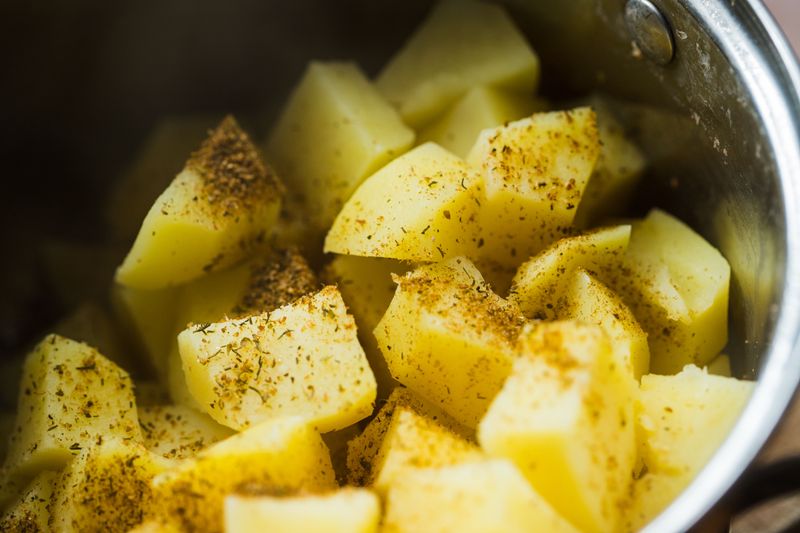
Go ahead and get a little rough with your potatoes. After draining them, this is the moment that creates those famous craggy edges.
Many cooks call it the most important step of all.
Pour the potatoes into a colander and let the water run off. Then put them back into the empty pot, place the lid on tight, and shake it hard for a few seconds.
You can also toss them gently with a big spoon if you prefer more control.
When you lift the lid, the potatoes should look fuzzy and battered. Their edges will be broken and scraggly, with a starchy paste coating the outside.
Some British cooks describe this as chuffing up the potatoes, which is a fun word to say.
All those rough bits matter because they add surface area. More surface means more places for crispy edges to form in the hot oven.
A smooth potato only has a few spots to brown, but a shaggy one has dozens.
Do not shake too hard, though. You want scruffy chunks, not mashed potatoes.
A few small crumbs breaking off is perfectly fine, since those become crunchy treats too.
Let the Steam Escape Before Roasting
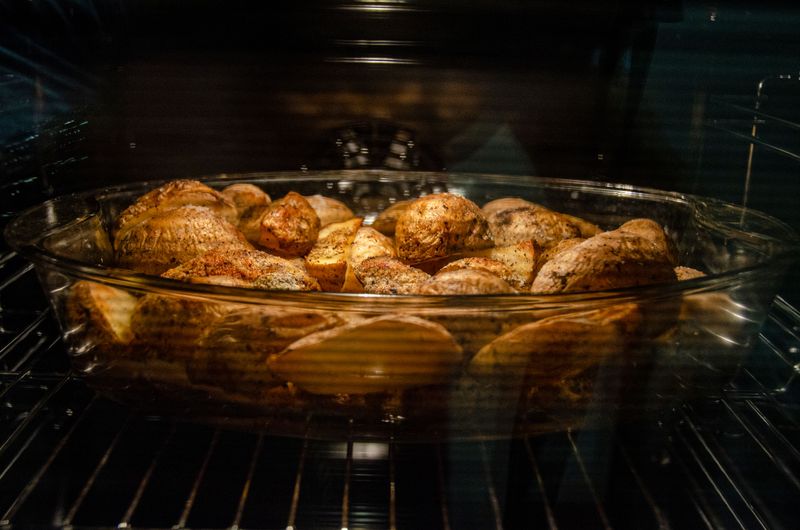
Water is the enemy of crunch. Even a thin layer of moisture can leave your roast potatoes pale and soft instead of golden.
After shaking the potatoes, spread them out and leave them alone for a few minutes. Hot potatoes release steam fast, and that steam carries away extra water from the surface.
Within about five minutes, the outsides should look dry and slightly chalky.
Think of it like drying your hands before grabbing a towel. A wet surface has to dry out in the oven first before it can start browning.
That wastes time and leads to uneven color.
Some cooks take this step even further. They let the potatoes cool for a longer stretch, sometimes even in the fridge, so the surface dries out more.
This is handy if you want to prep ahead for a holiday meal.
A simple trick helps speed things up. Spread the potatoes on a baking sheet or large plate instead of leaving them piled in the pot.
More space means more steam can escape. Your patience here will show up later as a satisfying crunch.
Hot Pan, Hot Oil, Happy Sizzle
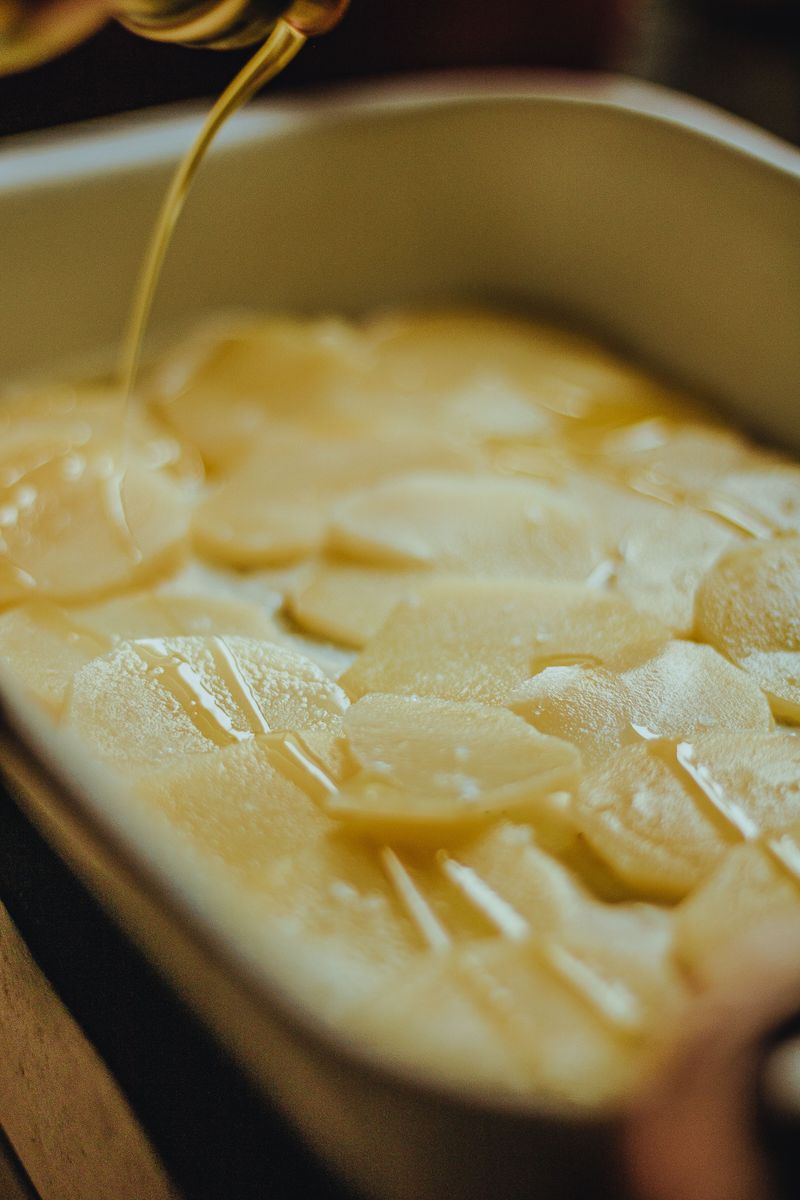
Listen for the sizzle. That sound tells you the crispy crust has already begun forming the second the potatoes touch the pan.
Before your potatoes are ready, put your baking sheet in the oven with a layer of oil or fat. Let both heat up for several minutes while the oven reaches a high temperature, often around 425 to 450 degrees Fahrenheit.
Good choices include olive oil, vegetable oil, duck fat, or beef drippings.
Carefully slide the baking sheet out and add the potatoes. Use tongs or a spoon, since hot oil can splatter.
Turn each piece so it gets a light coat on all sides.
Why does this matter so much? Cold oil soaks into potatoes slowly and can make them greasy.
Hot oil seals the outside right away and starts the browning process instantly.
Safety comes first here, especially for younger cooks. Always use thick oven mitts and ask an adult for help with the hot pan.
Stand back a little when the potatoes go in, then enjoy that crackling song from a safe spot.
Meet the Science Behind That Golden Color
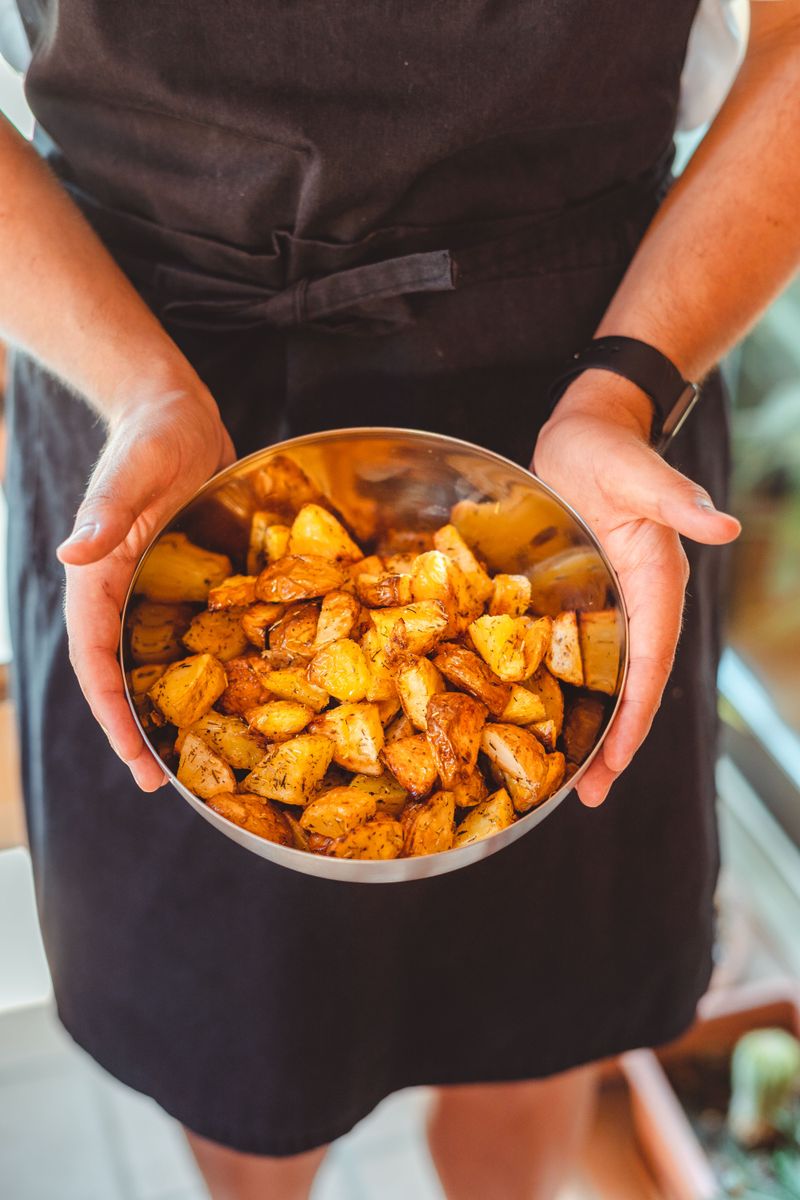
Golden brown is not just a pretty color. It is actually a chemical reaction happening right on the surface of your food.
Scientists call it the Maillard reaction, named after French chemist Louis-Camille Maillard. It happens when tiny building blocks of protein, called amino acids, meet natural sugars under high heat.
The magic usually kicks in above about 300 degrees Fahrenheit.
When this reaction happens, it creates hundreds of new flavor compounds. That is why browned potatoes taste rich, nutty, and savory compared to boiled ones.
The same reaction gives toast, seared steak, and fresh bread crust their amazing flavors.
There is one catch, though. The Maillard reaction needs a dry surface to work well.
Water keeps the temperature stuck near 212 degrees, which is too cool for real browning.
Now all those earlier steps make even more sense. Drying the potatoes, preheating the pan, and using high heat all help this reaction happen faster.
Every crispy, golden edge on your plate is a little science experiment that turned out delicious. Not bad for a humble potato.
Starch Does Double Duty Inside and Out
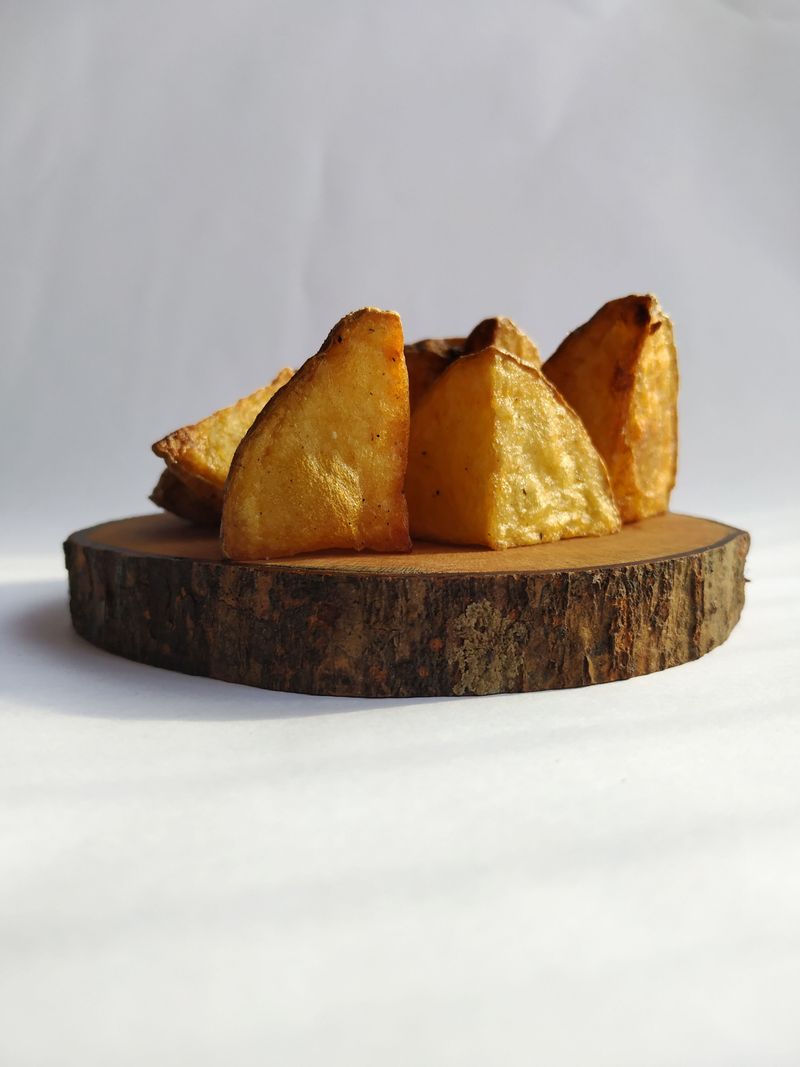
Crack open a perfect roast potato and you will see two worlds. Crunchy and golden on the outside, soft and fluffy on the inside.
Starch is responsible for both.
Potatoes are packed with tiny grains of starch. When you boil them, those grains soak up water and swell like little balloons.
Eventually, many of them burst open. Cooks call this starch gelatinization.
Inside the potato, these swollen grains create that light, cloud-like texture everyone loves. It is the same reason mashed potatoes turn so smooth and creamy.
On the outside, something different happens. The burst starch forms a sticky coating on the surface, especially after you rough the potatoes up.
In the hot oven, that coating dries out and hardens into a crisp shell.
Without parboiling, the starch has less time to swell before roasting. The result is often a firmer inside and a thinner crust.
Giving the starch a head start in water sets up the perfect contrast. One ingredient creates two textures, which makes starch the hardest-working part of your side dish.
Pick a Potato That Loves the Oven
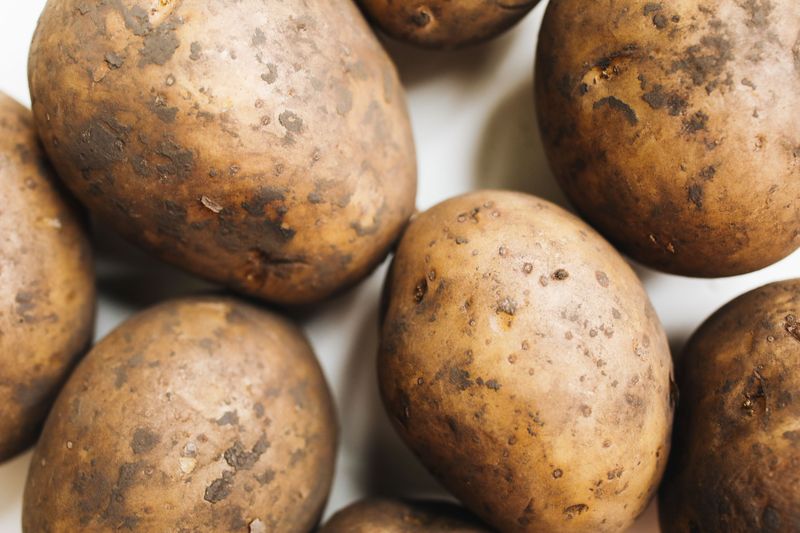
Not all potatoes are created equal. Some varieties are born for roasting, while others shine better in salads or soups.
For the crispiest results, reach for high-starch potatoes. In the United States, Russets are the easiest to find.
In the United Kingdom, cooks often swear by Maris Piper, a classic roasting choice.
Starchy potatoes have cells that break apart easily when cooked. That gives you a fluffy middle and a surface that roughs up beautifully after parboiling.
More broken edges mean more crunchy bits.
Yukon Golds are another solid option. They sit in the middle, with less starch than Russets but more than waxy red potatoes.
Roasted Yukons turn out creamier inside with a buttery flavor and still crisp up nicely.
Waxy potatoes, like small red or fingerling types, hold their shape well. That makes them great for potato salad but less ideal for shaggy, crunchy edges.
They tend to roast up smooth rather than craggy.
Try a side-by-side test sometime. Roast a few Russets next to some Yukon Golds and see which your family prefers.
Tasting experiments are the best kind of homework.
Give Every Potato Its Own Personal Space
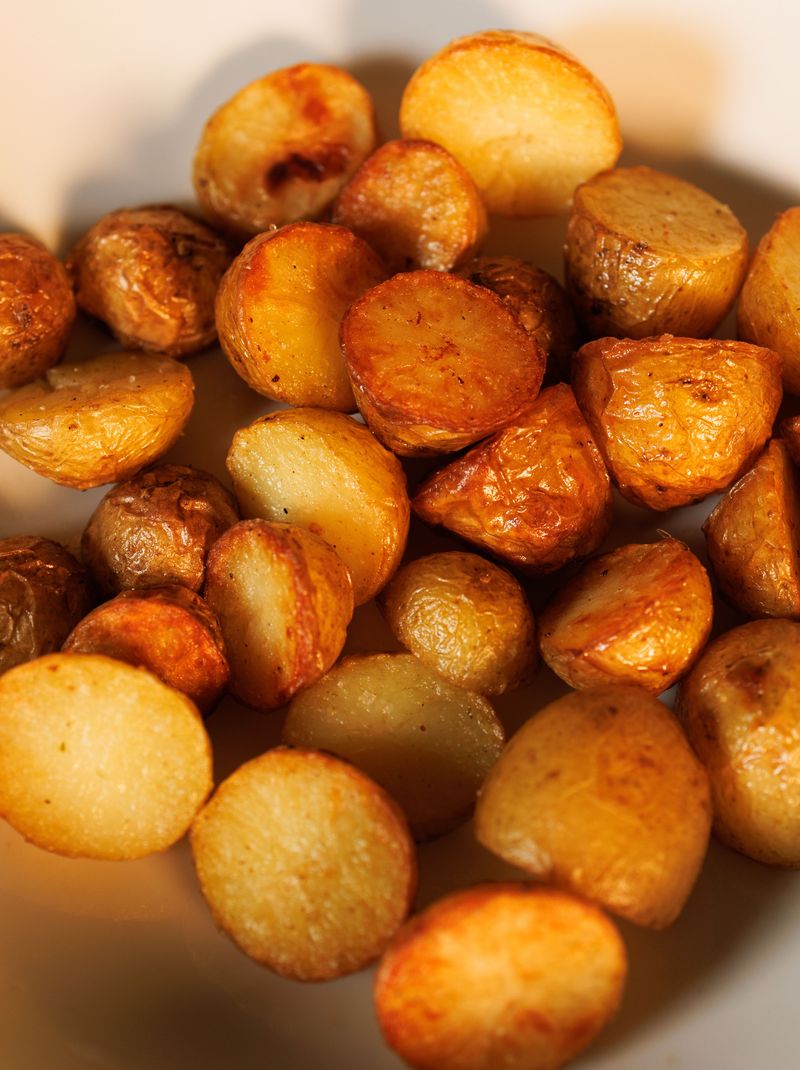
Crowded potatoes are sad potatoes. Pile too many onto one pan, and they will steam instead of roast.
Here is what happens. Potatoes release moisture as they cook.
When pieces sit too close together, that moisture gets trapped between them. The steam softens the surfaces, and your crispy dreams turn soggy.
Spread the potatoes in a single layer with a little gap between each piece. If they will not fit, grab a second baking sheet.
Using two pans is much better than squeezing everything onto one.
Flip the potatoes once or twice while they roast. Wait until the bottoms turn golden and release easily from the pan.
If they stick, give them a few more minutes before trying again.
Most batches need around 40 minutes to an hour, depending on size and oven heat. Look for deep golden color and edges that crunch when tapped with a spoon.
Finish with a sprinkle of flaky salt right out of the oven. Fresh rosemary, garlic, or a little parsley adds an easy upgrade.
Then serve them hot, because nobody waits long for crispy potatoes anyway.
Share this story