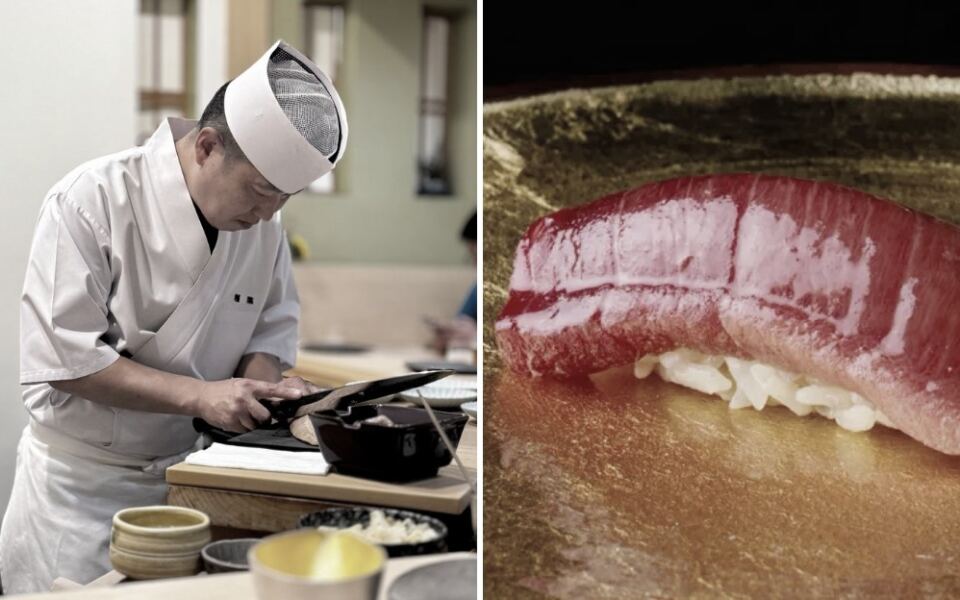
Los Angeles has some of the finest sushi counters outside Japan, but the city’s omakase scene is far from one-size-fits-all. Some chefs devote themselves to the centuries-old techniques of Edomae sushi, carefully aging and curing fish to bring out its flavor.
Others draw on seasonal California produce, Japanese tea ceremonies, or even Korean family traditions to create something entirely their own.
Omakase means leaving the meal in the chef’s hands, and the experience can be remarkably different depending on where you sit. From hidden counters in Little Tokyo to intimate dining rooms in the South Bay, these ten restaurants offer compelling reasons to explore the art of Japanese chef’s-choice dining.
1. Bar Sawa
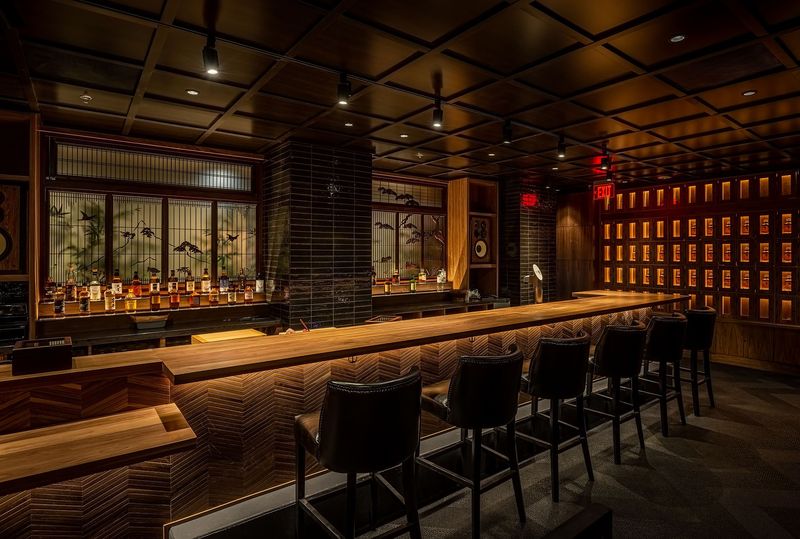
Finding Bar Sawa is part of the experience. Tucked into the basement of the Kajima Building at 111 South San Pedro Street in Little Tokyo, this intimate sushi counter feels almost like a secret hidden beneath downtown Los Angeles.
The restaurant comes from the team behind Sushi Kaneyoshi, but it has developed a personality of its own. Its Edomae-style omakase emphasizes seafood sourced largely from Japan, with nigiri finished using carefully measured touches of nikiri soy sauce, ginger, or yuzu kosho.
More playful creations, including a sous vide scallop roll and a combination of spearhead squid with Hokkaido sea urchin, bring variety to the progression.
What really distinguishes Bar Sawa is its beverage program. Japanese-inspired cocktails are designed to complement the sushi, offering an alternative to the traditional sake pairing.
The combination of a secluded setting, beautifully prepared fish, and inventive drinks makes the restaurant particularly appealing for a memorable evening in Little Tokyo.
2. Matsumoto
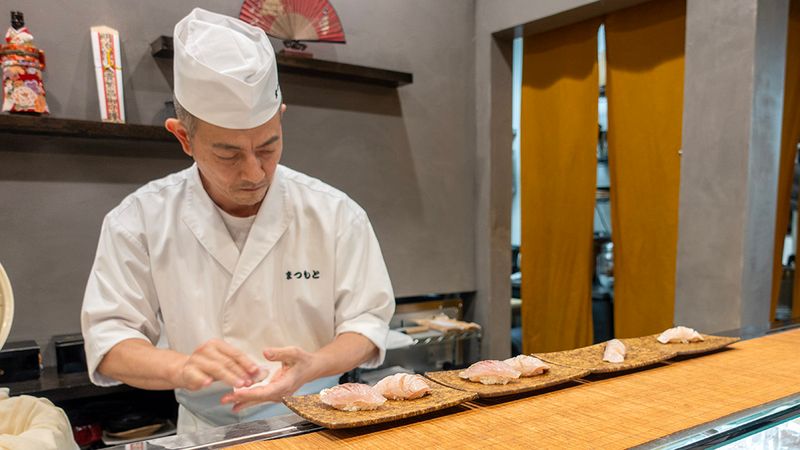
A great omakase doesn’t need an elaborate dining room to make an impression. At Matsumoto, the focus remains firmly on the fish, the rice, and the experience of watching an accomplished chef work.
Chef Naruki Matsumoto began his American culinary career in 1999, apprenticing under the influential sushi chef Kazunori Nozawa. He later spent years at Hirozen, where he developed his understanding of kaiseki, the traditional Japanese approach to carefully composed seasonal meals.
After taking over the restaurant, he eventually moved the business to its current Koreatown address at 700 South Western Avenue.
The kitchen sources seafood directly from Tokyo’s Toyosu Market, while seemingly small details receive considerable attention. Its nikiri soy sauce is prepared in-house, and the dashi broth is made with bonito flakes and Rishiri kelp.
Matsumoto also offers omakase during lunch, making its traditional approach accessible beyond the usual special-occasion dinner.
3. Mori Nozomi
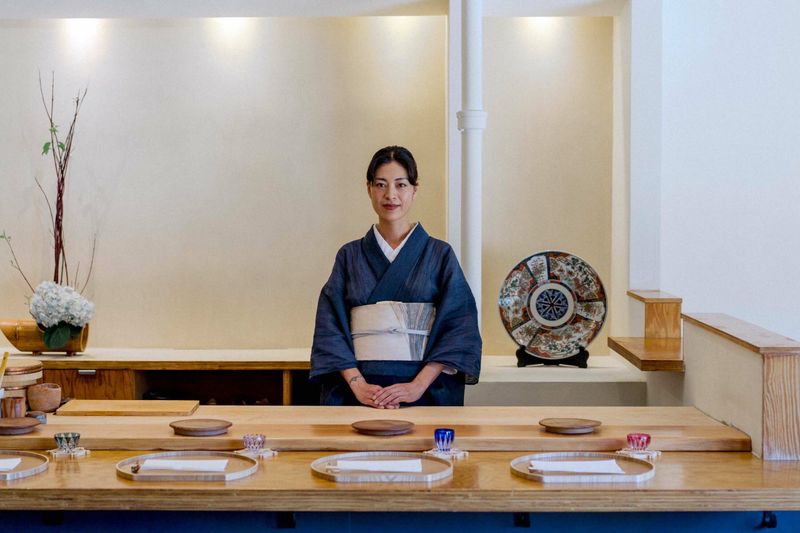
The final course at Mori Nozomi might be one of the most memorable parts of the entire evening. Instead of ending with a conventional dessert, chef-owner Nozomi Mori draws on the Japanese tea ceremony, serving delicate wagashi sweets alongside ceremonial-grade matcha.
That attention to tradition extends throughout this West Los Angeles restaurant, which is led by an all-female team. Mori brings an Osaka-influenced perspective to her omakase, combining carefully prepared nigiri with seasonal dishes that reflect her Japanese culinary background.
Depending on the season, the meal might include a whole steamed Japanese hairy crab or a delicate preparation of pen shell clam wrapped in dried seaweed. These dishes demonstrate an approach that values presentation and subtle flavors without making the experience feel overly theatrical.
The restaurant’s intimate atmosphere allows the chef’s work to remain the center of attention. Yet it’s the thoughtful progression from seafood to tea ceremony that gives Mori Nozomi such a distinctive identity within Los Angeles’s competitive sushi scene.
4. Miura
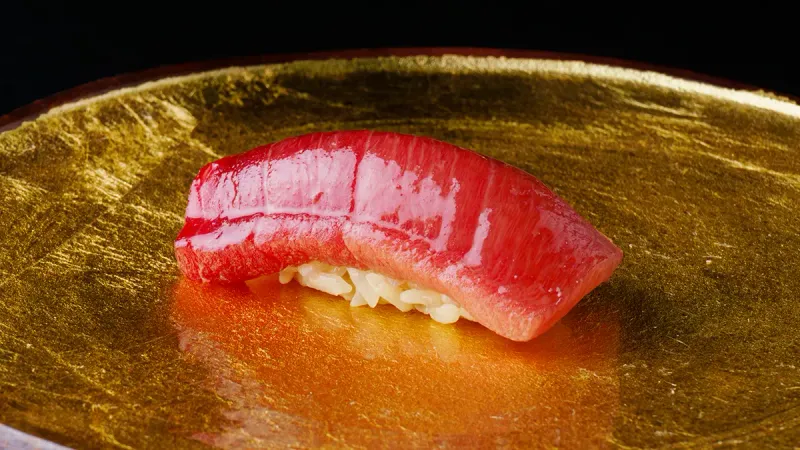
Few restaurant addresses carry as much sushi history as the second-floor space at Two Rodeo Drive in Beverly Hills. Once home to the legendary Urasawa, it has found a new chapter as Miura, an elegant omakase restaurant led by chef Derek Wilcox.
Wilcox’s background is unusual among American sushi chefs. He completed a seven-year apprenticeship at Kyoto’s acclaimed Kikunoi, studying traditional kaiseki cooking before developing his Edomae sushi skills in Japan.
His training is reflected in a menu where careful preparation matters just as much as the quality of the ingredients.
Snow crab might be grilled over charcoal, while wild bluefin tuna is lightly smoked over rice straw. Other courses showcase seafood flown in from Japan, including cuttlefish from Kagoshima and needlefish from Miyagi.
The restaurant’s polished wooden counter and understated surroundings keep the attention on those details. Miura earned a Michelin star in 2026, establishing itself as a serious new destination at one of Beverly Hills’s most celebrated dining addresses.
5. Shunji
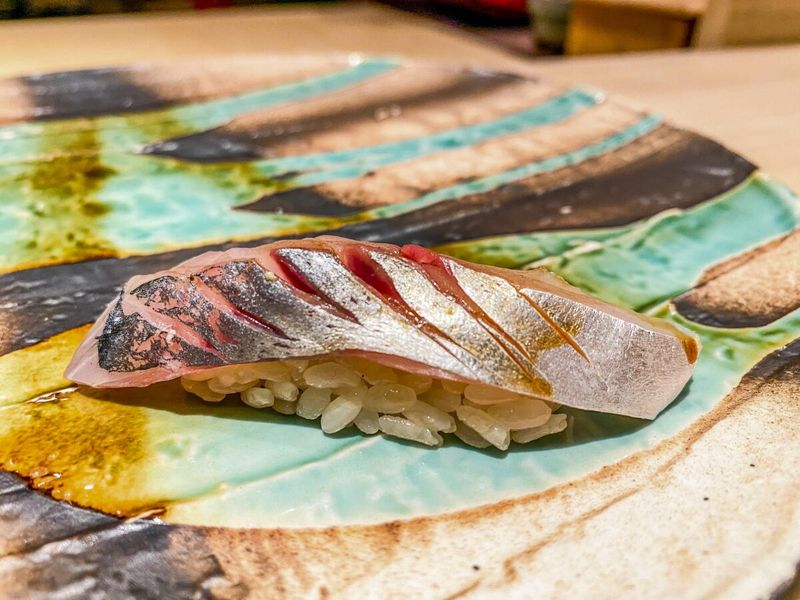
Santa Monica’s farmers market plays an important role in the cooking at Shunji, where chef Shunji Nakao approaches omakase as something broader than a succession of sushi pieces.
Nakao has long been respected in Los Angeles for his mastery of Japanese cuisine. After years at the restaurant’s former West Los Angeles location, he relocated Shunji to Santa Monica, where seasonal ingredients and carefully composed cooked dishes continue to distinguish the experience.
The meal might move between pristine nigiri and preparations inspired by traditional Japanese cooking, with vegetables and seafood chosen to reflect the time of year. This balance gives the menu a sense of progression that feels closer to a complete culinary journey than a straightforward sushi tasting.
Hospitality is another important part of the restaurant’s character. Nakao’s wife, Yuko Sakurai, oversees the beverage program, which includes rare sake and distinctive artisanal teas.
Together, they have created a restaurant that combines technical precision with a welcoming, personal atmosphere.
6. Sushi Inaba
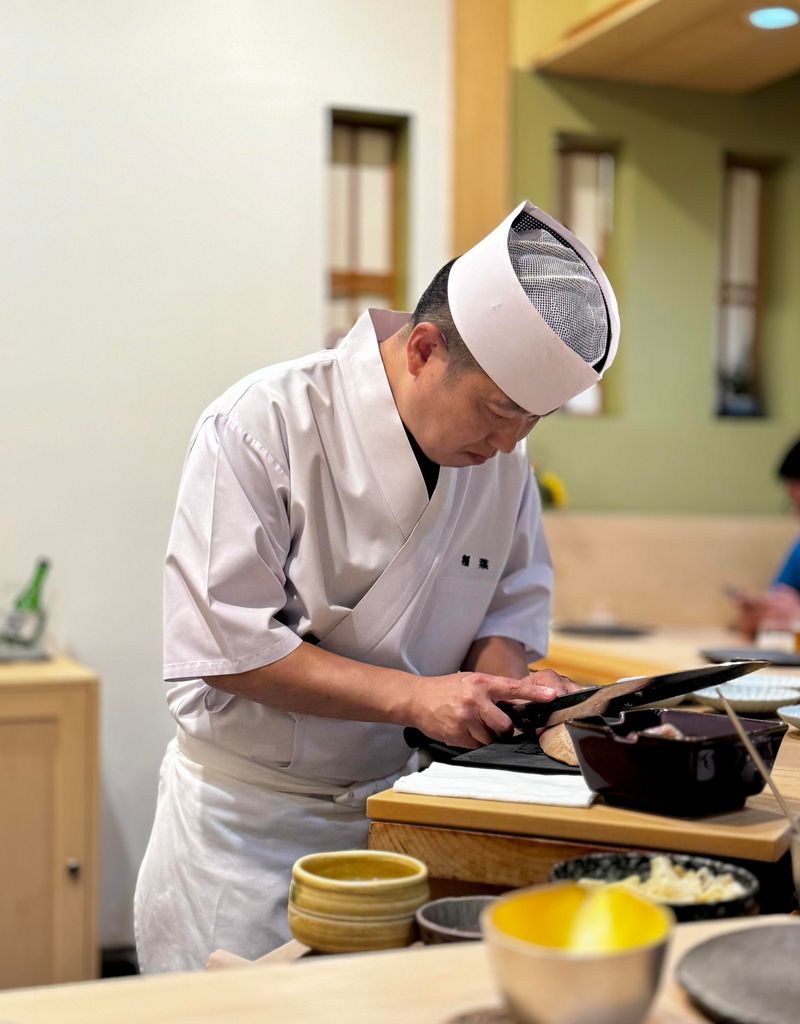
Aging fish isn’t simply about keeping it longer. In the right hands, carefully controlled aging can transform texture, concentrate flavor, and reveal qualities that aren’t always apparent in freshly caught seafood.
Chef Yasuhiro Hirano explores those possibilities at Sushi Inaba in Torrance. His intimate counter is tucked into a private room within the related I-naba restaurant at 20918 Hawthorne Boulevard, creating a quiet setting for one of the South Bay’s most distinctive sushi experiences.
Hirano’s omakase is known for its inventive preparations. The Michelin Guide has highlighted dishes such as soba served with sea urchin sauce, baby eels arranged to resemble udon noodles, and nigiri made with kombu-cured young sea bream.
Another notable example is striped jack aged for approximately two weeks before serving.
These techniques aren’t used merely for novelty. They demonstrate how the chef can alter the character of familiar ingredients through time, seasoning, and careful handling.
For diners interested in the craft behind sushi, Sushi Inaba offers plenty to appreciate beyond the quality of its seafood.
7. Sushi Kaneyoshi
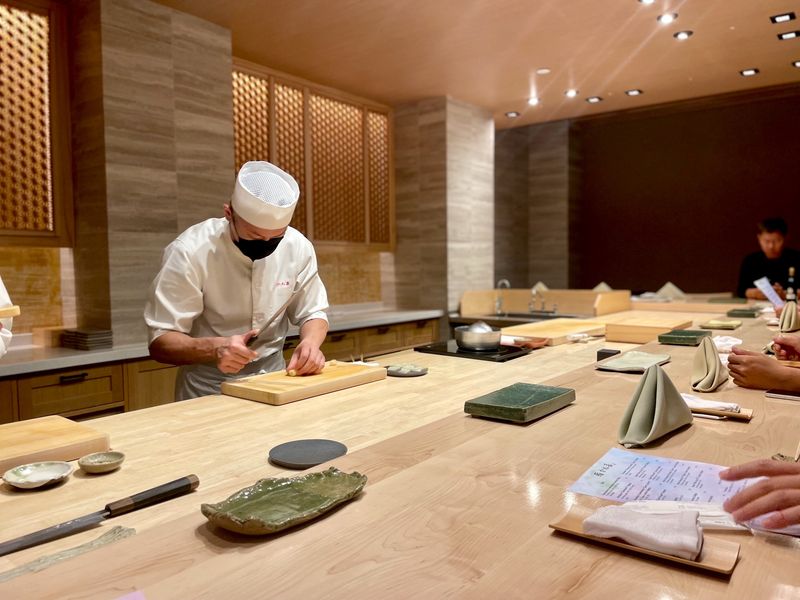
Traditional Edomae sushi is built on the idea that excellent seafood can become even more expressive through careful preparation. At Sushi Kaneyoshi, chef Yoshiyuki Inoue brings that philosophy to an intimate underground restaurant in Little Tokyo.
Located beneath 250 East First Street, the Michelin-starred restaurant specializes in techniques associated with old Tokyo, including curing, aging, and precisely seasoning fish before it reaches the rice. These methods create subtle differences in flavor and texture that distinguish the meal from sushi focused exclusively on raw freshness.
The experience extends beyond the food. Inoue is also known for his pottery, and some of the ceramics used at the restaurant are handmade by the chef himself.
That attention to presentation reflects the same patience visible in his knife work and carefully shaped nigiri.
The restaurant now offers different experiences throughout the week, including a premium counter where Inoue personally serves guests. Sushi Kaneyoshi is a compelling destination for anyone who wants to understand how tradition and craftsmanship shape an exceptional omakase.
8. Sushi Takeda
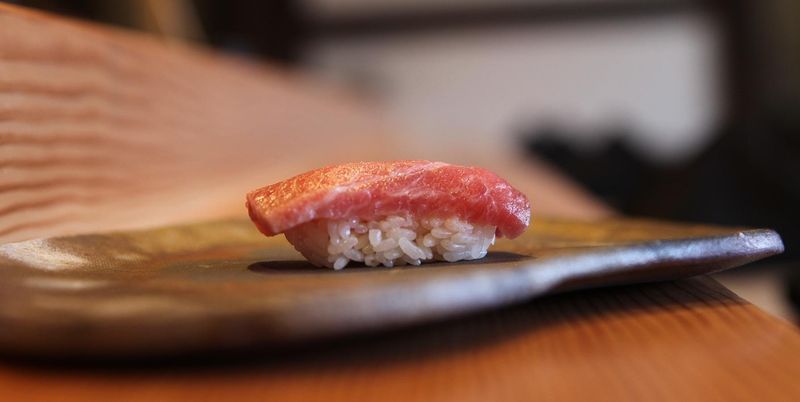
Korean flavors aren’t what most diners expect to encounter during a traditional Japanese omakase. At Sushi Sonagi in Gardena, however, chef Daniel Son brings his Korean American heritage into the experience without abandoning the precision of Japanese sushi.
Son is a second-generation sushi chef, and his restaurant combines seafood sourced from Japan with ingredients and preparations inspired by Korean cooking. One example is nigiri featuring soy-marinated raw crab, a nod to ganjang gejang, the Korean delicacy known for its deeply savory flavor.
Another highlight is the stone-pot rice served toward the end of the meal. Inspired by Korean dolsotbap, the dish incorporates seasonal seafood and develops a crisp layer of rice against the hot pot.
It offers a satisfying contrast to the delicate nigiri that precedes it.
Located at 1425 West Artesia Boulevard, Sushi Sonagi has just eight counter seats. The intimate setting allows Son’s personal approach to take center stage, creating an omakase that reflects both his professional training and the culinary traditions he grew up with.
9. Sushi Sonagi
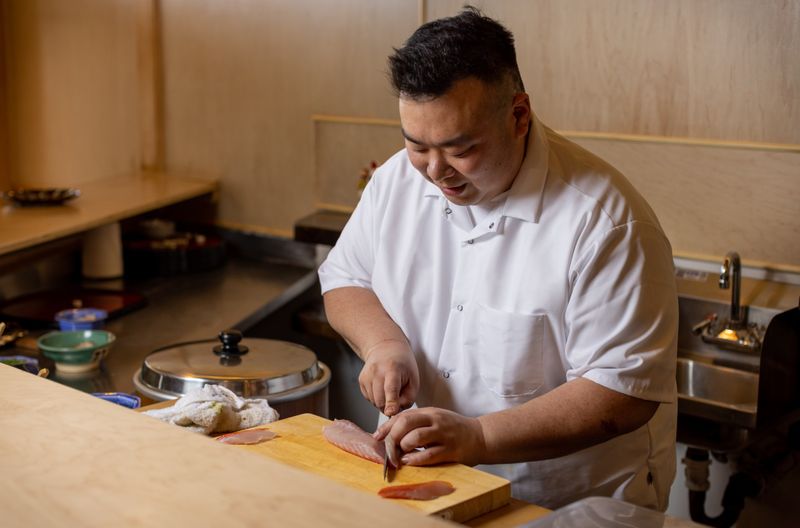
A little personal history can make a sushi meal feel especially alive. At Sushi Sonagi in Gardena, chef Daniel Son brings his own perspective to an intimate omakase experience in the South Bay.
The name Sonagi refers to a sudden rain shower in Korean, a small clue to the restaurant’s identity. Come with room for a chef’s point of view, rather than expecting an exact copy of another counter.
Reservations deserve advance planning, especially when you are working around a celebration or a long drive. Check the latest release schedule and cancellation policy directly.
For the best evening, gather a small group that enjoys trying unfamiliar things, explain allergies before arrival, and let the changing menu supply the surprises along the way.
10. 715 Sushi
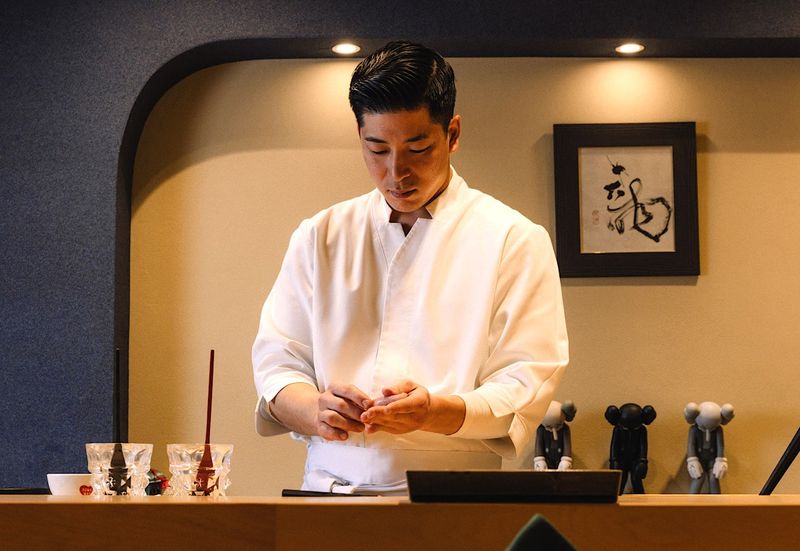
Professional basketball and Michelin-starred sushi might seem like unrelated careers, but both are part of chef Seigo Tamura’s story. Before establishing himself in Los Angeles’s fine-dining scene, Tamura came to the United States with ambitions of playing basketball.
His culinary roots, however, go back much further. Growing up in Sakai, Osaka, he watched his grandfather work as a sushi chef, absorbing an appreciation for the discipline and precision behind each piece of nigiri.
Those early experiences eventually shaped his own approach to Japanese cooking.
At 715 Sushi in the Arts District, Tamura combines traditional Edomae techniques with a relaxed, contemporary atmosphere. The omakase includes carefully prepared nigiri alongside seasonal kaiseki-style dishes, giving the meal variety without losing its focus on craftsmanship.
Located at 738 East Third Street, the restaurant has earned repeated Michelin recognition since 2022. Its personality is noticeably different from some of Los Angeles’s more formal sushi counters, but the cooking remains deeply connected to Japanese tradition.
From the tea ceremony at Mori Nozomi to the Korean-inspired dishes at Sushi Sonagi, these restaurants demonstrate how much individuality can exist within the omakase tradition. Los Angeles offers the rare opportunity to explore those different approaches across a single city, one carefully prepared course at a time.
Share this story