Some of California’s most memorable Mexican restaurants began with a family recipe, a modest kitchen, and the determination to build something lasting. Decades later, many are still serving the dishes that made them neighborhood favorites, while younger generations find new ways to carry those traditions forward.
From century-old institutions in Pasadena to family-run barbacoa kitchens in San Diego, these restaurants offer more than familiar plates of tacos and enchiladas. Their stories are filled with immigration, resilience, regional Mexican cooking, and the families who have made feeding their communities a lifelong commitment.
1. Mijares Mexican Restaurant
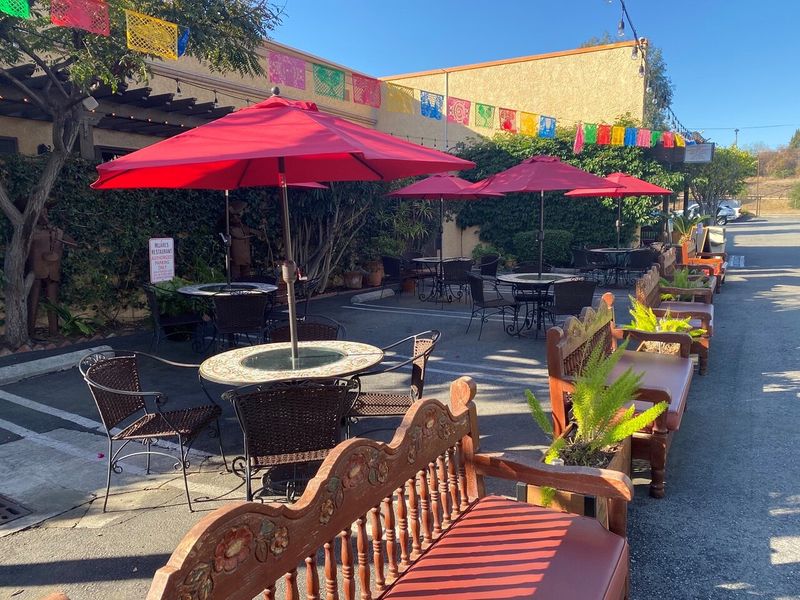
A century of family history is woven into the walls of Mijares Mexican Restaurant in Pasadena. Founded in 1920 by Jesucita Mijares, who came to California from Jalisco, Mexico, the business began as a small tortilla and tamale operation before growing into one of the city’s most beloved dining institutions.
Jesucita originally prepared food from her home, using traditional recipes and a stone grinder she had brought from Mexico. Her tamales and sauces became so popular that the family eventually transformed the property into a full-service restaurant.
The business survived a devastating fire in the late 1970s and was rebuilt through the determination of Jesucita’s descendants. Today, fourth-generation family members help maintain the restaurant’s traditions.
Located at 145 Palmetto Drive, Mijares is known for enchiladas, tamales, combination plates, and margaritas. Its spacious patios and festive dining rooms have hosted generations of birthdays, anniversaries, and family celebrations, making the restaurant an enduring part of Pasadena’s history.
2. Yuca’s
An eight-by-ten-foot former shoeshine stand doesn’t sound like the birthplace of a culinary landmark, but that’s where Yuca’s began. In 1976, Socorro “Mama Yuca” Herrera opened her tiny Los Feliz restaurant with a mission to introduce Los Angeles to the flavors of her native Yucatán.
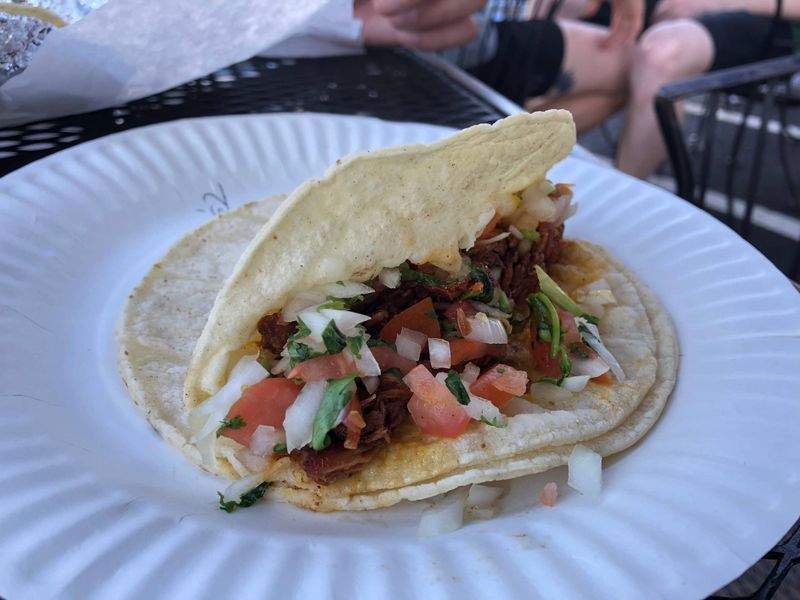
The menu has remained rooted in those traditions. Cochinita pibil, a regional specialty of pork marinated in citrus and achiote before slow cooking, is one of the restaurant’s signature offerings.
Yucatán-style tamales known as vaporcitos provide another taste of the region’s distinctive cooking.
Herrera’s daughters, Margarita and Dora, have continued the family business, preserving the recipes and casual atmosphere that made the original stand famous. The restaurant even earned a James Beard America’s Classics Award in 2005.
The original location at 2056 Hillhurst Avenue remains a reminder that a great restaurant doesn’t need a large dining room. Sometimes a tiny kitchen and a family’s dedication to its food traditions are more than enough.
3. El Tepeyac Café
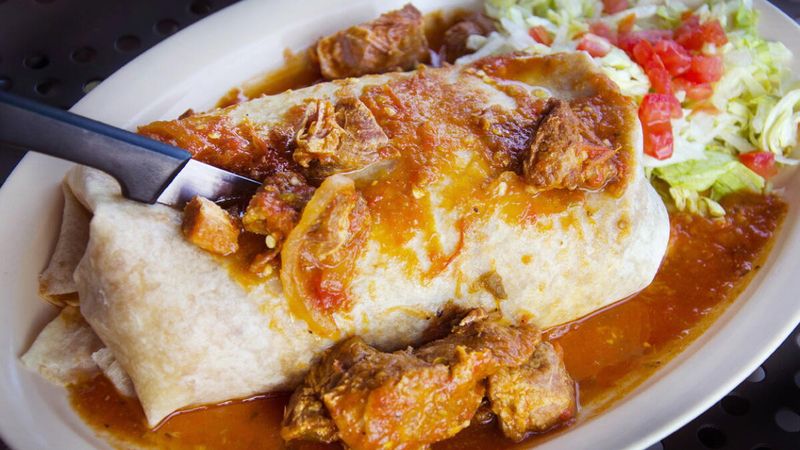
Few burritos in Los Angeles have achieved the legendary status of the Hollenbeck at El Tepeyac Café. Named after the Boyle Heights neighborhood where the restaurant has operated for generations, the enormous burrito is packed with meat, rice, beans, and guacamole before being covered in chile sauce.
The restaurant’s history dates to 1955, when the Rojas family established the business that would become an East Los Angeles institution. Its most recognizable figure was Manuel “Manny” Rojas, whose welcoming personality and oversized portions helped build a loyal following.
Although Manny died in 2013, the restaurant’s family legacy continues through the food that made it famous. Beyond the Hollenbeck, El Tepeyac serves substantial burritos, enchiladas, and other Mexican American comfort dishes.
Located at 812 North Evergreen Avenue, the café reflects a distinctly Los Angeles style of Mexican cooking, where generous portions and neighborhood loyalty are as important as the recipes themselves.
4. Tito’s Tacos
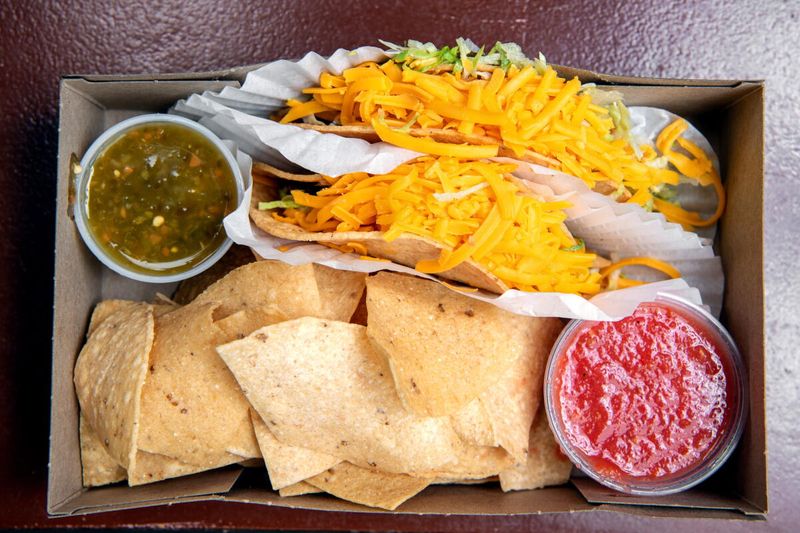
The sound of a crunchy taco shell breaking is practically part of the experience at Tito’s Tacos. Since 1959, the Culver City institution has served its famous hard-shell tacos filled with shredded beef, lettuce, and optional grated cheese.
Founder Benjamin Davidson built the business around a simple menu that has changed remarkably little over the decades. His family continued operating the restaurant, maintaining the recipes and straightforward approach that made it a Southern California favorite.
Unlike restaurants focused on elaborate regional specialties, Tito’s represents a particular tradition of Los Angeles Mexican American fast food. Its tacos are crisp, generously filled, and typically accompanied by the restaurant’s familiar red salsa.
Located at 11222 Washington Place, Tito’s has developed a devoted following that spans generations. Its appeal lies in consistency: customers return for the same tacos they remember from childhood, served with the same uncomplicated character that made the restaurant famous.
5. Tio’s Tacos
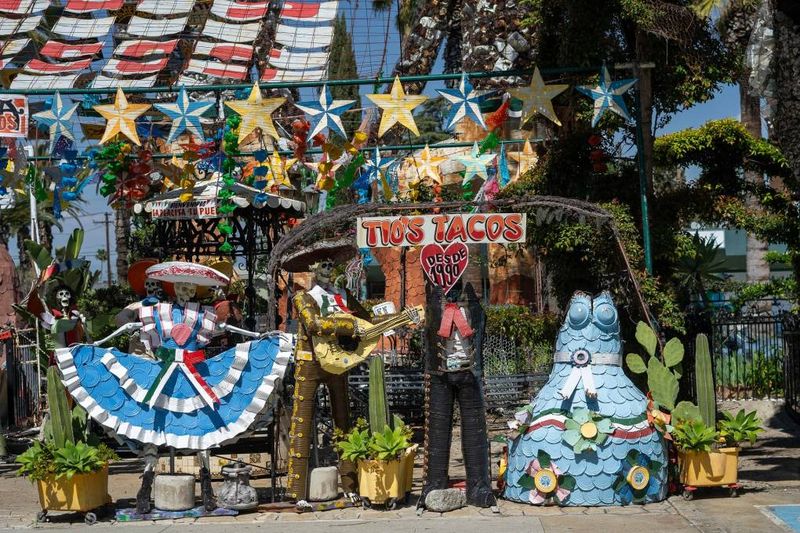
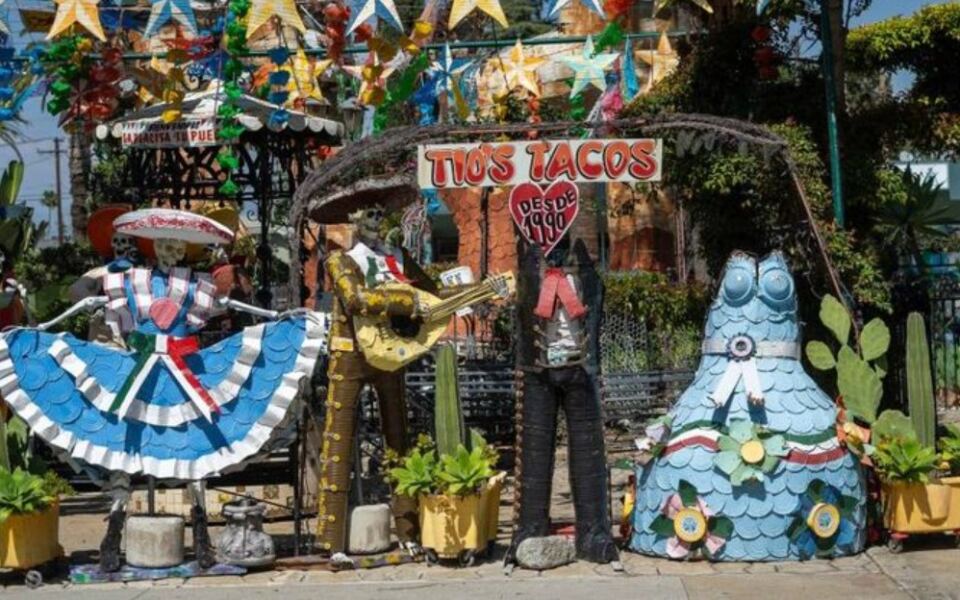
At Tio’s Tacos in Riverside, the artwork is almost as memorable as the food. Owner Martín Sánchez has transformed the restaurant’s grounds into an extraordinary outdoor sculpture garden, filling the space with towering figures, colorful structures, and imaginative creations made from discarded materials.
Sánchez, who came to the United States from Mexico, began building the restaurant and its surrounding art environment as an expression of creativity and resourcefulness. Old bottles, bicycle parts, scrap metal, and other objects find new life in sculptures that seem to grow from every corner of the property.
The restaurant serves familiar Mexican dishes, including tacos, burritos, enchiladas, and combination plates, but the setting makes the experience unlike a typical neighborhood taqueria.
Located at 3948 Mission Inn Avenue, Tio’s Tacos is both a family restaurant and a remarkable example of folk art. Visitors can enjoy a casual meal while exploring a space shaped by its owner’s imagination and personal history.
6. Tacos El Gavilan
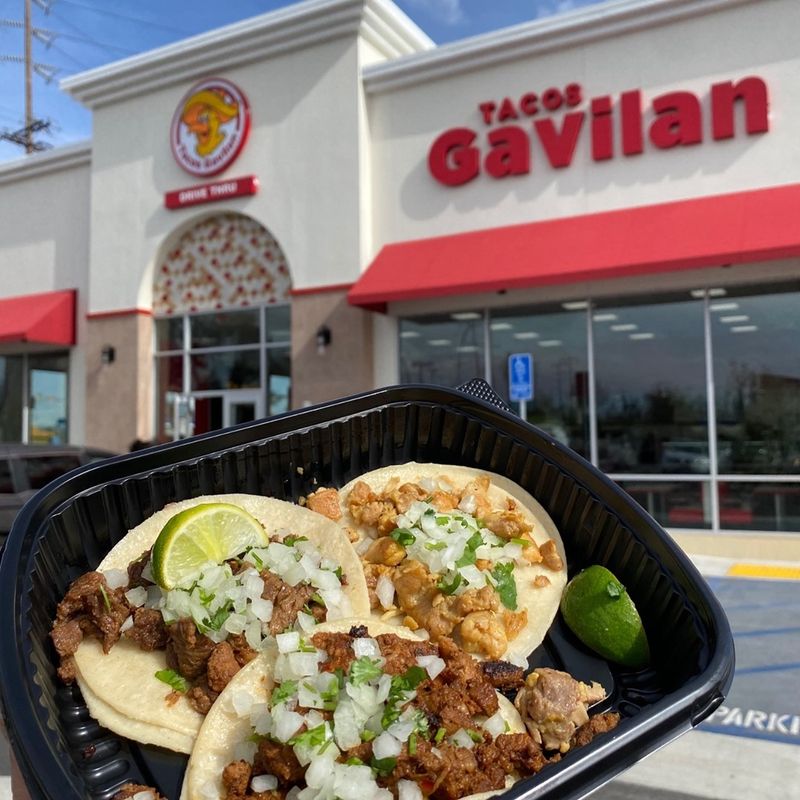
What began as a small taco operation on the corner of Gage Avenue and Main Street in Los Angeles has grown into one of Southern California’s recognizable family-owned taqueria chains.
Tacos El Gavilan was founded in 1992, building its reputation around freshly prepared Mexican street food and a carne asada recipe passed down through the family. The company credits its original seasoning blend, developed from a grandfather’s recipe, as one of the reasons customers continue returning.
Carne asada tacos remain a signature, but the menu has expanded to include al pastor, lengua, burritos, sopes, tortas, mulitas, and quesadillas. Fresh tortillas, onions, cilantro, and salsa help preserve the straightforward appeal of a traditional taco stand.
The business now operates multiple locations throughout Southern California. Despite that growth, its identity remains tied to the family recipes and neighborhood taco culture that inspired the original Los Angeles location.
7. La Cabañita
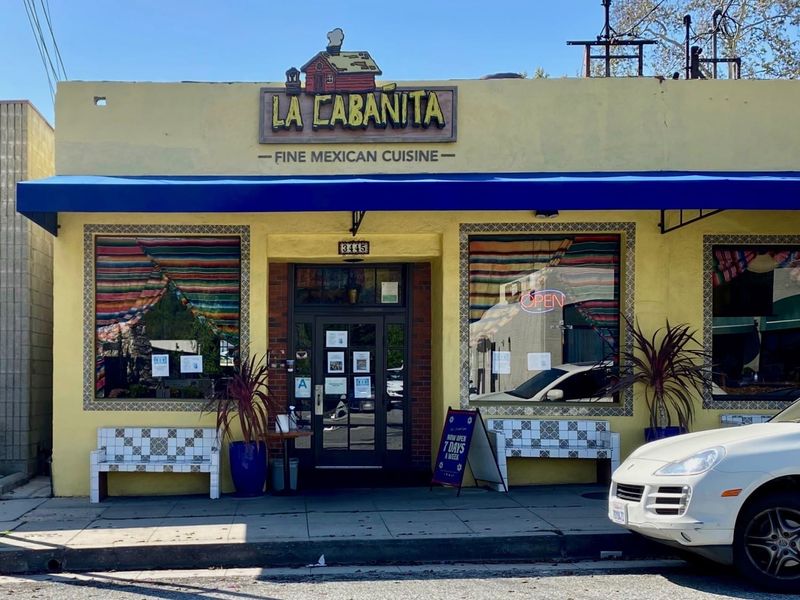
Traditional Mexican cooking takes center stage at La Cabañita, a longtime Montrose favorite that has built its reputation around regional dishes and a welcoming neighborhood atmosphere.
The Carbajal family established the restaurant in 1989, bringing recipes inspired by different parts of Mexico to the foothills of Los Angeles. Rather than limiting the menu to familiar combination plates, La Cabañita offers dishes that showcase the variety of Mexican home cooking.
Its selection includes mole, enchiladas, chiles rellenos, and hearty soups such as pozole. Handmade tortillas and richly seasoned sauces give the menu a sense of connection to the traditions behind the food.
Located at 3445 North Verdugo Road in Glendale’s Montrose area, the restaurant has become a gathering place for local families. Its appeal comes from the combination of comforting food, regional variety, and the personal character of an independently operated neighborhood restaurant.
8. La Fiesta Grande
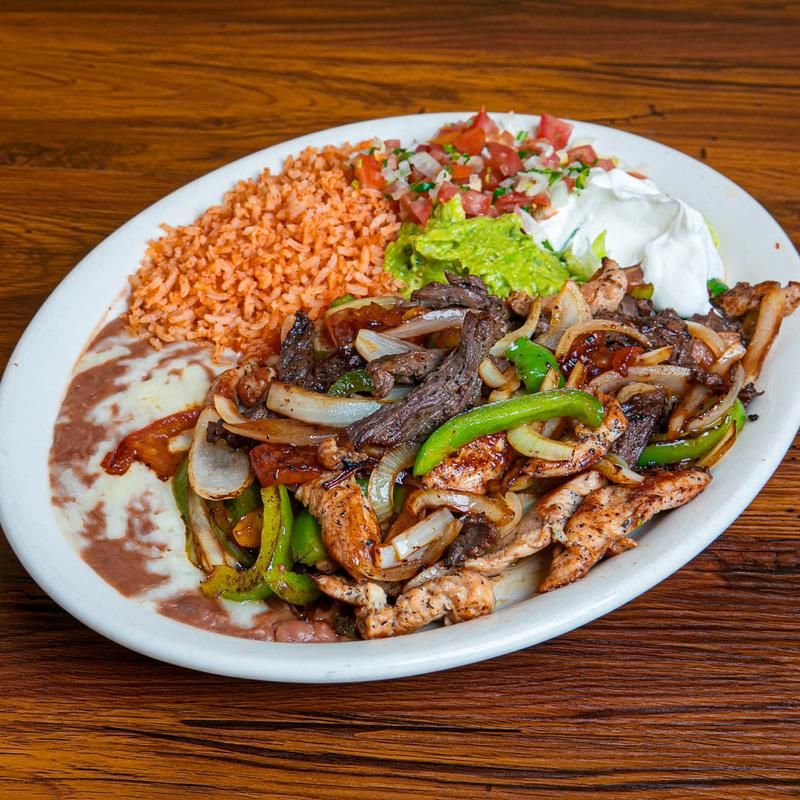
A restaurant doesn’t have to be flashy to become an important part of its neighborhood. La Fiesta Grande has built a following around familiar Mexican dishes, warm hospitality, and the kind of relaxed atmosphere that encourages customers to return.
The family-owned Pasadena restaurant is located at 181 East Glenarm Street, following a move from its former South Pasadena location. Its menu focuses on traditional favorites, including carnitas, chile rellenos, chicken enchiladas, and richly flavored mole.
Margaritas are another attraction, making the restaurant popular for casual dinners and small celebrations. The food reflects a classic Southern California Mexican restaurant tradition, where substantial plates, house sauces, and a welcoming dining room are central to the experience.
La Fiesta Grande’s longevity is tied to its neighborhood appeal rather than culinary trends. It’s the sort of place where returning customers develop favorite dishes and familiar faces become part of the restaurant’s identity.
9. La Doña
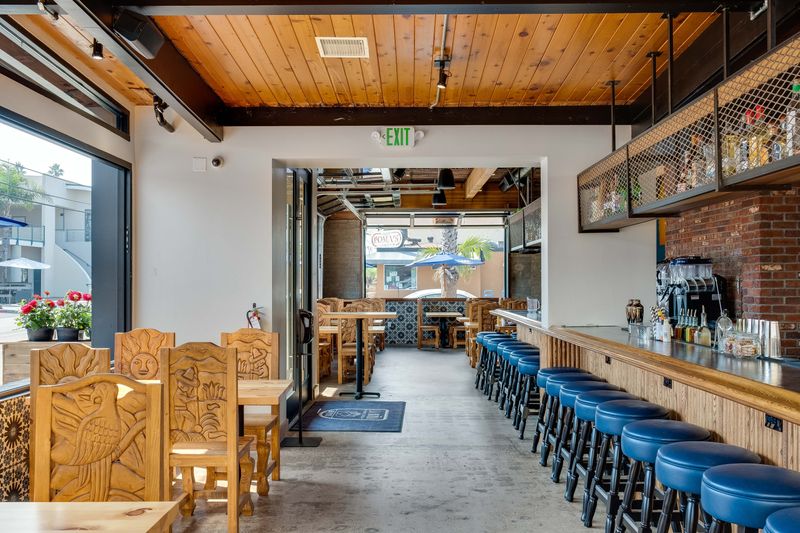
Just a short distance from the Pacific Ocean, La Doña brings Mexican cooking and a lively neighborhood atmosphere to San Diego’s Ocean Beach community.
The restaurant opened in 2020, with a menu inspired by traditional Mexican flavors and the relaxed spirit of coastal Southern California. Its offerings include tacos, enchiladas, seafood preparations, and shareable dishes that suit the restaurant’s social atmosphere.
The dining room and outdoor spaces reflect Ocean Beach’s casual character, making La Doña a natural destination for an evening meal after spending time near the coast. Cocktails and a lively bar program add to its appeal.
Located at 1852 Bacon Street, La Doña represents a newer generation of neighborhood Mexican restaurants. Its place on a family-owned list should be supported by confirmation of its current ownership structure before publication, since its available background is less explicit about family control than that of the older establishments featured here.
10. Frijoles Mexican Restaurant
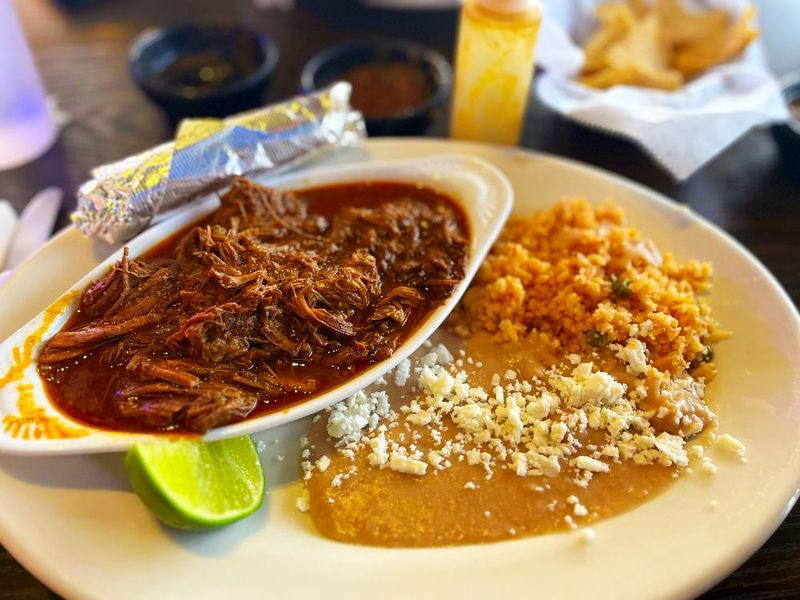
Frijoles Mexican Restaurant has been serving Inglewood since 2007, when its owners opened the family-run business with a focus on traditional Mexican cooking and a welcoming atmosphere.
The restaurant’s identity is built around the idea of homemade food, with a menu that includes burritos, enchiladas, chilaquiles, and other familiar dishes. Its wet burritos are particularly appealing to customers who enjoy generous portions covered in sauce, while breakfast offerings bring Mexican flavors to the first meal of the day.
Frijoles also reflects the cultural character of Inglewood, combining Mexican food, art, and hospitality in a casual dining setting. The owners describe the restaurant as a place where people of different ages can gather and share a meal.
Located near Los Angeles International Airport, Frijoles offers a family-operated alternative to the chain restaurants that dominate many airport-area dining options. Its enduring appeal comes from straightforward cooking and a sense of neighborhood connection.
11. Las Cuatro Milpas
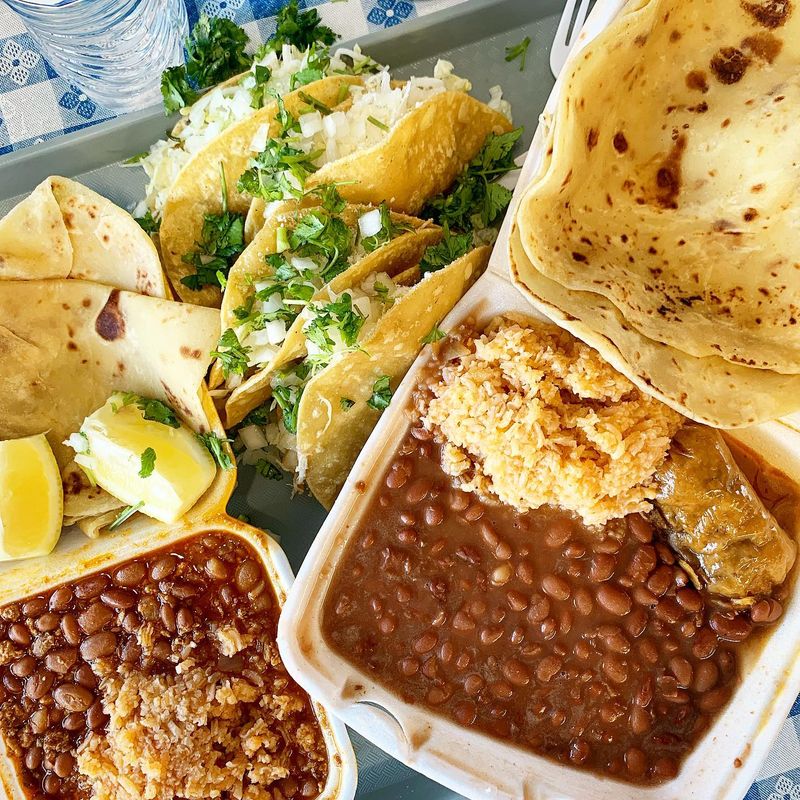
When Las Cuatro Milpas closed its original Barrio Logan location in December 2025, San Diego feared it might lose one of its most important culinary landmarks. But the Estudillo family wasn’t ready to let more than nine decades of history disappear.
Founded in 1933 by Natividad and Petra Estudillo, the restaurant became famous for handmade tortillas, rolled tacos, tamales, chorizo, and comforting plates of rice and beans. Its short menu and long lines were part of the experience, attracting generations of customers who returned for the same family recipes.
In May 2026, Las Cuatro Milpas reopened at 1985 National Avenue, just a few blocks from its former home. The new space brought updated equipment and more convenient payment options while preserving the food that made the restaurant beloved.
Nadia Estudillo, the founders’ great-granddaughter, helped carry the family’s legacy into this new chapter. The reopening is a reminder that a restaurant’s history isn’t necessarily tied to one building.
Sometimes it lives in the recipes and the people determined to keep them alive.
12. Aqui es Texcoco
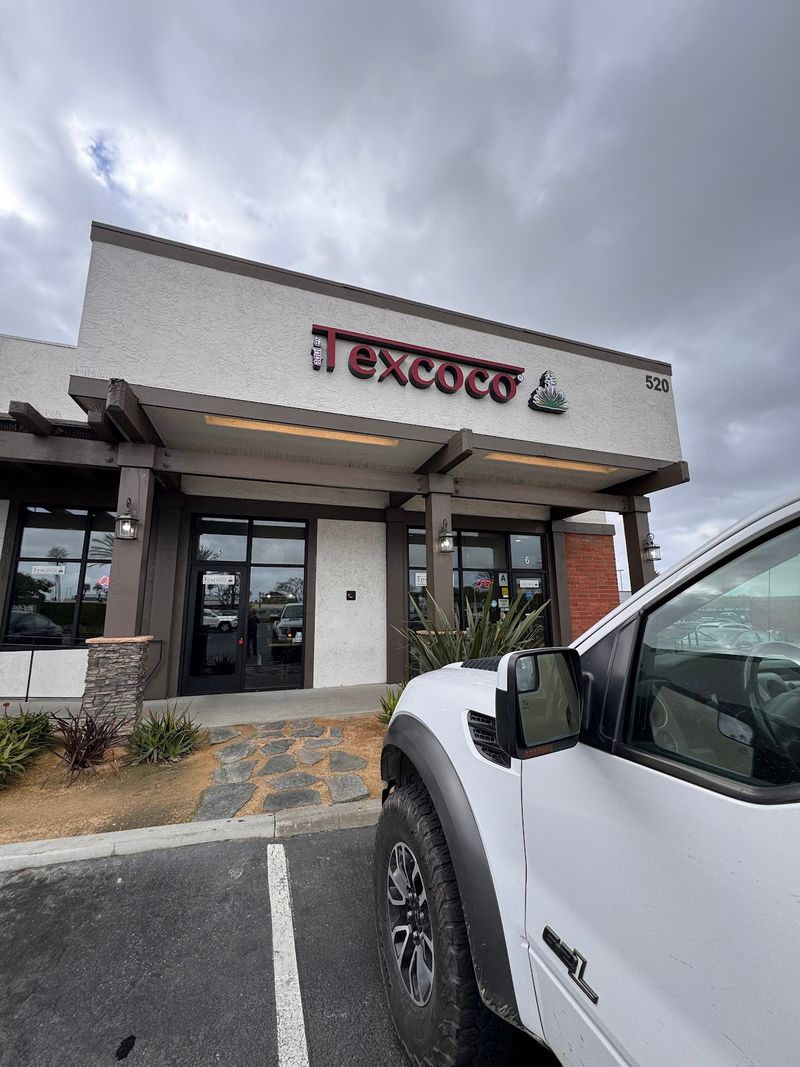
Slow-cooked lamb is the heart of the menu at Aqui es Texcoco, a family business devoted to the barbacoa traditions of central Mexico.
Founder Francisco Pérez brought his family’s approach to lamb barbacoa to Southern California, drawing inspiration from the cooking methods associated with Texcoco, a city northeast of Mexico City. The traditional preparation involves seasoning lamb and cooking it slowly until the meat becomes tender enough to pull apart.
At the restaurant, diners can enjoy barbacoa in tacos, quesadillas, and other dishes, often accompanied by consommé, the deeply flavored broth produced during cooking. Different cuts of lamb offer varying textures and richness, making the menu particularly interesting for anyone exploring regional Mexican cuisine.
The Chula Vista restaurant at 1043 Broadway has become a destination for this specialty. Rather than trying to represent every Mexican food tradition, Aqui es Texcoco focuses on doing one regional style exceptionally well.
13. El Borrego
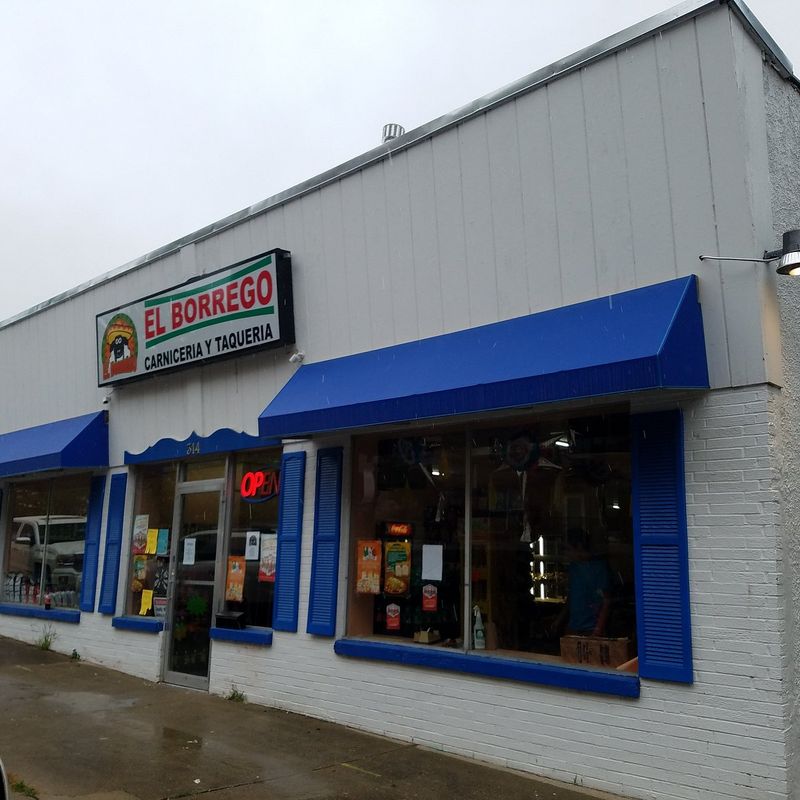
The aroma of slow-cooked lamb is one of the defining features of El Borrego, a family-run restaurant in San Diego’s El Cerrito neighborhood.
Mother-and-daughter team Rosa Hilda Sánchez and Rodnia Navarro established the business around recipes inspired by central Mexican cooking, particularly barbacoa. Their menu celebrates lamb in several forms, including tender meat served with warm tortillas and rich consommé.
The restaurant also offers dishes such as quesadillas, soups, and other regional specialties, giving diners a chance to explore flavors that are less common at standard Mexican American restaurants.
Located at 4280 El Cajon Boulevard, El Borrego has developed a following among customers who appreciate traditional cooking and a personal family story. Its food reflects the patience required for good barbacoa, where careful seasoning and slow preparation transform a relatively simple ingredient into the centerpiece of a meal.
14. Super Cocina
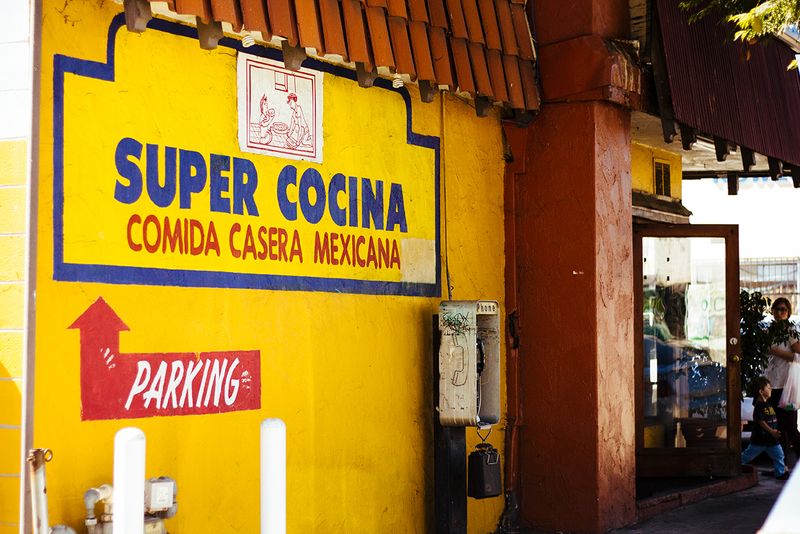
A row of steaming pots tells you almost everything you need to know about Super Cocina. Instead of building its reputation around tacos, this San Diego restaurant specializes in guisados, the hearty stews and braised dishes that are central to everyday Mexican home cooking.
Founded in 1988, Super Cocina has become a City Heights institution, known for offering a changing selection of regional specialties. Customers choose from dishes displayed at the counter, often combining several preparations on one plate.
The offerings can include mole, pork in chile verde, chicken in rich sauces, and vegetable dishes inspired by different regions of Mexico. Because the selection changes, each visit can introduce something new.
Located at 3627 University Avenue, Super Cocina is especially appealing to diners interested in the foods Mexican families prepare at home. Its reputation rests on the depth and variety of its cooking rather than elaborate presentation, making it one of San Diego’s distinctive destinations for traditional Mexican meals.
15. Romesco
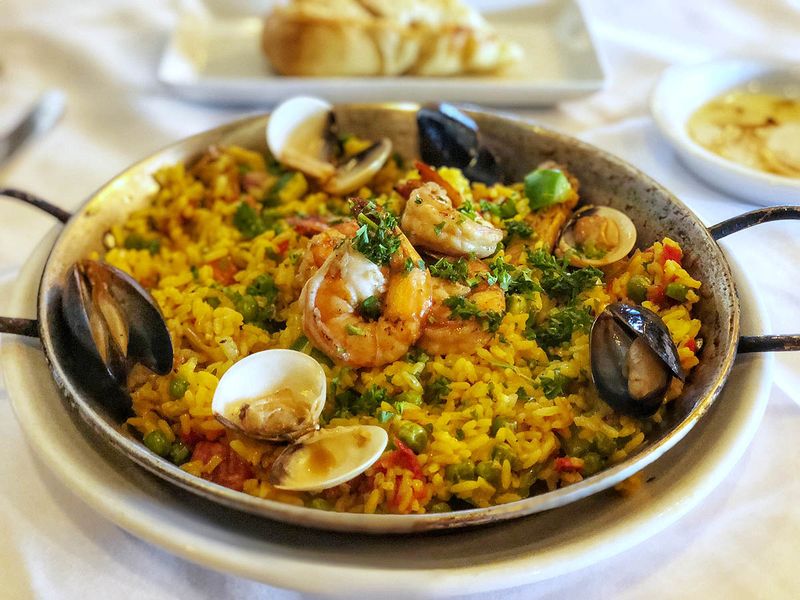
Mexican and Mediterranean cooking come together at Romesco, a Bonita restaurant connected to one of Baja California’s most influential restaurant families.
The Plascencia family has operated restaurants in Tijuana for generations, developing a culinary style that draws on the ingredients of northern Mexico and the techniques of Mediterranean Europe. Romesco opened in 2006, bringing that Baja-Med approach across the border into San Diego County.
Its menu features tapas and composed dishes that combine Mexican ingredients with Spanish and Mediterranean influences. The restaurant’s tapas bar, introduced in 2009, adds a more casual setting for sharing smaller plates.
Located at 4346 Bonita Road, Romesco offers a different experience from the taquerias and homestyle kitchens elsewhere on this list. It demonstrates how family culinary traditions can evolve, incorporating new techniques while remaining connected to the regional flavors that inspired them.
Across California, family-owned Mexican restaurants continue to preserve recipes, celebrate regional traditions, and bring communities together. Whether the attraction is a century-old tamale recipe, slow-cooked lamb barbacoa, or an inventive blend of Baja and Mediterranean flavors, each restaurant offers a story that extends far beyond the plate.
Share this story