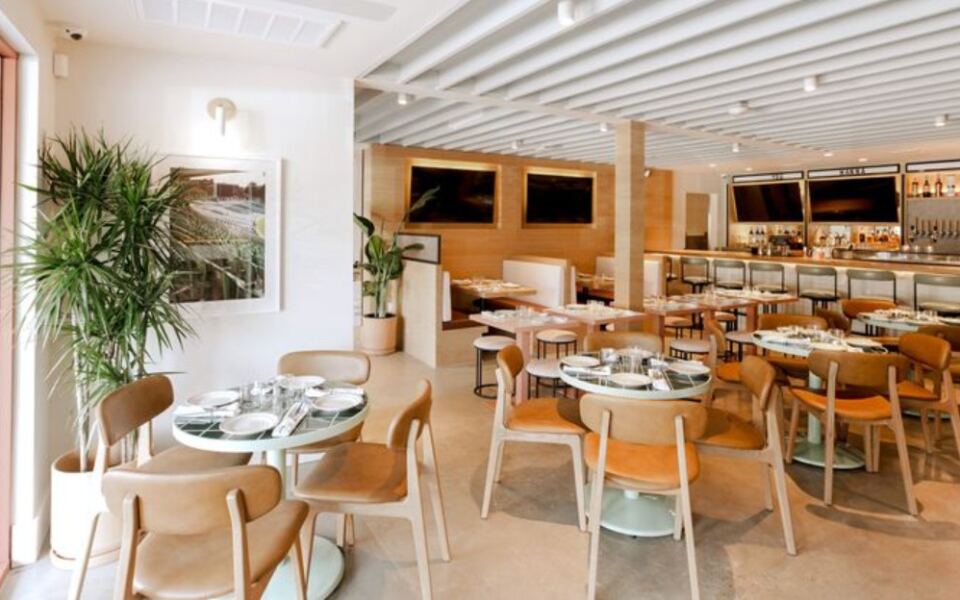
Los Angeles has never been a city that keeps its culinary traditions neatly separated. With influences arriving from nearly every corner of the world, some of its most exciting restaurants are finding new ways to bring familiar flavors together.
Think Colombian empanadas stuffed with kimchi fried rice, Italian pasta dressed in Indian spices, and Japanese sushi brightened with Peruvian citrus and chiles.
These combinations aren’t simply about putting two cuisines on the same plate. The best examples reflect the backgrounds, experiences, and imaginations of the people preparing them.
From a cozy Studio City bar to a refined Hermosa Beach bistro, these six restaurants show how creative cooking continues to shape the greater Los Angeles dining scene.
1. OyBar
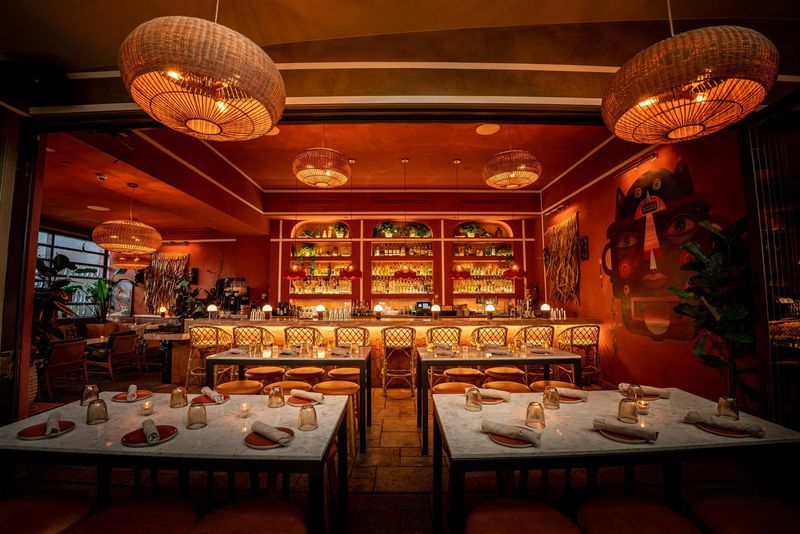
A neighborhood bar might seem like an unlikely place for an inventive take on Jewish comfort food, but that’s exactly the territory chef Jeff Strauss explores at OyBar. Tucked into a vintage storefront at 12446 Moorpark Street in Studio City, the restaurant brings a playful culinary perspective to the familiar pleasures of a local watering hole.
Strauss, who also operates Jeff’s Table, approaches the menu with the instincts of a deli chef and the freedom of someone who doesn’t feel obligated to follow every tradition. Jewish-American flavors share space with influences from the broader Los Angeles food scene, turning recognizable comfort dishes into something less predictable.
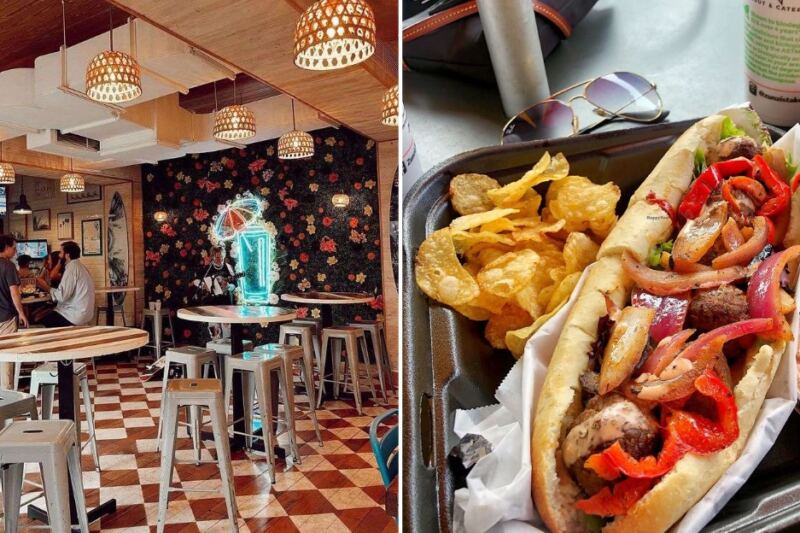
The atmosphere is part of the attraction. Rather than presenting its food in a formal dining room, OyBar keeps things intimate and relaxed, with a compact bar, vintage character, and a cocktail program that complements the kitchen’s creativity.
It’s a place where an inventive meal can unfold over drinks without losing the easygoing feeling of a neighborhood hangout.
2. Escala
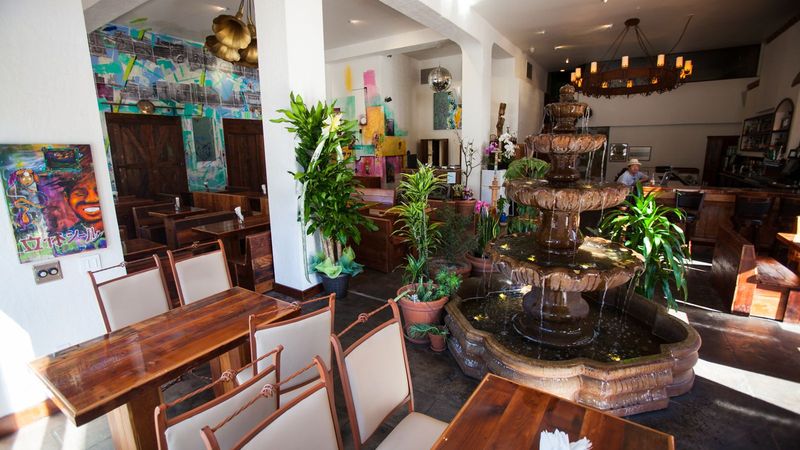
Kimchi fried rice inside a Colombian empanada sounds like a combination dreamed up after a particularly adventurous night out. At Escala, it’s one of the clearest expressions of a culinary identity shaped by both Seoul and Bogotá.
Located in Koreatown’s historic Chapman Plaza at 3451 West 6th Street, the restaurant was founded by Chino, whose upbringing in Colombia after being born in South Korea inspired its cross-cultural approach. Korean-American chef Chris Oh helped develop the original menu, which was later expanded with contributions from Colombian chefs.
The results are wonderfully specific. Vegetarian empanadas contain kimchi-spiced fried rice with mushrooms and kale, while plantain chips arrive with both kimchi aioli and Colombian hogao sauce.
The K-Town Rice Con Pollo brings together kimchi-and-coconut fried rice, shredded chicken, spicy tomato sauce, and a fried egg.
Colorful décor, music, and a lively bar atmosphere complete the experience. Escala feels less like a calculated fusion experiment than a restaurant expressing the cultures that shaped its founder.
3. Vin Folk
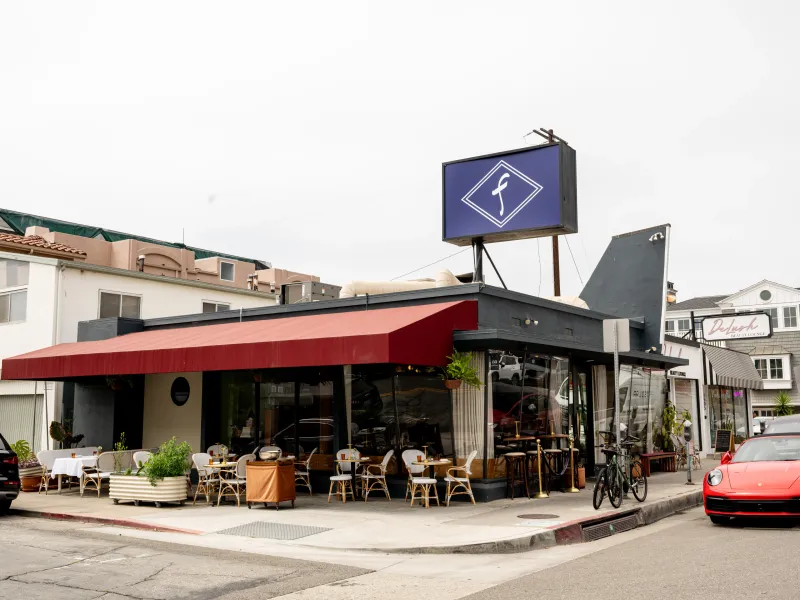
Some of the most interesting culinary combinations begin with memories rather than recipes. At Vin Folk in Hermosa Beach, chefs Kevin De Los Santos and Katya Shastova draw on their personal histories, travels, and cultural backgrounds to create dishes that don’t fit comfortably into a single national tradition.
The intimate restaurant at 1501 Hermosa Avenue opened as a neighborhood bistro before introducing a more focused tasting-menu format in August 2026. Its cooking draws from French techniques while incorporating influences connected to the chefs’ Filipino, Chinese, and Russian heritage.
One example is the causa cavatelli, which brings a Peruvian-inspired potato preparation into conversation with Italian pasta, corn miso, ají amarillo, and squash blossom. Elsewhere, a spinach-and-artichoke croquette pairs artichoke béchamel with mojo verde, while black cod en papillote receives a classic French treatment.
Vin Folk’s tasting menu is designed as a personal story told through food, with seasonal ingredients helping shape each course. A separate outdoor veranda offers a smaller à la carte selection.
The result is a restaurant where culinary boundaries feel secondary to the memories and ideas behind the dishes.
4. Badmaash
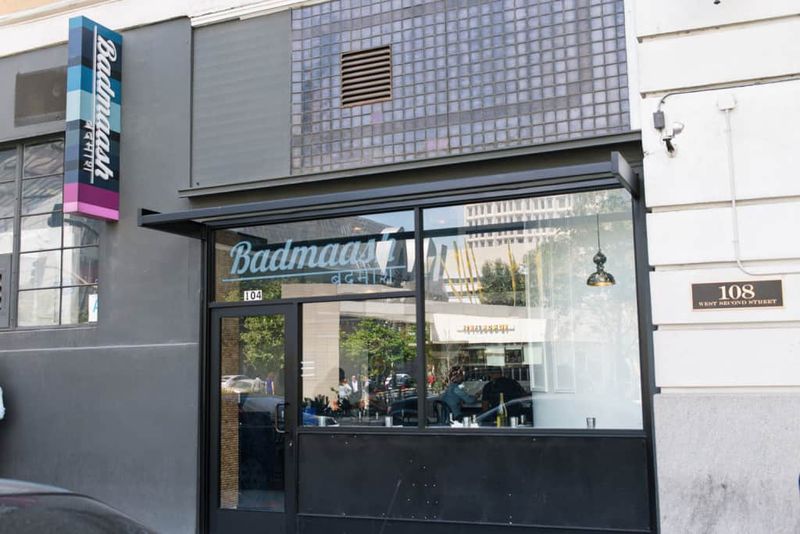
Steak frites might be a French bistro classic, but the version served at Badmaash’s Venice location has a distinctly Indian personality. The restaurant pairs a prime New York strip steak with a masala-spiced peppercorn sauce and fries, turning a familiar European dish into something rooted in Punjabi flavors.
Opened in March 2026 on Abbot Kinney Boulevard, the Venice restaurant marks a new chapter for the Mahendro family, whose original downtown Los Angeles location helped establish Badmaash as a destination for modern Indian cooking. Brothers Nakul and Arjun Mahendro grew up in Toronto, and their approach reflects the Indian food they knew at home alongside the Western dishes that surrounded them.
The Venice menu builds on that philosophy with dishes such as lamb neck korma and a cocktail program featuring ingredients like house-made chai orgeat. Traditional Indian preparations remain central, but they’re presented alongside ideas drawn from other cuisines.
It’s an approach that makes the food feel contemporary without losing its connection to family cooking. The familiar becomes surprising, and the unexpected combinations still have a clear sense of purpose.
5. Pijja Palace
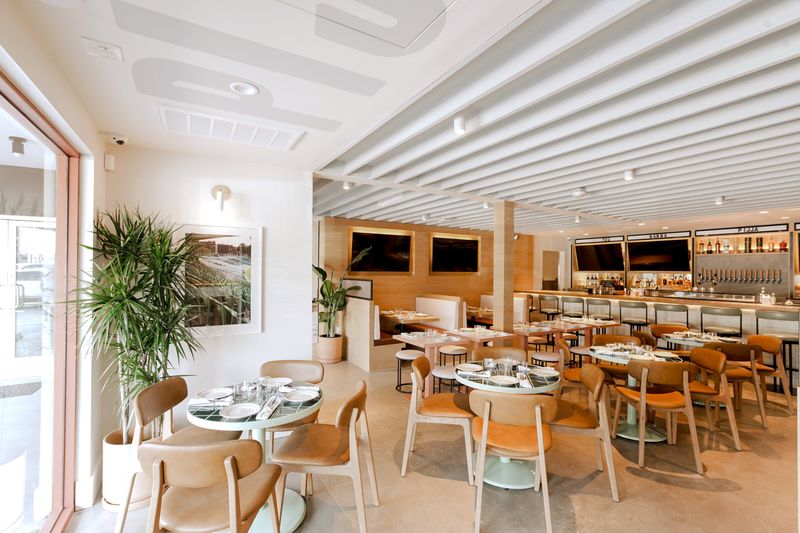
Pizza, pasta, and chicken wings are standard sports-bar territory. What makes Pijja Palace different is what happens when those American favorites are filtered through Indian flavors.
The Silver Lake restaurant at 2711 Sunset Boulevard opened in 2022 under owner Avish Naran, turning a former medical office into a lively sports bar where televisions share the spotlight with an unusually imaginative menu. Chef-driven dishes borrow the formats of Italian-American comfort food while using ingredients associated with Indian cooking.
The malai rigatoni has become a signature, coating pasta in a creamy tomato masala sauce. The Samosa Pijja combines white korma sauce, potatoes, and mint chutney, while dosa-battered onion rings arrive with mango chutney.
Even the Buffalo wings get an Indian twist with achaar masala, and dessert includes cookies-and-cardamom soft serve.
The combinations work because they start with food people already love. Pijja Palace doesn’t ask diners to abandon pizza night or game-day snacks; it simply gives those familiar pleasures a different set of flavors.
6. Sushi Nikkei
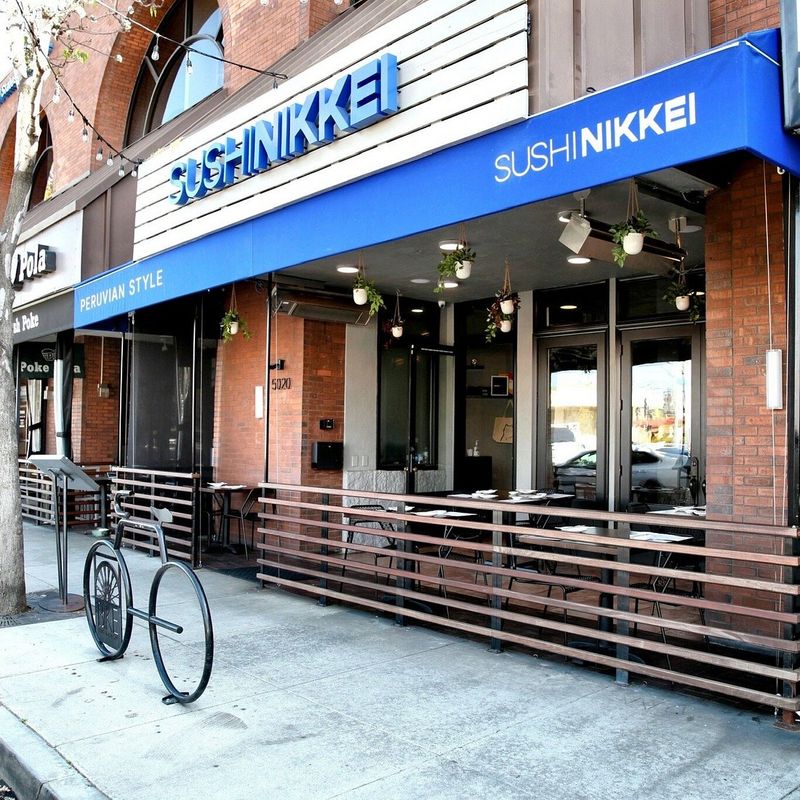
Japanese immigration to Peru created a culinary tradition that has developed over generations, and Sushi Nikkei brings that history to Long Beach through inventive seafood dishes. Rather than treating Japanese and Peruvian flavors as an unusual novelty, the restaurant draws on the established Nikkei cooking style, which combines techniques and ingredients from both cultures.
Chef Eduardo Chang Ogata leads the kitchen, where precise Japanese sushi preparation meets Peruvian ingredients such as ají amarillo, citrus-based leche de tigre, and vibrant sauces. The result is a menu that can move from traditional-looking nigiri to bold combinations that would be unfamiliar at a conventional sushi counter.
Among its notable creations are Parmesan Scallops and Peruvian ceviche featuring sea bass, sweet potato purée, and ají amarillo. The restaurant’s Nikkei nigiri selection also demonstrates how a carefully chosen sauce or garnish can transform a piece of fish without overwhelming it.
Sushi Nikkei operates locations in Bixby Knolls at 3819 Atlantic Avenue and Belmont Shore at 5020 East 2nd Street. Together, they bring a distinctive Japanese-Peruvian dining experience to the greater Los Angeles area.
What connects these restaurants isn’t a single cooking style or a shared set of ingredients. It’s the idea that food traditions can evolve when chefs bring different parts of their lives to the table.
In a city as culturally diverse as Los Angeles, those combinations feel less like exceptions and more like a natural expression of how people eat today.
Share this story