Grocery bills can look dramatically different depending on where Americans shop. A February 2026 Consumer Reports study compared grocery prices across 35 major retailers and found that warehouse clubs and discount supermarkets offered some of the lowest prices.
Using Walmart as its benchmark, the study examined grocery baskets in six metropolitan areas, including packaged foods, produce, and meat. Costco and BJ’s Wholesale Club led the rankings, while Lidl, Aldi, WinCo Foods, and H-E-B also came in below Walmart.
Here are the seven least expensive chains in that comparison.
Costco
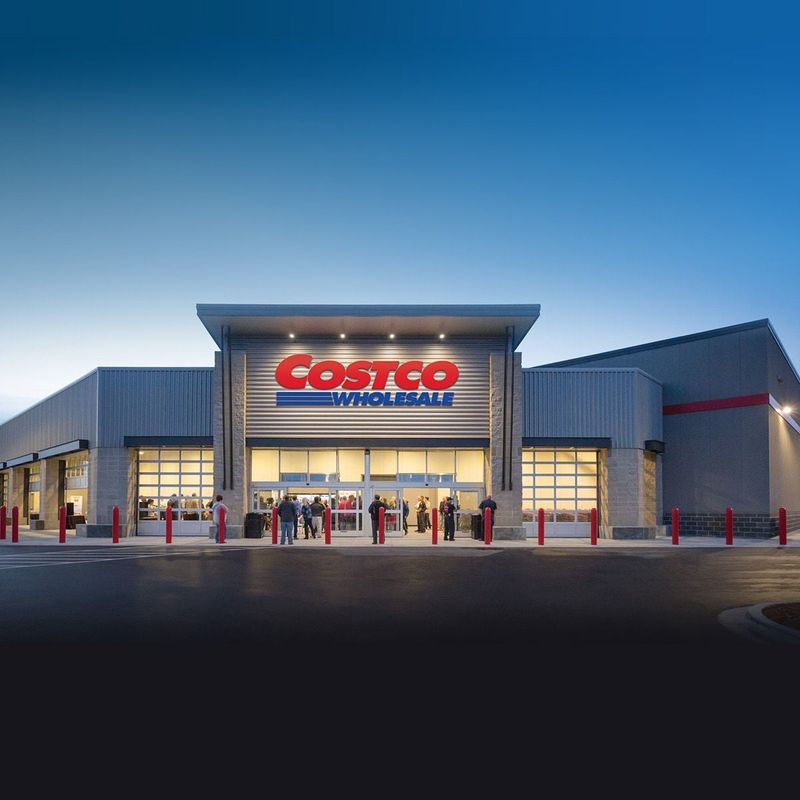
Costco took the top spot in Consumer Reports’ 2026 grocery price comparison, with prices averaging 21.4% below Walmart. The warehouse chain’s bulk-buying model and Kirkland Signature private-label products help explain its reputation for offering value on everyday necessities.
Its grocery departments carry everything from fresh meat and produce to dairy, frozen foods, nuts, and pantry staples. Larger package sizes are central to the shopping experience, allowing customers to purchase many products in substantial quantities.
Unlike traditional supermarkets, Costco requires a paid membership for most warehouse purchases. That makes its low prices especially attractive to households that regularly buy enough groceries to justify the annual fee.
BJ’s Wholesale Club
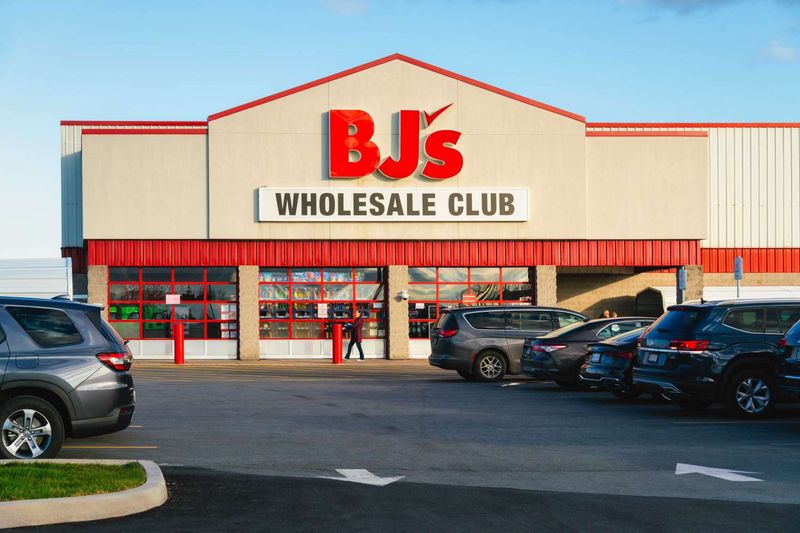
BJ’s Wholesale Club finished just behind Costco in the 2026 Consumer Reports comparison, with average grocery prices 21% lower than Walmart. The membership-based warehouse chain operates primarily in the eastern United States and offers a combination of bulk groceries, national brands, and private-label products.
Its Wellsley Farms and Berkley Jensen brands cover a wide selection of food and household essentials. Shoppers can find fresh produce, meat, dairy products, frozen foods, and pantry staples alongside larger multipacks of familiar grocery items.
BJ’s also distinguishes itself through manufacturer coupon acceptance, a feature that can provide additional savings on eligible products. Its warehouse format makes it particularly appealing to families shopping for larger quantities.
Lidl
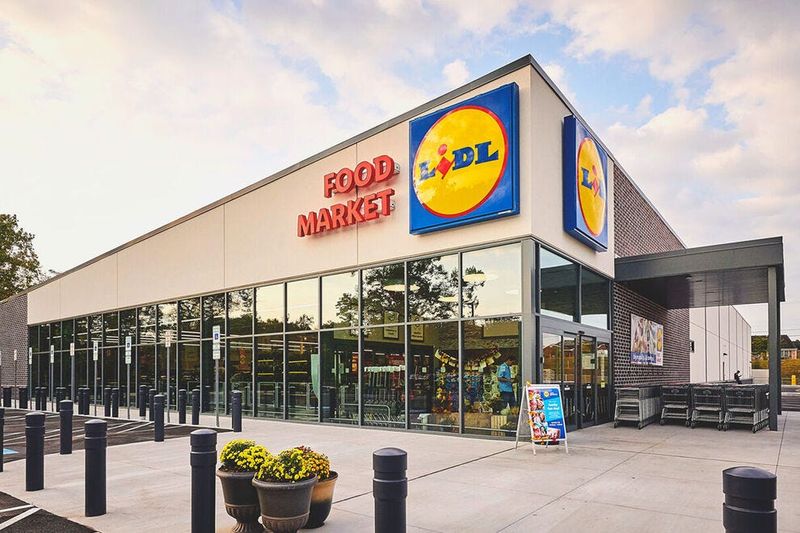
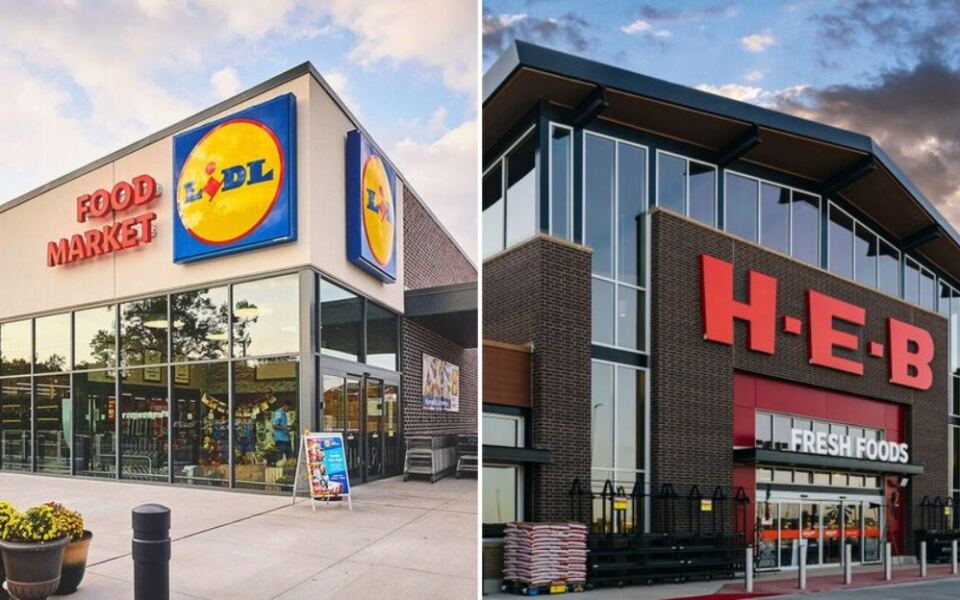
Lidl ranked third in Consumer Reports’ 2026 comparison, with average grocery prices 8.5% below Walmart. The German discount supermarket chain combines inexpensive everyday groceries with fresh bakery products, produce, and a substantial selection of private-label foods.
Its stores are generally smaller than conventional American supermarkets, with a more focused assortment that emphasizes affordable staples. Fresh bread, dairy products, frozen foods, and pantry ingredients are among the categories that make Lidl useful for regular grocery shopping.
Lidl’s American locations are concentrated mainly along the East Coast. Its combination of European-style bakery offerings and discount supermarket pricing gives shoppers a distinctive alternative to larger grocery chains.
Aldi
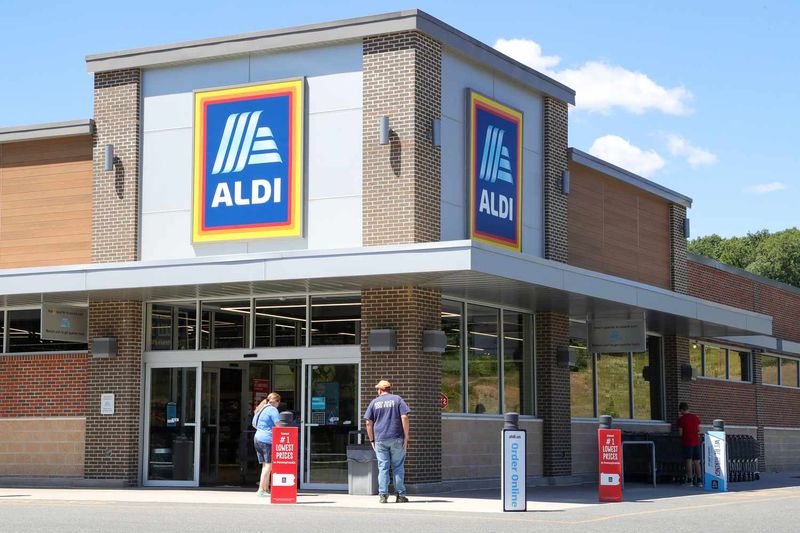
Aldi came in fourth in Consumer Reports’ 2026 grocery price study, with average prices 8.3% below Walmart. The chain has built its American business around private-label products, smaller stores, and a streamlined shopping experience designed to keep operating costs low.
Many Aldi products are displayed directly in their shipping boxes, while customers bring their own bags or purchase them at checkout. The familiar quarter-operated shopping carts are another recognizable part of the store’s cost-conscious approach.
Despite its compact format, Aldi carries everyday groceries including produce, meat, dairy, baking supplies, and frozen foods. Its rotating Aldi Finds section adds seasonal products and household merchandise to the regular assortment.
WinCo Foods
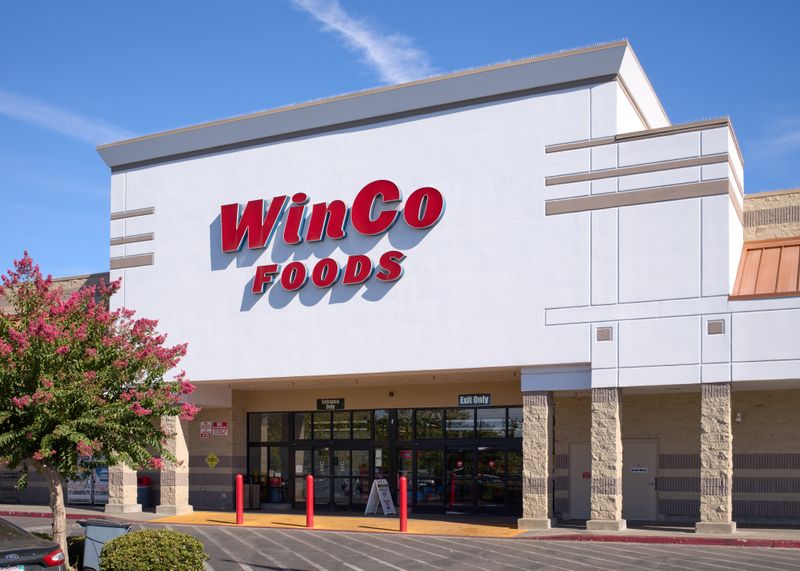
WinCo Foods secured fifth place in the 2026 Consumer Reports comparison, with average grocery prices 3.3% below Walmart. The employee-owned supermarket chain is especially recognizable for its large stores, extensive bulk-food departments, and straightforward approach to grocery retailing.
Bulk bins offer products such as rice, beans, oats, nuts, spices, and baking ingredients, allowing shoppers to purchase different quantities without relying entirely on packaged goods. WinCo also carries fresh produce, meat, dairy products, and familiar supermarket staples.
The chain operates primarily in western states and keeps certain costs down by having customers bag their own groceries. WinCo also does not accept credit cards, distinguishing its checkout process from many competing supermarkets.
H-E-B
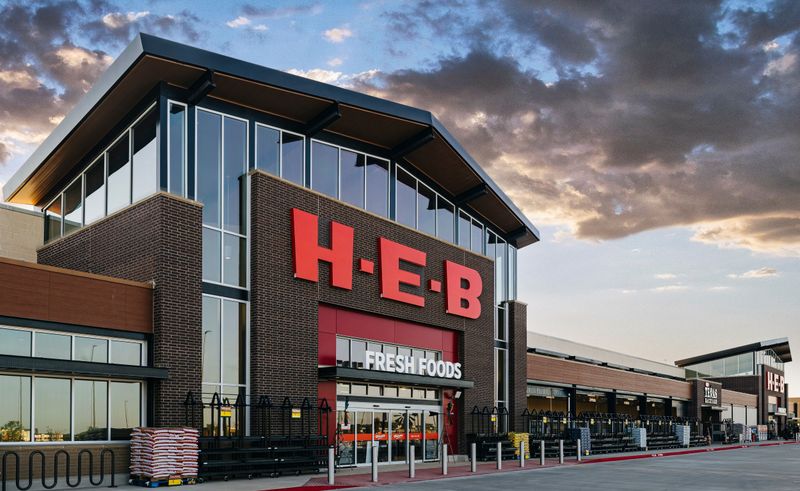
Texas-based H-E-B ranked sixth in Consumer Reports’ 2026 comparison, with average grocery prices 0.2% below Walmart. Although the difference was small, it placed H-E-B among the six retailers that beat Walmart’s benchmark in the study.
The supermarket chain is known for its extensive private-label selection, fresh food departments, and strong connection to Texas food culture. Its H-E-B and Hill Country Fare brands cover everyday products ranging from milk and bread to canned goods, frozen foods, and pantry staples.
H-E-B also carries regional favorites such as Texas-style barbecue products, tortillas, and locally inspired snacks. Its combination of competitive grocery pricing and regional specialties has helped make it a major presence in Texas.
Walmart
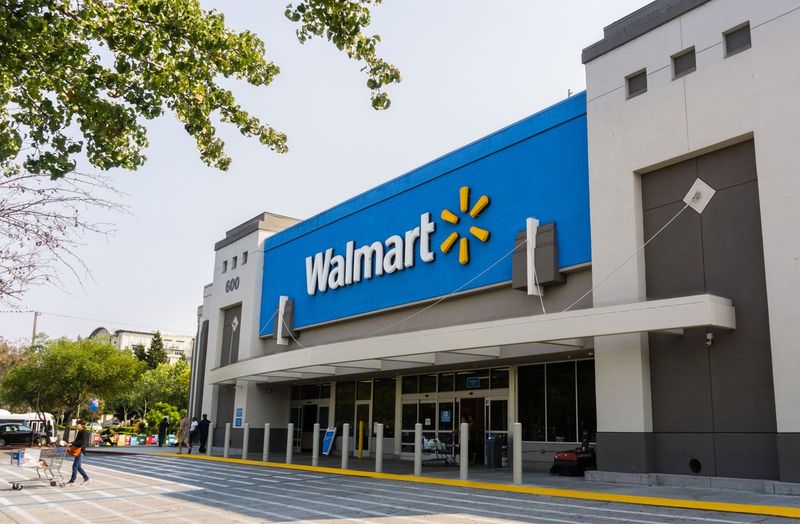
Walmart served as the pricing benchmark in Consumer Reports’ 2026 study, placing seventh behind the six chains that recorded lower average grocery prices. Its widespread store network and broad assortment make it one of the most recognizable grocery destinations in the United States.
The retailer carries national brands alongside its own Great Value line, which includes pantry staples, dairy products, frozen foods, baking ingredients, and other everyday groceries. Walmart’s Supercenters also combine full grocery departments with household merchandise and general retail products.
Although six chains beat its average prices in the study, Walmart remained less expensive than many other major supermarket competitors, including Target, Wegmans, Kroger, and Trader Joe’s.
Share this story