A ham-and-cheese empanada with a caramelized sugar coating sounds like someone in the kitchen changed their mind halfway through lunch. At Sur in Little Haiti, it makes perfect sense.
So does putting coconut chicken stew inside plantain dough, or folding smoked brisket into a pastry in Kendall. Miami’s empanadas share a name, but that’s about where the agreement ends.
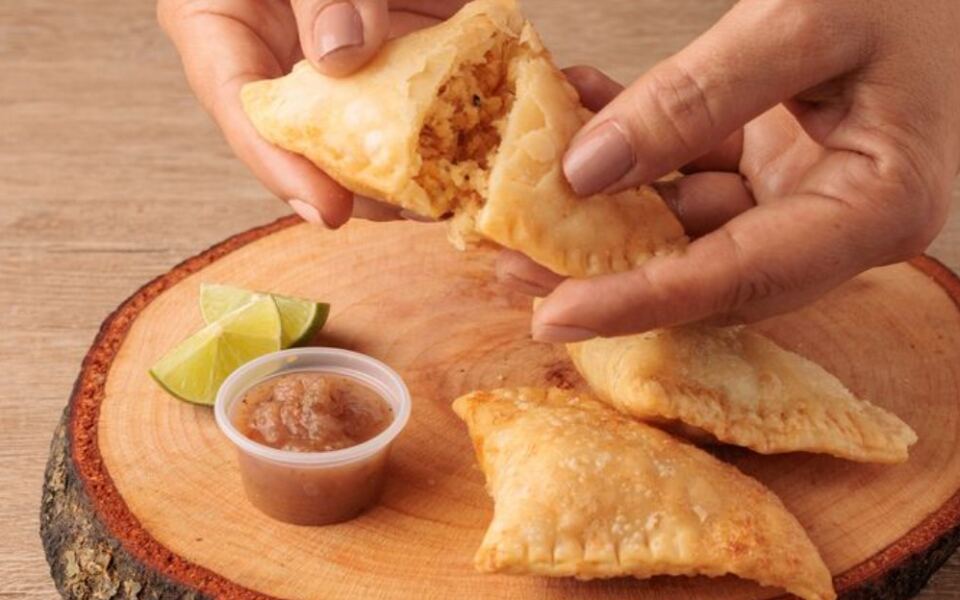
Some arrive baked and neatly crimped; others emerge from the fryer with blistered shells and enough filling to rearrange your afternoon. Corn, wheat, and plantain each bring something different to the table.
This tour follows those differences through Argentine, Venezuelan, Colombian, Ecuadorian, Cuban, Chilean, Uruguayan, Peruvian, and Mexican kitchens, with a barbecue detour for good measure. Spread the stops across several outings.
Doral, North Miami, Miami Beach, and West Kendall deserve more time than one heroic lunch allows—and these empanadas deserve to be eaten while they’re still hot.
Sur
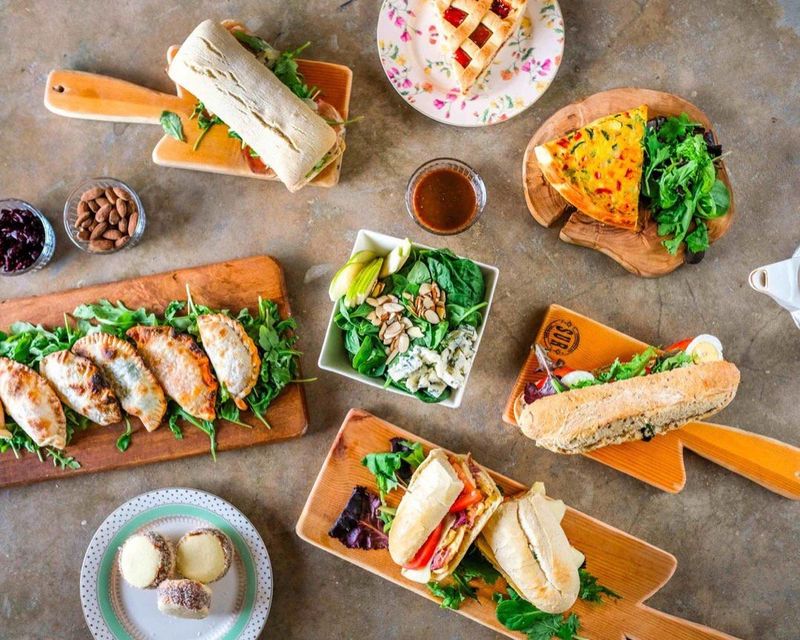
The squash deserves your attention before the beef does. At this Argentine spot at 5929 NW Second Avenue, the squash-and-goat-cheese empanada brings together puréed squash, mozzarella, tangy goat cheese, and pumpkin seeds on top.
It’s a useful opening argument for a menu where the vegetable fillings warrant as much consideration as the meat. Mushrooms with Gouda, spinach with mozzarella, and blue cheese with caramelized onions give you several directions to take a mixed order.
The baked format makes this an especially good place to pay attention to the pastry itself: the browned surface, the folded edge, and the balance between shell and filling. For a first visit, pair one vegetable option with a beef empanada rather than ordering three variations of the same thing.
Ground beef with green olives and hand-cut steak offer two different textures; the criolla adds egg and olives to the diced meat. Then there’s the ham and cheese with its caramelized sugar coating, which takes a familiar lunch combination somewhere more interesting.
That sweet-salty interplay is a reason to order across the menu instead of treating the assortment as interchangeable pockets. The setting also gives you permission to linger: there’s a communal table, so lunch needn’t happen over the steering wheel.
One scheduling detail matters more than any elaborate route planning: Sur advertises that it closes on weekends. Make this a weekday stop, and keep the order modest enough to eat warm.
With several people sharing, split the empanadas before the fillings become a guessing game. Squash, steak, and blue cheese may look reasonably similar once boxed together, but nobody wants to discover they traded away their favorite after the last bite.
La Uchireña
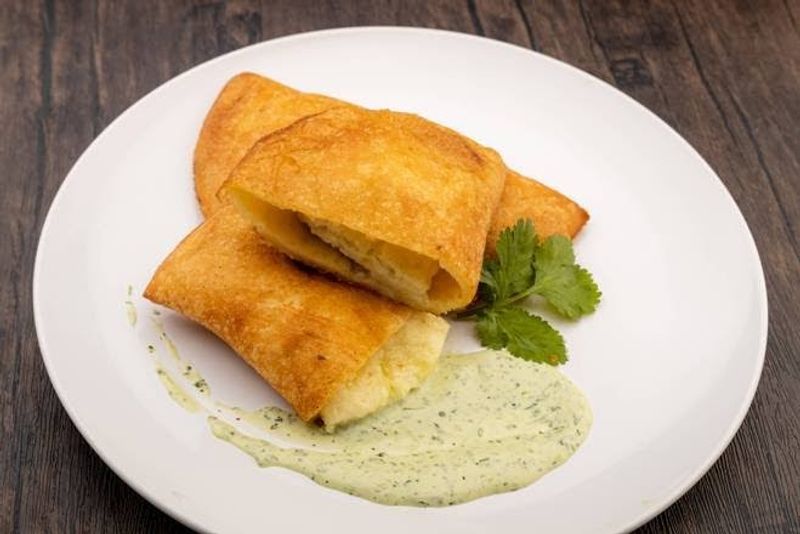
Breakfast can reasonably involve fish and plantain here. The cazón-and-plantain empanada at this Venezuelan restaurant offers a savory filling alongside the sweetness of ripe plantain, all inside corn dough.
It’s an excellent change of direction if your empanada experience has mostly involved beef in wheat pastry. The Doral location, at 7880 NW 52nd Street, opens at 7 a.m. daily, making it one of the easier stops to build around an early start.
Its name points back to Boca de Uchire, a coastal town in Venezuela’s Anzoátegui state, and that coastal connection gives the fish filling a context beyond novelty. The menu also provides a compact introduction to several Venezuelan combinations.
Dominó pairs black beans with cheese; tajada y queso brings ripe plantain and cheese together; carne mechada supplies shredded beef for anyone who wants to begin with something familiar. Order two contrasting fillings and the differences become clear without requiring a table covered in food.
Cheese and black beans make a sensible companion to the fish-and-plantain option, while shredded beef lets the corn shell take a more prominent role. The posted menu lists many individual empanadas around $3.50 to $4.70, with cazón and plantain at $4.69, though the register has the final say.
These are fried empanadas, and the best plan is to eat them soon after pickup. Calling ahead is sensible if you’re fitting lunch between other commitments: made-to-order food and a tight schedule don’t always get along.
Give the first bite a moment to cool, too. A crisp shell can be ready for your teeth while its filling is still conducting a completely separate temperature experiment.
Cotoa
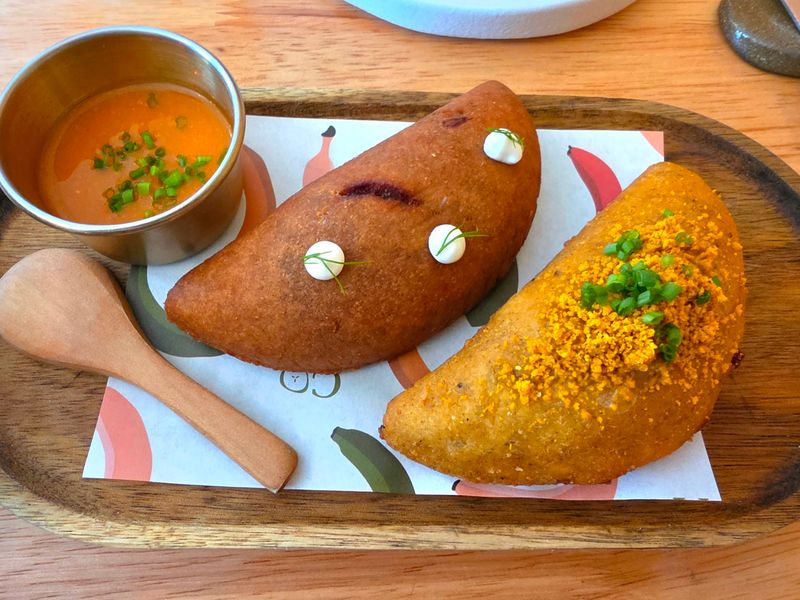
Plantain changes the conversation before you reach the filling. At this Ecuadorian restaurant at 12475 NE Sixth Court in North Miami, empanadas have featured both sweet and green plantain dough, giving the shell an identity beyond simply holding everything together.
The darker appearance is part of that ingredient choice, so don’t mistake it for an overenthusiastic encounter with the heat. One combination has paired sweet plantain dough with coconut chicken stew and salprieta, a seasoning made with toasted corn and peanuts.
Another has wrapped mozzarella and cotija in green plantain dough. Those versions show how much can change when the outside of an empanada becomes an active part of its flavor.
This is a good stop for slowing down and ordering a proper meal rather than adding another bag to the passenger seat. Chef Alejandra Espinoza’s cooking draws on Ecuadorian dishes while finding new forms for familiar ingredients.
Elsewhere on the menu, that approach has included seco de pollo interpreted as tortellini and a humita served with palo santo butter. The empanadas belong to that same conversation between memory and invention.
Because the menu is seasonal, ask which preparation is available instead of arriving committed to one particular filling. Start by tasting a piece of the shell on its own, then take a bite with everything together; the difference between sweet and green plantain is worth noticing.
The room provides concrete evidence that thoughtful cooking needn’t require a solemn setting: terracotta walls and banana-shaped lamps keep things playful. Reservations are recommended, and the restaurant is cashless.
After several quick counter stops, a seat, a plate, and enough time to consider the dough make a welcome change of pace.
Mondongo’s Restaurante
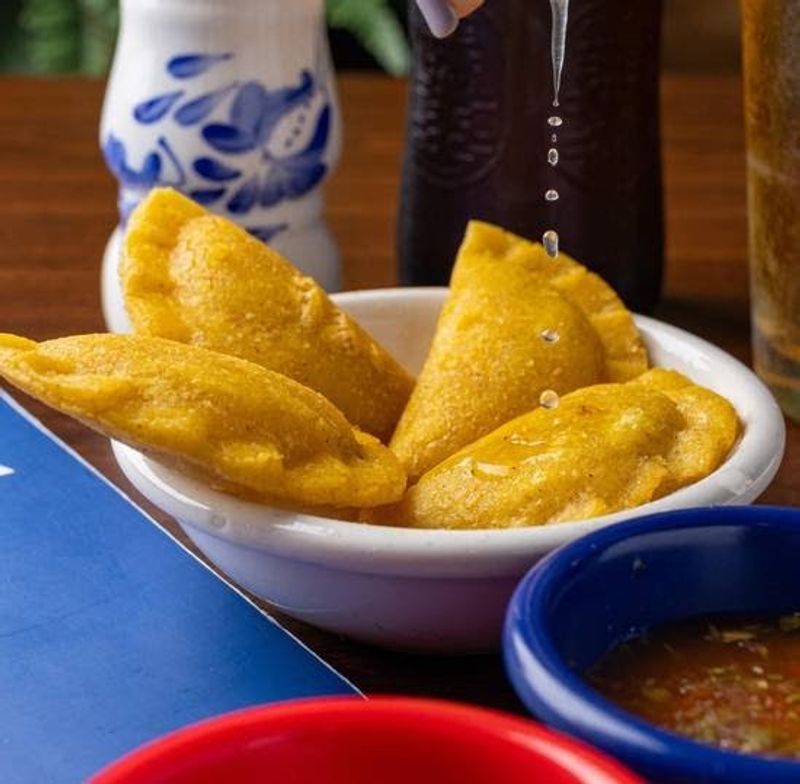
A restaurant named for soup might seem like an odd place to focus on fried pastries. That’s precisely why the empanaditas at 3500 NW 87th Avenue in Doral deserve a place on the route.
The Colombian kitchen’s menu ranges from mondongo and ajiaco to substantial meat platters, but the small beef empanadas let you begin with something you can finish in a few bites. Their size is part of the appeal: you get more encounters with the shell and its edges than you would with one enormous turnover.
They’re prepared to order, so leave room in the schedule for the kitchen rather than expecting a ready-filled bakery bag. Order a batch for the table and keep the ají close.
A little sauce gives you a useful comparison between the seasoned filling on its own and the same bite with a sharper accent. Start lightly; you can always add more without committing the entire empanada to a bath.
This stop works particularly well if your group includes someone who has quietly decided that an empanada tour should also involve a full lunch. They can move on to a bandeja paisa, beans, or soup while you stay focused on the starter.
There’s no need to insist everyone maintain the same appetite or research agenda. The published hours begin at 11:30 a.m., with closing at 8 p.m.
Sunday through Thursday and 9 p.m. Friday and Saturday, so this belongs in the lunch or early-dinner part of the day.
Pair it with La Uchireña for a Doral comparison: small Colombian beef empanadas at one stop, Venezuelan corn-dough pockets at the other. Two addresses, distinct approaches, and no need to cross a causeway between them.
Atomica
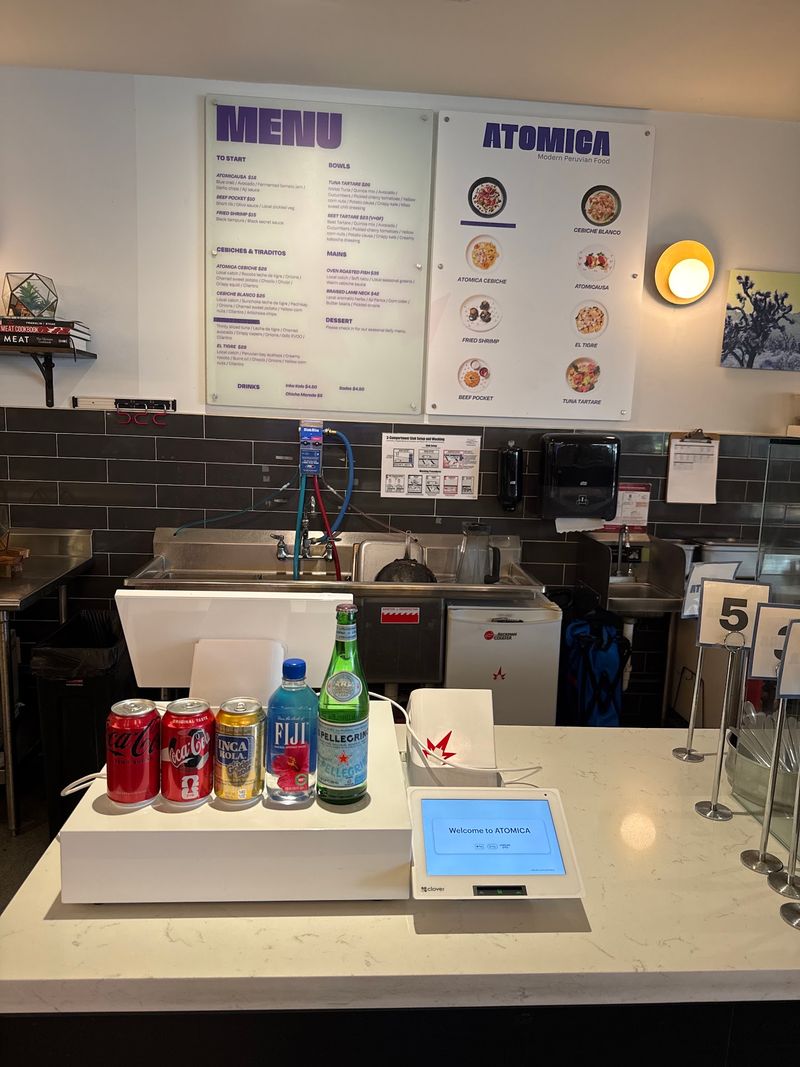
Ten dollars is enough to make an empanada enthusiast pause. At this Peruvian vendor inside MIA Market, the short-rib version makes a case for spending more on a single piece.
The address is 140 NE 39th Street in the Design District, and the dish appears as the Beef Pocket: cubed short rib enclosed in pastry, accompanied by olivo sauce. That combination gives this stop a different emphasis from a quick breakfast empanada.
Think of it as a small composed dish, with the sauce doing meaningful work alongside the meat and shell. The pastry has a texture closer to shortbread than the springier dough found in many other versions around town.
Use a fork to open it if you want to keep the filling and crumbs under control, then try one bite without sauce before adding the olivo. Comparing those two bites is more revealing than covering everything immediately.
The food-hall location makes this a practical stop when people in your group want different lunches, although the empanada itself is reason enough to come. It also puts more ambitious Peruvian cooking within reach of an informal meal: the kitchen has served ceviche with sunchoke-infused leche de tigre, tuna with avocado, and braised lamb neck.
You can keep the visit to one pastry or let lunch grow around it. On a longer empanada outing, splitting a Beef Pocket leaves room to appreciate the next stop rather than simply endure it.
Compare the price with the dish in front of you, too, rather than expecting it to compete directly with a small counter snack. Cubed short rib, a distinct pastry, and a separate sauce make a different proposition.
The pleasure here lies in giving that proposition a few unhurried bites.
Mi Buñuelo
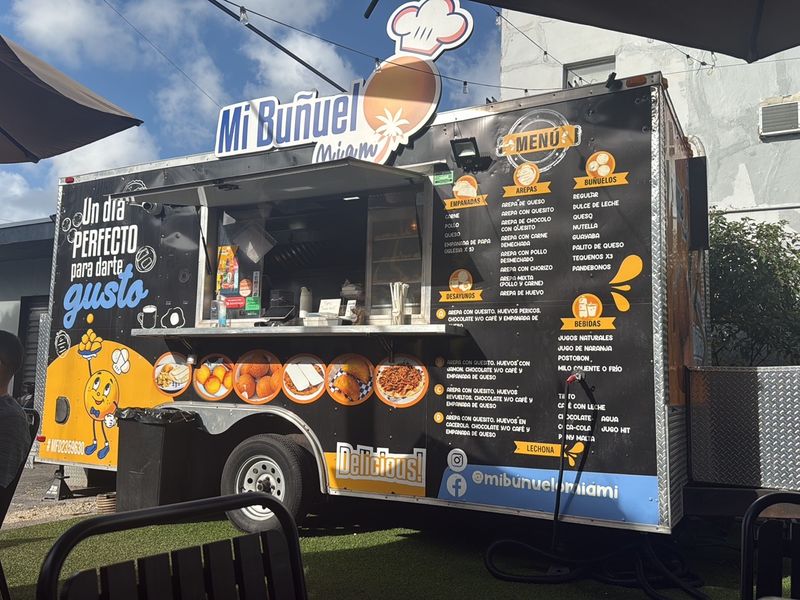
Five tiny empanadas can be a more interesting order than one large one. The mini empanadas de iglesia at this Colombian food truck are filled with potato and hogao, and their proportions put the crisp shell firmly in the spotlight.
At 542 NW 30th Street in Wynwood, they offer a useful counterpoint to the neighborhood’s larger meals: something to share, eat promptly, and discuss without turning the stop into a two-hour undertaking. The posted menu lists five potato-filled minis for $9.60.
That’s a convenient amount for a pair of people comparing notes, although dividing five evenly may require someone to demonstrate unusual generosity. Ask for ají and taste the first one before deciding how much sauce the others need.
With small empanadas, a heavy pour can quickly become the dominant flavor. The regular-size options include beef, chicken, and cheese, while a lechona filling gives you another route if you want a more substantial order.
Chicken with potato also lets you compare how the same comforting ingredient behaves in a different combination. Despite the name over the truck, you can absolutely come here for empanadas alone.
Adding a plain buñuelo, however, makes a useful contrast: a round cheese fritter with a fluffy interior alongside the thinner shell and potato center of the minis. It turns a quick snack into a little study in fried dough without requiring anybody to call it that out loud.
Online ordering can reduce the wait, especially when collecting food for several people. For your own portion, resist saving everything until later.
The point of a small fried empanada is partly that brief meeting of crisp outside and soft filling, and it’s worth being present for it.
El Pub Restaurant
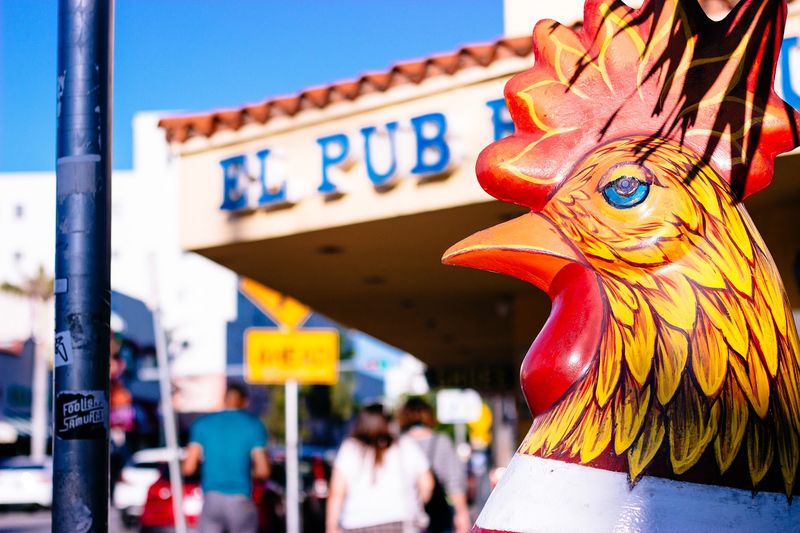
Calle Ocho supplies plenty to look at, but keep an eye on the empanada in your hand. At 1548 SW Eighth Street, the Cuban beef version is generously filled, and picadillo has a way of escaping when your attention wanders.
The ventanita is the move for this tour: order an empanada de carne and a coffee, and let the stop remain a stop. You don’t need to convert every worthwhile bite into a seated meal.
The shell is fried and blistered, a useful change from Sur’s baked Argentine pastry or Cotoa’s plantain dough. That difference becomes especially clear around the edges, where the filling gives way to crust.
Take a bite there before reaching the center and you’ll get a better sense of what the shell contributes. The restaurant is a familiar halt for Little Havana food tours, so you may find yourself alongside visitors getting their first introduction to Cuban empanadas.
That doesn’t diminish the appeal of a straightforward meat pastry and a colada. It does mean this is an easy place to understand how a single food can fit into both an ordinary coffee break and somebody’s first afternoon in the neighborhood.
Keep the coffee order suited to your group: a colada is intended for sharing in small servings, which works nicely when several people are splitting empanadas. Bring enough napkins into the arrangement from the start.
For a wider tasting, compare this beef filling with the shredded meat at a Venezuelan stop or the small Colombian empanaditas in Doral. Pay attention to texture rather than declaring a winner after one bite.
Ground meat, shredded meat, and diced steak each ask something different of their dough. Here, the combination is direct, portable, and best enjoyed before the coffee gets cold.
7tyone Restaurant & Coffee
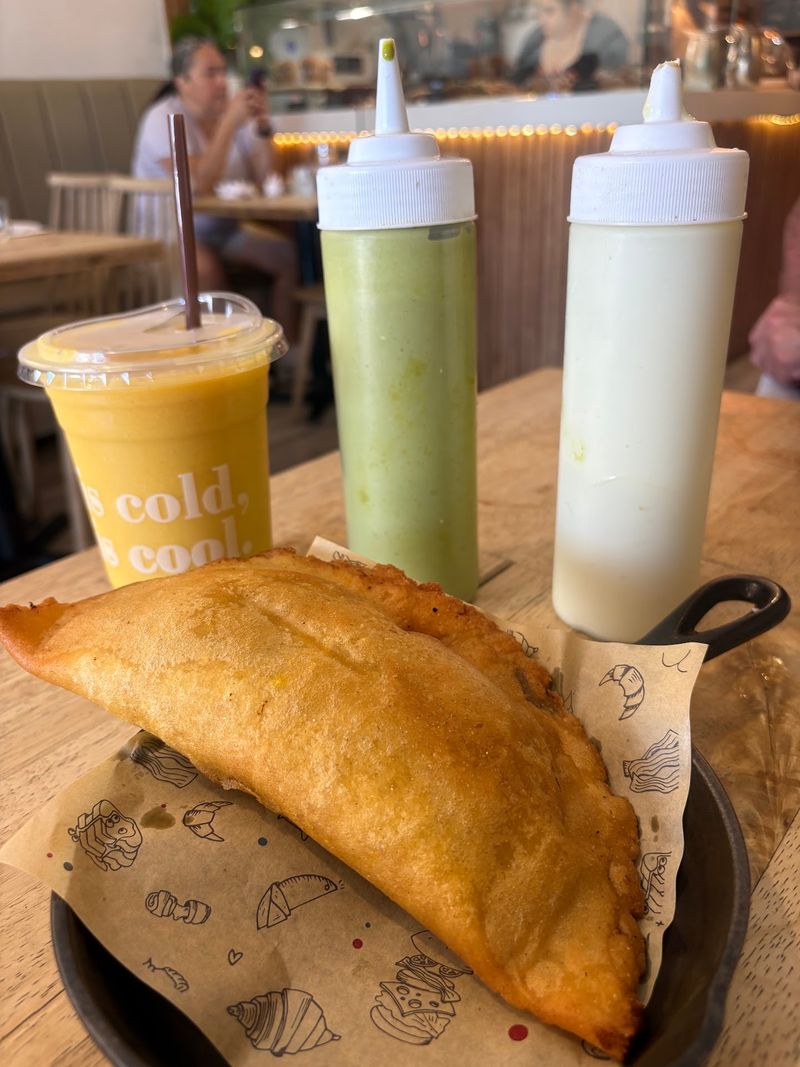
Before planning to carry lunch onto the sand, account for the filling. The Venezuelan empanadas at 1130 Normandy Drive in Miami Beach are substantial enough to deserve a table and a few minutes of attention first.
Plantain and cheese is a particularly useful order because the contrast is so clear: ripe plantain supplies sweetness, while Santa Barbara cheese brings a savory dairy component inside the fried corn shell. The current ordering menu lists that version at $6 and the shredded-beef empanada at $7.
Together, they make a sensible two-person comparison without obliging either person to finish two full empanadas before continuing the day. Split them while they’re warm and keep track of which half belongs to whom; melted cheese is rarely interested in tidy boundaries.
The Normandy Drive location works well as a Miami Beach outing of its own. You can have coffee and an empanada before heading farther into North Beach, rather than trying to squeeze the island into a day already covering Doral and Kendall.
That small routing decision does more for lunch than any frantic effort to collect every stop. If you decide to stay for more, the menu extends to arepas, cachapas, and a large sampler with several Venezuelan snacks.
For an empanada-focused visit, though, there’s value in keeping things narrow. The plantain-and-cheese filling lets you compare sweetness inside the shell with the gentle sweetness of the corn dough itself.
Shredded beef shifts the balance toward a meatier center. Neither needs an elaborate explanation once the two are side by side.
Add the coffee, take the first few bites at a reasonable temperature, and leave the beach bag closed until the cheese has finished making its point.
Pamela’s
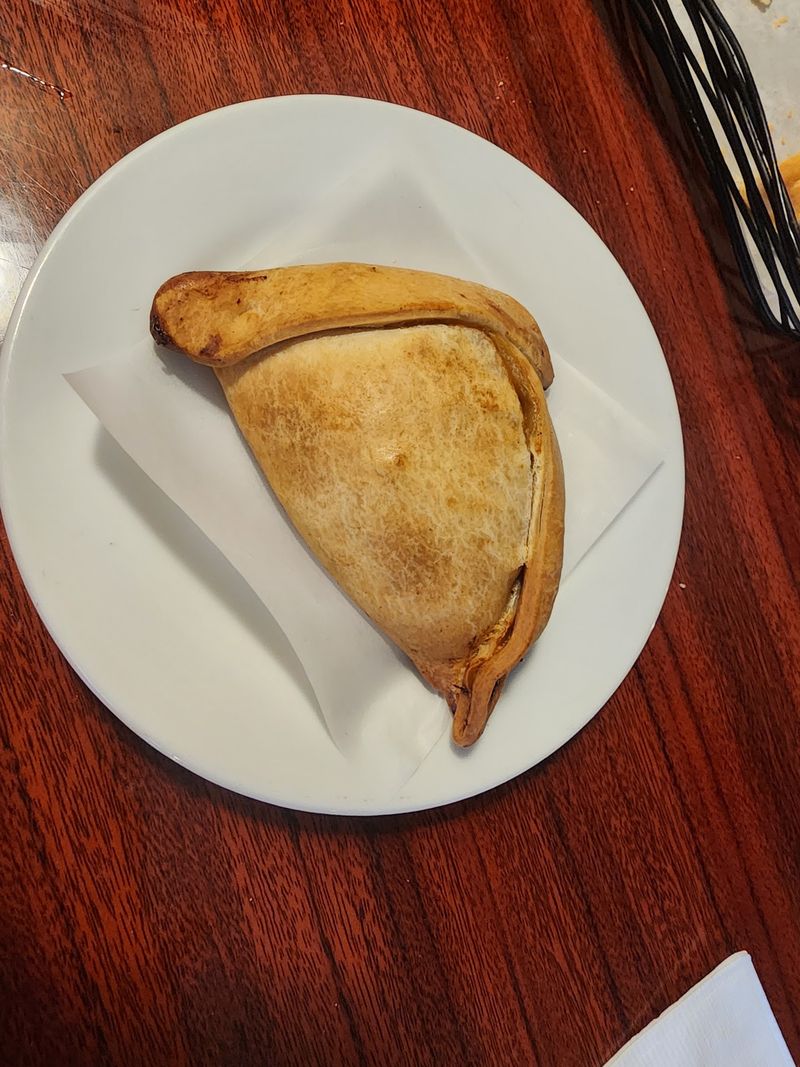
In 1979, Pamela Canales began making empanadas at home. By 1992, that business had grown into Pamela’s Delicatessen, giving this Bird Road stop a history that predates the current enthusiasm for turning every familiar food into a new concept.
Today, the restaurant at 8469 SW 40th Street combines Chilean dishes, pastries, and imported products with the empanadas that helped establish it. Begin with pino, the beef-filled version that includes hard-boiled egg and an olive.
It’s a substantial order, so cut it open rather than assuming it will behave like a small bakery snack. Seeing the cross-section also lets you appreciate how the separate ingredients sit together inside the pastry.
The menu has offered several other fillings, including shrimp and cheese and a mixed-seafood version, with baked and fried preparations among the choices. Ask about the preparation when ordering; that detail matters as much as choosing the filling.
A baked pino and a fried cheese empanada can provide a more useful comparison than two different meats in identical shells. This is also an easy place to turn a tasting stop into lunch with someone who wants a broader introduction to Chilean food.
The imported products and pastry selection give the visit more context without requiring a lecture over the table. Leave time to look around after eating, especially if unfamiliar package names catch your eye.
Posted hours run from 9 a.m. to 10 p.m. Monday through Saturday and 10 a.m. to 9 p.m.
Sunday, offering more flexibility than a lunch-only counter. Pairing this address with nearby Doña Paulina keeps one outing centered on Bird Road.
Eat the pino here first, then let the next kitchen change the scale, filling, and preparation rather than chasing an exact duplicate.
Arepa.bar
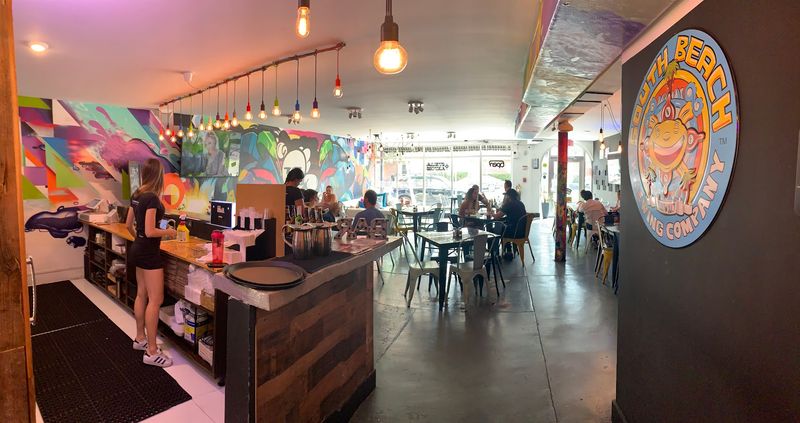
“King size” is a practical warning on this menu. At 169 NW 36th Street, the Venezuelan empanadas are large enough to make a casual snack order turn into lunch.
The posted prices reinforce the point: cheese is $8.50, shredded beef and chicken are $8.99 each, and pabellón is $9.90. Start with one per person at most if you’re continuing the tour, or split two contrasting fillings between several people.
The cheese version gives the corn dough room to register, while pabellón combines beef, sweet plantain, black beans, and white cheese inside one shell. That second option is particularly useful for understanding how an empanada can hold several distinct components rather than a single blended filling.
Take a look at the cut edge before eating: it’s easier to appreciate those differences when you know what’s where. The restaurant also lists sweet plantain with white cheese and a ham-and-Gouda version, offering alternatives that move away from shredded meat.
With so many combinations available, the sensible strategy is to choose for contrast rather than order the most elaborate filling automatically. A simple cheese empanada beside pabellón tells you more than two equally busy options.
The larger size changes the eating experience, too. There’s more filling between encounters with the edge, so using a knife and sharing portions is entirely reasonable.
Nobody needs to prove they can manage the whole thing one-handed. This Wynwood address pairs naturally with Mi Buñuelo for an especially clear comparison in scale: pocket-size Colombian potato empanadas at one stop, oversized Venezuelan corn pockets at the other.
Keep the second order flexible until you’ve finished the first. Appetite is useful information, and this menu gives it plenty to consider.
Apocalypse BBQ
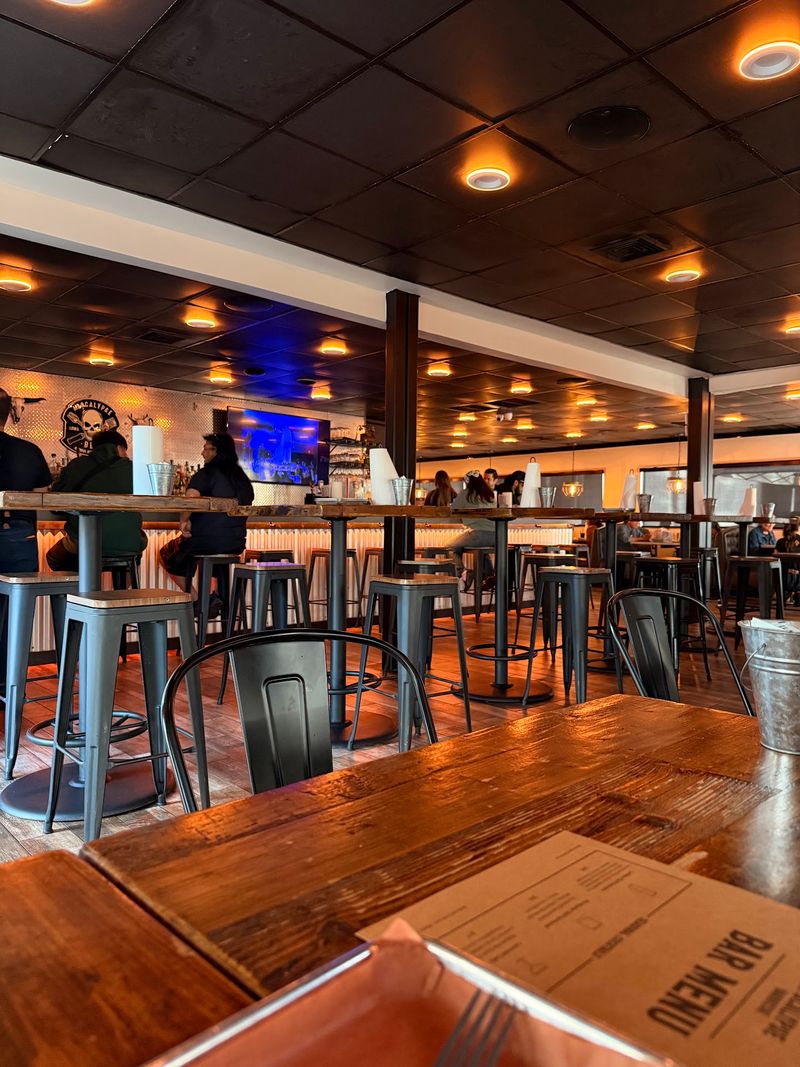
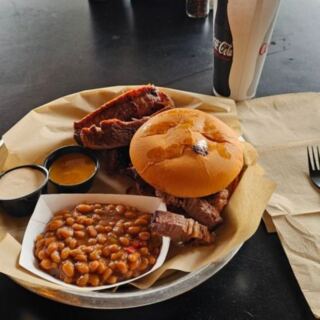
Ask about the day’s filling before deciding what else to order. The empanadas at this Kendall barbecue restaurant rotate, and the current menu deliberately leaves both the flavor and price open.
At 8695 SW 124th Avenue, that makes the conversation with your server part of choosing lunch rather than a formality. Smoked brisket and cheese has been one of the notable combinations, while other versions have drawn on Cuban sandwiches and picadillo.
The appeal is the way barbecue moves into an empanada shell: meat associated with a platter becomes a compact first course, carrying smoke and richness into a different format. It belongs on this tour because Miami’s empanada story includes cooks borrowing from several traditions in the same kitchen.
There’s no need to assign every filling a single national flag. The broader menu makes that point clearly, with cafecito ribs, mojo-marinated chicken chicharrón, and smoked wings that receive a turn in the fryer.
For an empanada tasting, start small before committing to a tray of meat. Rich fillings can make the distance between “another bite” and “I need to sit here awhile” surprisingly short.
If brisket is available, try the empanada before adding more barbecue sauce so you can judge the meat and dough together. If another filling is on, let that be the version you experience rather than treating the rotation as an inconvenience.
This is also a sensible stop for the person in your group who has been asking when the tour will include barbecue. They get their answer, and you get an example of an empanada doing something beyond reproducing a familiar recipe.
A folded pastry is an adaptable idea; a smokehouse gives it a particularly hearty assignment.
Doña Paulina
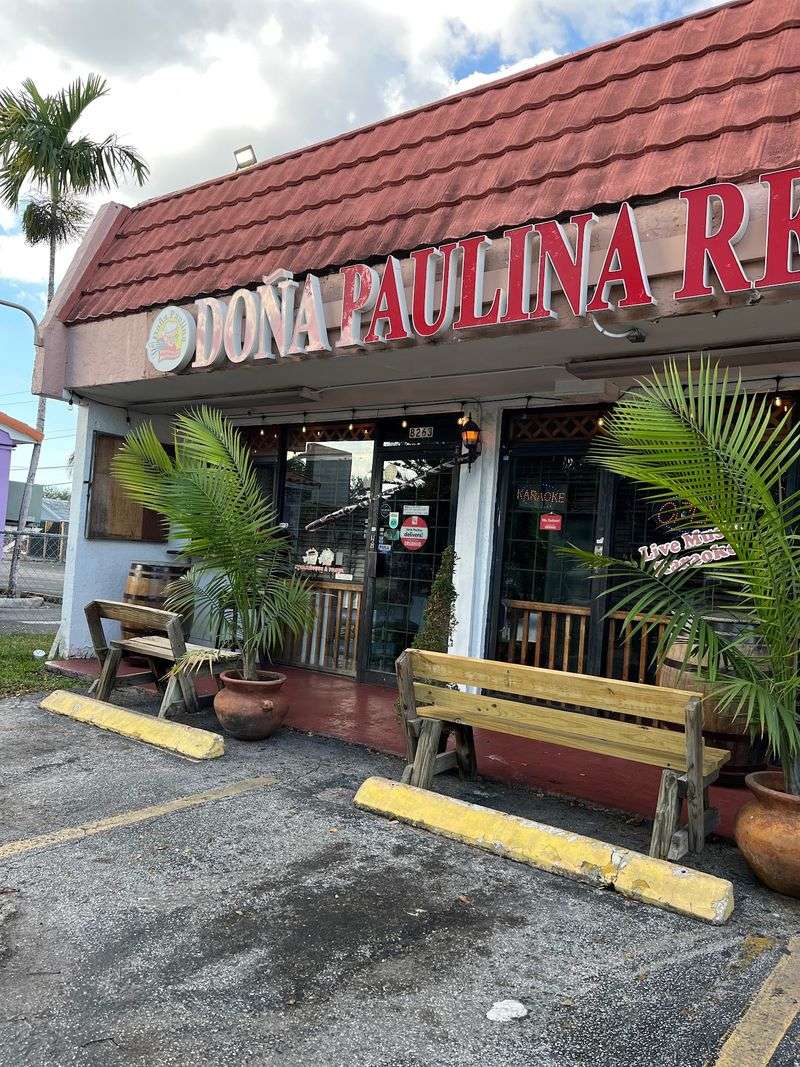
Ham and cheese can tell you plenty about an empanada kitchen. With only a few central ingredients, the proportion of filling, the texture of the dough, and the way the edges close all become easier to notice.
At this Uruguayan restaurant at 8263 Bird Road, jamón y queso is a strong starting point, particularly fried. The empanadas are made on the spot, and the hand-shaped folds give the order the small variations you’d expect from individual preparation.
Ask for the fried version explicitly if that’s what you want; baked empanadas are also part of the offering. Then give the cheese a moment before cutting or biting.
The shell can look perfectly approachable while the center remains determined to punish impatience. This stop works well after Pamela’s because the two restaurants share the Bird Road corridor while offering different perspectives.
A large Chilean pino with beef, egg, and olive sets up an easy comparison with a Uruguayan ham-and-cheese empanada: several distinct filling components at one table, a simpler pairing at the next. Keep the comparison curious rather than competitive.
There’s more to learn from noticing the dough and proportions than from forcing lunch into a championship bracket. The rest of the menu includes the chivito sandwich, another route into Uruguayan cooking if your group decides to stay.
For this outing, however, the empanada can stand on its own. Sit down, order something cold, and eat it while the outside still has its texture.
Bird Road rewards this kind of focused visit: choose one thing carefully, give it your attention, and leave enough appetite for another kitchen. Sometimes a familiar filling is precisely what makes the differences easier to taste.
Empanada Harry’s
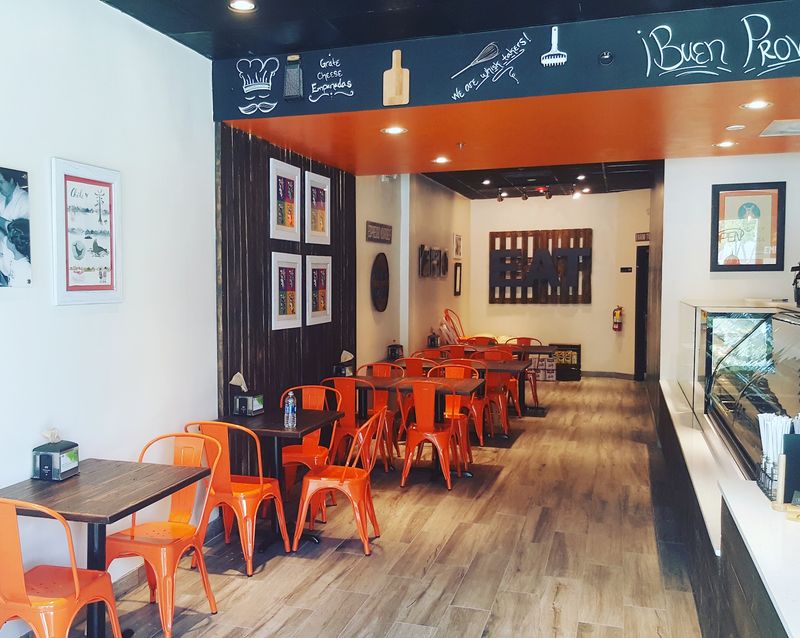
The difficult part is editing your order. At 4009 SW 152nd Avenue in West Kendall, the range draws on several Latin American traditions while making room for fillings such as chipotle chicken, pulled pork, and truffle bacon macaroni and cheese.
Chef Harry Coleman’s background helps explain that breadth: he grew up watching his father make Chilean empanadas at Moises Bakery and later ran his family’s Charlotte Bakery. This is a bakery with a substantial reference point for the classics and enough confidence to take detours.
The selection rotates, so use what’s available to construct a comparison rather than arriving with an inflexible shopping list. Choose one familiar meat filling, one cheese or vegetable option, and one combination you haven’t tried before.
That gives the table a useful spread without turning the order into a challenge. The five-cheese version, for example, combines Fontina, Gouda, mozzarella, ricotta, and Parmesan with everything-bagel seasoning.
It’s a reminder that the pastry can comfortably accommodate influences outside any single national tradition. Sharing is especially rewarding here, but identify the fillings before everyone starts cutting.
Once several different empanadas are opened together, even an organized lunch can become a guessing game. The bakery is also connected to Smoke & Dough, which gives the smoked-meat fillings a broader context within Coleman’s cooking.
If one of those is available, pair it with a more traditional option instead of letting the novelty take over the entire order. This address is best treated as a West Kendall outing, with room in the schedule to choose and eat thoughtfully.
A big selection doesn’t require a big performance. Three well-chosen empanadas can start a better conversation than a box nobody can finish.
Casa MX
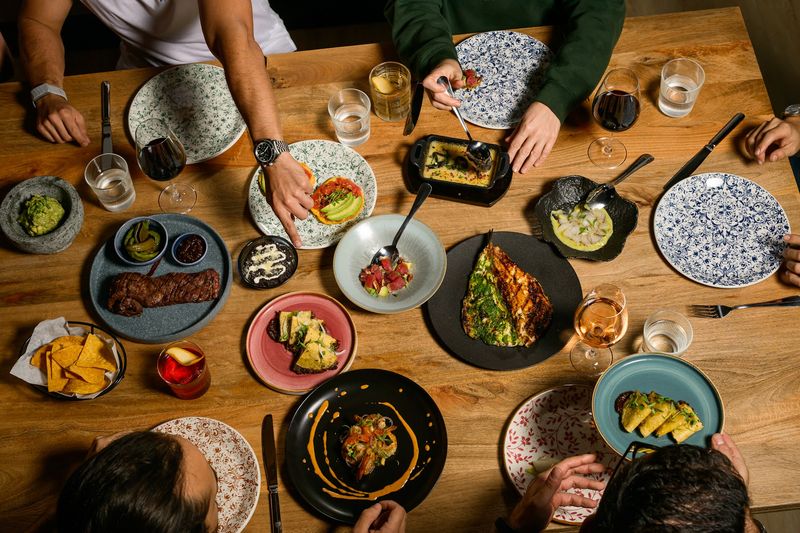
Cilantro crema is part of the plan here. At 2345 SW 37th Avenue, the Mexican restaurant’s current menu lists empanadas filled with chicken tinga and cheese or carnitas, served with that creamy accompaniment.
The listed price is $9, placing the dish comfortably in the opening stages of a seated meal. This is a useful change of setting after counters, trucks, and bakery boxes: order a drink, settle in, and let the empanadas arrive as a starter.
Chicken tinga and carnitas give you two different directions within the same format, so ask about the available portion and whether your table can try both. Taste the pastry and filling together before adding the crema, then use enough sauce to notice what it contributes.
That small pause matters on a tour where accompaniments range from ají to olivo to barbecue sauce. The sauces are part of the comparison, but they shouldn’t erase the empanadas they accompany.
The menu places the dish alongside guacamole made with cilantro, red onion, and serrano, plus queso fundido with Oaxaca cheese and poblano peppers. There’s an easy larger meal available if you decide this is the day’s last stop.
If you’re continuing elsewhere, one shared starter is a more sensible commitment than ordering the entire opening section out of enthusiasm. The address sits near Coral Gables, making it easier to fit into an outing on this side of town than into a hurried circuit of North Miami and the beach.
Let geography make one decision for you. The table can handle the rest: which filling to choose, how much crema to add, and whether anyone is prepared to surrender the final piece without negotiations.
Milly’s Empanada Factory
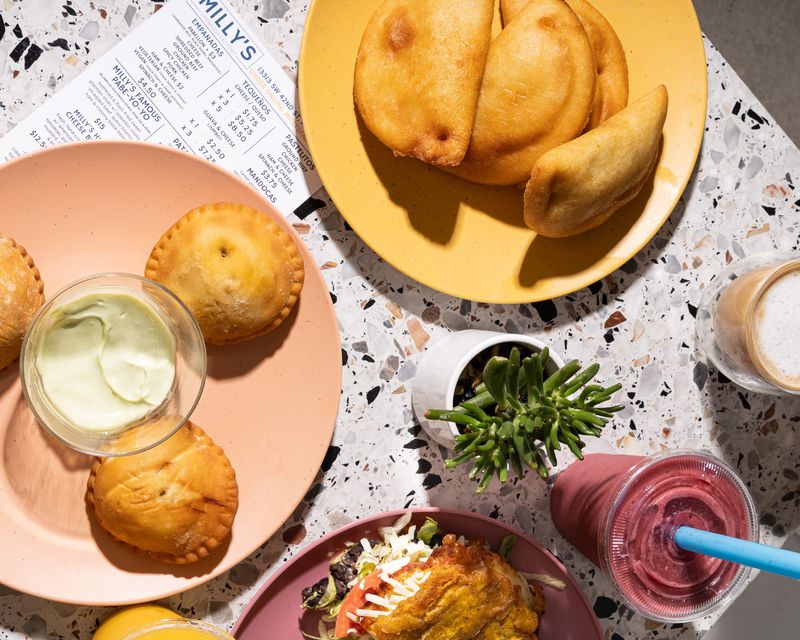
An empanada-shaped mirror is a fairly clear declaration of priorities. At the Kendall location, 13313 SW 42nd Street, it’s joined by dark blue walls and a mural, giving the room specific character beyond the usual promise of a pleasant café.
The food keeps the emphasis on Venezuelan staples: empanadas, arepas, and cachapas rather than a menu that treats the namesake pastry as an occasional extra. The empanadas are medium-size, fried to order, and made with corn dough that carries a little sweetness.
After encountering oversized versions in Wynwood, baked pastry in Little Haiti, and plantain dough in North Miami, this is a good place to settle back into that particular balance of sweet corn shell and savory filling. Choose from the day’s selection, order coffee, and eat the first one before deciding whether you need another.
That approach leaves room to notice the dough instead of becoming preoccupied with finishing a large order. The distinction matters after a long tasting route, when rich fillings can start to blur together.
Pay attention to the edge, the thickness of the shell around the center, and how the filling sits against it. You don’t need a scoring sheet; a few attentive bites will do.
The room also makes this an easy place to sit with someone whose interest in empanada comparisons has begun to give way to an interest in coffee. They can relax while you quietly decide which style you’d return for.
Keep the Kendall address in your navigation, since the business also has a Wynwood ordering location. Here, the closing scene is small enough: a cup on the table, a warm corn-dough empanada opened at the seam, and a few crisp crumbs that never quite make it onto the napkin.
Share this story