Refrigerating bread can make it go stale faster, even though the cold may slow mold growth. That little twist explains why finding the best spot for groceries takes more thought than simply squeezing another bag onto a crowded shelf beside the milk and yesterday’s leftovers.
Cold storage helps many foods stay safe, but it can also change texture, encourage unwanted moisture, or make certain ingredients harder to use. I like a kitchen habit that saves space and cuts waste, especially when it requires little more than a cupboard, a paper bag, or a better lid.
The trick is knowing which foods prefer a cool, dry spot and which need different treatment once you peel, slice, or cook them. A few simple changes can protect your groceries and leave the refrigerator with more breathing room, without turning your kitchen into a science project.
1. Potatoes
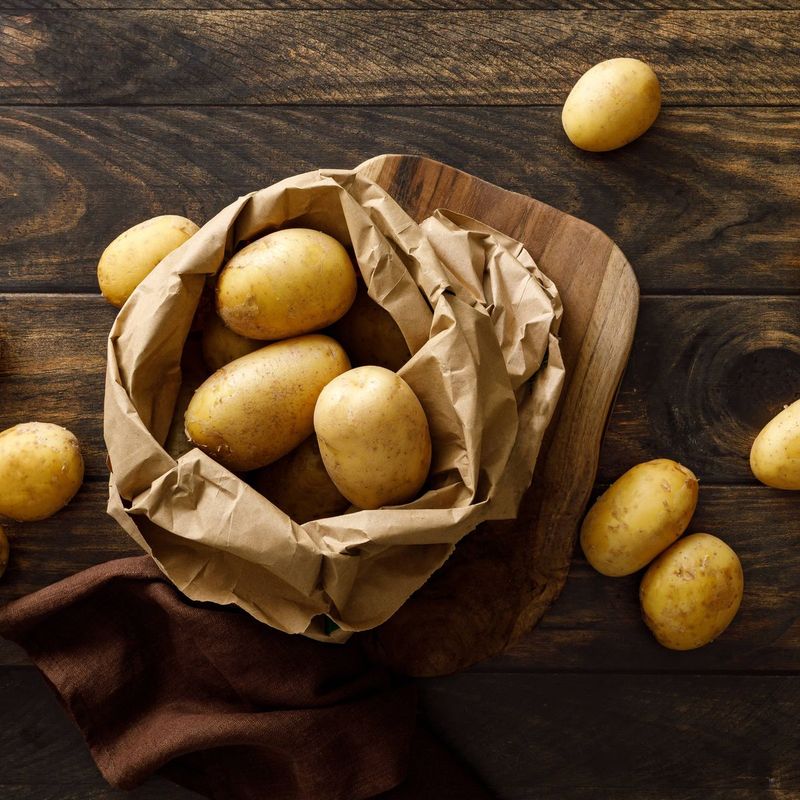
A refrigerator can give your potatoes an unexpected sweet streak. Cold temperatures can turn some of their starch into sugar, changing their flavor and how quickly they brown during cooking.
Give whole, uncooked potatoes a cool, dark, dry spot with good airflow instead. A ventilated cupboard, suitable cellar, or pantry away from the stove works better than a bright counter or sealed plastic bag.
Keep them in a paper bag, an open basket, or a container with ventilation holes. Leave the dirt alone until cooking time, since washing before storage adds moisture that can encourage spoilage.
Darkness matters because light can cause potatoes to turn green and increase natural compounds called glycoalkaloids. Don’t eat potatoes that are extensively green, badly sprouted, shriveled, or bitter; discarding questionable potatoes is the safer choice.
Store your supply separately from onions, and check it regularly for soft spots, leaking, or an unpleasant smell. Remove spoiled potatoes promptly, and buy smaller amounts if your home lacks a reliably cool storage area.
Once you cut or cook a potato, the pantry rule no longer applies. Refrigerate cut potatoes promptly in a covered container, and chill cooked potatoes within two hours, or one hour above 90°F.
For peeled potatoes you’re preparing ahead, cover them with cold water and refrigerate until the next day. Drain before cooking, and remember that a bowl of soaking potatoes belongs in the refrigerator, not beside the fruit bowl.
Avoid treating a hot garage as a pantry, especially during summer when temperatures can climb sharply. Your goal is steady, cool storage rather than simply finding any spot outside the fridge, because heat also shortens storage life.
Labeling your bag with the purchase date helps you use older potatoes first. Think of the cupboard as temporary parking, not a place to forget dinner ingredients for months.
2. Onions
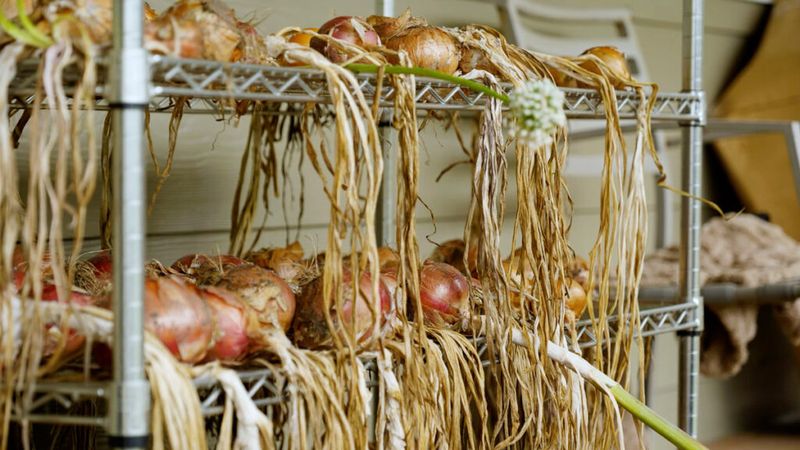
Papery onion skins are useful packaging, but they aren’t a raincoat. Damp storage can encourage mold and decay, making a humid refrigerator a poor default for whole, cured bulb onions.
Choose a cool, dry, well ventilated cupboard or pantry instead of the crisper drawer. Keep the onions away from direct sunlight, the dishwasher, and other spots that collect heat or moisture during daily kitchen chores.
A mesh bag, wire basket, or open container lets air move around the bulbs. Skip tightly sealed plastic bags, and avoid packing onions so closely that you cannot easily check their condition.
Leave the dry outer layers in place until you’re ready to prepare dinner. Brush away loose debris if needed, but don’t wash your stored onions, since extra water works against that dry storage setup.
Keep potatoes in a different storage area rather than building one big basket of soup ingredients. Both need thoughtful storage, and separating them makes it easier to manage moisture and spot a spoiled vegetable.
Give a bulb a quick check before chopping, especially if it feels soft or has a damp patch. Discard onions with mold, leaking tissue, or a rotten smell rather than hoping cooking will solve the problem.
The rules change once your knife breaks through those protective layers. Refrigerate peeled, sliced, or chopped onions in a covered container, and use refrigerated chopped onions within seven to ten days.
Green onions also belong in the refrigerator, and sweet onions generally need more careful, shorter storage than sturdy cured varieties. Follow package directions when supplied, because the word onion covers vegetables with different storage needs.
Buying a smaller bag may serve you better than storing a bargain sack for too long. Your pantry should help preserve dinner plans, not become an onion retirement village with questionable residents and increasingly limited shelf space.
3. Garlic
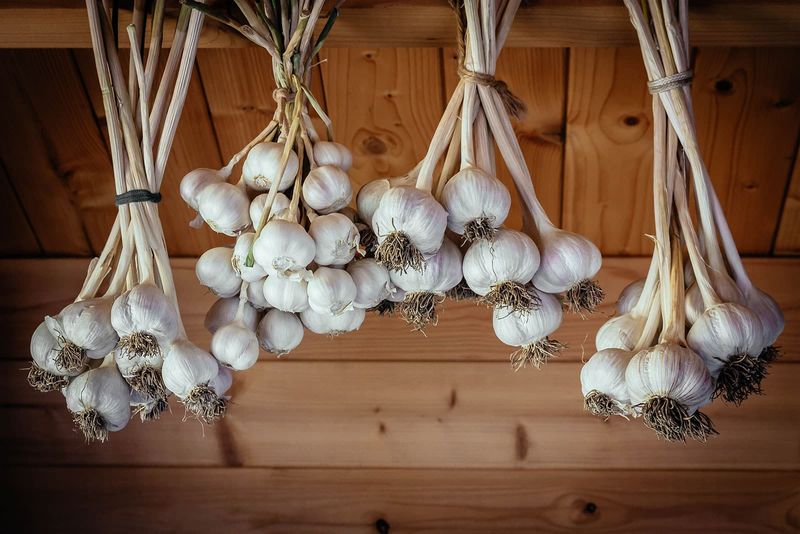
Those tiny garlic cloves already come wearing their own storage jackets. Keep the papery skins intact, and you can usually skip the refrigerator for whole, dry bulbs waiting for their next recipe.
Set them in a cool, dry cupboard with good airflow and protection from direct sunlight. An open basket, mesh bag, or ventilated garlic keeper suits the job better than a sealed plastic container.
Leave each bulb whole until you need to pull off a clove for cooking. Breaking it apart shortens its useful storage time, so resist peeling an entire bulb just to feel impressively prepared.
Moisture is the troublemaker here, especially when a storage container traps it against the skins. Don’t wash bulbs before putting them away, and avoid keeping them beside a steaming kettle or a damp sink.
Check your supply occasionally for soft cloves, mold, or an unpleasant smell. A green shoot can taste bitter, but sprouting alone doesn’t mean garlic is unsafe; remove the shoot if you prefer.
Peeled and chopped garlic need different handling because their protective covering is gone. Refrigerate them promptly in a covered container, use them soon, and follow the storage instructions on commercially prepared products.
Homemade garlic in oil deserves special attention, because room temperature storage can allow dangerous bacteria to grow. Refrigerate it immediately at 40°F or below, use within four days, or freeze it for longer storage.
Never assume that adding oil makes fresh garlic safe to leave on the counter. Commercial garlic products may use processing methods you cannot copy by simply pouring oil into a jar at home.
For ordinary meal planning, buying a few sound bulbs often beats stockpiling a large bag. Keep the whole bulbs dry, chill prepared garlic when needed, and let your storage routine stay simpler than your favorite pasta recipe on a busy weekday evening.
4. Bread
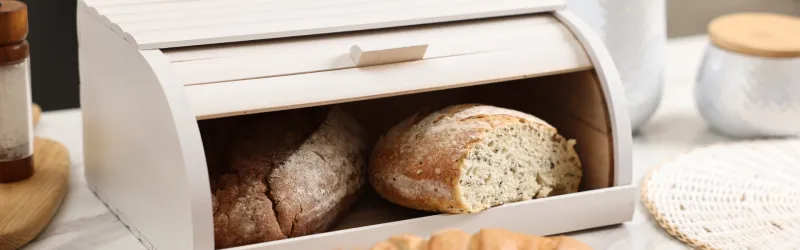
The fridge can make your sandwich loaf stale ahead of schedule. Its cool temperatures speed changes in bread starch that firm the crumb, even while they may slow the growth of mold.
For bread you’ll eat soon, choose a clean, dry spot at room temperature. Keep packaged sandwich bread in its original bag, close it securely, and protect it from sunlight and heat from nearby appliances.
A bread box can help organize your counter, but it still needs regular cleaning. Sweep out crumbs and let the inside dry before adding another loaf, especially after discovering mold in a previous batch.
Crusty bakery bread presents a small tradeoff between a crisp crust and a soft center. A paper bag preserves the crust better briefly, while plastic holds moisture but tends to soften that crisp outer layer.
Planning beyond the next couple of days calls for the freezer rather than the refrigerator. Slice the loaf first, wrap it tightly, and use a freezer bag or suitable airtight container to limit drying.
Freeze portions you can use easily, and mark the package with the date. You can toast many slices straight from frozen, which makes breakfast easier without requiring an entire loaf to thaw at once.
Check bread before eating, and discard the whole loaf if you see mold. Bread is porous, so cutting away the visible spot doesn’t reliably remove the growth spreading beyond what you can see.
Filled breads and baked goods with perishable toppings don’t follow the plain loaf rule. Refrigerate items that require it, including products with meat or custard, and follow their labels for safe storage.
In a hot, humid kitchen, freeze bread sooner instead of stretching counter storage. A small stash of ready portions gives you a practical backup without making the refrigerator your loaf’s unofficial waiting room until lunchtime tomorrow.
5. Honey

Grainy honey usually needs patience, not a trip to the trash. Crystals can form naturally as sugars separate from the liquid, and that change alone doesn’t mean your honey has spoiled.
A refrigerator often speeds crystallization and makes honey harder to pour or spread. Store ordinary shelf stable honey in a tightly closed container in a dry cupboard, away from sunlight and heat sources.
Keep the original lid clean, and close it firmly after spooning out what you need. Honey absorbs moisture from its surroundings, so leaving the jar open works against the conditions that help it keep well.
Use a clean, dry spoon instead of dipping in a utensil covered with tea or crumbs. Added water and food debris can change storage conditions, which is a good reason to skip double dipping.
To soften crystallized honey, stand a heat safe jar in a bowl of comfortably hot water. Keep water out of the container, stir gently as the crystals loosen, and avoid sudden temperature changes with glass.
Don’t put a plastic squeeze bottle into boiling water or microwave a container without checking its instructions. Gentle heating is usually enough, and overheating can affect flavor while making the container awkward to handle safely.
Texture varies between honeys, and some crystallize much sooner than others because their sugar balance differs. Creamed honey even uses fine crystals on purpose, producing a spread rather than a clear, flowing syrup.
Read the label on flavored honey blends or products containing additional ingredients, since their storage instructions may differ. Also remember that infants younger than twelve months should not receive honey, regardless of where you store it.
If you notice mold, an unusual fermented smell, or other concerning changes, discard the product. Otherwise, a dry shelf and clean spoon usually beat a chilly jar that requires a workout before breakfast.
Share this story