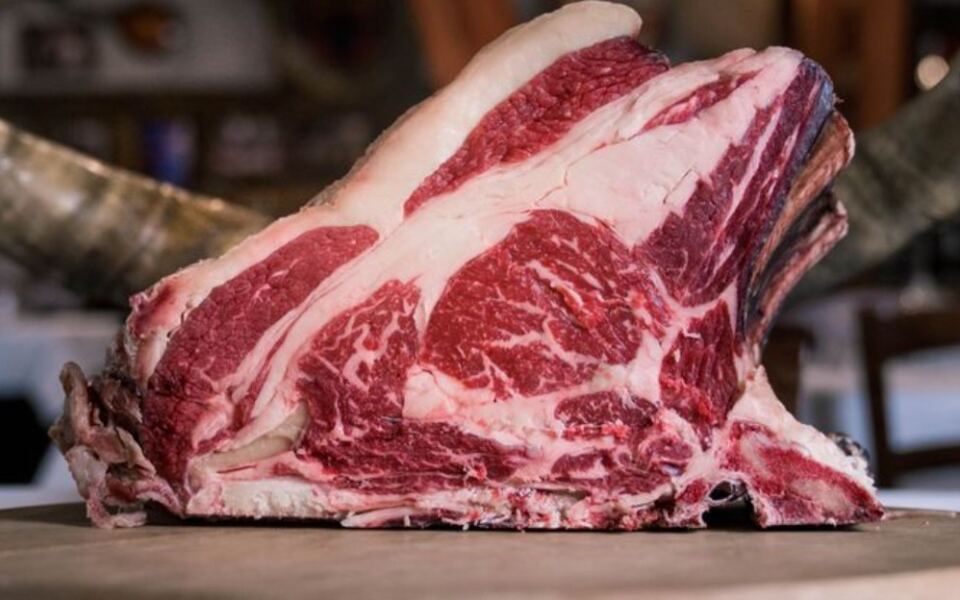
Prime rib is not always prime. In butcher talk, the name describes the cut, while USDA Prime is a separate grade that only a small share of beef earns.
I love that little twist. It means the roast on your holiday table might be called prime rib and still carry a Choice or Select label.
Knowing that difference can save you money and a lot of confusion at the meat counter.
Butchers think about roasts in terms of fat, muscle, and how much work a cut did on the animal. Those details decide whether a roast turns out juicy or chewy.
They also decide how fast it cooks.
So which cuts do the pros actually point to when families ask for something special? I was curious too, and the answers range from fancy to surprisingly budget friendly.
1. Standing Rib Roast
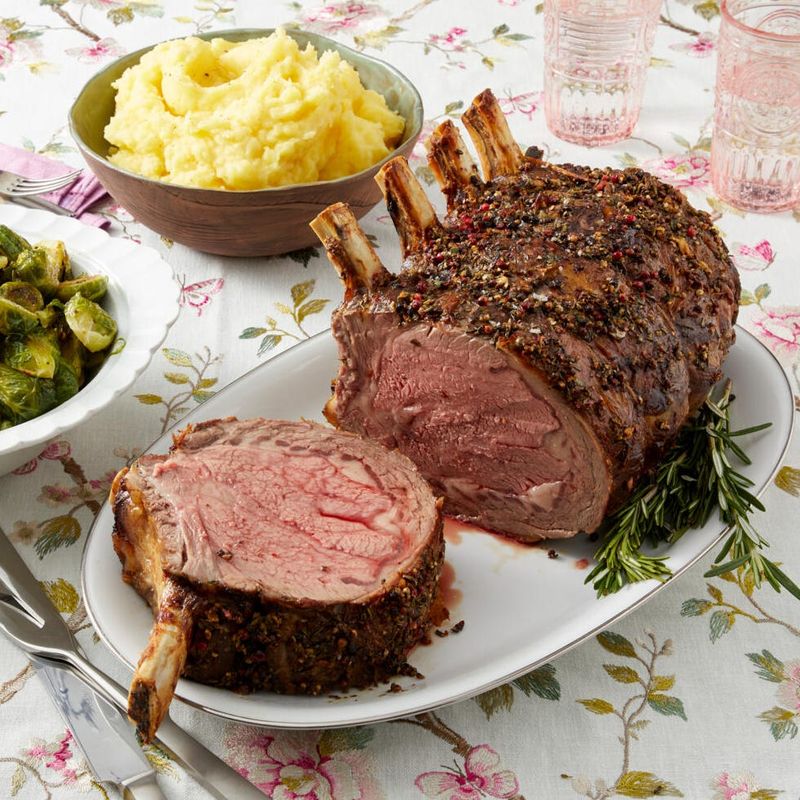
Bones are the secret weapon here, and butchers love them for a reason. The rib bones act like a built-in roasting rack and help shield the meat from harsh heat.
A standing rib roast comes from the rib section, which covers ribs six through twelve on the steer. That area doesn’t work very hard, so the meat stays tender.
It also carries generous marbling, those thin white streaks of fat that melt as the roast cooks.
Here’s a handy butcher rule. Plan on about one rib for every two guests.
A four-bone roast feeds around eight people, with maybe a few leftovers if your crowd shows restraint.
Ask your butcher for the first cut, sometimes called the small end or loin end. It sits closer to the loin and has a bigger center eye of meat.
The other end has more fat and extra muscles, which some folks actually prefer for flavor.
Seasoning can stay simple. Salt the roast a day ahead and leave it uncovered in the fridge.
That dry brine seasons the meat deeply and helps the outside brown into a crisp, salty crust.
For cooking, many experts now favor the reverse sear. You roast low, around 225 to 250 degrees, until the center reaches about 120 degrees for medium rare.
Then you blast it in a very hot oven for a quick, dramatic browning.
Use a meat thermometer, not a timer. Roasts vary in shape and size, and guessing is how holiday dinners turn gray.
A good digital thermometer is cheaper than a ruined centerpiece.
Let it rest about 20 to 30 minutes before slicing. Then cut away the bones and slice the meat.
Save those bones for gnawing in the kitchen. Nobody has to know.
2. Beef Tenderloin
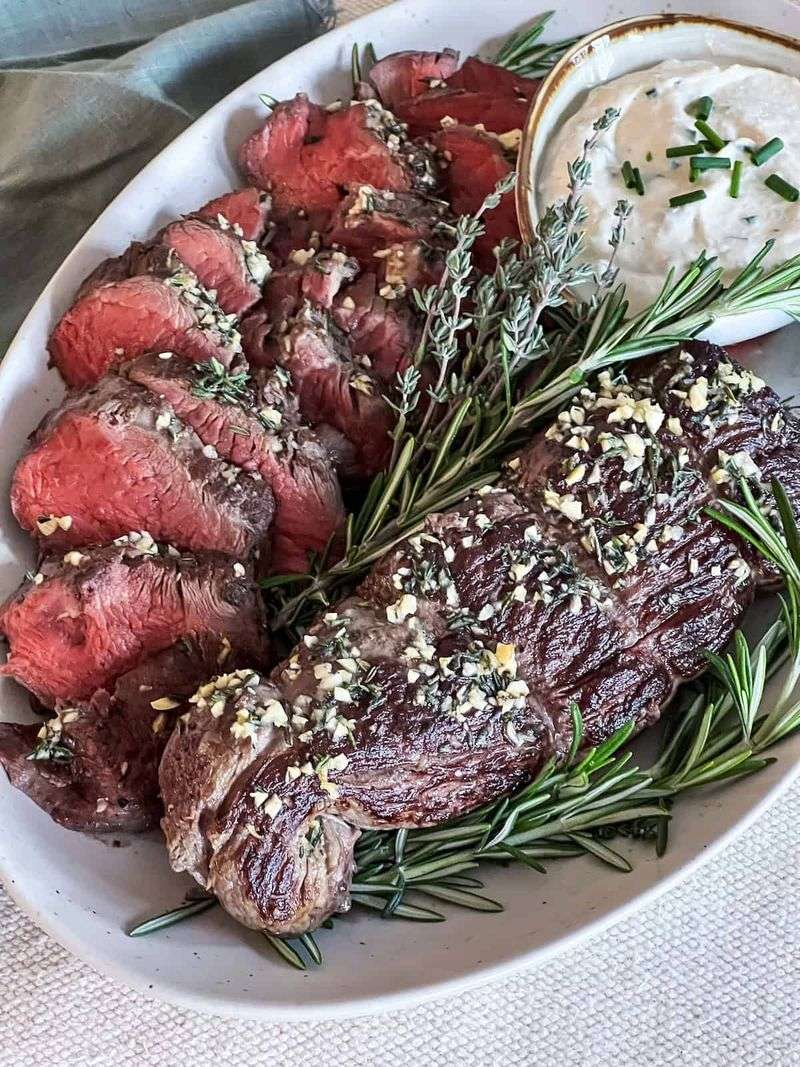
Fancy restaurants charge a lot for filet mignon. Buy the whole tenderloin, and you’re basically serving a stack of filets in one handsome log.
The tenderloin runs along the inside of the backbone. It barely moves during the animal’s life, which explains its buttery, spoon-soft texture.
It’s the most tender cut on the steer, and butchers rarely argue that point.
The tradeoff is flavor. Tenderloin is lean and mild, so it needs a little help.
A bold crust of salt, pepper, and garlic works wonders. So does a sauce like horseradish cream or a simple pan sauce.
Shopping tip time. You can buy it untrimmed and peel off the fat and silver skin yourself.
Silver skin is that shiny, tough membrane that won’t soften in the oven. Or ask the butcher to trim it, which costs more but saves you a fiddly job.
The shape matters too. One end tapers into a skinny tail that cooks faster than the thick middle.
Butchers often fold that tail under and tie it with string, so the whole roast stays an even thickness.
Cooking moves fast. A trimmed tenderloin can roast at high heat in well under an hour.
Pull it around 125 degrees for medium rare, since the temperature keeps climbing while it rests.
Because it’s so lean, overcooking is the big risk. A few extra minutes can turn silky meat into something dry.
Keep that thermometer handy and check early.
One bonus here is easy slicing. No bones, no awkward carving, just neat round medallions.
Plan on roughly half a pound per person before trimming, and your guests will feel very spoiled.
3. Boneless Ribeye Roast
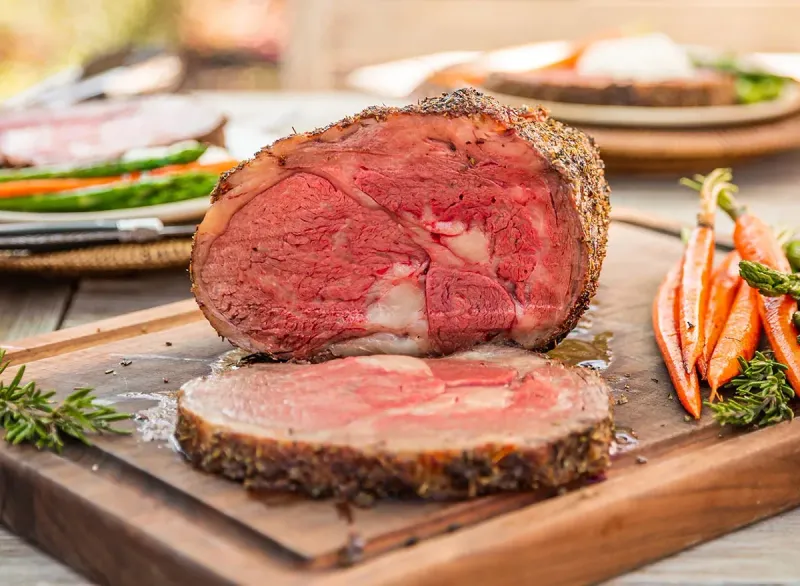
Love prime rib but hate wrestling with bones at the carving board? Butchers have a quiet answer, and it’s the same meat with the bones taken off.
A boneless ribeye roast comes from the very same rib section as the standing rib roast. You get the rich marbling and beefy flavor without any awkward carving around ribs.
It’s the shortcut many home cooks wish they’d known about sooner.
Some butchers will even cut the bones off and tie them back on. That gives you the flavor and protection of bones during cooking, plus easy removal before slicing.
Just ask. Plenty of meat counters will do it.
Look for a roast with an even shape and good marbling throughout. Thin streaks of fat spread across the meat mean more juiciness.
Big chunks of hard fat on the outside, though, mostly get trimmed away.
Tying matters with this cut. Twine wrapped every inch or so keeps the roast round and compact.
A tight shape cooks more evenly, so the edges don’t race ahead of the middle.
Without bones slowing the heat, the boneless version usually cooks a bit faster. Start checking the temperature earlier than you would for a bone-in roast.
Pull it for medium rare when the center hits roughly 120 to 125 degrees.
Seasoning ideas can get playful here. A paste of garlic, rosemary, mustard, and olive oil sticks nicely to the surface.
Coarse black pepper adds a nice bite against the rich fat.
Leftovers might be the best part. Thin slices make outstanding sandwiches the next day.
Add a swipe of horseradish and some crusty bread, and the holiday keeps going a little longer.
4. Top Sirloin Roast
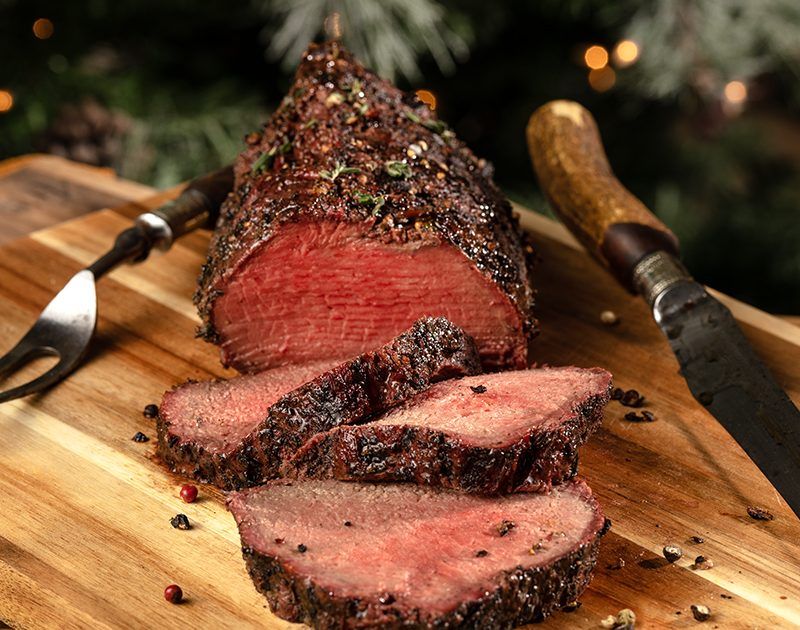
Feeding a big family on a regular budget is its own holiday sport. Top sirloin is the cut butchers often hand over when people want flavor without the fancy price tag.
The sirloin sits toward the back of the steer, just behind the short loin. The top sirloin portion is fairly tender and tastes deeply beefy.
It’s leaner than ribeye but still carries a satisfying, hearty chew.
Don’t mix it up with bottom sirloin, which comes from a nearby but tougher area. Read the label, or simply ask.
A good butcher will happily point you to the right piece.
Because it’s lean, this roast loves a little extra flavor. Marinades work well, and so does a heavy coat of herbs and garlic.
Salting a day ahead also helps the meat hold onto moisture.
Medium rare to medium is the sweet spot. Push it further, and the lean meat can start to feel tough and dry.
Aim for about 130 degrees in the center before resting.
Slicing makes a real difference with sirloin. Cut thin pieces across the grain, which means slicing against the direction of the muscle lines.
That simple trick shortens the fibers and makes each bite noticeably more tender.
Need gravy? The pan drippings from a sirloin roast make a tasty base.
Scrape up the browned bits, add some broth, and thicken it with a little flour.
Sides can carry some of the show here. Roasted potatoes, carrots, and onions can cook right in the same pan.
You’ll have a full, filling dinner, and your wallet won’t need a holiday recovery period.
5. Tri-Tip Roast
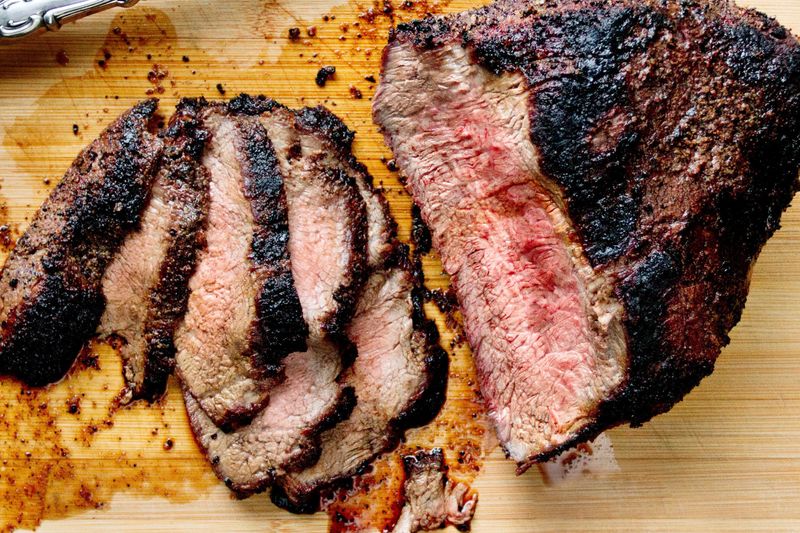
California claims this triangle-shaped cut as a local legend. Santa Maria, on the state’s Central Coast, made tri-tip famous with its oak-grilled barbecue tradition.
Tri-tip comes from the bottom sirloin and weighs only about two to three pounds. Its small size makes it perfect for smaller holiday gatherings.
Think four to six people, not a giant family reunion.
Flavor is where this cut shines. It’s beefy and fairly tender with decent marbling.
Many butchers call it one of the best values at the meat case.
Here’s the tricky part, and it’s important. The grain runs in two different directions across a tri-tip.
Find where the lines change, cut the roast into two pieces there, and then slice each piece across its own grain.
Skip that step, and you might end up chewing longer than you’d like. Take a moment to look closely at the muscle lines before cutting.
Your guests’ jaws will thank you.
Cooking options are flexible. You can roast it in the oven, grill it, or use a reverse sear.
A simple rub of salt, pepper, and garlic is the classic Santa Maria approach.
Because it’s so compact, tri-tip cooks quickly. It can be ready in well under an hour in a hot oven.
Pull it around 130 degrees for medium rare and let it rest about 10 minutes.
Not every grocery store carries it outside the West. Your local butcher can often cut one if you call ahead.
It’s a fun choice when you want a holiday roast with a little laid-back, backyard personality.
6. Eye of Round Roast
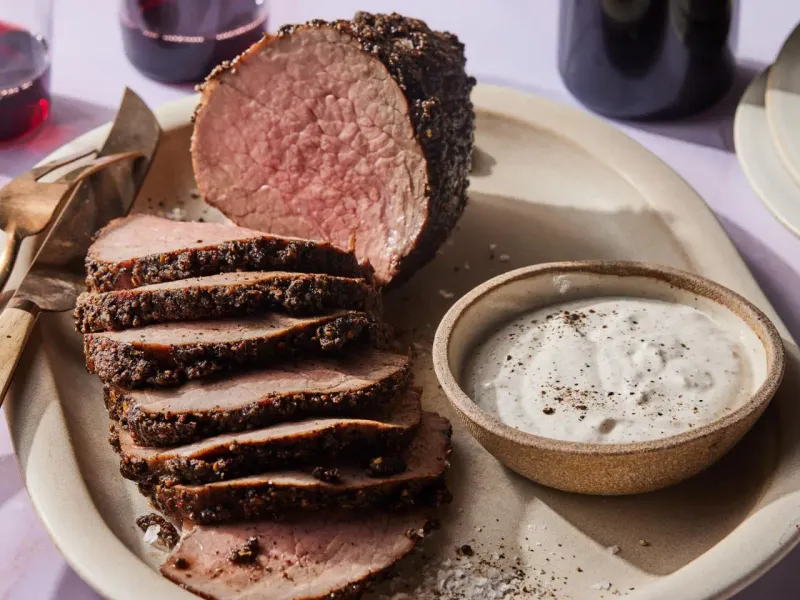
Deli roast beef has to come from somewhere. Eye of round is a favorite source, and it can make a surprisingly classy holiday roast.
This cut comes from the round, which is the rear leg of the steer. Those muscles work hard, so the meat is very lean and can turn tough.
With the right method, though, it becomes tender and sliceable.
The big selling point is price. Eye of round is usually one of the most affordable roasts at the counter.
It’s a smart pick when you’re feeding a crowd or planning a big holiday buffet.
Low and slow is the winning formula. Many cooks brown it first, then roast at a low oven temperature.
Some popular methods even turn the oven off partway and let the leftover heat finish the job.
Medium rare works best for this cut. Cooking it well done squeezes out moisture and leaves the meat dry.
Pull it around 125 to 130 degrees, then give it a good rest.
Slicing is the final secret. Cut it as thin as you possibly can, across the grain.
A sharp carving knife helps, and an electric slicer helps even more if you own one.
Thin slices feel tender in your mouth, even when the meat is lean. Pile them on a platter with horseradish sauce and soft rolls.
Guests can build little sandwiches and graze happily.
Leftovers turn into top-notch lunches for days. Wrap the meat tightly and slice it cold for sandwiches.
It’s proof that a modest, hardworking cut can still earn a starring role on a festive table.
Share this story