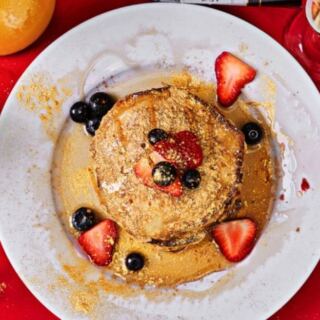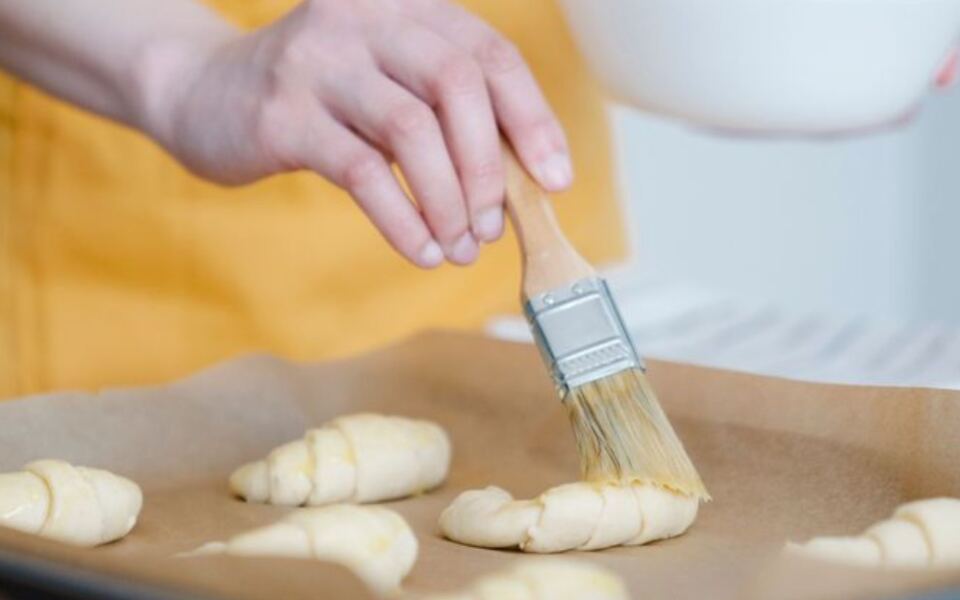
Mayonnaise in chocolate cake sounds like a prank, but bakers have trusted it for decades. Mayo cake recipes caught on during the Great Depression and World War II, when eggs, butter, and milk were scarce or rationed.
I love that a sandwich spread quietly became a cake hero.
The trick makes sense once you look at the jar. Mayonnaise is mostly oil and egg, which are two things cake batter already wants.
The result is a soft, tender crumb that tastes like chocolate, not condiments.
That little jar got me curious about what else is hiding behind my cabinet doors. Plenty of everyday staples can fix dry cookies, flat cakes, or boring muffins.
Most of them cost very little, and you probably own a few right now.
So what else is sitting on your shelf, waiting for its big moment in the oven?
1. Mayonnaise
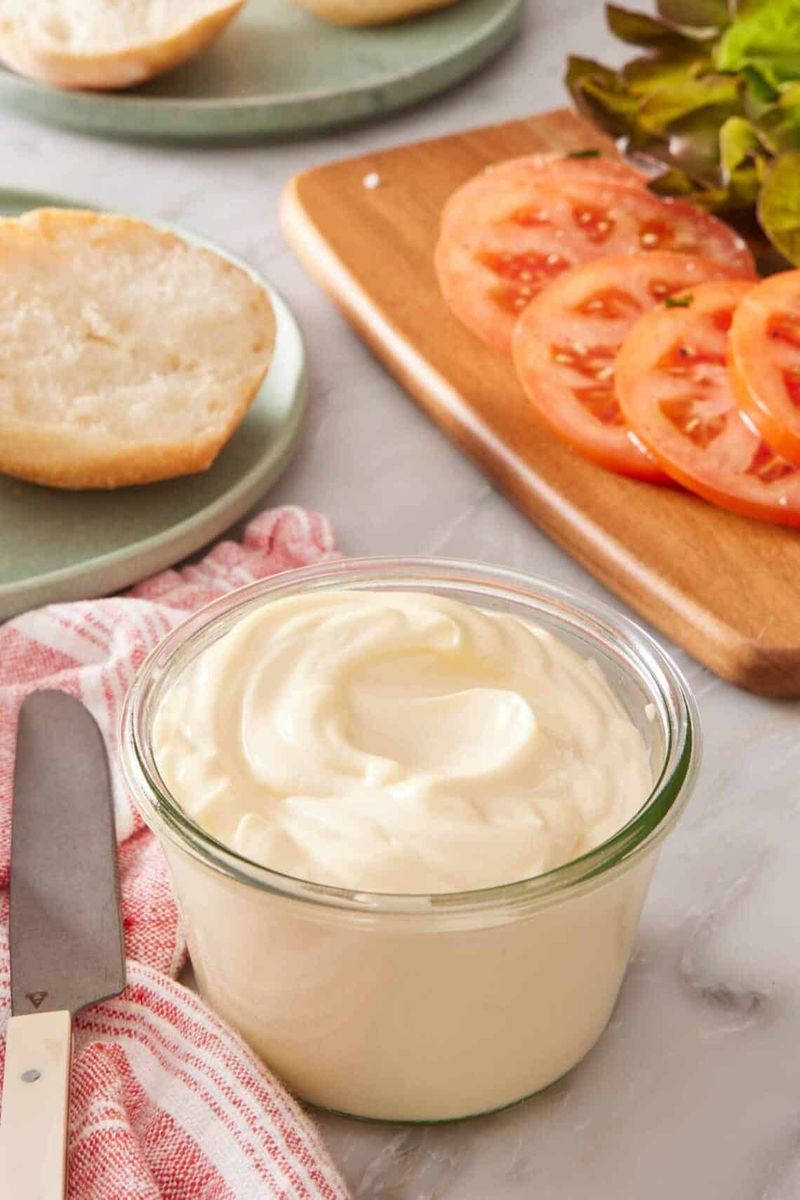
Your sandwich spread has a secret second job. Mayonnaise is basically oil, egg, and a splash of vinegar or lemon juice, all whipped together.
Guess what cake batter usually needs? Oil and eggs.
That overlap is why mayo works so well in chocolate cake. The oil keeps the crumb soft and moist for days.
The egg adds structure, and the little bit of acid helps tenderize the batter.
Bakers leaned on this trick during the Great Depression and World War II. Eggs, butter, and milk were often hard to get or rationed back then.
A jar of mayo filled the gap and turned out surprisingly good cakes.
Worried your dessert will taste like potato salad? Relax.
In a chocolate cake, the cocoa takes over, and nobody can tell mayo was involved unless you confess.
Here’s how to try it at home. Many classic recipes use about one cup of mayonnaise in place of the oil and some or all of the eggs.
Look up a tested mayo chocolate cake recipe the first time so the balance stays right.
Stick with regular, full-fat mayonnaise for the best results. Light versions often contain extra water and starches, which can make the texture gummy.
Flavored mayo, like garlic or chipotle, should obviously stay far away from your dessert.
Mayo also works in other baked goods. Some bakers swirl a spoonful into boxed cake mix for extra richness.
Others use it in savory biscuits or cornbread for a tender bite.
The best part is how forgiving it is. Mayo cakes stay moist even if you bake them a minute too long.
That makes this jar a great safety net for beginners and busy bakers alike.
So next time you open the fridge door, give that jar a little respect. It might be the most underrated baking ingredient you own.
2. Instant Espresso Powder
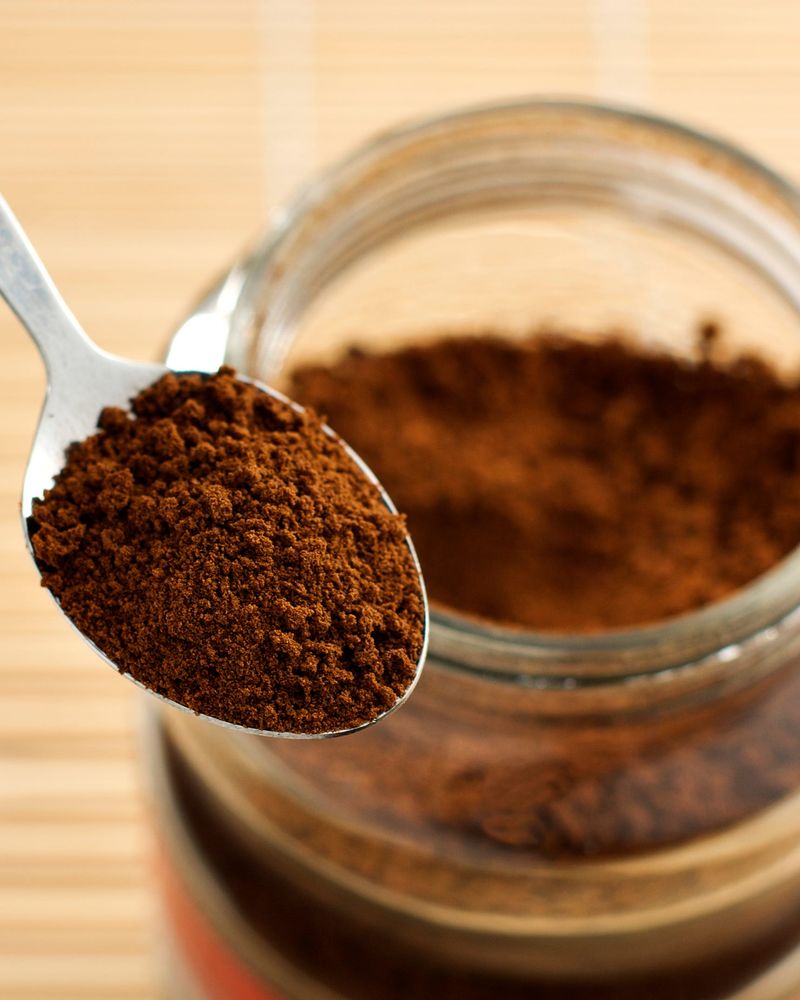
A teaspoon of coffee can make chocolate taste more like chocolate. That sounds strange, but it’s one of the oldest tricks in pastry kitchens.
Instant espresso powder is the easiest way to pull it off.
Coffee and cacao share many of the same roasty, bitter flavor notes. When you add a little espresso, it deepens those notes instead of covering them up.
Your brownies end up tasting richer and darker, not like a latte.
Instant espresso powder dissolves fast, which makes it super handy. You can stir it right into melted butter, warm milk, or even dry flour.
No brewing, no leftover pot, no mess.
Start small. About one teaspoon is plenty for a pan of brownies, a chocolate cake, or a batch of cookies.
If you want a clear coffee flavor, you can bump it up to a tablespoon.
Don’t have espresso powder? Regular instant coffee works too, though the flavor is a bit milder.
Crush the granules into a fine powder first so you don’t end up with gritty specks.
Espresso powder isn’t just for chocolate. Try it in tiramisu-style cupcakes, mocha frosting, or a spice cake with cinnamon and nutmeg.
It even adds depth to a barbecue rub, if you’re feeling bold.
Worried about caffeine? The small amount in most recipes gets spread across many servings.
Still, if you’re baking for kids or for someone sensitive, decaf instant coffee is an easy swap.
Store the jar in a cool, dry spot with the lid on tight. Moisture makes the powder clump into a hard brick.
A dry spoon helps it last a long time.
Once you try it, you may never make plain brownies again. That tiny jar might be the best-kept secret in your cabinet.
3. Kosher Salt
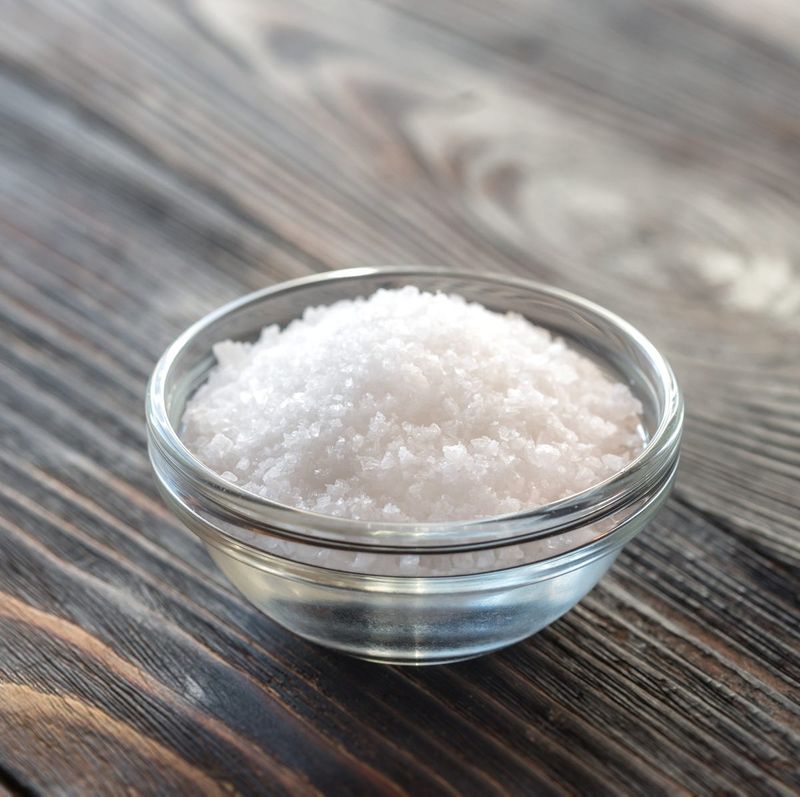
Salt in dessert might feel like putting ketchup on ice cream. Yet nearly every great cookie recipe calls for it.
A pinch of salt is the quiet helper that makes sweet things taste brighter.
Salt does more than add saltiness. It tones down bitterness and helps other flavors stand out.
Butter tastes richer, chocolate tastes deeper, and vanilla seems louder.
Kosher salt is a favorite among bakers for a simple reason. Its larger flakes are easy to pinch and measure by feel.
Many professional recipes are written with it in mind.
One big warning, though. Brands are not the same size, so one teaspoon of Diamond Crystal weighs much less than one teaspoon of Morton.
If you swap brands, your cookies could swing from perfect to seawater.
When a recipe says simply salt, it usually means table salt. Table salt is finer and packs more tightly into a spoon.
If you’re using kosher salt instead, you’ll often need a bit more to match.
Want to show off? Sprinkle a few flakes on top of cookies right before baking.
Those little crunchy bursts make chocolate chip cookies taste fancy with zero extra work.
Salt also matters in bread. It controls how fast yeast works and makes the dough stronger.
Bread without salt often tastes flat and bland, no matter how pretty it looks.
Caramel loves salt too. A pinch stirred into homemade caramel sauce keeps it from tasting too sugary.
That’s the whole idea behind salted caramel, the flavor that took over coffee shops.
Keep a small dish of kosher salt near your mixing bowls. You’ll reach for it more than you expect.
Your taste buds will thank you, and your desserts will finally taste finished.
4. Cornstarch

Soft, thick, bakery-style cookies often owe their charm to a humble white powder. Cornstarch usually lives in the gravy aisle of your brain.
It deserves a spot in your baking routine too.
Cornstarch is pure starch from corn, with no gluten. When you add a little to cookie dough, it softens the texture.
The cookies stay thicker and more tender instead of spreading into crispy puddles.
Most recipes only need one or two teaspoons. Whisk it into the flour so it spreads evenly.
That tiny addition can change the whole bite.
Ever heard of cake flour? You can make a homemade version with cornstarch.
Measure one cup of all-purpose flour, remove two tablespoons, and replace them with two tablespoons of cornstarch.
Sift that mix a few times and you’re ready. It lowers the gluten strength, which gives cakes a lighter, finer crumb.
It’s a great hack when the store is out of cake flour or you just don’t want another bag.
Pie bakers love cornstarch for fruit fillings. It thickens juicy berries and peaches so your slice doesn’t flood the plate.
Fillings with cornstarch also look clear and glossy.
A tip for fillings: mix cornstarch with sugar first. That keeps it from forming lumps when it hits the wet fruit.
Then let the pie bubble in the oven so the starch can fully thicken.
Shortbread is another place it shines. A bit of cornstarch helps create that famous melt-in-your-mouth texture.
It’s one reason some shortbread recipes feel almost sandy in the best way.
Cornstarch is cheap and lasts a long time in a sealed container. One box can carry you through months of baking.
Not bad for something you probably bought for soup.
5. Brown Sugar
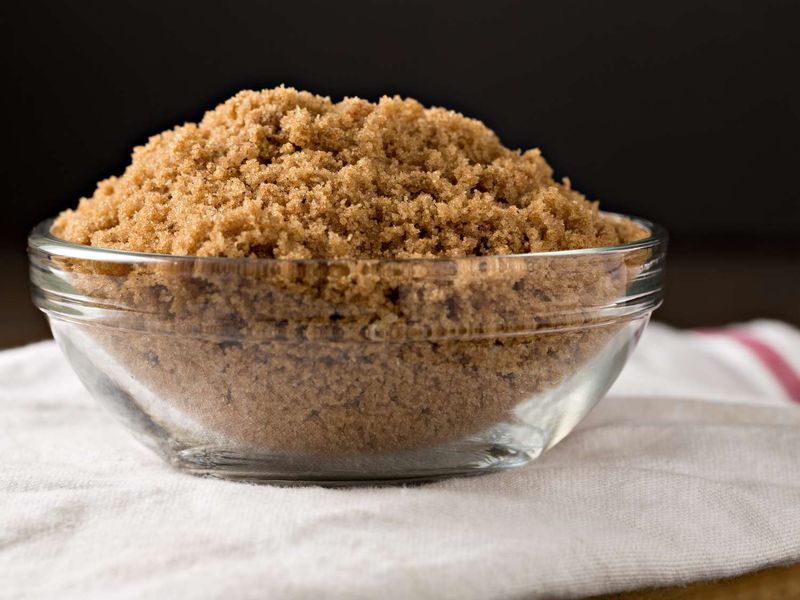
Chewy cookie fans, meet your best friend. Brown sugar is the reason so many cookies bend instead of snap.
A simple switch can change your whole batch.
Brown sugar is white sugar mixed with molasses. Light brown sugar has less molasses, and dark brown sugar has more.
That molasses brings a caramel flavor and extra moisture.
Moisture is the magic here. Brown sugar pulls in and holds water, so cookies stay soft and chewy longer.
White sugar does the opposite, helping cookies spread and crisp up.
Want chewier chocolate chip cookies? Try using a little more brown sugar and a little less white sugar than your recipe calls for.
Small changes make a noticeable difference.
Dark brown sugar can give you a deeper toffee taste. It’s great in gingerbread, spice cookies, and sticky toffee cakes.
Light brown sugar is softer and works almost anywhere.
Measuring brown sugar is a bit different. Recipes usually expect it packed firmly into the cup.
If you scoop it loosely, you’ll end up with less than you need.
Hard brown sugar is a common kitchen headache. Put the rock-hard lump in a container with a slice of bread overnight.
By morning, the sugar often softens up nicely.
Run out completely? You can make your own.
Stir about one tablespoon of molasses into one cup of white sugar for light brown sugar, or use two tablespoons for dark.
Brown sugar also shines on top of things. Sprinkle it over muffins before baking for a crackly crust.
Mix it with butter and oats for a crumble that tastes like a cozy hug, minus the cliches.
Store it in an airtight container to keep it soft. Then let it do the heavy lifting in your next cookie batch.
6. Molasses
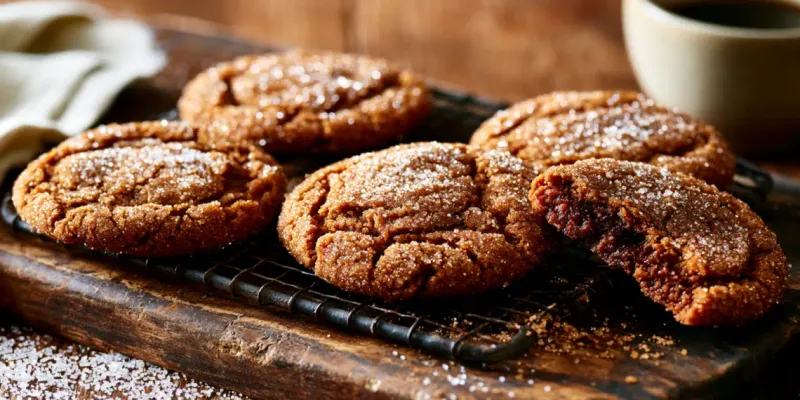
Sticky, dark, and a little mysterious, molasses is the old-school ingredient that refuses to retire. Gingerbread wouldn’t be gingerbread without it.
Yet many people buy one jar and forget it exists.
Molasses is a thick syrup left over from making sugar. It comes from sugarcane or sugar beets after sugar crystals are pulled out.
What remains is full of deep, bittersweet flavor.
There are a few kinds. Light molasses is the mildest, and dark molasses is stronger.
Blackstrap molasses is the most intense and quite bitter, so many bakers avoid it for sweets.
For most baking, regular unsulphured molasses is a safe pick. It has a clean taste that plays nicely with spices.
Check your recipe to see which type it expects.
Molasses adds moisture and chewiness to cookies. Ginger snaps, molasses crinkles, and spice cookies all rely on it.
It also helps baked goods stay soft for days.
Here’s a fun chemistry bit. Molasses is slightly acidic, so it reacts with baking soda.
That reaction helps cookies and cakes rise and gives them a tender texture.
You can also use just a spoonful for depth. Stir a tablespoon into banana bread, brownies, or barbecue sauce.
It adds a rich background flavor without taking over.
Measuring molasses can be messy. Lightly grease your measuring cup or spoon first.
The syrup slides right out instead of clinging stubbornly to the sides.
Molasses is famous in Boston brown bread and baked beans, too. Many traditional American recipes leaned on it because it was cheaper than refined sugar long ago.
Keep the jar tightly sealed in your pantry. It lasts a long time.
And once fall arrives, you’ll be glad that sticky bottle is waiting for gingerbread season.
7. Honey
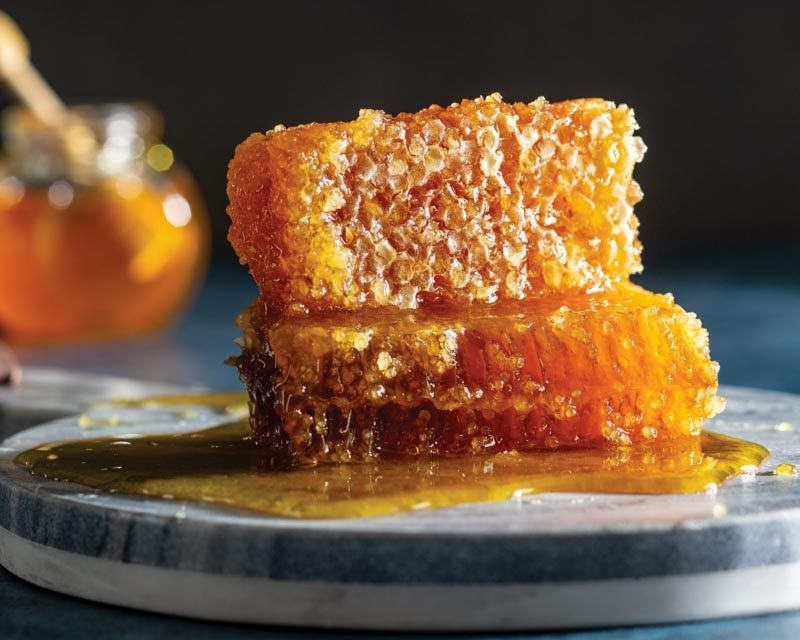
Bees spent their whole lives making this stuff, so the least you can do is bake with it. Honey brings floral sweetness that plain sugar just can’t match.
It also keeps baked goods soft longer.
Honey is mostly sugar and water, plus tiny amounts of other compounds. Its flavor depends on which flowers the bees visited.
Clover honey is mild, while buckwheat honey is dark and bold.
One of honey’s superpowers is holding moisture. Cakes and breads made with honey stay fresh for days.
That’s why honey cakes often taste even better the next day.
Want to swap honey for sugar? A common guideline is to use about three-quarters cup of honey for every cup of sugar.
Then cut the other liquid by a few tablespoons and lower the oven temperature by about 25 degrees.
Why lower the heat? Honey browns faster than sugar.
Without that adjustment, your muffins might look done outside while staying gooey inside.
Honey is slightly acidic, too. Some bakers add a pinch of baking soda to balance it.
Many honey recipes already include this, so check before adding extra.
A drizzle can upgrade simple bakes. Brush warm honey over cornbread, biscuits, or baklava-style pastries.
The shiny finish looks great and tastes even better.
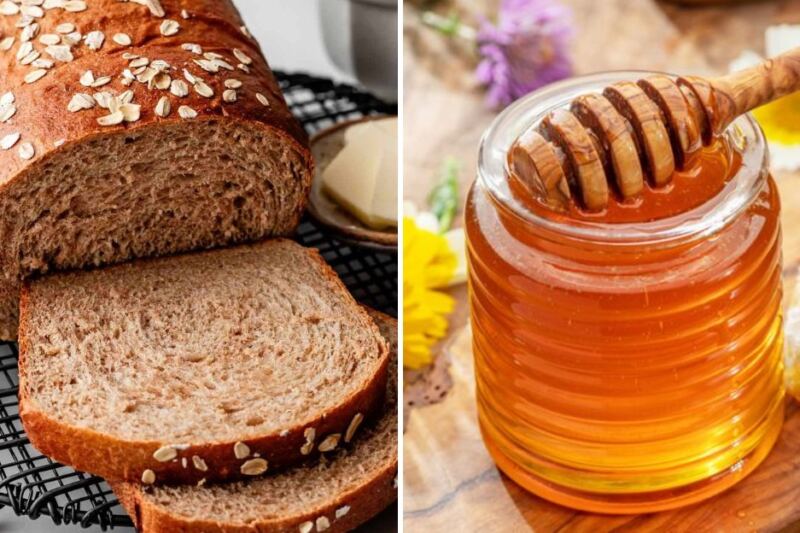
Bread bakers love it as well. A spoonful in whole wheat bread softens the slightly bitter wheat flavor.
It also gives the crust a gorgeous golden color.
If your honey crystallizes, don’t toss it. Crystallization is natural and doesn’t mean it spoiled.
Set the jar in a bowl of hot water and stir until it turns smooth again.
Store honey at room temperature with the lid closed. Properly sealed honey lasts a very long time, so a big jar is never a waste.
8. Cocoa Powder
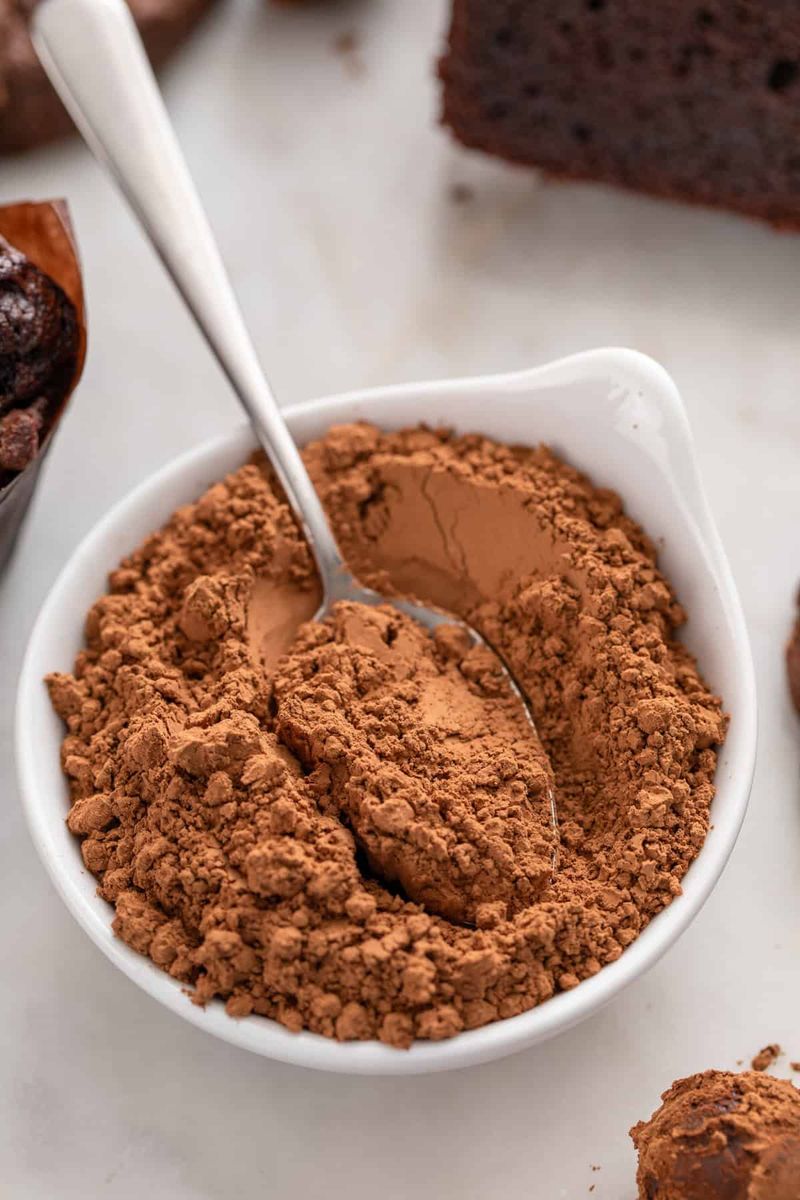
Two cans of cocoa can look almost identical and act completely differently. That surprise trips up plenty of home bakers.
Once you know the difference, your chocolate desserts get way better.
Cocoa powder is what’s left after most of the fat is pressed out of roasted cacao beans. The solids are ground into a fine powder.
It packs a lot of chocolate flavor into a small spoonful.
Natural cocoa is the classic kind found in many American grocery stores. It’s lighter in color and slightly acidic.
It often pairs with baking soda, which reacts with the acid to make cakes rise.
Dutch-processed cocoa has been treated to lower its acidity. It’s darker, smoother, and less sharp in flavor.
It usually pairs with baking powder instead of baking soda.
Swapping one for the other can change how a recipe rises. Your cake might turn out dense or a bit soapy tasting.
When possible, use the type your recipe names.
Here’s a pro move called blooming. Mix cocoa with hot water, coffee, or melted butter before adding it to the batter.
The heat releases more flavor, making chocolate taste deeper.
Cocoa isn’t just for cake. Dust it over a greased pan instead of flour when baking chocolate desserts.
You’ll avoid that white, chalky coating on the outside.
It also makes quick frosting. Beat cocoa into butter and powdered sugar with a splash of milk.
You’ll have rich chocolate frosting in minutes.
Black cocoa is a fun extra to know about. It’s heavily Dutched and gives that famous dark color to sandwich cookies.
A little goes a long way.
Store cocoa in a sealed container away from heat. It keeps for a long time, ready whenever a chocolate craving hits.
9. Rolled Oats
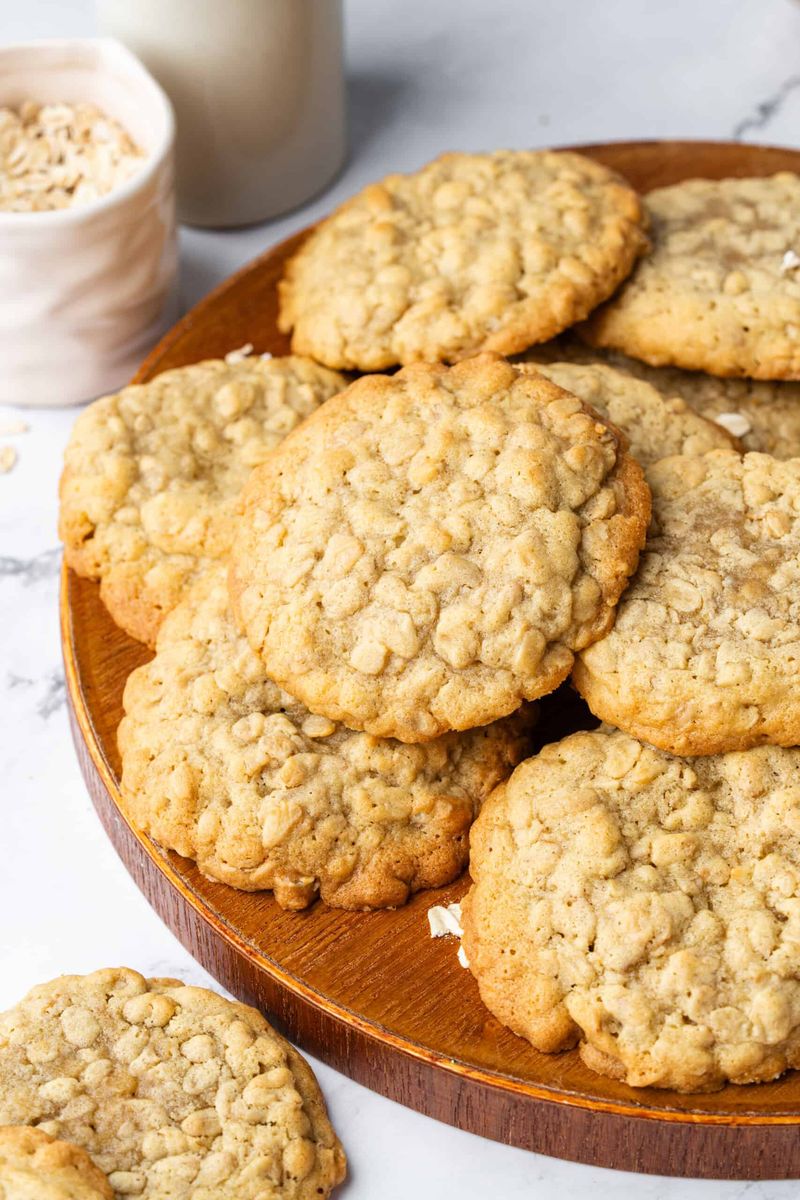
Breakfast cereal by morning, cookie superstar by afternoon. Rolled oats lead a busy double life.
They add chew, texture, and a nutty flavor to all kinds of baked treats.
Rolled oats, also called old-fashioned oats, are oat groats that have been steamed and flattened. That process helps them cook faster and soak up liquid.
Quick oats are rolled even thinner.
For most baking, rolled oats give the best texture. They keep their shape and make cookies hearty and chewy.
Quick oats blend in more and give a softer, smoother result.
Steel-cut oats are a different story. They’re chopped instead of rolled, so they stay hard and crunchy in baking.
Save those for your morning bowl unless a recipe asks for them.
Oatmeal cookies are the obvious star. Add raisins, chocolate chips, or dried cherries for your own twist.
A sprinkle of cinnamon makes them smell like a bakery.
Crumble and crisp toppings love oats too. Mix them with butter, brown sugar, and a little flour.
Spread it over fruit and bake until golden and crunchy.
Want a nuttier flavor? Toast oats in a dry pan or in the oven for a few minutes.
Watch closely, because they go from golden to burnt quickly.
You can also grind oats into homemade oat flour. Blend them in a blender until fine and powdery.
Swap some of the regular flour in muffins or pancakes for extra tenderness.
Oats are naturally gluten-free, but they’re often processed alongside wheat. If you’re baking for someone with celiac disease, buy oats labeled gluten-free.
Keep oats in an airtight container in a cool spot. They’re cheap, filling, and endlessly useful.
Your cookie jar will never look the same.
10. Peanut Butter
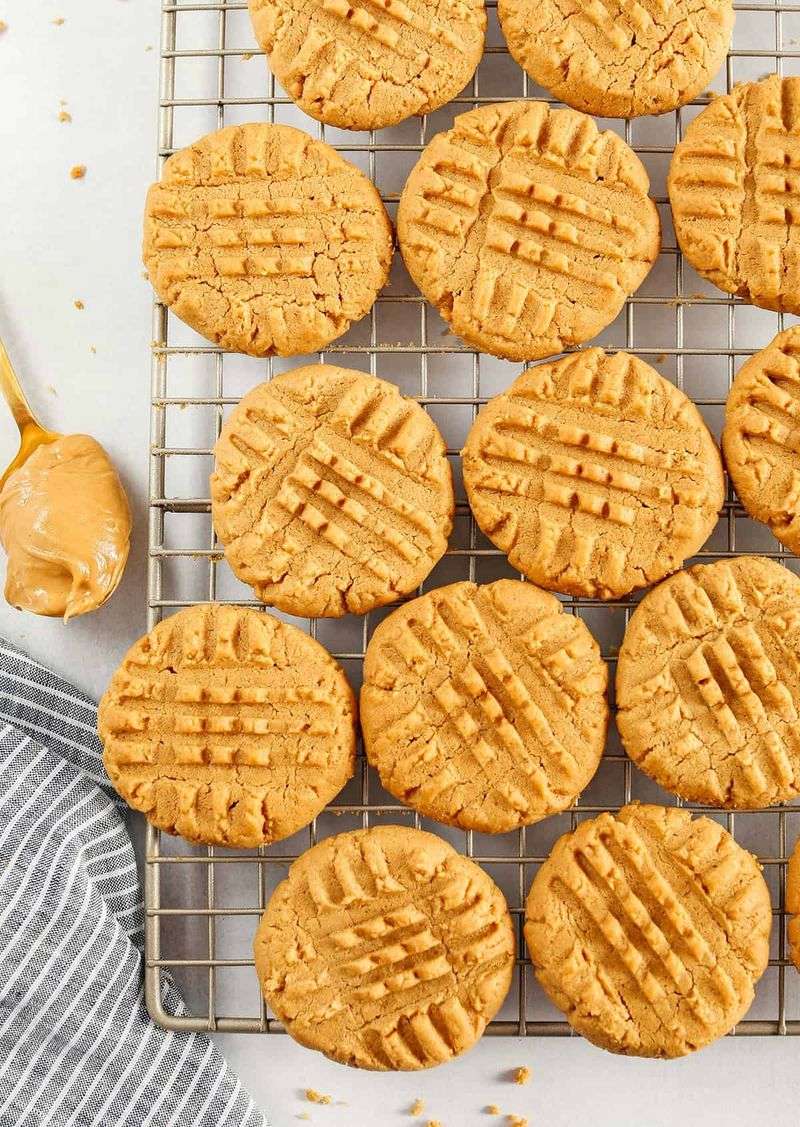
A fork pressing a criss-cross into cookie dough is one of baking’s most famous moves. It belongs to peanut butter cookies, of course.
That jar in your pantry can do so much more than make sandwiches.
Peanut butter brings fat, protein, and big nutty flavor. Those things help create tender, rich baked goods.
It also adds a slight saltiness that balances sweetness.
About that fork pattern: it isn’t just decoration. Peanut butter dough is dense and doesn’t spread much.
Pressing it flat helps the cookies bake evenly.
Here’s a fun trick. Many simple recipes make cookies with just peanut butter, sugar, and one egg.
No flour needed, and they come out soft and crumbly.
Creamy or crunchy? Both work, so pick your favorite texture.
Crunchy adds little bits of peanut in every bite.
A key tip involves natural peanut butter. The kind with oil on top can make cookies greasy or crumbly.
Many recipes are tested with regular, stabilized brands, so check before swapping.
Peanut butter and chocolate are a famous team. Swirl a few spoonfuls into brownie batter before baking.
Drag a knife through for pretty marbled ribbons.
It also works in banana bread, muffins, and blondies. Even a few tablespoons can turn a plain recipe into something special.
Try drizzling warmed peanut butter over cupcakes for an easy topping.
Always think about allergies. Peanut allergies can be serious, so label your treats clearly when sharing.
Sunflower seed butter is a common swap, though it can turn slightly green when baked with baking soda.
That green color is harmless, by the way. It’s just a natural reaction between the seeds and the baking soda.
Kids usually think it’s pretty cool.
Grab that jar and start experimenting. Your next batch might become a family favorite.
11. Olive Oil
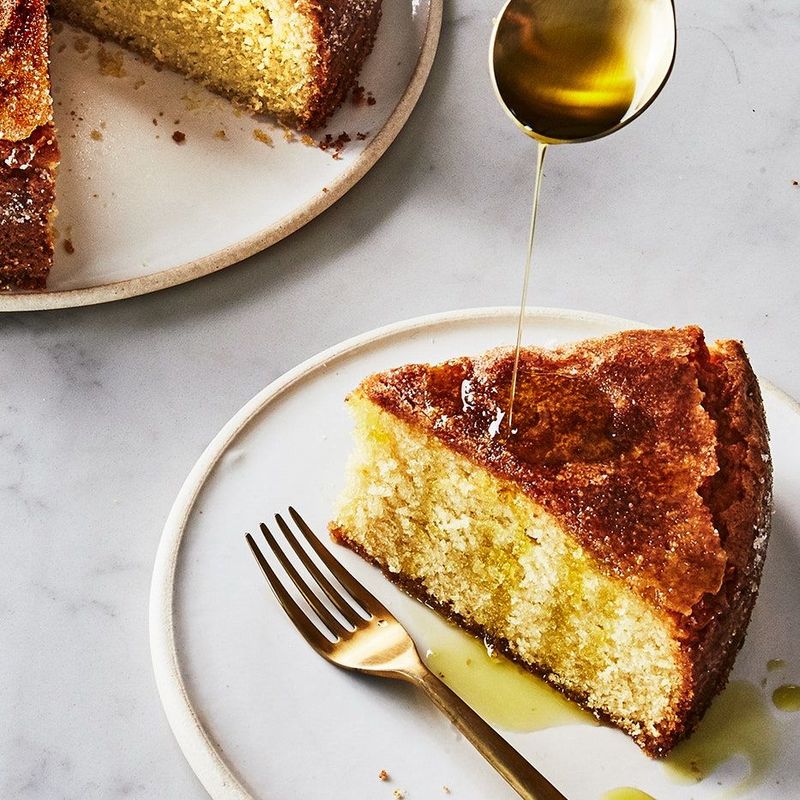
Olive oil belongs on salad, right? Bakers around the Mediterranean would gently disagree.
Olive oil cake has been a classic for generations, and it’s worth trying.
Like other liquid oils, olive oil keeps cakes moist. Oil stays liquid at room temperature, so the cake feels soft even after cooling.
Butter cakes, on the other hand, firm up as they sit.
The flavor is where olive oil stands out. Extra virgin olive oil can taste fruity, grassy, or a little peppery.
In cake, those notes add a grown-up twist.
Choosing the right bottle matters. A mild, fruity extra virgin olive oil is great for sweet baking.
Very bold, bitter oils might overpower your dessert.
Olive oil pairs beautifully with citrus. Lemon and orange zest brighten the cake and highlight the oil’s fruity side.
Almonds, rosemary, and berries are wonderful partners too.
You can often swap olive oil for vegetable oil in muffins and quick breads. Use the same amount.
Just expect a slightly richer taste and a golden color.
Swapping it for butter is trickier. Butter has water and solids, while oil is pure fat.
Many bakers use about three-quarters the amount of oil when replacing melted butter.
Brownies are a surprising winner. Some recipes use olive oil for an extra fudgy texture.
The chocolate softens the olive flavor, leaving a rich, smooth bite.
Savory bakes shine with it as well. Focaccia is famous for its olive oil soaked dimples and crisp bottom.
Drizzle generously and sprinkle with flaky salt.
Store olive oil in a dark, cool place. Light and heat can make it taste stale.
Use it within a few months of opening for the best flavor in your bakes.
12. Apple Cider Vinegar
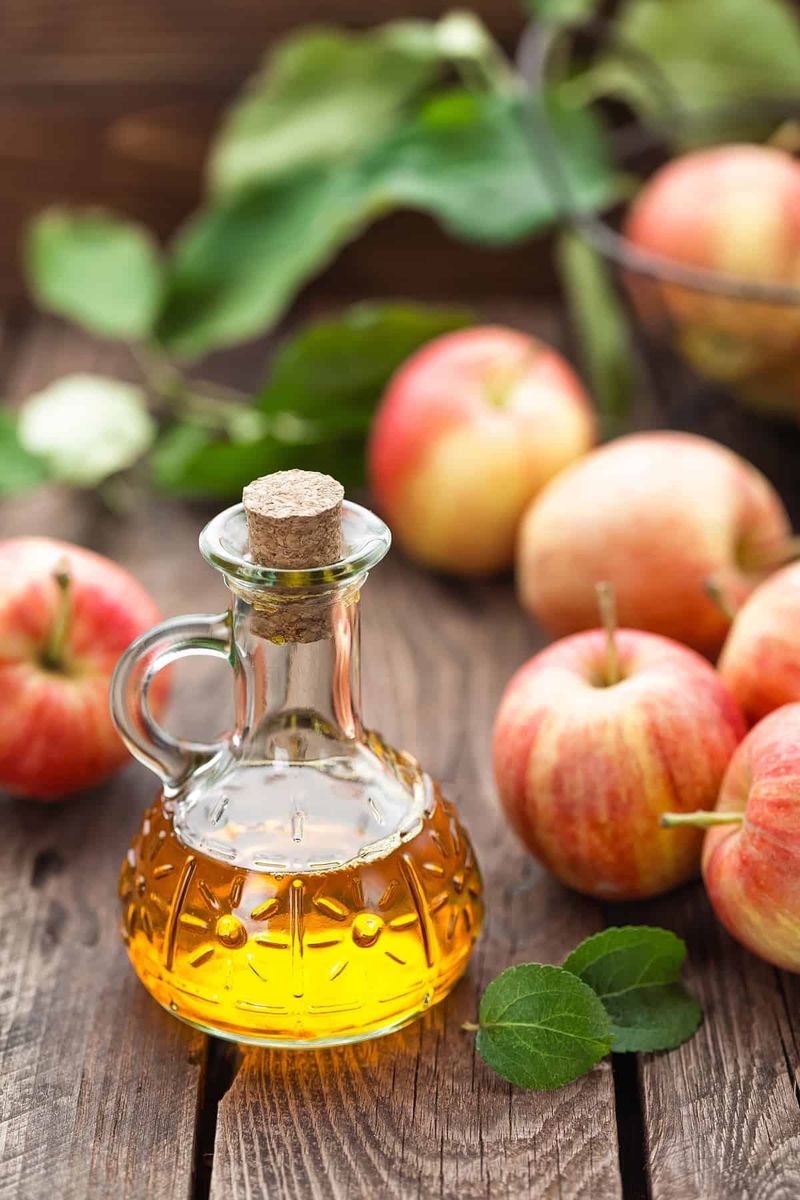
Vinegar in a cake sounds like a dare. Yet some of the fluffiest cakes around use it on purpose.
Apple cider vinegar is a small splash with a big job.
The secret is chemistry. Vinegar is an acid, and baking soda is a base.
When they meet, they make carbon dioxide bubbles that help batter rise.
That’s how depression-era wacky cake works. It’s also called crazy cake or water cake.
It uses no eggs, butter, or milk, yet still bakes up light and moist.
Bakers made these cakes when ingredients were scarce or expensive. Today, many people love them as an easy vegan dessert.
A tablespoon of vinegar does much of the lifting.
Apple cider vinegar can also make a quick buttermilk swap. Stir one tablespoon into a cup of milk and wait about five to ten minutes.
The milk thickens slightly and works in pancakes, biscuits, and cakes.
Plant milk works too. Soy milk tends to curdle nicely and makes a good dairy-free buttermilk.
That’s handy for vegan baking.
Don’t worry about a sour taste. The small amount used in most recipes bakes off or blends into the background.
Your cake won’t taste like salad dressing.
Vinegar helps pie crust as well. Some bakers add a teaspoon to the dough.
Many believe it makes the crust more tender and easier to handle.
Meringue fans can use it too. A little acid helps stabilize whipped egg whites.
White vinegar or cream of tartar are common choices for that job.
Regular white vinegar works in most of these tricks. Apple cider vinegar just has a gentler, fruitier taste.
Keep a bottle in your pantry, and you’ll always have a backup plan for rising.
13. Ground Cinnamon
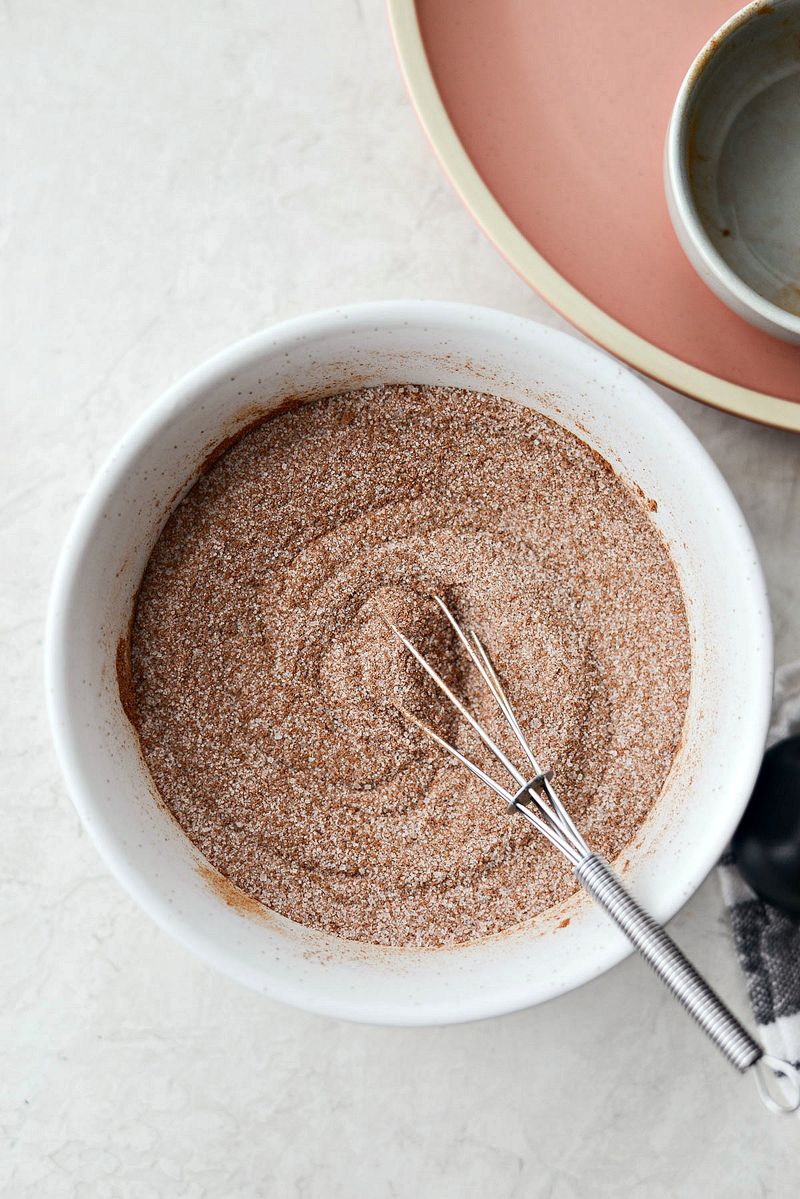
Few smells pull people into a kitchen faster than cinnamon baking in the oven. It’s practically a superpower in a jar.
Yet many bakers only use it for one or two recipes a year.
Cinnamon comes from the inner bark of certain trees. The bark is dried, and it curls into the sticks you see in stores.
Ground cinnamon is just those sticks crushed into powder.
There are two main types. Cassia cinnamon is the most common in American grocery stores and has a bold, spicy flavor.
Ceylon cinnamon is lighter, sweeter, and more delicate.
Most recipes in the United States are written with cassia in mind. If you use Ceylon, you may want a little more.
Taste and adjust to your liking.
Cinnamon isn’t just for rolls and apple pie. Add a pinch to chocolate cake or brownies for warmth and depth.
Mexican hot chocolate has used this pairing for a long time.
Try it in banana bread, pumpkin muffins, or oatmeal cookies. Even a quarter teaspoon adds a nice background flavor.
Guests may not know why your bakes taste so good.
Cinnamon sugar is a classic quick upgrade. Mix sugar and cinnamon, then sprinkle it over muffins, toast, or snickerdoodles.
Snickerdoodles get rolled in it before baking for their famous crackly coating.
Spices do lose strength over time. Ground cinnamon tastes best within about a year or so.
Give it a sniff, and if the scent is faint, it’s time for a new jar.
Store it away from the stove and sunny windows. Heat and light dull the flavor fast.
Pull that jar out more often. A sprinkle can turn ordinary baking into something that smells like a holiday.
14. Cream of Tartar
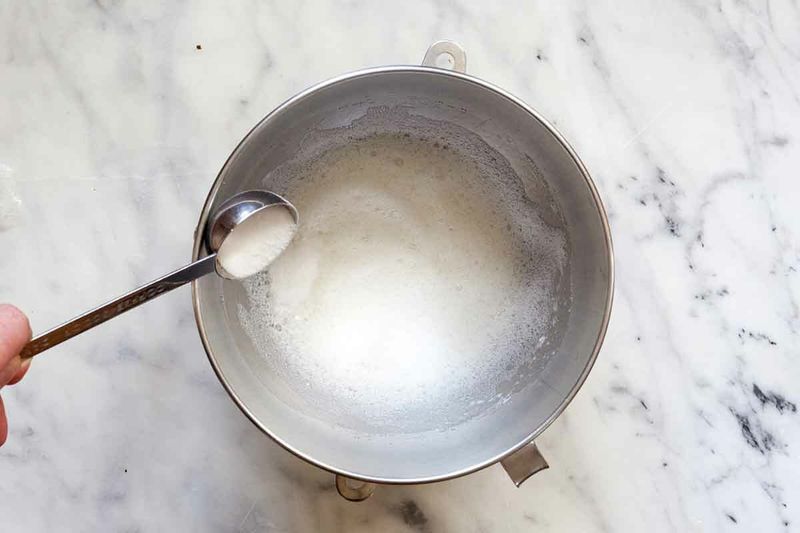
That tiny jar of white powder in your spice rack is actually a leftover from winemaking. Cream of tartar forms inside barrels as grape juice ferments.
Bakers grabbed it long ago and never looked back.
Its real name is potassium bitartrate. It’s a mild acid in powdered form.
Even though it sounds fancy, it does a few simple, useful jobs.
Meringue is where it really shines. Adding a pinch to egg whites helps them whip up higher and stay stable.
Your peaks hold their shape instead of slowly collapsing.
Angel food cake depends on those strong whipped egg whites. That’s why many recipes call for cream of tartar.
It also helps keep the cake bright white.
Snickerdoodles are another famous use. Cream of tartar gives them a slight tangy flavor and a soft, chewy texture.
Many bakers say a snickerdoodle without it just isn’t the same.
It’s also part of baking powder. Baking powder often combines baking soda with an acid, like cream of tartar, plus a little starch.
That means you can make your own in a pinch.
The basic homemade mix uses two parts cream of tartar to one part baking soda. So two teaspoons of cream of tartar plus one teaspoon of baking soda makes about one tablespoon of baking powder.
Use it right away for best results.
Candy makers use it too. A little cream of tartar helps stop sugar from forming gritty crystals.
That keeps syrups and frostings smooth.
Out of cream of tartar for meringue? A small splash of lemon juice or white vinegar can step in.
The acid helps the egg whites in a similar way.
The jar lasts a very long time if kept dry. A little goes far, so one purchase can stick around for years of fluffy desserts.
15. Nonfat Dry Milk Powder
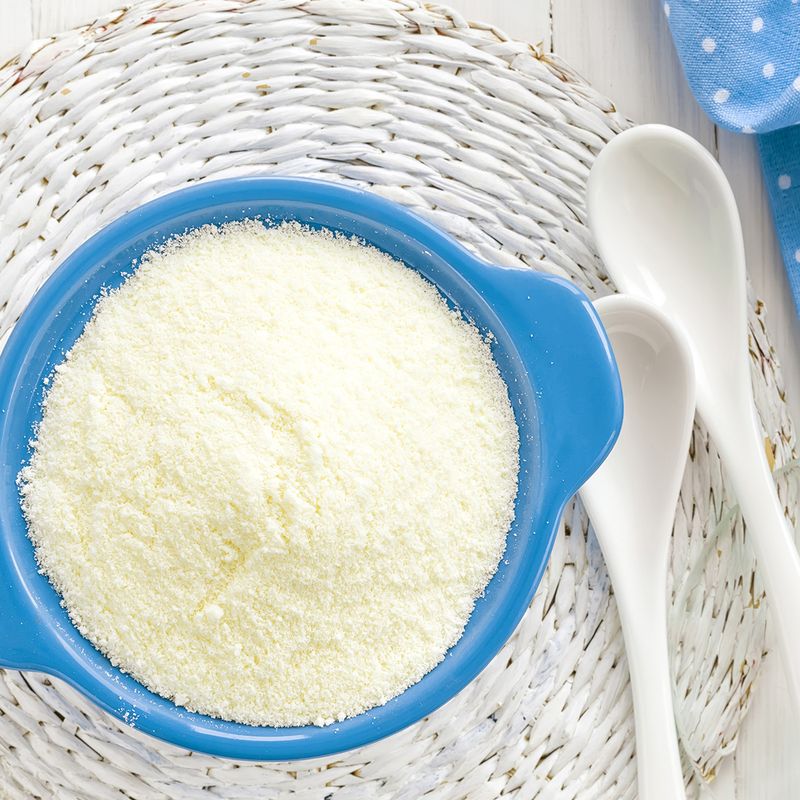
Professional bakers keep a surprising ingredient on hand that many home cooks ignore. Nonfat dry milk powder sounds like emergency camping food.
In the oven, it acts more like a secret weapon.
Milk powder is simply milk with the water removed. What’s left are milk proteins and milk sugars.
Those two things bring flavor, softness, and better browning.
Bread is where it really shines. A few tablespoons in sandwich bread dough make a softer crumb and a deeper golden crust.
Your homemade loaf starts looking like it came from a bakery.
The milk sugar is the browning hero. It caramelizes in the oven and adds a gentle sweetness.
That’s why milk breads often have such shiny, golden tops.
Cookies can benefit too. Adding a spoonful or two of milk powder gives a richer, slightly toasty flavor.
Some bakers toast the powder in butter for an even nuttier taste.
It’s handy as a backup for fresh milk. Mix it with water according to the package directions.
Then use it in pancakes, muffins, or cakes like regular milk.
Milk powder also stores well. A sealed bag can sit in your pantry for months.
No sour smell surprises like the forgotten carton in the back of the fridge.
Want a fun experiment? Make one small batch of dinner rolls with milk powder and one without.
Compare the softness and color side by side.
Remember that it does contain dairy. Skip it if you’re baking for someone with a milk allergy.
Labels will list milk clearly.
Store the powder in an airtight container after opening. It can clump if it soaks up moisture.
Kept dry, it stays ready whenever you want bakery-level bread at home.
Share this story