Santa Monica has a talent for turning an ordinary meal into something worth planning your day around. A legendary Italian sandwich, an elaborate French duck preparation, and pasta finished inside a wheel of cheese are just a few reasons to explore its dining scene.
What makes this California beach city especially interesting is the variety. You can start with a bakery breakfast, pick up seafood for a casual lunch, and finish with a restaurant experience that feels like a special occasion.
I like how these eight choices represent completely different approaches to food. Some are familiar comfort dishes, while others highlight ambitious techniques and ingredients that deserve a little extra attention.
And the best part? You don’t have to choose between casual favorites and sophisticated cooking, because Santa Monica has a long culinary history of embracing both.
1. The Godmother Sandwich At Bay Cities Italian Deli & Bakery Is A Santa Monica Classic
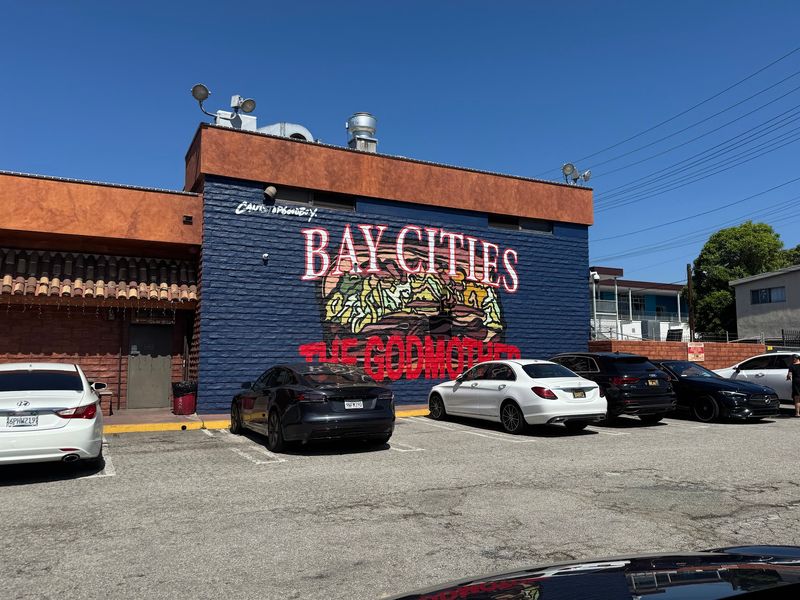
Six Italian meats and provolone cheese in one sandwich? Bay Cities Italian Deli & Bakery certainly doesn’t believe in making its signature creation unnecessarily modest.
The Godmother brings together prosciutto, ham, capicola, mortadella, Genoa salami, and provolone cheese. It’s a combination built around the distinct flavors of traditional Italian deli meats.
Located at 1517 Lincoln Boulevard in Santa Monica, Bay Cities has become closely associated with this substantial sandwich. Its official ordering menu still places the Godmother among the deli’s signature offerings.
The sandwich can be ordered with the deli’s familiar assortment of condiments, known as “the works.” These include lettuce, tomatoes, onions, pickles, mustard, mayonnaise, and Italian dressing.
You can also choose mild or hot peppers, depending on your preference. That small decision adds another layer of personality to an already impressive combination.
What I particularly like about the Godmother is how straightforward its appeal is. The sandwich doesn’t depend on an elaborate concept or a fashionable ingredient combination.
Instead, it brings together recognizable Italian deli staples in a format that’s easy to appreciate. Each meat contributes something different, while the provolone ties the combination together.
Bay Cities is also an Italian grocery store and bakery, not simply a sandwich counter. That broader identity gives the business a connection to traditional neighborhood delicatessens.
The deli offers additional sandwiches, prepared foods, salads, and specialty grocery products. You can make the Godmother the main event while exploring the other food options.
For first-time visitors, ordering the signature sandwich makes perfect sense. It’s the item most closely associated with the deli’s reputation and culinary identity.
The Godmother also represents the casual side of Santa Monica’s food scene. You don’t need an elaborate dinner reservation to discover a memorable local specialty.
Sometimes the most satisfying food discovery is a sandwich that knows exactly what it wants to be. Bay Cities has given Santa Monica a particularly recognizable example.
2. Fia Restaurant Gives Pasta Lovers Plenty Of Reasons To Stay A Little Longer
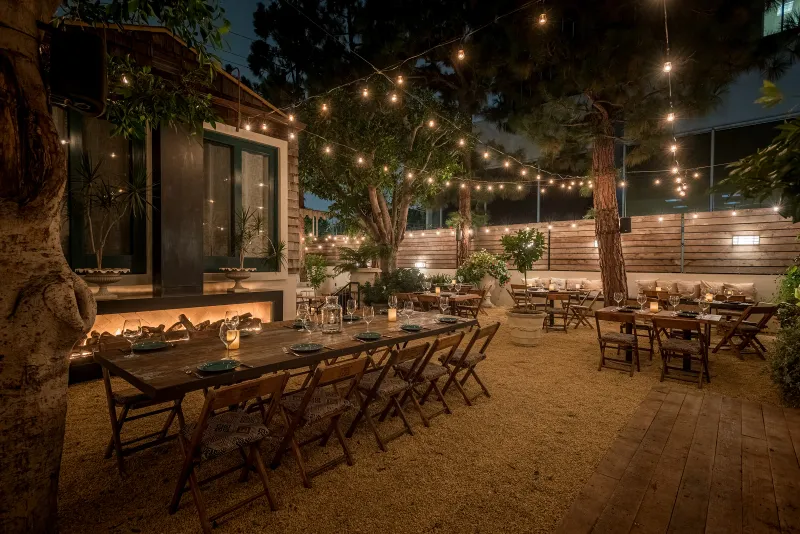
Lobster bolognese sounds like the sort of dish that could immediately change your dinner plans. Fia Restaurant has previously been associated with that ambitious pasta preparation, although its current menu offers other tempting reasons to visit.
Located at 2454 Wilshire Boulevard, Fia combines Italian-inspired cooking with seasonal California ingredients. The restaurant’s menu features handmade pasta, seafood, meat dishes, and vegetable-focused selections.
Among its current pasta offerings is spicy paccheri with vodka sauce and Parmesan. The wide pasta shape provides a different experience from more familiar spaghetti or linguine.
Another option is spaghetti al limone, prepared with a lemon-Parmesan spuma. The combination emphasizes citrus and cheese rather than relying on a heavy meat-based sauce.
For something more elaborate, Fia offers truffle cavatelli with Parmesan, brown butter, and shaved black truffle. It’s a dish that demonstrates how a relatively short ingredient list can create an ambitious pasta preparation.
The menu also includes wood-grilled branzino and chicken Parmesan, giving diners choices beyond pasta. Seasonal vegetables appear in preparations featuring ingredients such as broccolini, preserved lemon, and Calabrian chili.
I particularly appreciate restaurants that give vegetable dishes the same attention as their main courses. At Fia, those selections contribute to the overall culinary identity rather than serving as an afterthought.
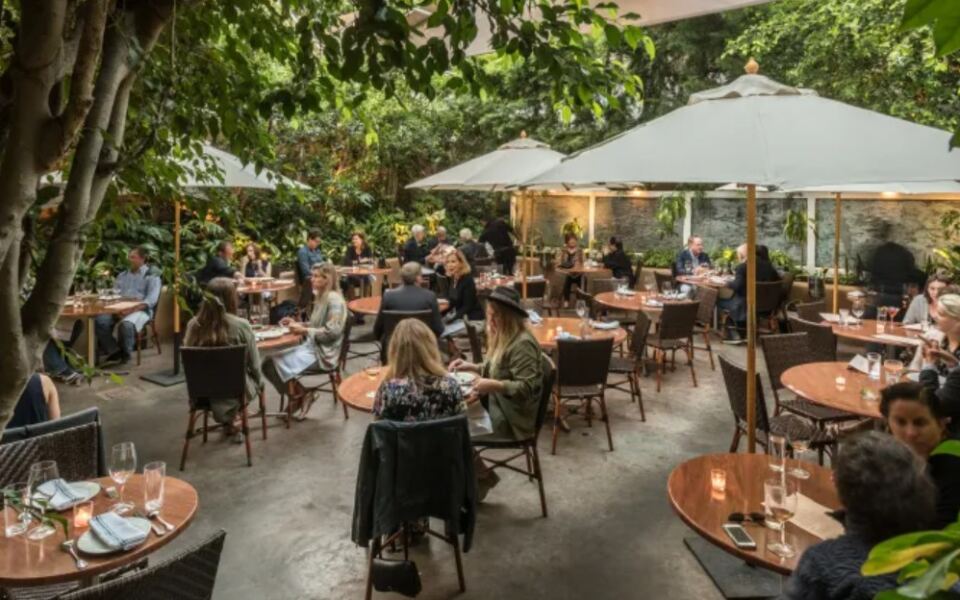
The restaurant also features a garden patio, which has been part of its appeal since opening. That outdoor setting fits naturally into Santa Monica’s relaxed coastal dining culture.
Fia works especially well as a destination for an evening centered around a carefully prepared meal. The variety of dishes makes it suitable for different tastes without abandoning its Italian-inspired direction.
The lobster bolognese that originally drew attention to this restaurant isn’t listed on the current official dinner menu. Fortunately, the available pasta choices provide plenty of material for a delicious visit.
For pasta enthusiasts, Fia offers a chance to explore familiar Italian ideas through a contemporary California perspective.
3. Michael’s Santa Monica Shows Why A Great Beef Dish Never Goes Out Of Style
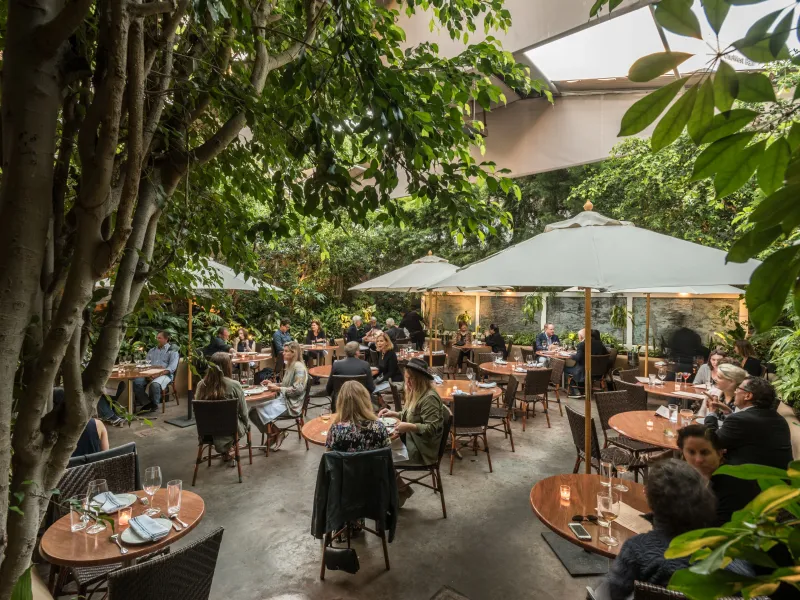
Prime rib has long represented a particular kind of American restaurant tradition. At Michael’s Santa Monica, the appeal of thoughtfully prepared beef fits into a much broader story about California dining.
The restaurant opened in 1979 and became an influential part of the California cuisine movement. Its approach helped establish Santa Monica as a destination for ingredient-driven restaurant cooking.
Located at 1147 Third Street, Michael’s continues to offer a menu that balances classic preparations with seasonal ingredients. Its dining program includes seafood, pasta, vegetables, and several substantial meat dishes.
The current dinner menu features a grilled dry-aged ribeye accompanied by potato gratin, radicchio, and tomatoes. It’s a preparation that puts the beef at the center while giving the supporting ingredients meaningful roles.
Another option is braised prime short rib, served with seasonal vegetables and accompaniments. The dish represents a different cooking approach from the grilled ribeye.
That distinction matters because beef dishes can vary considerably depending on the cut and preparation. Grilling emphasizes one set of characteristics, while braising develops another.
Michael’s also offers a dry-aged Wagyu bolognese with house-made pappardelle and Grana Padano. It’s an interesting alternative for diners who want a beef-centered dish without ordering a steak.
I like how the menu reflects the restaurant’s longstanding interest in California ingredients. Rather than relying exclusively on familiar steakhouse combinations, it incorporates produce into the overall composition.
The restaurant’s history also makes it an important part of Santa Monica’s culinary landscape. Few dining destinations can claim such a direct connection to the development of modern California restaurant cooking.
Although prime rib was the originally requested dish, the current menu doesn’t clearly confirm a traditional prime rib serving. The ribeye and braised short rib are better-supported recommendations.
For visitors interested in both food and restaurant history, Michael’s offers a particularly meaningful stop. Its combination of longstanding influence and contemporary cooking gives the experience a character of its own.
4. Huckleberry Bakery & Café Makes Breakfast Burritos And Cornmeal Cake Worth Waking Up For
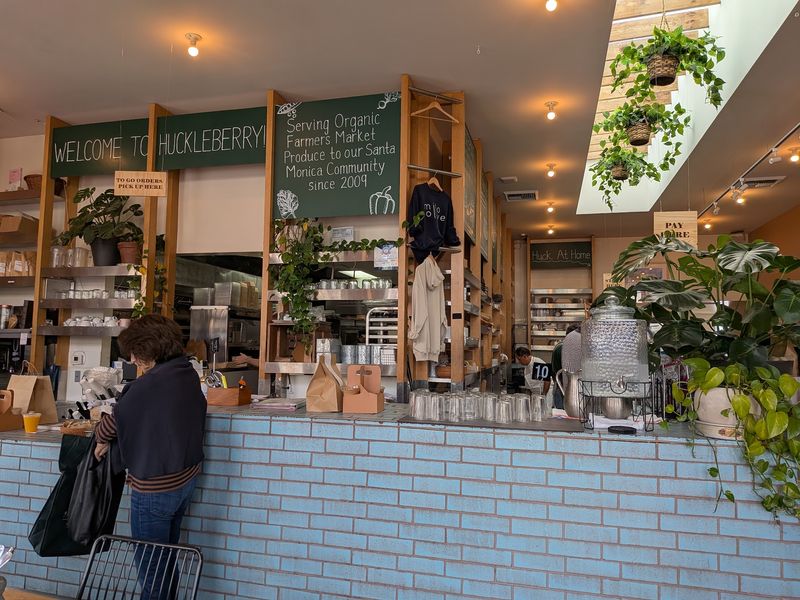
A breakfast burrito with crispy hash browns inside already sounds like a pretty convincing way to start the morning. Huckleberry Bakery & Café takes that idea and builds a breakfast around thoughtfully selected ingredients.
Located at 1014 Wilshire Boulevard, the cafe has been part of Santa Monica’s dining scene since 2009. Its philosophy emphasizes farmers market produce, house-made baked goods, and approachable breakfast and lunch dishes.
The breakfast burrito combines scrambled eggs, crispy hash browns, avocado, salsa roja, and cheddar cheese. Everything comes wrapped in a Tehachapi flour tortilla, with house-made tortilla chips served alongside.
Optional additions include turkey chorizo or applewood-smoked bacon. These choices let you customize the burrito while keeping its central combination intact.
The inclusion of hash browns is particularly appealing because it brings a familiar breakfast favorite into the burrito itself. It’s a practical combination that makes the dish more substantial.
But stopping at the savory menu would mean overlooking an important part of Huckleberry’s identity. The bakery offers pastries, cookies, cakes, breads, and other sweet selections.
Cornmeal cake is among the bakery’s documented offerings, although its flavor combinations change. A recent ordering menu featured a version made with roasted corn from Dwelly Farms.
Blueberry cornmeal cake has also been associated with Huckleberry in earlier coverage. However, that specific flavor shouldn’t be assumed to be available every day.
I like the idea of pairing a substantial breakfast with a bakery treat. It creates an opportunity to appreciate both sides of the kitchen’s approach.
Huckleberry’s wider menu includes breakfast plates, sandwiches, salads, and other dishes built around seasonal ingredients. The cafe also serves coffee and offers baked goods for takeaway.
Its connection to local agriculture is central to the concept, not simply a decorative theme. That focus helps explain why the menu can evolve with the seasons.
For an early Santa Monica food stop, Huckleberry provides an appealing combination of comfort and creativity. The breakfast burrito makes a strong opening argument, and the bakery case gives you another reason to linger.
5. Santa Monica Seafood Makes Fresh Poke A Tempting Coastal Lunch
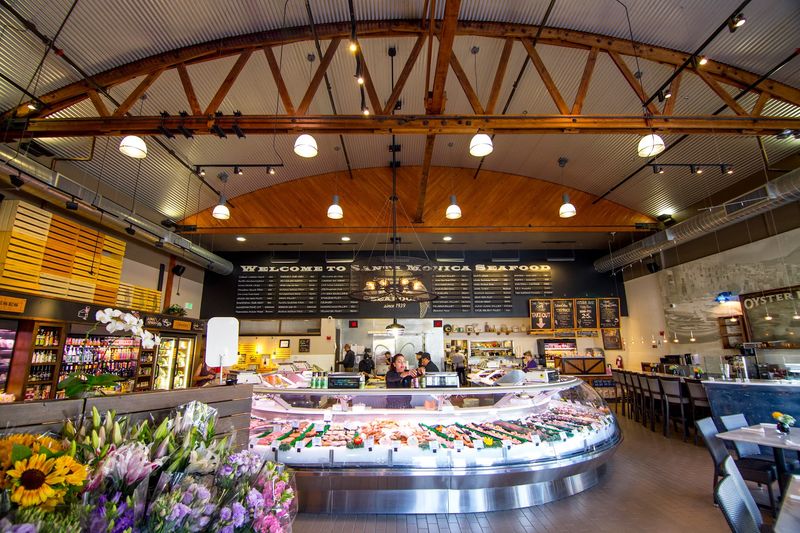
Fresh seafood and a coastal afternoon make an excellent combination, especially when poke is involved. Santa Monica Seafood offers an opportunity to explore this Hawaiian-inspired specialty through a business with deep roots in California’s seafood industry.
The company has a long history as a seafood supplier, market, and dining destination. Its retail operation makes a variety of seafood products available beyond the traditional restaurant experience.
Poke is particularly interesting because its appeal begins with carefully selected fish. The Hawaiian dish traditionally features pieces of raw seafood combined with seasonings and other complementary ingredients.
Santa Monica Seafood’s official ordering selection includes a poke platter with three varieties. The combinations feature original ahi tuna, spicy ahi tuna, and spicy salmon.
The platter also includes sesame seaweed salad and fried wonton chips. Those accompaniments introduce different textures and flavors alongside the seafood.
I like how the three varieties provide a convenient introduction to different poke preparations. Instead of choosing only one, the platter allows diners to compare several approaches.
The original ahi tuna highlights a classic ingredient associated with Hawaiian poke. The spicy varieties introduce different seasoning profiles while maintaining seafood as the central component.
One important detail is that this particular platter is designed for groups rather than individual servings. It requires advance ordering, making it better suited to a planned gathering.
Santa Monica Seafood also offers other prepared seafood platters and market selections. These include ceviche, shrimp, salmon, and additional seafood preparations.
That variety gives seafood enthusiasts several possibilities for planning a meal. A visit can focus on a prepared dish or become an opportunity to explore the market’s broader selection.
For travelers interested in California’s coastal food culture, a seafood market offers a different perspective from a conventional restaurant. The emphasis shifts toward the ingredients themselves and the ways they can be prepared.
Poke is an especially fitting choice for this kind of experience. It celebrates seafood through a preparation that remains closely associated with Hawaii’s culinary heritage.
Santa Monica Seafood makes a compelling stop for anyone who wants to explore fresh seafood beyond the familiar fish-and-chips routine.
6. Pasjoli’s Tableside Pressed Duck Turns Dinner Into A Culinary Performance
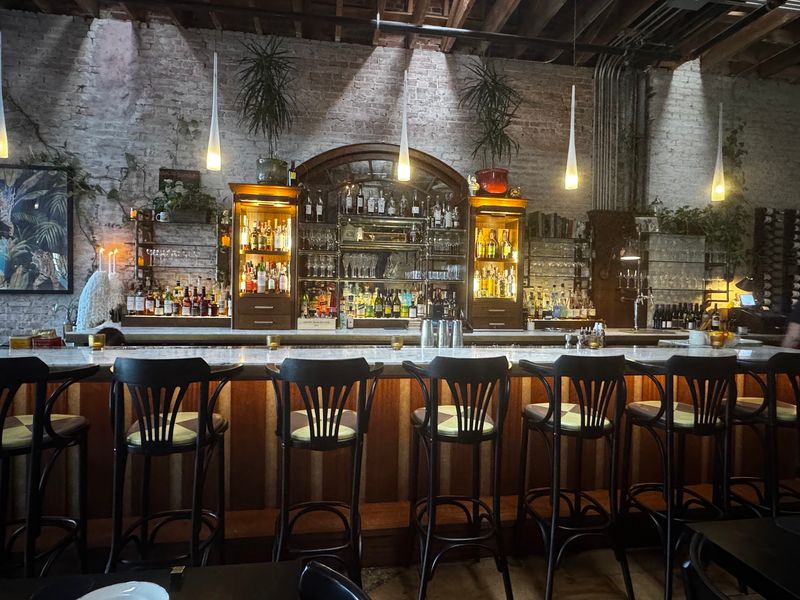
An entire duck transformed into several dishes right at your table? That’s the idea behind one of Pasjoli’s most distinctive dining experiences.
Located at 2732 Main Street in Santa Monica, Pasjoli is a French-inspired restaurant led by chef Dave Beran. Its culinary identity combines traditional French techniques with a contemporary approach to restaurant dining.
The pressed duck experience is one of the restaurant’s signature offerings. Rather than arriving as a single conventional main course, the preparation unfolds through several dishes.
A chef comes directly to the table to complete an important part of the process. A traditional duck press is used to extract juices that contribute to a specially prepared sauce.
This technique has a long history in French cuisine and requires specialized equipment. Its theatrical presentation makes the preparation as interesting to observe as it is to understand.
The experience demonstrates how classical cooking methods can remain relevant in contemporary restaurants. It also gives diners an opportunity to appreciate techniques rarely encountered during everyday meals.
I particularly like the educational aspect of a tableside preparation. You get to see part of the cooking process rather than experiencing only the finished result.
Pasjoli’s pressed duck dinner must be reserved in advance and is available in limited quantities. The restaurant specifically directs diners to select its dedicated duck dinner reservation option.
That requirement makes this a meal worth planning ahead. It’s not the kind of specialty you should expect to order spontaneously from the regular menu.
Pasjoli itself underwent a transformation in 2025, reopening with a more relaxed neighborhood-bistro approach. The changes introduced a refreshed dining room and updated menu while preserving the restaurant’s French culinary identity.
Importantly, the pressed duck remained part of the experience following those changes. Its return reinforces the dish’s importance to Pasjoli.
The restaurant also offers more casual French-inspired selections for diners seeking a different kind of evening. That flexibility gives the dining room a broader appeal.
For a special occasion in Santa Monica, the pressed duck offers something genuinely distinctive. It combines culinary history, technical skill, and tableside presentation in a way that makes dinner an experience worth remembering.
7. Cassia’s Laksa And Curry Helped Define A Remarkable Santa Monica Restaurant
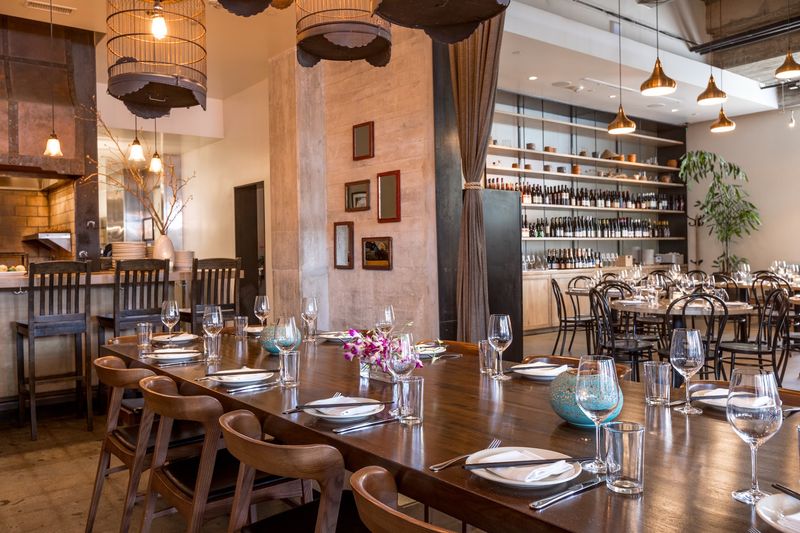
Few dishes illustrate the appeal of Southeast Asian cooking quite like a thoughtfully prepared bowl of laksa. At Cassia, the specialty became part of a culinary identity that helped reshape Santa Monica’s restaurant scene.
Chef Bryant Ng and Kim Luu-Ng opened Cassia in 2015, bringing together influences from Singaporean, Chinese, Vietnamese, and French cooking. The restaurant became known for combining those traditions with seasonal California ingredients.
Laksa was among the dishes most closely associated with the restaurant. This Southeast Asian noodle soup traditionally features a richly seasoned broth, often incorporating coconut milk and aromatic spices.
Cassia’s version was known for its chili-forward character and coconut-rich broth. The dish demonstrated the kitchen’s interest in combining traditional flavors with a contemporary California perspective.
Curry preparations were another important part of the restaurant’s culinary repertoire. Cassia’s menu included dishes such as beef rendang, which reflects the layered spice traditions of Southeast Asian cooking.
Rendang is associated particularly with Indonesian and Malaysian cuisines. Its preparation involves cooking meat with spices and coconut-based ingredients to develop a deeply seasoned dish.
What made Cassia especially interesting was its willingness to explore several culinary traditions within one restaurant. The menu didn’t attempt to present Southeast Asian cuisine as a single uniform category.
Instead, it highlighted the connections and differences between regional cooking styles. That approach gave diners opportunities to discover dishes beyond the most familiar restaurant offerings.
The restaurant also incorporated French culinary techniques, reflecting Ng’s professional background and the kitchen’s broader ambitions. Its cooking earned national recognition during its nearly decade-long run.
I appreciate how Cassia demonstrated that culinary innovation doesn’t require abandoning traditional influences. Its most interesting dishes drew strength from the cooking cultures that inspired them.
Cassia permanently closed on February 22, 2025, after nearly ten years in Santa Monica. The owners cited increasing operating costs and other business challenges when announcing the decision.
Although its laksa and curry are no longer available there, the restaurant remains an important part of the city’s recent culinary history. Its influence illustrates how adventurous Santa Monica’s dining scene has become.
For a current alternative, Ng and Luu-Ng subsequently opened Jade Rabbit, a Chinese American restaurant in Santa Monica. It’s a different concept, but one that continues their involvement in the local food community.
8. Forma Restaurant & Cheese Bar Makes Cheese The Star Of The Entire Meal
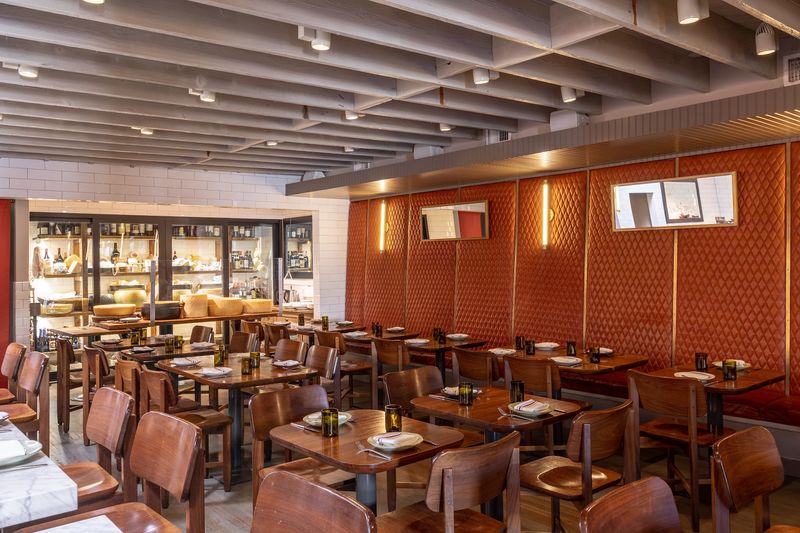
Pasta finished inside a giant wheel of cheese sounds like a very good reason to reconsider your usual dinner order. At Forma Restaurant & Cheese Bar, this preparation is central to the restaurant’s identity.
Located along Montana Avenue in Santa Monica, Forma specializes in contemporary Italian cuisine with a particular emphasis on cheese. Its name references formaggio, the Italian word for cheese.
The restaurant was developed by executive chef Piero Topputo and general manager Mario Sabatini. Their concept places cheese at the center of both the menu and the dining experience.
The signature preparation is known as dalla forma. Freshly cooked pasta is finished inside large wheels of Italian cheese before being served.
This technique brings the pasta into direct contact with the cheese, allowing the ingredients to combine during the final stage of preparation. It’s a distinctive alternative to simply adding grated cheese at the table.
One example is chitarra cacio e pepe, prepared with house-made spaghetti, black pepper, extra virgin olive oil, and Pecorino Romano. The pasta is tossed in the cheese wheel as part of its preparation.
Another option is fettuccine bolognese, featuring beef ragù and Parmigiano Reggiano. The restaurant also offers mushroom tortellini finished with Bella Lodi cheese.
These dishes illustrate how the technique can work with different pasta shapes and cheese varieties. Each combination emphasizes a different relationship between the pasta, sauce, and finishing cheese.
I particularly like that Forma builds an entire restaurant concept around an ingredient often treated as an accompaniment. Cheese becomes an essential part of the cooking method rather than a finishing decoration.
The restaurant also features a cheese bar with a selection of cheeses. That gives diners another way to explore the ingredient beyond the pasta menu.
Forma’s broader offerings include small plates, pizzas, and other Italian-inspired dishes. Those selections provide alternatives for anyone interested in a more varied meal.
Still, the cheese-wheel pasta is the experience that most clearly distinguishes the restaurant. It combines an established Italian preparation with a presentation that naturally attracts attention.
For cheese enthusiasts exploring Santa Monica, Forma offers a particularly appealing destination. The experience proves that sometimes the most memorable part of a pasta dish is what happens just before it reaches your plate.
Share this story