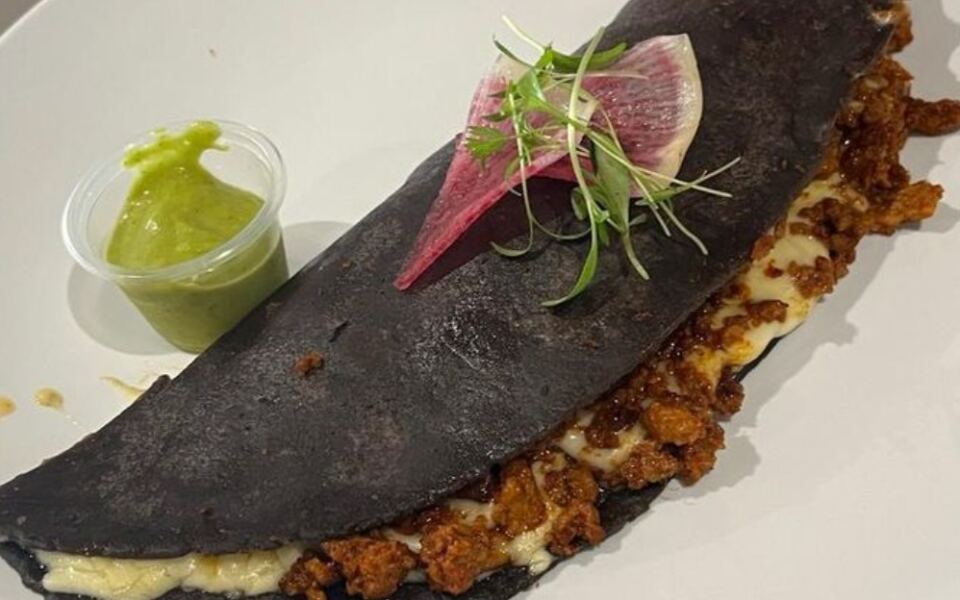
A quesadilla made with blue corn masa, ground in-house from nixtamalized corn, is one of the headline dishes at a young Chicago taqueria. That color alone gets my attention every time.
The chef behind it blends his Guatemalan roots with Mexican cooking. The menu treats corn like the main character, not a side player.
Even the chips come from heirloom corn made in-house.
I like how a single dish can tell a whole family story. Here, the tortilla does a lot of that talking.
Illinois has plenty of taco spots, but few build everything around their own masa.
Then there’s the rest of the menu. Hibiscus flan, cinnamon coffee, and masa triangles stuffed with chorizo all share the counter.
So how does one blue quesadilla end up stealing the spotlight?
That Blue Quesadilla Deserves Its Own Fan Club
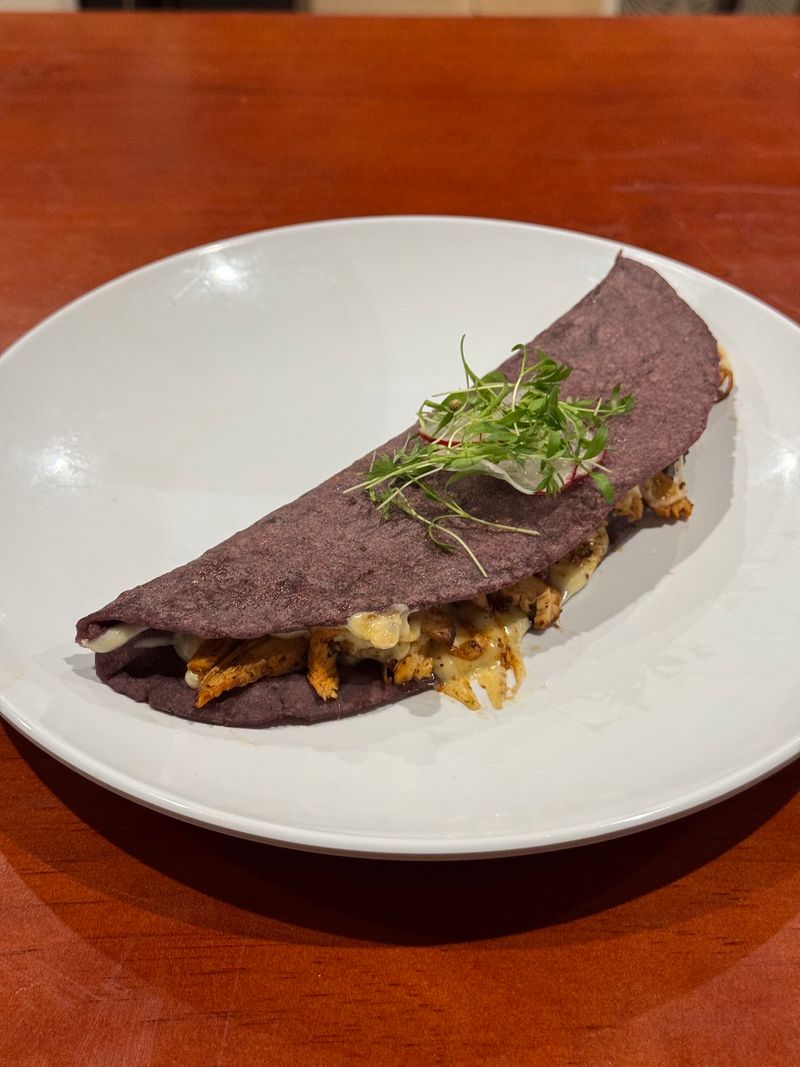
Blue tortillas tend to stop people mid-scroll, and the one at Mazor earns that double take. The blue corn quesadilla sits among the signature dishes at this Chicago taqueria.
Mazor builds its menu around house-made masa from nixtamalized corn. That means the shell on your quesadilla starts as actual corn, not a bag of flour from a warehouse shelf.
The filling keeps things friendly and familiar. Chihuahua cheese melts inside, with lettuce and tomatoes adding a fresh touch.
Then comes the fun part, which is choosing a protein. You can pick steak, chicken, veggie, or chorizo, so picky eaters and bold eaters both get a win.
Chorizo brings spice and swagger to the party. Steak feels like a classic choice, while chicken keeps the flavors a little lighter.
Chihuahua cheese deserves a quick shout-out. It’s a Mexican melting cheese, named after the northern state of Chihuahua, and it loves a hot griddle.
Here’s my tip for first-timers. Order the quesadilla, then add one small side so you can taste the masa in more than one way.
Why does the color matter? Blue corn is a real corn variety, and it gives the masa that deep, moody shade naturally.
I believe that kind of detail separates a quick lunch from a meal you remember. The quesadilla looks special before you even take a bite.
It also travels well if you’re grabbing takeout. Mazor offers dine-in and takeout, so a blue quesadilla can join your desk lunch or your couch dinner.
Honestly, it might ruin regular quesadillas for you. That’s a risk worth taking at least once, maybe twice.
A Chef Who Brought Guatemala And Mexico To One Counter
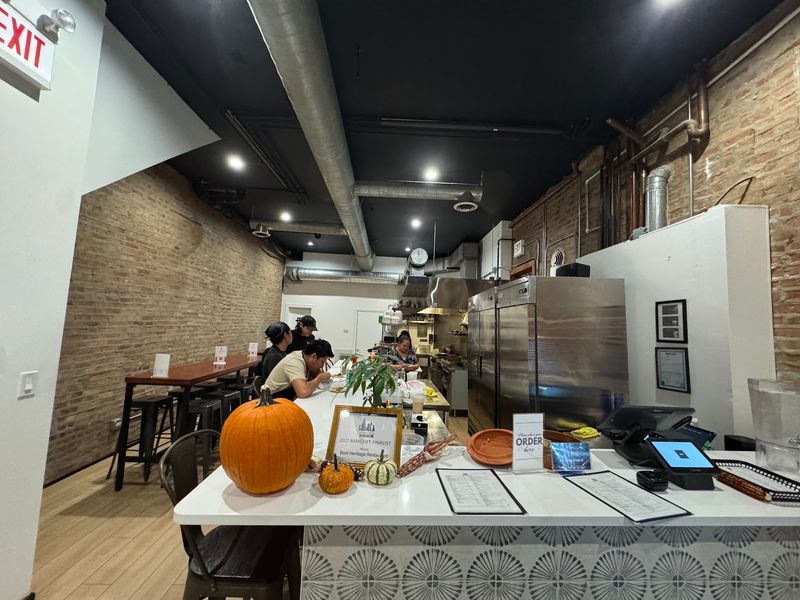
Every great taqueria starts with somebody who really cares about tortillas. At Mazor, that person is Chef Christian Orozco.
Mazor is his first solo restaurant, which makes it a big personal step. He blends his Guatemalan roots with Mexican cooking, and the menu shows it.
Guatemala and Mexico share a border and a long love of corn. Both cuisines lean on masa, but each has its own habits and favorite flavors.
That mix gives Mazor a different feel from a standard taco counter. You get familiar tacos alongside Guatemalan coffee and traditional Mesoamerican masa dishes.
The restaurant calls its concept a tribute to the ancient spirit of Mesoamerica. It emphasizes deep respect for corn and local ingredients.
Mesoamerica covers the region where corn farming began thousands of years ago. Cultures across southern Mexico and Central America built daily life around this grain.
So when Orozco puts masa at the center, he’s honoring a very old tradition. Fun fact: nixtamalization, soaking corn in an alkaline solution, also makes it more nutritious.
I like how this backstory shows up on the plate rather than on a poster. You can taste the idea instead of just reading about it.
A chef-driven spot with counter service is a nice combination. You get thoughtful cooking without needing a reservation or a fancy outfit.
Want a peek at the chef’s bigger ideas? Mazor occasionally sells tickets to tasting dinners, so keep an eye out for those announcements.
Those events give fans a chance to explore beyond the everyday menu. For curious eaters in Illinois, that’s a pretty tempting invitation.
Personal roots, ancient grains, and a casual counter. That’s a recipe I can get behind.
Masa Is The Real Star, And It Starts From Scratch
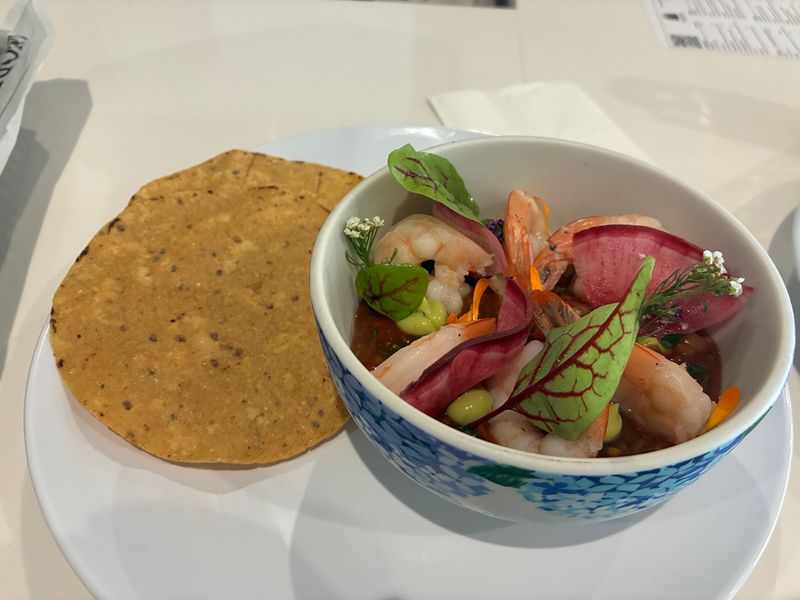
Corn gets the VIP treatment here. Mazor makes its own masa from nixtamalized corn, and almost everything on the menu leans on it.
Most people never think about where a tortilla comes from. Plenty of restaurants use premade dough or packaged shells to save time.
Nixtamalization changes the game. Dried corn gets cooked and soaked in an alkaline mix, then rinsed and ground into dough.
The process is ancient, practiced across Mesoamerica for centuries. It makes corn easier to grind and helps release important nutrients.
It also gives masa that classic tortilla flavor. Without it, corn dough just doesn’t hold together or taste quite right.
Doing this in-house takes patience and planning. That’s why a restaurant built around its own masa feels like a statement.
At Mazor, you’ll see that masa show up again and again. It forms the quesadilla, the empanada, the tetelas, and the tortillas for tacos and tostadas.
Even the chips get the same respect. Guacamole arrives with house-made heirloom corn chips, which beats a bag from the grocery aisle.
Heirloom corn refers to older varieties passed down through generations. These types often come in striking colors, including blues, reds, and deep purples.
Here’s a smart way to explore it. Try one item with blue corn and one with regular masa, then compare them side by side.
That little taste test turns lunch into a mini lesson. It’s the kind of homework nobody complains about.
I can’t imagine a better way to understand a taqueria than through its dough. At Mazor, the corn really does carry the whole menu on its shoulders.
Blue Corn Shows Up Again In A Seriously Loaded Empanada
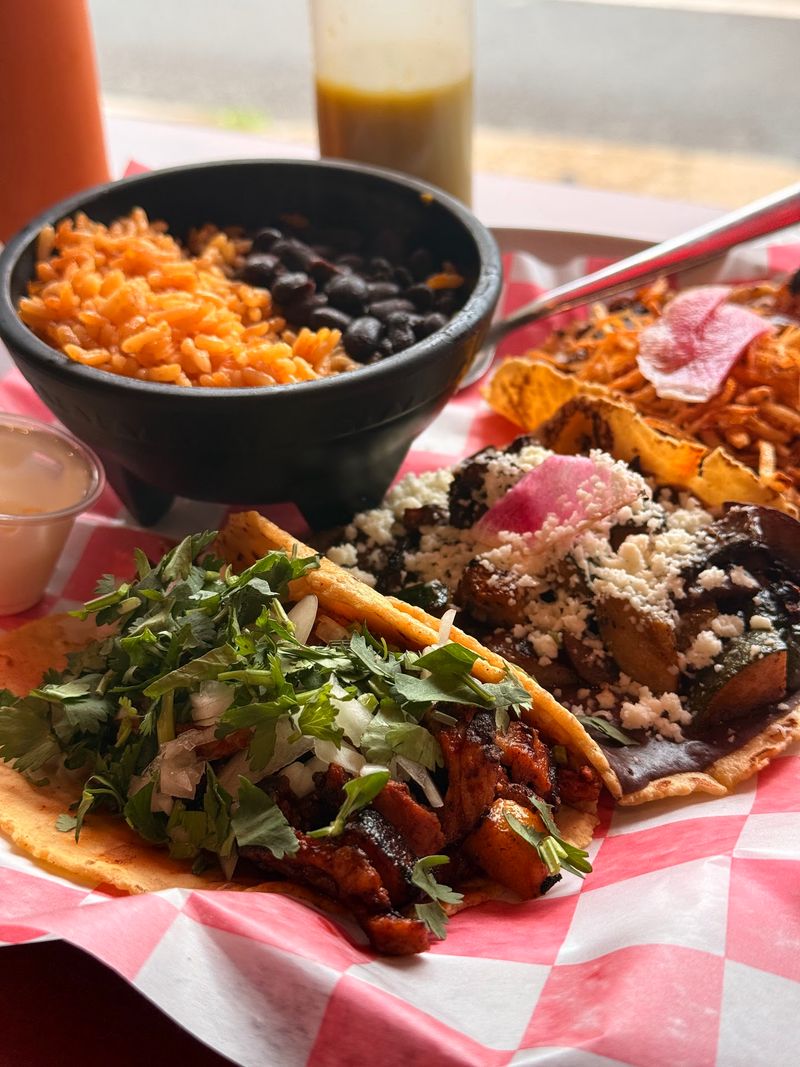
One blue corn dish clearly wasn’t enough for this kitchen. Mazor also uses blue corn masa for its empanada, and the fillings go all in.
Inside, you’ll find chicken tinga. Tinga is a classic Mexican dish of shredded chicken, usually simmered in a smoky tomato and chipotle sauce.
Chihuahua cheese joins the chicken inside the pocket. That combo gives each bite a warm, melty center.
Then the toppings pile on. Crema, queso, cilantro, and salsa verde finish the empanada with cool, tangy, and fresh flavors.
Salsa verde gets its green color from tomatillos, not tomatoes. Tomatillos have a bright, slightly sour taste that cuts through cheese nicely.
So which should you order, the empanada or the quesadilla? My honest advice is to bring a friend and split both.
They share the same blue masa but feel totally different. The quesadilla offers flat, cheesy comfort, while the empanada comes stuffed and dressed up.
Empanadas exist all over Latin America, with fillings that change from country to country. Mazor’s version leans on Mexican flavors with that special corn shell.
Crema deserves a quick note too. It’s thinner and milder than American sour cream, so it drizzles nicely instead of sitting in a big blob.
This dish works well as a starter for the table. It also holds its own as a light meal for one hungry person.
Just grab extra napkins. Toppings this generous don’t always stay where you put them, and that’s part of the charm.
Blue corn twice in one visit? In Chicago, that’s a pretty good bragging point.
Meet The Triangle-Shaped Snack Most People Haven’t Tried Yet
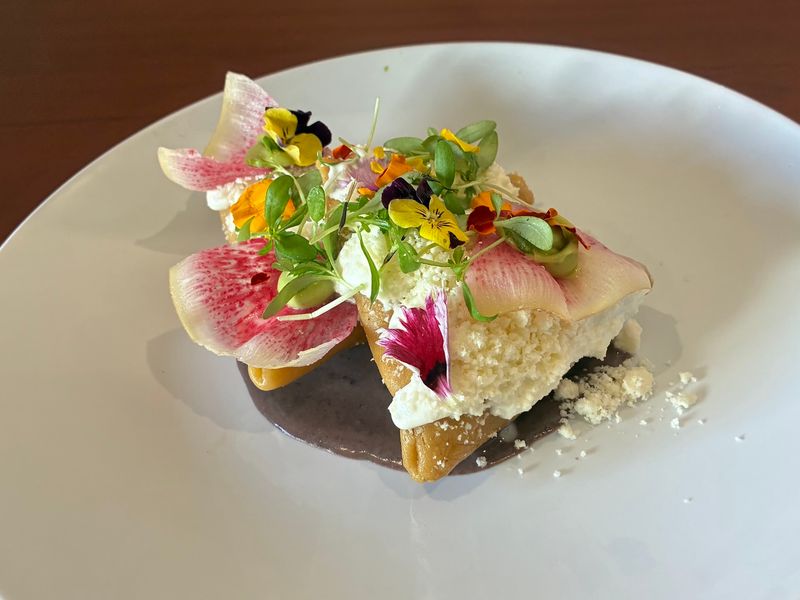
Tetelas might be the most interesting word on the Mazor menu. These are traditional Mesoamerican corn masa triangles, and they look as fun as they sound.
The idea is simple but clever. A round of masa gets filled, then folded into a neat triangle before cooking.
Tetelas are especially linked to the state of Oaxaca in southern Mexico. They’re a regional favorite that doesn’t show up on many American menus.
At Mazor, the filling brings chorizo and cheese together. That’s a salty, spicy, melty pairing that rarely lets anyone down.
The plate doesn’t stop there. Tetelas come with beans, crema, queso, and avocado mousse on the side.
Avocado mousse sounds fancy, and honestly, it kind of is. Think of it as a silky cousin of guacamole.
This dish is great for adventurous eaters who want something new. It’s also friendly enough for people who already love tacos and quesadillas.
Shape makes a difference here. Folding the masa creates crispy edges and a soft middle in one bite.
I like how the menu sneaks in a little food history this way. You get a traditional shape without needing a guidebook.
Here’s a helpful idea for ordering. Pair tetelas with a taco, so you can compare how the same masa behaves in different forms.
Kids might enjoy the triangle shape too. Anything that looks like a puzzle piece tends to disappear quickly at the table.
Chicago has no shortage of tacos, but tetelas feel rarer. If you want something to brag about trying, this is it.
Six Taco Fillings Make Choosing Wonderfully Difficult
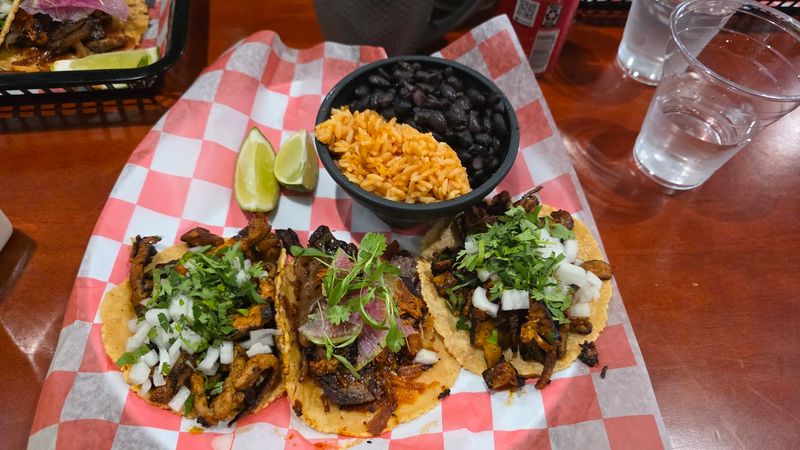
Decision fatigue is real, and the taco list at Mazor tests it. Six fillings sit on the menu, and each one has its own personality.
Steak keeps things classic with onions and cilantro. Pollo follows the same simple style with grilled chicken.
Then the Ribeye taco shows off. It comes with grilled onions, crispy potato strings, cilantro, salsa macha, and melted cheese.
Salsa macha is a chunky, oil-based salsa with chiles and often nuts or seeds. It adds crunch and a toasty heat.
Al Pastor brings marinated pork with pineapple, onions, and cilantro. The pineapple adds a sweet pop that balances the savory meat.
Al pastor has a cool origin story. It grew from shawarma-style cooking brought to Mexico by Lebanese immigrants.
Seafood fans get a Shrimp taco. Grilled shrimp meets coleslaw, avocado, and morita chipotle mayo.
Morita chiles are smoked, dried jalapeños with a fruity, smoky kick. In mayo form, they turn creamy and mellow.
Vegetarians aren’t stuck with a sad afterthought here. The Vegetariano taco brings seasonal mushrooms, roasted zucchini, pinto beans, and queso fresco.
My advice is to order a mix. Grab one familiar taco and one wild card so you leave with a new favorite.
A group can turn this into a sampling game. Everyone orders differently, then trades bites and votes on a winner.
All of these sit on that house-made masa. That shared base ties the whole lineup together, even when the fillings go in totally different directions.
Good luck choosing just one. Most people probably won’t.
Crunchy Tostadas And A Corn Cup Worth Fighting Over
Bluefin tuna on a tostada isn’t something every taqueria offers. Mazor’s Tostada de Atun pairs it with salsa macha, avocado, and onions.
A tostada is a flat, crisp tortilla that works like an edible plate. Every topping sits right on top, so you see exactly what you’re getting.
The tuna version feels light and bright. Salsa macha adds crunch and warmth, while avocado keeps everything smooth.
Plant-based eaters have a strong option too. The Tostada Vegetariana stacks beans, shiitake mushrooms, roasted zucchini, black beans, queso fresco, and crema.
Tostadas can get messy, so here’s a tip. Take small bites from the edge and keep a fork nearby for runaway toppings.
Now, about that corn cup. Esquites at Mazor feature local corn with chile piquín, mayo, cotija cheese, lime juice, and butter.
Esquites are basically street corn without the cob. You get all the flavor with none of the corn stuck in your teeth.
Chile piquín is a tiny pepper with a surprising amount of heat. A little sprinkle goes a long way.
Cotija is a salty, crumbly Mexican cheese. It plays nicely with the creamy mayo and tangy lime.
I believe esquites belong on almost every order. They’re easy to share, though sharing might start a polite argument.
The use of local corn connects back to the restaurant’s love of Mesoamerican traditions. Respect for corn shows up even in the sides.
Rounding things out, Arroz, Frijoles, and Pico de gallo sit on the sides list. Those make easy add-ons for a fuller meal.
Save Room For Hibiscus Flan And Cinnamon Coffee
Pink flan sounds like a dessert from a storybook. Mazor’s Flan de Jamaica is infused with hibiscus and finished with toasted white chocolate.
Jamaica, pronounced ha-MY-ka, is the Spanish word for hibiscus in this context. The dried flowers give drinks and desserts a tart, berry-like flavor and a gorgeous red color.
Flan itself is a smooth custard with a caramel top. Adding hibiscus turns a classic into something fresh and a little playful.
Toasted white chocolate brings a nutty sweetness. It’s a clever twist that you don’t see on many flan plates.
Drinks deserve attention here as well. Aguas frescas include Agua de Horchata and Agua de Jamaica.
Horchata is a sweet, creamy drink, often made with rice and cinnamon. Agua de Jamaica tastes tangy and refreshing, like a fancy fruit punch.
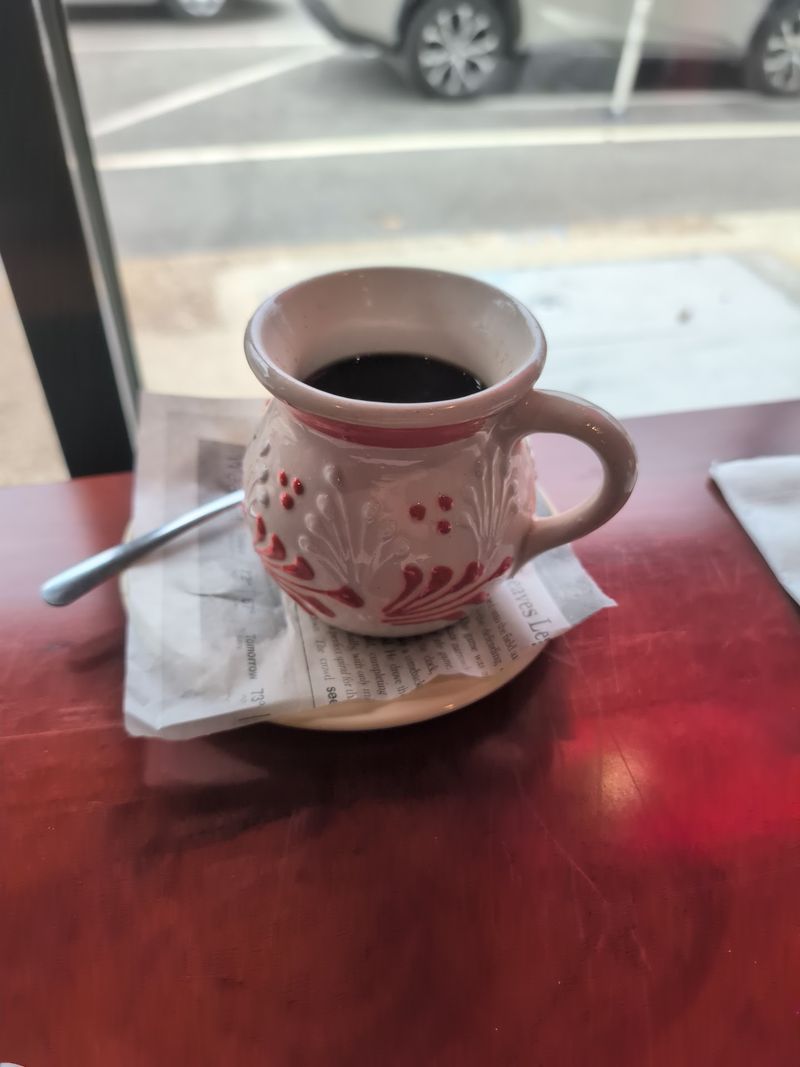
Coffee lovers, this part is for you. Mazor serves traditional Guatemalan coffee offerings, a nice nod to the chef’s roots.
Cafe De Olla is brewed with cinnamon and piloncillo. Piloncillo is unrefined cane sugar, usually sold in cone shapes, with a deep molasses taste.
Guatemalan black coffee and cold brew round out the list. Guatemala is famous for growing coffee in high mountain regions.
So here’s my suggestion for a perfect finish. Pair the hibiscus flan with Cafe De Olla for a sweet and spiced ending.
On a hot Illinois afternoon, an agua fresca might win instead. Cold brew works too if you need energy for the rest of your day.
Either way, dessert here feels like part of the story. Skipping it would be a mistake.
Finding Your Way To This Counter Is Easier Than Picking A Taco
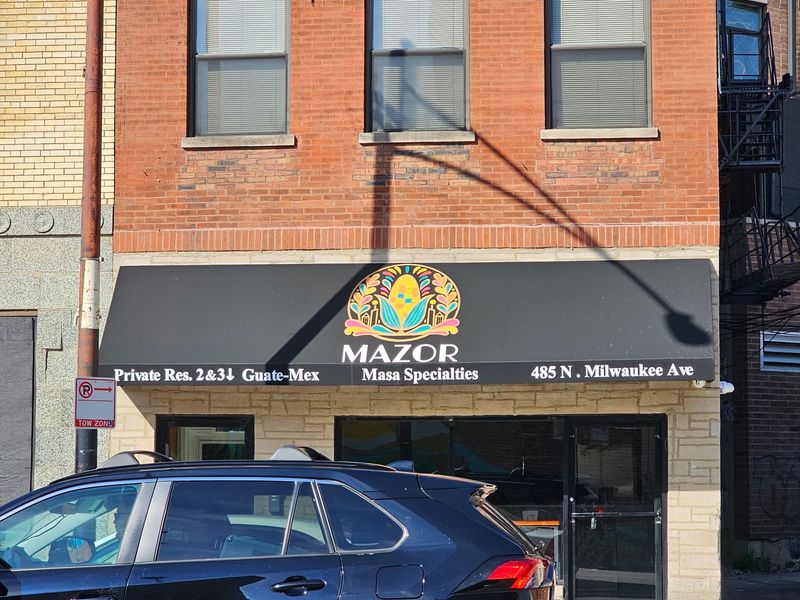
Milwaukee Avenue is one of Chicago’s famous diagonal streets, cutting across the city’s grid. Mazor sits right on it at 485 North Milwaukee Avenue, Chicago, IL 60654.
The neighborhood is usually called River West. Some guides also list the area as West Loop or Fulton River District, so don’t let the different names confuse you.
Mazor has been described as an unassuming West Town spot known for warm hospitality. That sounds like my kind of place, honestly.
Counter service keeps the visit simple. You order, grab your food, and either eat there or take it to go.
Timing matters, so plan around the hours. Mazor opens at 11 a.m.
Monday through Saturday, and it’s closed on Sundays.
Weeknights wrap up at 8:30 p.m. Monday through Thursday.
Friday and Saturday stay open later, until 11:30 p.m.
Those late weekend hours are a big deal. A blue corn quesadilla after a movie or concert sounds far better than random drive-thru fries.
Lunch is another great window. The 11 a.m. opening makes it easy to sneak away from work or school errands for something special.
Takeout fans can enjoy the menu at home too. Just know that tortillas always taste best soon after they leave the griddle.
The restaurant opened in June 2026, so it’s still fresh on the Chicago food scene. Getting in early means you can say you knew about it first.
For anyone exploring Illinois food beyond deep-dish pizza, this stop belongs on the list. One blue quesadilla might change your weekend plans.
And that Sunday closure? Consider it a reason to go Saturday.
Share this story