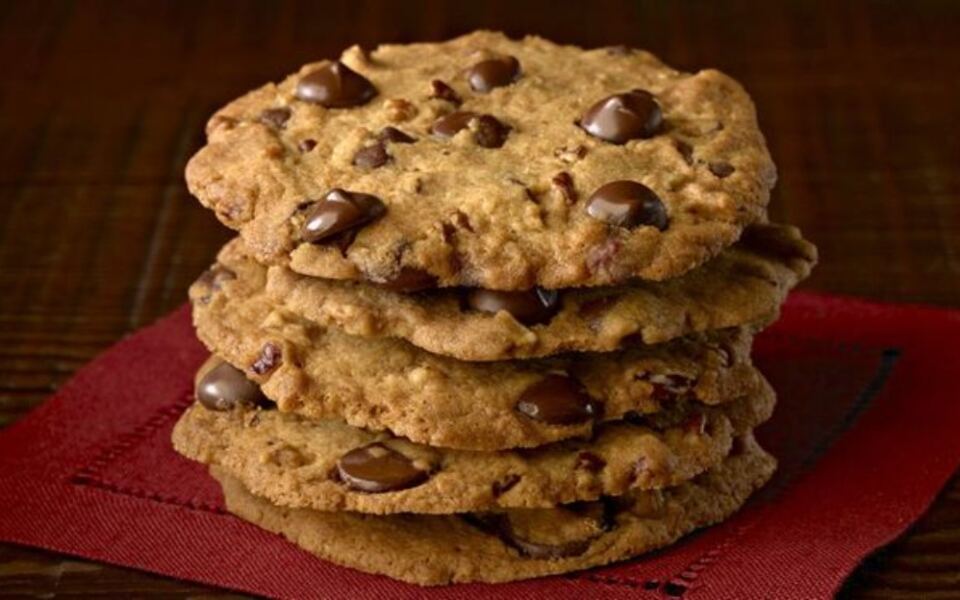
Chocolate chips get top billing in a new crispy cookie lineup from a chocolate maker with roots in California. The launch information describes two ready-to-eat varieties, including a classic version that lists semi-sweet chocolate chips as its primary ingredient.
I like the straightforward idea: familiar chocolate, a crunchy cookie, and no mixing bowl waiting in the sink afterward. The second variety takes a different route, combining dark chocolate chips with cocoa powder and chocolate in the dough for a more chocolate-focused option.
Each bag reportedly holds 10 cookies, which makes the choice feel manageable rather than like a major pantry commitment. Before you start hunting through the cookie aisle, though, there are a few useful details to understand about the flavors, packaging, and announced store rollout, especially since local availability still needs a closer look.
Your Baking Chips Now Have a Ready-to-Eat Cousin
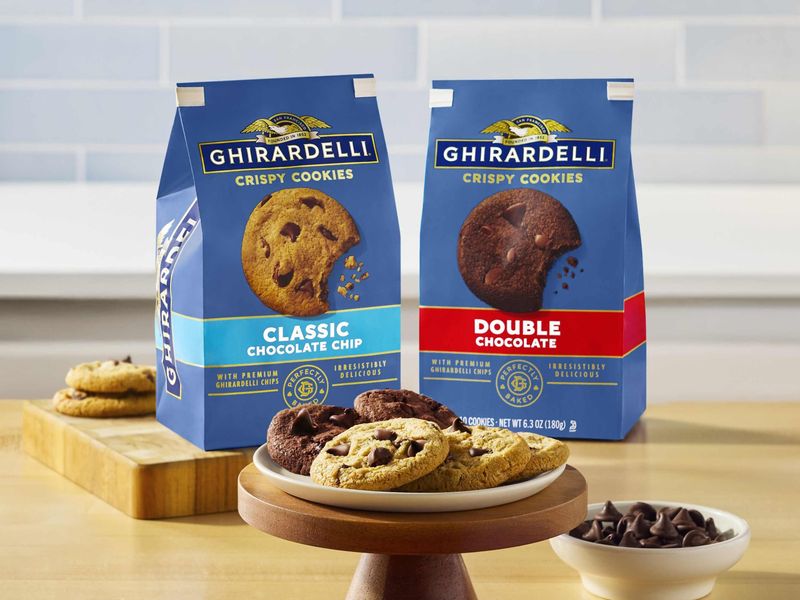
No measuring cups are required for the latest addition described in Ghirardelli Chocolate Company’s product lineup. Ghirardelli Crispy Cookies bring the brand into packaged, ready-to-eat cookies, rather than asking you to supply the dough.
That distinction matters if you already associate the name with chocolate chips, baking bars, or individually wrapped chocolate squares. A finished cookie offers a different kind of convenience, with the chocolate and baking steps already handled.
The supplied launch information identifies this as the company’s first entry into the packaged cookie aisle. It describes a focused introduction with two varieties, rather than a sprawling collection of flavors competing for your attention.
For shoppers, the clearest takeaway is simple: look for a finished snack, not another ingredient for your next recipe. The familiar brand name might draw your eye, but the product category is the actual news.
Ghirardelli traces its beginnings to San Francisco, California, in 1852, giving the launch a long chocolate-making background. That history provides context, although it doesn’t tell you whether these cookies will match your personal taste.
I like that distinction because a familiar name can make a new product feel more predictable than it really is. Your preference still depends on the cookie style, chocolate choice, and balance of ingredients described on the package.
Start by deciding whether you want the classic chocolate chip approach or the version built around several chocolate ingredients. Then check the actual bag for its ingredient list, nutrition information, and any details that matter to your household.
Think of the launch as another way to buy the brand’s chocolate in a finished treat. It doesn’t replace home baking, and it doesn’t need to; sometimes the useful feature is simply skipping the oven entirely.
Classic Chocolate Chip Puts the Chips First
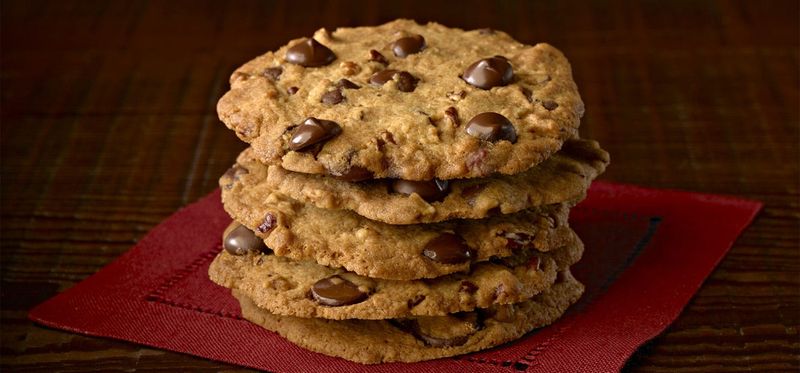
Chocolate chips take the lead in the Classic Chocolate Chip variety, according to the supplied product description. Ghirardelli semi-sweet chocolate chips are identified as the primary ingredient, making that detail more useful than a broad promise of chocolate flavor.
The launch materials also describe buttery cookie notes alongside vanilla and brown sugar sweetness. Those are the brand’s flavor descriptions, not a tasting report from me, but they explain the direction of this option.
If your usual cookie choice starts with a familiar chocolate chip recipe, this is the more direct comparison. It keeps the focus on chocolate pieces within a cookie base instead of adding cocoa throughout the dough.
Still, semi-sweet doesn’t automatically mean the finished cookie will taste less sweet than another product on the shelf. The complete recipe matters, so use the nutrition label if sugar content is part of your decision.
Likewise, the phrase buttery notes shouldn’t substitute for reading the ingredients when you need to avoid particular foods. Flavor language tells you what a product aims to taste like, while the label answers a different question.
A practical first serving can be simple: place a cookie on a plate and try it without extra toppings. That gives you a clearer sense of whether the chocolate and cookie balance suits you before adding anything else.
You could then pair another with your usual tea, coffee, or milk if those fit your preferences. There’s no need to turn an everyday snack into a formal tasting event, complete with a clipboard.
The helpful starting point is that this flavor aims for a recognizable chocolate chip combination in a crispy format. Choose it because that combination appeals to you, rather than assuming the classic name guarantees your favorite bakery-style experience at home.
Double Chocolate Takes a Different Route
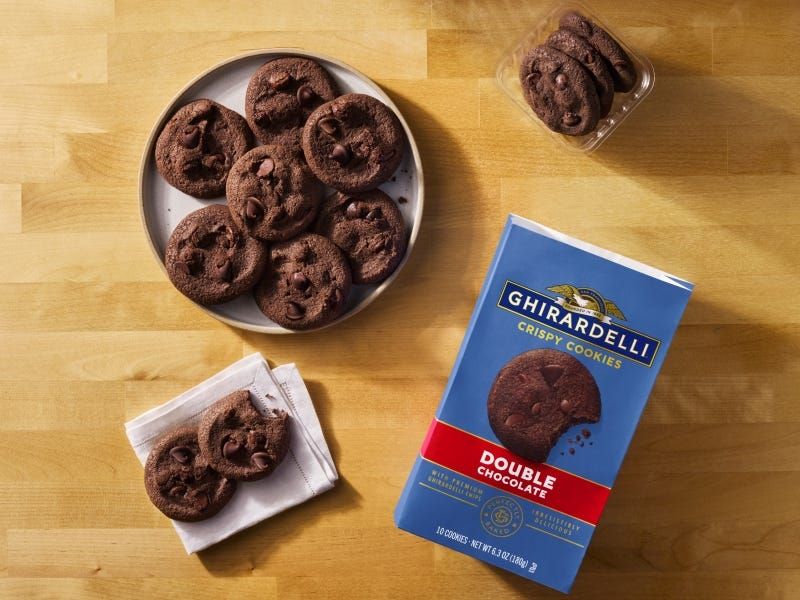
Prefer a cookie that keeps chocolate involved beyond the chips? The Double Chocolate variety combines dark chocolate chips, cocoa powder, and chocolate in the dough, according to the launch information.
That ingredient combination separates it from the Classic Chocolate Chip option more clearly than the flavor name alone. Instead of relying on chocolate pieces against a lighter cookie base, it brings chocolate into several parts of the recipe.
The brand describes this version as bold and rich, which gives you an idea of its intended character. Those words remain product descriptions, though, and shouldn’t be confused with an independent judgment about the finished cookie.
Dark chocolate chips also don’t establish a specific cocoa percentage for the complete product. Unless the package provides that number, there’s no reason to assign one or compare percentages that haven’t been stated.
For the same reason, avoid treating the word dark as a shortcut for lower sugar or particular dietary benefits. Check the full nutrition panel when those details matter, rather than asking a flavor name to do extra work.
A useful way to choose between the two varieties is to consider where you want the chocolate flavor concentrated. Pick this one if chocolate in the dough sounds more appealing than a classic cookie base dotted with chips.
If you’re buying both, taste a small amount of each before adding ice cream or another topping. A simple comparison makes it easier to notice your own preference without turning the afternoon into a dessert laboratory.
Neither variety needs to win a grand contest for the launch to make sense. They offer two different approaches to a crispy chocolate cookie, and your favorite can depend on what sounds good that day rather than any fixed ranking.
Crispy Is the Detail That Shapes the Choice
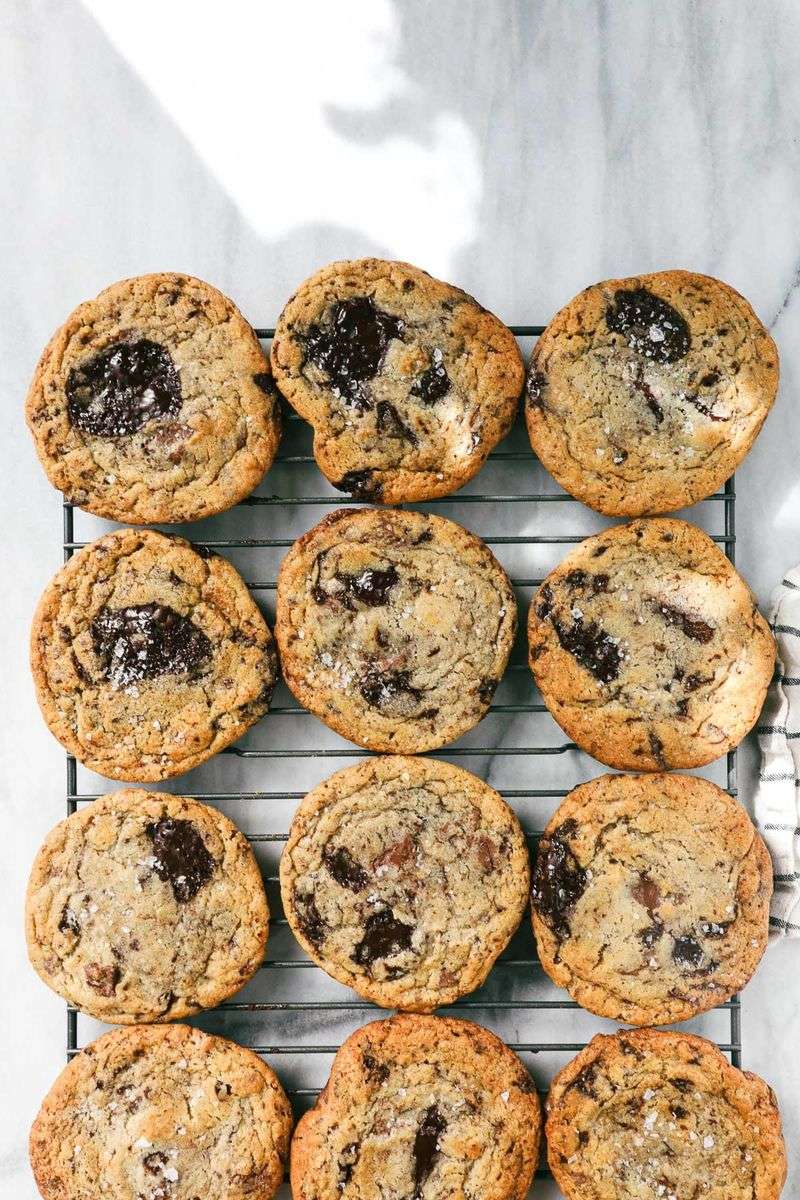
The word crispy does plenty of work in the product name, and it deserves your attention before checkout. These cookies are presented as a crunchy option, not as a promise of a soft or chewy center.
The supplied launch description mentions a satisfying crunch and golden-tan toasted edges. Treat those as the company’s description of the product, rather than proof that every cookie will look or feel exactly alike.
Texture can be the deciding factor even when two cookies contain similar chocolate ingredients. Someone who loves a crisp bite may approach this launch differently from someone who always chooses a soft cookie.
That doesn’t make either preference more sophisticated, and it certainly doesn’t require a debate at the snack cupboard. It simply means the name gives you a useful clue about whether this product belongs on your shopping list.
Keep that intended texture in mind when you plan how to serve the cookies. If you want to judge the crunch itself, try one as packaged before dipping it or adding a moist topping.
Adding milk, pudding, or ice cream changes the eating experience, so those combinations answer a slightly different question. They can still be enjoyable serving ideas, but they won’t show you the cookie’s original texture as clearly.
After opening, follow any storage directions printed on the bag rather than assuming a particular closure or storage feature. The supplied information doesn’t establish whether the package reseals, so check before relying on it for later snacks.
A clean, food-safe container may be useful if the packaging instructions allow transferring the remaining cookies. The goal is straightforward: handle them carefully, follow the label, and give the promised crispy style a fair chance when you finally try your first cookie at home.
Ten Cookies Make the Bag Easy to Plan Around
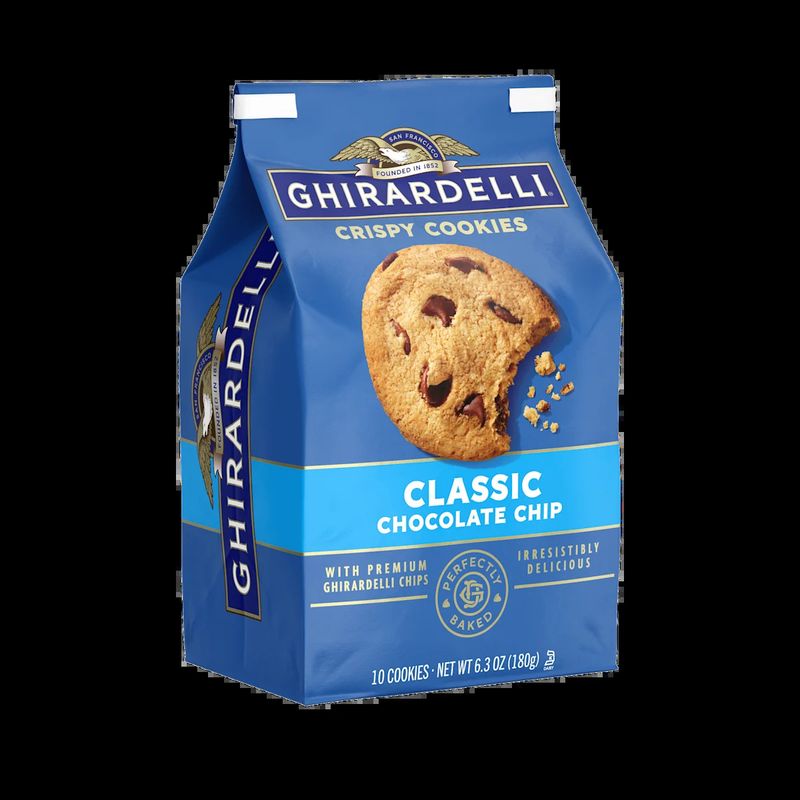
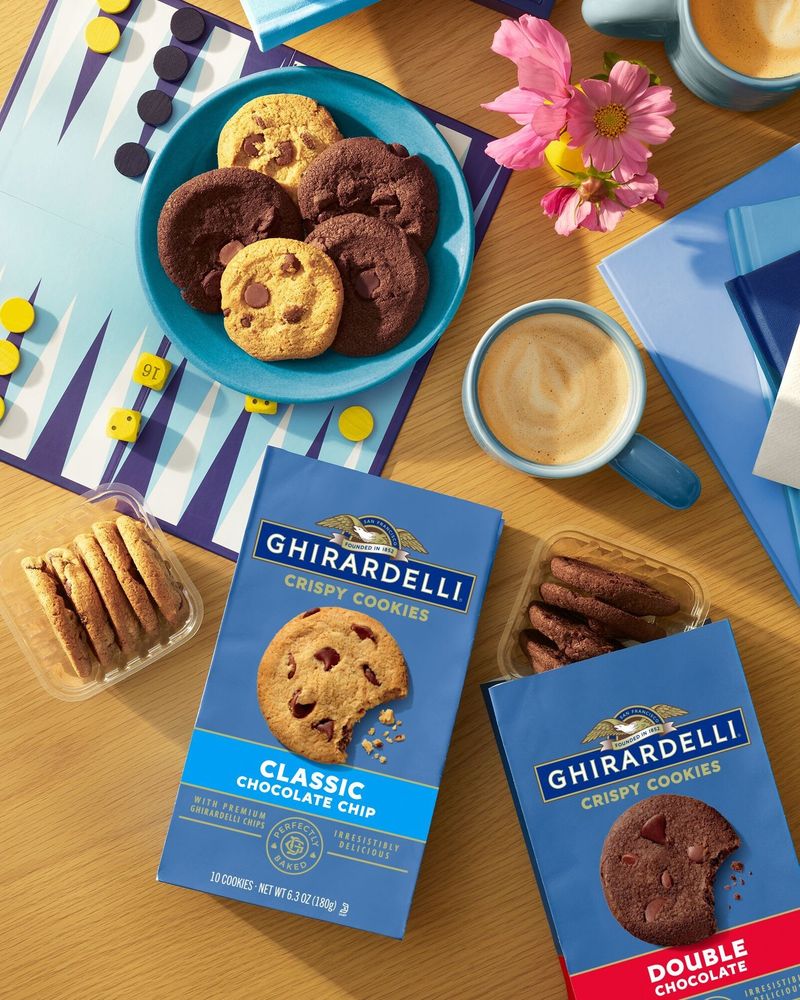
A bag count is sometimes more helpful than another enthusiastic adjective on the front of a package. The supplied product information lists 10 cookies per bag, with a total weight of 6.3 ounces, or 180 grams.
Those numbers give you a practical starting point for deciding how much to buy for your plans. They don’t establish how filling a cookie will feel, and they shouldn’t be mistaken for a recommended serving size.
For nutrition information, look at the serving size printed on the actual package you purchase. A bag containing 10 cookies doesn’t automatically mean it contains 10 servings, because those are separate pieces of information.
If you’re sharing, count the people and decide how many cookies you want available for each person. That simple step is more dependable than guessing from a product photograph, where plates and camera angles can confuse scale.
The package weight also helps when comparing this line with other cookies sold in different bag sizes. Compare equivalent weights or the store’s unit pricing rather than assuming every similarly sized package contains the same amount.
No exact price is needed to make that approach useful, especially when stores and promotions can vary. It keeps the comparison tied to what you’re actually buying instead of whichever bag happens to look larger.
For a small household, the stated count may make it easier to plan a few snack occasions. For a gathering, you can work backward from your serving plan and avoid expecting one bag to cover an undefined crowd.
Of course, buying extra is a personal choice, not a requirement hidden inside the launch announcement. The useful news is simply that the count and weight are stated, giving you something concrete to plan around before the cookies reach your kitchen shelf.
Blue and Red Help You Find Your Flavor
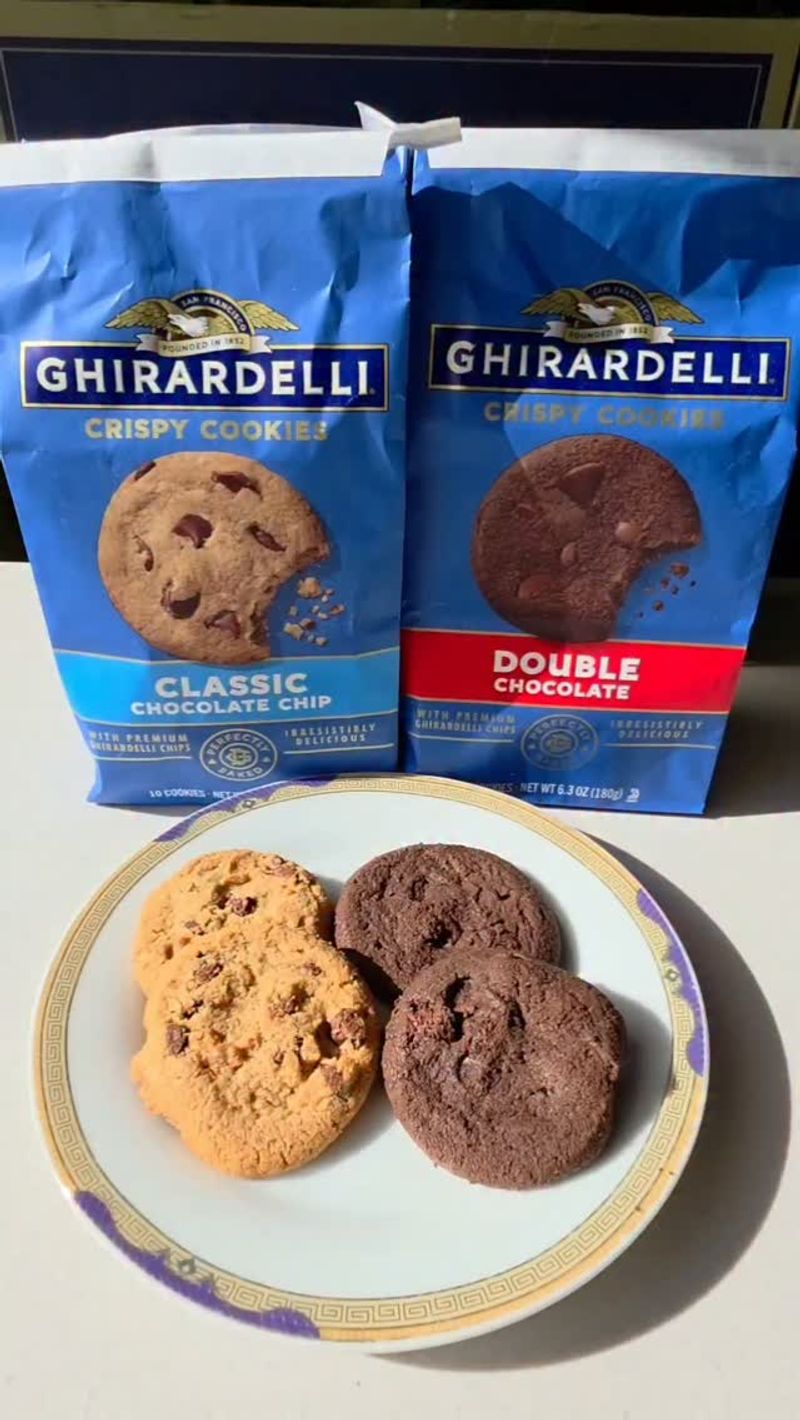
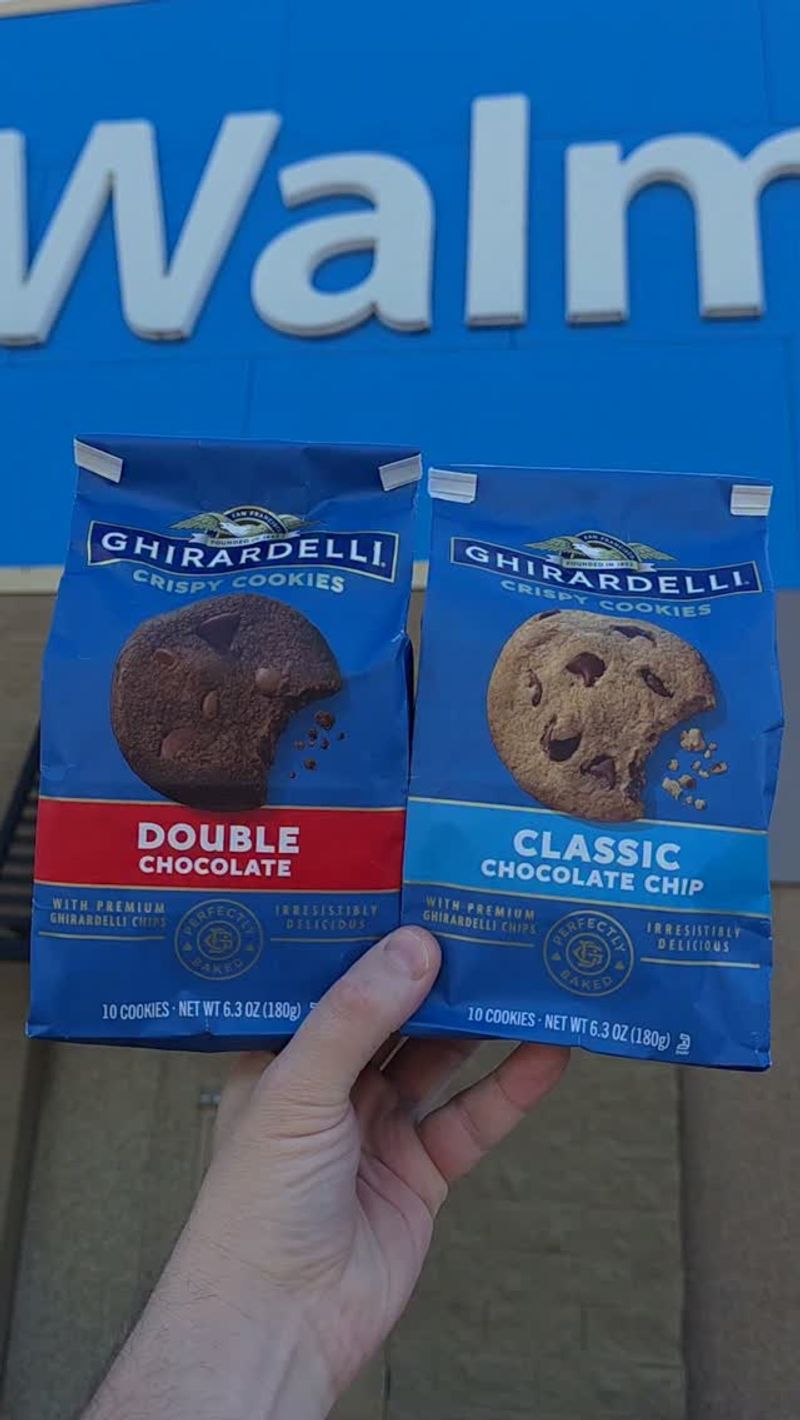
Color offers a quick shopping clue when the two cookie varieties sit beside each other. The supplied packaging details assign a light-blue stripe to Classic Chocolate Chip and a red stripe to Double Chocolate.
That distinction can help when you’re scanning a shelf or checking a small image in an online grocery order. Still, read the flavor name before adding a bag, because a color cue shouldn’t replace the actual product label.
Online images sometimes show only the front of a package, leaving important details outside the frame. Look for additional label photographs or product information when you need ingredients, allergen statements, or the stated package weight.
If someone else handles the shopping, send the full flavor name rather than asking for the blue one. The stripe can serve as a backup clue, while the written name makes your request much less open to interpretation.
The same approach helps when substitutions are part of a grocery delivery service. Decide ahead of time whether either variety works for you, or whether you’d rather skip the purchase if your preferred flavor isn’t available.
Packaging is useful for identifying a product, but it doesn’t establish features that aren’t described in the launch information. Don’t assume the bag includes individual wrappers, a resealable opening, or any particular protective tray without checking it.
I appreciate a simple visual difference when products otherwise share a brand name and overall purpose. It makes the first search easier, especially when you’re still learning which version contains the ingredients you prefer most.
The smartest routine remains wonderfully ordinary: spot the stripe, read the flavor, and confirm the size. A few seconds spent checking those details can keep a Double Chocolate craving from arriving home as a different cookie entirely after your next grocery shopping trip.
Check the Rollout Before Making a Grocery Run
A product announcement and a stocked local shelf aren’t the same thing, especially during a staged retail launch. The supplied information names online sales and several retail milestones, but those details need careful treatment before you plan a trip.
It reports availability through Ghirardelli’s online shop and identifies Kroger and Walmart as rollout retailers. However, I haven’t independently confirmed live inventory or the dated schedule, so neither should be treated as a guarantee here.
The schedule supplied with this assignment names October 11, 2026, for Kroger and October 24, 2026, for Walmart. It also describes broader retail expansion beginning in January 2027, rather than establishing that every store will carry the cookies.
Those dates belong to the provided launch summary, not to a store-by-store stock check. Before relying on them, confirm the announcement timing and search the retailer serving your own location for the exact product.
For shoppers in California or elsewhere, selecting the correct store matters more than finding a general search result. A retailer can list a product online without offering pickup, delivery, or shelf stock at every nearby branch.
Read the fulfillment options carefully if you find a match, especially when delivery and local pickup appear together. Confirm the flavor and package size too, since similar brand names can lead you toward baking chips instead.
If the cookies don’t appear, try the full name Ghirardelli Crispy Cookies rather than a broad chocolate search. You can also check again later without assuming a missing listing means the entire product line has been withdrawn.
The practical rule is to separate the launch story from your next shopping decision. An announcement explains the company’s plans, while a location-specific listing gives you a better basis for deciding whether to leave home today.
Give the Back of the Bag a Moment
The front of the bag helps you choose a flavor; the back helps you decide whether it fits your needs. Before buying, check the complete ingredient list, nutrition panel, and allergen information on the actual package.
The supplied launch summary isn’t a complete label and doesn’t establish every ingredient or manufacturing statement. It also doesn’t support calling either variety vegan, gluten-free, nut-free, or suitable for a particular medical diet without further confirmation.
Even familiar ingredients deserve a closer look when someone in your household has a food allergy. Read both the ingredient list and any additional allergen statements rather than relying only on the product name or flavor description.
If the label leaves an important question unanswered, contact the manufacturer before serving the cookies to that person. A recognizable chocolate brand doesn’t remove the need for the same checks you’d make with any packaged food.
Nutrition comparisons also work best when you use matching serving amounts across the products you’re considering. Different serving sizes can make numbers look surprisingly different, even when the packages occupy similar space in your shopping cart.
Look at the information that matters to your own routine instead of searching for a universal best cookie. You might care about serving size, specific ingredients, or simply whether the product meets a household restriction.
Be cautious with assumptions attached to words such as dark, classic, premium, or crispy. Those terms describe a style or marketing position, not a complete nutritional profile, and none replaces the printed information.
Once the package checks out, you can return to the enjoyable decision of which flavor sounds better. Spending a little time on the label keeps the shopping choice grounded without turning an ordinary cookie purchase into a complicated project for you or anyone sharing the bag later at home.
Let Your First Cookie Keep Things Simple
You don’t need a special occasion to decide whether a new packaged cookie earns another purchase. Start with the flavor that matches your preferences, then give yourself a simple way to compare expectations with the actual product.
Try the cookie on its own first if you’re curious about the chocolate balance and crispy style. After that, serve it however you normally enjoy cookies, without treating the launch as a set of instructions.
A cup of tea, coffee, or milk can be an easy companion if it suits your routine. You could also crumble a cookie over a dessert, though that’s a serving suggestion rather than an advertised product feature.
When sharing both flavors, keep them separate long enough for everyone to know which one they’re trying. A small plate for each variety makes the comparison straightforward and avoids relying on memory after the packages move aside.
There’s no need to predict which option everyone will prefer, because the ingredient approaches are meaningfully different. Classic Chocolate Chip highlights semi-sweet chips, while Double Chocolate includes dark chocolate chips, cocoa powder, and chocolate in its dough.
Pay attention to what matters to you instead of trying to confirm the language on the bag. Perhaps the crisp style is the draw, or perhaps you mainly want a convenient way to enjoy that chocolate combination.
Ghirardelli Crispy Cookies make the clearest sense as an additional ready-to-eat choice, not a replacement for every cookie you enjoy. The launch brings a familiar chocolate name into another shopping category, with two options to consider.
Check availability, read the label, and choose the variety that sounds appealing without assuming more than the package tells you. Then let the cookie handle the final introduction; your own preference is more useful than any prediction about what belongs in your snack cupboard next.
Share this story