Tea leaves belong in a salad here, and lettuce can sit this round out. Seeds, nuts, and imported tea leaves help explain why one California restaurant deserves attention beyond the usual dinner plans.
Its kitchen also serves a special noodle dish with coconut chicken, yellow peas, lime juice, and fried thin noodles. I like how those dishes offer a clear starting point for anyone curious about Burmese food, without requiring a whole evening of menu homework.
A 2024 James Beard Foundation America’s Classics honor adds national recognition, but the more interesting story lives on the menu.
Behind that recognition stands a restaurant that opened in 1984 and still gives diners a chance to explore Burmese cooking through salads, noodles, pancakes, and soups, one thoughtful order at a time, with plenty left to discover on another visit.
A Long Restaurant Story Still Has Plenty To Say
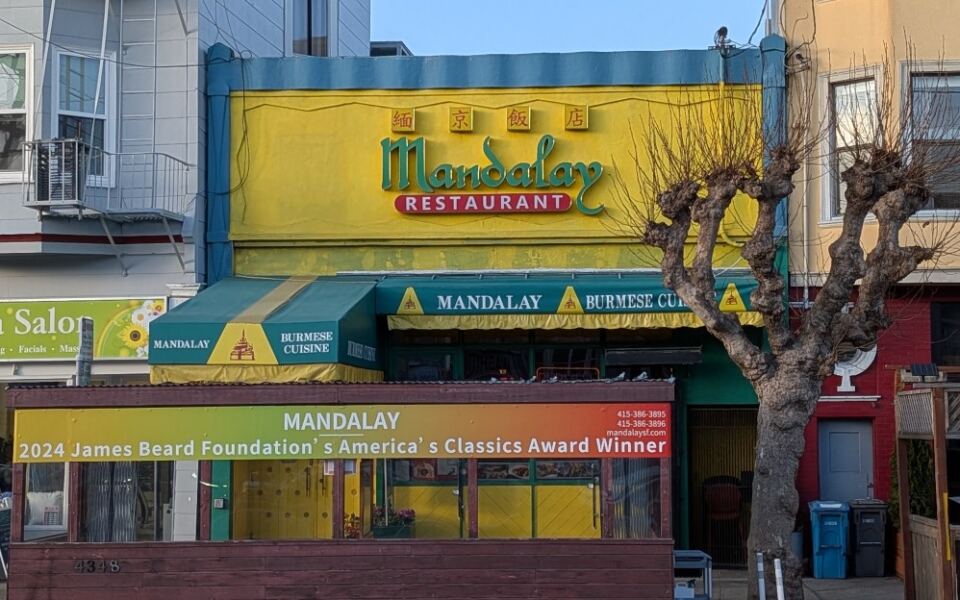
Forty years of restaurant history deserves more than a quick footnote beside the appetizers. Mandalay Restaurant opened on February 4, 1984, giving its Burmese cooking deep roots in San Francisco.
Wayne Lee and Tammy Lee founded the restaurant, establishing the business that continues today. Kevin Chen and his wife, Sherry Dung, took over in 2003, carrying that story into another chapter.
The useful distinction is that Mandalay is the city’s oldest continuously operating Burmese restaurant. Calling it the first would blur a more complicated history, and the accurate version already says plenty.
For your meal, that background offers context rather than a set of rules about what to order. Start with dishes that interest you, then let the restaurant’s Burmese specialties guide the rest.
I like a restaurant story that connects a specific kitchen with a city’s broader food life. Here, tradition means an ongoing business serving recognizable dishes, not simply an old date printed on a menu.
That makes Mandalay part of California’s living restaurant history, with something more useful than nostalgia to offer. You can engage with that history through an actual dinner, which seems like a very sensible arrangement.
Tea Leaves Make A Strong Case For Skipping Lettuce
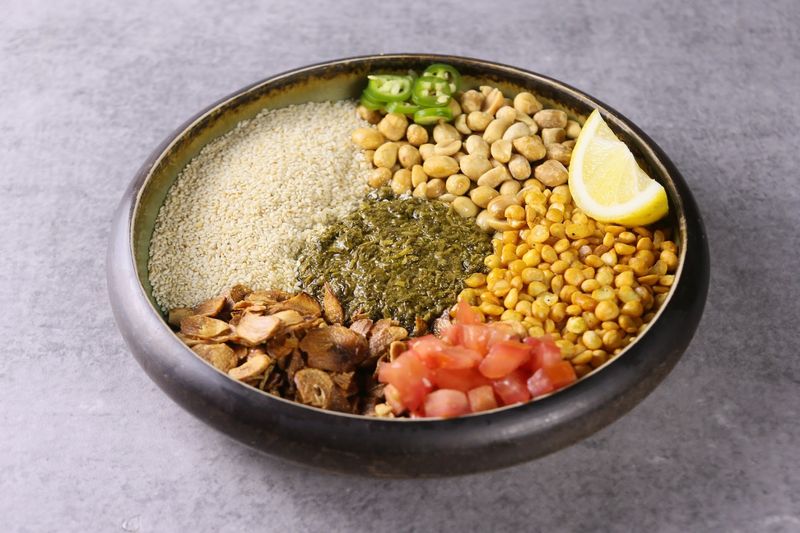
Salad takes a different direction when tea leaves become something you eat rather than steep. Mandalay’s Tea Leaf Salad, also called Lap Pat Dok, offers that change of perspective without relying on lettuce.
Its preparation brings imported tea leaves together with seeds and nuts, making those ingredients central to the dish. That matters when you approach the menu expecting a familiar bowl of greens with dressing.
Consider ordering it early so its ingredients become a reference point for the rest of your meal. Sharing can also make sense when your group wants room to explore noodles or soup afterward.
Ask about the ingredients before ordering if anyone at your table has food allergies or dietary restrictions. A salad’s name rarely tells the whole story, especially when seeds and nuts play such a clear role.
Tableside mixing has been a noted part of the dish’s presentation, although service details can change. Treat that possibility as an added interest, not a promise attached to every order.
The bigger attraction needs no performance: tea leaves hold their own as food here. For a first introduction to Mandalay Restaurant, that is a compelling place to begin your own exploration of Burmese cooking.
The House Noodles Give You A Useful Starting Point
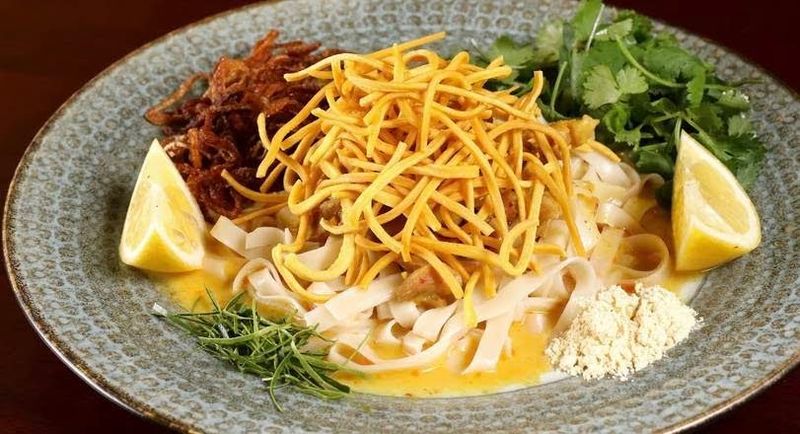
A house specialty can make a long menu feel much more manageable on your first visit. The Mandalay Special Noodle gives you a named dish to consider before branching into less familiar choices.
Its listed ingredients include mild coconut chicken, yellow peas, lime juice, onion, and fried thin noodles. That combination gives you more useful information than a vague promise that something is a signature favorite.
Coconut chicken and lime also provide clear points to discuss when asking staff about the preparation. You can explain which ingredients appeal to you instead of trying to describe an entire cuisine.
Pairing the noodles with a salad creates an easy framework for exploring two different menu categories. Keep the order flexible, though, since your group’s appetite should matter more than any suggested dining plan.
Do not assume the word mild answers every question about seasoning or your own comfort level. Ask about adjustments before ordering, and mention any ingredient restrictions at the same time.
Mandalay Restaurant earns attention through specific dishes like this, not through the size of its menu alone. A memorable meal often begins with one clear choice, followed by enough curiosity to try something different next.
Balada Makes Room For A Little Dipping
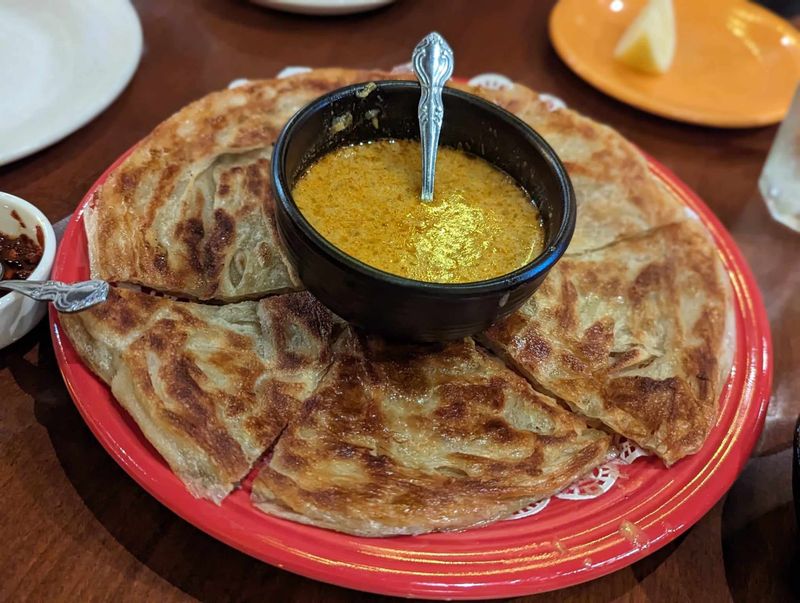
Not every memorable order needs a long ingredient list to explain its appeal at the table. Balada offers a straightforward introduction: a Burmese pancake served with curry dipping sauce alongside it.
The dish gives you another way to explore the menu beyond salads, noodles, and soup. It also invites a different eating rhythm, with the pancake and sauce working together rather than arriving already combined.
Consider it when your group wants an additional dish without repeating the same type of food. A varied order can teach you more about a kitchen than several closely related choices.
Ask what goes into the accompanying curry sauce if you follow a vegetarian diet or avoid particular ingredients. The pancake’s appearance and name cannot answer those questions reliably, so a brief conversation is worthwhile.
Likewise, check how the restaurant recommends sharing it before planning an order for a larger table. Portion expectations differ, and there is no reason to turn dinner into an exercise in optimistic arithmetic.
What appeals to me is the simple format, which leaves the food at the center of attention. Balada adds another distinct piece to Mandalay’s Burmese menu without requiring a complicated introduction before you take a bite.
Soup Deserves More Than A Supporting Role
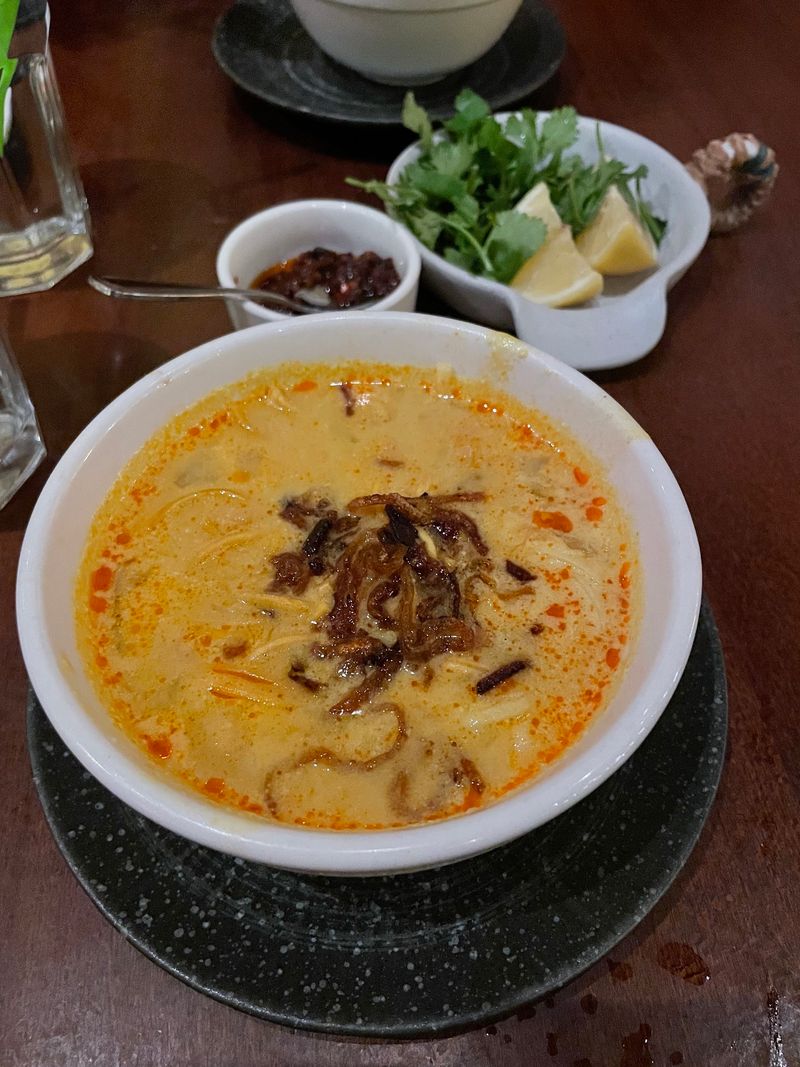
Sometimes the most useful menu decision is choosing a bowl instead of another plate to share. Mandalay’s soup choices include mohinga, samusa soup, and coconut chicken noodle soup, offering several directions to consider.
Coconut chicken noodle soup appears under the Burmese name Ong No Kaw Soi on menus. Recognizing both names can help when you compare dishes or explain which bowl caught your attention.
Rather than assuming those soups are similar, ask what distinguishes their ingredients and preparations that day. Names provide a starting point, but they do not replace a clear explanation when you have specific preferences.
A soup can also anchor your meal if the rest of the table wants several shared dishes. You still get to explore, while keeping one choice that fits the kind of dinner you want.
Check ingredients carefully when managing allergies, particularly if a broth or garnish is not fully described. That small question is more helpful than guessing from a dish’s title or its photograph.
The broader point is simple: Burmese cooking here extends well beyond the best-known salad. Giving the soup section your attention makes the meal feel more exploratory without making the ordering process harder than it needs to be.
Rainbow Salad Offers Another Route Through The Menu
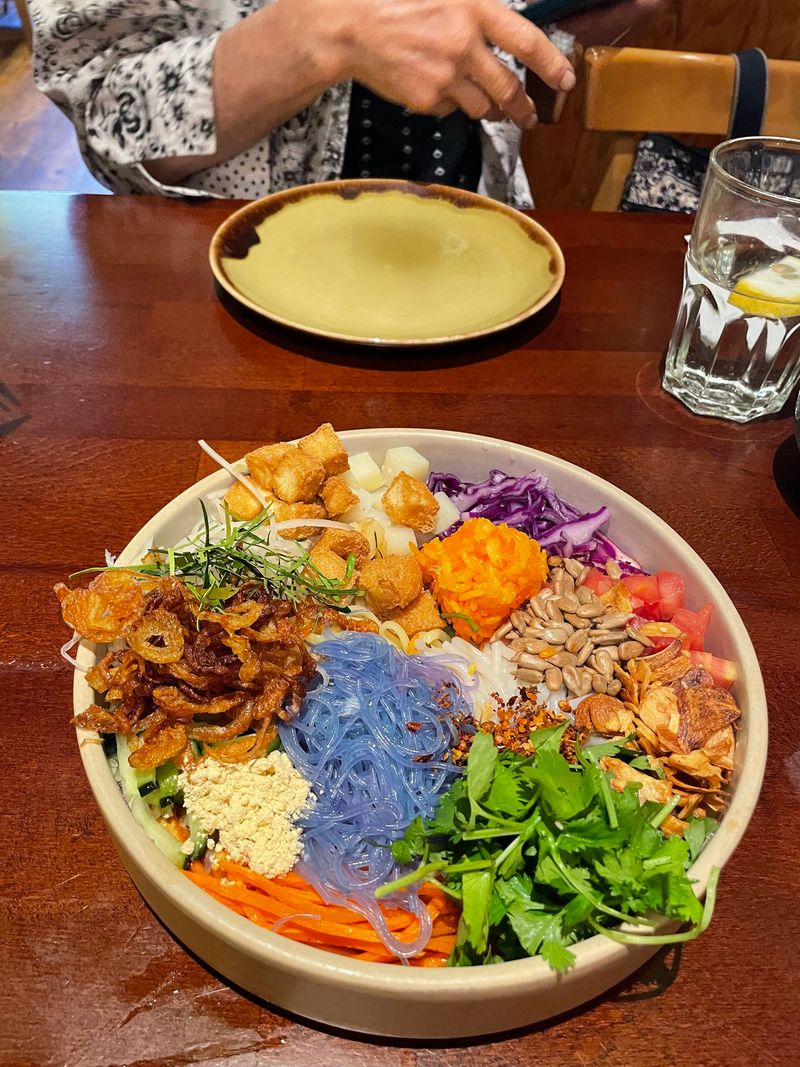
Curiosity does not have to stop after the tea leaf salad gets its well-earned moment. Rainbow Salad and Ginger Salad provide other reasons to spend time with this part of Mandalay’s menu.
The Rainbow Salad is known for bringing many ingredients together in a single preparation. Rather than treating its name as a complete description, ask what the kitchen includes before making your choice.
Ginger Salad offers another clear point of comparison if ginger is an ingredient you already enjoy. Choosing between them becomes easier when you think about familiar preferences instead of searching for the supposedly correct order.
For a shared meal, consider selecting one salad first and building the other dishes around it. That approach leaves space for a pancake, noodles, or soup without turning variety into needless repetition.
Tableside mixing has also been associated with Rainbow Salad, adding interest to how its ingredients come together. Still, the preparation matters more than expecting a particular presentation during every service.
I appreciate menus that offer several ways into a food tradition rather than one compulsory signature dish. At Mandalay Restaurant, the salad choices let you follow your own tastes while keeping Burmese cooking at the center of the meal.
National Recognition Points Back To A Neighborhood Kitchen
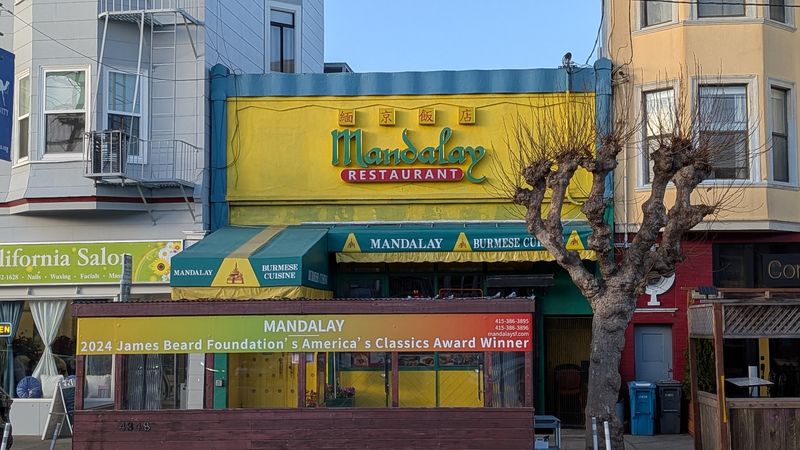
National recognition gives an unfamiliar restaurant a useful introduction, but it should not choose your whole dinner. In 2024, Mandalay received the James Beard Foundation’s America’s Classics honor, a significant milestone in its long story.
The recognition connects this neighborhood restaurant with a wider conversation about American food traditions and community. Burmese cooking belongs in that conversation, and Mandalay offers a specific San Francisco example you can actually visit.
For someone exploring California restaurants, that honor provides a reason to look beyond familiar categories and names. It draws attention toward an established kitchen rather than requiring a brand-new concept to create interest.
Use the distinction as context, then return to practical questions about dishes, ingredients, and your own preferences. A celebrated restaurant still works best when you order food that genuinely interests you.
There is no need to turn the meal into a checklist of famous dishes or outside praise. Choosing one specialty and one less familiar option can feel more personal than copying somebody else’s entire order.
The honor helps explain why Mandalay’s story reaches beyond its neighborhood, but the menu keeps that story grounded. Recognition opens the conversation; a thoughtful meal gives you something concrete to explore once you arrive.
Put The Richmond District Address Into Your Plans
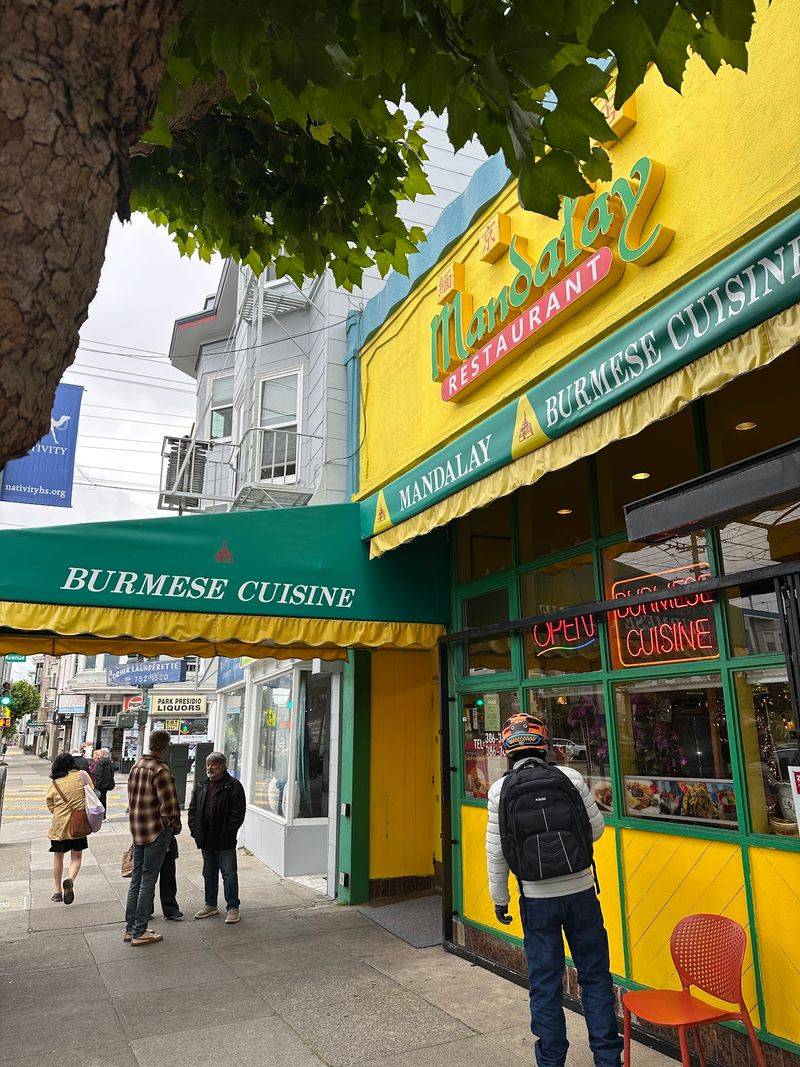
A good restaurant plan starts with the right destination, especially when a city has many tempting distractions. Mandalay Restaurant is at 4348 California Street, San Francisco, CA 94118, in the city’s Richmond District.
Save the complete address before leaving rather than relying on the restaurant name alone in a search. That simple step helps keep directions focused on the place you actually intend to visit.
Check the restaurant’s own information for dining hours and reservation arrangements close to your planned visit. Schedules can change, and a delivery platform’s ordering window may not match dining room service.
Build your travel plan around the address rather than assuming parking or a particular transit connection will be convenient. Your starting point and timing will determine which route makes the most sense.
If you are coordinating with friends, share both the restaurant name and the California Street address. It is a small courtesy that saves the group from sorting out different map results later.
Once those practical pieces are settled, you can spend your attention on the more enjoyable question of what to eat. Restaurant logistics rarely deserve the spotlight, but getting them right gives dinner a much smoother beginning for everyone.
Leave A Little Curiosity For Your Next Order
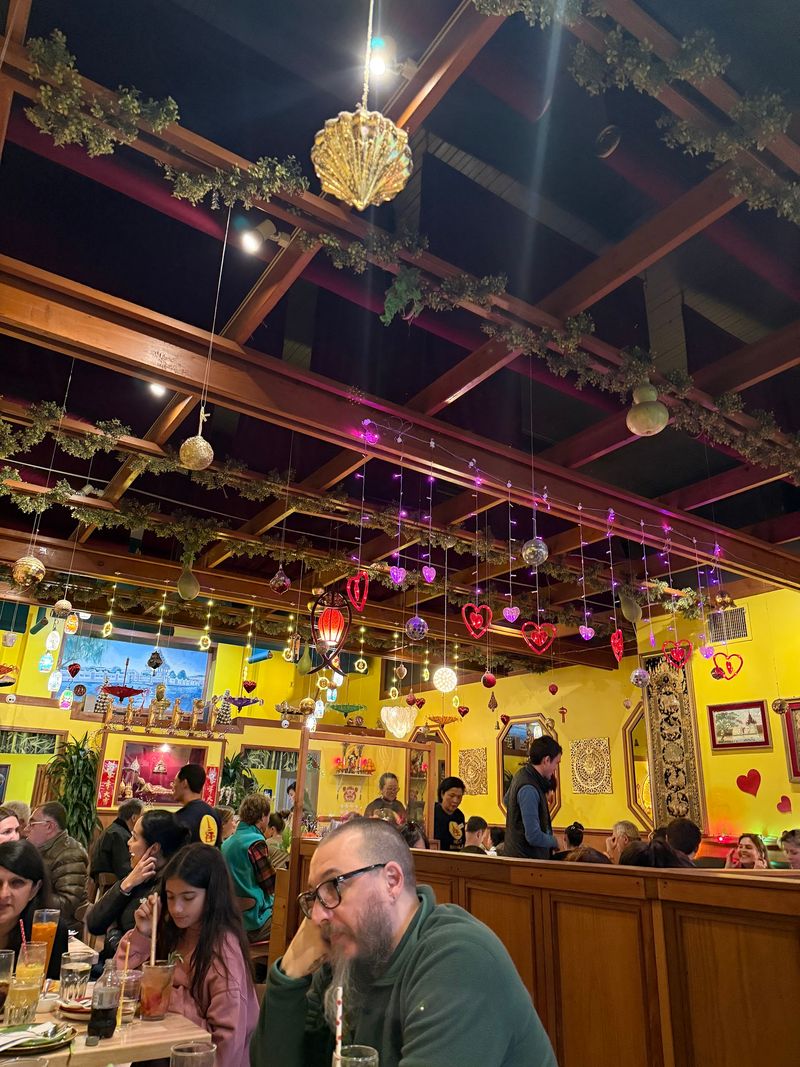
You do not need to understand an entire food tradition before choosing something good for dinner. A little preparation helps, but genuine curiosity is a perfectly reasonable starting point at Mandalay.
Pick one dish that feels approachable, then consider another that introduces an ingredient or preparation you know less about. The special noodles and a salad offer one possible combination, not a required formula.
Tell staff about allergies and dietary needs before the order is finalized, including ingredients hidden in sauces or broths. Clear questions make the meal easier to enjoy and keep assumptions out of the conversation.
For a group, agree on a few shared priorities rather than letting every interesting dish become an automatic addition. You can always remember another choice for a future meal instead of solving the whole menu at once.
Mandalay Restaurant keeps San Francisco’s Burmese food tradition visible through dishes people can continue choosing and learning about. Its history and national recognition add meaning, while the cooking gives that meaning a practical place at the table.
I like that balance between a long story and a simple decision about dinner tonight. Start with what catches your attention, ask a thoughtful question, and let curiosity earn its place beside your plate.
Share this story