A good Southern pie can turn an ordinary supper into a reason to stay at the table. Some bring toasted nuts and brown sugar, while others lean on bright citrus, fresh fruit, or silky custard.
From church suppers to roadside diners, these favorites show how simple ingredients become desserts worth sharing.
1. Pecan Pie
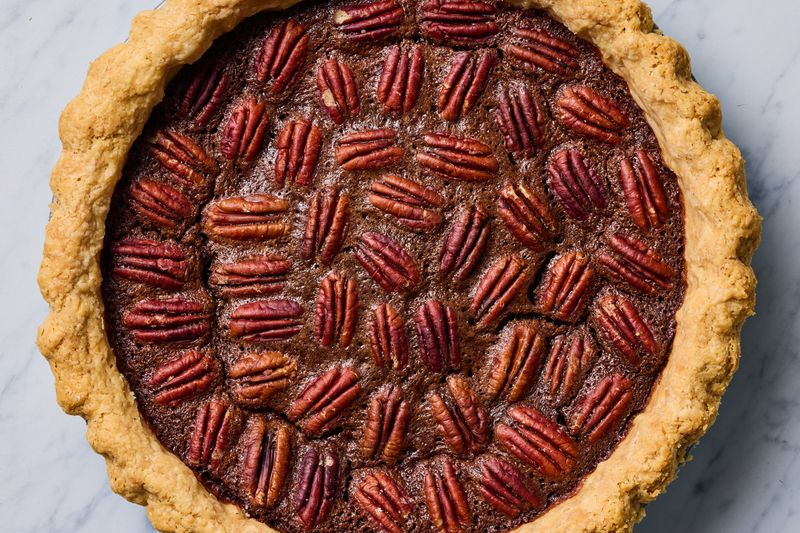
One look at that shiny blanket of pecans, and you know somebody saved room for dessert. Beneath the nuts sits a sweet, sticky filling that turns a handful of pantry staples into a holiday favorite.
Eggs, sugar, butter, and syrup usually build the center, while pecans give every bite a welcome crunch. Corn syrup is common, but some recipes use cane syrup or other sweeteners for a deeper flavor.
For better results at home, toast the nuts before adding them to the filling. Keep an eye on the crust as it bakes, and cover the edges with foil if they brown before the center sets.
The middle should wobble slightly when the pan moves, not ripple like a drink. Let the pie cool completely before slicing, since a warm filling may run across the plate.
A small wedge goes a long way, especially after a big meal. Serve it with plain whipped cream or vanilla ice cream, and let the nuts do the talking.
For a modest twist, add a little bourbon or scatter dark chocolate beneath the pecans. Neither addition should bury the buttery flavor that makes the original worth keeping.
2. Sweet Potato Pie
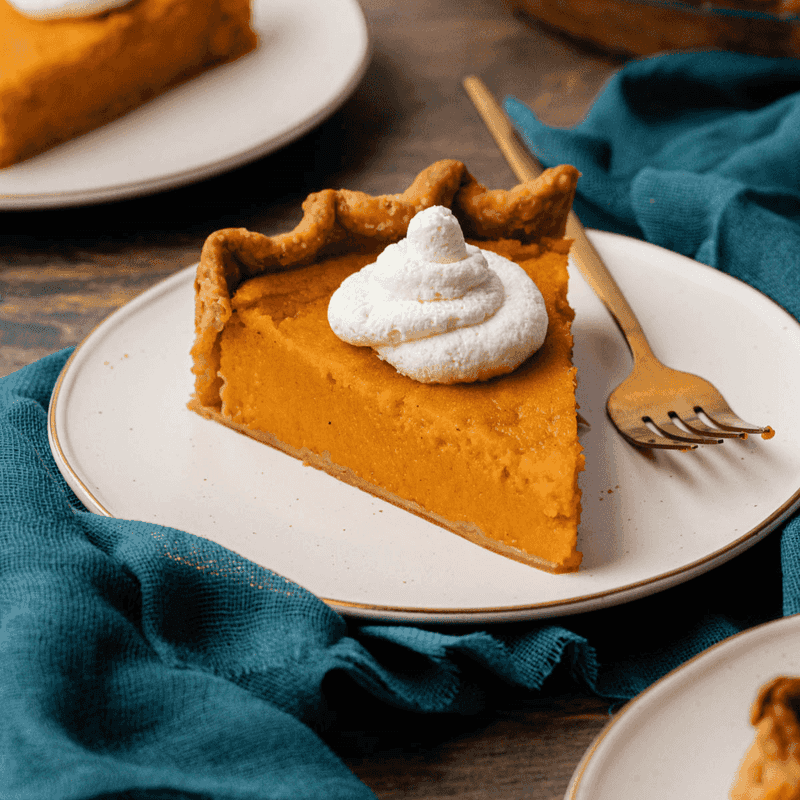
Before the first bite, the smell of warm spice gives this pie away. Its soft orange filling tastes earthy, buttery, and gently sweet, with a texture that feels right at home after Sunday dinner.
Sweet potato pie holds a special place in many Black Southern family traditions. Recipes often travel through generations, with each cook choosing a personal balance of cinnamon, nutmeg, vanilla, and sugar.
Roasting the potatoes can deepen their flavor without adding extra water. Once they are tender, remove the skins and mash the flesh until smooth, picking out any tough strings.
Give the mixture a taste before adding raw eggs, then adjust the sweetness and spice. Some potatoes are naturally sweeter than others, so a familiar recipe may need a small change from one batch to another.
A properly baked center should be set around the edges with a slight shake in the middle. Cool the pie before cutting, and refrigerate leftovers because the filling contains eggs and dairy.
Whipped cream makes a fine topping, but try one plain bite first. A well made slice has enough flavor to stand proudly on its own, without any extra decoration needed.
3. Chess Pie
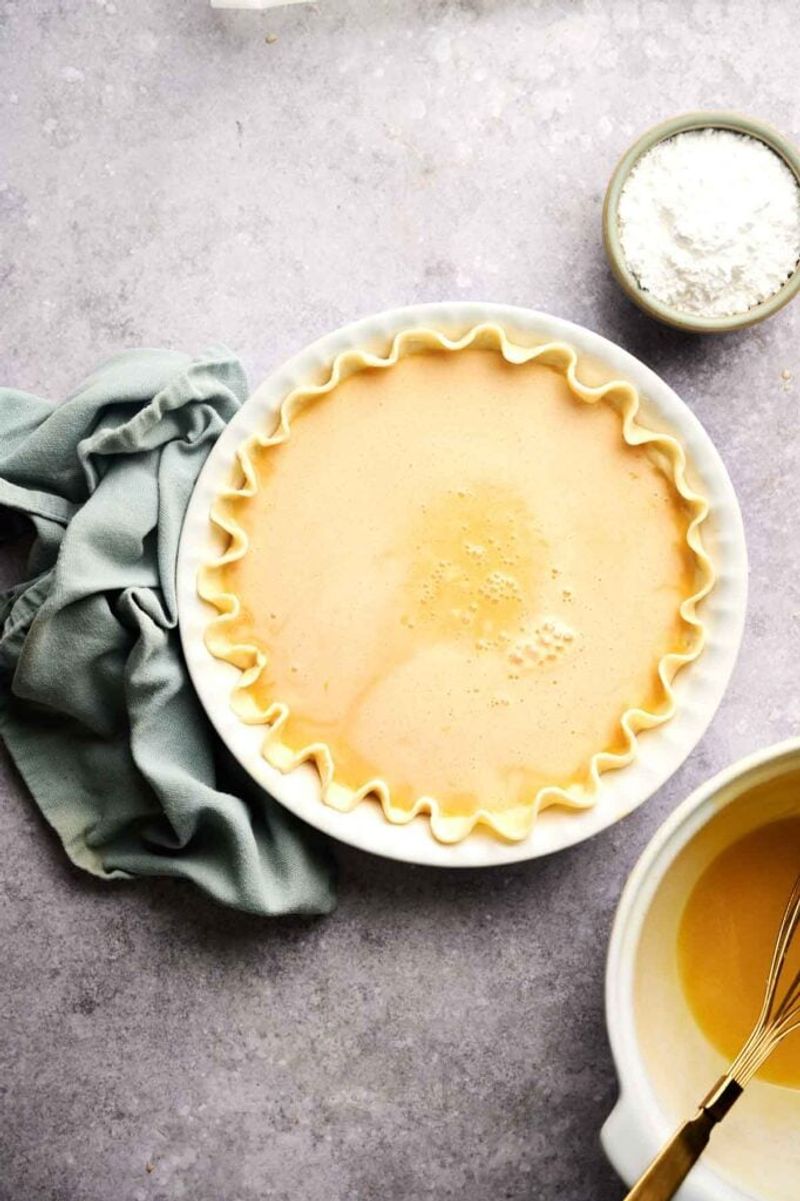
Who knew a nearly empty pantry could produce such a rich dessert? Sugar, eggs, butter, and a few supporting ingredients make a custard with a thin, delicate top and a soft center.
Chess pie is closely tied to Southern home baking, though the story behind its name remains uncertain. Theories are plentiful, but no single explanation deserves to be served as settled fact.
Many versions include a little cornmeal, which helps create the pie’s familiar texture. A splash of vinegar or lemon juice can balance the sugar without turning the filling into a tart dessert.
Keep the ingredient list simple when trying it for the first time. Too many extras can hide the buttery sweetness and faint grain that separate chess pie from other custard pies.
Bake until the edges look firm and the center still trembles slightly. Cooling gives the filling time to settle, making neat slices much easier to lift from the pan.
Because it is rich, serve narrow wedges with coffee or unsweetened tea. Fresh berries on the side add a bright contrast, especially when you want dessert to feel a little lighter after a generous family supper.
4. Buttermilk Pie
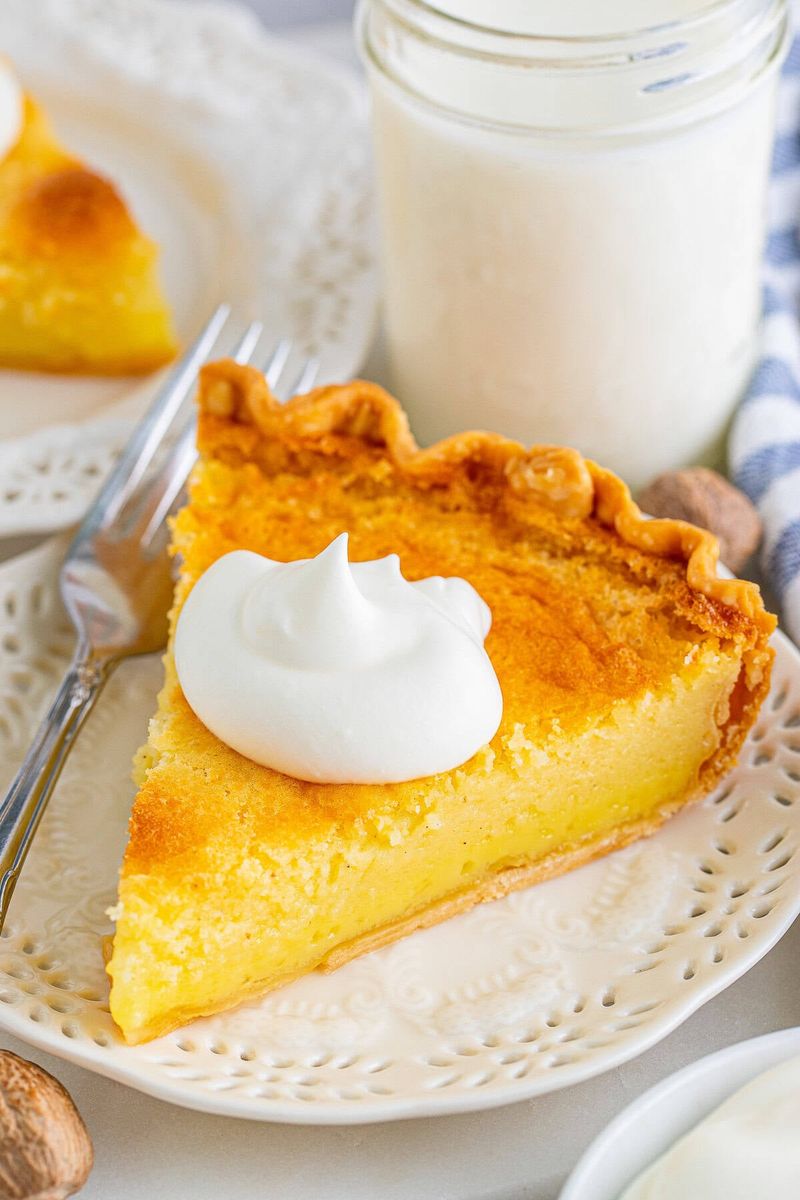
That carton left over from biscuit making has another excellent job waiting. Buttermilk brings a gentle tang to a sweet custard, creating a pie that feels rich without tasting quite as sugary as expected.
Although it looks like chess pie, the two are not interchangeable. Buttermilk is the defining ingredient here, while chess pie commonly gets its character from cornmeal and a different balance of pantry ingredients.
Most recipes call for eggs, butter, sugar, and a little flour alongside the buttermilk. Vanilla is common, and some cooks add lemon zest for a brighter finish.
Bring chilled ingredients closer to room temperature before mixing so the melted butter blends more easily. Whisk until smooth, but avoid beating in lots of air, which can leave the baked surface uneven.
Use your recipe’s crust directions carefully, since some call for baking the shell first. The goal is a crisp bottom beneath a tender filling, not a damp layer hiding under the custard.
Chill leftovers promptly and serve slices cool or after a short rest outside the refrigerator. A few sliced strawberries make a fresh partner without covering up the flavor you worked to bring forward.
5. Coconut Cream Pie
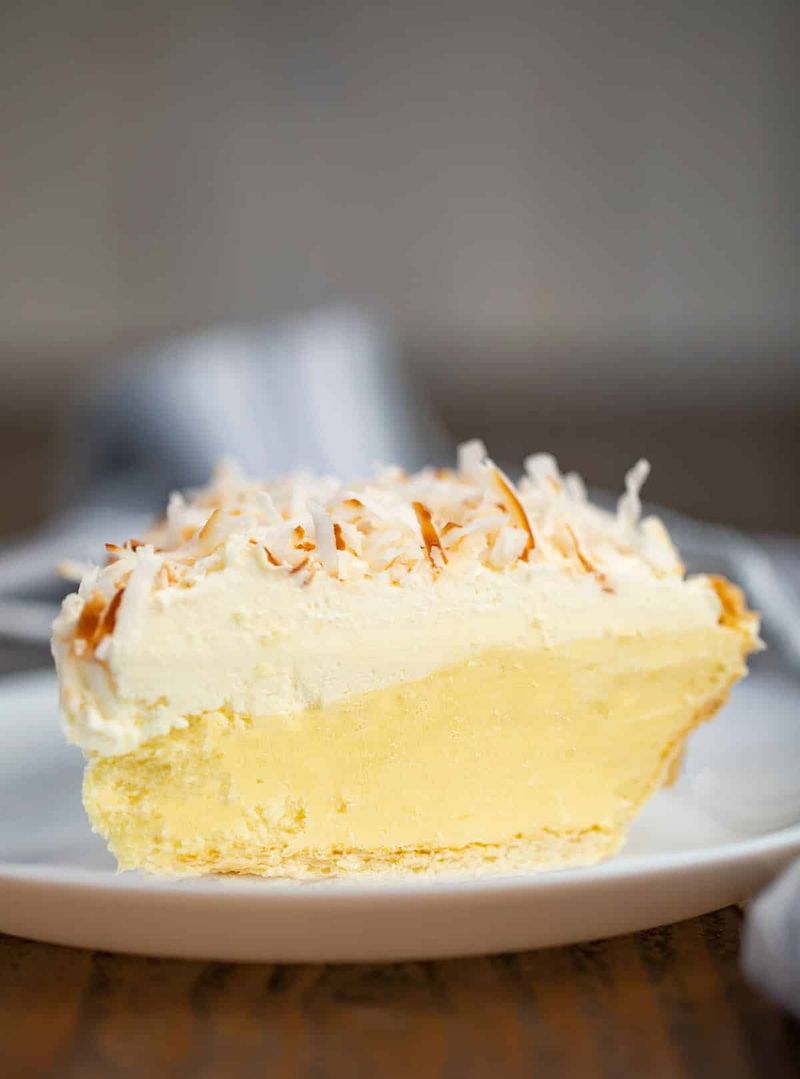
A tall cloud of whipped cream makes this one easy to spot in a diner case. Underneath waits a cool coconut custard, usually tucked into a crisp pastry shell that keeps each forkful interesting.
Coconut cream pie is not the same as coconut custard pie. The cream version generally uses a cooked filling poured into a baked shell, while the custard version typically bakes its filling inside the crust.
For strong flavor, choose a recipe that includes coconut milk or a generous amount of shredded coconut. Check whether it calls for sweetened shreds, since switching types can change both sweetness and texture.
Toast a small handful of coconut separately for the topping. Watch the pan closely and stir often, because pale flakes can turn dark faster than you expect.
Press food wrap directly against the warm custard while it cools to help prevent a skin. Add whipped cream only after the filling is cold, then refrigerate until the pie holds clean slices.
Serve it straight from the refrigerator on a warm afternoon. The contrast between cool cream, chewy coconut, and crisp crust is the whole point, so skip heavy sauces and extra syrup.
6. Lemon Icebox Pie

Hot afternoons practically call for a cold slice with a sharp lemon kick. An icebox pie delivers that relief with a creamy filling and a crumb crust that asks very little of the cook.
The name comes from the days when iceboxes kept food cold before electric refrigerators became common. Southern cooks embraced chilled desserts that could be prepared ahead and served without a last minute rush.
Sweetened condensed milk appears in many lemon versions, giving the filling its rich body. Recipes vary widely, though, with some baked, some thickened on the stove, and others made without eggs.
Follow a tested recipe rather than assuming lemon juice makes raw eggs safe. If an uncooked version includes eggs, choose pasteurized eggs and follow the recipe’s food safety guidance.
Fresh lemon juice gives the cleanest flavor, while finely grated zest adds extra punch. Avoid scraping the white layer beneath the peel, which can bring an unwanted bitter taste.
Allow plenty of chilling time before cutting, preferably several hours or overnight. A chilled knife wiped between slices helps keep the edges tidy, and a little whipped cream softens the tart finish without hiding its sunny character.
7. Chocolate Meringue Pie
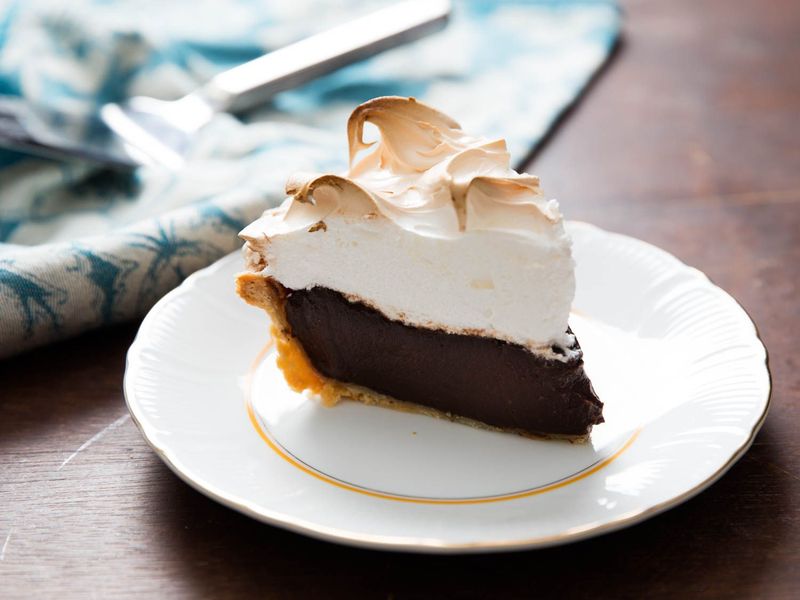
Those toasted peaks are not just showing off, although they certainly know how. Beneath the meringue sits a deep chocolate filling that turns a familiar pudding flavor into a proper Sunday dessert.
Many Southern versions use a stovetop custard made with cocoa, sugar, milk, and egg yolks. The whites become the airy topping, making good use of the whole egg.
Have the crust baked and ready before cooking the filling. Stir the custard carefully, reaching into the corners of the saucepan so thick patches do not stick and scorch.
Meringue needs a clean bowl with no grease or stray yolk. Add sugar gradually while beating, and follow your recipe’s directions for spreading the topping over the filling.
Seal the meringue against the crust around the entire edge to help reduce shrinking. Many traditional methods spread it over hot filling, which helps cook the underside as the top browns in the oven.
For safety, use a tested method that fully cooks the egg topping, and refrigerate the finished pie. Expect a little softness when slicing; the pleasure is in the contrast between fluffy peaks and dense chocolate, not perfectly sharp bakery edges every single time.
8. Kentucky Chocolate Walnut Pie
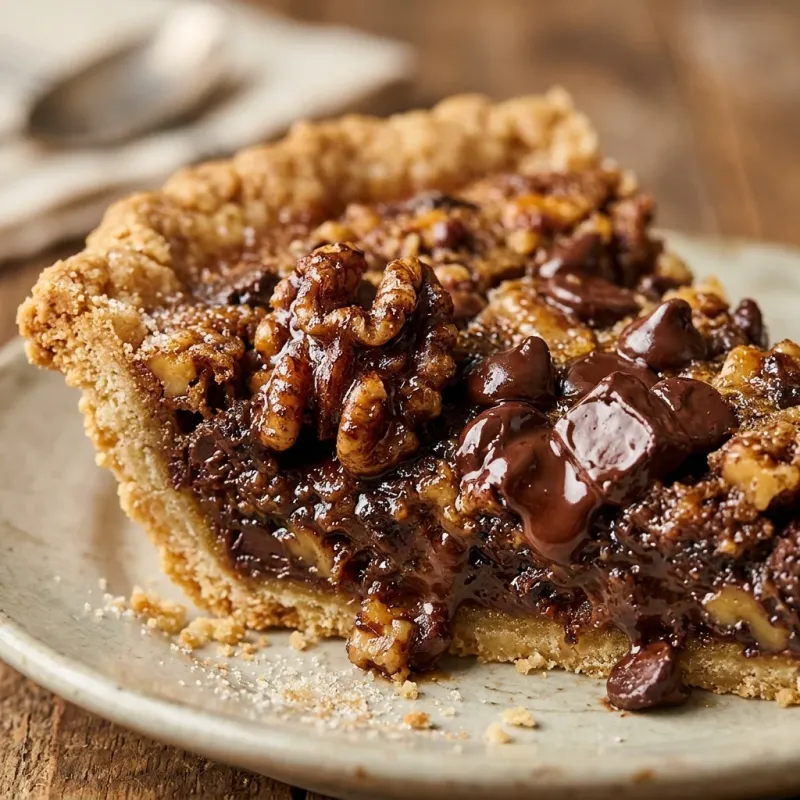
Race day deserves a dessert with a little swagger. Kentucky’s chocolate and walnut pies bring plenty, pairing a buttery filling with dark pockets of chocolate and enough nuts to keep things from feeling one note.
You may see similar desserts called Derby pie, but Derby-Pie is a registered trademark associated with Kern’s Kitchen. A homemade chocolate walnut pie belongs to the broader baking tradition without needing that branded name.
Walnuts add a slightly bitter edge that plays well against the sweet filling. Some home recipes swap in pecans, though walnuts give this particular version its familiar personality.
Chop the nuts into pieces that fit comfortably on a fork. Smaller chocolate pieces also spread more evenly, so every slice gets a fair share instead of one oversized melted pocket.
A little bourbon can add warmth, but it is optional rather than essential. For guests avoiding alcohol, choose a recipe without it instead of assuming baking removes every trace.
Let the pie cool enough for the center to hold together before serving. Slightly warm slices are lovely with vanilla ice cream, especially when the chocolate still feels soft against the crisp nuts and buttery pastry shell.
9. Key Lime Pie
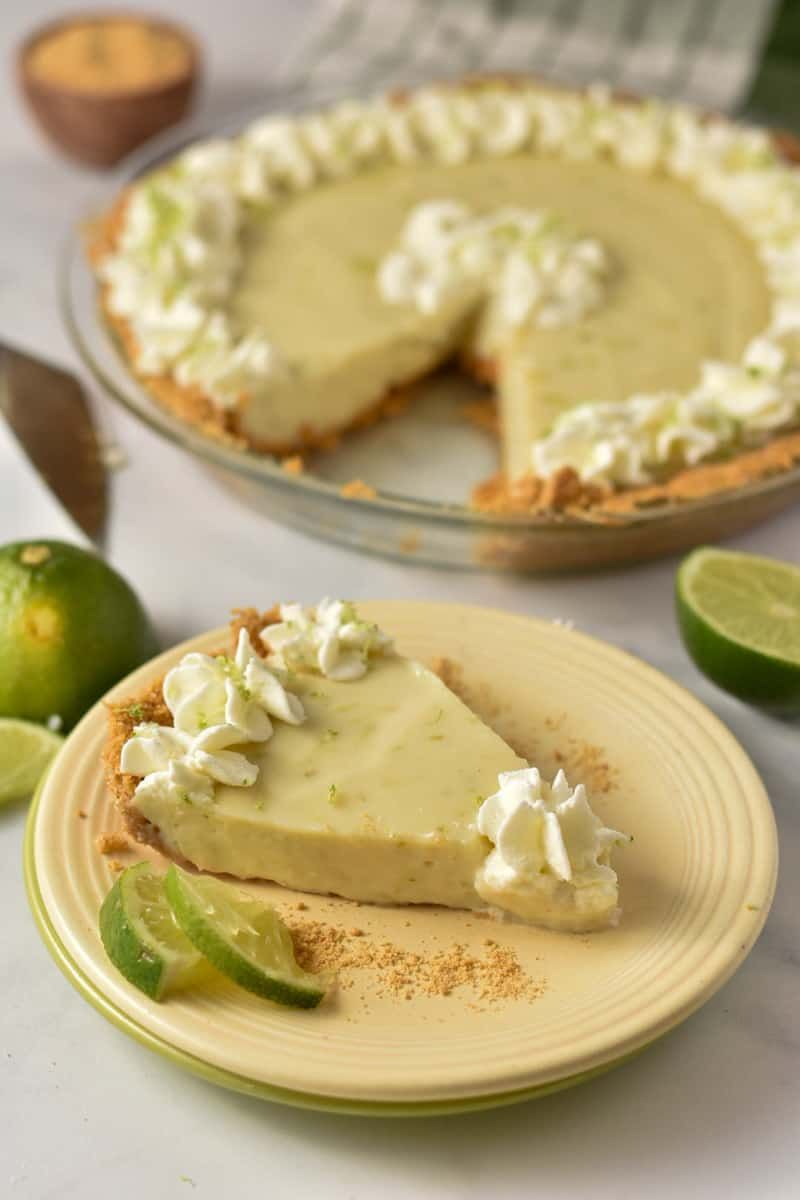
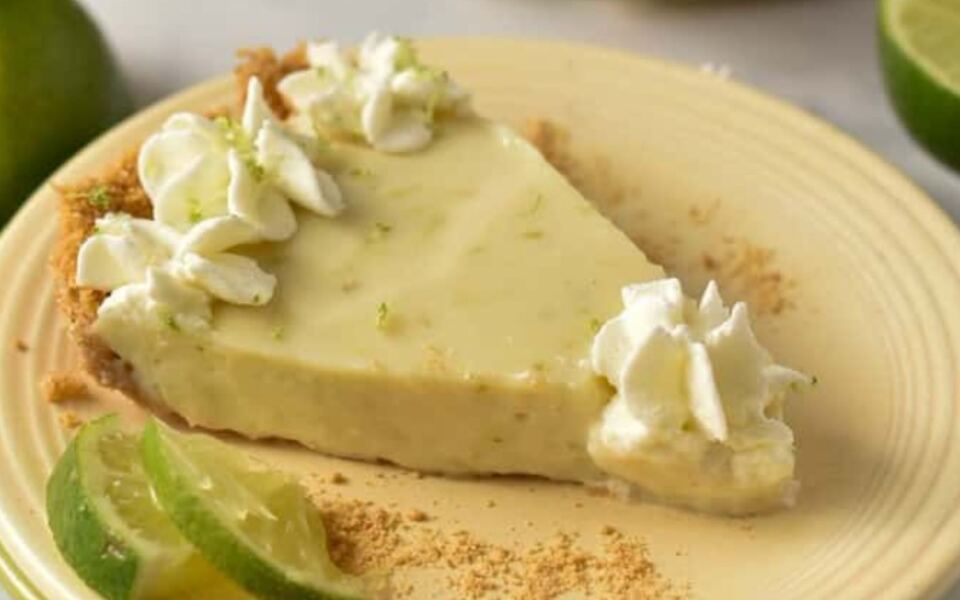
Forget bright green filling; a classic slice usually leans pale yellow. Lime juice, egg yolks, and sweetened condensed milk create the creamy center that made this Florida favorite famous far beyond the Keys.
Key limes are small, aromatic, and often less convenient to squeeze than ordinary supermarket limes. Their juice brings a distinctive flavor, but regular Persian limes can still make an excellent homemade pie.
Use a trusted recipe and measure the juice carefully. Adding extra liquid for more tang can upset the filling, so reach for finely grated zest when you want stronger citrus flavor.
A graham cracker crust provides a sweet, sandy crunch against the smooth center. Press the crumbs firmly into the pan, including the corners, so the shell stays together when lifted.
Many modern recipes briefly bake the filling before chilling it thoroughly. Do not rely on citrus juice alone to make raw eggs safe; follow proper cooking instructions or use an appropriate tested alternative.
Whipped cream is a popular finish, while meringue has its own loyal fans. Keep the topping light enough that the tart filling remains the main event, then serve cold with no green food coloring required whatsoever.
10. Peanut Butter Pie
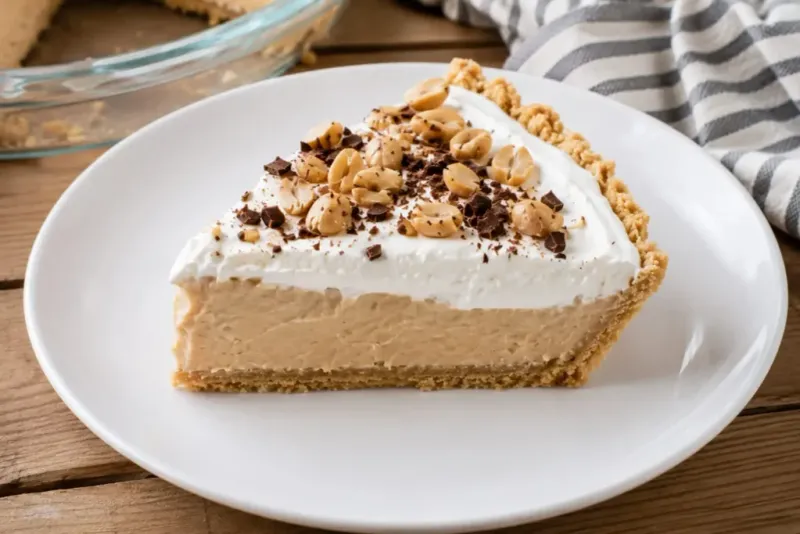
Bring this to a potluck, and someone will probably ask who made it. Peanut butter pie has the easy charm of a candy bar, but its cool, fluffy filling feels made for sharing after supper.
Many versions blend peanut butter with cream cheese, powdered sugar, and whipped cream or whipped topping. Chocolate cookie and graham cracker crusts are both common, with each taking the dessert in a slightly different direction.
Check the recipe before choosing your peanut butter. A standard creamy spread often works best, while natural varieties that separate can change how firmly the filling sets.
Soften cream cheese before mixing to avoid little lumps. Fold in the whipped portion gently so you keep the air that gives the filling its light texture.
Since peanuts are a major food allergen, label the dessert clearly at gatherings. Use separate serving tools and be mindful of crumbs or smears reaching nearby dishes.
Give the pie several hours in the refrigerator before serving, and keep leftovers chilled. A scattering of chopped roasted peanuts adds crunch, while a thin chocolate drizzle supplies enough contrast without turning every bite into a sugar contest nobody really needs after dinner anyway.
11. Peach Pie
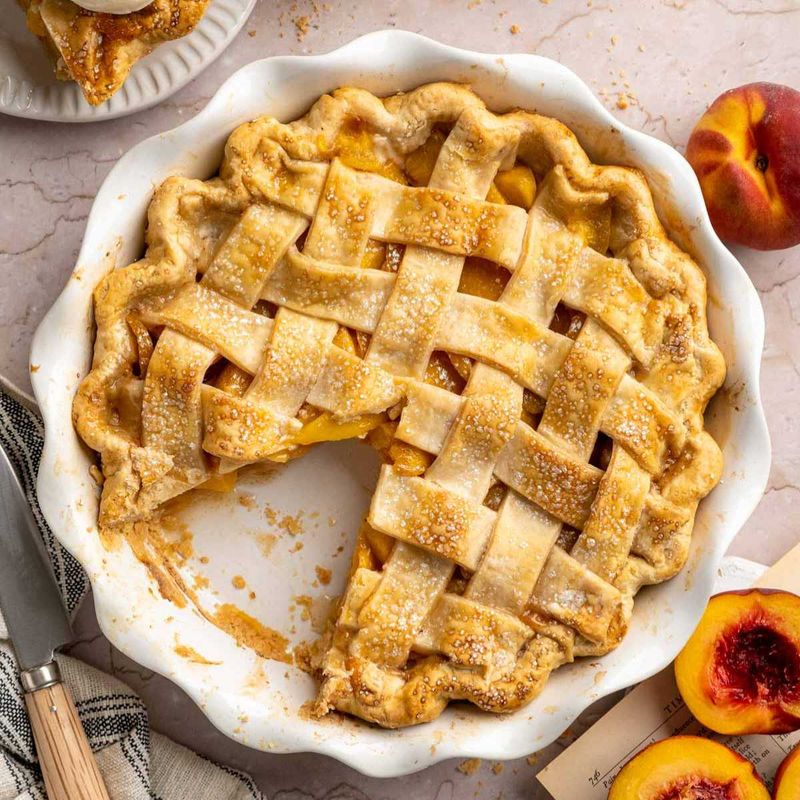
When peaches perfume the kitchen before you even cut them, pie season has arrived. A flaky crust filled with tender fruit captures a Southern summer in a way that canned filling rarely matches.
Georgia is famous for peaches, but good pies appear across the region wherever ripe fruit is grown. Choose peaches that smell sweet and yield slightly near the stem, rather than judging ripeness by color alone.
Peel them if you prefer a smoother filling, or leave thin skins on for a more rustic result. Cut fairly even slices so the fruit cooks at a similar pace.
Juicy peaches need the right amount of thickener, usually flour, cornstarch, or tapioca in a tested recipe. Too little leaves a puddle; too much can make the filling pasty.
A lattice top lets steam escape and shows off the fruit underneath. Set the pan on a baking sheet to catch drips, and bake until the filling bubbles well into the center.
The hardest instruction is also the most useful: wait before slicing. Cooling helps the juices settle, giving you a proper wedge instead of peach soup, with vanilla ice cream welcome alongside once serving time arrives.
Share this story