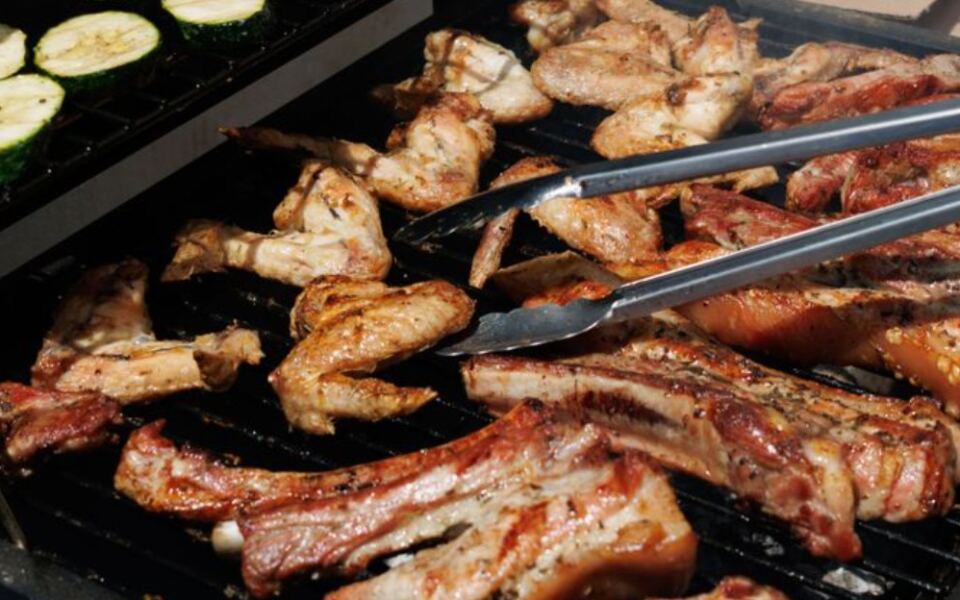
A pile of glowing coals can lead to very different meals depending on where you stop for lunch. Across America, pit cooks use local woods, favorite cuts, and family traditions to give barbecue its own hometown flavor.
Smoke matters, but so do the sauce, the seasoning, and the patience behind the pit. From peppery Texas brisket to tangy Carolina pork, every stop gives you something new to taste.
1. Central Texas: Brisket Takes Center Stage
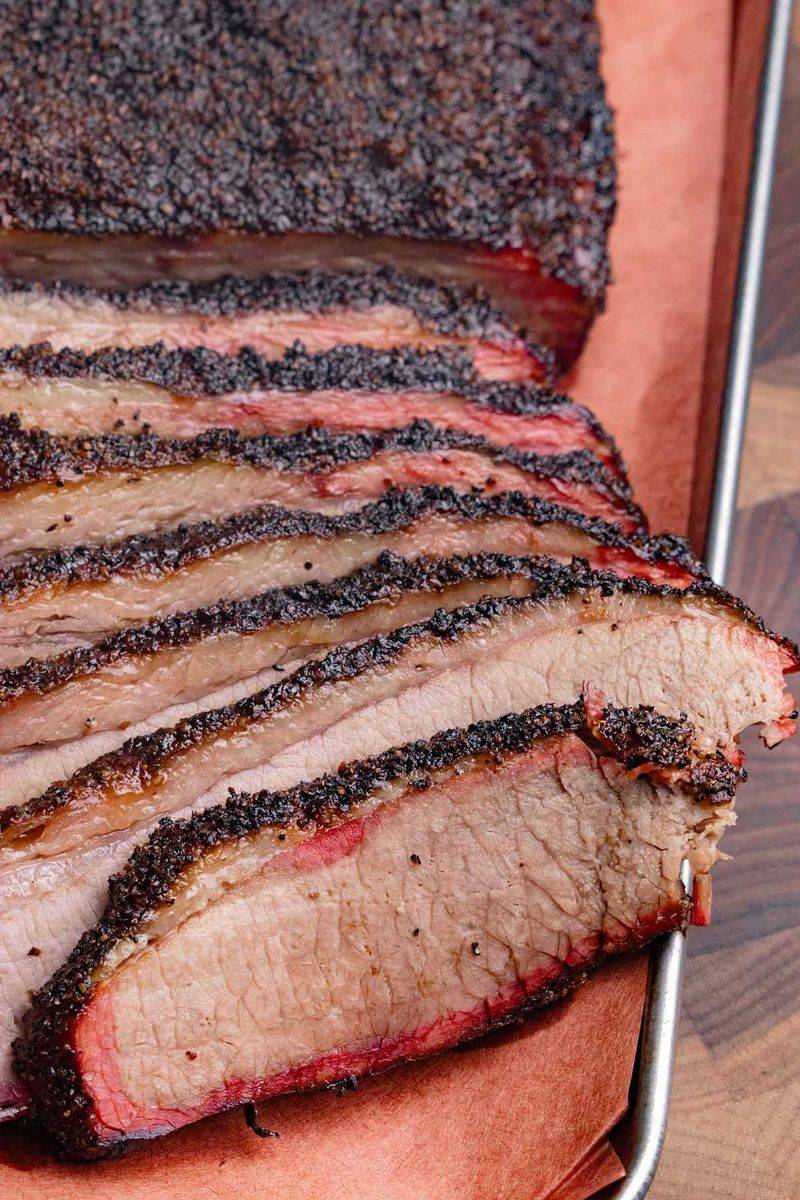
That dark crust on a slice of brisket is where the first bite gets interesting. Around Central Texas, beef often gets a simple coat of salt and black pepper before spending hours beside a carefully managed fire.
Post oak is a common fuel, prized for smoke that supports the meat without burying it. The result can taste beefy, peppery, and gently smoky, with a bark that adds a little chew.
Order lean brisket if you prefer firmer slices, or ask for fatty brisket when you want a richer bite. A mixed order lets you compare both without making lunch a major life decision.
Many classic meat markets serve barbecue on butcher paper with white bread, pickles, and raw onion. Sauce may be available, but taste the brisket before reaching for it.
At home, focus on steady heat and a clean fire rather than clouds of thick smoke. Let the finished brisket rest before slicing across the grain, because even great cooking can be undone by rushed carving.
Look beyond the pink smoke ring when judging quality. Tender slices, well rendered fat, and balanced seasoning tell you much more about the cook’s skill here.
2. East Texas: Soft Pork and Saucy Comfort
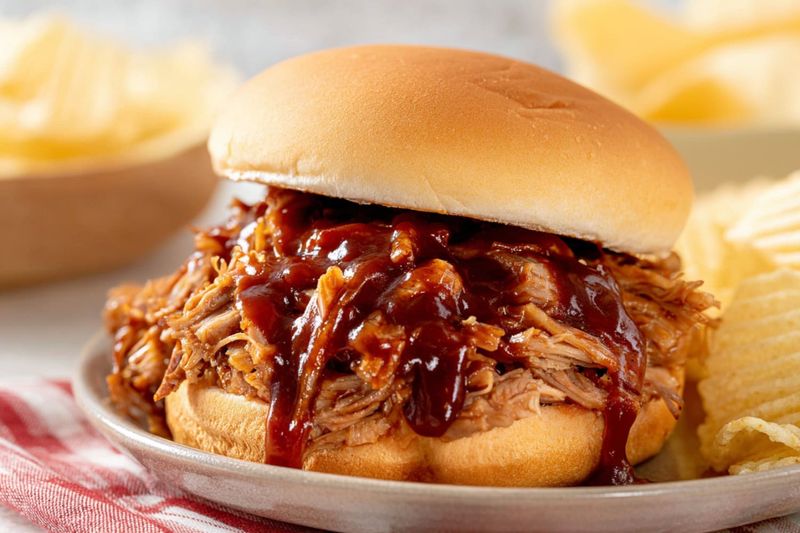
Bring extra napkins, because neat little bites are not the main event here. East Texas barbecue often leans toward tender pork, chopped beef, and ribs served with a generous helping of tomato based sauce.
Hickory is common in the region, giving meat a fuller smoke flavor than milder woods might provide. Long cooking softens tough cuts until they work beautifully in sandwiches or piled onto a simple plate.
The tradition has deep ties to Black pitmasters and community gatherings, though no single cooking method speaks for every restaurant. Some places favor sweeter sauces, while others add more vinegar, pepper, or heat.
For a useful first order, try a chopped beef sandwich and a rib or two. Notice how the smoke holds up against the sauce instead of judging the meat by crust alone.
Cooking this style at home rewards patience more than fancy equipment. Keep the meat from drying out, then add most sweet sauce near the end so its sugar does not burn.
A soft bun makes sense here: it catches juices and keeps each bite together. Pickles or a sharp slaw help cut through the richness without stealing attention from the barbecue.
3. Kansas City: Burnt Ends Meet a Sweet Finish
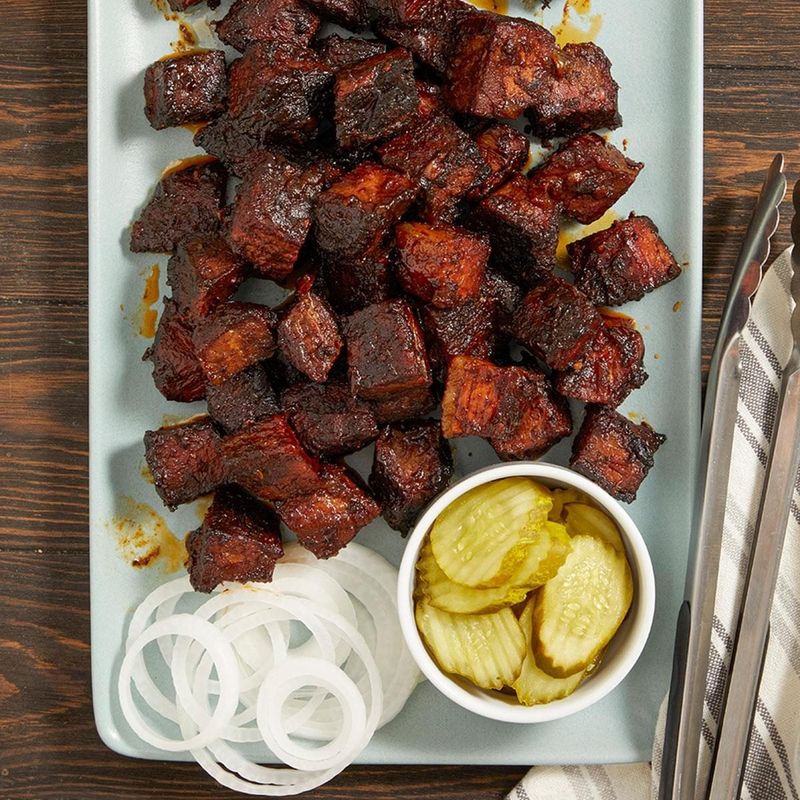
A tray of burnt ends can make the side dishes feel like backup singers. Those rich pieces of brisket, usually cut from the fatty point, show why Kansas City has such a devoted barbecue following.
Despite the name, good burnt ends should not taste like charcoal. Expect browned edges, soft fat, and a deep beef flavor, sometimes finished with a sticky coat of sauce.
Kansas City welcomes a wide range of meats, including pork ribs, chicken, sausage, and beef. Hickory is a familiar fuel, although wood choices and cooking methods change from pit to pit.
The city’s best known sauce is thick, tomato based, and sweet, often with molasses or brown sugar. A little tang and spice keep that sweetness from taking over the plate.
Order a small combination platter if you want to understand the local approach. Compare a plain bite with a sauced bite, and save room for beans that may carry their own smoky richness.
Home cooks should add sugary sauces late in the cook. Build tenderness first, then let the glaze set briefly over gentle heat rather than burning it over flames and losing all that carefully developed flavor.
4. Memphis: Ribs With a Spice Cabinet Swagger
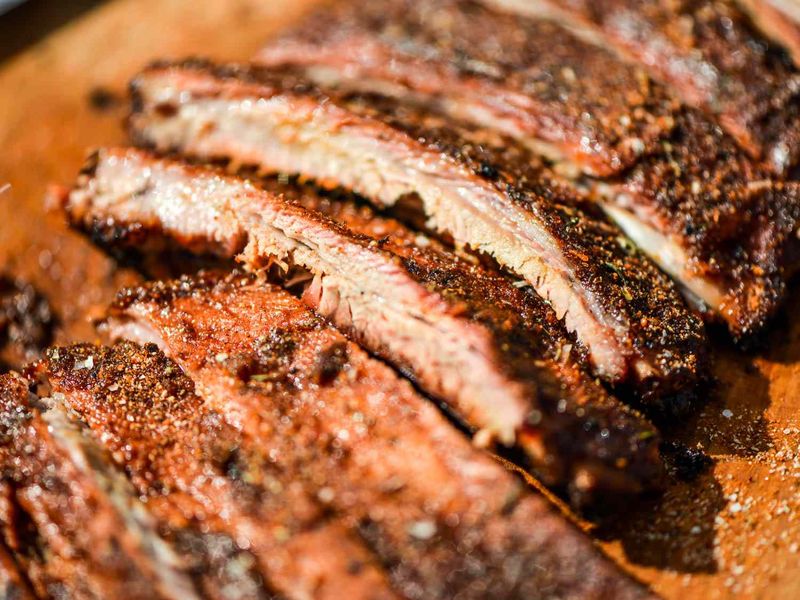
Skip the shiny glaze for a moment and look at the seasoning clinging to those ribs. Memphis is famous for dry ribs, where a lively spice blend shares the spotlight with pork and smoke.
Dry does not mean dried out. It usually means the ribs arrive without a heavy sauce coating, often with extra seasoning dusted on before serving.
Paprika, pepper, garlic, and other spices can create a warm, savory crust. Hickory is common, but each restaurant has its own balance of wood, heat, rub, and cooking time.
Wet ribs belong in the Memphis picture too, so ordering both styles makes a fun table comparison. Pulled pork sandwiches, sometimes topped with slaw, give you another way to taste the city’s barbecue habits.
When choosing ribs, look for meat that bites cleanly from the bone rather than collapsing into mush. Tenderness matters, but a little structure makes each mouthful more satisfying.
For a backyard version, watch the salt level in your rub and give the spices time to settle onto the surface. Keep sauce on the side at first, then decide whether the ribs need anything beyond their own smoky seasoning and a good napkin.
5. Eastern North Carolina: Whole Hog, Sharp Tang
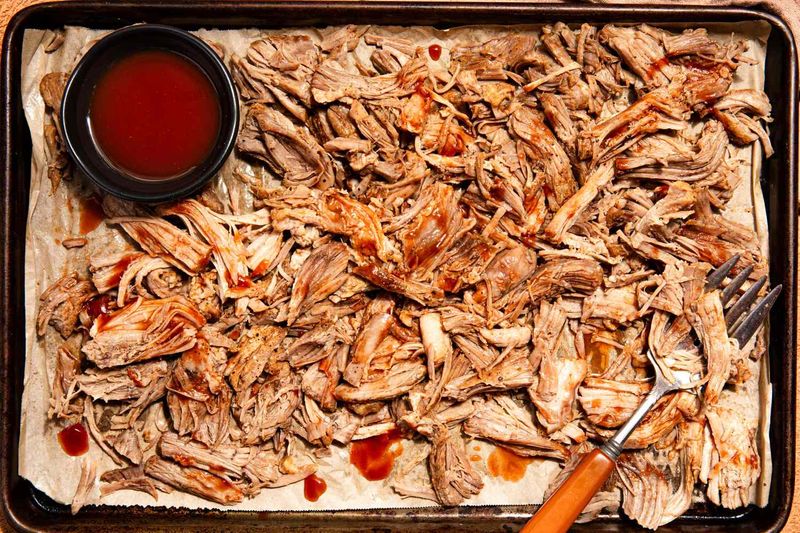
One pig, several textures, and a vinegar sauce that wakes everything up: eastern North Carolina keeps the focus clear. Whole hog cooking brings together lean meat, richer shoulder, belly, and sometimes bits of crisp skin.
Traditionally, hardwood burns down to coals before those coals go beneath the pig. That process can produce a lighter smoke touch than cooking meat beside a steady stream of burning logs.
The sauce is usually thin and sharp, built around vinegar, red pepper, and salt. Tomato is generally left out, letting the pork and its smoky edges stay easy to taste.
Ask whether the chopped pork includes skin if you enjoy a little crunch. A sandwich with slaw gives you a useful mix of warm meat, cool cabbage, and bright dressing in every bite.
Whole hog is a serious project, not a casual first attempt at backyard barbecue. For a smaller practice run, smoke a pork shoulder and use a pepper vinegar sauce, while remembering that shoulder alone cannot copy the full blend.
Add the dressing gradually instead of flooding the meat. You want enough tang to lift the pork, not so much that the plate becomes vinegar soup.
6. Lexington: Pork Shoulder With a Red-Tinted Dip
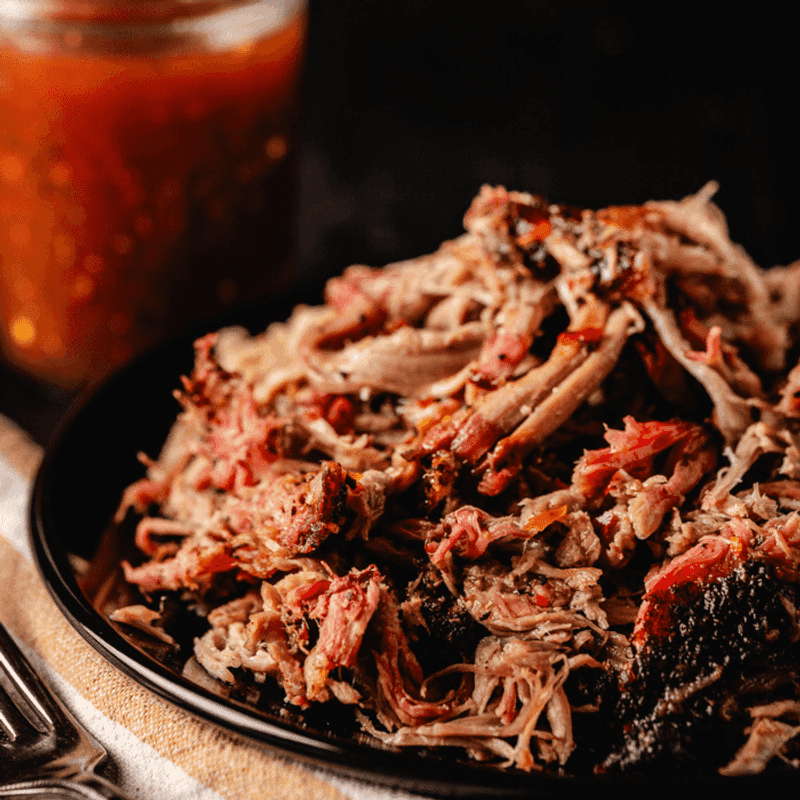
Ask for some outside brown, and your pork order suddenly gets more interesting. In Lexington and the surrounding North Carolina Piedmont, those darker shoulder pieces bring extra bark, seasoning, and smoke to the plate.
Pork shoulder, rather than the whole hog, anchors this regional style. Many traditional pits cook over hardwood coals, building tender meat while the exposed surfaces develop deeper color and flavor.
The local dip blends vinegar and pepper with a little tomato, often in the form of ketchup. It stays much thinner than a sticky supermarket sauce, so it seasons chopped pork without hiding its texture.
Red slaw is another clue that you are in Lexington territory. Instead of a creamy dressing, the cabbage commonly gets a tangy mixture related to the barbecue dip.
Try a tray with chopped pork, slaw, and hush puppies for a straightforward introduction. If the restaurant offers sliced or coarsely chopped pork, those options make it easier to notice differences between the interior and browned edges.
At home, save the bark when pulling a shoulder and mix it back through the meat. Add dip a spoonful at a time, tasting as you go to keep everything balanced.
7. South Carolina Midlands: Mustard Brings the Brightness
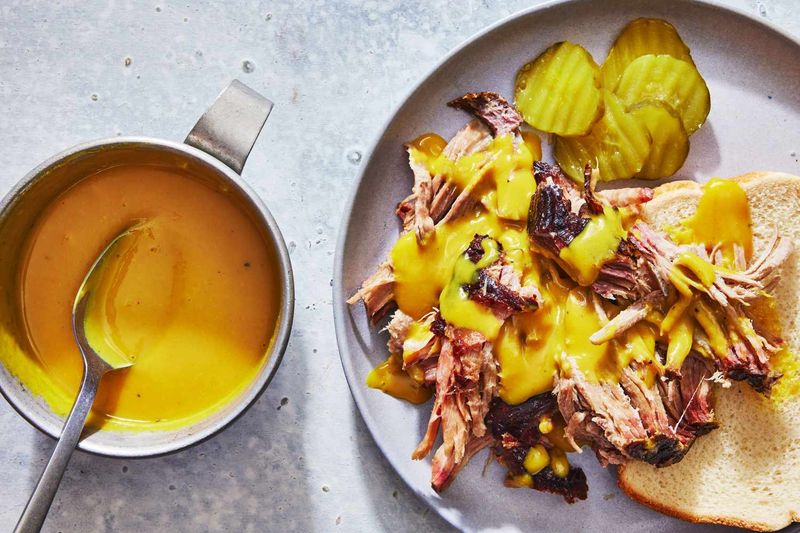
Gold sauce has a way of announcing itself before you even lift the fork. In South Carolina’s Midlands, mustard based barbecue sauce brings a bright, tangy finish to smoked pork.
German immigrant food traditions helped shape this regional preference, though recipes vary widely today. Mustard commonly meets vinegar, sugar, and spices, creating a sauce that can swing from sharp and peppery to noticeably sweet.
Pork remains the usual partner, whether chopped, pulled, or served from a larger hog cook. Oak and hickory are among the woods used, but the sauce often provides the clearest regional signature.
Start with a little sauce on the side and taste the meat alone. Then add a small spoonful to see how mustard changes the balance of smoke, fat, and sweetness.
Some restaurants also serve hash over rice, a hearty local specialty whose ingredients differ by kitchen. Ask what goes into it rather than expecting one standard recipe everywhere.
For home cooking, use ordinary yellow mustard as a starting point and adjust the vinegar and sugar slowly. Keep the finished sauce lively enough to cut through rich pork without turning every bite into a mouthful of mustard alone.
8. Northern Alabama: Smoked Chicken Goes White
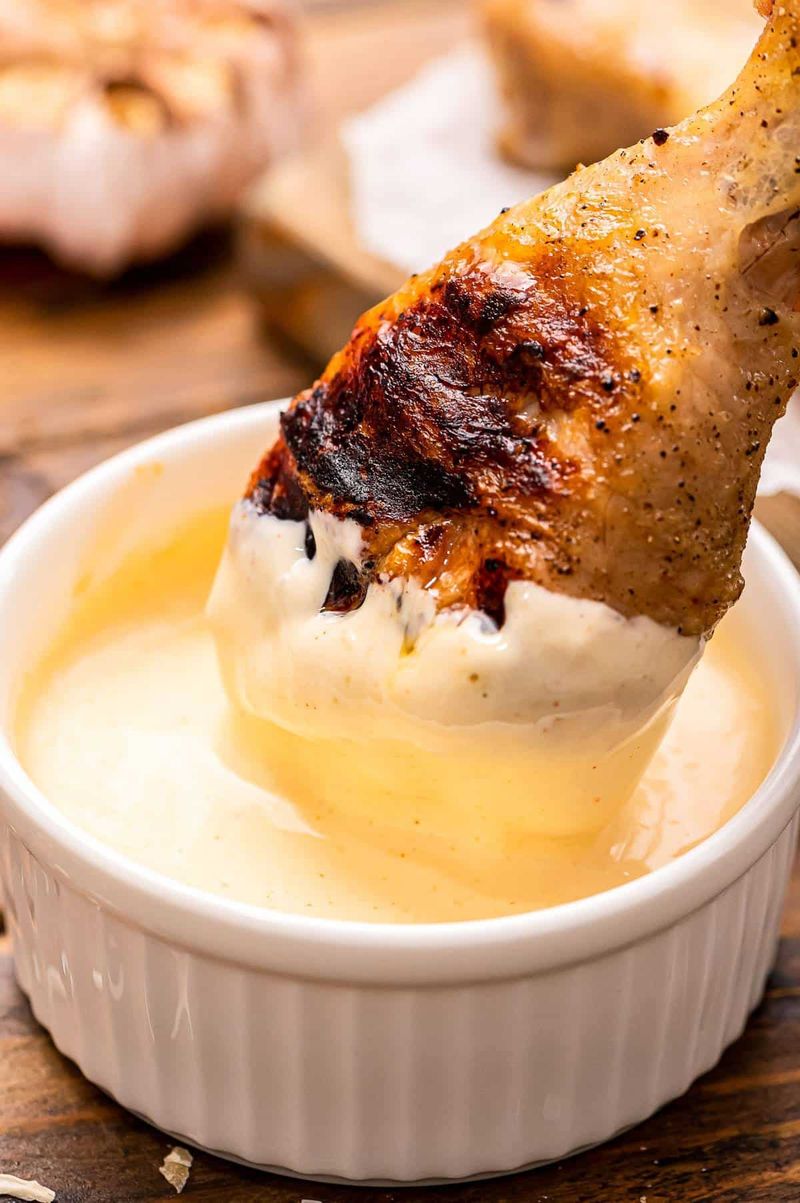
A bowl of white sauce beside smoked chicken can surprise anyone expecting a red glaze. Northern Alabama’s signature pairing uses a mayonnaise based sauce with vinegar and black pepper to give smoky poultry a tangy finish.
The style is strongly linked to Big Bob Gibson in Decatur, where the sauce became famous. Recipes now vary, with some cooks adding horseradish, lemon juice, or other seasonings for extra bite.
Hickory smoke is a familiar part of the chicken’s flavor. Against that woodsy background, the cool, sharp sauce makes the meat taste richer and brighter at the same time.
Order a chicken quarter or half if you want the classic experience. Skin texture can vary, especially after dipping, so judge the dish by juicy meat and balanced flavor rather than expecting a crisp fried coating.
Making a version at home is simple: smoke the chicken, then apply the sauce near serving time. Keep mayonnaise based sauce chilled until needed, and never reuse sauce that has touched raw poultry.
Use a thermometer to check that the chicken reaches a safe internal temperature of 165 degrees Fahrenheit. Serve extra sauce separately so everyone can choose a light coating or dunk.
9. Western Kentucky: Mutton Gets Its Moment
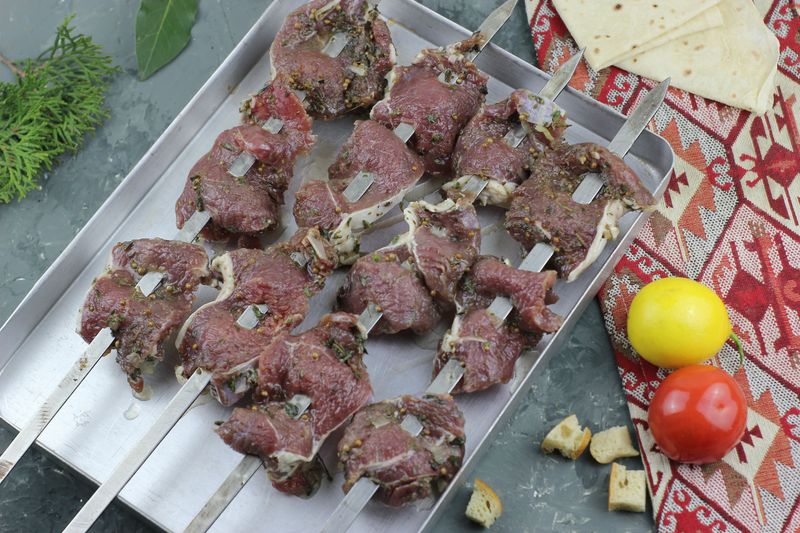
Beef and pork do not own every barbecue pit in America. Around Owensboro in western Kentucky, mutton has a proud place on the menu, offering a richer sheep flavor than the lamb many diners know.
Long cooking helps soften the meat while smoke adds another layer of depth. Hickory is common, and pitmasters may baste the mutton with a thin, seasoned liquid during the cook.
A dark, tangy dip often brings together vinegar, Worcestershire sauce, and spices. Some versions have no tomato at all, making them a clear break from the thick red sauces found elsewhere.
If mutton is new to you, order a small portion alongside pork or chicken. That side by side tasting makes its stronger flavor easier to understand without committing your entire meal.
Look for burgoo on the menu too, a hearty stew associated with Kentucky gatherings. Ingredients change by cook, so ask about the meats and vegetables if you have food restrictions.
Finding mutton for home cooking may take a call to a butcher or specialty farm. Ask about the cut and recommended cooking method, then use a restrained hand with smoke so the meat’s own character can come through.
Share this story