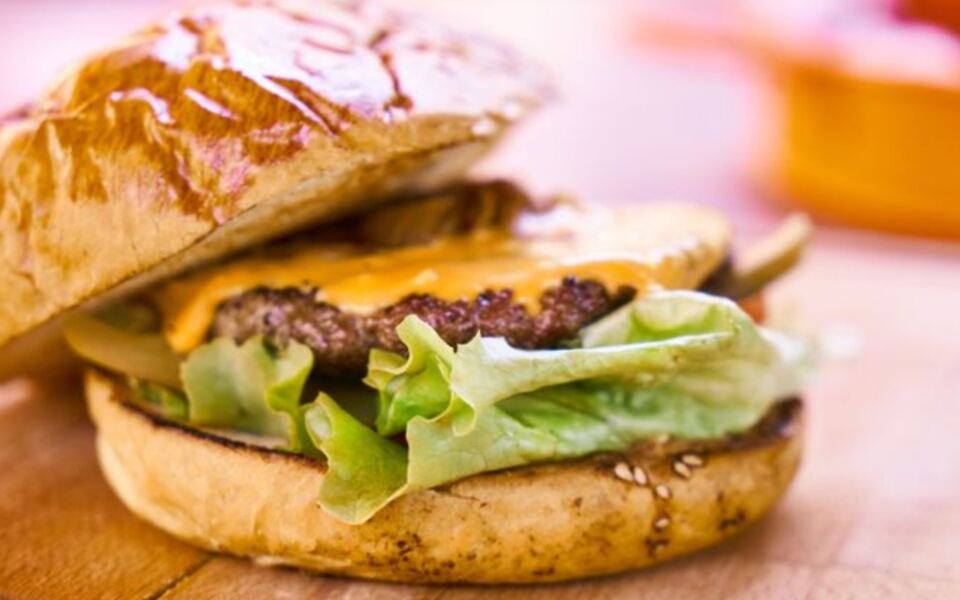
A hamburger might look simple, but its history comes with big arguments, clever ideas, and a few unexpected turns. Its story connects German food traditions, busy American lunch counters, and changes in how restaurants worked.
Knowing that history makes an everyday meal a little more interesting. Even the cheese on top has a story worth sharing.
1. Hamburg Gave the Burger Its Name, Not Its Bun
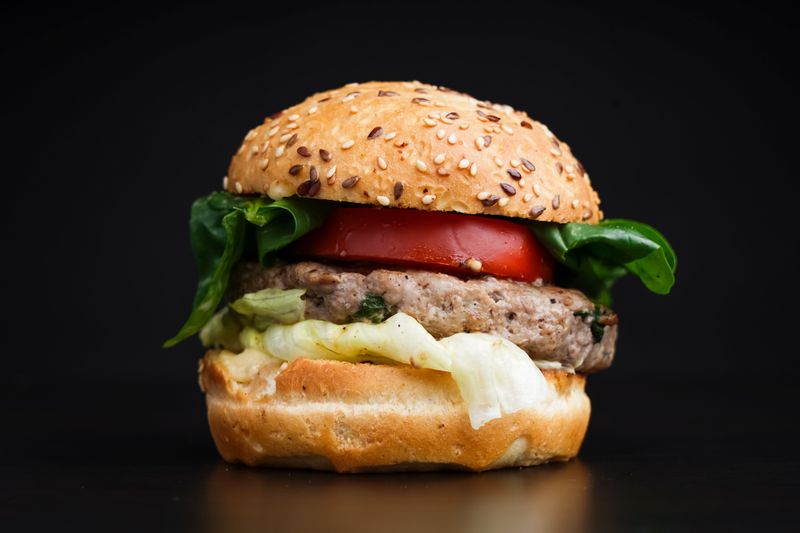
Hold the ham jokes: the hamburger gets its name from Hamburg, Germany, not from pork. The link runs through Hamburg steak, a dish made from chopped or ground beef that appeared on American menus during the nineteenth century.
Hamburg was a major port, and German migration helped carry food traditions across the Atlantic. In American restaurants, the city’s name became attached to beef prepared in this style, though recipes and serving methods varied.
Here is the catch: Hamburg steak was usually a plate of meat, not the familiar sandwich. Putting that beef between pieces of bread was a separate step, and historians cannot point to one clear moment when everyone made the switch.
That difference explains why finding an old menu listing Hamburg steak does not prove that a restaurant served burgers on buns. Names can travel faster than recipes, especially when cooks adapt dishes for new customers.
Next time you spot hamburger steak at a diner, think of it as a relative of your burger rather than a burger missing its bread. The shared name preserves a connection to an older meal, even when today’s plates look quite different from one another.
2. Nobody Has Settled Who Made the First Hamburger
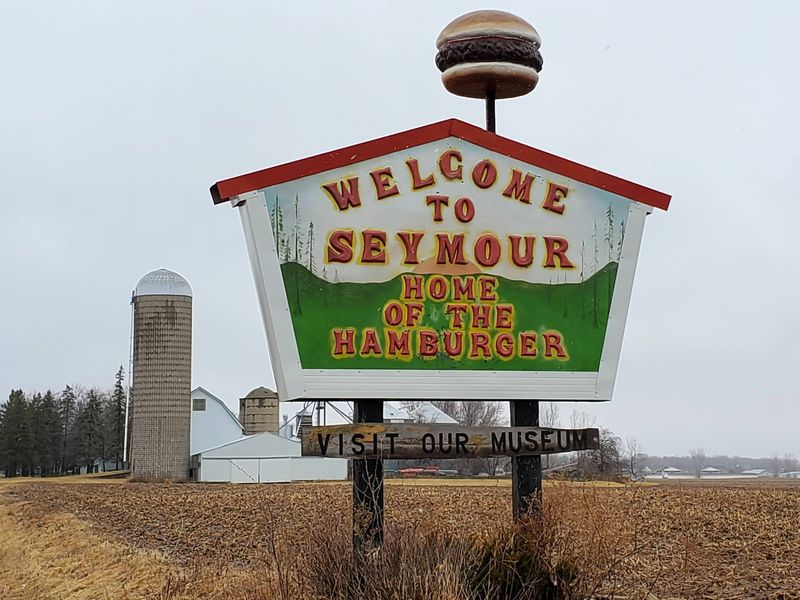
Who deserves the burger crown? Several American towns have entered that contest, and their stories do not line up neatly enough to produce an undisputed winner.
Seymour, Wisconsin, celebrates Charlie Nagreen, who reportedly sold flattened meatballs between bread at a fair in 1885. Another account credits the Menches brothers with serving a beef sandwich that year in Hamburg, New York.
New Haven, Connecticut, points to Louis’ Lunch, where family tradition dates its hamburger sandwich to 1900. Athens, Texas, honors Fletcher Davis, whose claim is linked to an earlier local sandwich and the 1904 World’s Fair.
Those accounts are fun, but they rely on different mixes of family memories, later reports, and surviving records. Even the definition causes trouble: does sliced bread count, or must the sandwich have a bun?
A sensible way to read any birthplace claim is to ask what evidence supports it and when that evidence appeared. An old photograph or dated menu carries different weight from a story recorded decades afterward.
Enjoy the hometown pride without treating every roadside sign as a final verdict. The hamburger likely spread through many kitchens and lunch stands, with several cooks reaching similar ideas independently.
3. White Castle Helped Make Ground Beef Trustworthy
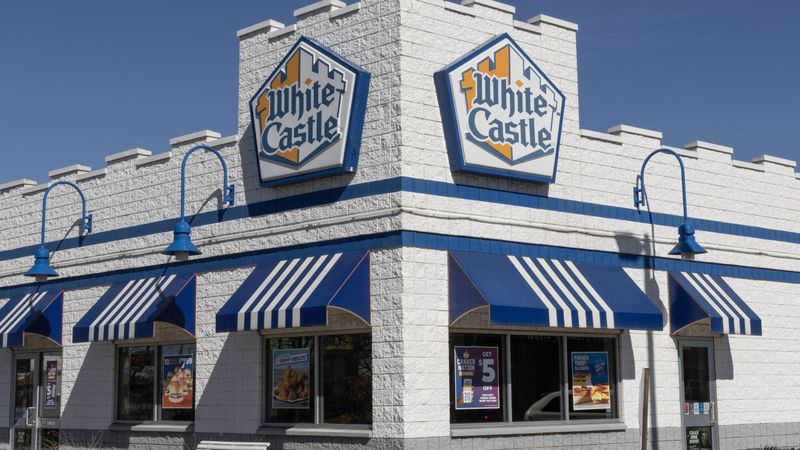
A spotless counter can sell more than lunch. When White Castle opened in Wichita, Kansas, in 1921, its clean image helped tackle a problem: plenty of Americans were suspicious of ground beef.
Meatpacking scandals and worries about hidden ingredients had damaged public trust. A patty could conceal scraps in a way that a whole cut of meat could not, making cleanliness a powerful selling point.
Founders Billy Ingram and Walter Anderson built their business around small hamburgers, consistent preparation, and a recognizable restaurant design. White surfaces, orderly work areas, and staff uniforms sent a clear message before customers took a bite.
The chain also helped turn the hamburger from a food associated with rough lunch counters into something a wider audience could buy with confidence. Its early burgers famously cost just five cents each.
White Castle did not invent the hamburger, and calling it the source of every modern fast food habit would stretch the story. Its major achievement was showing how a simple sandwich could anchor a trusted, repeatable business.
Look around a modern burger shop and notice the visible cooking area or matching uniforms. Those details still help customers judge the meal.
4. The Cheeseburger Has Its Own Origin Argument
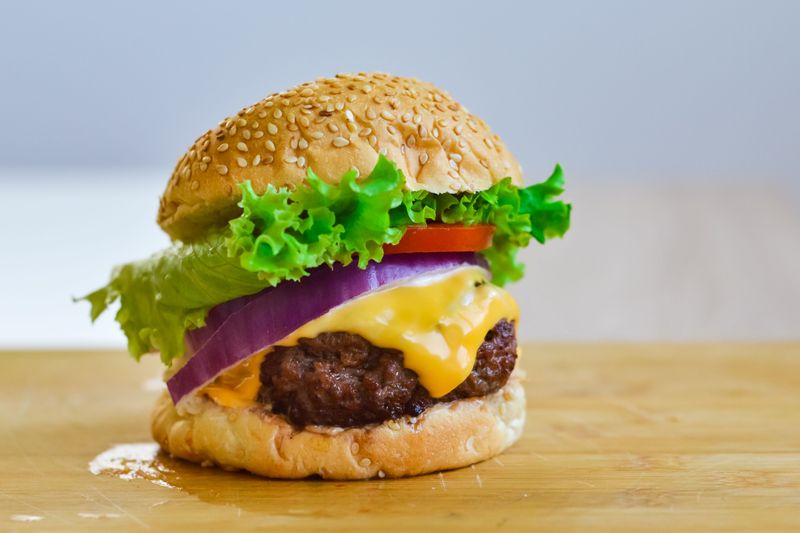
Melted cheese seems like an obvious burger upgrade now. Getting credit for that upgrade, however, has proved almost as messy as eating one without a napkin.
A famous account credits Lionel Sternberger at the Rite Spot in Pasadena, California, in 1924. According to the story, the young cook put American cheese on a hamburger while working at his father’s roadside business.
That makes a memorable origin tale, but it is not the only claim in circulation. Other restaurants served early cheeseburgers, and surviving records do not give historians a universally accepted first bite.
One especially useful distinction involves the name itself: Louis Ballast of Denver’s Humpty Dumpty Drive-In secured a trademark for Cheeseburger in 1935. A trademark documents a legal claim to a name, not proof that its holder first combined those ingredients.
That is why a menu, a trademark, and a family story should not be treated as the same kind of evidence. Each answers a different question about how a food became popular.
For your next cookout, keep the history playful: try American cheese for that familiar melt, then compare it with cheddar. Just avoid declaring yourself the inventor of the upgrade.
5. McDonald’s Became a Burger Business by Shrinking Its Menu
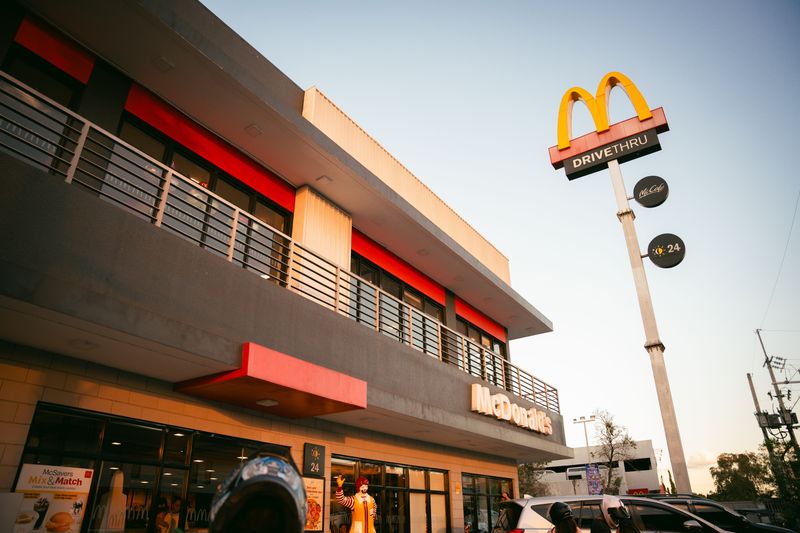
Less choice helped build a bigger burger business. Before McDonald’s became a global name, brothers Richard and Maurice McDonald ran a restaurant in San Bernardino, California, with a much broader menu.
In 1948, they reworked the operation around a short list of popular foods, especially hamburgers. Their Speedee Service System divided kitchen tasks so workers could prepare orders quickly and follow the same steps repeatedly.
Customers ordered at a window instead of relying on carhops to bring meals to parked cars. Disposable packaging also reduced the work of washing and handling dishes, helping the restaurant focus on speed and low prices.
The change did not mean McDonald’s invented hamburgers or fast food. Earlier chains and independent stands had already shown that inexpensive meals could be prepared quickly; the brothers refined a system that proved especially easy to repeat.
Ray Kroc encountered their operation in 1954 and later drove its franchise expansion. Keeping those roles separate gives the brothers credit for the kitchen system and Kroc credit for building its reach.
Watch a busy burger counter today: one person grills, another assembles, and someone hands over orders. That carefully divided work is part of hamburger history.
Share this story