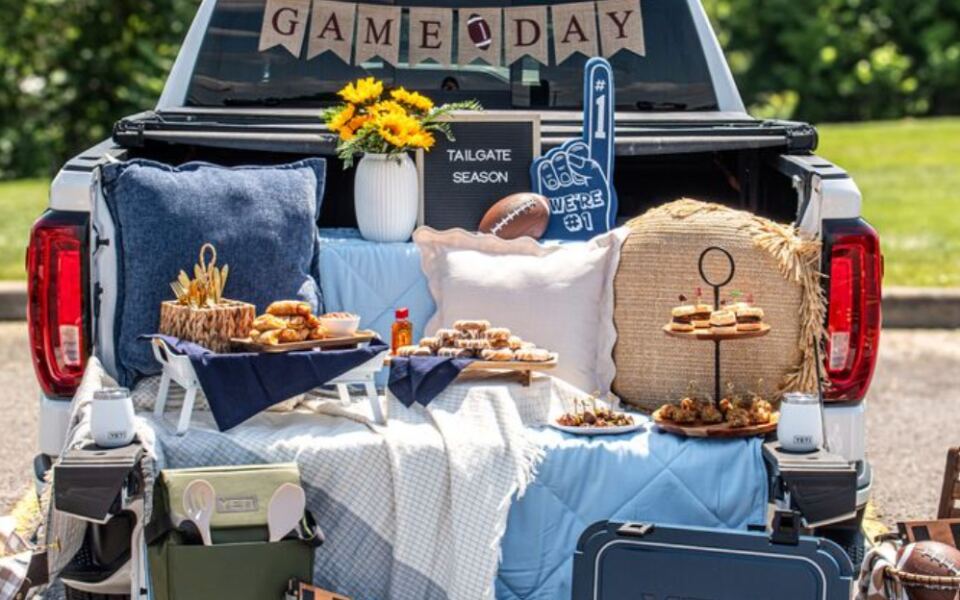
Walk through a stadium parking lot, and the food can tell you where you are before the jerseys do. Some fans guard family recipes as closely as their season tickets.
From smoky barbecue to sizzling brats, these regional favorites turn the hours before kickoff into a local tradition. Bring an appetite, because a basic bag of chips has some serious competition.
1. Buffalo Wings
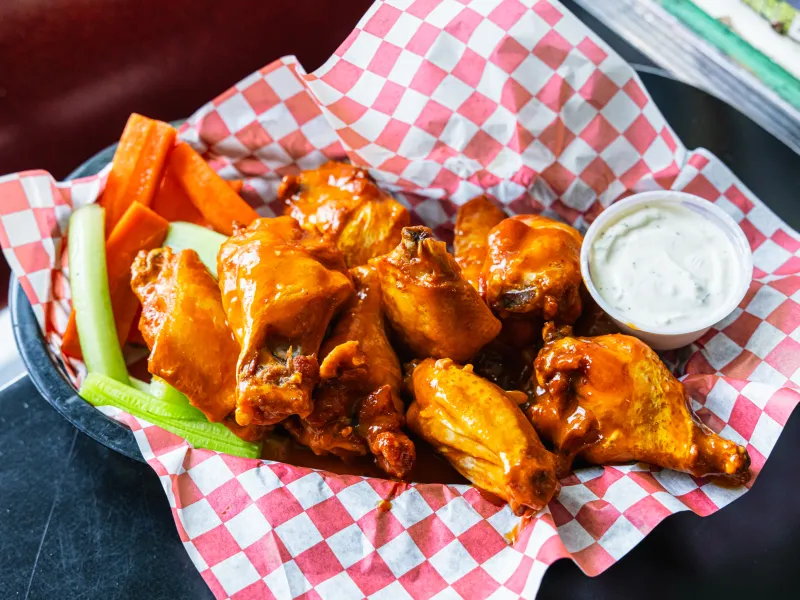
Order ranch near the wrong Buffalo tailgate, and you might get a friendly lecture before you get a plate. Blue cheese dressing is the traditional partner here, with celery nearby to cool things down.
The familiar style pairs crisp chicken wings with a sauce built from hot sauce and butter. Buffalo’s Anchor Bar is widely credited with popularizing the dish in 1964, though the city’s wing history includes other important names.
For parking lot cooking, dry the wings well before they hit the heat. A grill with separate hot and cooler areas helps you cook them through without burning the skin, then finish them over stronger heat for extra crunch.
Toss the cooked wings with sauce just before serving, not an hour earlier. That small move keeps the outside from turning soft while everyone argues about the starting lineup.
Offer a mild batch and a hotter one, with separate tongs so nobody gets an unexpected mouthful of fire. Keep raw chicken chilled, use a clean platter for finished wings, and check that the meat reaches 165°F.
Bring plenty of napkins, because sticky fingers are practically part of the uniform on game day here.
2. Wisconsin Bratwurst
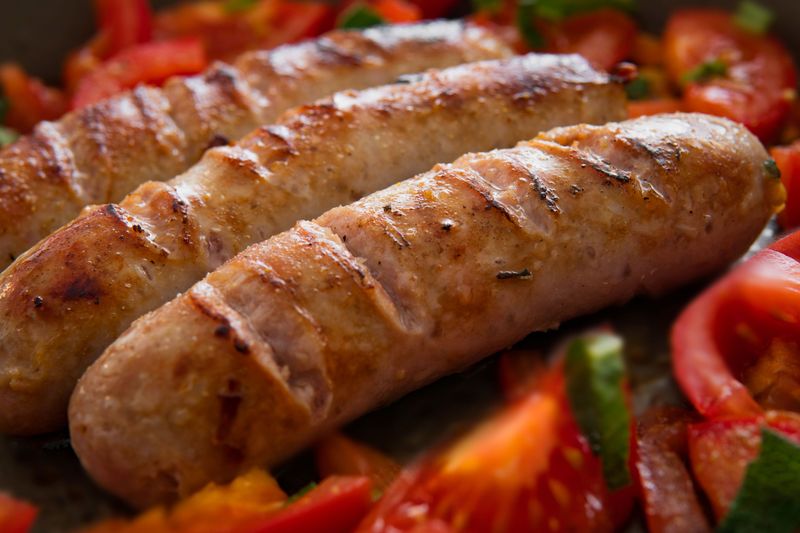
Follow the smell of sizzling sausage around a Wisconsin parking lot, and you will probably find someone tending brats like a prized family project. The conversation can wait until the casings look right.
Bratwurst has deep ties to Wisconsin’s German immigrant communities, and football crowds have made it a tailgate fixture. Sheboygan is especially proud of its brat tradition, while Green Bay fans certainly know their way around a grill.
Start with fresh bratwurst and steady, moderate heat. Blasting the links over tall flames can split the casings and send the juices straight into the coals instead of your bun.
Some cooks gently simmer brats with beer and onions before grilling; others skip that step entirely. Neither camp needs a parking lot debate to serve a good lunch, but both should cook fresh pork bratwurst to 160°F.
Set out sturdy rolls, brown mustard, sauerkraut, and plenty of soft onions. Keep the sausages hot until serving, and leave the toppings separate so guests can build their own.
A simple brat tastes best when the casing has a little snap and the bread can handle every juicy bite without falling apart before kickoff arrives.
3. Kansas City Burnt Ends
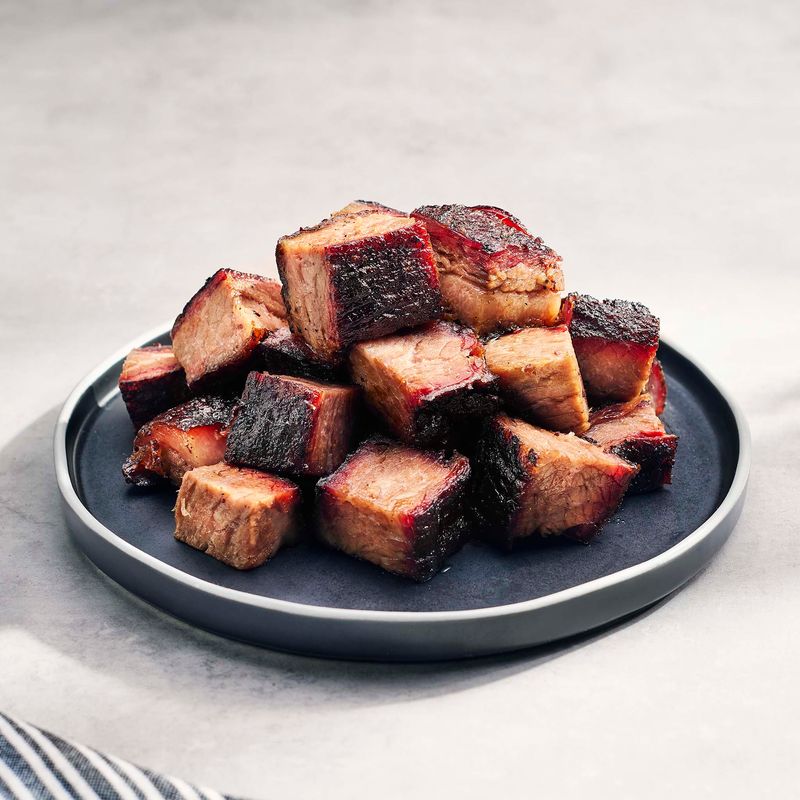
Those dark, rough edges are not a cooking mistake. In Kansas City, burnt ends are often the bites people reach for first, especially when a tray lands beside the tailgate cooler.
Traditional beef burnt ends come from the fatty point of a smoked brisket. Long cooking softens the tough meat, while seasoning, smoke, and heat create the dark outer bark that makes each cube so appealing.
Many cooks cut the smoked point into chunks, add a little sauce, and return them to the smoker. The goal is a tender center with a rich outside, not dry beef hidden under a sugary coating.
Because brisket takes hours, this is a smart dish to finish before game day. Chill it promptly in shallow containers, transport it cold, and reheat it thoroughly at the tailgate rather than trying to rush a whole brisket before kickoff.
Serve small portions with pickles, plain bread, or a scoop of slaw to balance the richness. Put extra sauce on the side so the smoky crust still gets its moment.
Burnt ends disappear quickly, so keep a second tray safely chilled until you need it instead of setting everything out together.
4. Texas Smoked Brisket
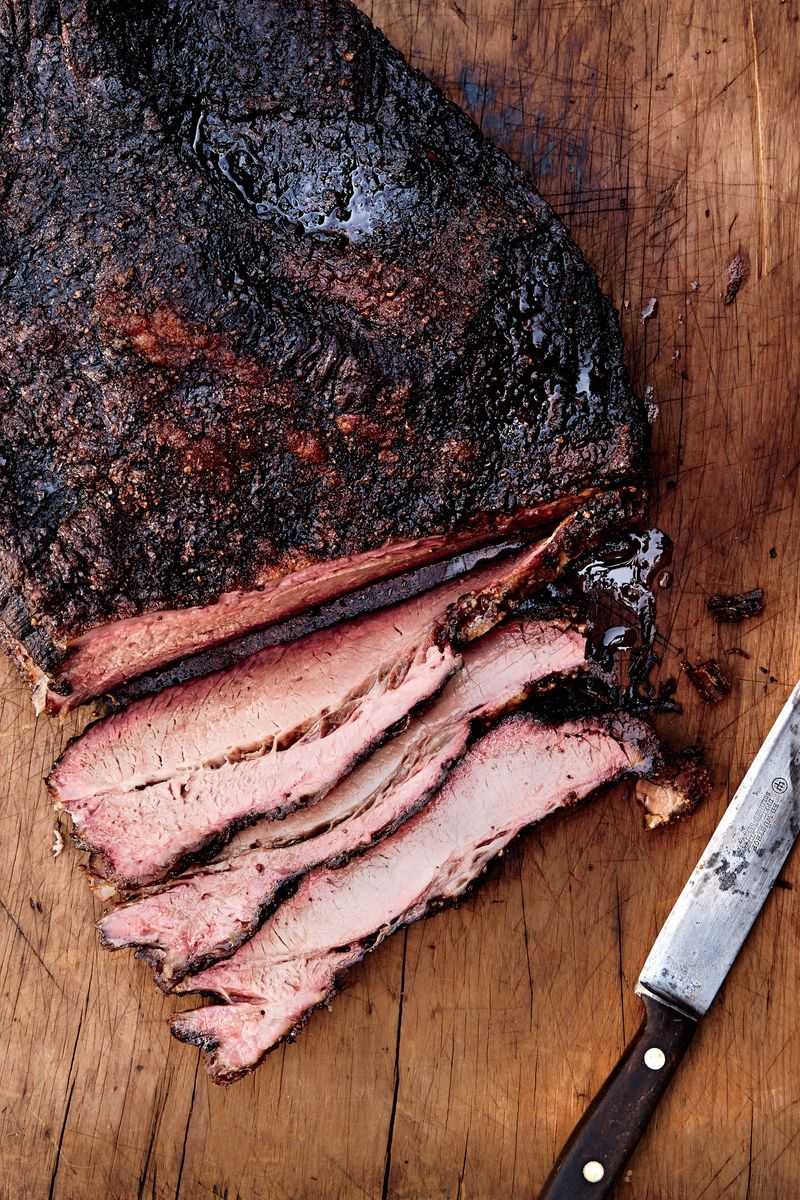
A proper brisket schedule starts long before anyone packs the folding chairs. Texas fans who smoke their own beef may be checking temperatures while the rest of the house is still asleep.
Central Texas barbecue often keeps the seasoning simple, letting beef, salt, pepper, and wood smoke carry the flavor. That does not mean every Texas pit follows one rulebook, but it explains why sauce is frequently optional.
The real challenge is managing time and tenderness. Brisket needs a long cook and a good rest, so plan backward from serving time and build in room for delays.
For easier tailgate service, cook ahead, chill safely, and reheat covered with a little reserved juice. If you transport it hot instead, use proper insulated equipment and a thermometer to keep it at 140°F or above.
Slice across the grain shortly before people eat, remembering that the grain changes direction between the flat and point. Offer white bread, onions, pickles, and jalapeños without burying the meat beneath toppings.
Thin slices from the flat suit sandwiches, while richer point pieces please the guests who came specifically for that soft, smoky bite and a little peppery bark too.
5. Louisiana Jambalaya
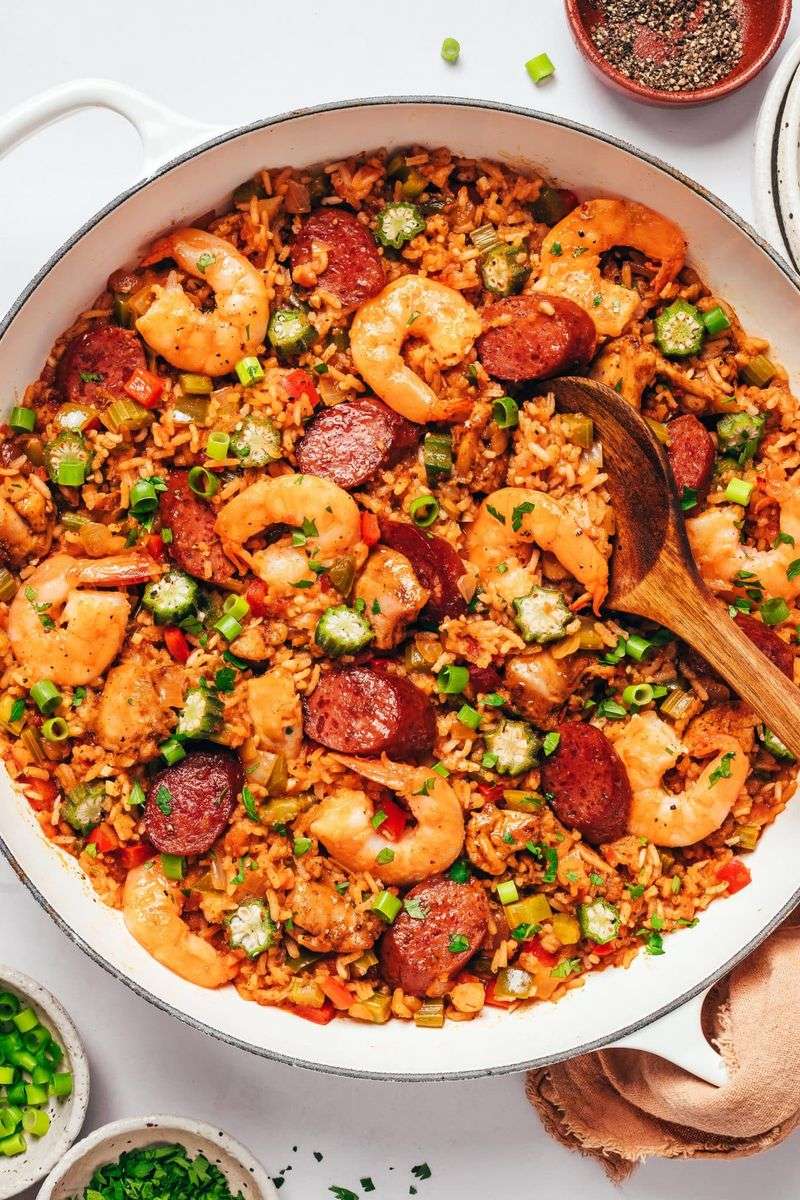
One big pot can feed a whole row of hungry fans, which helps explain jambalaya’s strong showing at Louisiana tailgates. Around Baton Rouge, the cook holding the paddle often draws a crowd before lunch.
Rice shares the pot with seasoned meat, vegetables, and stock, soaking up flavor as everything cooks together. Chicken and smoked sausage make a practical tailgate combination, though recipes vary widely by family and place.
You may hear debates about tomatoes. Creole versions often include them, while many Cajun versions do not, and neither label captures every household recipe.
Use a heavy pot and measure the rice and liquid carefully, especially when scaling up. Brown the meat first, build flavor with onion, celery, and bell pepper, then follow a tested recipe rather than guessing at a giant batch.
Once the rice cooks, avoid endless stirring that can turn the texture mushy. Serve in sturdy bowls with spoons, hot sauce nearby, and bread for anyone who wants it.
Keep the pot at 140°F or hotter for service, or cool leftovers promptly in shallow containers. Rice needs careful handling too, even when the sausage gets most of the attention at your table.
6. Carolina Pulled Pork
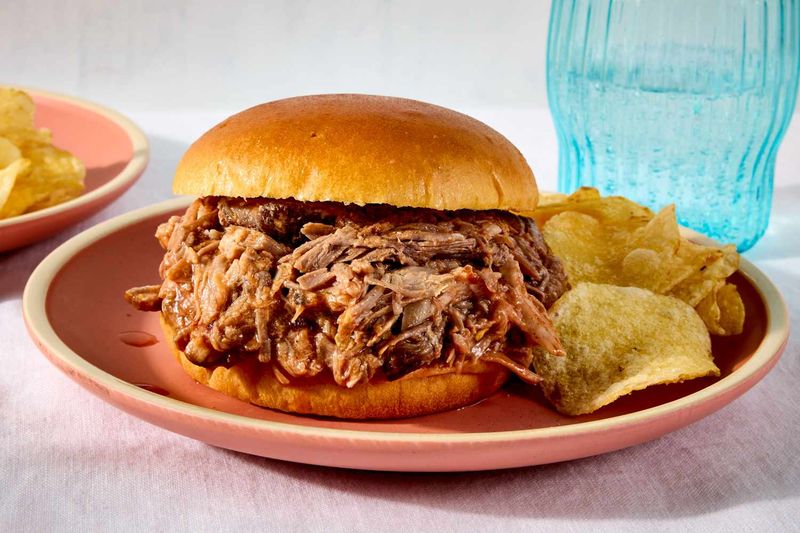
The sauce bottle can reveal your Carolina loyalties faster than your shirt. Eastern North Carolina favors a sharp vinegar and pepper approach, while the Lexington area is known for a vinegar sauce with tomato.
South Carolina adds another famous option with its mustard based barbecue sauce. Across these traditions, smoky pork remains the center of attention, whether chopped fine or pulled into tender strands.
A pork shoulder is a manageable choice for home cooks feeding a tailgate crowd. Cook it until tender enough to pull easily, then remove large pieces of fat and mix in just enough sauce to season the meat.
Do the long cooking beforehand so game day mostly involves reheating and building sandwiches. Warm the pork covered with a splash of reserved cooking liquid, and keep a thermometer handy instead of judging safety by rising steam.
Soft buns and crisp slaw provide the right contrast to the rich filling. Serve extra sauce separately, clearly label a mustard version for guests with allergies, and put out smaller batches as needed.
Nobody has to settle the regional argument to enjoy lunch, but offering two local styles gives everyone something delicious to discuss between bites.
7. Philadelphia Cheesesteaks
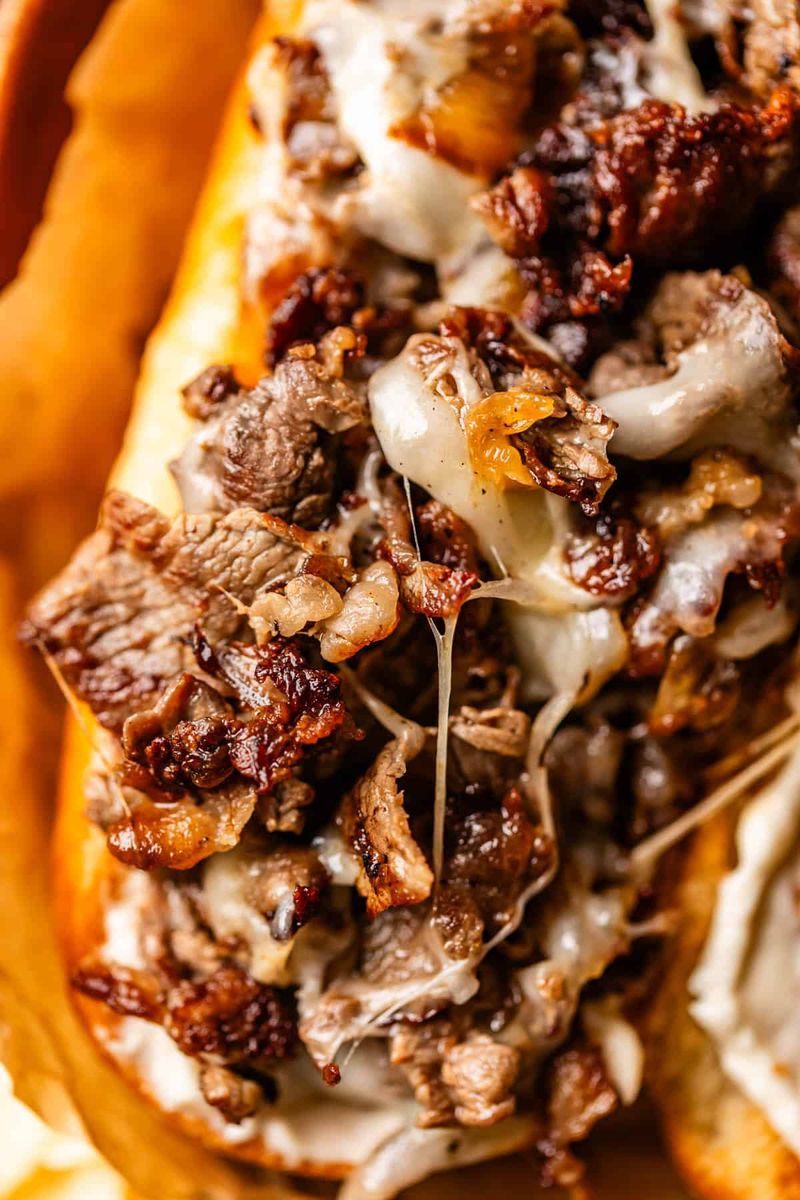
Hear that metal spatula tapping the griddle? In a Philadelphia tailgate lot, it may mean cheesesteaks are coming, and people suddenly have a very good reason to stay near the cook.
The essentials are thinly sliced beef, melted cheese, and a long roll that holds together. Onions are a common choice, while American, provolone, and cheese sauce each have devoted supporters.
For easier prep, buy beef already sliced for cheesesteaks or partially freeze a steak before cutting it thin. Keep the meat cold until cooking, and bring portions ready to hit the griddle so service moves quickly.
Cook onions off to one side, then brown the beef in small batches rather than piling everything into a steaming mound. Add the cheese near the end and scoop the filling straight into the roll.
Skip assembling a mountain of sandwiches before guests arrive, since trapped steam quickly softens the bread. A short made to order line gives everyone a hotter sandwich and lets people choose their cheese without slowing the whole operation.
Put napkins within reach, keep raw meat away from finished rolls, and save the loudest arguments for the game instead of lunch today.
8. Cincinnati Chili
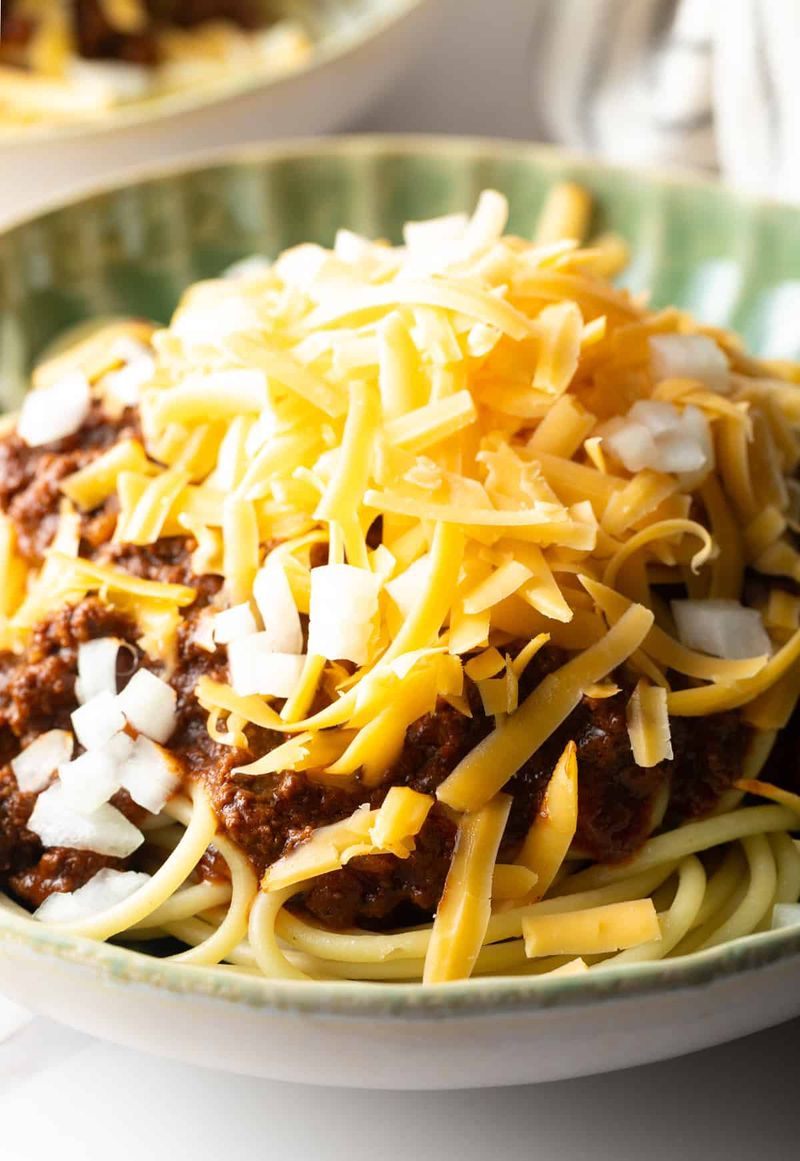
Spaghetti at a football tailgate might surprise visitors, but Cincinnati fans know exactly where it belongs. Cover it with the city’s warmly spiced meat chili and a generous pile of finely shredded cheddar.
Cincinnati chili is different from a chunky bowl of Texas style chili. Its fine texture and seasonings, often including cinnamon, reflect a local restaurant tradition shaped by immigrant cooks from the Mediterranean region.
A three way means spaghetti, chili, and cheese. Add onions or beans for a four way, or include both for a five way, though ordering details can vary between restaurants.
For outdoor serving, keep the pasta, chili, and toppings separate until someone is ready to eat. Toss freshly cooked spaghetti with a little oil to limit sticking, and use deep paper bowls that can handle the sauce.
Oyster crackers belong nearby, along with hot sauce for guests who want extra heat. You can also spoon the chili onto small hot dogs for coneys, which are easier to eat while standing.
Reheat homemade chili thoroughly and hold it hot during service. Save the cheese for the final moment so it lands fluffy rather than melting into one solid blanket.
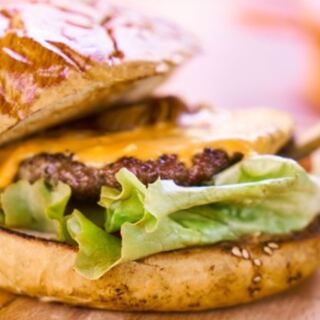
9. New Mexico Green Chile Cheeseburgers
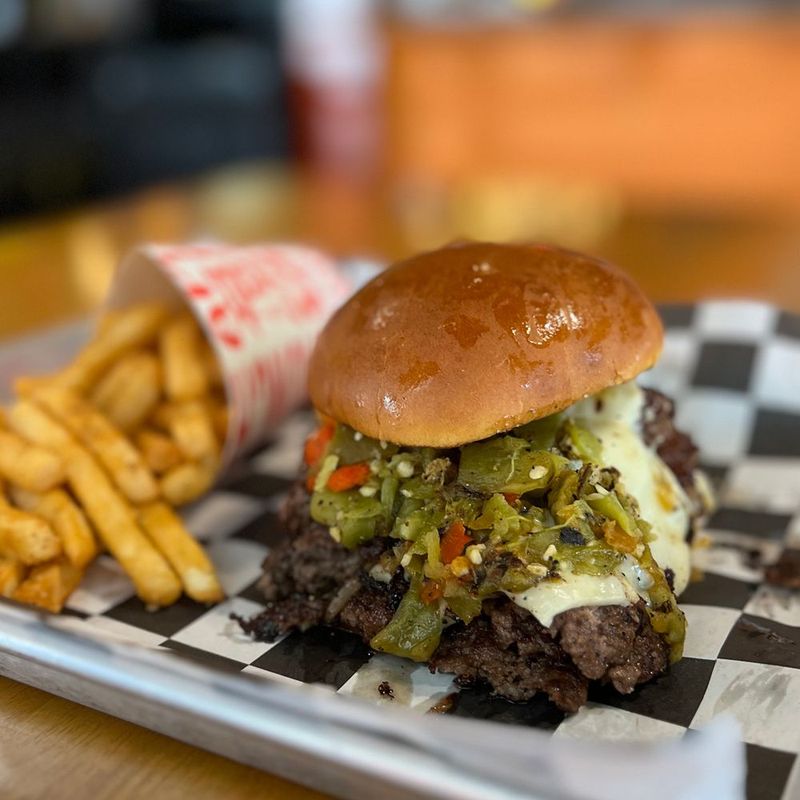
Plain ketchup has tough competition when roasted green chile shows up. Across New Mexico, a cheeseburger topped with these smoky peppers is more than a novelty special on a stadium menu.
The chile brings earthy flavor as well as heat, and its strength can vary from batch to batch. Hatch Valley peppers are especially famous, but green chile is grown in other parts of the state too.
Roast fresh peppers until the skins blister, let them steam briefly in a covered bowl, then peel and chop them. Wear gloves when handling hot peppers, and avoid touching your eyes during prep.
At the tailgate, gently warm the chopped chile in a small covered pan while the burgers cook. Melt cheese over each patty, spoon the chile on top, and use toasted buns that can stand up to the juices.
Keep a mild option available rather than assuming every fan wants serious heat. Cook ground beef to 160°F, and use a clean plate for finished burgers.
Simple toppings let the roasted pepper flavor lead, so resist loading on every condiment you brought. One good spoonful can give an ordinary parking lot burger a clear hometown identity.
Share this story