
Good chicken broth can turn plain rice, leftover chicken, or a handful of vegetables into a meal worth making again. But the cartons on the shelf can vary in salt, richness, and price.
From familiar pantry staples to richer bone broth, these brands offer useful options for different kitchens. Here’s what makes each one worth a look and how to pick the right carton for dinner.
1. Swanson
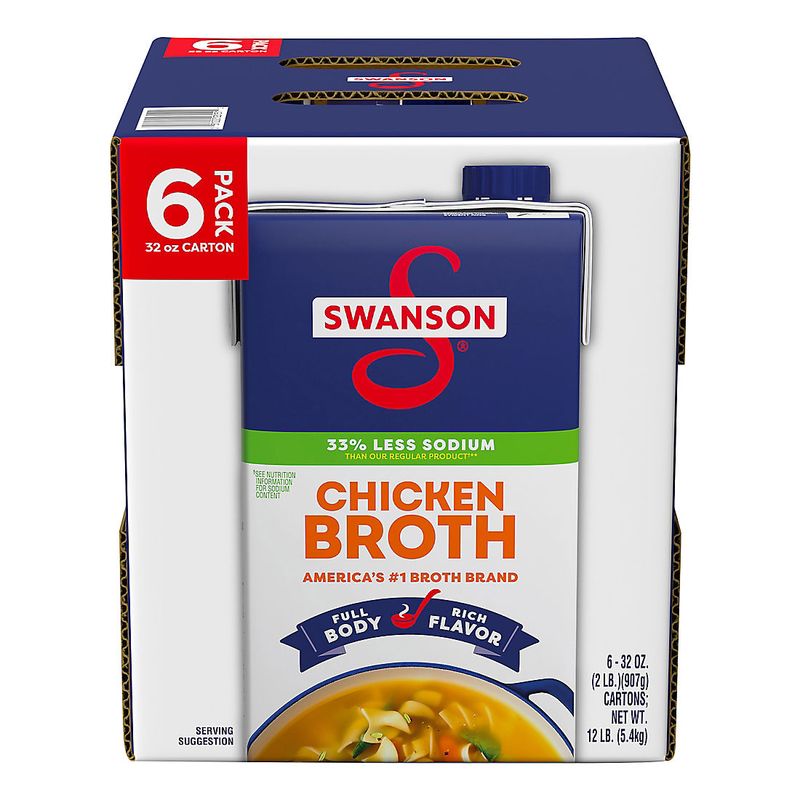
Some pantry staples earn their space by making dinner easier, not fancier. Swanson fits that role, with chicken broth options that work across soups, rice dishes, casseroles, and quick pan sauces.
The brand’s biggest practical advantage is choice. Depending on your store, you may find regular, reduced sodium, or unsalted options, letting you choose how much seasoning goes into the pot.
Check the exact label because those names do not mean the same thing.
For a simple upgrade, cook rice in broth instead of water, then add chopped parsley and a small pat of butter. Making chicken soup?
Warm the broth with onion, celery, and carrots before adding cooked meat, so the vegetables have time to soften and share their flavor.
Swanson makes sense when you want a familiar option without turning a grocery run into a treasure hunt. Compare unit prices across cans and cartons, especially if your recipe needs several cups.
Once opened, refrigerate promptly and follow the package’s storage directions. Freeze leftover portions in a covered ice cube tray for small cooking jobs, then transfer them to a labeled freezer container once solid to keep them easy to find.
2. Pacific Foods
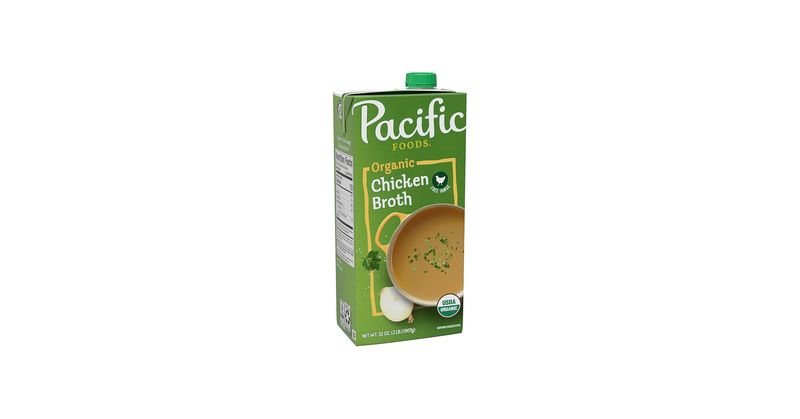
An organic label may get your attention, but the recipe still has to work. Pacific Foods offers organic chicken broth options that make a useful starting point for everyday cooking.
Read the carton closely rather than treating every Pacific product as interchangeable. Chicken broth, chicken stock, and chicken bone broth can differ in ingredients, protein, and flavor.
Sodium levels also vary, so compare the same serving size when choosing between them.
A straightforward chicken broth is handy for vegetable soup, where you want the carrots, beans, and greens to remain part of the conversation. Try softening sliced leeks in olive oil, adding broth and diced potatoes, then simmering until tender.
A squeeze of lemon at the end can brighten the bowl without adding more salt.
Pacific is worth considering if buying organic is part of your usual grocery routine. Still, organic certification does not automatically mean lower sodium or better nutrition for your needs.
Let the ingredient panel and your budget guide the choice. If the carton costs more than your everyday pick, save it for recipes where broth makes up most of the finished dish, rather than just a splash.
3. Imagine
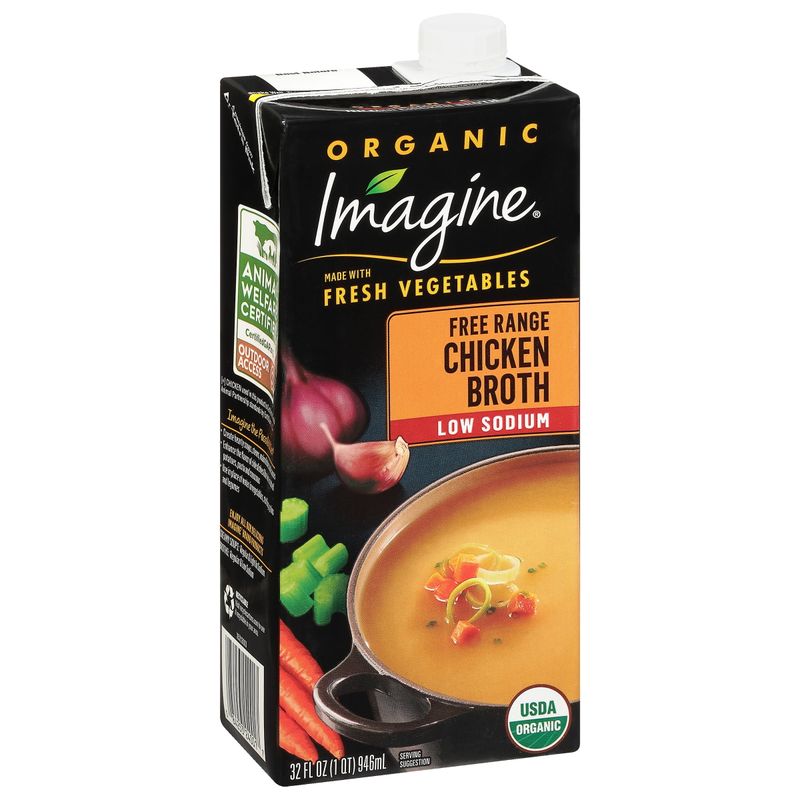
Give a pot of beans a better starting point, and dinner suddenly needs less fuss. Imagine’s organic chicken broth is worth considering for meals built around vegetables, grains, and pantry staples.
The brand offers an organic free range chicken broth, though available varieties depend on the store. Read the ingredient list if you avoid certain seasonings or have food allergies.
Front labels give you the headline; the back panel supplies the details that matter for your kitchen.
For an easy dinner, simmer canned white beans, chopped kale, and diced carrots in the broth. Add shredded chicken near the end so it warms through without becoming stringy.
Serve with toast, and you have a filling meal without a long shopping list.
Imagine is a practical option for shoppers who want organic broth and prefer choosing seasonings themselves. If a lower sodium version is available, it can help when your recipe also includes salty cheese, canned beans, or cured meat.
Taste after those ingredients go in, not before. A little vinegar or lemon juice may supply the lift your soup needs, leaving the salt shaker on the counter until the final taste check.
4. Kitchen Basics
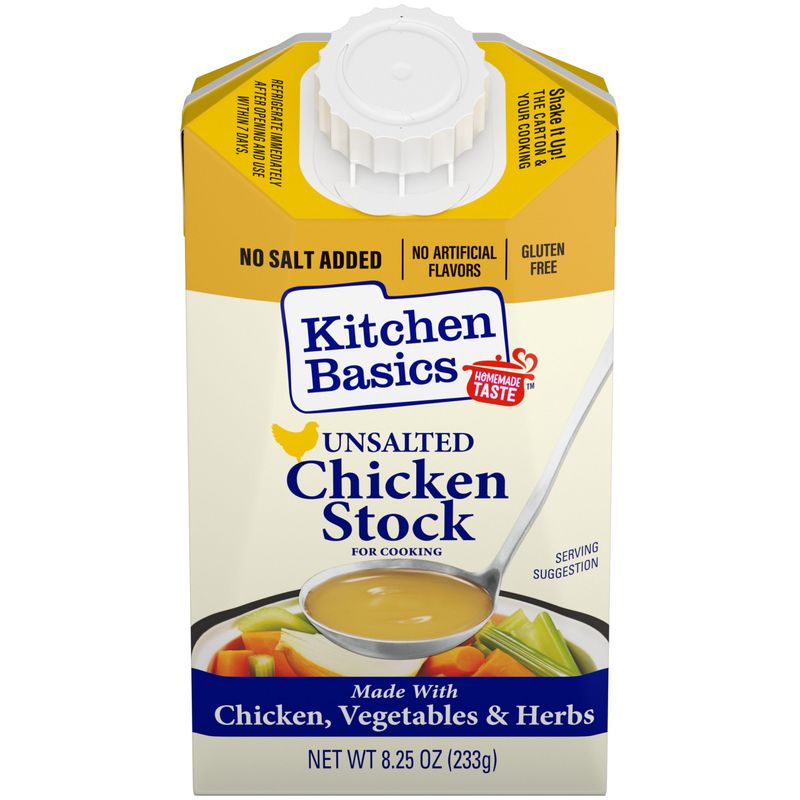
Brown bits stuck to a skillet are not a cleanup problem yet. Add chicken stock, scrape gently, and they become the start of a sauce, which is where Kitchen Basics earns attention.
This pick comes with a small naming note: the brand is known for chicken stock rather than only products labeled broth. Both can work in many home recipes, but their ingredients and seasoning may differ.
Check your chosen carton instead of assuming the terms promise a certain thickness.
After cooking chicken, pour off excess fat, add a splash of stock, and loosen the browned bits with a wooden spoon. Simmer briefly, then finish with butter or a little mustard.
Taste before salting because reducing any seasoned liquid makes its saltiness more noticeable.
Kitchen Basics also offers an unsalted chicken stock option, useful when you want more control over sauces and longer cooking projects. It belongs on the shortlist for risotto, gravy, and braised vegetables as well.
Compare prices by fluid ounce, since package sizes can differ. For a recipe that calls for broth, stock is often a workable swap, provided you adjust the seasoning and consider the other ingredients first.
5. College Inn
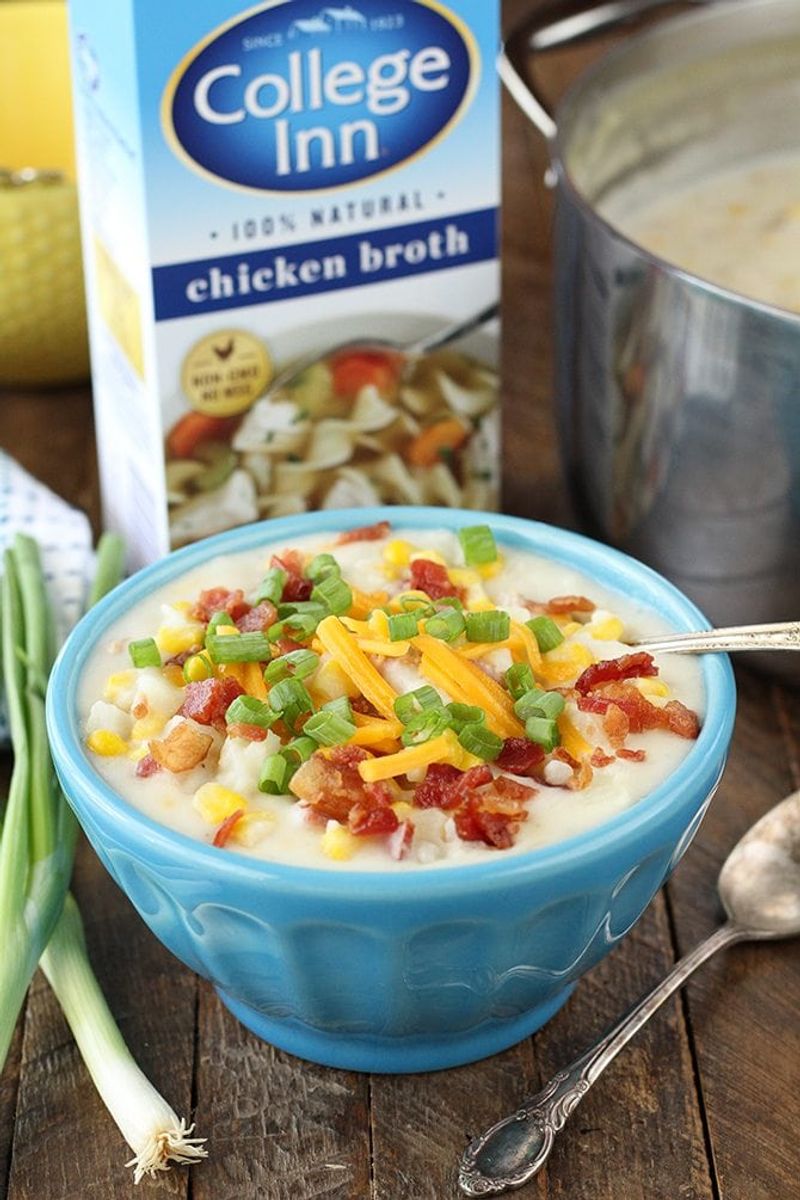
Chicken pot pie does not need a complicated shopping list. College Inn chicken broth fits neatly into the kind of cooking that starts with leftover meat and ends with everyone asking for seconds.
The brand offers familiar broth options, including reduced sodium varieties in some stores. That choice matters for comfort food, where butter, cheese, prepared dough, or seasoned chicken may already bring plenty of salt.
Always compare labels on the actual packages you are buying.
Use the broth to loosen a thick pot pie filling or build a simple gravy. Cook flour briefly in melted butter, whisk in broth a little at a time, and simmer until smooth.
Add cooked chicken and vegetables only after the sauce reaches the thickness you want.
College Inn is a sensible contender when you want an everyday broth for family meals rather than a specialty sipping drink. Watch store promotions, but check the unit price before assuming a larger package is cheaper.
If you only need a cup, plan another broth-based meal soon or freeze the extra. That small habit can do more for your grocery budget than chasing a modest discount on each carton.
6. Progresso
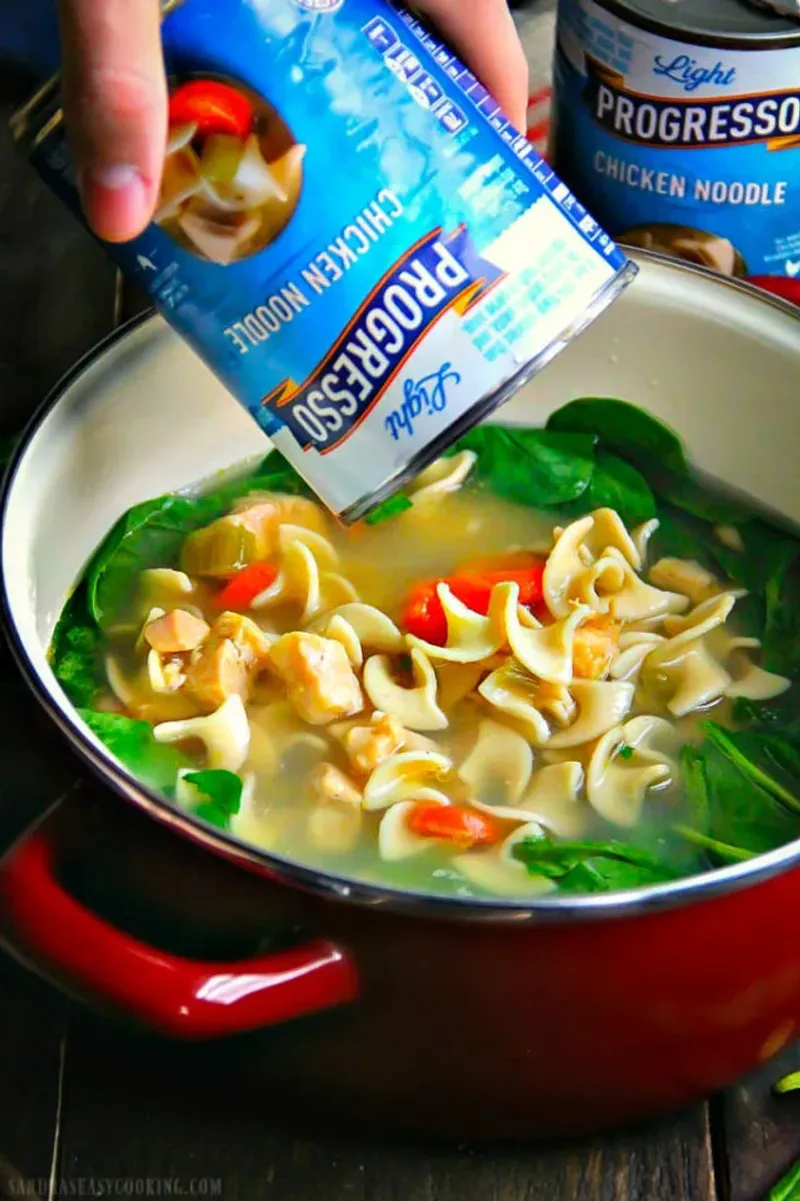
The clock says dinner, but the fridge says odds and ends. Progresso chicken broth can help bridge that gap, especially when pasta, frozen vegetables, and a little cooked chicken are already waiting.
Although the name is closely tied to canned soup, the brand also sells broth. Look for the specific chicken broth product rather than assuming a ready-to-eat soup will behave the same way in a recipe.
Ingredients, sodium, and seasoning can differ across the lineup.
Try a quick tortellini soup: bring broth to a gentle boil, add the pasta, and follow its cooking time. Stir in spinach near the end, then add cooked chicken if you want a heartier bowl.
Keep the heat moderate once everything is together so the pasta does not fall apart.
For leftovers, store the pasta separately when practical, since it keeps soaking up liquid in the fridge. Progresso is worth a look if you want a convenient supermarket option for fast meals.
Compare its sodium level and price with neighboring cartons rather than choosing by brand recognition alone. The best value is the broth that suits your recipe and gets used instead of forgotten after opening.
7. Kettle & Fire
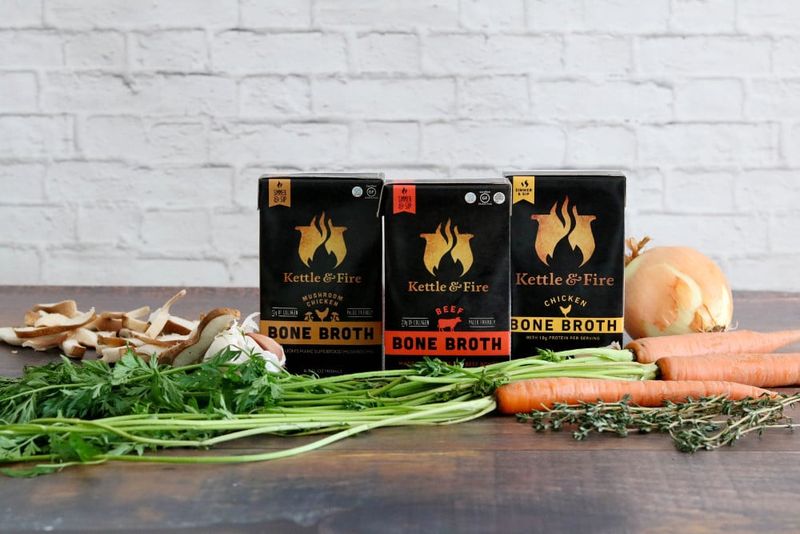
A warm mug of broth calls for a different shopping strategy than a giant pot of rice. Kettle & Fire’s chicken bone broth is worth considering when the liquid itself takes center stage.
Bone broth is not automatically the best choice for every recipe, and protein amounts vary by product. Check the nutrition panel for the specific carton rather than relying on broad wellness claims.
It is food, not a treatment, and it does not need a health promise to be useful.
Warm a serving gently and taste it plain before adding lemon, ginger, or herbs. That gives you a sense of its seasoning and whether you would rather sip it or cook with it.
Avoid boiling it hard simply to heat one mug.
Kettle & Fire often sits at a higher price point than basic grocery broth, though local prices and sales vary. Save it for a small soup, a broth bowl, or sipping if that is how you enjoy it most.
For a casserole needing several cups, an everyday carton may be the smarter buy. Match the purchase to the meal, not the idea that a higher price guarantees dinner.
Share this story