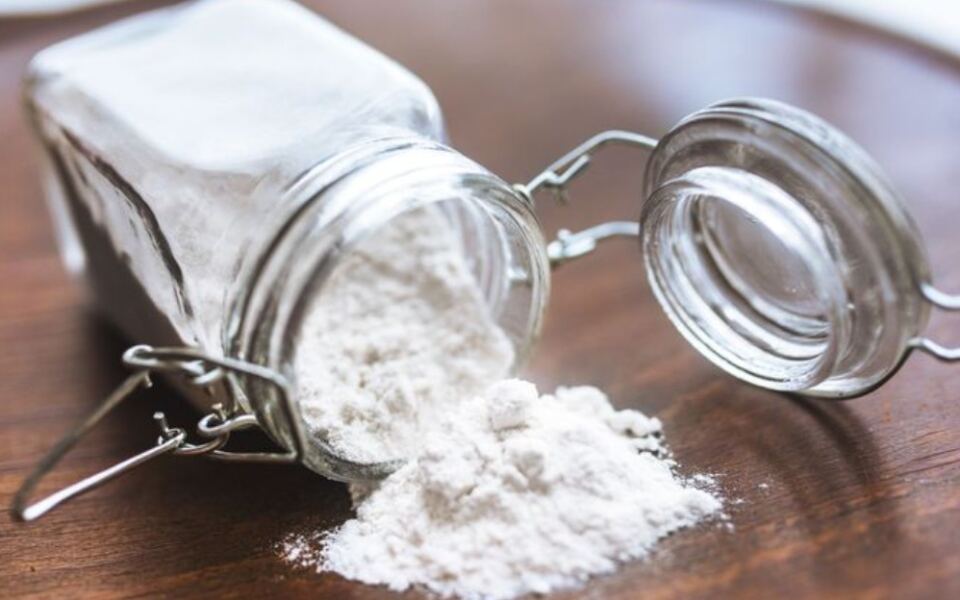
That plain white box of cornstarch in your pantry is quietly one of the hardest-working ingredients in your kitchen. It turns runny gravy into silky sauce, makes fried chicken extra crunchy, and helps cookies melt in your mouth.
Most people only grab it once a year for pie, but it deserves a lot more attention. Once you know what it does and when to reach for it, your cooking gets easier and tastier.
Meet the Powder Hiding Inside Every Corn Kernel
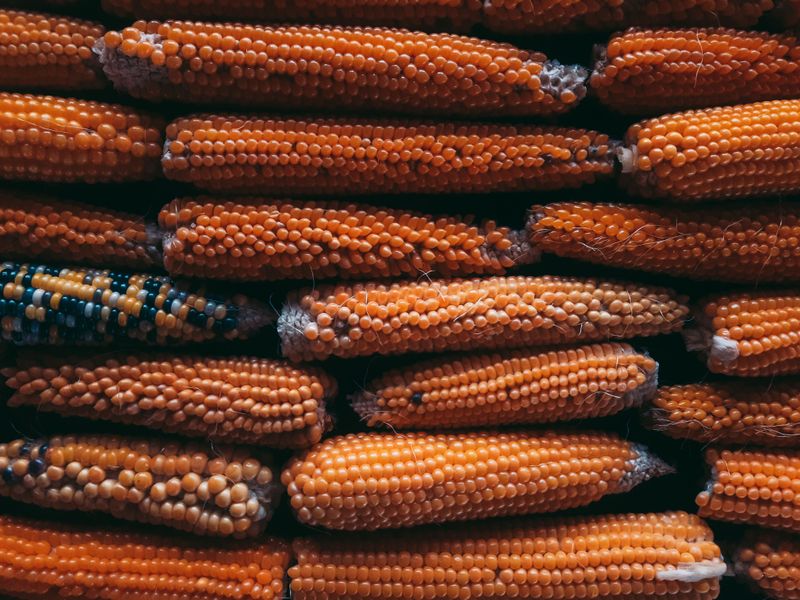
Back in 1842, cornstarch was invented, and for years people used it more for laundry than for dinner. Stiff shirt collars came before smooth gravy.
Eventually cooks figured out it could do amazing things in the kitchen, and it has been a pantry staple ever since.
So what is it, exactly? Cornstarch is a fine, soft powder that comes from the endosperm, which is the starchy center of a corn kernel.
It’s made mostly of carbohydrates, including two starch molecules called amylose and amylopectin. Those two tiny players are the reason cornstarch can thicken, crisp, and soften foods.
One of its best traits is that it has no smell and almost no flavor. That means it won’t make your lemon pudding taste like corn or your stir-fry taste like cereal.
It simply does its job and gets out of the way.
Cornstarch is also naturally gluten-free, which makes it handy for many families. If someone in your home is very sensitive to gluten, check the package for a gluten-free label, since some factories also handle wheat.
With that covered, you’re ready to put this humble powder to work.
Say Goodbye to Watery Sauces and Soupy Gravy
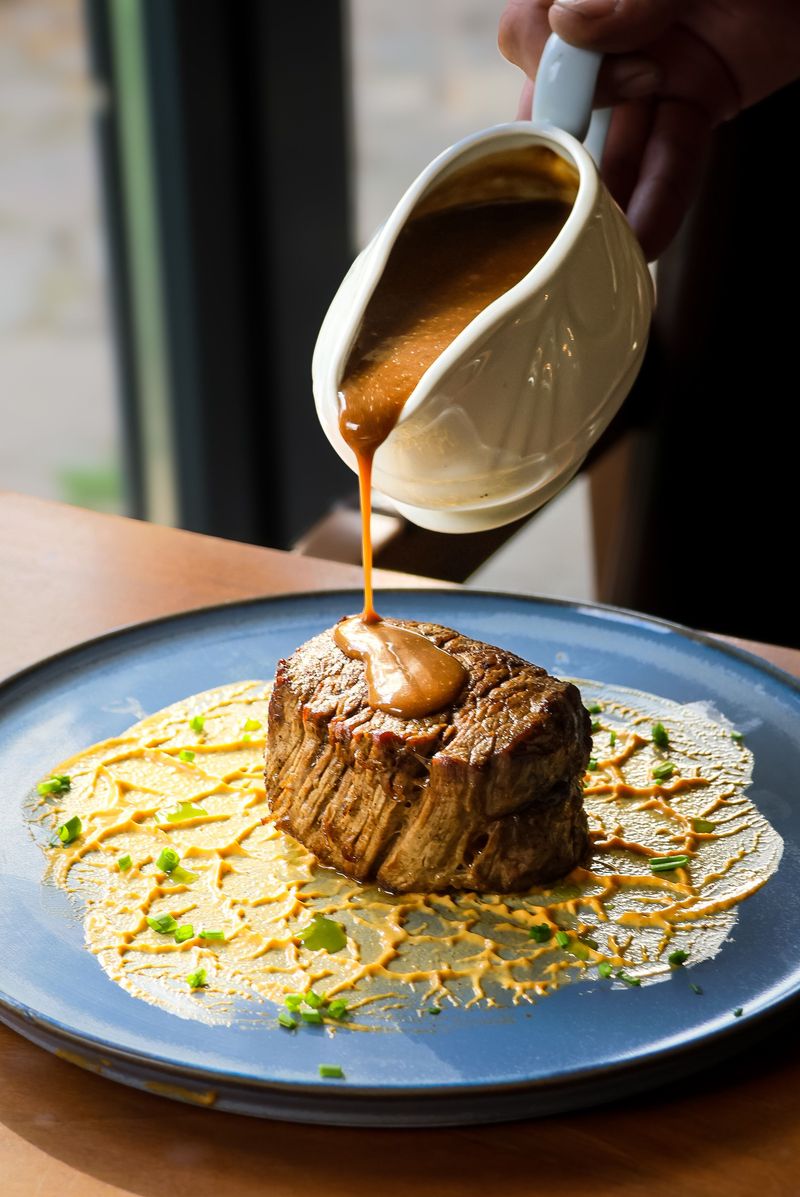
Nobody wants gravy that runs across the plate like a river. Thickening is cornstarch’s number one job, and it does it better than almost anything else in your cupboard.
Here’s the science in simple terms. When cornstarch is heated in liquid to about 203°F (95°C), the starch grains soak up water and swell.
As they swell, the liquid becomes thicker and smoother. Cooks call this process gelatinization, which is a fancy word for a pretty cool kitchen trick.
Cornstarch also works faster than flour. Flour needs extra cooking time to lose its raw taste, while cornstarch thickens quickly and tastes neutral.
You can rescue a thin soup in just a few minutes.
Try it in soups, stews, gravies, pan sauces, and glazes for meat or veggies. A little goes a long way, so start small and add more only if you need it.
You can always thicken more, but thinning a gloppy sauce is much harder.
Another bonus is how it sets as it cools. Leftover sauce will often be thicker the next day, so keep that in mind when you reheat it.
A splash of water will loosen it right back up.
Why Some Sauces Shine Like Glass
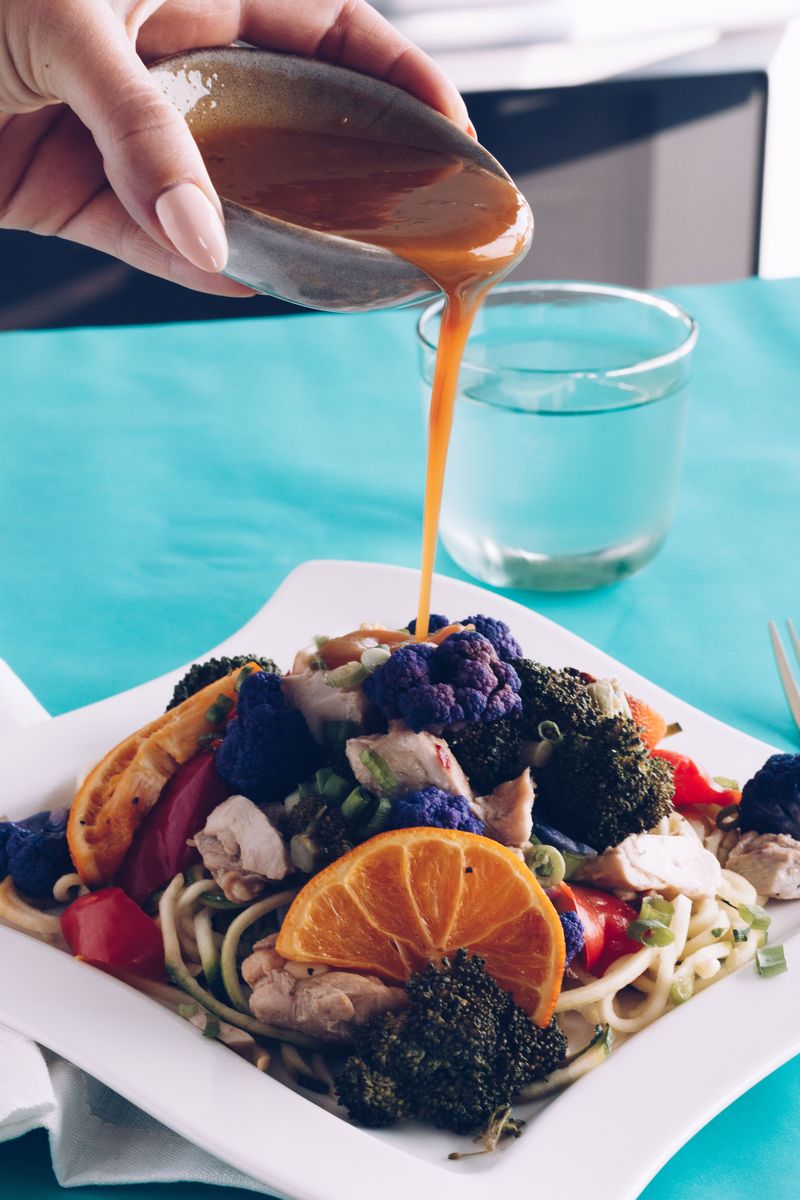
Ever wonder why takeout stir-fry sauce looks so shiny and clear? That restaurant glow often comes from cornstarch.
It creates a glossy, see-through finish that makes food look fresh and bright.
Flour works differently. It turns sauces cloudy and opaque, which is great for a creamy country gravy but not so great for a sweet and sour glaze.
When you want your colorful veggies to show through, cornstarch is the better pick.
Fruit desserts love this trick too. A cherry or blueberry pie filling thickened with cornstarch stays jewel-toned instead of turning muddy.
Lemon pie filling is another star example, because cornstarch helps it set firmly as it cools so each slice holds its shape.
Custards and puddings benefit in the same way. They come out smooth, rich-looking, and sturdy enough to scoop without collapsing.
That’s a win for anyone who has ever served a puddle instead of a pie.
So here’s an easy rule to remember. Choose cornstarch when you want shine and clarity.
Choose flour when you want a cozy, creamy look. Your eyes eat first, after all, and a glossy sauce simply looks more delicious on the plate.
The Secret Behind That Loud, Happy Crunch
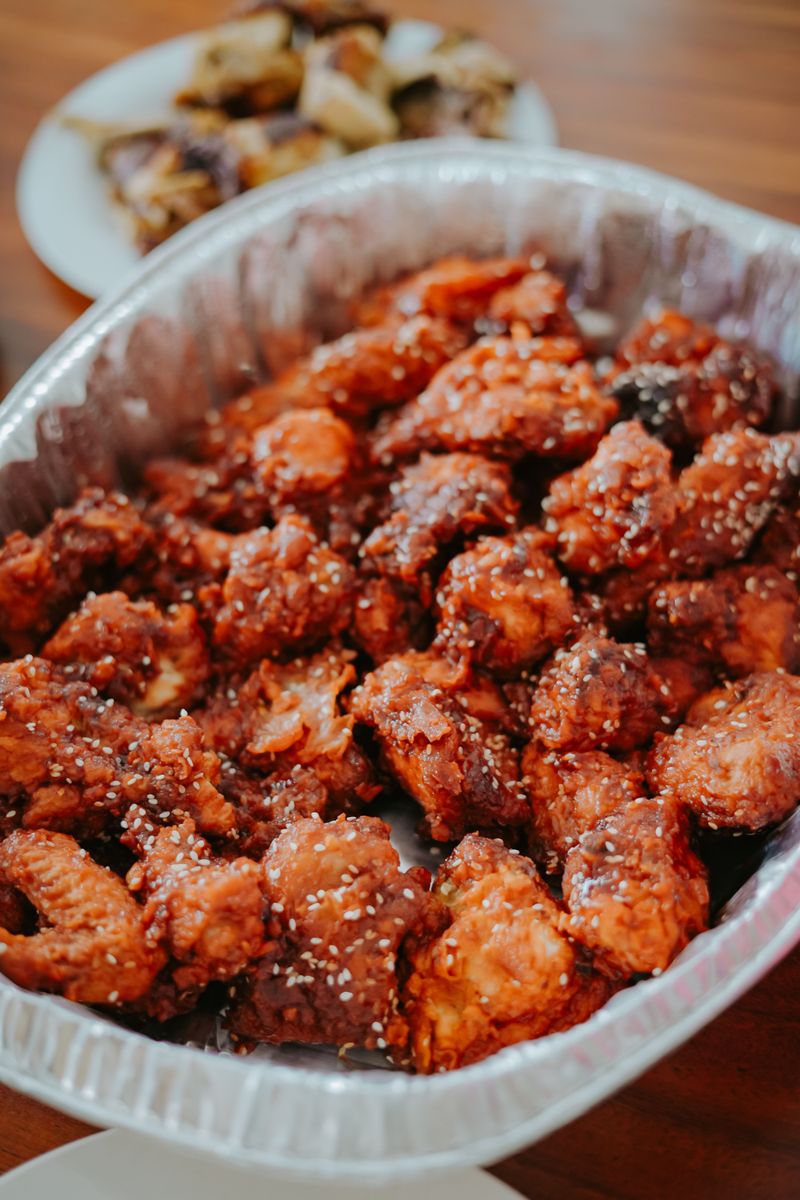
Crunch is one of the most satisfying sounds in food. If your fried chicken or fish keeps coming out soggy, cornstarch might be the fix you’ve been missing.
Cornstarch has more amylose than regular flour, and that matters in hot oil. When coated food hits the pan, moisture on the surface makes the starch swell.
Then the hot oil quickly dries it out, forming a hard, crispy shell. That shell also traps juices inside, so the food stays tender.
For delicate foods like fish or tofu, you can use cornstarch by itself. The result is light, thin, and super crisp.
For heartier foods like fried chicken, many cooks mix half cornstarch and half flour for a sturdy, golden coating.
Air fryer fans can join the fun too. A light dusting of cornstarch helps foods brown nicely and get crunchy without a deep pot of oil.
Homemade french fries also benefit. Tossing cut potatoes in a little cornstarch before cooking helps build a protective outer layer.
That means crispier edges and soft, fluffy centers. Pass the ketchup, please.
Bakers Keep a Box Close for Good Reason
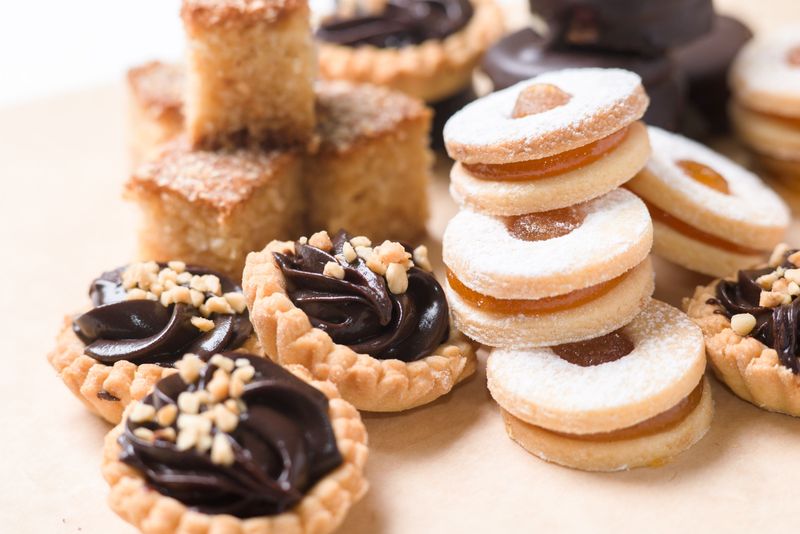
Shortbread cookies that melt on your tongue? Cornstarch helps make that happen.
In baking, it softens texture and gives treats a lighter, more tender bite.
Here’s how it works. Cornstarch has no gluten, so mixing some into flour cuts down on the stretchy structure that can make baked goods tough.
The result is a finer, softer crumb. Some bakers blend about one part cornstarch with four parts flour to get a cake that feels light and delicate.
Cookies and brownies can benefit too. A spoonful of cornstarch can help create that chewy texture many people crave.
It’s a small change with a noticeable payoff.
Frostings and glazes also get a boost. Cornstarch helps them stay smooth, stable, and less likely to slide off your cupcakes.
That’s helpful when you’re decorating for a birthday party and want things to look neat.
Finally, cornstarch makes a handy dusting powder. Sprinkle a little on your counter when rolling out dough to stop sticking.
You can also dust baking pans so treats release easily and develop crisp edges. One plain box, so many sweet jobs.
A Friendly Helper for Gluten-Free Kitchens
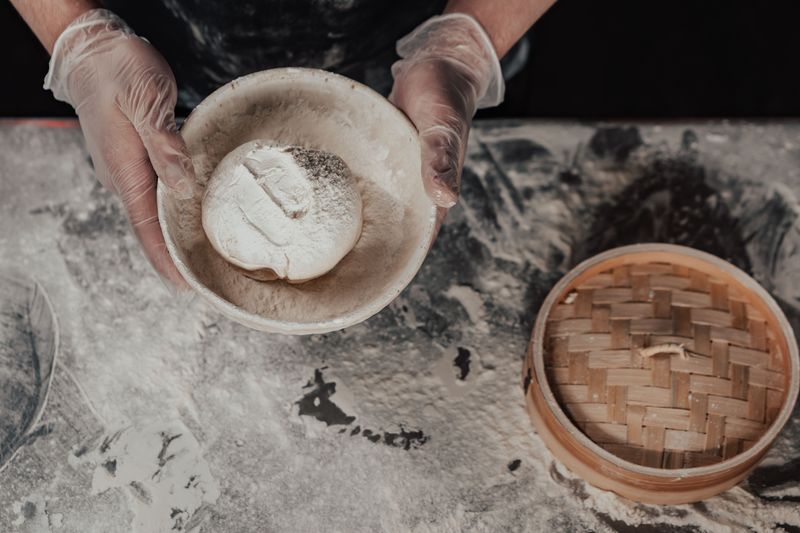
Cooking without wheat can feel tricky at first. Gravy won’t thicken the usual way, and baked goods may crumble apart.
That’s where cornstarch steps in as a trusty sidekick.
Since it’s naturally gluten-free, cornstarch is a smart choice for people with celiac disease or gluten sensitivity. Remember to look for a certified gluten-free label, because cross-contact can happen during processing.
In gluten-free baking, cornstarch helps replace some of what gluten normally provides. It absorbs moisture and forms a gel, which helps hold baked goods together.
That means breads, muffins, and cakes stay moist and keep their shape better. It can also make them lighter and more even in texture.
Outside of baking, swapping is simple. Use cornstarch instead of flour to thicken gravies, sauces, and pie fillings.
It also works great as a coating for fried foods, giving you that crispy finish without any wheat.
For families with mixed diets, this is a real time-saver. One sauce or one batch of crispy chicken can work for everyone at the table.
Nobody has to feel left out at dinner, and that makes cooking a whole lot more fun.
Master the Slurry and Lumps Will Never Win
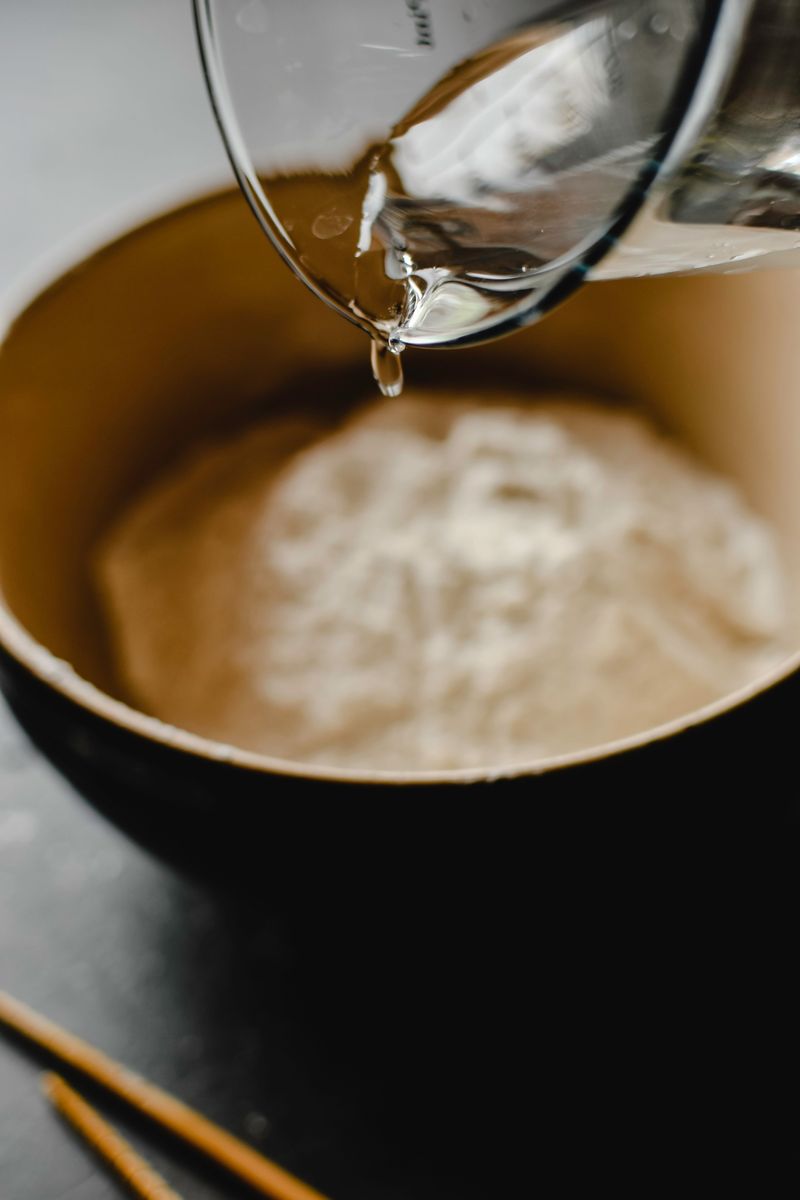
Dumping dry cornstarch straight into hot soup is a classic mistake. You end up with gooey little lumps floating around like tiny jellyfish.
Thankfully, the fix is easy.
Make a slurry first. Mix cornstarch with a small amount of cold liquid, like water, broth, or juice, and stir until smooth.
A common guide is about one tablespoon of cornstarch to two tablespoons of cold water, though some cooks use equal parts. Either way, the goal is a smooth, milky mixture with no clumps.
Use your slurry right away. Cornstarch sinks to the bottom if it sits, so give it a quick whisk before pouring if you got distracted.
Next, pour it slowly into your simmering liquid while stirring constantly. Steady stirring spreads the starch evenly and keeps lumps from forming.
Then bring everything to a gentle boil or simmer. Cornstarch needs real heat, around 203°F, to fully thicken.
If your sauce still looks thin, it probably hasn’t gotten hot enough yet. Give it a minute or two, and you’ll see it transform right before your eyes.
Oops Moments That Can Ruin a Good Sauce
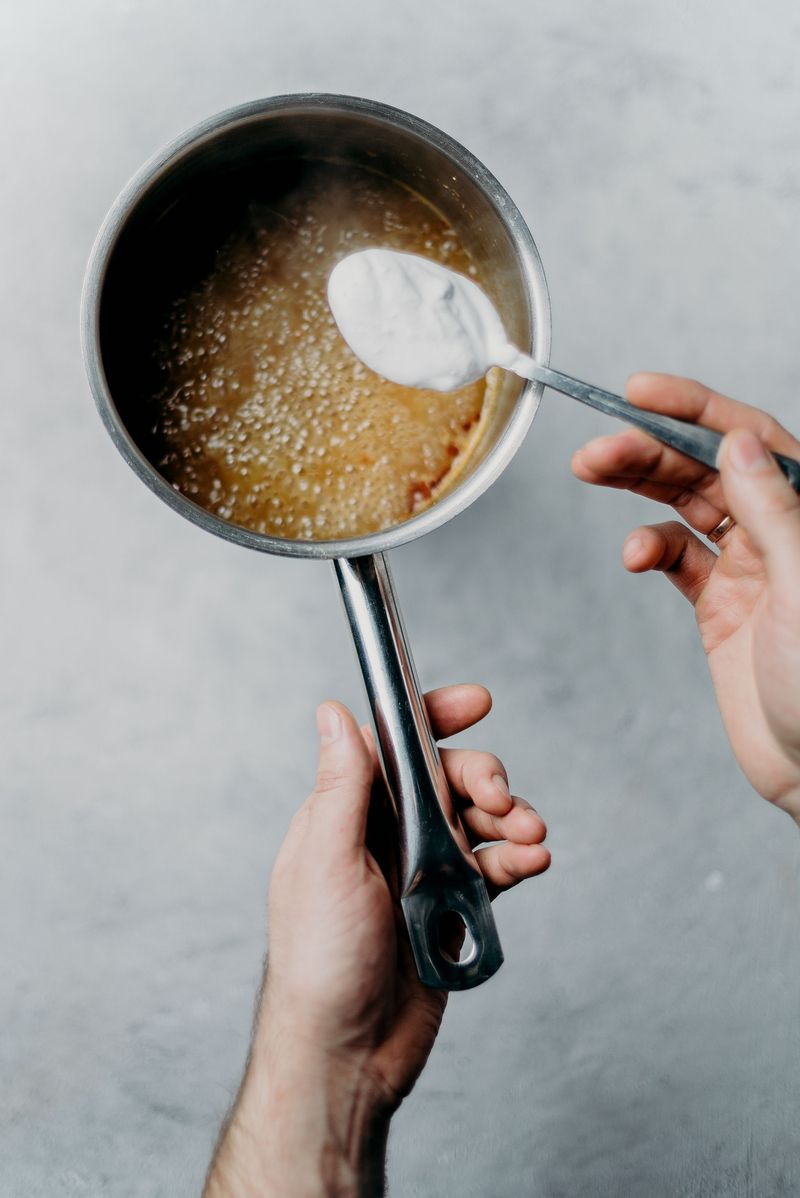
Cornstarch is a hero, but even heroes have weak spots. Knowing them will save you from a few kitchen headaches.
First up is overcooking. Once your sauce thickens, don’t let it keep boiling hard.
Too much heat for too long breaks down the starch, and your sauce can thin out or turn gummy. As soon as it reaches the thickness you want, lower the heat below a simmer.
Over-stirring is the second trap. Stirring while you add the slurry is great.
But whisking like crazy after the sauce has thickened can break apart the structure and make it runny again.
Acidic ingredients cause trouble too. Tomatoes, lemon juice, and vinegar can weaken cornstarch’s thickening power.
If your recipe is very tangy, you may need a different thickener, or you can add the acid near the end.
Finally, think twice before freezing. Dishes thickened with cornstarch often turn spongy or watery after thawing.
If you plan to freeze a big batch of soup, consider thickening only the portion you’ll eat now. Save the rest plain, then thicken it fresh after reheating.
Picking the Right Thickener for the Job
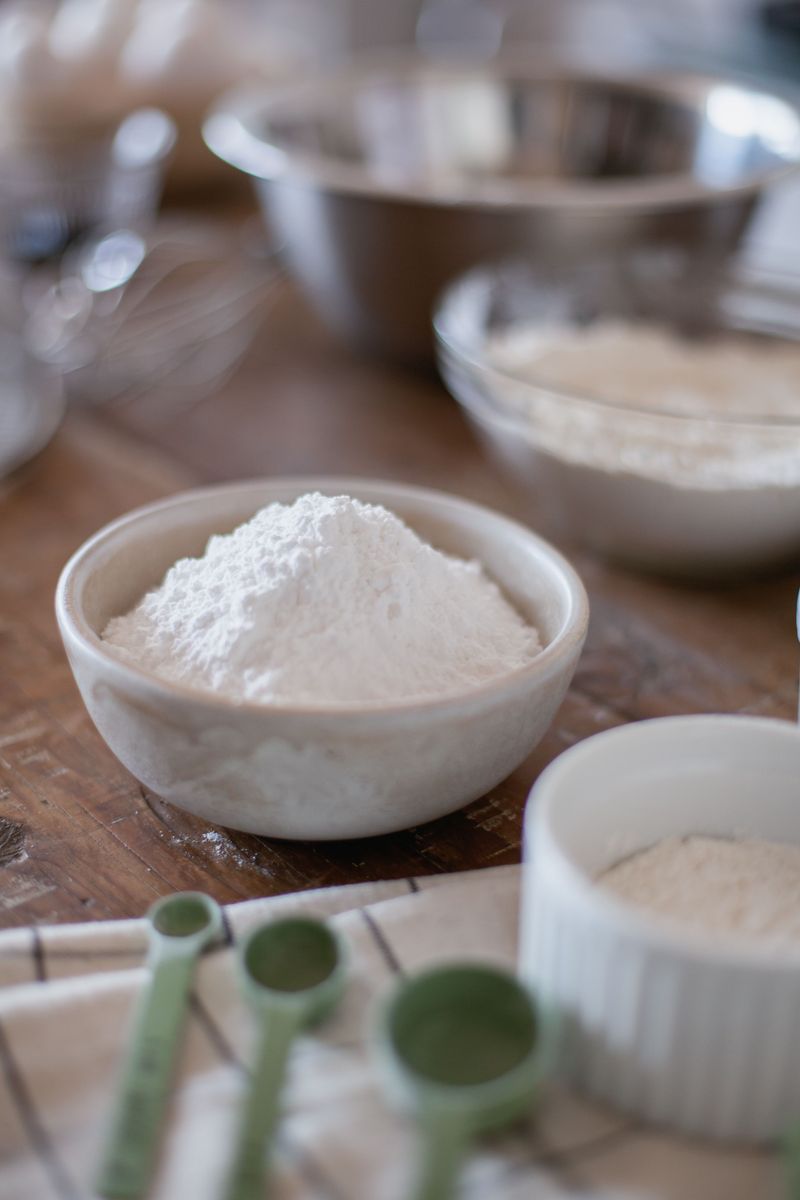
Think of thickeners like tools in a toolbox. Each one shines in different jobs, and cornstarch is just one of the crew.
Flour is the closest cousin. Cornstarch has about twice the thickening power, so you need roughly half as much when swapping.
Flour shines in a roux, which is cooked fat and flour, giving rich, creamy gravy. Just remember it needs more cooking time to lose its raw taste.
Arrowroot is the gentle one. It thickens at lower temperatures and makes clear, glossy sauces that are great for fruit glazes.
It handles acidic liquids and freezing better than cornstarch. However, it can turn slimy with dairy and breaks down under long, high heat.
Tapioca starch is a pie lover’s favorite. It thickens quickly, creates a clear and slightly stretchy texture, and holds up well in acidic fillings.
It also survives the freezer without getting weird.
So when should you grab cornstarch? Reach for it for quick sauces, stir-fries, puddings, crispy coatings, and tender baked goods.
For frozen dishes or very tangy fruit fillings, a backup thickener might be your better bet. Happy cooking!
Share this story