Pour oil into a pot of boiling pasta water, and it mostly just floats on top while the noodles cook underneath. That means the trick so many of us learned from parents and grandparents may not do what we think.
Worse, it can leave a slick coating that makes your sauce slide right off. I believe small kitchen habits like this one can quietly decide whether dinner is just okay or truly delicious.
So what should you do instead, and when does oil actually help?
Your Sauce Will Slide Right Off the Noodles
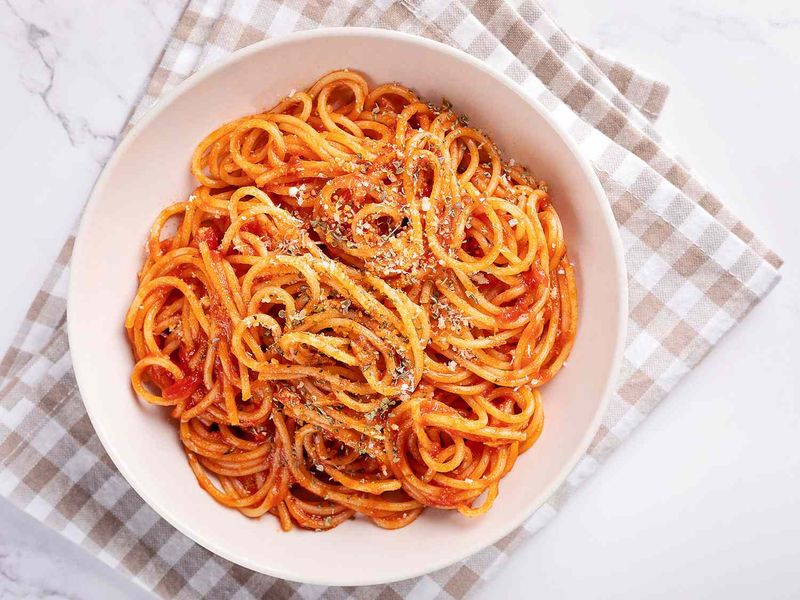
Nothing stings quite like a pool of tomato sauce sitting alone at the bottom of your bowl. The noodles above look naked, and every bite tastes a little flat.
Oil in the cooking water is often the sneaky cause behind that letdown.
When you drain the pasta, any oil floating on top coats the noodles as they pass through it. That thin, slippery film acts like a raincoat.
Sauce hits the surface and slides away instead of grabbing on and staying put.
Tomato sauces and creamy sauces suffer the most. They need a slightly rough, starchy surface to hold onto.
Oil smooths that surface out, so the flavor never really sticks where it belongs.
The fix is simple and costs nothing. Just leave the oil bottle on the shelf while the water boils.
Your pasta will come out with its natural starch still on the outside, ready to soak up every bit of sauce you pour on.
Think of it as giving your sauce a fair chance. You worked hard on that meal, so it should taste great in every single forkful, not just the last few bites scraped from the plate.
Oil and Water Simply Refuse to Be Friends
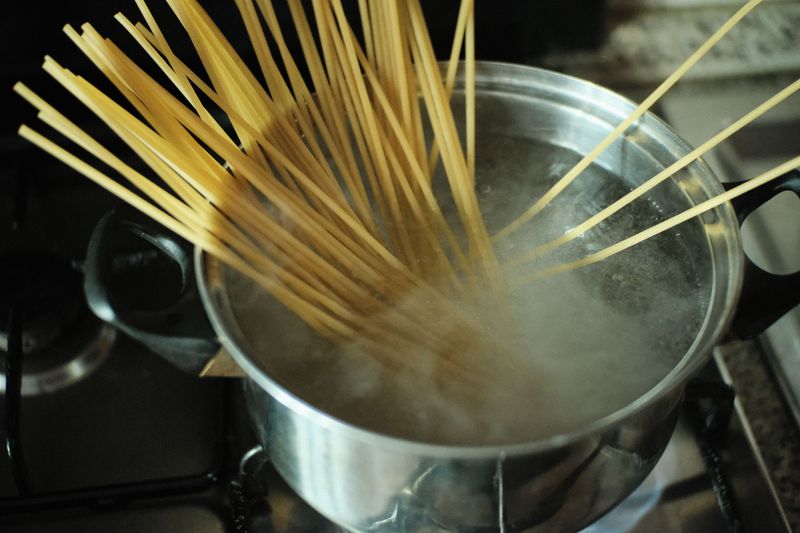
Remember the science class lesson where oil floated on top of water in a clear cup? That same rule follows you right into the kitchen.
Oil is lighter than water, so it rises and stays on the surface.
Here is why that matters for dinner. Your pasta sinks down and cooks below the surface, deep in the hot water.
The oil hangs out above it, barely touching the noodles at all while they cook.
So the whole idea that oil wraps around each strand and keeps it separate just does not hold up. The oil and the pasta spend most of their time in different parts of the pot.
They are basically neighbors who never say hello.
Even stirring will not change much. You might push some oil down for a second, but it floats right back up.
Boiling bubbles cannot force the two to mix for long.
Once you understand this simple fact, the old habit starts to look a bit silly. You are adding something that sits on top doing nothing useful.
Knowing the science helps you cook smarter, and it makes a fun fact to share at the dinner table too.
Sticking Happens for Reasons Oil Can’t Fix
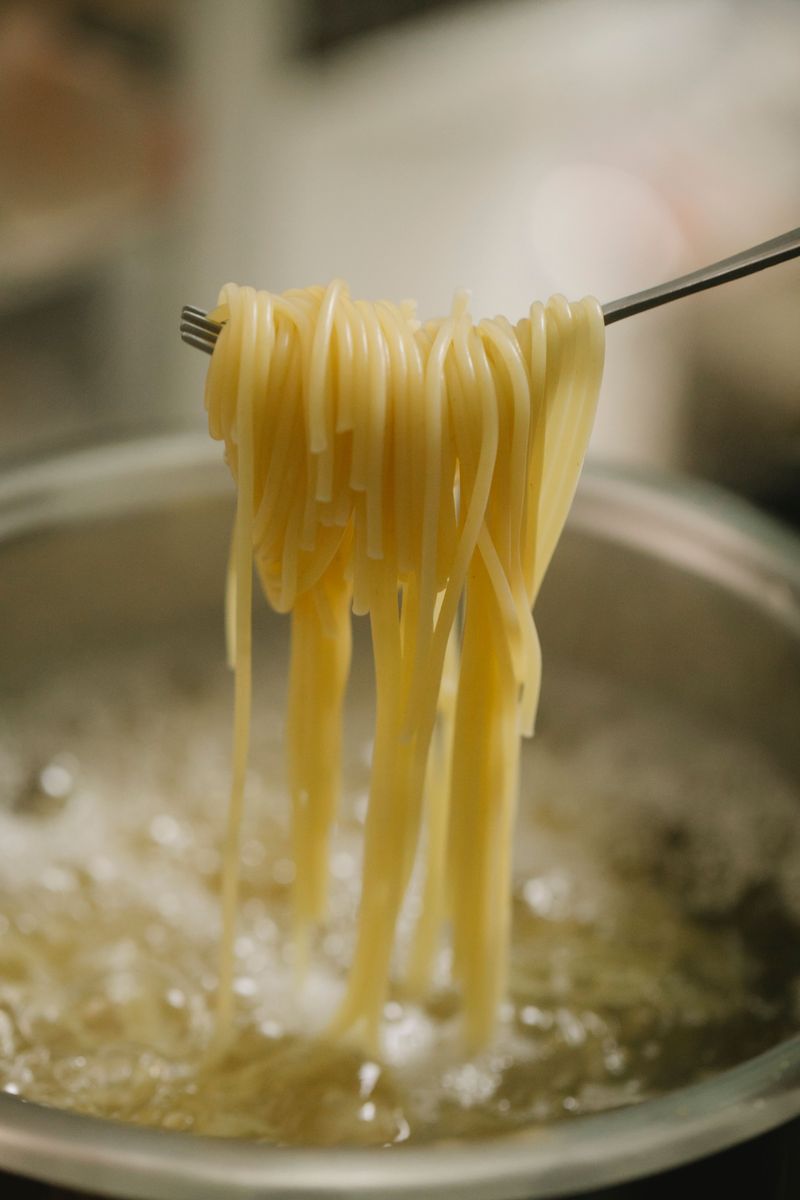
Clumpy pasta is a real problem, but oil is the wrong hero for the job. Many cooking experts have pointed out that the oil myth just does not stop noodles from sticking during boiling.
So why does pasta stick in the first place? As noodles heat up, starch on their surface turns sticky.
If pieces touch during those first few minutes, they can glue together. Crowded pots and lukewarm water make this much worse.
Because the oil floats above, it never reaches those sticky spots where the trouble starts. The pasta keeps clumping, and you are left wondering why your trick failed.
It was never the right tool in the first place.
The real answers are about technique, not extra ingredients. Space, heat, and a little stirring do the heavy lifting.
Each one tackles the sticky starch problem head-on, right where it happens.
The next few sections cover those methods one by one. Good news, too.
None of them cost a penny more than what you already have in your kitchen, and they work every single time you try them.
That Good Olive Oil Deserves a Better Job
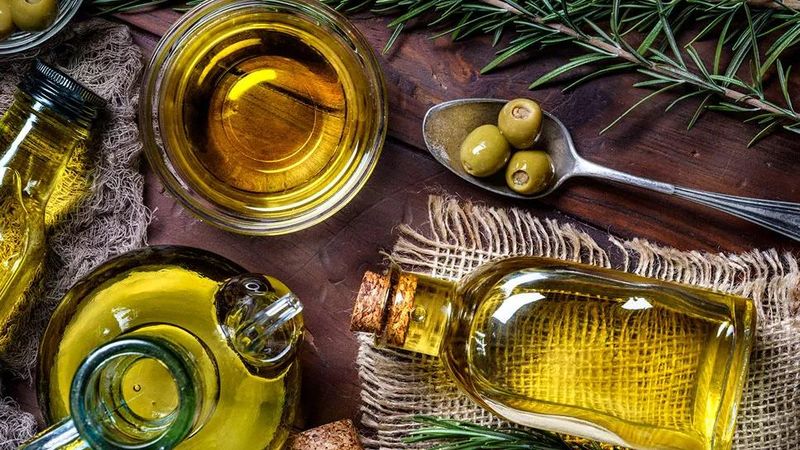
Good olive oil can be pricey. Pouring a big splash into a gallon of water that heads straight down the drain feels a bit like tossing coins into a fountain.
Fun, maybe, but not very useful.
Adding oil to boiling water also does not give the pasta much flavor. The noodles do not really absorb it while they cook.
Most of it gets poured out with the water when you drain the pot.
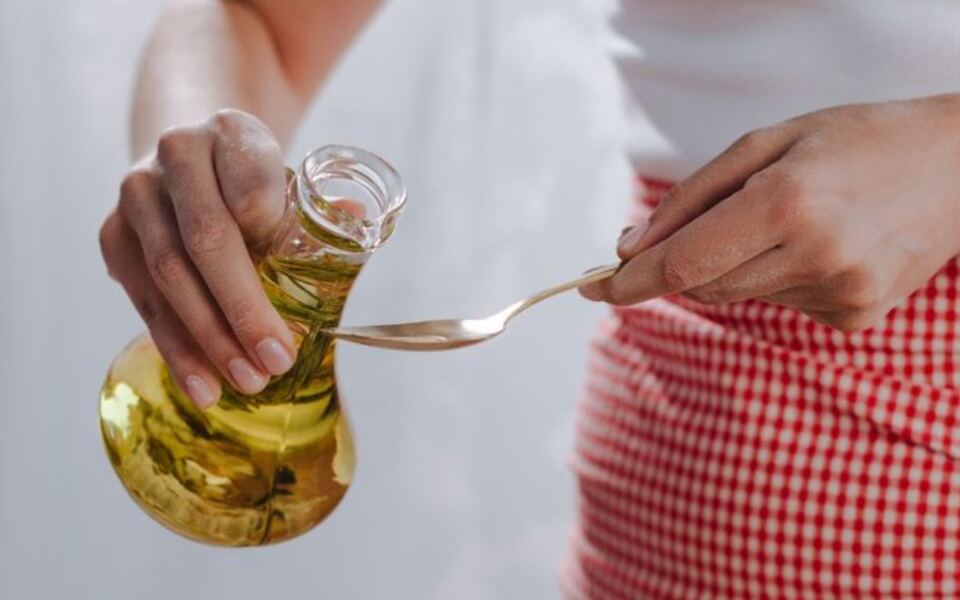
Your oil can shine in so many other places. Drizzle it over finished pasta right before serving.
Use it to warm garlic in a pan for a simple sauce. Brush it onto bread or toss it with roasted vegetables on the side.
In those moments, you actually taste the fruity, peppery notes that make a nice oil special. The flavor lands on your tongue instead of in your sink.
Saving your oil for these jobs is a small change with a big payoff. Your bottle lasts longer, your wallet stays happier, and your food tastes noticeably better.
That is a pretty great trade for simply skipping one step at the stove.
A Bigger Pot Solves More Than You’d Think
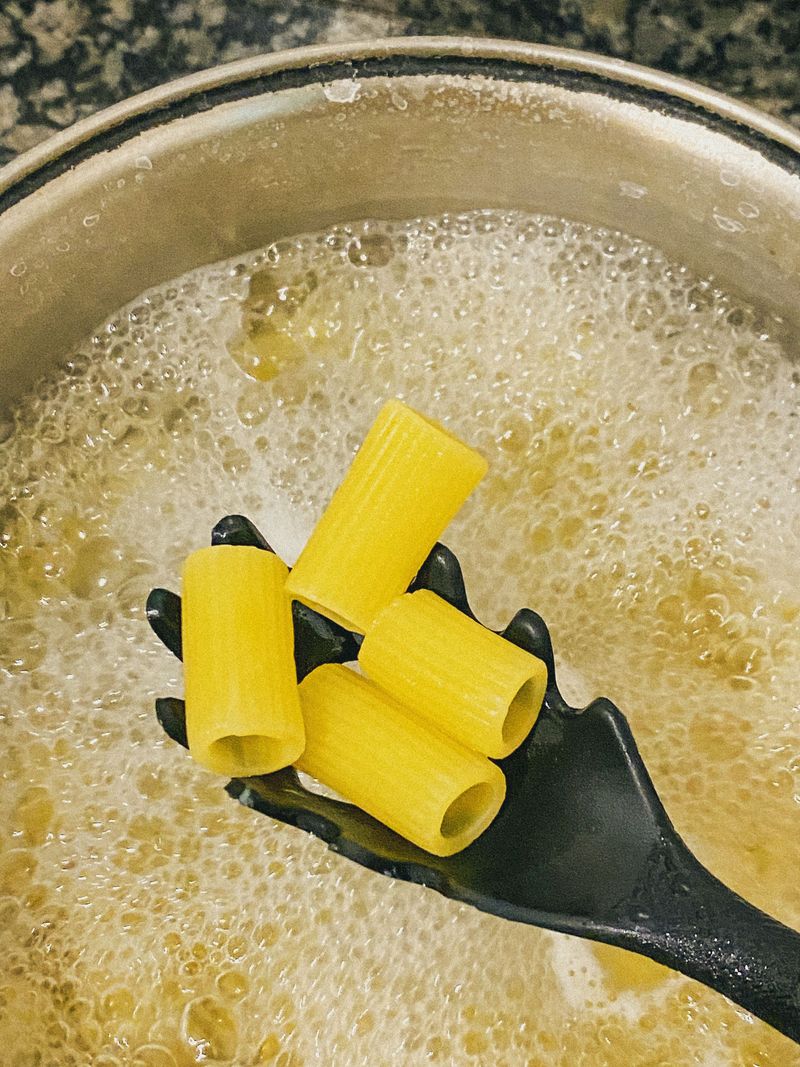
Crowding is the true villain behind most clumpy pasta. Squeeze a whole box of noodles into a small pot, and they have nowhere to go.
They bump, touch, and stick together fast.
A large pot with lots of water changes everything. The pasta can float and move around freely.
Each piece gets its own space, so sticky starch has fewer chances to glue strands together.
Plenty of water also helps the pot come back to a boil quickly after you add the noodles. Cold pasta cools the water down.
A small amount of water drops in temperature more, which slows cooking and invites gummy results.
You do not need fancy equipment for this. Grab the biggest pot you own, even if it feels like overkill.
Fill it well, leaving a few inches at the top so it does not spill.
Many cooks are surprised by how much this one swap helps. Suddenly, the pasta cooks evenly and comes out loose and separate, no oil required.
Sometimes the best kitchen upgrade is just choosing a roomier home for your noodles while they cook.
Wait for the Big Bubbles, Then Stir Like You Mean It
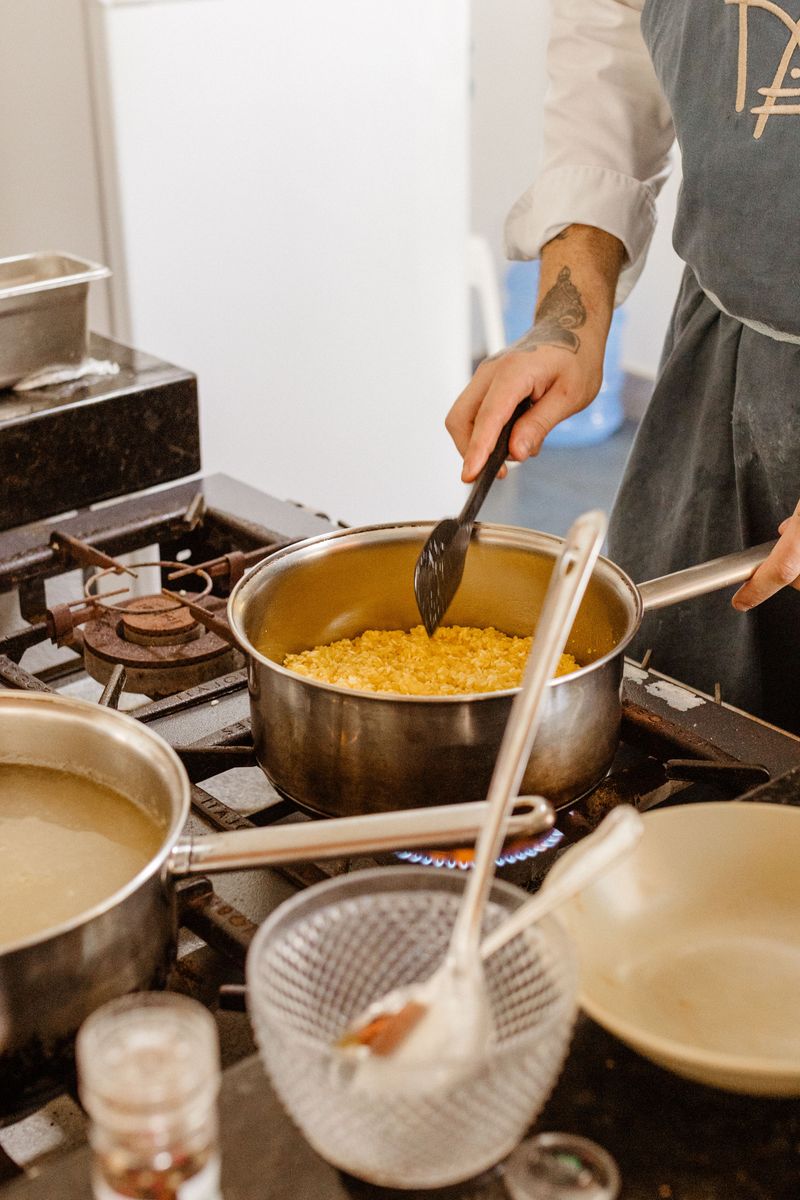
Patience pays off at the stove. Dropping pasta into water that is only gently simmering is a common mistake.
The noodles sit there, soften slowly, and start sticking before they ever really cook.
A rolling boil is the goal. That means big, fast bubbles that keep going even when you stir.
High heat helps the pasta cook quickly and lets the starch on the surface set properly, which cuts down on stickiness.
Then comes the stirring. The first couple of minutes matter most.
That is when the surface starch is at its stickiest and noodles love to clump. Give the pot a good stir right after adding the pasta, then a few more times early on.
Long noodles like spaghetti need extra attention. Gently push them under the water as they soften so they do not stick together at the top.
After those first few minutes, you can relax a little. An occasional stir is plenty.
With strong heat and a busy spoon, you handle the sticking problem directly. No floating oil needed, just a bit of attention at the right moment.
Salt Is the Seasoning Your Water Actually Needs
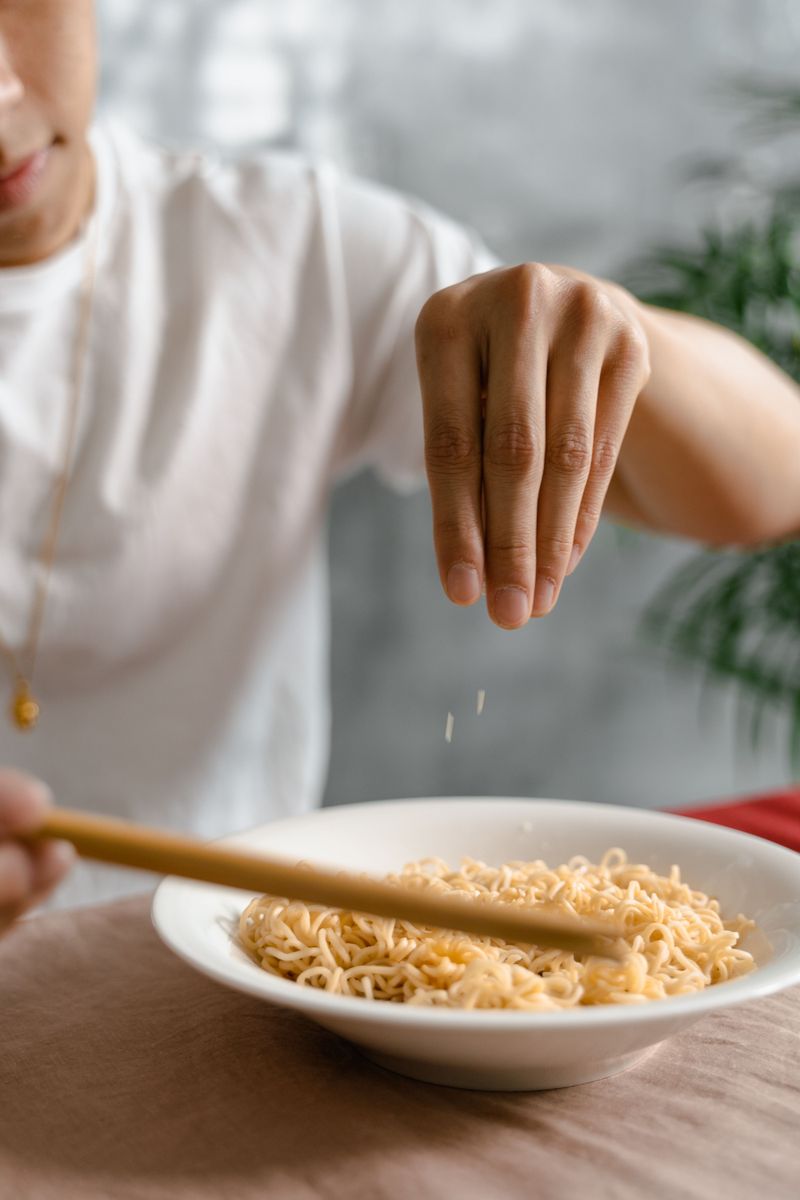
Ask many chefs what belongs in pasta water, and salt tops the list. Oil barely makes the conversation.
That is because salt actually changes how your pasta tastes.
As noodles cook, they soak up some of the water around them. If that water is salty, the pasta gets seasoned from the inside out.
Plain water leaves you with bland noodles, no matter how tasty your sauce is.
A popular rule is that the water should taste noticeably salty, often compared to the sea. That might sound like a lot.
Remember, though, most of that water goes down the drain. Only a little seasoning ends up in each bite.
Add the salt once the water is boiling, then give it a quick stir. Be careful with steam and splashes when you do.
The difference is easy to taste. Well-salted pasta has flavor all on its own, so your sauce builds on a strong base instead of covering up something dull.
If you have been adding oil and skipping salt, swapping those habits might be the easiest dinner upgrade you ever make.
Save a Cup of That Cloudy Water Before Draining
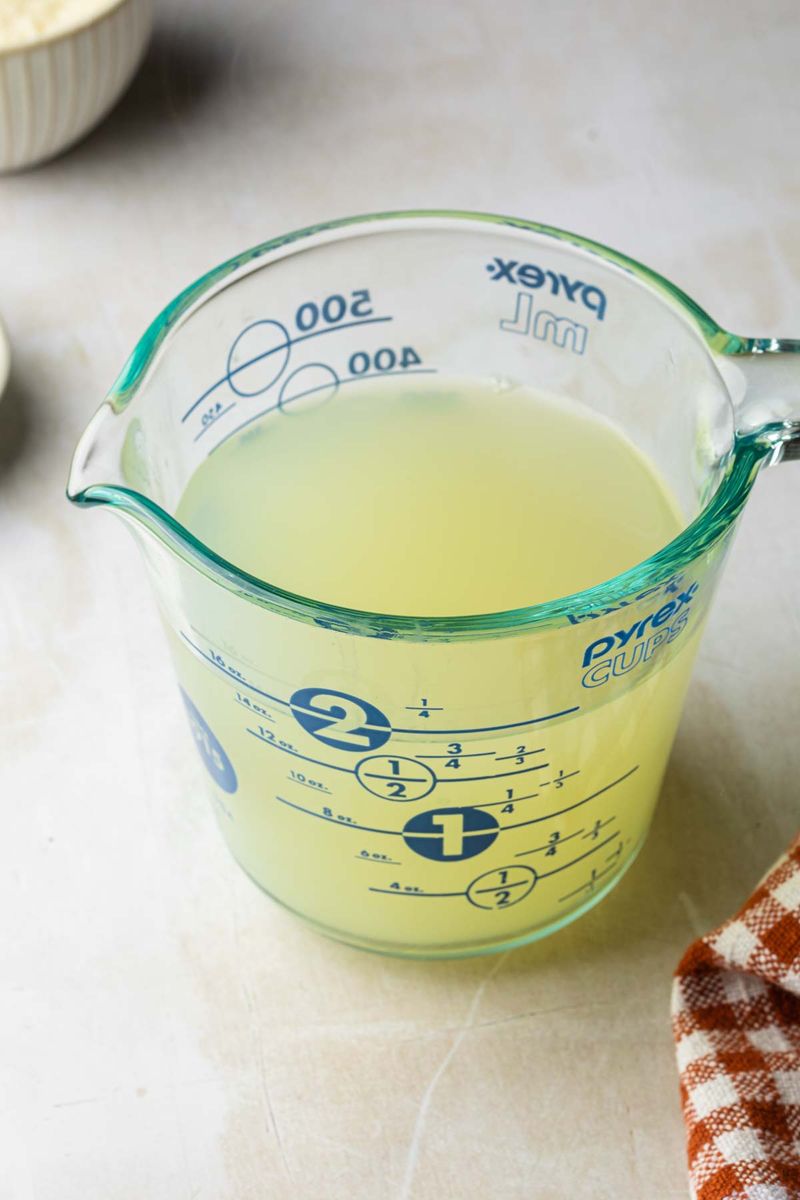
That murky water in your pot is basically liquid gold. As pasta cooks, it releases starch into the water, turning it cloudy.
Dump it all, and you lose a secret sauce helper.
Before draining, scoop out a cup or so and set it aside. When you mix the pasta with sauce, splash some of that water in.
The starch helps the sauce turn smooth and silky, and it helps it cling to every noodle.
This works best when you move the drained pasta straight into the pan with your sauce. Toss everything together over the heat for a minute.
The starchy surface of the noodles and the saved water team up to bind with the sauce.
Notice the theme here. Starch is your friend, and oil gets in its way.
A greasy coating blocks the very connection this water is trying to build.
Start with a small splash and add more if the sauce looks too thick or dry. You will see it go from clumpy to glossy pretty quickly.
It is one of those easy tricks that makes homemade pasta taste restaurant-level.
Oil Earns Its Spot After the Pasta Is Drained
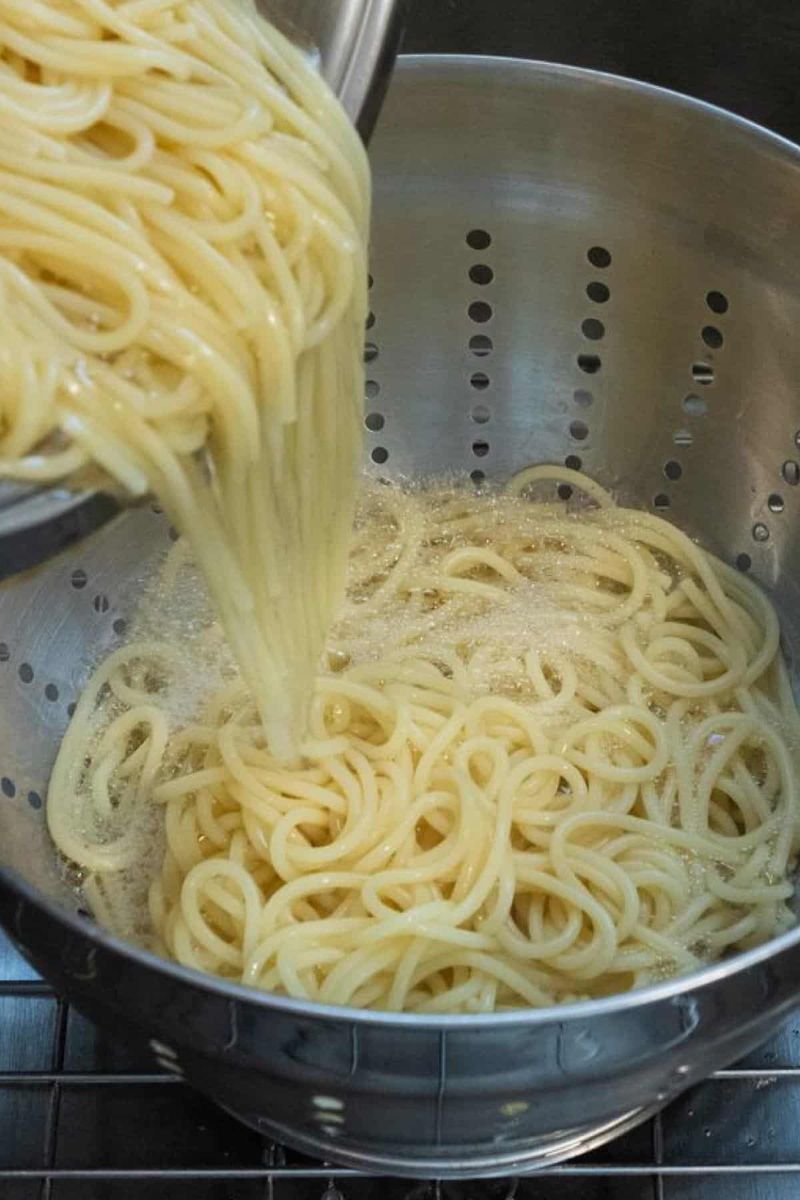
Oil is not the bad guy in every pasta story. Timing is what matters.
Once the noodles are drained, a little oil can actually help in certain cases.
Making a cold pasta salad? Tossing cooked, drained pasta with a small amount of oil keeps the pieces from sticking as they cool.
The same goes for pasta you plan to store in the fridge for later meals.
That is very different from pouring oil into the boiling pot. Here, the oil touches the noodles directly instead of floating above them.
And since these dishes usually are not getting a clingy hot sauce, the slick coating does not hurt anything.
Some people also say oil reduces foaming and boil-overs. It might help a little, but it is more of a side effect than a smart method.
Using a bigger pot and turning the heat down slightly works too.
So keep the bottle handy, just not near the boiling water. For hot pasta with sauce, skip it entirely.
For salads and leftovers, add it after draining. Knowing when to use oil turns an old myth into a genuinely useful kitchen trick.
Share this story