A frozen treat, a seafood stew, and a salad born in Hollywood all tell part of California’s food story. Across the Golden State, immigrant cooks, neighborhood restaurants, and creative business owners helped turn everyday ingredients into dishes recognized far beyond their hometowns.
Some creations have clear beginnings, while others come with competing claims or roots that reach outside California. Knowing those differences makes this collection more interesting, revealing how local traditions, fresh produce, and a little luck helped shape American eating habits.
1. Cioppino (San Francisco)
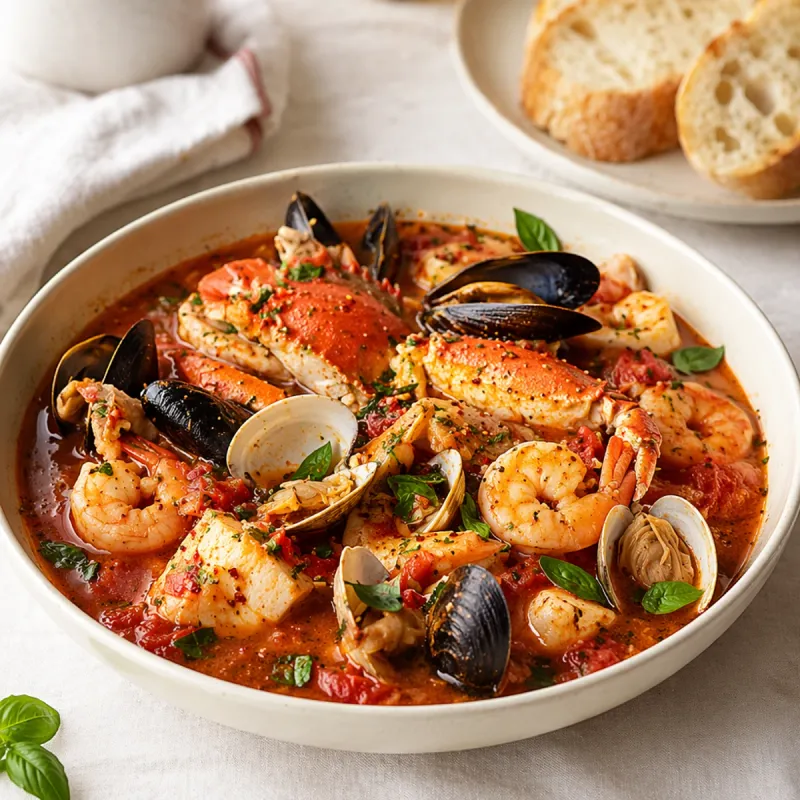
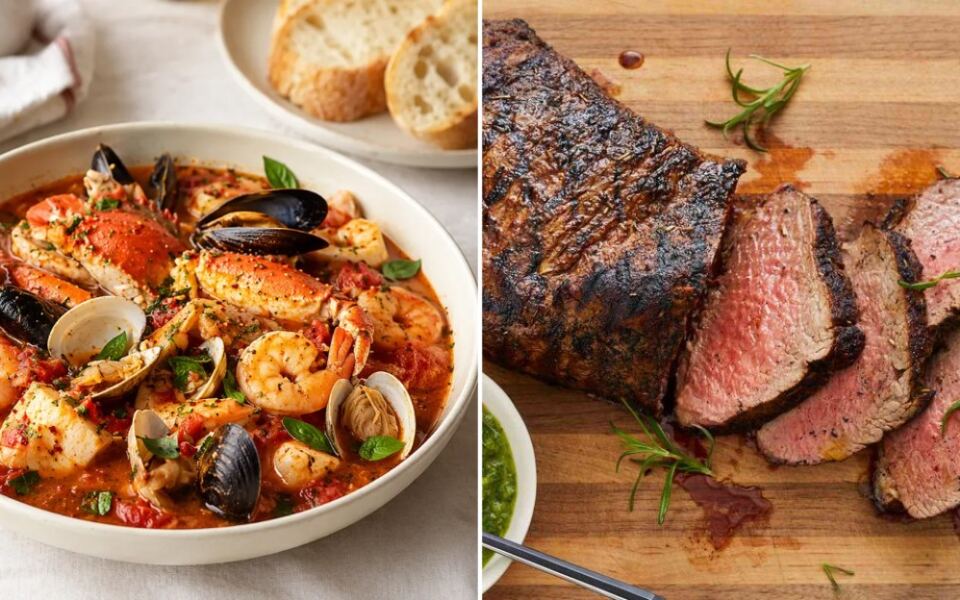
Fishing families helped turn the day’s catch into one of San Francisco’s signature meals. Cioppino developed among Italian immigrants around the waterfront, drawing on seafood stews from their homeland rather than following one fixed recipe.
Its name is commonly linked to a Ligurian word for a similar dish.
A tomato-based broth brings together fish, crab, clams, mussels, and other seafood, depending on the kitchen and season. Dungeness crab gives many local versions a clear Northern California connection.
Expect shells, plenty of napkins, and bread for soaking up the broth. Unlike a smooth seafood soup, cioppino keeps its ingredients recognizable, making each bowl a small portrait of the fishing traditions that shaped the city.
2. California Roll (Los Angeles)
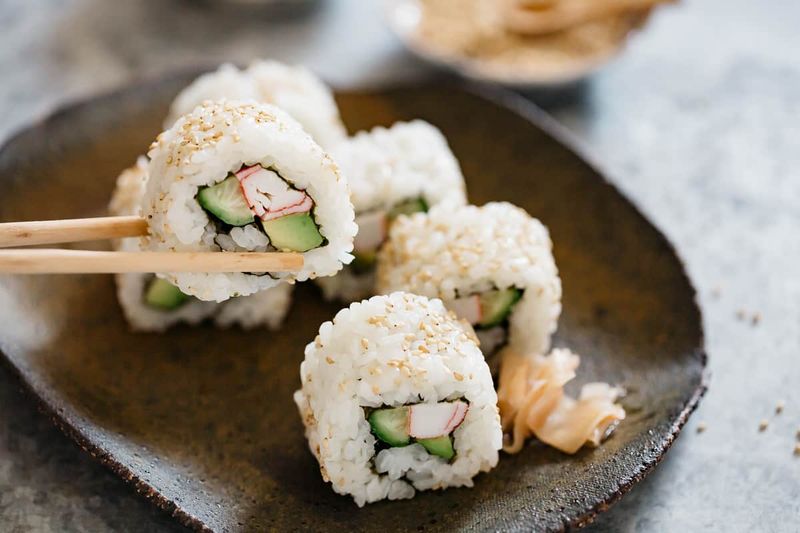
Avocado helped make sushi feel familiar to many American diners. The California roll usually combines crab or imitation crab with cucumber and avocado, often placing the rice outside the seaweed.
That inside-out shape makes its pale rice coating immediately recognizable.
Although both Los Angeles and Vancouver have claims to the California roll’s creation, Southern California played an important role in bringing this approachable sushi style to American diners. The combination of avocado, cucumber, and crab helped introduce Japanese-inspired sushi to a much wider audience.
3. Mission-Style Burrito (San Francisco)
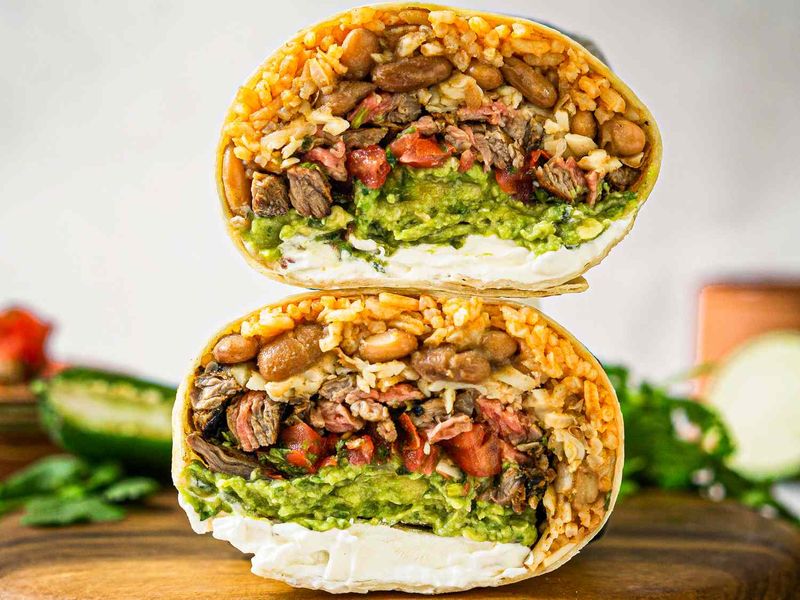
Foil is practically part of the outfit for San Francisco’s most famous burrito. Built inside a large flour tortilla, the Mission version typically holds rice, beans, meat, and salsa, with additions such as cheese, sour cream, or guacamole.
Its size separates it from many smaller regional burritos.
The style took shape in the Mission District, where taquerias helped establish its generous, tightly wrapped form. El Faro and La Cumbre both figure prominently in accounts of its early development, though a single origin story remains debated.
Steaming or warming the tortilla helps it bend around the filling without tearing. Keeping the foil around the lower half helps support a burrito that demands some structural engineering.
4. French Dip Sandwich (Los Angeles)
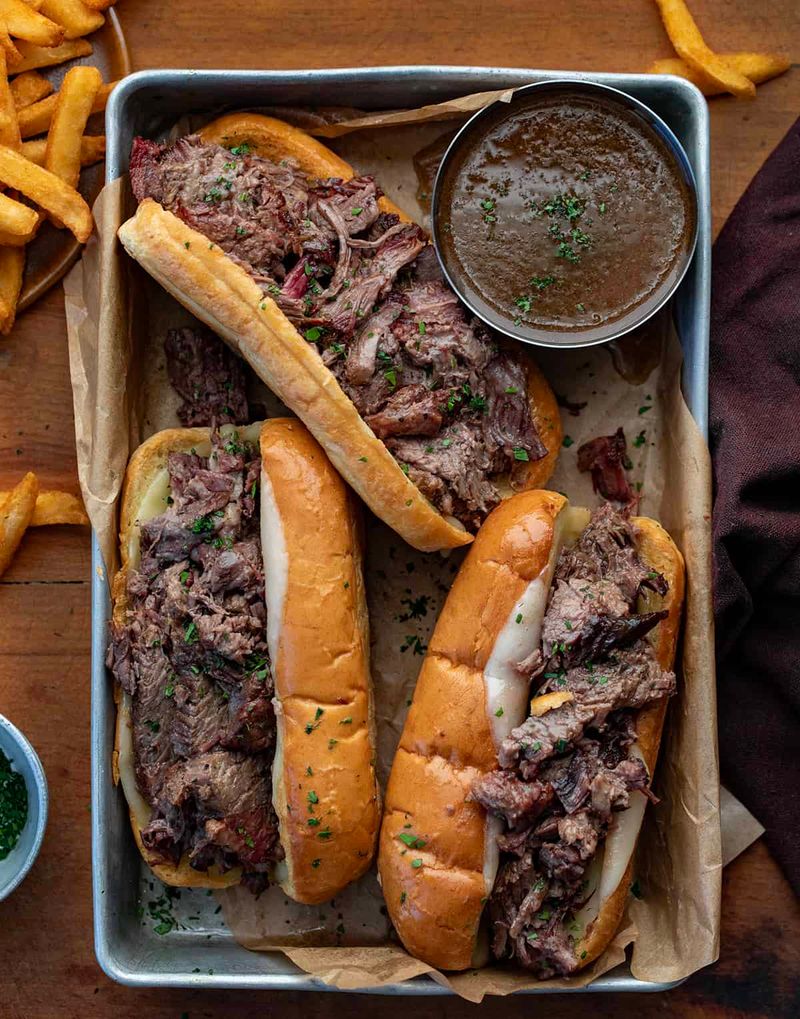
The bread takes a quick bath before this sandwich reaches the table. Thinly sliced roast meat fills a French roll, while savory cooking juices soften the bread and carry flavor into every bite.
Beef is the best known filling, although other meats appear in established versions.
Two Los Angeles institutions, Philippe the Original and Cole’s, maintain competing claims to creating the French dip in the early twentieth century. Their rival stories are part of the sandwich’s appeal, but neither should be presented as settled fact.
The word French points toward the bread rather than a proven birthplace in France. Depending on the preparation, the roll may arrive already dipped or with a separate serving of jus.
5. Cobb Salad (Hollywood)
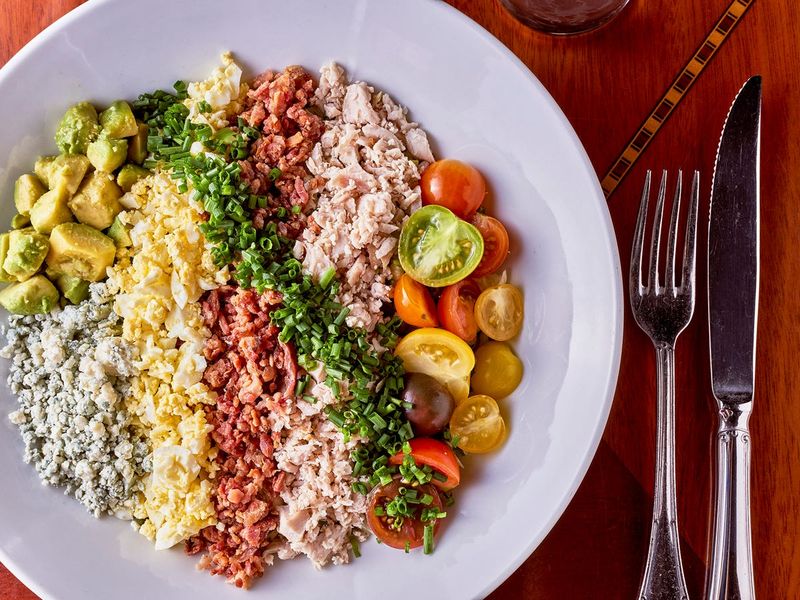
Neat rows of colorful toppings turned a chopped salad into a Hollywood classic. The familiar combination includes chicken, bacon, hard-boiled eggs, tomatoes, avocado, and blue cheese over greens.
A sharp vinaigrette balances ingredients that make the salad substantial enough for a full meal.
The dish is associated with the Brown Derby restaurant and its owner, Robert Cobb, in 1937. A widely repeated account describes a late night meal assembled from ingredients found in the kitchen, though details vary across retellings.
Its lasting strength lies in contrast: crisp bacon against soft avocado, rich cheese against fresh tomato. Arrange the toppings separately for the classic presentation, then toss them together so the dressing reaches the greens.
6. Crab Louis (San Francisco)
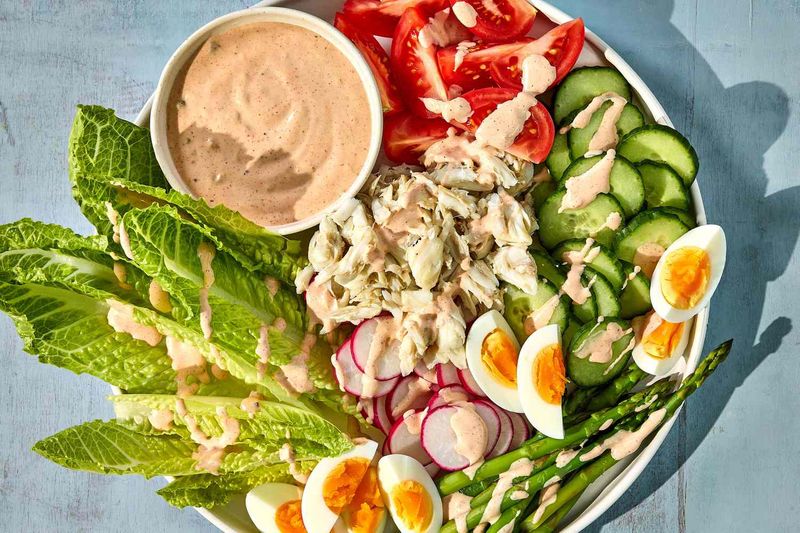
Sweet crab gets the spotlight in a salad often called the king of salads. Crab Louis usually places chilled crabmeat over lettuce with tomatoes and hard boiled eggs.
Its pink dressing commonly blends mayonnaise with chili sauce or ketchup, plus seasonings that vary by recipe.
San Francisco has a deep connection to the dish, especially through its seafood restaurants and access to Dungeness crab. Still, early claims also come from other West Coast cities, so its exact birthplace remains uncertain.
The strongest versions let the crab remain the main event rather than burying it under dressing. Serving the sauce alongside makes that balance easier and preserves the separate textures of the delicate seafood and crisp greens.
7. Sourdough Bread (San Francisco)
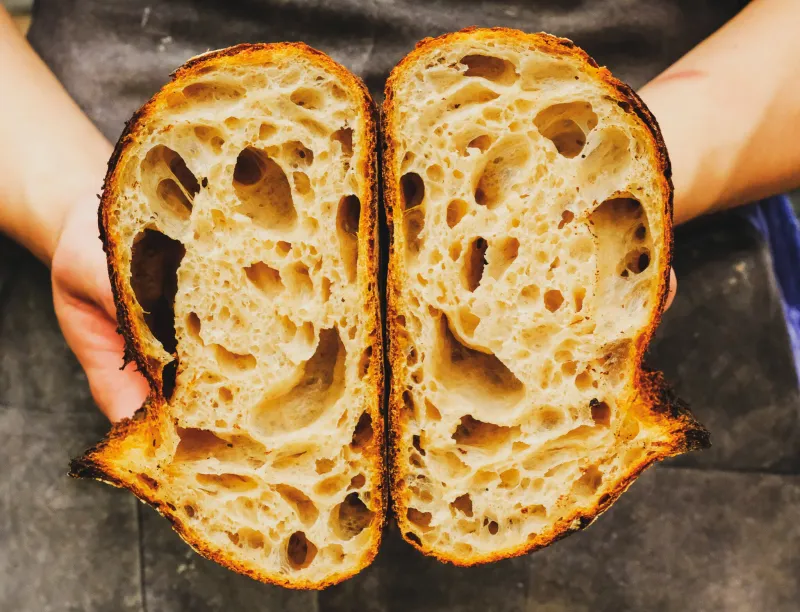
A living starter gives this famous loaf its rise and tang. Flour and water support wild yeasts and bacteria, which ferment the dough before baking.
The result can have a chewy interior and a sturdy crust, depending on the baker’s methods.
San Francisco’s sourdough tradition became especially prominent during the Gold Rush, when bakeries such as Boudin, founded in 1849, helped establish the city’s reputation for tangy bread. Its characteristic flavor comes from fermentation, while different starters, flours, and baking methods give individual loaves their own character.
8. Green Goddess Dressing (San Francisco)
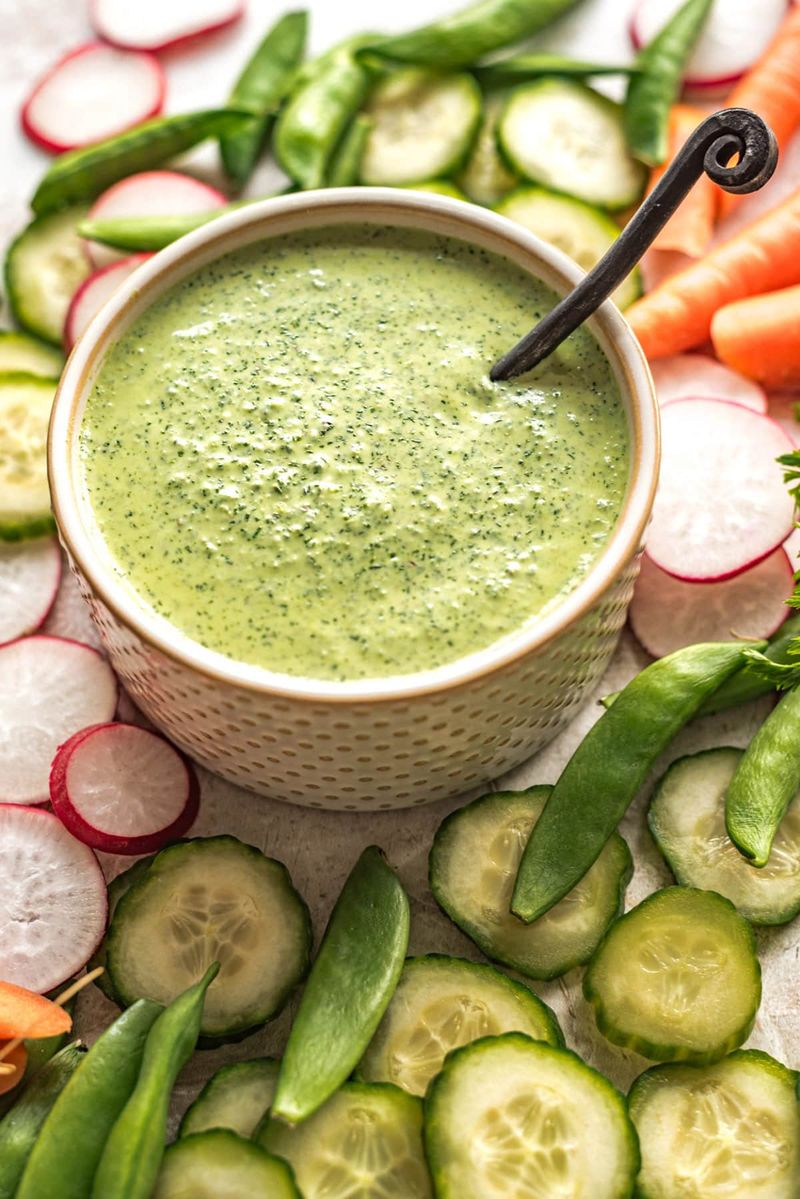
A theater production helped give this herb filled dressing its memorable name. Chef Philip Roemer created green goddess at San Francisco’s Palace Hotel in 1923, honoring actor George Arliss and the play The Green Goddess.
That connection gives a salad dressing an unusually theatrical backstory.
Traditional versions combine a creamy base with herbs, anchovy, and a bright acidic ingredient. Parsley, chives, and tarragon commonly supply its green color and fresh flavor, while anchovy adds savory depth rather than an obvious fish taste.
Modern recipes often use yogurt or avocado, but those are variations rather than the defining original formula. Beyond lettuce, its thick texture works well with crunchy vegetables, giving the dressing a second role as a dip.
9. Fortune Cookie (San Francisco)
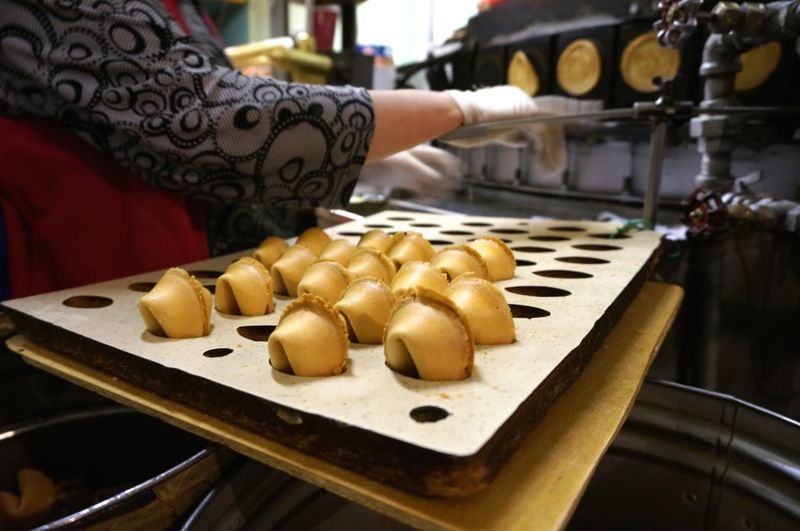
The little paper message has a more complicated history than many diners expect. Fortune cookies grew from Japanese confectionery traditions, not an ancient Chinese restaurant custom.
Japanese immigrants helped establish related cookies in California before they became closely associated with Chinese American dining.
San Francisco’s Japanese Tea Garden and Makoto Hagiwara feature prominently in one origin account, while Los Angeles has competing claims. The evidence supports a California connection more clearly than one undisputed inventor.
Bakers fold the thin cookies while they are still warm and flexible, enclosing the message before the shell hardens. Their mild sweetness and crisp texture make them easy to recognize, but their cultural journey is the most surprising part of the package.
10. It’s-It Ice Cream Sandwich (San Francisco)
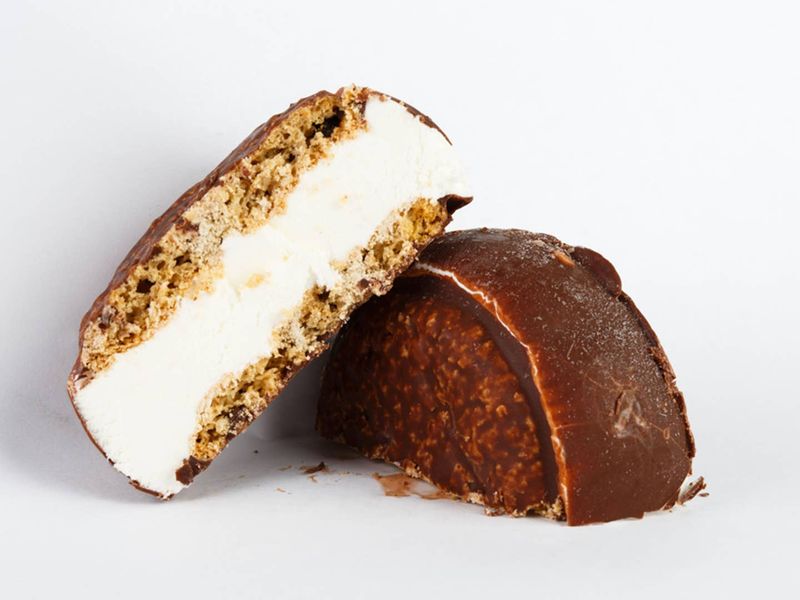
Two oatmeal cookies give this frozen sandwich a personality beyond the usual chocolate wafers. Between them sits ice cream, and the whole sandwich receives a chocolate flavored coating.
The combination brings chewy cookie texture, cold filling, and a thin outer shell into one compact dessert.
George Whitney created the original It’s-It in 1928 at Playland at the Beach, San Francisco’s former seaside amusement park. Vanilla was the original ice cream filling, although the brand later expanded its flavors.
The sandwich outlasted the amusement park and became a Bay Area grocery freezer fixture. Its oatmeal cookies remain the key identifying feature, setting it apart from ice cream sandwiches built with soft chocolate cookies or rectangular wafers.
11. Rocky Road Ice Cream (Oakland)
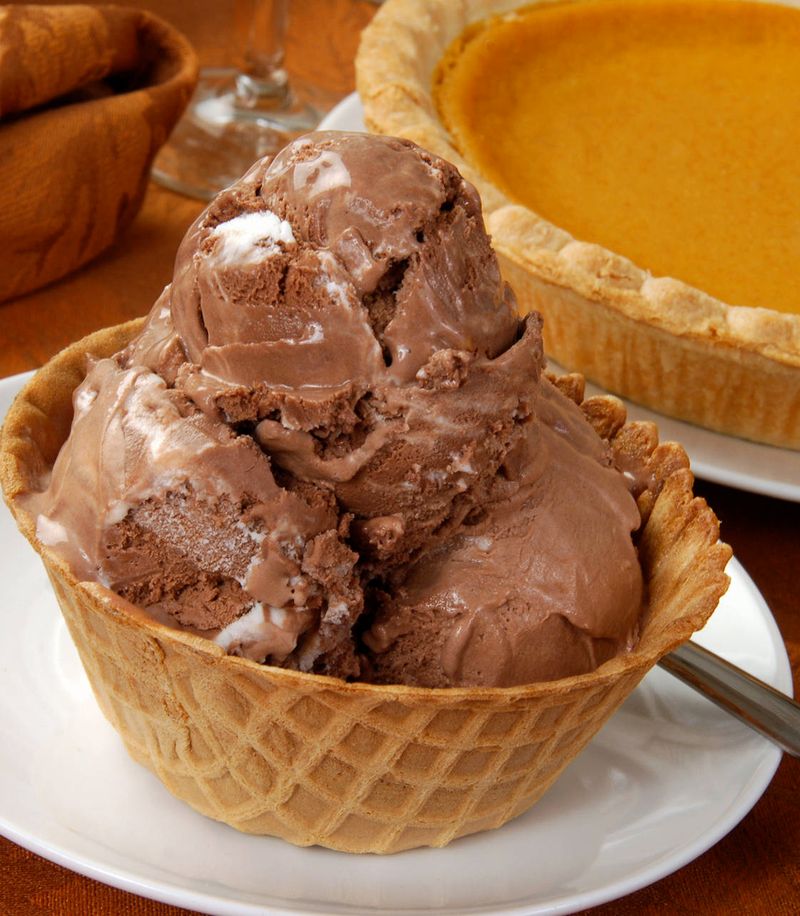
Marshmallows and nuts turned chocolate ice cream into a dessert with built in surprises. Rocky road pairs a chocolate base with soft marshmallow pieces and crunchy nuts, often almonds in familiar commercial versions.
Recipes differ, so walnuts also appear in some interpretations.
Oakland sits at the center of its American origin story, with Dreyer’s and Fentons both connected to accounts of its creation. Dreyer’s dates its version to 1929 and links the name to lifting spirits during difficult economic times.
The competing histories make a single inventor difficult to establish confidently. What remains clear is the appeal of contrasting textures: the marshmallow stays soft against the frozen chocolate, while the nuts interrupt each spoonful with crunch.
12. Popsicle (Oakland)
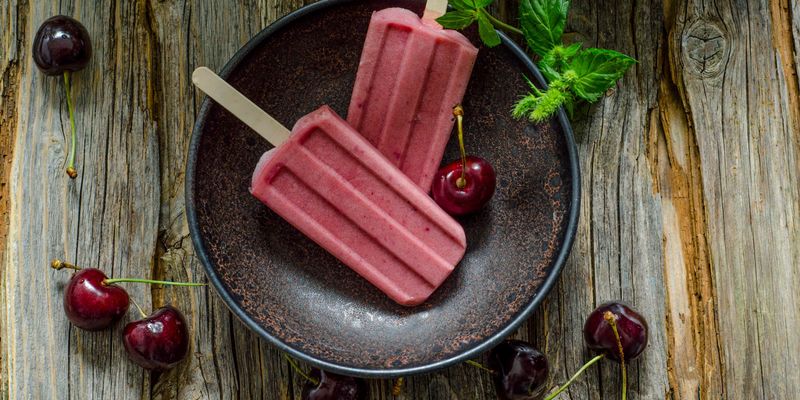
A forgotten cup is the star of this frozen treat’s origin story. Frank Epperson said he accidentally left a sweetened drink outside with a stirring stick in 1905, when he was eleven.
After a cold night, the mixture had frozen around the stick.
The story is commonly linked to Oakland, although some accounts place the childhood accident in San Francisco. Epperson later developed the idea commercially and received a patent in 1924.
His early name, Epsicle, eventually gave way to Popsicle, which remains a brand name rather than the formal name for every ice pop. Unlike ice cream, the classic treat uses a flavored liquid base, producing an icy texture that softens as it warms.
13. Hangtown Fry (Placerville)
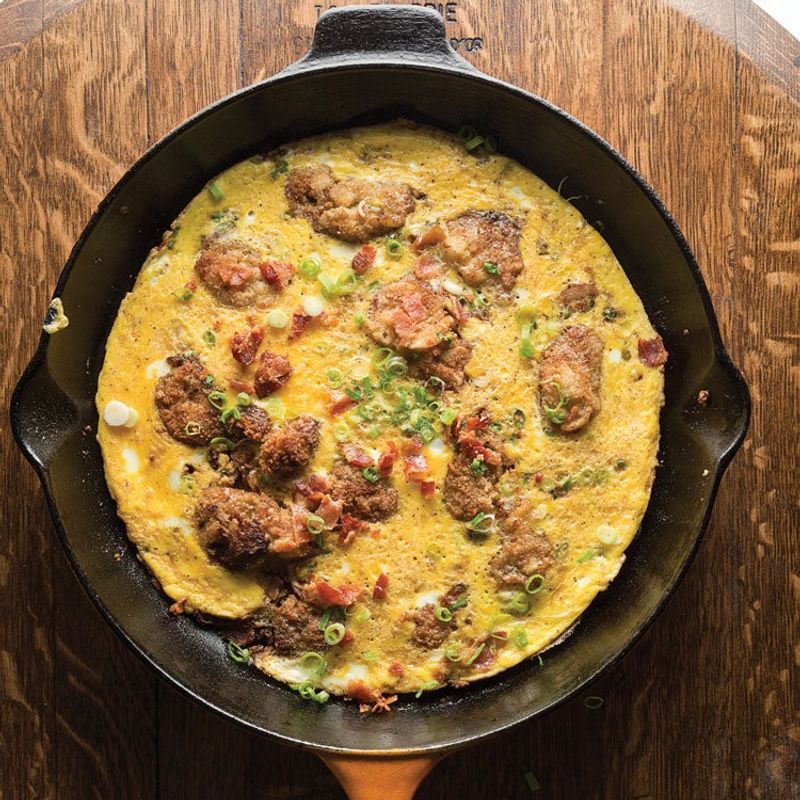
Oysters, bacon, and eggs make an unlikely breakfast until Gold Rush history enters the picture. Hangtown fry is tied to Placerville, the mining town once known as Hangtown.
Its origin is usually told through a tale of a newly wealthy miner ordering expensive ingredients.
The details of that story are difficult to prove, so it works better as local lore than a documented conversation. The dish itself is straightforward: oysters are commonly breaded and fried, then combined with eggs and bacon.
Their briny flavor sets the scramble apart from an ordinary breakfast plate. Fresh oysters were costly to transport inland during the mining era, which explains why they became a symbol of sudden wealth in the legend.
14. Tri-Tip Barbecue (Santa Maria)
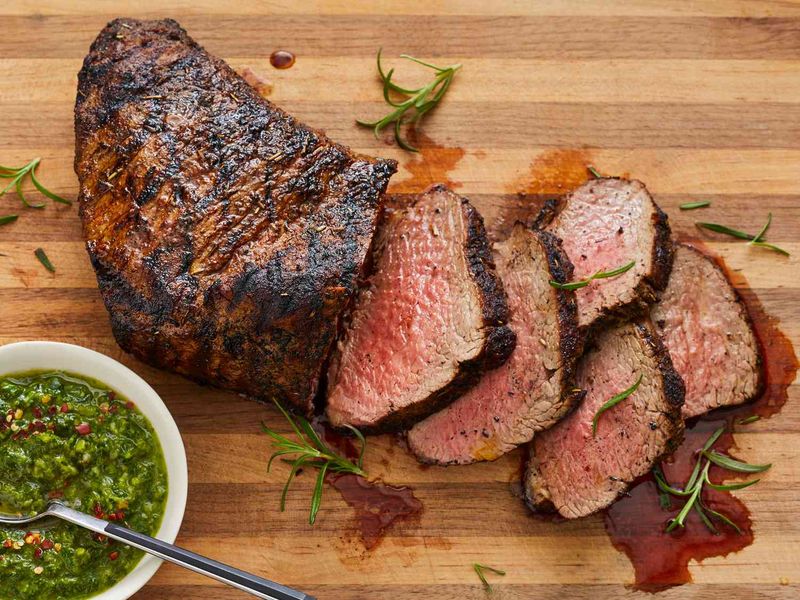
Red oak smoke gives Santa Maria barbecue its regional signature. The best known centerpiece is tri-tip, a triangular cut from the bottom sirloin, seasoned simply and grilled over wood coals.
Salt, pepper, and garlic commonly provide the seasoning rather than a thick, sweet sauce.
Santa Maria’s barbecue tradition predates the widespread use of tri-tip, which gained local popularity during the twentieth century. That distinction matters: the region did not invent either beef grilling or the cut itself.
Instead, it made this particular preparation famous. Traditional companions include pinquito beans, salsa, and bread.
When slicing a cooked tri-tip, watch the grain carefully because its direction changes across the roast, affecting how tender each serving feels when eaten.
15. Ranch Dressing (Hidden Valley, Near Santa Barbara)
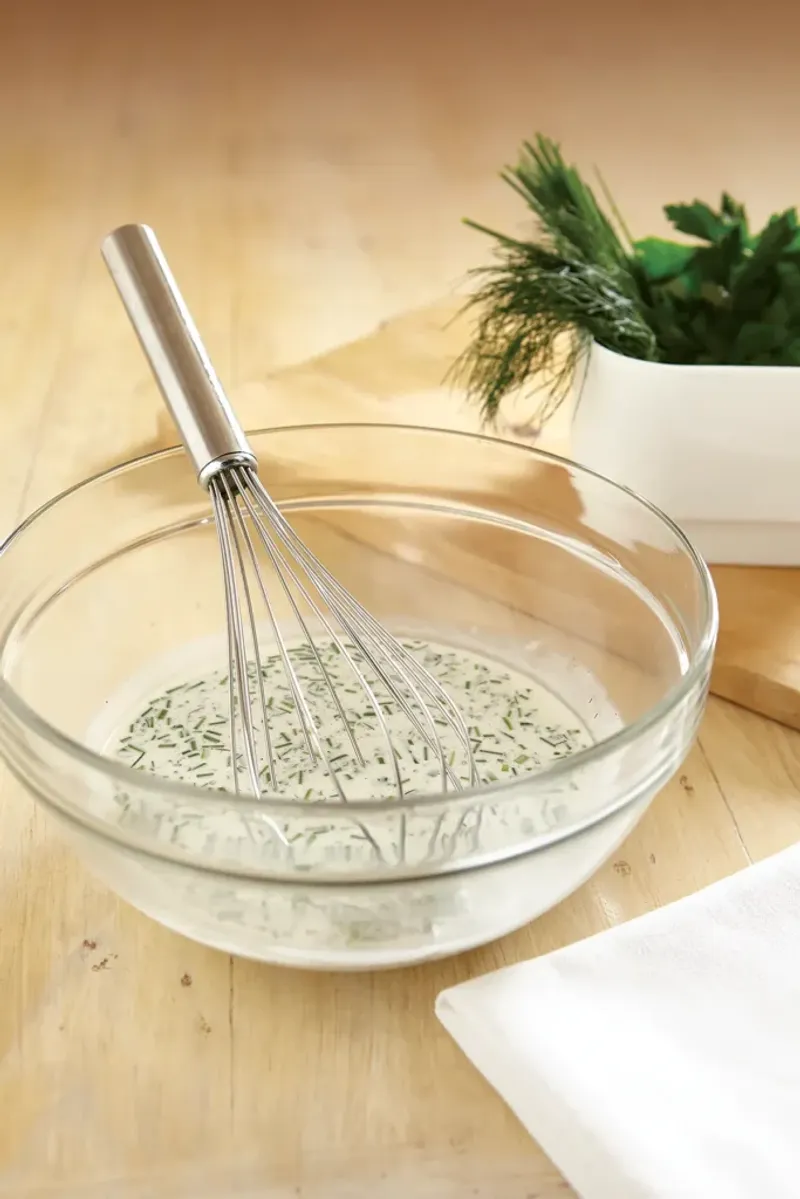
Before becoming a supermarket staple, ranch dressing had a real ranch behind its name. Steve Henson developed his dressing while working in Alaska, then served it at Hidden Valley Ranch near Santa Barbara after he and his wife, Gayle, bought the property in 1954.
Hidden Valley Ranch helped turn Henson’s creamy dressing into a household favorite, first through ranch guests and later through packaged seasoning mixes. Its blend of buttermilk, herbs, garlic, and onion eventually moved far beyond salads, becoming a familiar flavor in dips, sandwiches, and snack foods.
16. California-Style Pizza (Berkeley)
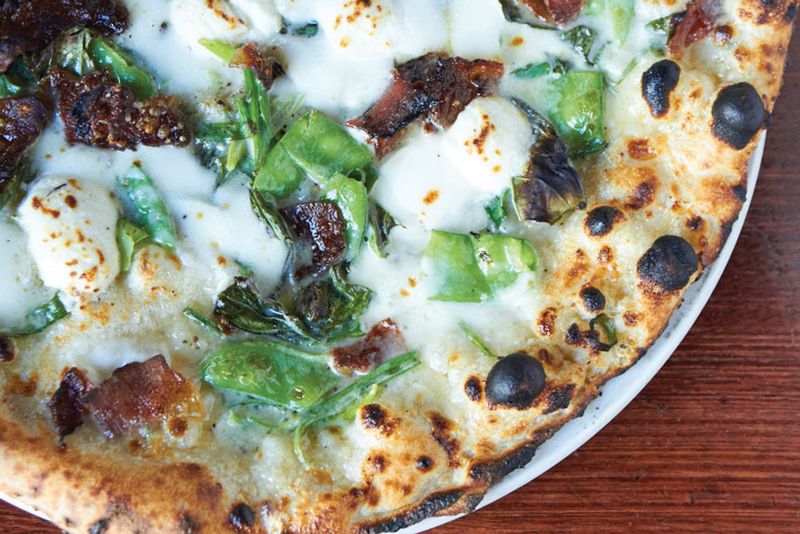
Seasonal vegetables helped push pizza beyond its familiar topping list. California style pizza generally pairs a relatively thin crust with ingredients chosen for freshness and creativity, including local greens, goat cheese, or unexpected combinations.
There is no single required topping that defines the style.
Berkeley’s Chez Panisse helped shape this approach, particularly through its café and the work of chefs including Ed LaDou. Wolfgang Puck later brought related ideas to a wider audience in Los Angeles.
The movement borrowed pizza’s basic form while applying California’s produce focused cooking style. Rather than assuming that every unusual pizza qualifies, look for thoughtful combinations and a crust that supports them.
Seasonal choices explain the style better than novelty for its sake.
17. Avocado Toast (popularized In California cafés)
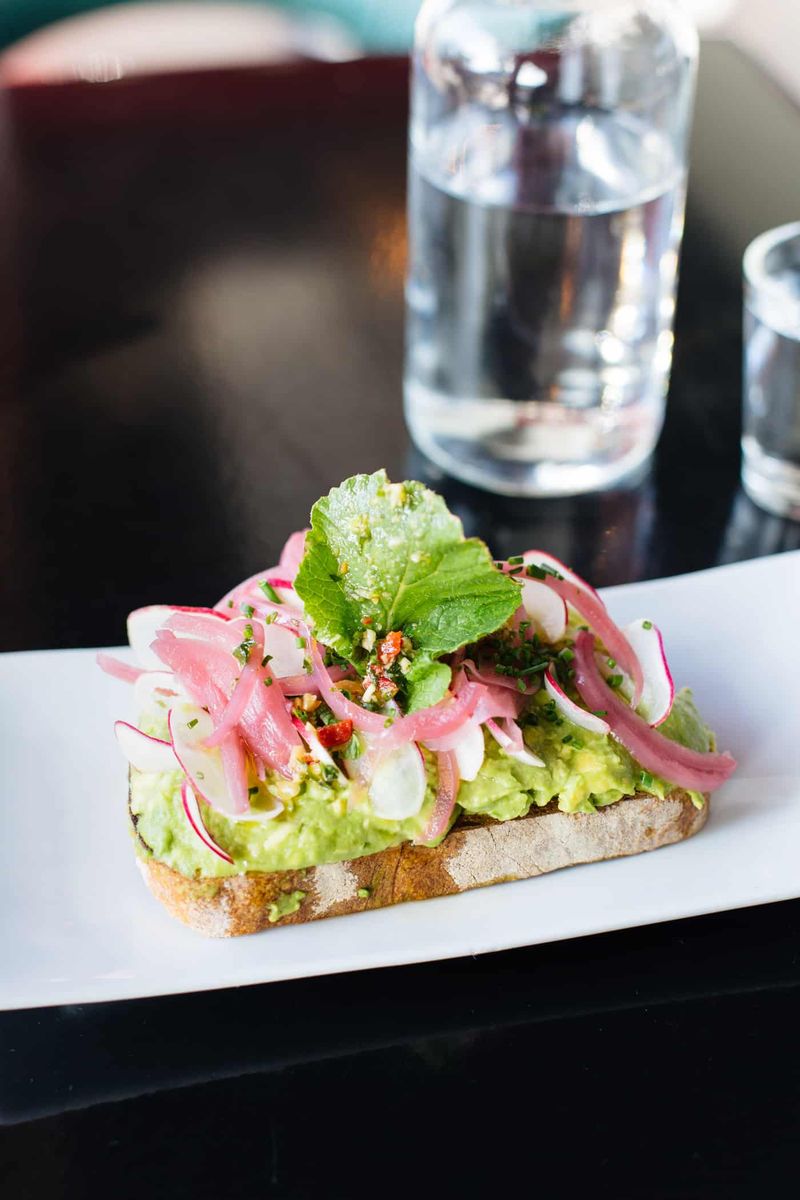
Ripe avocado and toasted bread hardly require an inventor. People ate the combination long before its recent café fame, and historical examples exist outside California.
Australia also played a major role in turning avocado toast into a modern restaurant staple.
California cafés helped give avocado toast a prominent place on modern breakfast menus, often pairing it with sourdough, eggs, radishes, or chili flakes. Although the combination of avocado and bread predates its popularity in the state, California’s produce-focused food culture helped make it a recognizable café favorite.
18. Jamba Juice Smoothies (San Luis Obispo)
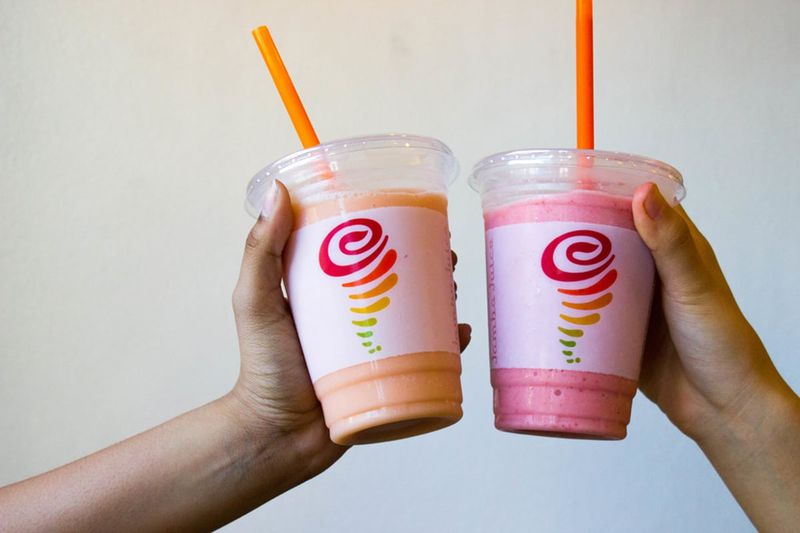
A college town smoothie shop helped build a national blended drink business. The company now known as Jamba began in San Luis Obispo in 1990 under the name Juice Club.
Kirk Perron founded the business, which later adopted the Jamba Juice name.
The company’s California beginnings helped shape a recognizable American smoothie chain, with fruit-based blended drinks becoming its signature offering. What started as Juice Club in San Luis Obispo eventually expanded far beyond its original location, bringing California’s smoothie-shop culture to customers across the country.
19. Shirley Temple Drink (Hollywood)
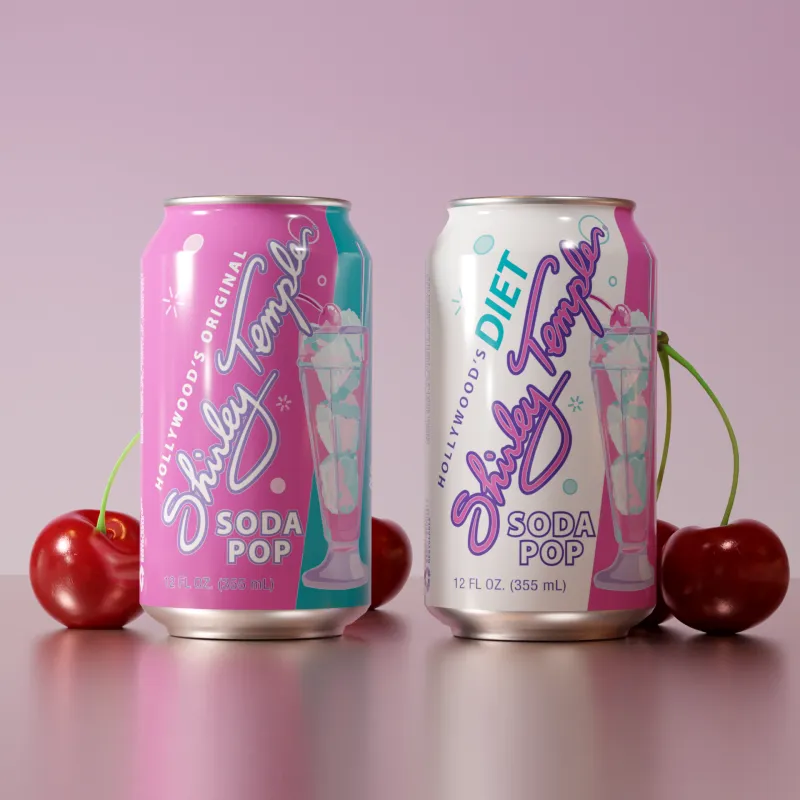
A bright cherry garnish makes this drink look ready for its closeup. Named for child star Shirley Temple, the familiar mixture combines ginger ale with grenadine and a maraschino cherry.
Lemon lime soda appears in many later versions, creating a sweeter variation on the same idea.
The drink is widely linked to Hollywood dining in the 1930s, but competing restaurant stories make its exact birthplace uncertain. The Brown Derby and Chasen’s appear in accounts, while other claims reach beyond California.
Grenadine supplies the pink color and fruity sweetness; traditional grenadine is based on pomegranate, although modern products vary. Its lasting appeal comes from giving children a festive restaurant drink with a famous name and a colorful finishing touch.
Share this story