Florida has a surprisingly important place in fast-food history. Burger King opened its first Miami restaurant in 1954, and the Whopper made its debut there in 1957, long before the chain began experimenting with chicken versions, barbecue toppings, and oversized breakfast sandwiches.
But some of the most memorable sandwiches sold in Florida weren’t local inventions. They were national menu experiments that appeared in drive-throughs across the country, sometimes disappearing after just a few years.
From McDonald’s unusual McDLT packaging to Wendy’s short-lived deli sandwiches, these 16 former favorites show how adventurous fast-food menus used to be. A few have returned temporarily, but none has maintained the same uninterrupted presence as the chains’ biggest classics.
1. McDonald’s McDLT
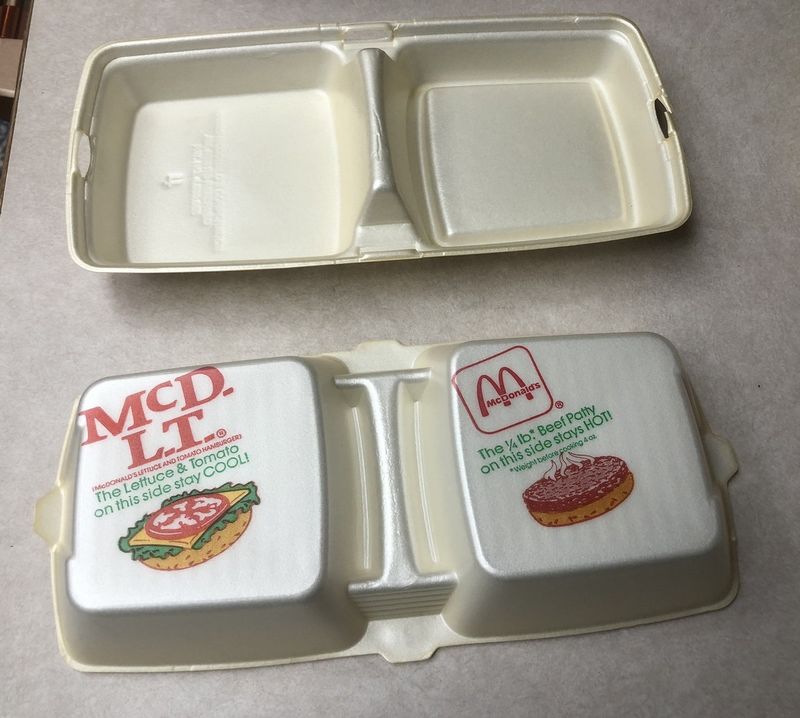
The McDLT arrived in the mid-1980s with one of the strangest packaging ideas in fast-food history. Instead of stacking everything together, McDonald’s placed the hot beef patty and bottom bun in one compartment and the lettuce, tomato, and other toppings in another.
Customers assembled the burger themselves, following the advertising promise that the hot ingredients would stay hot while the cool ingredients stayed cool. The oversized polystyrene container became almost as famous as the sandwich.
The concept was clever, but the packaging was bulky and increasingly difficult to justify as McDonald’s moved away from foam containers. The McDLT disappeared around 1991, leaving behind one of the most recognizable fast-food advertising campaigns of the decade.
2. Burger King’s Chicken Whopper
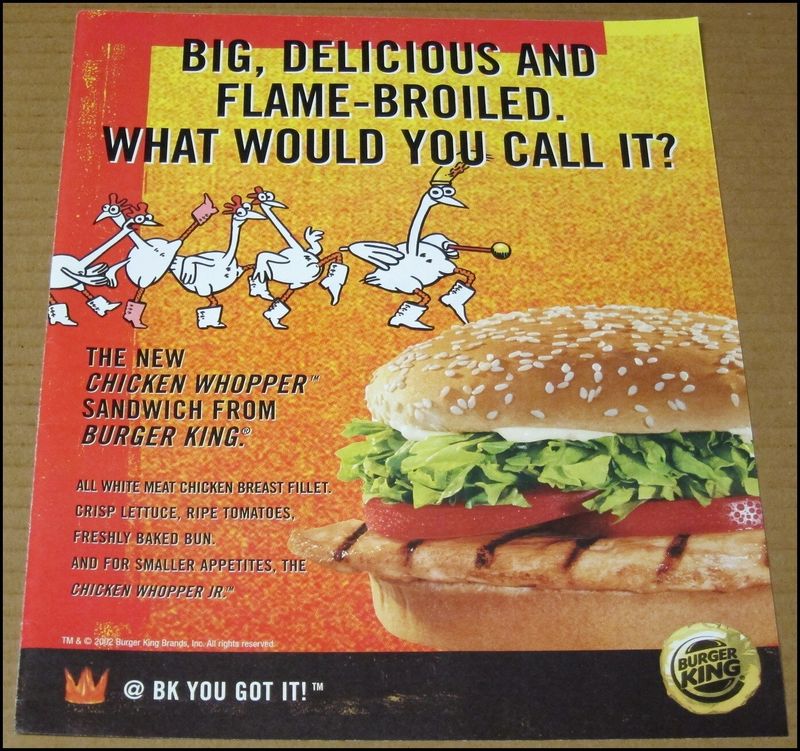
In 2002, Burger King did something unexpected with its most famous sandwich name. The company introduced the Chicken Whopper, replacing the traditional flame-grilled beef patty with grilled chicken breast.
The sandwich retained the familiar Whopper-style presentation, including a sesame seed bun, lettuce, tomato, and mayonnaise. A smaller Chicken Whopper Jr. accompanied the launch, giving customers another way to try the concept.
Burger King had offered grilled chicken sandwiches before, but attaching the Whopper name gave this version a much stronger connection to the brand’s signature product. The company later moved toward other chicken sandwich formats, and the Chicken Whopper disappeared from the regular American lineup.
Its brief run remains an interesting example of how far a famous burger name can stretch.
3. McDonald’s Arch Deluxe
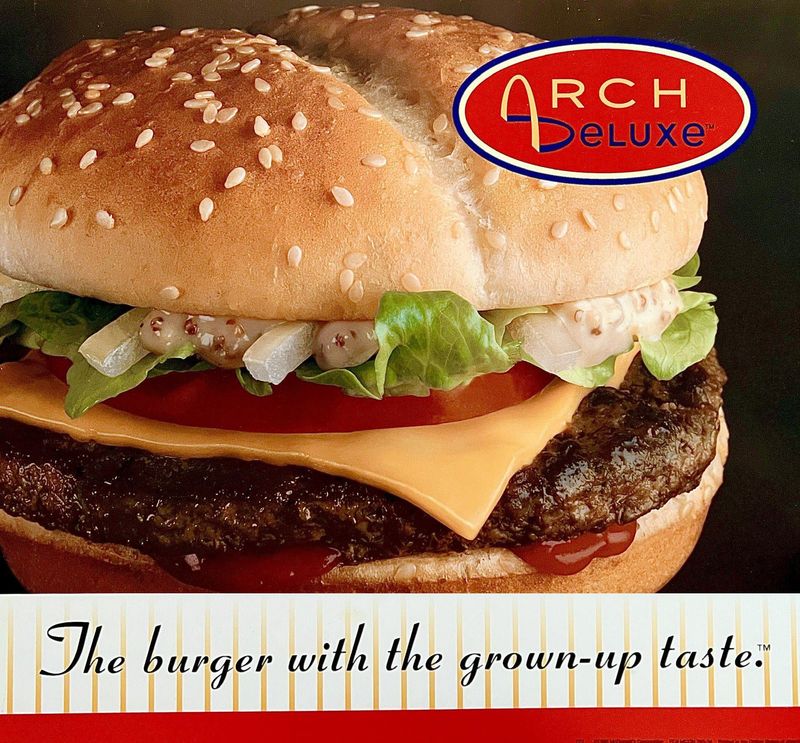
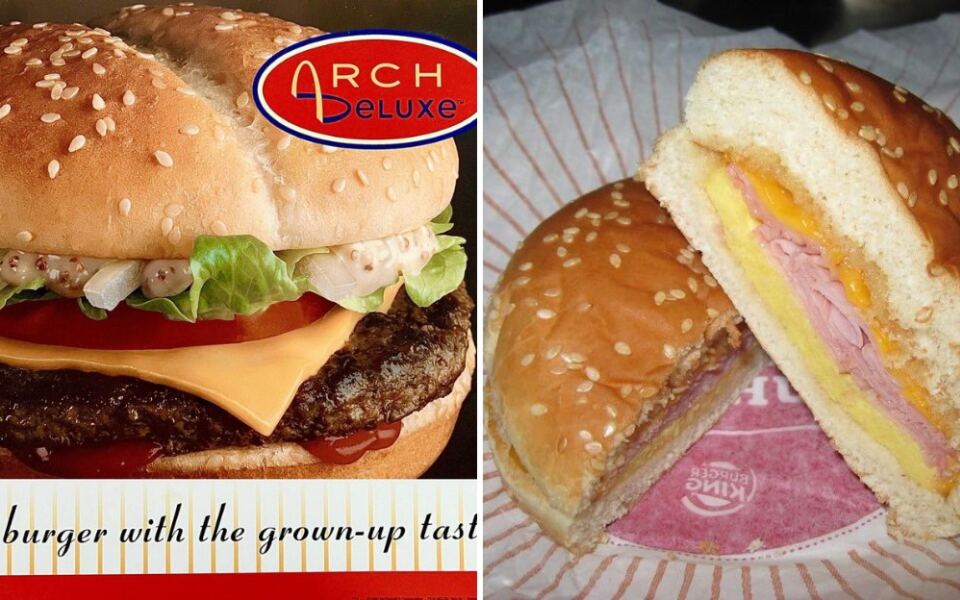
McDonald’s launched the Arch Deluxe in 1996 with an unusually ambitious goal: attract adults who wanted a more sophisticated fast-food burger. Its advertising famously emphasized grown-up tastes, setting the sandwich apart from the chain’s family-friendly image.
The burger featured a beef patty, lettuce, tomato, American cheese, onions, and a mustard-mayonnaise-based sauce on a bakery-style bun. Some versions also included bacon, adding another layer of richness.
Despite a major marketing campaign, the Arch Deluxe struggled to establish a lasting audience. It eventually disappeared from American menus by 2000, becoming one of the company’s best-known unsuccessful product launches.
Its reputation has outlived the sandwich itself, especially among customers who remember the distinctive sauce and the attempt to make McDonald’s feel a little more upscale.
4. Burger King’s BK Broiler
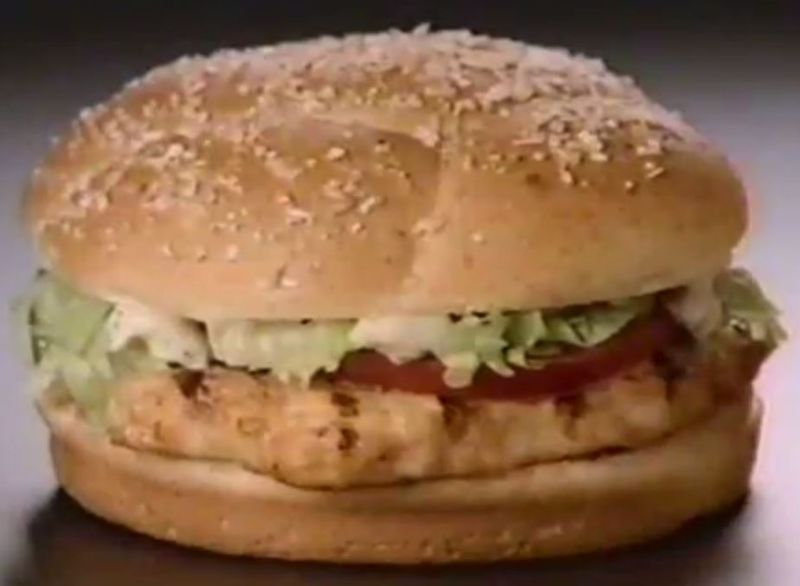
Before the Chicken Whopper, Burger King had the BK Broiler. Introduced in 1990, this grilled chicken sandwich arrived when major fast-food chains were trying to offer alternatives to traditional hamburgers and breaded chicken.
The original sandwich featured grilled chicken breast, lettuce, tomato, and a dill-ranch-style mayonnaise on an oat-bran roll. That unusual bread choice helped distinguish it from the chain’s standard sesame seed buns.
The BK Broiler also offered a different texture from Burger King’s long, breaded Original Chicken Sandwich. Its grilled preparation became the central selling point rather than a crunchy coating.
The sandwich changed over the years before the Chicken Whopper took over its place in the lineup. For customers who remember the oat-bran bun and ranch-flavored dressing, however, the original BK Broiler remains a distinct fast-food memory.
5. Wendy’s Frescata Deli Sandwiches
Wendy’s briefly entered deli territory in 2006 with its Frescata sandwich collection. Instead of square beef patties, these sandwiches featured sliced meats, cheeses, vegetables, and bakery-style bread.
The lineup included Roasted Turkey and Swiss, Black Forest Ham and Swiss, Frescata Club, and Turkey with Basil Pesto. Each offered a different combination, giving customers something closer to a deli lunch than a conventional fast-food burger.
The bread was an important part of the presentation, helping the sandwiches look and feel different from Wendy’s established menu. The company was competing for customers who might otherwise visit a dedicated sandwich chain.
Unfortunately, the Frescata line lasted only about a year, disappearing in 2007. Its short life makes it one of Wendy’s more intriguing attempts to expand beyond burgers and chicken sandwiches.
6. Burger King’s Italian Chicken Sandwich
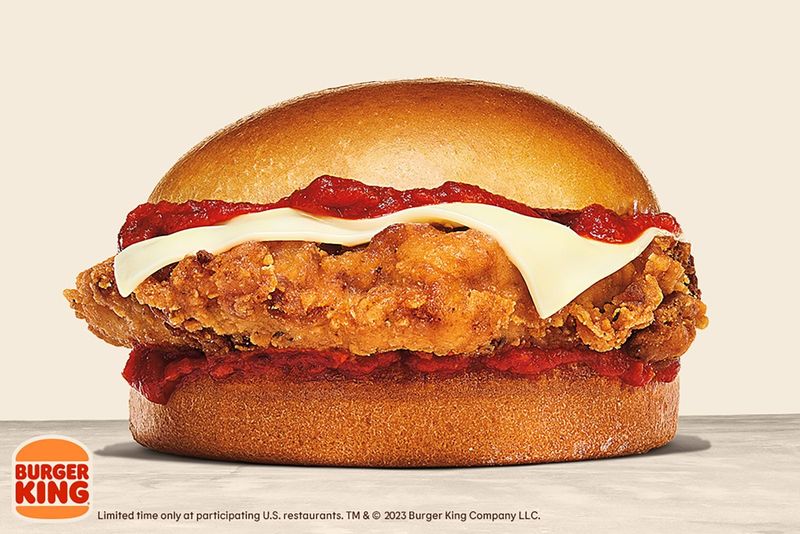
Burger King’s Italian Chicken Sandwich turned its familiar long chicken sandwich into a fast-food interpretation of chicken Parmesan. The combination was straightforward: breaded chicken, marinara sauce, and melted mozzarella cheese on a sesame seed roll.
The marinara gave the sandwich a tangy tomato flavor, while the mozzarella replaced the usual lettuce-and-mayonnaise approach. Its long shape also made it immediately recognizable as a variation of Burger King’s Original Chicken Sandwich.
Unlike some discontinued products, this one has returned several times, including a limited-time comeback in 2022. That recurring history explains why customers from different generations remember ordering it.
The Italian Chicken Sandwich isn’t necessarily gone forever, but it hasn’t maintained a permanent place on the regular American menu. Its combination of crispy chicken, red sauce, and cheese remains one of Burger King’s more memorable variations.
7. Burger King’s Ham Omelet Sandwich
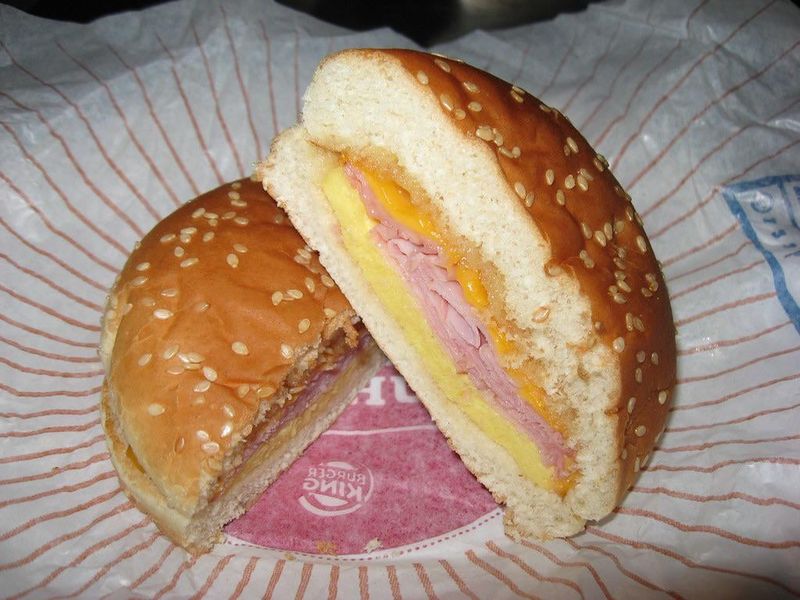
Burger King’s Ham Omelet Sandwich brought a traditional breakfast combination into a handheld format. Rather than relying on a sausage patty or a croissant, the sandwich centered on an omelet-style egg filling with ham.
The long-bun presentation helped distinguish it from smaller breakfast sandwiches, giving customers something closer to a diner omelet tucked into bread. It also reflected Burger King’s willingness to experiment with substantial morning meals.
Although the sandwich is remembered in vintage advertisements and nostalgic discussions, its original launch and discontinuation dates are not as clearly documented as those of several other products on this list.
That uncertainty doesn’t erase its place in the chain’s breakfast history. The Ham Omelet Sandwich represents an earlier approach to making a filling morning meal portable, years before oversized breakfast stacks became a major promotional trend.
8. McDonald’s McLean Deluxe
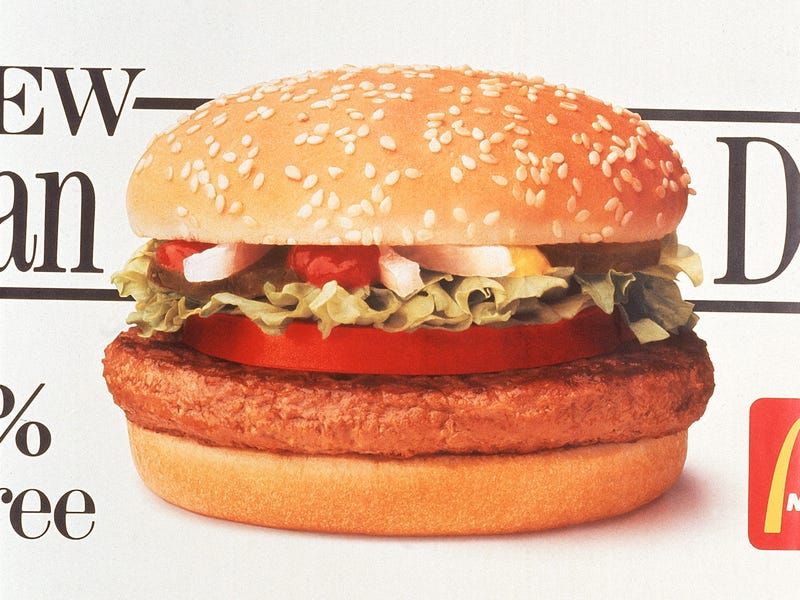
McDonald’s introduced the McLean Deluxe in 1991 as a reduced-fat alternative to its regular hamburgers. The unusual part wasn’t the lettuce or tomato, but the beef patty itself.
The company used lean beef and carrageenan, an ingredient derived from seaweed, to help retain moisture in a patty containing substantially less fat than a conventional burger. The result was promoted as a lighter option without abandoning the familiar hamburger format.
The sandwich reportedly contained 10 grams of fat, considerably less than several established McDonald’s burgers of the period. However, customers didn’t embrace the altered recipe strongly enough to make it a permanent success.
McDonald’s discontinued the McLean Deluxe in 1996. It remains one of the most fascinating examples of a fast-food company using food science to rethink its signature product.
9. Burger King’s Rodeo Cheeseburger
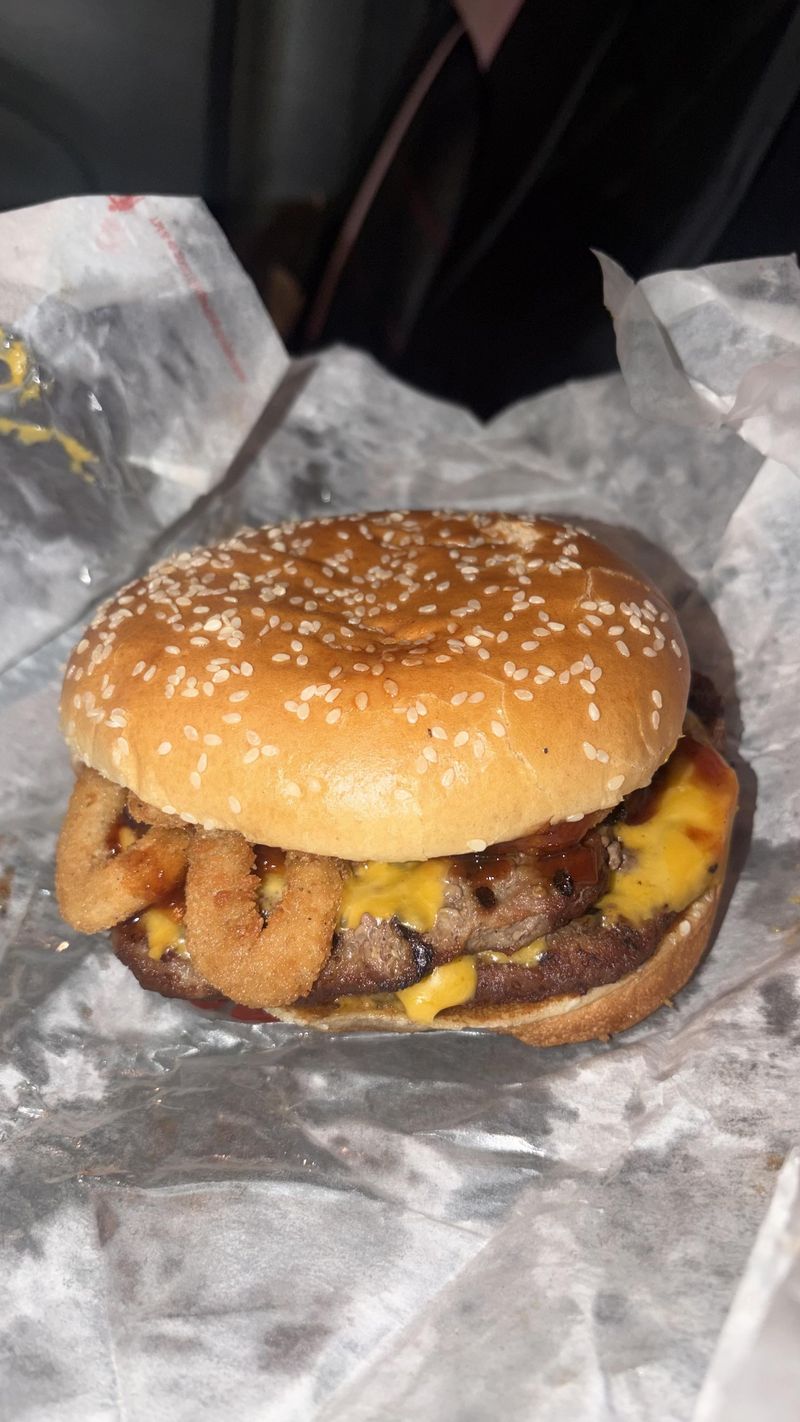
The Rodeo Cheeseburger made an ordinary fast-food side dish part of the main attraction. Burger King combined a beef patty, cheese, onion rings, and barbecue sauce inside a sesame seed bun.
The Rodeo concept dates to 1998, when Burger King introduced a version during a promotion connected to the movie Small Soldiers. Its sweet, smoky sauce and crunchy onion rings gave a relatively small burger an unusually distinctive flavor.
The name has returned in different forms over the years, including versions without cheese. Burger King has also continued offering the Rodeo Burger in some American menus, so the broader concept cannot accurately be called permanently discontinued.
What customers may miss is the particular cheeseburger version they remember. The original idea remains wonderfully simple: put the onion rings inside the burger instead of serving them on the side.
10. McDonald’s Cheddar Melt
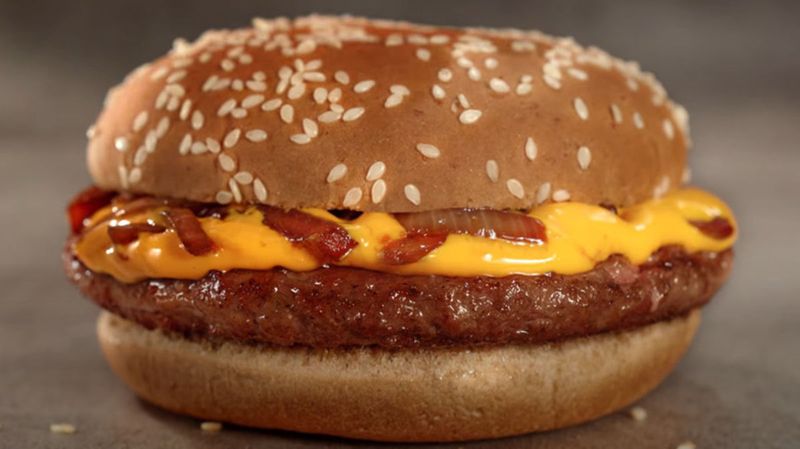
The Cheddar Melt stood apart from McDonald’s regular cheeseburgers with three memorable ingredients: a beef patty, grilled onions, and creamy cheddar cheese sauce.
Introduced in 1988, the sandwich also featured a rye-style bun that gave it a different appearance from the chain’s usual sesame seed offerings. The combination leaned toward the flavors of a diner-style patty melt rather than a standard fast-food hamburger.
The grilled onions provided sweetness, while the cheddar sauce delivered a richer, creamier texture than an ordinary cheese slice. Those ingredients made the Cheddar Melt especially recognizable to customers who preferred savory burgers without lettuce and tomato.
It disappeared from the regular American menu but returned during occasional promotions. The sandwich also developed a separate history in international markets, where similar versions have appeared under related names.
11. Burger King’s Western Whopper
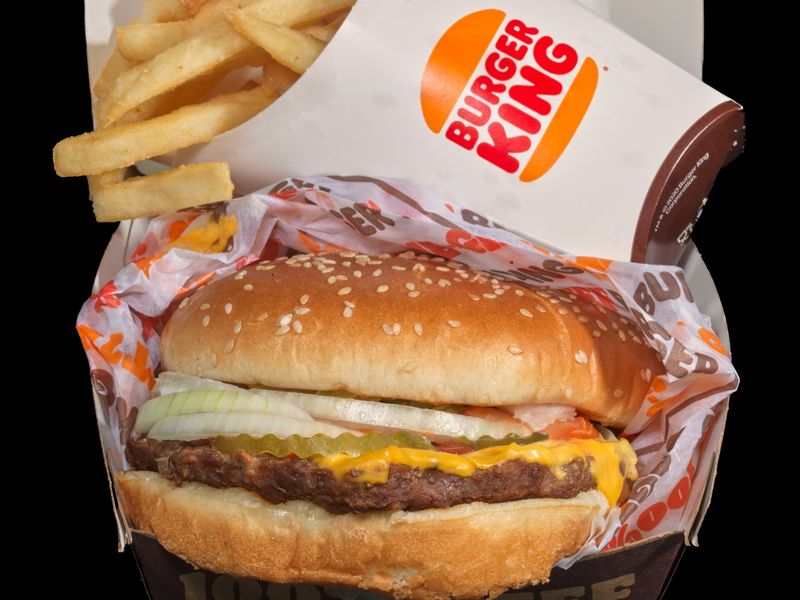
Burger King introduced the Western Whopper in the United States in 1996, adding a barbecue-inspired twist to its famous flame-grilled burger.
According to Burger King’s own historical account, the Western Whopper featured barbecue sauce, cheese, and bacon. Customers could also order larger versions with double or triple beef patties.
The combination gave the familiar Whopper a smokier, richer personality without abandoning the flame-grilled beef that made the original famous. Bacon contributed a salty crunch, while the barbecue sauce replaced the usual emphasis on ketchup and other classic burger condiments.
The Western Whopper eventually left the regular American menu, although Burger King has revisited similar barbecue flavors in later promotions and international products.
For customers who remember the 1990s version, it captures a period when fast-food chains regularly experimented with bigger burgers and bold regional flavor themes.
12. Arby’s Bacon Cheddar Bigger Beef ‘n Cheddar
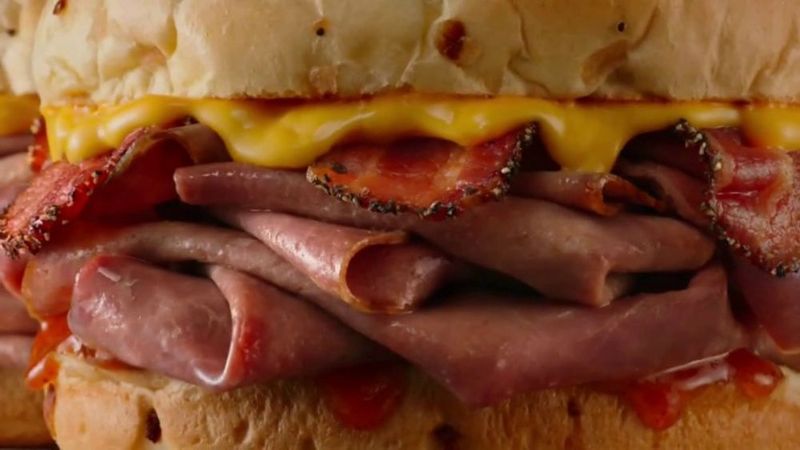
Arby’s has built much of its identity around roast beef, and the Bacon Cheddar Bigger Beef ‘n Cheddar took that familiar formula in an especially indulgent direction.
The sandwich combined thinly sliced roast beef with cheddar cheese sauce and bacon, expanding on the chain’s established Beef ‘n Cheddar concept. The larger format made it more substantial than the standard version.
Unlike a traditional hamburger, the sandwich relied on layers of sliced roast beef rather than a ground-beef patty. The cheddar sauce supplied its signature creamy texture, while the bacon added a smoky, salty contrast.
Arby’s has continued selling other Beef ‘n Cheddar variations, but the specific bacon-topped Bigger version has not remained a consistent permanent menu item.
Its appeal is easy to understand: it took one of Arby’s most recognizable sandwiches and added another layer of meat without changing what customers already liked about it.
13. Burger King’s Enormous Omelet Sandwich
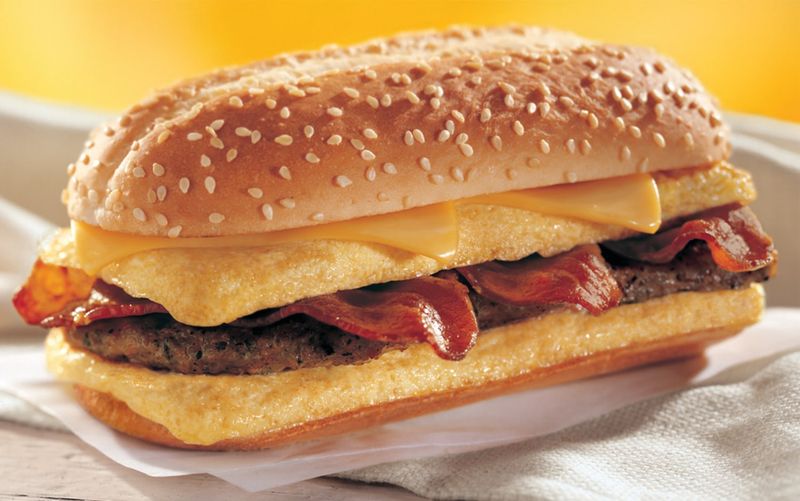
Burger King introduced the Enormous Omelet Sandwich in 2005, and the name was no exaggeration. The breakfast sandwich packed eggs, sausage, bacon, and American cheese into a long sesame seed bun.
Rather than choosing between two breakfast meats, customers received both in one substantial sandwich. The oversized format made it look more like a lunch sub than the smaller breakfast biscuits and croissants commonly sold at fast-food restaurants.
Its launch attracted considerable attention because of its generous portions and high calorie count. The sandwich became a symbol of the industry’s enthusiasm for increasingly large breakfast offerings during the mid-2000s.
Although the original American version disappeared from the regular menu, its reputation has survived. Few fast-food breakfast items have advertised their enormous size quite so confidently.
14. McDonald’s Triple-Stack Breakfast Sandwiches
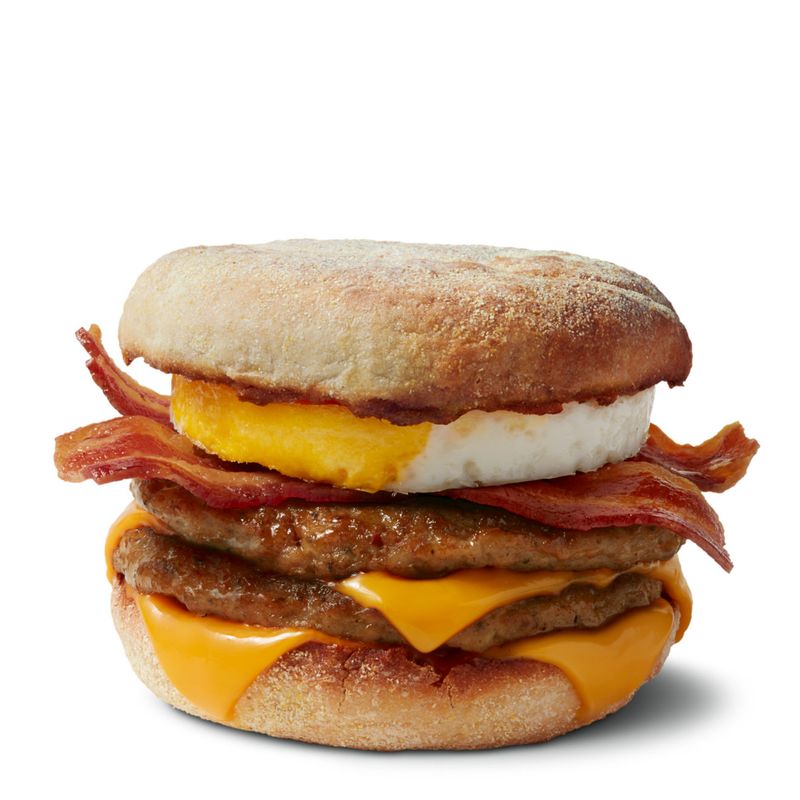
In 2018, McDonald’s introduced its Triple Breakfast Stacks, turning three familiar breakfast sandwiches into considerably larger meals. Customers could choose McMuffin, biscuit, or McGriddles versions.
Each sandwich combined two sausage patties, bacon, egg, and two slices of American cheese. The ingredients were familiar, but the extra layers made the products substantially more filling than their standard counterparts.
The McGriddles version was particularly distinctive because its sweet, pancake-like bread contrasted with the savory sausage, bacon, and cheese. The McMuffin and biscuit options offered different textures using the same basic filling.
The Triple Breakfast Stacks were introduced as a limited-time promotion rather than a permanent replacement for the regular breakfast lineup. They remain a memorable example of McDonald’s taking established products and making them bigger without inventing an entirely new sandwich.
15. Burger King’s Angus Steak Burger
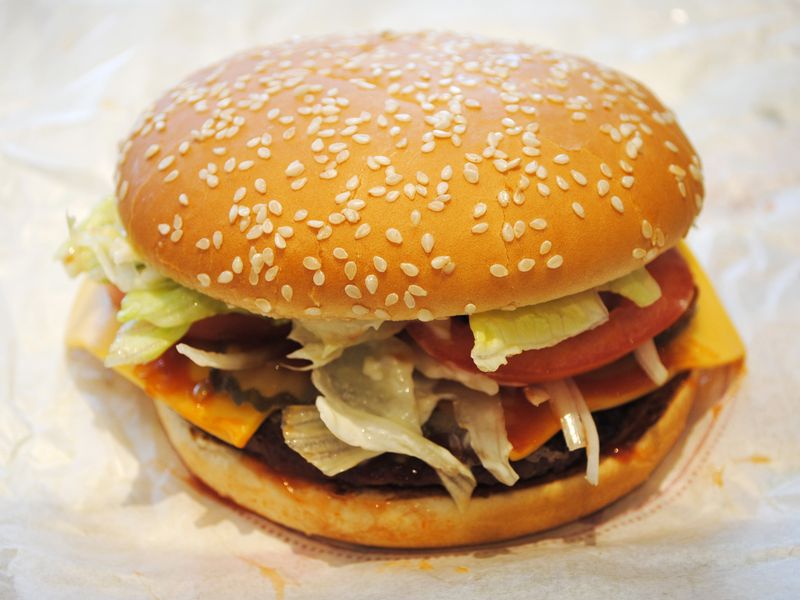
Burger King’s Angus Steak Burger belonged to an era when fast-food chains were competing to make their hamburgers feel more premium. Angus beef became a prominent marketing feature, suggesting a more substantial alternative to ordinary value-menu burgers.
Despite the word steak, this was a hamburger made with ground beef rather than a sandwich containing slices of steak. That distinction matters because several chains used similar steakhouse-inspired names during the same period.
Burger King also introduced other premium beef products over the years, including Steakhouse-style burgers with different toppings and presentations. Those later sandwiches shouldn’t automatically be treated as identical to the earlier Angus offering.
Reliable details about the exact American launch date, original ingredient combination, and discontinuation of this specifically named product are limited. Its strongest historical connection is to the broader fast-food movement toward premium beef burgers, rather than a single well-documented recipe.
16. McDonald’s Southern Style Chicken Sandwich
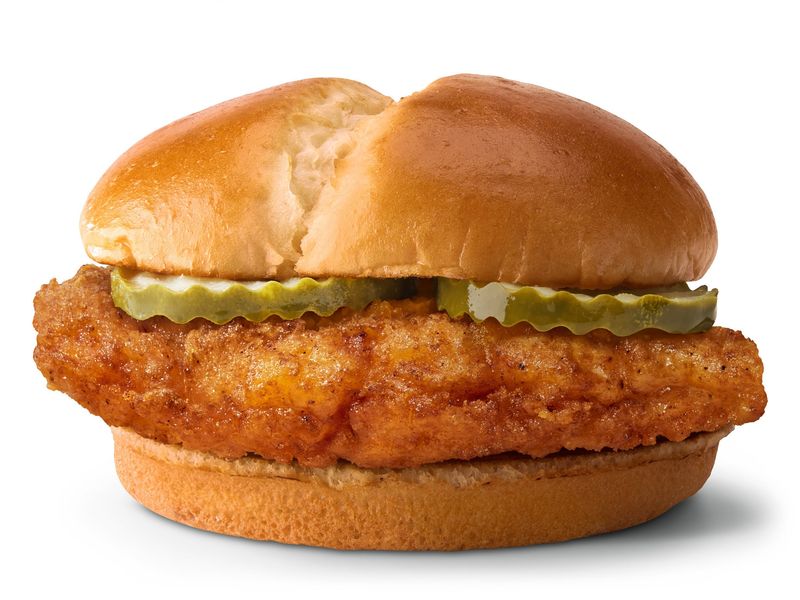
McDonald’s introduced the Southern Style Chicken Sandwich nationally in 2008, offering a deliberately simple alternative to chicken sandwiches loaded with lettuce, tomato, and mayonnaise.
The sandwich featured a breaded chicken breast filet, two pickle slices, and a soft bun. Its appeal came from the contrast between crispy chicken, tangy pickles, and bread rather than a complicated selection of toppings.
McDonald’s also introduced a related Southern Style Chicken Biscuit for breakfast, but the two were separate products. The biscuit version offered a different way to enjoy the same Southern-inspired chicken concept.
The original sandwich eventually disappeared from the regular national lineup as McDonald’s developed newer chicken offerings. Although later products have used similar chicken-and-pickle combinations, they aren’t necessarily identical to the Southern Style recipe.
For longtime customers, the simplicity is precisely what made this sandwich memorable.
Share this story