Salmon grown from fish cells, smoothies that cost as much as lunch, and fried chicken with unexpected spices are changing California’s food conversation. Some of these creations sound like culinary experiments, yet they’re already appearing on real menus.
California has always been a meeting place for different food traditions, but today’s chefs are finding increasingly inventive ways to combine them. Technology, social media, and changing expectations about ingredients are adding new twists to familiar meals.
I love a food trend that gives you a good story along with something delicious to consider. And while a few of these ideas might raise an eyebrow, others could make you wonder why nobody tried them sooner.
1. Lotteria’s Bulgogi & Shrimp Burgers
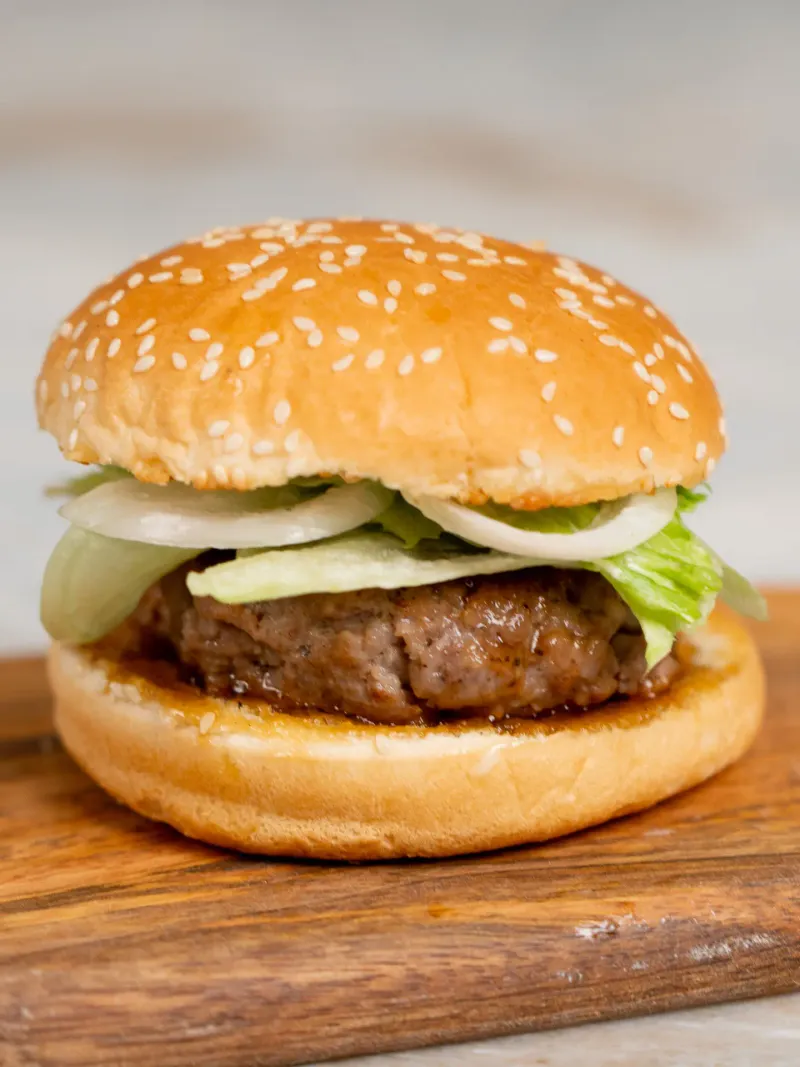
A burger doesn’t necessarily need a beef patty, and South Korea’s Lotteria chain has spent years proving that point. Its bulgogi and shrimp burgers bring two very different Korean fast-food favorites into the familiar burger format.
Bulgogi burgers draw inspiration from Korean marinated beef, particularly its combination of savory and sweet seasonings. Shrimp burgers take another direction, using seafood as the main attraction rather than a conventional beef patty.
California’s large Korean American communities make these flavors relevant to the state’s food scene, especially in Los Angeles. However, Lotteria itself shouldn’t be presented as a confirmed California restaurant trend without evidence of local availability.
The interesting idea is how Korean flavors challenge American expectations about burgers. A familiar bun can carry a completely different culinary identity, and that’s much more exciting than simply adding another slice of cheese.
2. Lab-Grown Salmon Revolution
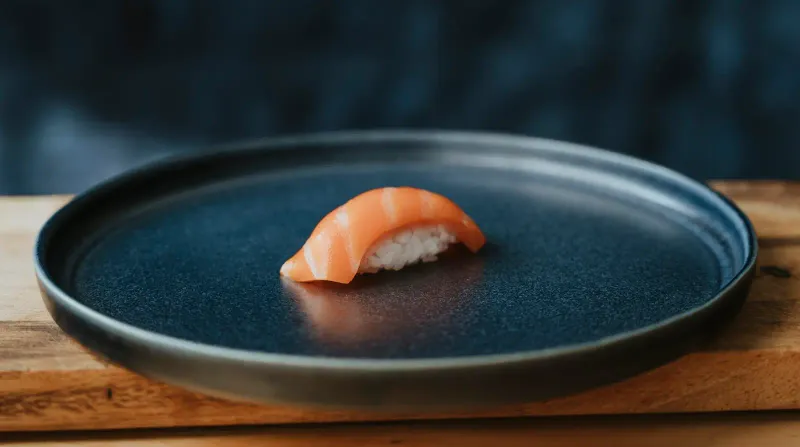
San Francisco has a seafood innovation that sounds straight out of science fiction: salmon produced from cultivated fish cells. The company behind it, Wildtype, brought its cultivated salmon to the city’s restaurant scene in August 2025.
Chef Adam Tortosa introduced the product at Robin, his San Francisco omakase restaurant. The salmon was grown at Wildtype’s facility in the city’s Dogpatch neighborhood rather than harvested from the ocean.
Wildtype had already received U.S. regulatory clearance for its cultivated salmon earlier that year. Its California restaurant debut gave diners a chance to encounter a technology previously discussed mostly in laboratories and industry announcements.
The process begins with fish cells grown under controlled conditions. For California’s food innovators, the bigger question is whether cultivated seafood can eventually become a practical alternative alongside conventional fishing and aquaculture.
It’s an extraordinary change to something as familiar as a piece of salmon.
3. Chinese American Cuisine 2.0
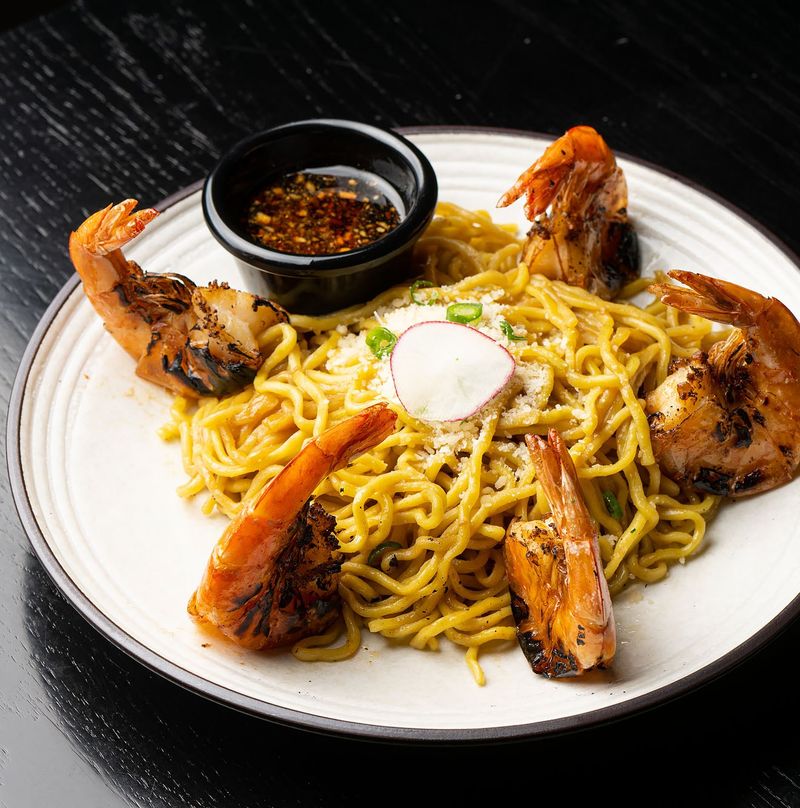
Chinese American cooking is entering an especially interesting chapter in Los Angeles, where chefs are bringing personal histories into familiar restaurant formats. One example is Firstborn, which opened in Chinatown in 2025.
Chef Anthony Wang draws inspiration from his family’s Beijing background, travels through China, and childhood in Georgia and Miami. His fried Chongqing chicken takes two days to prepare and incorporates influences from Southern fried chicken.
Elsewhere, restaurants are highlighting regional Chinese dishes that don’t fit the familiar takeout stereotype. Bang Bang Noodles in Culver City has served its interpretation of rou jia mo, a Chinese flatbread sandwich associated with Xi’an.
These examples reveal something more interesting than a vague promise of fusion. California chefs are exploring specific regional traditions while acknowledging the American experiences that shaped their cooking.
The result isn’t Chinese American cuisine abandoning its roots. It’s a reminder that those roots have always been more varied than a standard takeout menu suggests.
4. School Meals That Kids Actually Want
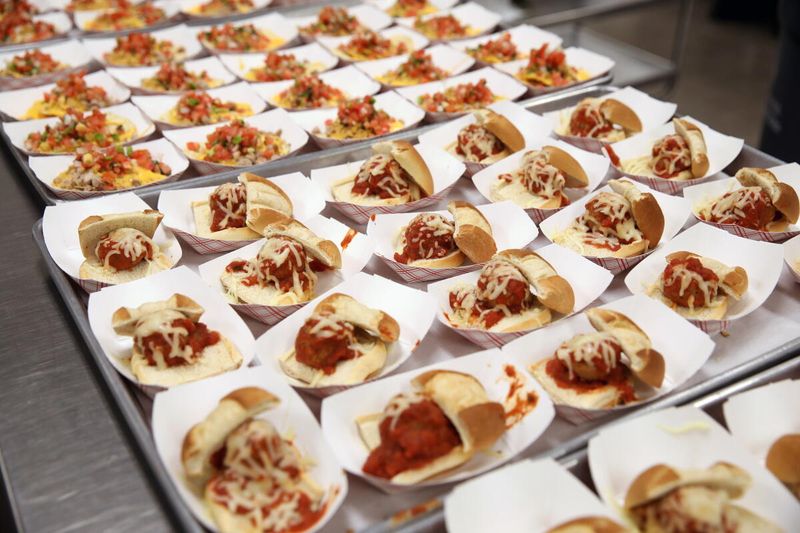
Pozole soup, pork katsu sandwiches, and lasagna rolls aren’t necessarily what you’d expect from a school cafeteria. Yet those dishes appeared among the scratch-made selections planned for Los Angeles Unified School District’s 2026–27 menu.
Executive chef Jamie Ginsburg helps develop meals that balance student preferences with nutrition requirements and limited budgets. The district’s offerings also include a vegan blueberry muffin and breakfast bowls.
In nearby Lawndale, school food teams have used California Farm to School funding to expand scratch cooking. Their work includes a chicken pozole verde recipe shaped by student feedback.
California also secured permanent funding for its Farm to School Program in 2026. That connects the changing cafeteria menu with a broader effort to purchase ingredients from local growers.
School lunch may never have the glamour of a restaurant tasting menu. But a cafeteria serving thoughtfully prepared pozole deserves some credit.
5. The $20 Smoothie Phenomenon
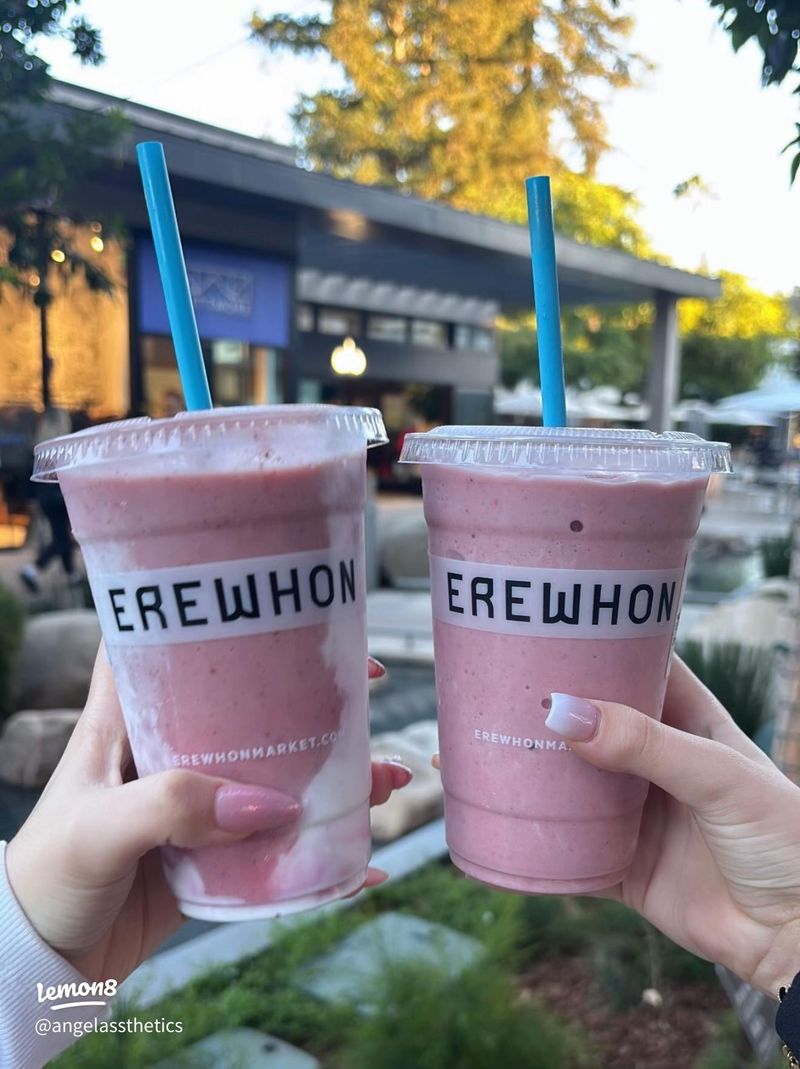
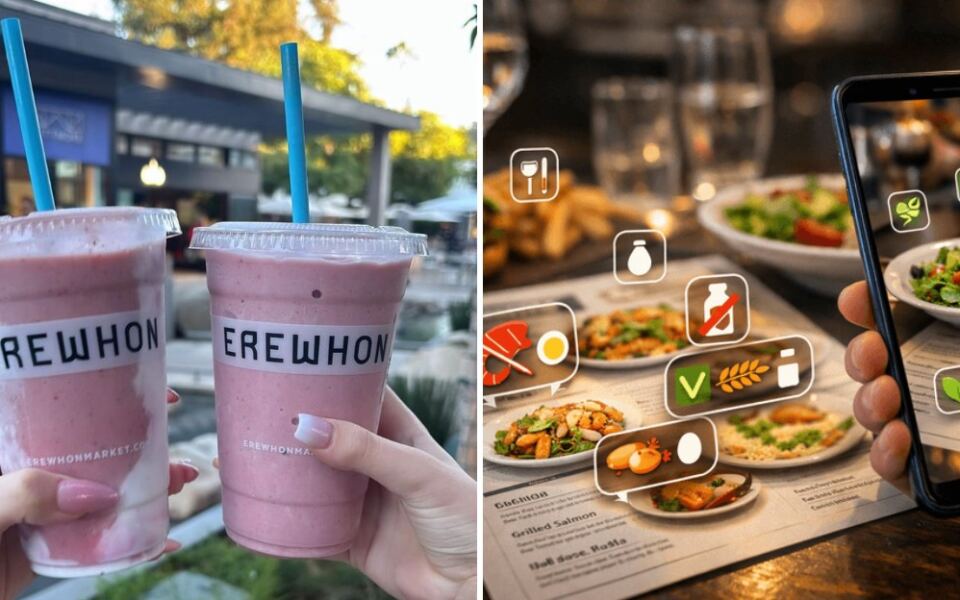
Los Angeles has managed to turn a smoothie into a luxury accessory, and Erewhon is one of the clearest examples. The upscale grocery chain became famous for celebrity collaborations and elaborate smoothies carrying prices around $20.
These aren’t simply bananas and strawberries tossed into a blender. Erewhon’s specialty drinks have featured combinations of fruit, plant-based ingredients, supplements, and carefully layered presentations designed to attract attention.
The trend has become closely associated with social media, where a colorful smoothie can double as a lifestyle statement. According to the Los Angeles Times, Erewhon’s cafes serve an enormous customer base, and its prepared foods play a major role in the business.
There’s something wonderfully Californian about a grocery store beverage becoming a celebrity talking point. Whether the drink justifies its price is a separate debate, and probably a lively one.
6. Menu Allergen Transparency Movement
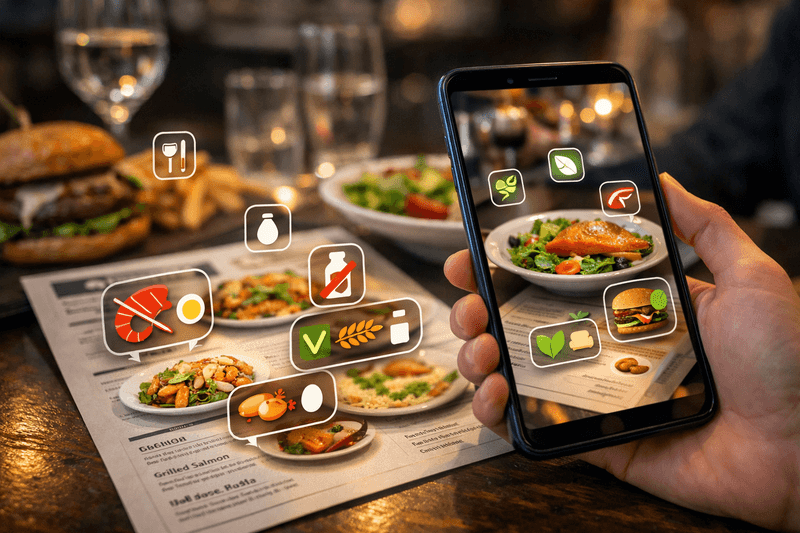
One of California’s most significant food changes in 2026 isn’t a recipe at all. It’s a new law requiring major restaurant chains to provide written information about allergens in their standard menu items.
Senate Bill 68 took effect on July 1, 2026, applying to qualifying chains with at least 20 locations. The required disclosures cover nine major allergens, including milk, eggs, peanuts, sesame, wheat, and shellfish.
Restaurants can provide the information directly on menus or through accessible digital and written alternatives. That could make a considerable difference for diners who previously had to ask multiple questions before ordering.
The law doesn’t eliminate cross-contact risks, but it establishes clearer expectations for ingredient disclosure. In a state known for culinary experimentation, knowing what’s actually in your food is a meaningful kind of progress.
7. Pizza Gone Wild
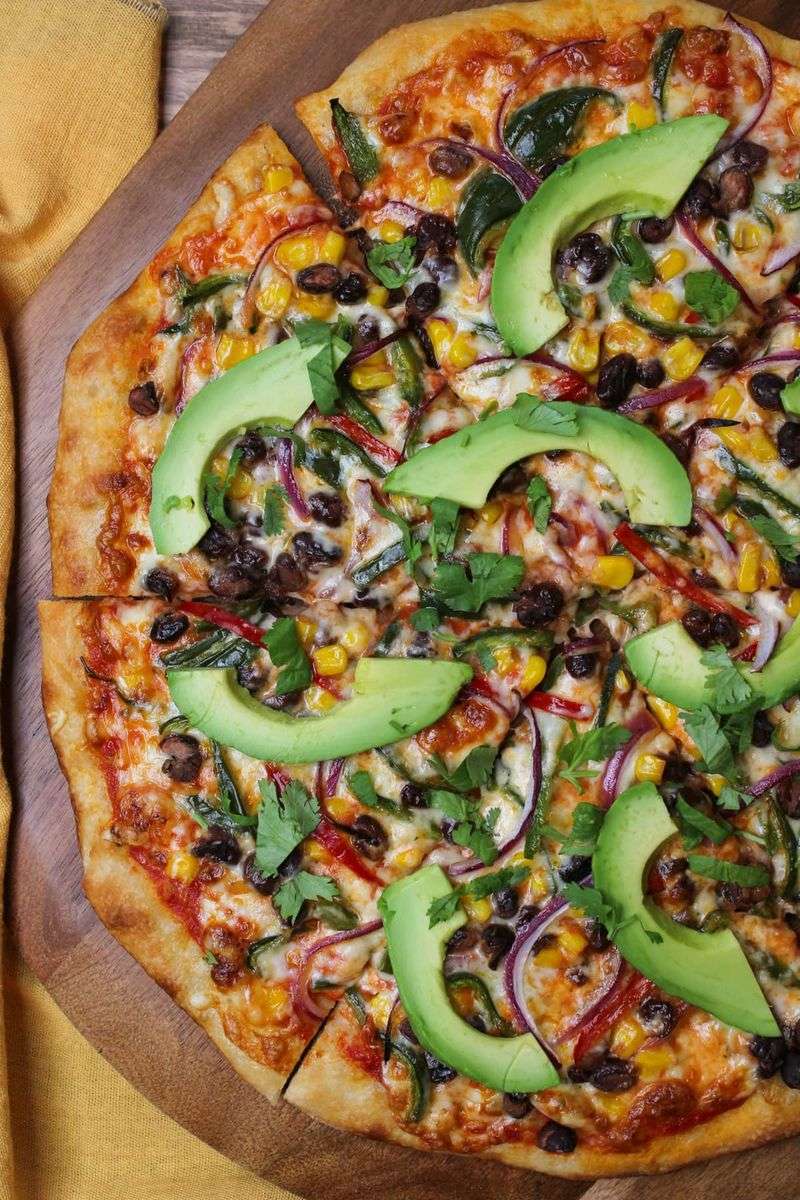
California pizza has never been particularly interested in following every Italian rule, and Los Angeles continues that tradition enthusiastically. At Pijja Palace in Silver Lake, Indian-inspired ingredients have become the foundation of an inventive pizza menu.
The Samosa Pijja combines white korma sauce, potatoes, and mint chutney. Another creation, the Green Tikka Masala Pijja, features green tomato tikka masala, turkey kofta, onions, and cilantro.
That’s a considerable departure from a standard pepperoni pie, although the pizza format remains recognizable. The restaurant even offers toppings such as tandoori onions and kadai paneer for customized creations.
Elsewhere, Pizzeria Mozza has featured combinations involving leeks, lemon zest, and Fresno chiles. California’s pizza scene clearly has plenty of room for ingredients that would surprise a traditionalist.
And really, once samosa-inspired pizza enters the conversation, plain cheese suddenly has some serious competition.
8. Soul Food Gets Fancy
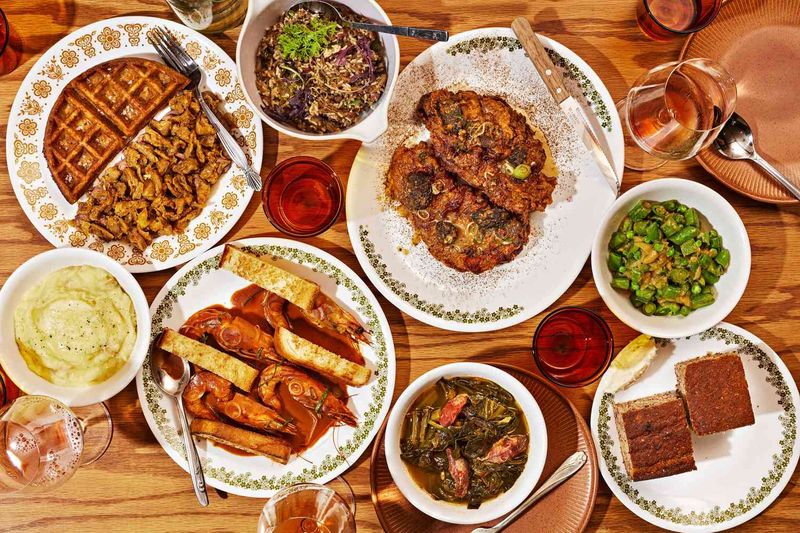
Oakland’s Burdell is demonstrating how soul food traditions can inspire an inventive contemporary restaurant without losing their history. Chef Geoff Davis named the restaurant after his grandmother, whose cooking helped shape his approach.
The menu includes collard greens seasoned with berbere, an Ethiopian spice blend, and fried chicken prepared with pickle brine. Other dishes have included chicken liver mousse with a cornmeal waffle and duck served with dirty rice.
Those combinations connect Southern food traditions with techniques and ingredients from other culinary backgrounds. The result is more interesting than simply placing familiar comfort food on expensive plates.
Burdell has earned attention from the Michelin Guide, which highlights the personal connection between Davis’s family history and his cooking. It’s a compelling example of California chefs finding new possibilities within longstanding American food traditions.
The fancy part may catch your eye, but the family story gives the food its meaning.
9. Global Breakfast Uprising
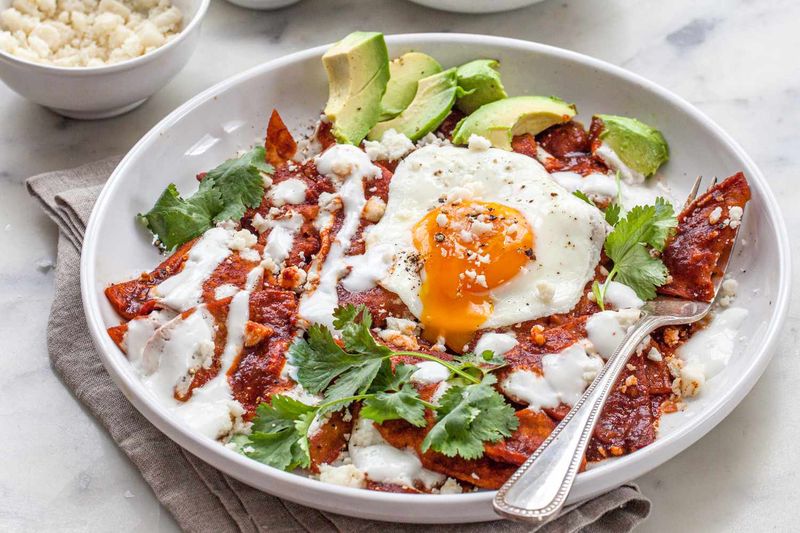
Los Angeles breakfast has room for much more than pancakes and scrambled eggs. Across the city, dishes such as Mexican chilaquiles and Asian rice porridges show how varied the first meal of the day can be.
Chilaquiles combine fried tortillas with salsa and often feature eggs or other toppings. A 2025 L.A.
Taco guide explored 20 notable versions across Los Angeles, including chilaquiles divorciados served with contrasting sauces.
Rice porridge offers another direction entirely. Los Angeles restaurants serve versions ranging from chicken jook to seafood congee and Vietnamese cháo.
These dishes aren’t newly invented trends, of course. They’ve been part of their respective food cultures for generations, and California’s diverse communities have helped bring them into the wider local breakfast conversation.
The interesting change is the range of choices available to diners. Cereal suddenly seems a little less adventurous.
10. High-Low Food Pairings
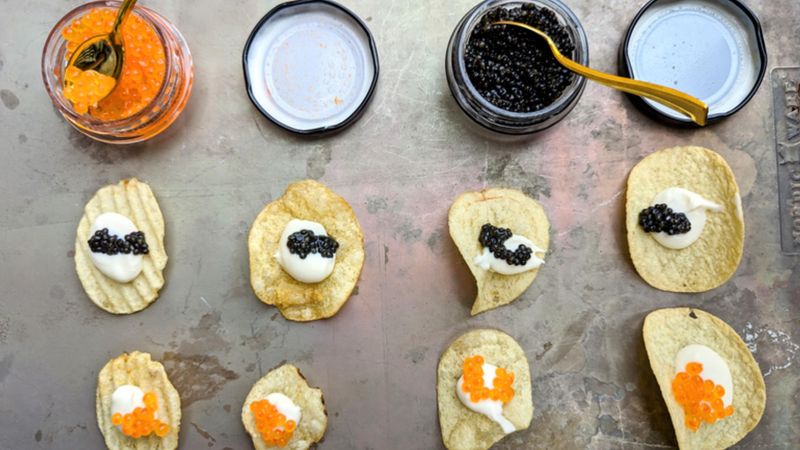
Potato chips and caviar sound like two foods that accidentally met at the wrong party. Yet combining everyday snacks with luxurious ingredients has become an increasingly visible California dining trend.
Caviar is no longer confined to formal tasting menus. California chefs have experimented with serving it alongside casual foods, while Napa Valley’s BottleRock festival attracted attention for a lobster-and-caviar corn dog.
That combination captures the idea perfectly. A familiar fairground-style snack becomes something unexpected when seafood and caviar enter the picture.
The trend also has a strong Northern California connection, thanks to the region’s established caviar production industry. What once seemed reserved for elaborate occasions is increasingly appearing in playful combinations.
I like the humor behind this approach to food. A potato chip doesn’t suddenly need an expensive education just because someone puts caviar on top.
11. Retro Condiment Comeback
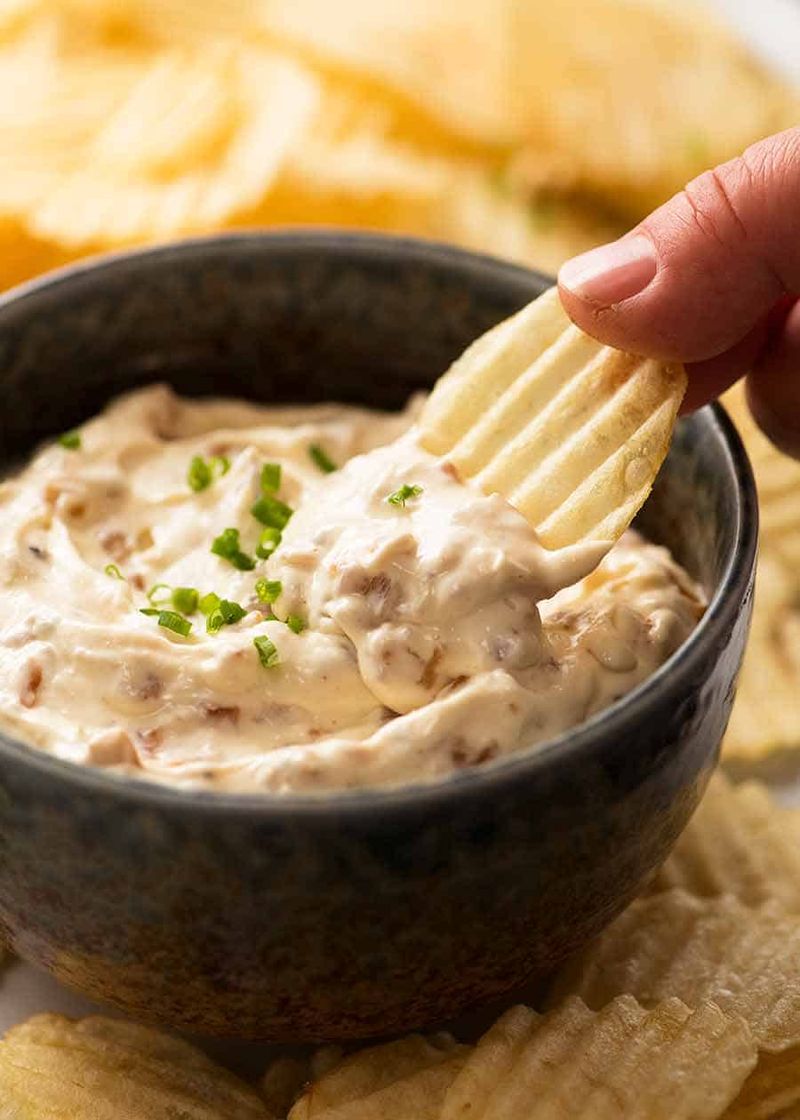
Sometimes the most surprising ingredient on a California menu is something your grandparents would recognize. Familiar sauces and seasonings are finding new roles in dishes that have little connection to their original recipes.
San Francisco offers a particularly entertaining example with the spread of cacio e pepe flavors beyond pasta. Restaurants have experimented with the Italian combination of Pecorino cheese and black pepper in dishes such as deviled eggs.
At Bar Gemini, cacio e pepe deviled eggs demonstrate how a recognizable flavor combination can transform a classic appetizer. It’s a clever idea because the seasoning brings something familiar to an unexpected format.
The wider appeal of retro condiments follows the same principle. Old-fashioned dips, dressings, and sauces don’t necessarily need reinvention; sometimes they just need a different partner.
Apparently, even deviled eggs have decided to explore new career opportunities.
12. Cultural Mashup Tacos
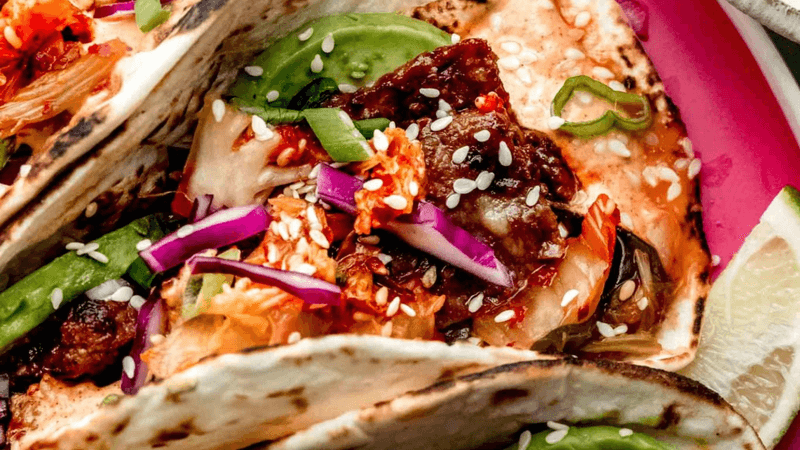
Korean barbecue inside a Mexican tortilla is one of Los Angeles’s most influential culinary combinations. Chef Roy Choi and his partners helped popularize the idea when they launched the Kogi food truck in 2008.
Kogi’s Korean short rib tacos brought marinated beef and Korean-inspired flavors into a street-food format familiar throughout Southern California. The concept connected Choi’s Korean heritage with the food culture of the city where he grew up.
Social media played an important role in Kogi’s early popularity, helping customers follow the truck’s changing locations. That combination of inventive food and online communication influenced the modern food-truck movement.
The broader cultural mashup trend continues because California’s communities have long shared neighborhoods, ingredients, and culinary ideas. A tortilla can carry those connections without losing its own identity.
And Kogi’s lasting influence proves that a memorable taco can become much more than lunch.
13. Grazing Table Takeover
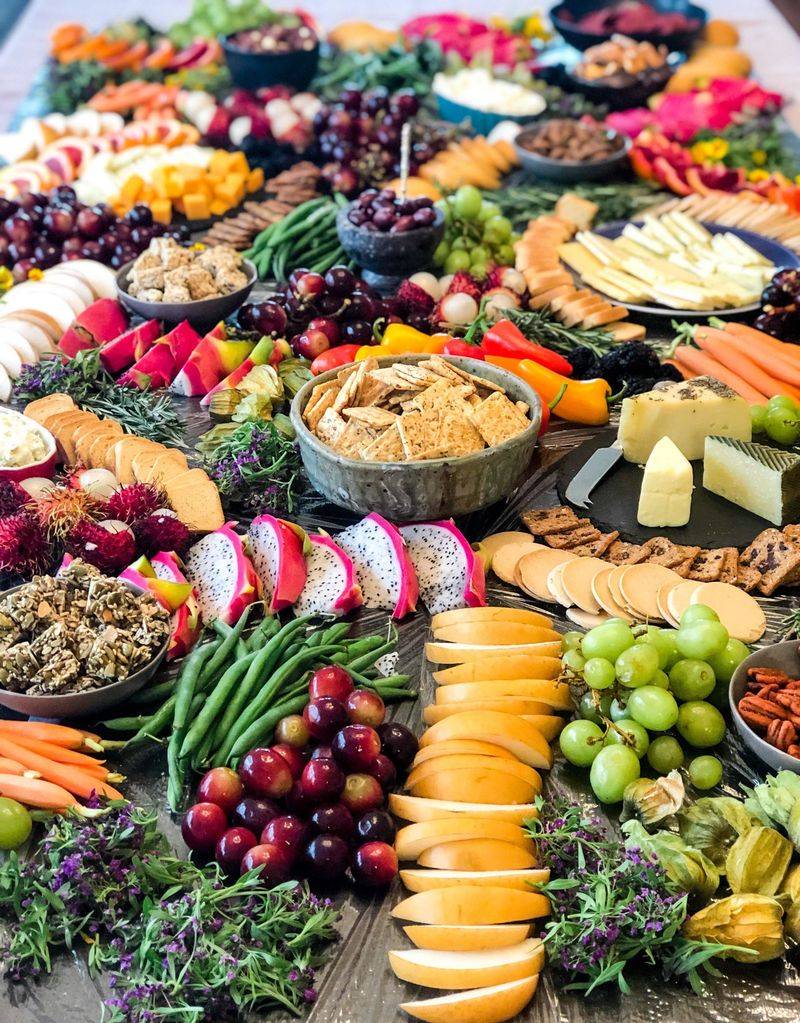
A cheese board used to be a fairly modest arrangement of crackers, fruit, and a few wedges of cheese. Grazing tables take the same idea and expand it into an entire food display.
The format combines cheeses, cured meats, vegetables, fruit, breads, dips, and small desserts across a large serving surface. It’s particularly suited to California’s outdoor celebrations and casual entertaining culture.
What makes these arrangements interesting is their flexibility. A grazing table can emphasize Mediterranean ingredients, local produce, or a collection of favorite snacks without following a conventional appetizer menu.
There’s also a visual element that fits the social-media era. Rows of berries, carefully arranged cheeses, and colorful vegetables create a display that’s almost as much about presentation as food.
Unlike the more experimental dishes on this list, grazing tables don’t require unusual ingredients. They simply turn familiar snacks into something considerably more theatrical.
The challenge is making the arrangement look abundant without turning dinner into an obstacle course.
14. Craft Technique Renaissance
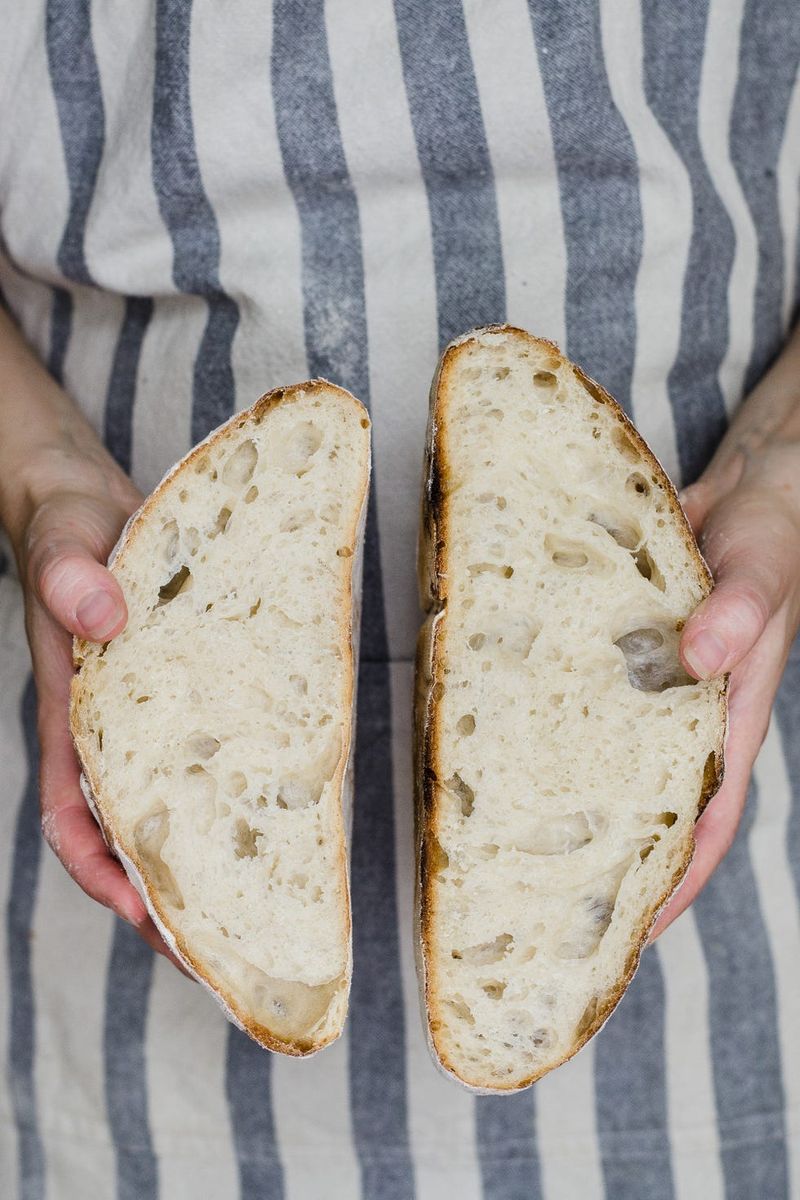
California’s food scene is paying renewed attention to techniques that take patience rather than shortcuts. Sourdough fermentation, careful bread shaping, and traditional preservation methods are part of that conversation.
Interest in fermented foods and sourdough has also appeared in broader industry data. A February 2026 report from wholesale marketplace Faire identified increased retailer interest in fermented products and sourdough-related items.
That enthusiasm fits California’s established artisan-baking culture, where naturally leavened bread has been an important part of the culinary landscape for decades. The techniques aren’t new, but their popularity continues to evolve.
The interesting part is how a handful of ordinary ingredients can produce remarkably different results through time and technique. Flour, water, salt, and a starter can become a loaf with its own particular character.
It’s a refreshing contrast to food trends built entirely around unusual toppings. Sometimes the innovation is simply giving an old technique the attention it deserves.
15. Flame-Kissed Everything
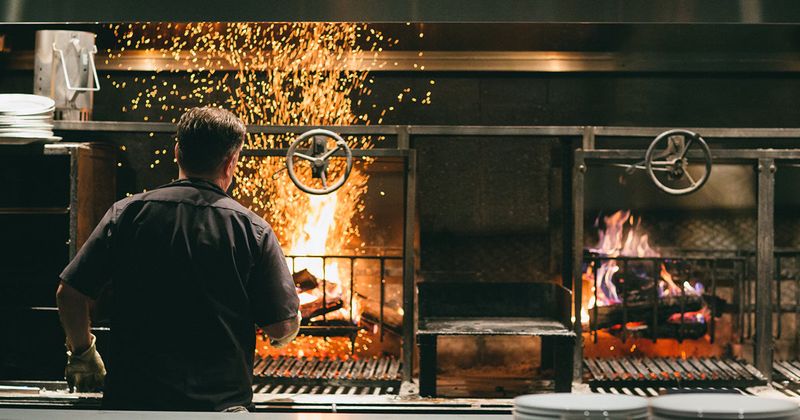
At San Francisco’s La Cigale, cooking over an open flame is practically part of the entertainment. Chef-owner Joseph Magidow uses a live-fire grill to prepare dishes inspired by Occitania, a region of southern France.
The restaurant has featured techniques involving a flambadou, a traditional tool used to pour flaming fat over food. Another preparation involves heating Point Reyes Toma cheese over the fire for a squash dish.
Those details make the restaurant a memorable example of California’s interest in live-fire cooking. The flames aren’t merely decoration; they’re part of how ingredients are prepared and finished.
La Cigale opened in Glen Park in October 2025 and received attention for its unusual cooking setup. Diners seated around the grill can observe techniques that are rarely part of an ordinary restaurant experience.
A meal involving flaming fat and melting cheese certainly gives the kitchen something interesting to talk about.
16. TikTok Food Frenzy
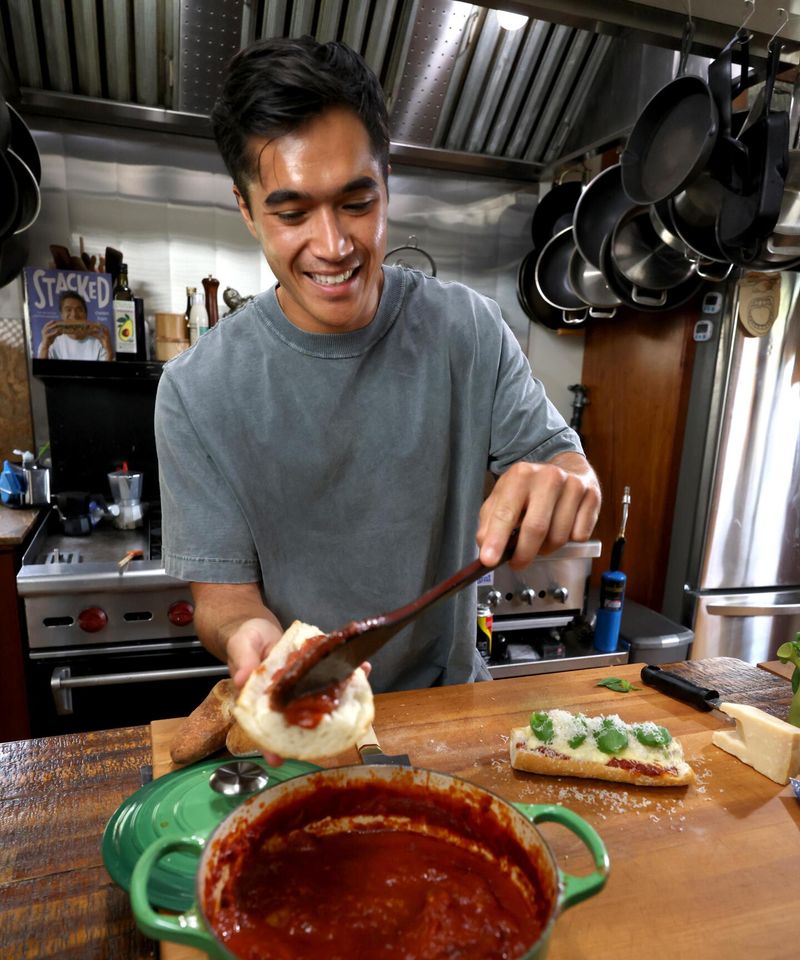
Los Angeles restaurants have discovered that an unusual dish can become famous long before everyone agrees whether it’s delicious. TikTok has helped turn colorful foods, dramatic presentations, and unexpected ingredients into major dining attractions.
Take Miopane in Pasadena, a Taiwanese bakery known for strikingly colored bagels. Its creations have featured fillings such as matcha paste, black sesame, and cheese, attracting attention for their appearance as well as their flavors.
Another example is Tigawok on Sawtelle Boulevard, where automated woks prepare Chinese dishes. The cooking equipment itself has become part of the restaurant’s social-media appeal.
Both businesses appeared in a 2026 guide examining Los Angeles restaurants attracting attention on TikTok. They demonstrate two different paths to online popularity: unusual-looking food and unusual ways of preparing it.
California’s viral food culture can be entertaining, occasionally ridiculous, and surprisingly inventive. A bagel filled with matcha or a robot-operated wok might be enough to make someone put down their phone and actually go eat.
Share this story