The candy aisle at HomeGoods is owned by the same company behind T.J. Maxx and Marshalls, and that matters more than you’d think.
TJX buyers hunt for deals around the world, so the shelves can change fast.
That means a box of nougat from Italy might sit next to a tin of British toffee. One week you see it.
The next week, it could be gone for good.
I love that unpredictable side of the store. It turns a quick trip for throw pillows into a small treasure hunt with a sweet payoff at the end.
I can’t think of many stores where a snack run feels this much like a scavenger game. So what strange and wonderful sweets should you keep an eye out for on your next lap past the checkout lines?
Here are seven worth grabbing if you spot them.
1. Turkish Delight
Narnia fans already know this candy caused a whole lot of trouble for Edmund. Now you can find out what the fuss was about without trading away your siblings.
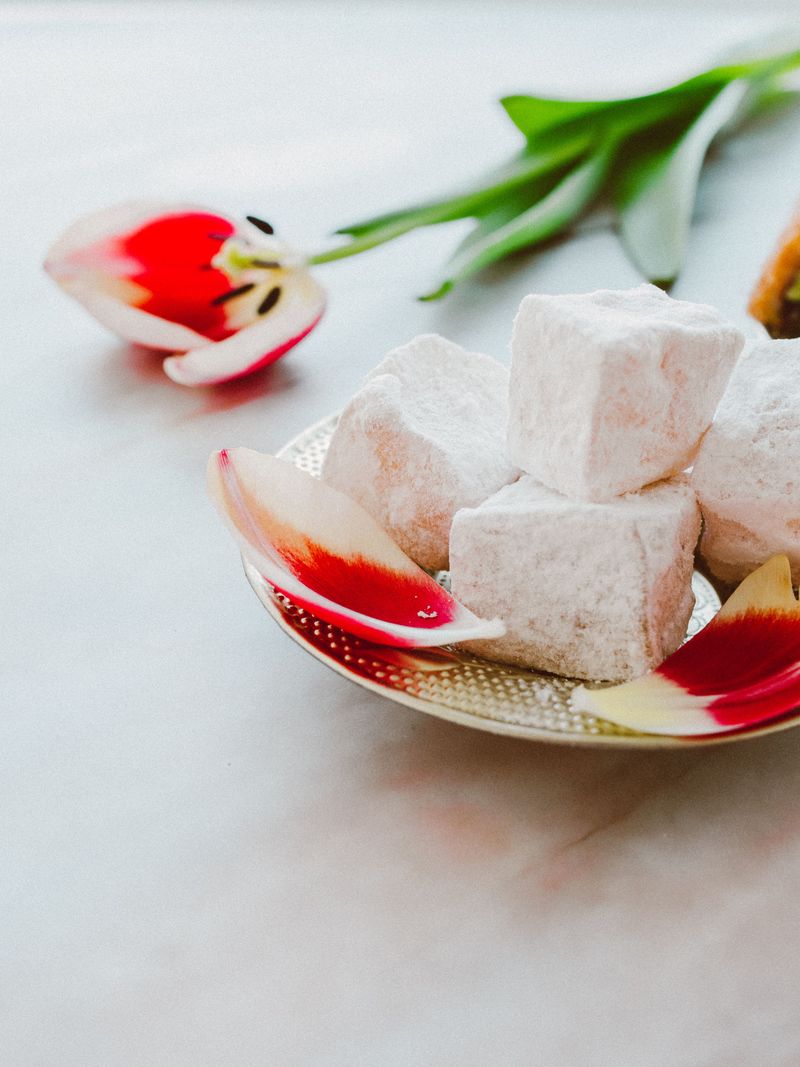
Turkish delight is a soft, chewy candy made mostly from starch and sugar. It has roots going back centuries in the Ottoman Empire, where it was called lokum.
The texture surprises a lot of first-timers. It’s not quite gummy and not quite jelly, but somewhere squishy in between.
Flavors often include rose, lemon, and orange. Some boxes also mix in nuts like pistachios or hazelnuts for a little crunch.
Most pieces come rolled in powdered sugar or cornstarch. That coating keeps them from sticking together, so try not to breathe in while you take a bite.
At HomeGoods, these tend to show up in fancy boxes or round tins. The packaging alone can look pretty enough to set on a coffee table.
Here’s a smart move if you’re unsure about flavors. Pick a mixed box so you can test a few kinds before you commit to a favorite.
Rose is the one people either adore or find a bit like perfume. Fruit flavors are usually the safer bet for picky eaters in your house.
Turkish delight also makes a great little gift. Tuck a box into a basket with tea or a mug, and you’ve got a present that feels well traveled.
Store it in a cool, dry spot once you open it. Humidity can make the pieces sticky and sad.
One more tip worth knowing before you shop. Read the label, since some versions contain nuts, which matters a lot for anyone with allergies.
Fair warning, though. After one piece, you’ll probably understand why Edmund was so easily tempted.
2. Gourmet Cotton Candy
Cotton candy outside of a fair feels a little like seeing your teacher at the grocery store. It’s strange, but kind of exciting.
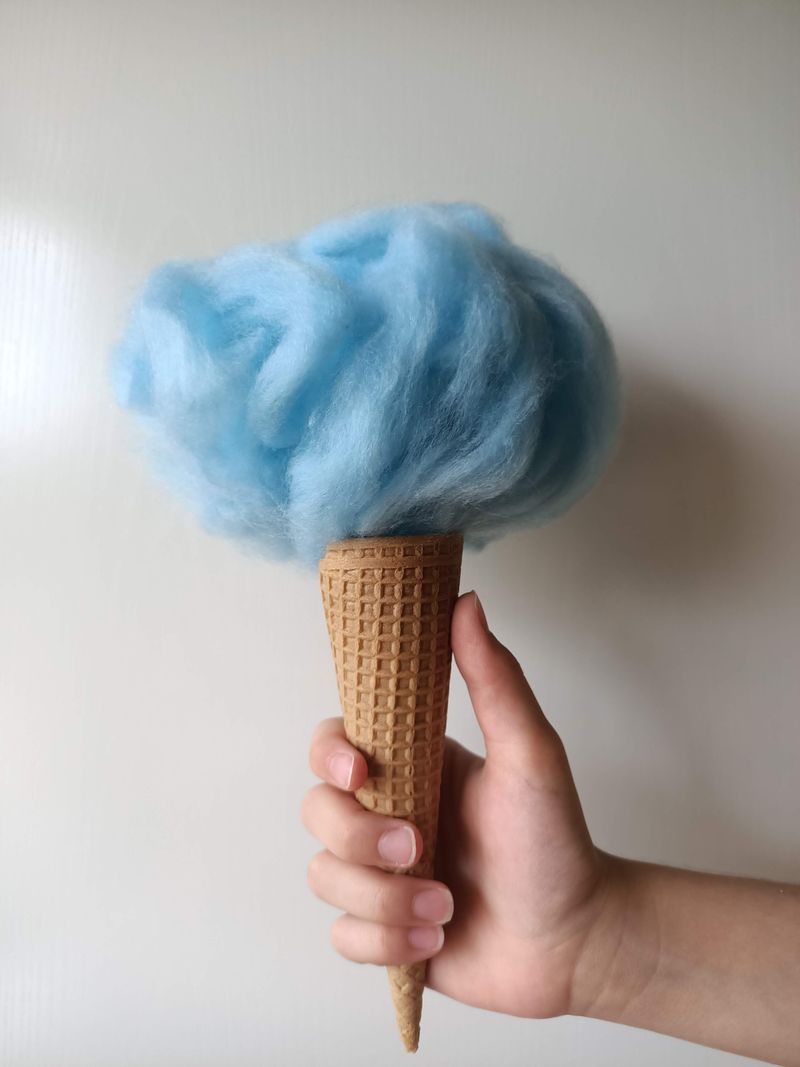
HomeGoods shoppers sometimes spot cotton candy packed in tubs or jars. The flavors can go way past plain pink, with options that sound more like dessert menus.
Fun fact for your next trivia night. A dentist named William Morrison helped invent the cotton candy machine in the 1890s, which is pretty funny when you think about it.
Back then it was called fairy floss. That name still sticks around in Australia today.
The magic comes from sugar spun so fast it turns into thin threads. That’s why it melts on your tongue almost right away.
Packaged cotton candy is perfect for parties. You can set out a few tubs at a birthday and let guests grab handfuls.
Movie nights get a nice upgrade too. Swap your usual popcorn bowl for a fluffy mix of colors and watch the kids light up.
Keep the lid sealed tight after opening. Air and moisture shrink the fluff into a hard, sticky lump faster than you’d expect.
Try sprinkling a little on top of hot cocoa for a fun trick. It dissolves and leaves a sweet swirl behind.
Check the tub size before you buy if you’re planning for a crowd. Cotton candy takes up a lot of space but doesn’t weigh much, so a big container may hold less than it looks.
Odd flavor names can be half the fun. Let your family guess what each one tastes like before reading the label.
Somewhere, that candy-loving dentist is probably smiling about his job security.
3. Soft Imported Licorice
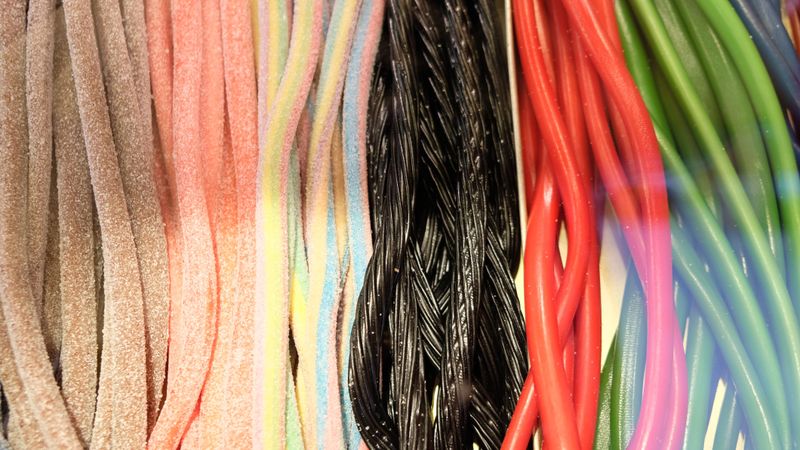
Licorice might be the most argued-about candy on the planet. People tend to either love it or make a face just hearing the word.
Imported licorice can change some minds, though. Brands from places like Australia and Finland are known for a softer, chewier style than many American twists.
Black licorice gets its classic taste from licorice root extract. It’s a bold, earthy flavor that some people compare to anise.
Red versions are a different story. Most of them don’t contain licorice root at all and taste more like fruit.
You may also find flavors like raspberry, green apple, or mango. Those are a great starting point for anyone who’s nervous about the black stuff.
Soft licorice is easy to cut into bite-size pieces. That makes it handy for sharing in a lunchbox or a road trip snack bag.
Here’s a health tip that actually matters. The FDA has warned that eating large amounts of black licorice over time can cause problems for some adults, so enjoy it in reasonable amounts.
Moderation keeps it fun. A few pieces after dinner feels like a treat instead of a challenge.
Once the bag is open, clip it shut or move the pieces into a jar. Licorice dries out and gets tough when left in the air.
Consider doing a taste test with friends. Line up a few flavors and vote on the winner, and the black licorice debate will definitely come up.
Bags often come in bright, eye-catching packaging. Look near the checkout lines and on the food shelves where imported snacks tend to gather.
Who knows? You might walk out as a brand-new member of team black licorice.
4. Hot Cocoa Bombs
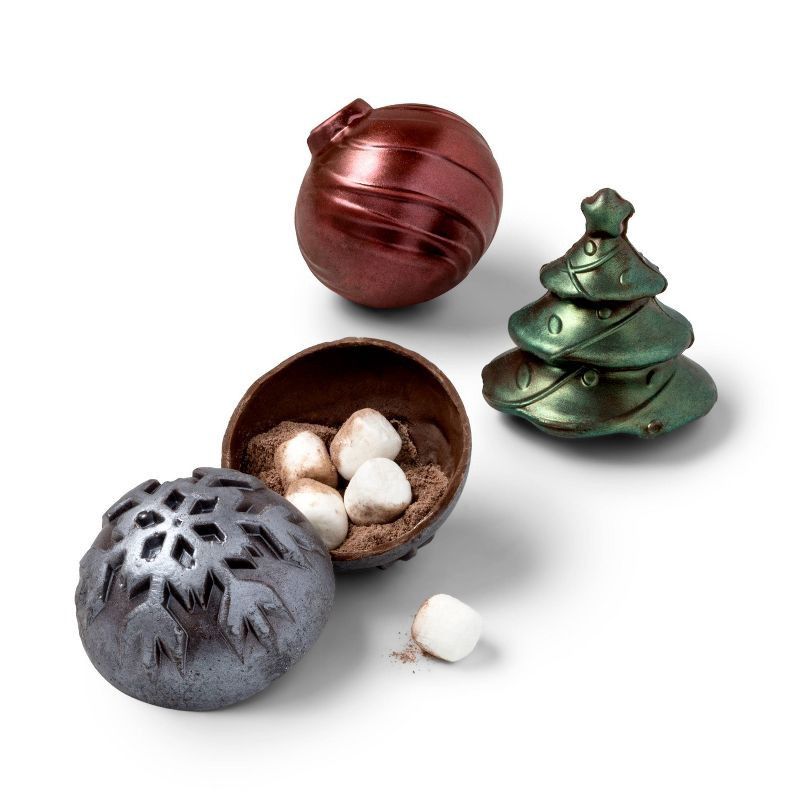
Few treats put on a show quite like a hot cocoa bomb. You drop it in a mug, pour hot milk on top, and wait for the surprise.
The outside is a hollow chocolate shell. Inside, you’ll usually find cocoa mix and tiny marshmallows packed in tight.
As the milk melts the shell, it cracks open. Marshmallows pop up to the top like they’ve been waiting for their big moment.
Hot cocoa bombs took off on social media around 2020. Since then, they’ve become a popular find during the colder months at many stores.
HomeGoods often carries them in seasonal packaging. You might see snowmen, holiday colors, or fun sprinkles on top.
Make sure your milk is hot enough. If it’s only lukewarm, the shell may not melt all the way, and that ruins the fun.
Use a wide mug so the bomb has room to open. A skinny cup can make the whole thing slosh over the side.
Give it a gentle stir once the shell breaks. That helps the cocoa powder mix in so you don’t get a gritty bottom.
These make easy gifts for teachers, neighbors, or coworkers. Pair one with a cute mug, and you’re done in about two minutes.
Kids love dropping them in themselves. Just have an adult handle the hot milk to keep things safe.
Store them somewhere cool before using. Chocolate shells soften in heat, and nobody wants a squished bomb.
Shop early in the season if you spot them. Popular designs tend to vanish quickly once the weather turns chilly.
Honestly, it’s the only explosion you’ll ever want in your kitchen.
5. Rock Candy Sticks
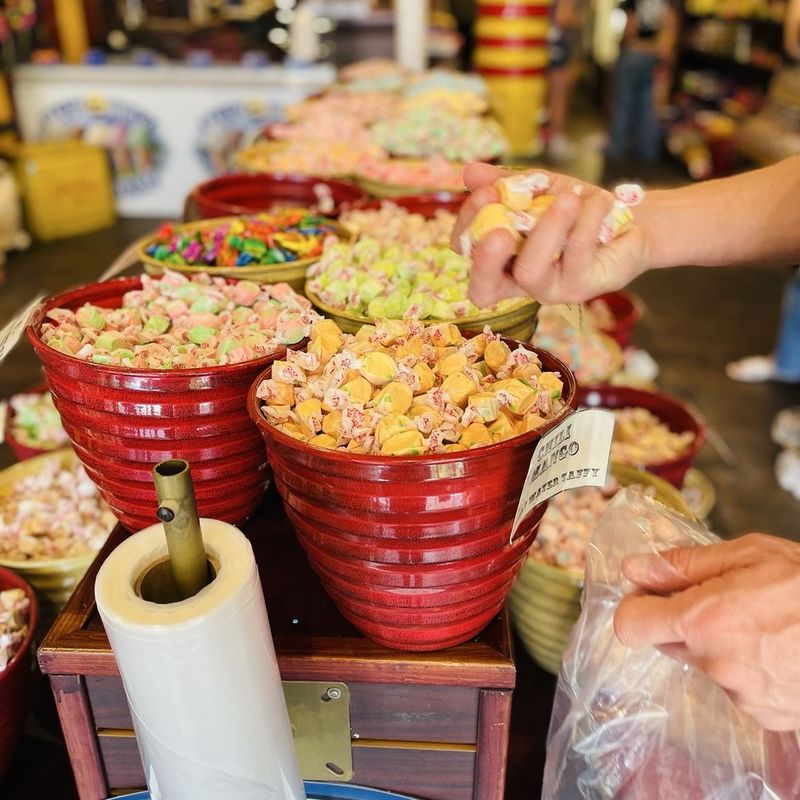
Rock candy looks like something a geologist would keep in a display case. Then you remember it’s just sugar, and suddenly science class sounds delicious.
This candy is made by letting sugar crystals slowly form on a stick or string. The process can take several days, which is why each stick looks so sparkly and chunky.
People have been making crystal sugar candy for a very long time. Some historians trace versions of it back hundreds of years in places like Persia and India.
Sticks often come in bright colors with flavors like cherry, grape, or watermelon. They look amazing sitting in a jar on a kitchen counter.
Party planners love them for a reason. Rock candy sticks make fun stirrers for lemonade or tea, and they slowly sweeten the drink as they dissolve.
A themed party can use them as decor too. Pick colors that match your table, and they double as treats and decorations.
Want a mini science lesson at home? Look at a stick up close with your kids and talk about how crystals grow when water evaporates.
You can even try making your own afterward. Store-bought sticks give you a good idea of what you’re aiming for.
Be gentle with your teeth. Rock candy is very hard, so licking or sucking works better than chomping down.
Wrapped sticks stay fresh a long time. Just keep them away from moisture, which can make the crystals sticky.
Single sticks also make cute party favors. Tie a ribbon around each one and hand them out at the door.
It’s the rare candy that teaches chemistry and still tastes like dessert.
6. Italian Torrone Nougat
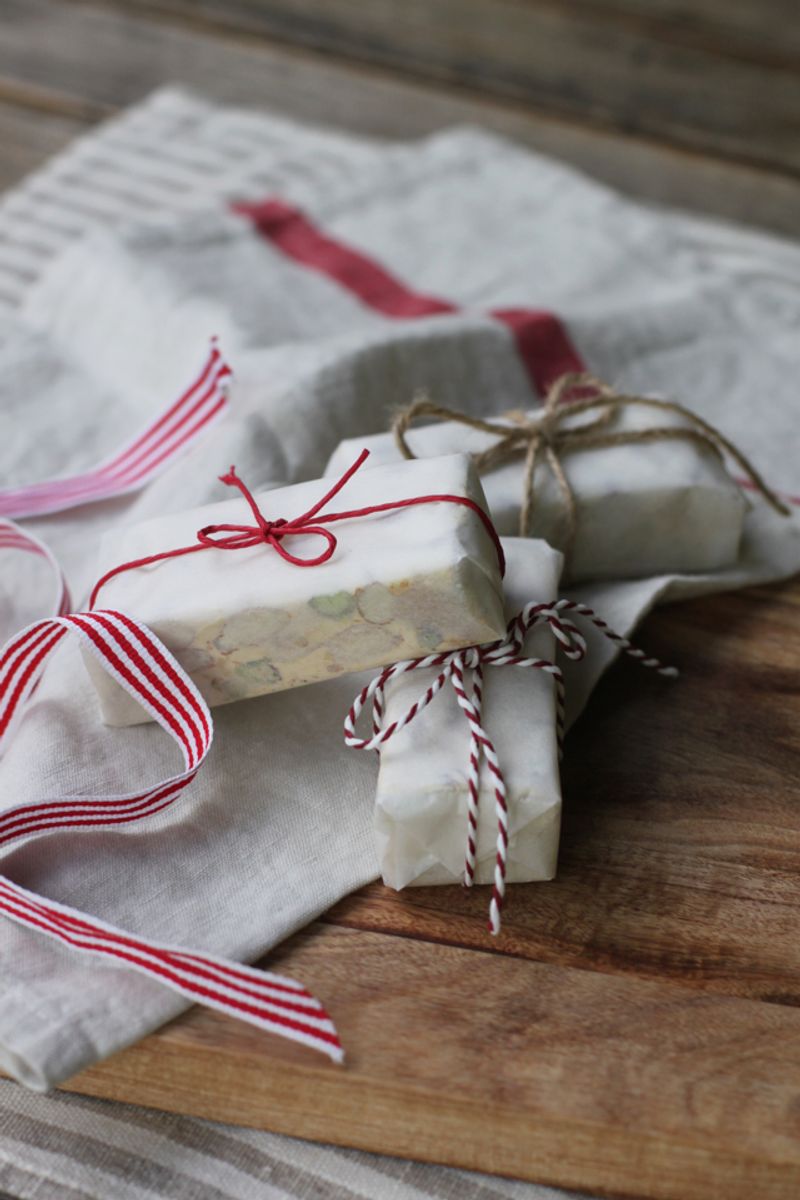
Italian grandmothers have been passing around torrone for generations. Now it might be sitting a few aisles away from the bath towels.
Torrone is a nougat made with honey, sugar, egg whites, and nuts. Almonds are the classic choice, though you may also see hazelnuts or pistachios.
It’s especially popular in Italy around Christmas. Many families treat it as a must-have holiday sweet.
There are two main styles to know. Soft torrone is chewy, while hard torrone has a snap that rewards patient chewing.
Check the package before you buy. Labels usually say whether it’s soft or crunchy, and picking the right one saves you from a surprise.
You’ll often see small bars wrapped in thin, colorful paper. Some boxes hold lots of these mini pieces, which are great for sharing.
Many torrone bars sit between thin sheets of edible wafer paper. It looks like plastic at first, but you can eat it right along with the candy.
Hard torrone can be tricky to cut. Try warming a sharp knife under hot water and drying it before slicing.
Serve a few pieces with fruit after a big dinner. It feels fancy without any extra work in the kitchen.
Torrone also keeps well when wrapped tight. That makes it a smart pick for stocking stuffers you buy a little early.
Nut allergies are a big deal with this one. Almost every bar is loaded with nuts, so skip it for anyone who needs to avoid them.
One bite and you’ll see why Italian holiday tables rarely go without it.
7. British Toffee Tins
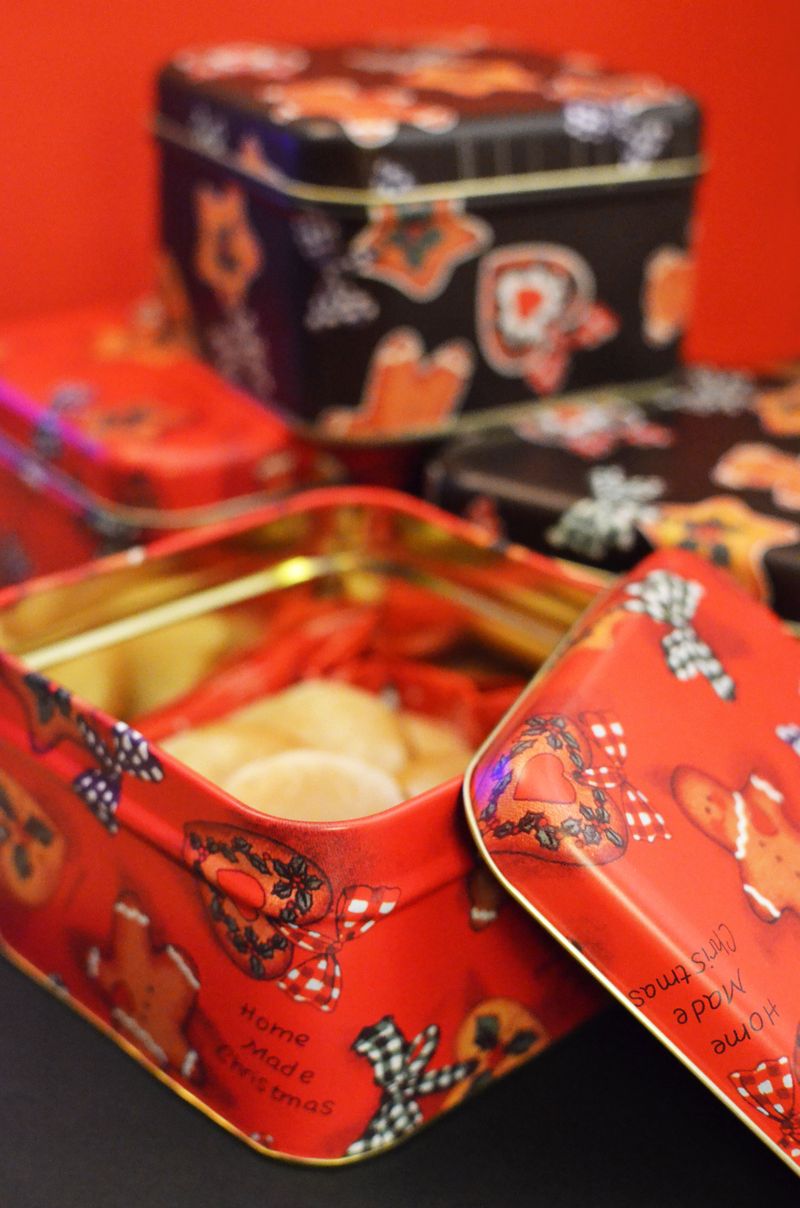
Toffee tins are basically two gifts in one. You get the candy now and a handy storage box for buttons, cookies, or craft supplies later.
British toffee has been a favorite in the United Kingdom for well over a century. It’s made by cooking sugar and butter together until it turns rich and golden.
Some toffees are hard and snappy. Others are soft and chewy, so the label is your best friend before checkout.
Flavors can include classic butter, chocolate, or nuts mixed right in. Many tins hold a mix of pieces, each wrapped in shiny paper.
The tins themselves are often the star. You might see vintage-style artwork, city scenes, or bright patterns that look great on a shelf.
Once the candy’s gone, find the tin a new job. It works well for sewing kits, holiday cookies, or even a tiny emergency snack stash in the car.
Toffee makes a solid gift for grandparents. Lots of people remember these tins from their childhood, and the packaging can spark fun stories.
Chewy toffee loves to stick to teeth. Take small bites, especially if you have braces or dental work.
Keep the lid on tight between snacks. Toffee can soften in humid weather and turn into one big gooey clump.
Try pairing a piece with a cup of tea. It’s a very British combo and makes an ordinary afternoon feel special.
Look for these on seasonal shelves near the holidays. HomeGoods stock moves quickly, so grab a tin when the design catches your eye.
Just be ready for someone in your family to claim that empty tin before you do.
Share this story