Houston’s Asiatown is the kind of place where a single meal can introduce you to an entirely different side of Vietnamese cooking. One restaurant might specialize in comforting noodle soups, while another focuses on roasted meats or regional dishes you won’t find on every menu.
Chef Nikki Tran knows this culinary landscape well. The Vietnamese chef, known for her distinctive approach to Vietnamese cuisine, has helped bring wider attention to Houston’s diverse food culture.
What makes this selection especially interesting is its focus on restaurants with different specialties. Instead of repeating the same familiar dishes, these five stops highlight the range of flavors, ingredients, and cooking traditions associated with Vietnamese food.
I like how the list encourages curiosity. You can explore everything from fragrant broth and rice dishes to fish cakes and traditional preparations that deserve a little more attention.
1. Pho 54 Has A Vietnamese Noodle Soup That Deserves Your Full Attention
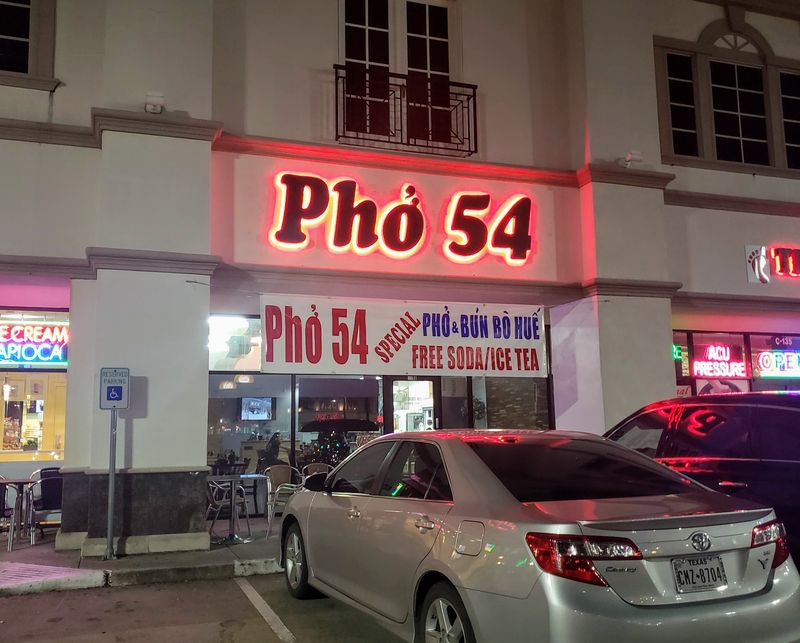
Pho might be the most internationally recognized Vietnamese noodle soup, but Chef Nikki Tran recommends trying something different at Pho 54. Her pick is bún bò Huế, a flavorful specialty from central Vietnam that deserves just as much recognition.
Located at 10623 Bellaire Boulevard, Suite C198, in Houston, Texas, Pho 54 was among Tran’s recommendations in a 2023 AFAR feature. The restaurant sits in Saigon-Houston Plaza, an area associated with the city’s Vietnamese community.
Bún bò Huế takes its name from Huế, a historic city in central Vietnam known for its distinctive culinary traditions. The dish combines substantial rice noodles with a deeply seasoned broth in which lemongrass plays an important role.
That combination gives the soup an identity quite different from traditional pho. The flavors are more assertive, and the preparation requires careful attention to balancing the broth’s ingredients.
Tran considers bún bò Huế particularly challenging to prepare, which makes her recommendation more interesting. When a chef highlights a technically demanding dish, it’s worth understanding what makes it special.
The restaurant’s name might naturally lead first-time visitors toward pho. However, Tran’s recommendation encourages you to look beyond the obvious choice and explore another important Vietnamese noodle tradition.
I like how this single dish opens a conversation about the diversity of Vietnamese cooking. Different regions have developed their own combinations of noodles, broths, herbs, and seasonings.
Huế cuisine is especially associated with layered flavors and carefully constructed dishes. Bún bò Huế reflects that heritage through a preparation that rewards attention to every component.
For someone unfamiliar with Vietnamese regional cooking, this soup makes an excellent introduction. It demonstrates why describing Vietnamese cuisine through pho alone leaves so much unexplored.
Pho 54 earns its place on Tran’s list because of that specific specialty. Rather than simply recommending a familiar restaurant category, she points readers toward a dish with a strong regional identity.
The next time you’re exploring Houston’s Bellaire Boulevard dining corridor, remember the distinction. The restaurant may be called Pho 54, but Tran’s recommendation is all about bún bò Huế.
2. SiuLap City Is Where Roast Duck And Pork Take Center Stage
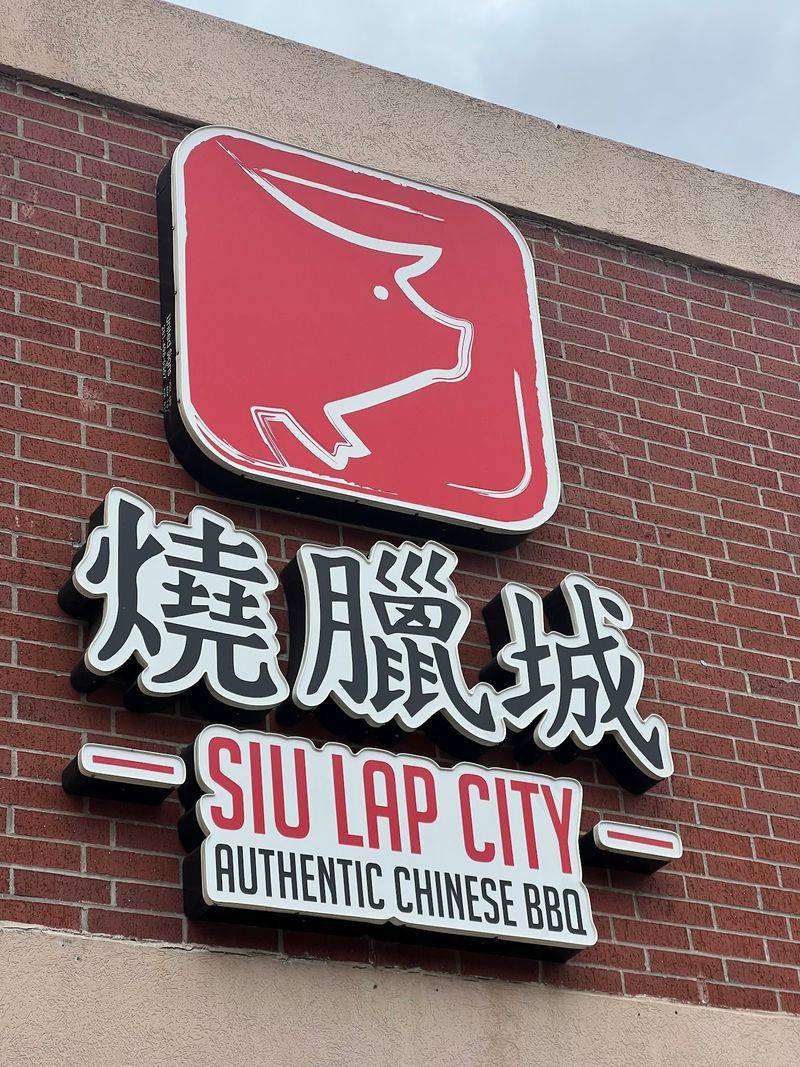
Roasted meats are the main attraction at SiuLap City, a Houston restaurant specializing in Cantonese-style barbecue. Chef Nikki Tran recommends two particular choices here: roast duck and roast pork.
The restaurant’s history includes a move that helped establish its independent identity. It previously operated inside Long Sing Supermarket before reopening as a standalone business in 2018.
AFAR’s 2023 feature listed its address as 2808 Milam Street, Suite F, in Houston. That places it in Midtown rather than the Bellaire Boulevard Asiatown district, an important geographical distinction.
The food reflects Cantonese barbecue traditions, where roasting techniques play a central role. Roast duck, pork belly, ribs, and other meats are among the dishes associated with the restaurant.
A typical barbecue plate can combine roasted meat with rice and vegetables. Options documented in the feature included steamed or fried rice alongside vegetables such as bok choy, broccoli, or green beans.
Tran’s recommendations focus specifically on roast duck and roast pork. Both are celebrated for the contrast between their carefully roasted exterior and the meat underneath.
That contrast is an important part of Cantonese barbecue’s appeal. Preparing roast meats requires attention to seasoning, heat, and the cooking process.
SiuLap City’s style also offers a different dining experience from the noodle-focused restaurants elsewhere on this list. Here, the centerpiece is roasted meat, supported by straightforward accompaniments.
I like how this recommendation introduces another major Asian culinary tradition within Houston’s diverse restaurant scene. It demonstrates that Tran’s personal food interests extend beyond Vietnamese cooking.
Cantonese roast meats also have a strong takeout tradition, making them a practical choice for an uncomplicated meal. The combination of meat, rice, and vegetables creates a complete plate without unnecessary additions.
For newcomers to Cantonese barbecue, choosing between duck and pork might be the hardest decision. Fortunately, both are among the dishes Tran singled out.
SiuLap City brings a distinctive cooking tradition to her selection, showing how Houston’s culinary landscape extends across different Asian communities.
3. Cơm Gà Houston Makes A Strong Case For Trying Vietnamese Chicken Rice
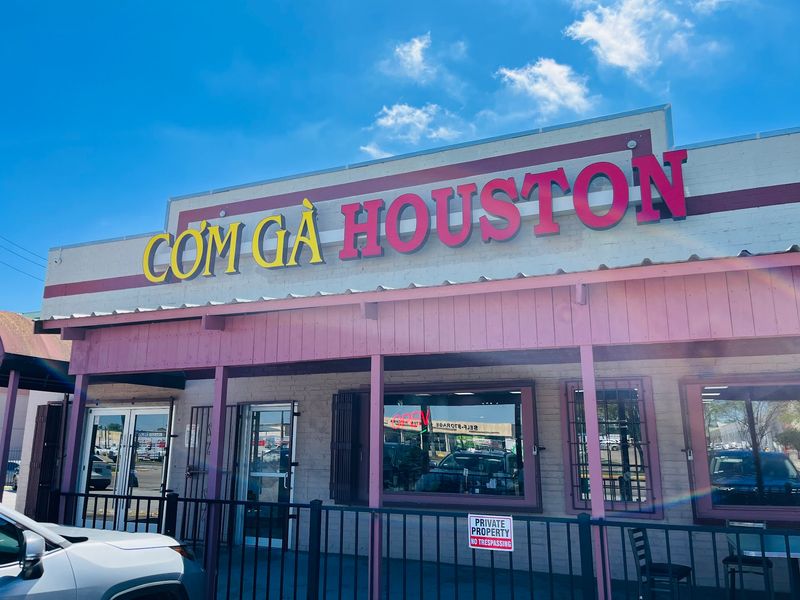
Chicken and rice might sound like one of the simplest meals imaginable, but Vietnamese cooking gives the combination a distinctive personality. Cơm Gà Houston specializes in a preparation that Chef Nikki Tran considers particularly noteworthy.
Located at 11403 Bellaire Boulevard according to AFAR’s 2023 feature, the restaurant was one of her five selections. Its signature chicken rice reflects cooking traditions associated with central Vietnam.
Vietnamese chicken rice shares certain similarities with Hainanese chicken rice, another well-known Asian specialty. However, the Vietnamese preparation often incorporates coriander, lime juice, and onions for a different flavor profile.
These ingredients bring freshness and sharpness to a dish built around relatively familiar components. The result illustrates how seasoning and preparation can transform an everyday combination.
Tran highlighted the restaurant’s use of free-range chicken as an important reason for her recommendation. She explained that the birds’ longer growing period contributes to a different texture and flavor.
This detail reveals something interesting about her approach to food. Rather than focusing exclusively on elaborate recipes, she pays attention to the quality and characteristics of individual ingredients.
I appreciate that perspective because it makes a seemingly modest dish worth examining more closely. Chicken rice depends on the relationship between its main ingredients, not on unnecessary complexity.
The restaurant was also recognized in the feature for bánh xèo, a Vietnamese savory crepe. Tran recommended the version containing both shrimp and pork.
Bánh xèo provides an interesting contrast to chicken rice because it represents another style of Vietnamese cooking. The crepe combines a distinctive batter preparation with savory fillings and accompanying ingredients.
Together, these dishes give visitors two different ways to explore Vietnamese culinary traditions. One emphasizes the character of chicken and rice, while the other showcases a filled savory crepe.
The restaurant’s specialization also makes it useful for anyone interested in learning more about regional Vietnamese cuisine. Its dishes offer an opportunity to move beyond the most internationally familiar menu choices.
Cơm Gà Houston demonstrates how much culinary identity can emerge from a handful of ingredients. Sometimes the most interesting meal begins with something as familiar as chicken and rice.
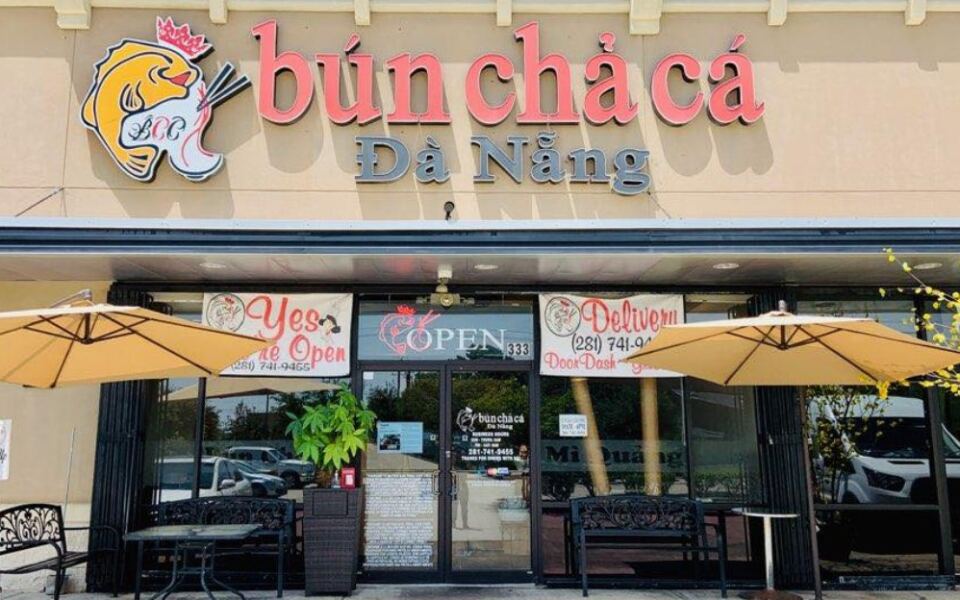
4. Bun Cha Ca Da Nang Has A Fish Cake Noodle Soup Worth Discovering
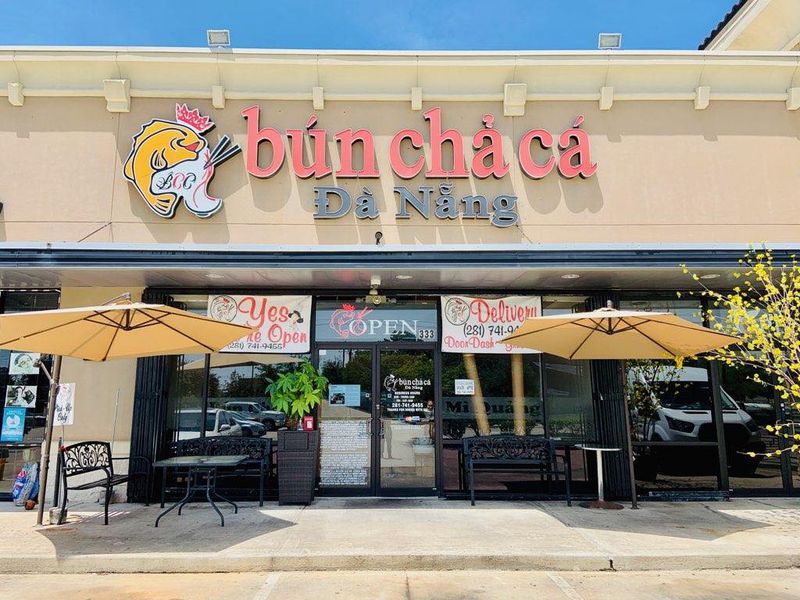
Fish cakes might not be the first ingredient that comes to mind when thinking about Vietnamese noodle soup. At Bun Cha Ca Da Nang, however, they’re the defining feature of the restaurant’s signature dish.
Chef Nikki Tran’s recommendation is refreshingly straightforward: choose the fish cake noodle soup. According to AFAR’s 2023 feature, the restaurant specialized in fish-based preparations, particularly its namesake dish.
The publication listed the restaurant at 12168 Bellaire Boulevard, Suite 333, in Houston. Its location placed it within the city’s extensive Asian dining corridor.
Bún chả cá Đà Nẵng takes its name from Đà Nẵng, a coastal city in central Vietnam. The dish reflects the importance of seafood in the region’s culinary traditions.
The preparation features fish cakes and rice noodles served in an aromatic broth. That combination creates a noodle soup with a distinctly different character from beef-based Vietnamese specialties.
Fish cakes are central to the dish rather than simply an additional topping. Their preparation and seasoning help define the overall experience.
The broth is equally important because it brings the various ingredients together. In a dish built around relatively few main components, each element has a meaningful role.
I find this kind of regional specialization especially interesting. It gives diners an opportunity to understand a particular cooking tradition instead of choosing from an enormous collection of unrelated dishes.
Tran’s recommendation also makes ordering less complicated. When the restaurant’s defining specialty is exactly what the chef suggests, there’s little reason to overlook it.
The dish provides another perspective on the remarkable variety of Vietnamese noodle soups. While pho and bún bò Huế are often discussed, fish cake noodle soup represents a different regional tradition.
That variety is part of what makes Houston’s Vietnamese food scene so compelling. Restaurants can specialize in dishes associated with particular cities and regions while serving a diverse American audience.
For anyone interested in expanding their knowledge of Vietnamese cuisine, bún chả cá is a worthwhile dish to explore. Its combination of fish cakes, noodles, and seasoned broth deserves recognition beyond its regional origins.
Bun Cha Ca Da Nang earned Tran’s recommendation by focusing on exactly that specialty.
5. Chao Long Thang Mo Introduces You To A Different Kind Of Vietnamese Comfort Food
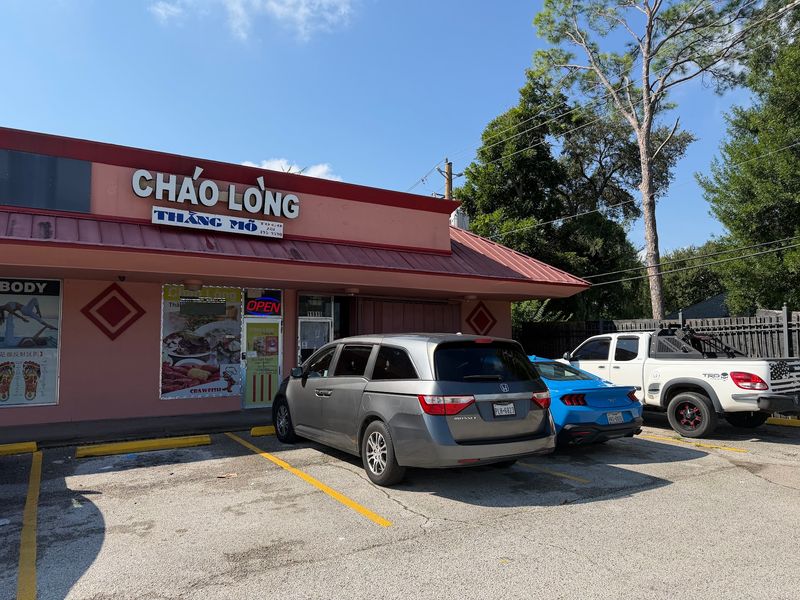
Rice porridge might seem like an understated choice for a restaurant recommendation, but Chef Nikki Tran sees something important in this Vietnamese comfort dish. At Chao Long Thang Mo, her selection highlights a traditional preparation with deep cultural roots.
AFAR’s 2023 feature listed the restaurant at 11513 Bellaire Boulevard in Houston. Its menu was described as relatively focused, with several Vietnamese comfort-food specialties.
Tran’s recommended dish is cháo lòng, a rice porridge traditionally prepared with pork offal. The preparation can incorporate ingredients such as liver, heart, kidneys, and intestines alongside a rich broth.
These ingredients might be unfamiliar to diners accustomed to more conventional American restaurant menus. However, they reflect a long-established approach to cooking that makes use of different parts of an animal.
Rice porridge itself appears in many Asian culinary traditions, often taking different forms depending on the region. Vietnamese cháo lòng stands apart through its particular combination of rice, broth, and pork ingredients.
The restaurant’s other documented specialties included spicy seafood noodle soup, Vietnamese cold cuts, and fried dough crullers. These dishes further reflect the range of traditional comfort foods associated with Vietnamese cooking.
Tran’s enthusiasm for cháo lòng is about more than personal preference. She views trying unfamiliar foods as an opportunity to understand how different cultures approach ingredients and cooking.
I like that philosophy because it encourages curiosity without treating unfamiliar dishes as novelties. Traditional food deserves to be understood within the culinary culture that developed it.
Cháo lòng also challenges the assumption that the most interesting restaurant dishes must involve elaborate presentations. A bowl of rice porridge can carry considerable history and culinary knowledge.
For adventurous diners, the dish provides an opportunity to explore a different side of Vietnamese cuisine. It asks you to consider ingredients and preparation methods that may be outside your usual choices.
The restaurant’s focused menu reinforces that sense of specialization. Rather than attempting to represent every Vietnamese dish, it concentrates on a smaller collection of traditional preparations.
Chao Long Thang Mo completes Tran’s list with a recommendation rooted in cultural appreciation. It’s a fitting reminder that discovering great food often begins with a willingness to try something unfamiliar.
Share this story