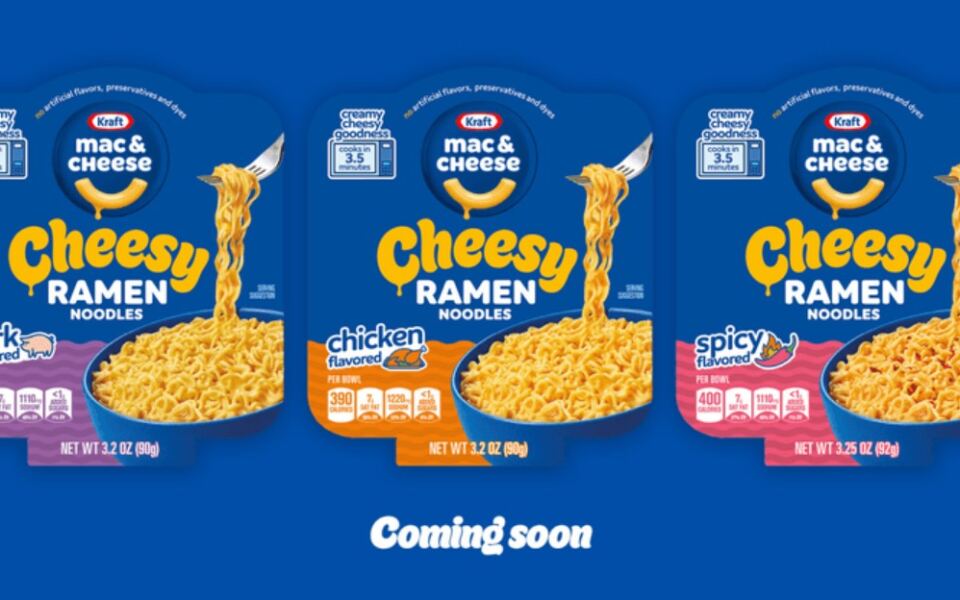
Cheese-flavored ramen is heading into microwave bowls, with Spicy, Chicken, and Pork varieties in the announced lineup. The reporting supplied for this article places the planned nationwide launch in early 2027, so this is a preview rather than a taste test.
The idea brings a familiar cheese flavor to a different kind of noodle meal. I like the simple logic behind it: people already add cheese to ramen, and now a major brand wants to handle that step.
Single-serve bowls are planned first, with preparation expected to take less than four minutes. That puts the appeal squarely in quick-lunch territory, though the finished package will provide the instructions that matter.
There are still details shoppers should check when the bowls arrive. For now, the big question is how that familiar cheese flavor will meet ramen’s savory side.
Your Familiar Cheese Flavor Is Taking a New Route
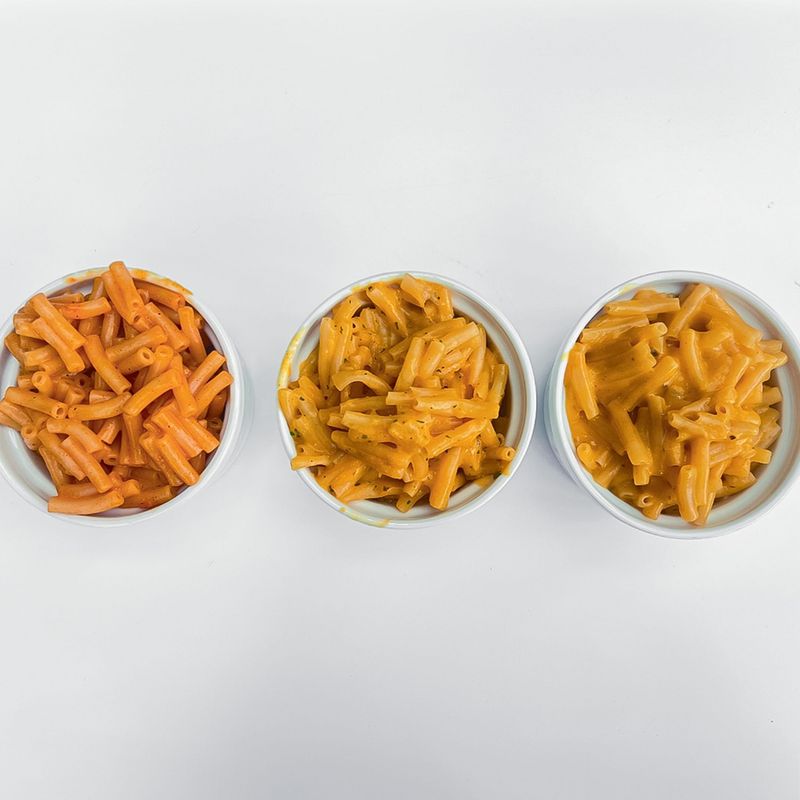
The blue-box favorite is preparing for a different noodle assignment. According to the supplied reporting, Kraft Mac & Cheese Cheesy Ramen will bring the brand’s signature cheese flavor into instant ramen.
That makes the announcement more than another shape of macaroni. The company describes it as the brand’s first move into a new food category in nearly two decades.
For shoppers, the useful distinction is simple: familiar branding does not mean an identical eating experience. Ramen noodles and macaroni serve different roles, so expectations should leave room for something new.
The announced product combines cheese flavor with savory ramen varieties. However, the information provided does not establish exactly how thick, soupy, or creamy the finished bowls will be.
That detail matters when deciding whether this sounds like lunch or a side dish. Check the preparation directions and serving information before assuming it works like boxed macaroni and cheese.
I find the crossover interesting because neither half needs much explanation. Cheese and instant noodles already belong in many home kitchens, even when they usually occupy separate shelves.
Still, an appealing idea is not the same as a tested recommendation. Without tasting the finished product, nobody should promise a perfect balance, a particular texture, or a new household favorite.
Approach the launch as a chance to try a different version of something familiar. Start with one bowl rather than stocking an entire shelf before you know your preference.
Keep the name in mind when searching for updates, too. Kraft Mac & Cheese Cheesy Ramen is the announced product, not simply any ramen recipe containing shredded cheese.
The most useful promise here is convenience paired with a recognizable flavor direction. Whether that combination earns a regular spot in your cupboard will depend on the finished bowl itself.
Three Flavors Give the Cheese Different Company
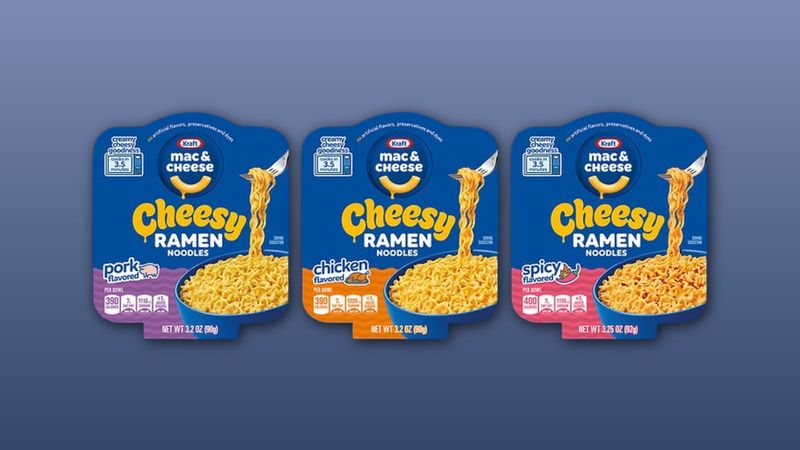
Spicy, Chicken, and Pork make up the announced starting lineup. Each gives shoppers a different direction while keeping Kraft’s signature cheese flavor at the center of the concept.
Those names help narrow your first choice without requiring a complicated flavor map. Someone who usually chooses chicken ramen may naturally start there before considering the other two options.
The Spicy variety raises an obvious question about heat. The supplied information does not give a reliable heat scale, so avoid treating the name as a precise warning or guarantee.
If strong heat isn’t your thing, wait for clearer package information before choosing. Cheese flavor alone cannot tell you how mild or bold the finished product will taste.
Chicken and Pork also deserve a careful reading of their labels. Flavor names do not establish whether a bowl contains meat pieces, meat-based ingredients, or any particular amount of either.
That distinction matters for dietary needs as well as expectations. Anyone avoiding certain animal ingredients should check the complete ingredient list rather than relying on the front of the bowl.
There is no need to turn your first purchase into a three-way taste contest. Pick the variety closest to your usual preferences, then decide whether the others sound worth exploring.
For a shared household, keeping the choices separate may make comparison easier. Prepare each bowl according to its own instructions before adding toppings that could change the original flavor.
A little curiosity goes further than declaring a winner before launch. The announced names offer a useful starting point, but they cannot replace tasting the actual food.
The lineup’s appeal lies in offering options without becoming confusing. You get a spicy route and two familiar savory directions, all built around the same cheese-forward idea for shoppers to explore.
A Short Microwave Stop Is Part of the Appeal
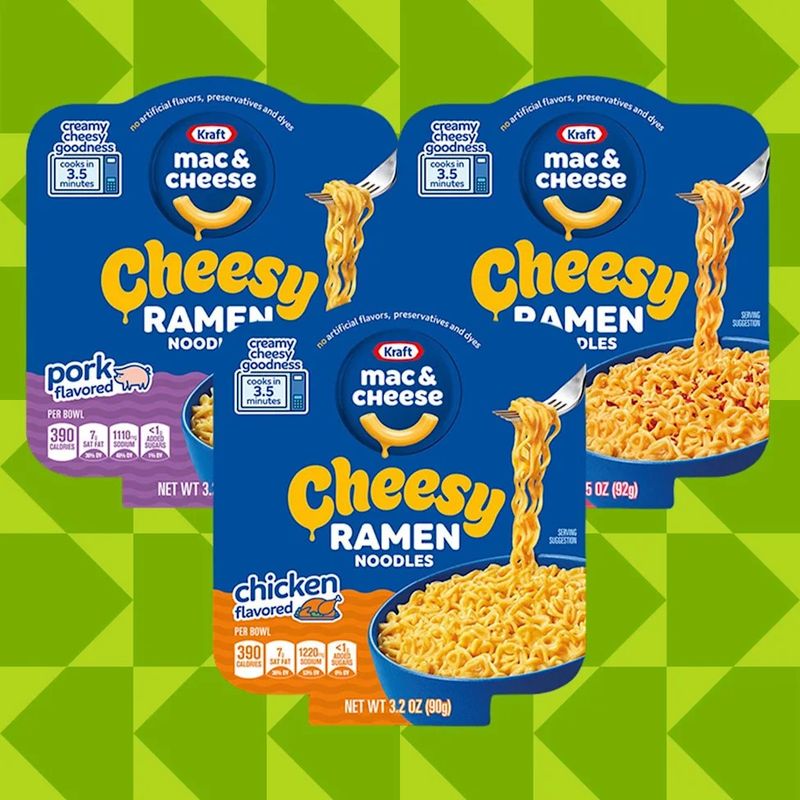
A quick lunch should not require a second lunch break to prepare. The announced single-serve bowls aim for that practical sweet spot, with preparation reported at under four minutes.
Some supplied reports put the microwave time at about three and a half minutes. Treat that as launch information, not a replacement for directions on the bowl you eventually buy.
Microwave power can affect cooking, and individual products have specific water requirements. Follow the package closely instead of borrowing instructions from another instant noodle cup sitting in your cupboard.
Before starting, check which parts of the packaging need removal. Use only the preparation method the manufacturer allows, even if a different method seems faster or more familiar.
A short cook time also does not mean the food becomes safe to handle immediately. Follow any standing instructions, and take care when opening a hot bowl or moving it.
At work, a little planning can make convenience food genuinely convenient. Check that you have access to the required water, a suitable microwave, and utensils before counting on lunch.
For students, the same idea applies to shared kitchens and common rooms. Confirm local appliance rules rather than assuming every room allows a microwave or food preparation equipment.
Resist the urge to adjust several things during your first attempt. Following the directions gives you a useful baseline before deciding whether you want toppings or a different serving arrangement.
The practical attraction is fewer preparation steps, not an excuse to skip them. A bowl designed for speed still depends on the right water level and correct handling.
If the final product delivers on its announced timing, it could fit many busy days. The best version of a quick meal is one you can prepare confidently without unnecessary guesswork.
The Bowl Comes First, but Other Formats Are Planned
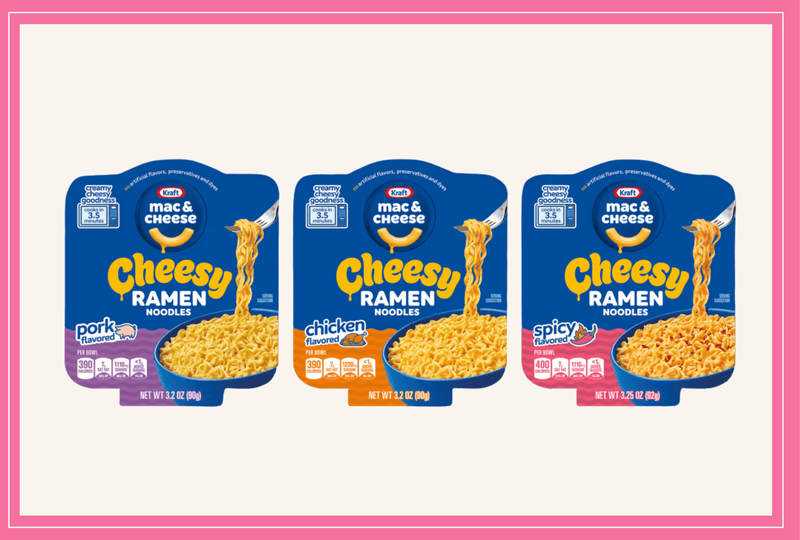
Packaging can change where a quick meal fits into your day. Kraft’s reported plan starts with single-serve microwave bowls, while other formats are expected to follow later.
The supplied coverage mentions brick multipacks and cups intended for convenience stores. Those plans suggest different ways to buy the product, not confirmed availability for every format at launch.
A microwave bowl may suit someone buying one meal at a time. Multipacks could interest households that prefer keeping several portions available, depending on the eventual package size and directions.
Do not assume those versions will all cook the same way. A noodle brick, cup, and bowl can require different preparation steps, even when they share a product name.
Storage needs may differ as well, so read each package before making room. Keep food according to its label, and check package condition and dates when you purchase it.
For smaller kitchens, the physical shape of a package can be surprisingly important. A product that sounds convenient still needs to fit your cupboard and your available cooking setup.
The planned convenience-store cups are another detail worth keeping in perspective. Their mention does not identify particular chains, locations, or a guaranteed date when they will appear.
Buying a larger pack also makes more sense after trying the food. Familiar branding can encourage a big first purchase, but your own preference remains the most useful guide.
Watch for format names when comparing future announcements or store listings. A photo of one package should not become evidence that every planned version is already on sale.
The broader idea is flexibility, with different packages serving different routines. Until the rollout becomes clearer, the single-serve bowl is the announced starting point to remember, rather than a whole shelf of choices arriving together everywhere.
Read Past the Front Label Before Calling It Lunch
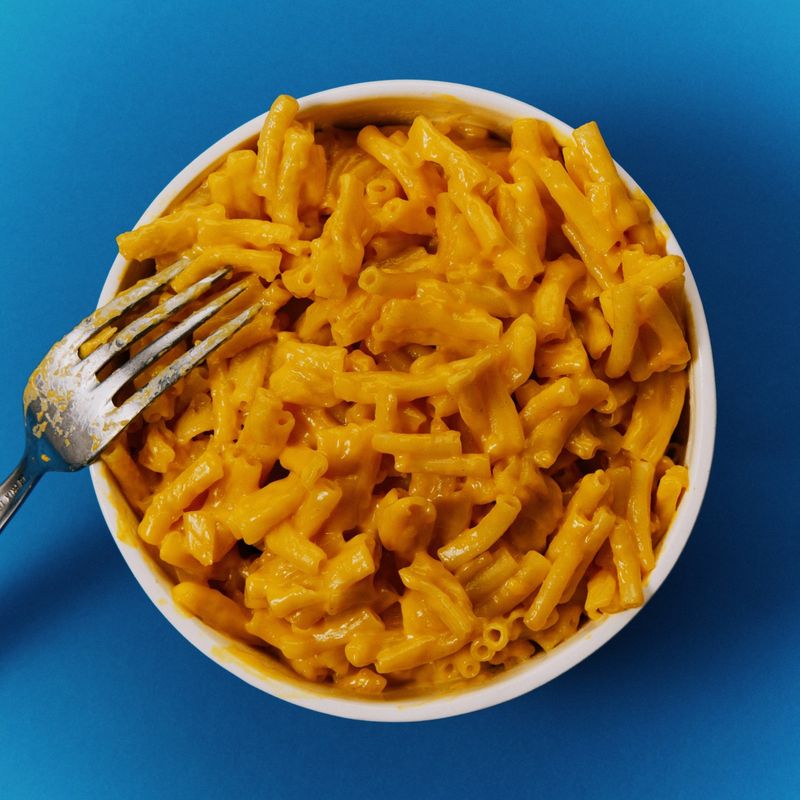
Nine grams of protein is one of the announced nutrition details. The supplied reporting also says the ramen will contain no artificial flavors, preservatives, or dyes.
Those statements tell you something useful, but they do not describe the entire meal. Calories, sodium, serving size, and the complete ingredient list still deserve attention when packaging becomes available.
A short front-label claim cannot answer every dietary question. Read the Nutrition Facts panel and ingredient statement together rather than letting one appealing number make the decision for you.
Protein can help you compare products, provided you compare equal serving sizes. Check whether the listed amount refers to the whole container or a smaller portion before drawing conclusions.
Sodium deserves a look whenever you evaluate a packaged noodle meal. The supplied information does not provide a confirmed sodium figure, so there is no basis for calling this option low-sodium.
The same caution applies to allergies and food restrictions. A cheese-themed product makes milk an obvious concern to investigate, but the finished label must guide any actual purchasing decision.
Do not assume that a missing artificial ingredient makes a food suitable for everyone. Dietary needs vary, and broad marketing phrases cannot replace clear ingredient and allergen information.
If you want a more varied lunch, consider what you eat alongside the bowl. Vegetables or another suitable food can add variety without requiring the noodles to meet every need.
Keep additions separate from claims about the original product, however. A homemade topping changes your meal, not the nutrition information printed on the unopened package at the store.
The sensible approach is neither suspicion nor automatic approval. Use the announced details as a starting point, then let the final label tell you how the bowl fits your everyday meals and personal needs.
A Home-Kitchen Shortcut Helped Inspire the Idea
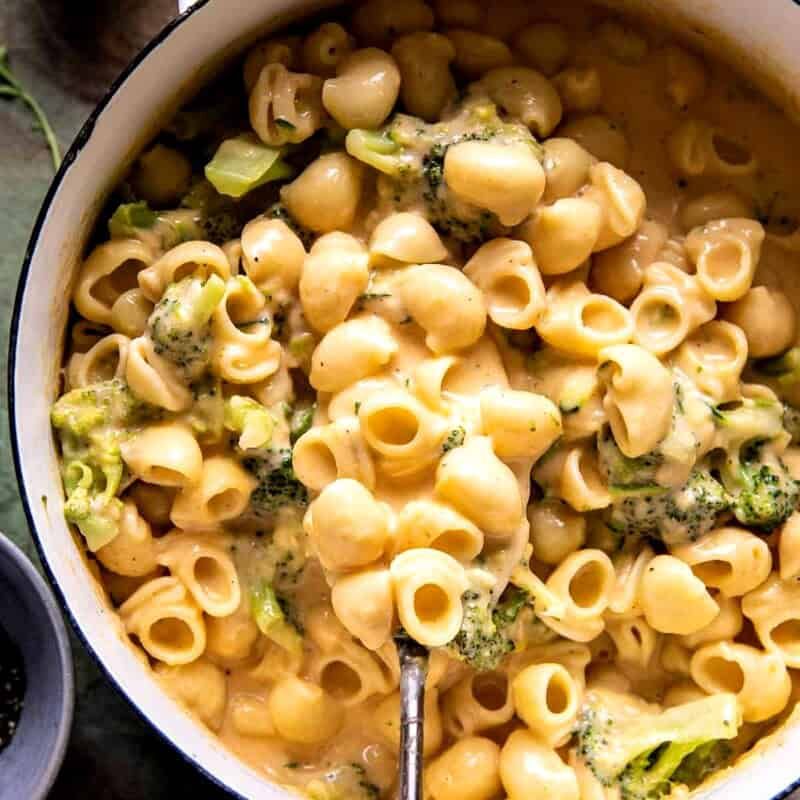
Sometimes the interesting product idea is already happening in somebody’s kitchen. Kraft Heinz says people adding cheese to ramen helped inspire its move into the category.
That connection gives the announcement a clear starting point. Instead of asking shoppers to understand an unfamiliar pairing, the company is building a packaged version around an existing habit.
There is an important difference between inspiration and an identical result. Homemade cheese ramen varies with the noodles, seasonings, cheese, water level, and cooking method each person chooses.
The announced bowls will follow their own recipe and preparation directions. Your favorite homemade combination therefore cannot tell you exactly what Kraft Mac & Cheese Cheesy Ramen will taste like.
For anyone curious about the general pairing, a home experiment can still be useful. Prepare your usual noodles safely, then try a small amount of cheese according to your preferences.
Keep that experiment modest if you are unsure about the combination. A small portion lets you explore the idea without committing an entire meal to something unfamiliar.
Remember that adding cheese also changes the nutrition of your homemade bowl. Check the foods you use, especially if sodium, milk ingredients, or portion size matter to you.
The fun part is seeing an informal kitchen choice become a commercial product. It shows how everyday cooking habits can help shape what companies decide to put on shelves.
Still, popularity does not make a pairing universal. You can enjoy ramen and macaroni and cheese separately without needing their flavors to share a bowl, and that is perfectly reasonable.
For curious eaters, the launch offers a ready-made route into the combination. For dedicated home tinkerers, it offers something different to compare with their own version when the product eventually becomes available to buy.
The Ramen Aisle Gives Kraft Room to Experiment
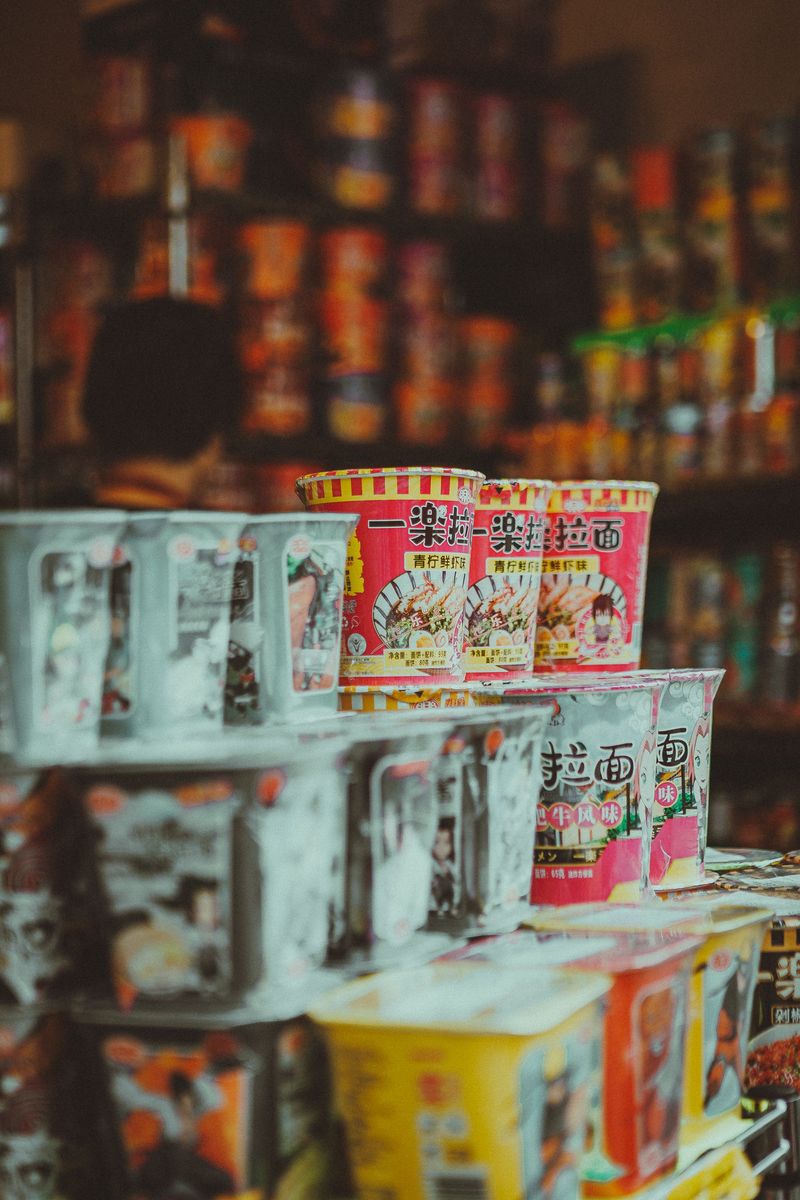
Ramen gives an established cheese brand a different place to compete. The supplied business coverage describes a growing U.S. category, with particular interest in cheese-flavored noodle products.
Reported figures put that market at roughly $2.7 billion, with annual growth around nine percent. Those numbers provide business context, but they should remain tied to the reporting’s measurement period.
The same coverage says the cheesy ramen segment doubled over three years. That helps explain the company’s interest without proving that every shopper wants cheese added to their noodles.
For readers, the useful takeaway is less about market size than product choice. Companies often explore a growing category because they see room to reach people in a different setting.
Kraft Mac & Cheese Cheesy Ramen follows that logic by moving beyond its usual noodle format. The brand brings recognition, while the ramen aisle presents a different group of competing meals.
Recognition can help a new product get attention, but it cannot settle the comparison. Shoppers will still weigh flavor preferences, package size, preparation needs, ingredients, and value for themselves.
The coverage also links interest in bold flavors with younger consumers. Avoid turning that into a rule about age, because curiosity about a cheese-and-noodle mashup has no fixed birthday requirement.
You do not need to follow food trends to find the announcement useful. A new shelf option can simply mean another possible lunch, snack, or pantry backup to consider.
Keep market claims separate from personal recommendations when reading launch coverage. Strong category sales describe purchasing patterns, not whether a particular bowl suits your own tastes or dietary needs.
The business story explains why Kraft is making the move. The everyday story remains much smaller and more practical: another product may soon join the options you compare during an ordinary grocery trip.
A Familiar Brand Still Has Something to Prove
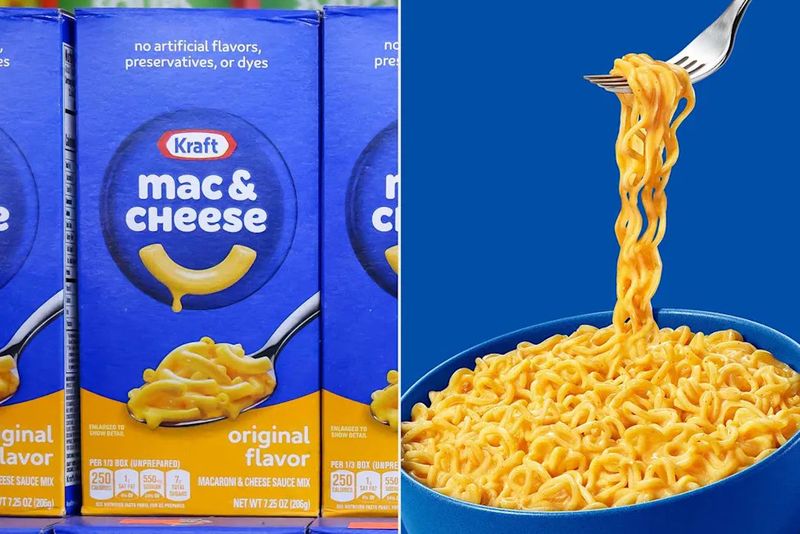
A recognizable name can open the conversation, but dinner still has to work. Kraft’s move into ramen asks shoppers to follow a familiar flavor into a different product category.
The supplied coverage places the launch within a broader Kraft Heinz growth effort. It also describes a substantial company investment aimed at strengthening core brands and developing new opportunities.
That corporate background helps explain the scale of the ambition. It does not mean every investment dollar goes toward ramen, or that the product’s success is already settled.
For shoppers, the better question is what the brand connection actually offers. Familiarity may make the product easier to understand, especially for people who already enjoy Kraft’s cheese flavor.
However, expectations can become a little too specific when a well-known name appears. Ramen does not need to behave like macaroni, and a different format may bring different preparation needs.
Try to judge the finished food on its own terms. Ask whether you enjoy the flavor, find the instructions manageable, and feel the portion fits your intended eating occasion.
A simple first tasting can keep that judgment clear. Prepare one bowl as directed before changing it with extra seasonings, cheese, vegetables, or other additions from your kitchen.
If you later customize it, make one change at a time. That approach helps you understand what you actually prefer instead of creating a complicated meal with no clear baseline.
Brand loyalty is welcome at the table, but it need not make every decision. You can like a company’s familiar product while deciding a new version belongs in someone else’s cupboard.
The encouraging part is the willingness to try a different direction. Kraft Mac & Cheese Cheesy Ramen will ultimately need to earn repeat purchases through the bowl itself, not simply through the familiar name printed outside.
Keep Early 2027 on Your Radar, Not Your Grocery List Yet
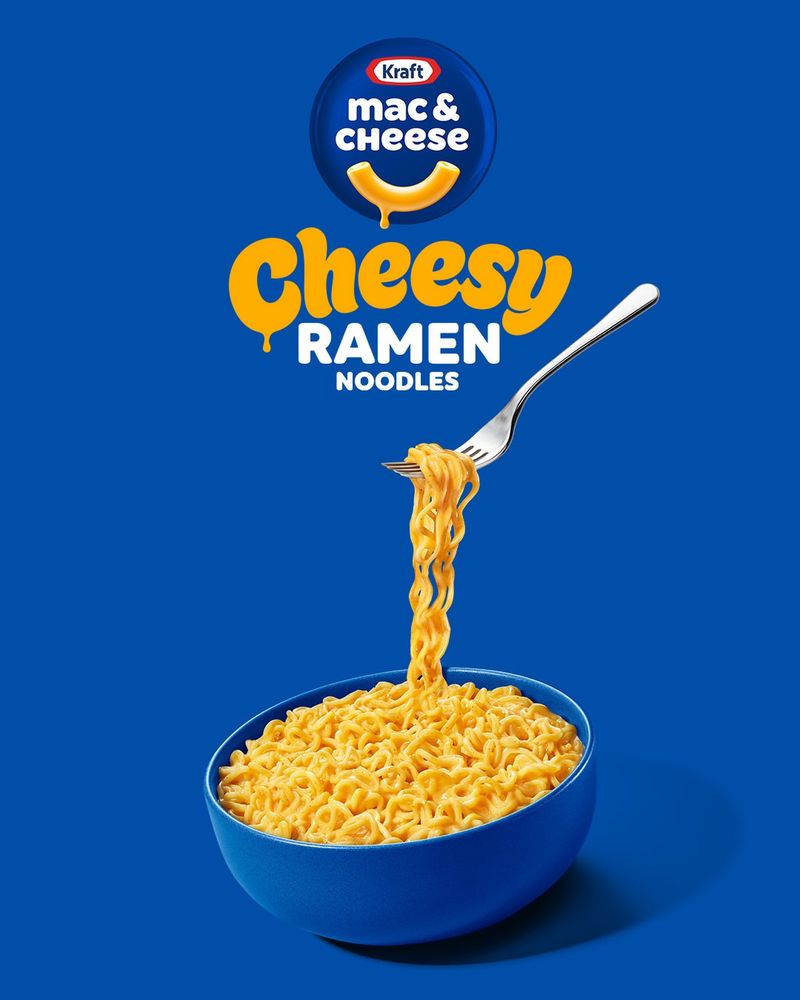
Patience belongs on the shopping list before the noodles do. The supplied reporting places the planned nationwide launch in early 2027, with some accounts naming April as the expected month.
That wording matters because a planned release is not confirmed shelf availability. Without a fresh store listing or company update, it would be premature to promise where you can buy it.
Distribution can also unfold differently across retailers and regions. A nationwide plan does not necessarily mean every nearby store receives every flavor on exactly the same day.
For the clearest updates, check Kraft Mac & Cheese’s official social accounts. The supplied coverage specifically points to Instagram and TikTok for possible news about early tasting opportunities.
Early access should remain a possibility rather than a guaranteed offer. Wait for actual terms before assuming a sample, promotion, or special purchase opportunity will be available to you.
When an announcement appears, read it beyond the headline or picture. Look for eligible locations, timing, available quantities, and any conditions that affect how the offer works.
Be careful with third-party listings that appear before a broad retail launch. Check the seller and product details rather than treating an unfamiliar page as proof of official availability.
You can also ask your usual grocer about future stocking once the release approaches. Store staff may not have advance information, so avoid building plans around an unconfirmed answer.
For now, the useful facts are the announced flavors, bowl format, and expected release window. Exact store placement and final package details deserve another check closer to the launch.
The cheese-and-ramen idea has plenty of room to spark curiosity without rushing the calendar. When the bowls arrive, start with the flavor that sounds best and let your own lunch deliver the final verdict.
Share this story