Scratch-made buttermilk biscuits go into the oven every 15 minutes at a Southern breakfast chain that gives biscuit making its own window. That is a pretty strong reason to pay attention before you even start reading the menu.
The family-owned business has roots in North Carolina, and its biscuit sandwiches share menu space with grits, pancakes, and breakfast platters. I like how the kitchen’s main job stays clear: make biscuits from scratch and build breakfast around them, rather than treat them as an afterthought.
Many locations let you see that work through a biscuit window, giving a familiar breakfast food a little extra interest. For anyone who usually grabs breakfast without thinking much about it, that small detail raises a tempting question: what happens when the biscuit gets to be the whole point?
The Biscuit Gets Top Billing Here

Breakfast has a clear leading role at Biscuitville Fresh Southern, and the biscuit gets the best lines. The chain makes its buttermilk biscuits from scratch and bakes fresh batches every 15 minutes.
That schedule explains more about the restaurant than a long list of slogans ever could. Biscuits are the foundation of the menu, rather than a small extra beside something else.
You can start with a simple biscuit or choose a sandwich with a familiar breakfast filling. Either approach keeps the main attraction in the center of your meal.
I like the clarity of that idea, especially when a breakfast menu can otherwise feel crowded. You know which food deserves your attention before you work through all the choices.
For a first order, pick a filling you already enjoy rather than choosing only by novelty. A familiar sausage or egg combination gives you a useful starting point for understanding the menu.
Keep the baking schedule in perspective, though, because it describes the restaurant’s process rather than your individual order. It doesn’t mean you need to time your arrival around a particular minute.
Anyone with food allergies should ask about ingredients and shared preparation areas before ordering. A biscuit-focused kitchen still handles several foods, so a short conversation matters more than a menu guess.
The appeal is easy to grasp without making breakfast into a complicated project or a special occasion. Choose your sandwich, decide whether you need a side, and let the biscuit have its moment.
That focus also makes the chain easy to explain to someone who has never heard its name. Breakfast revolves around one food, with enough variations to give different eaters a place to begin.
Simple does not have to mean forgettable when the central idea is this clear. Here, the biscuit isn’t waiting politely at the edge of the plate.
A Window Makes the Kitchen Part of Breakfast
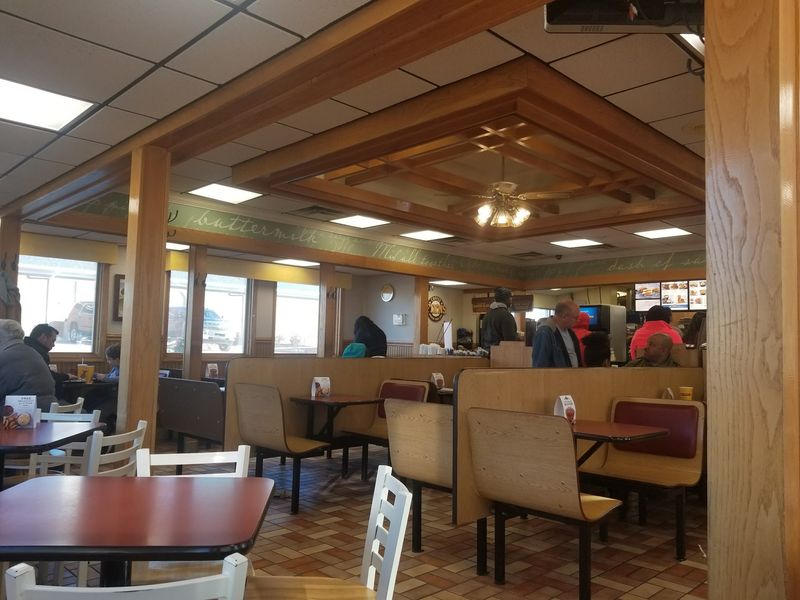
A biscuit window gives you something more interesting to look at than another breakfast advertisement. Many Biscuitville locations include a viewing window where you can watch biscuits being made from scratch.
The feature connects the food on the menu with the work behind it. Instead of leaving preparation entirely out of sight, the restaurant makes that process part of its identity.
For a first visit, check whether your chosen restaurant has a biscuit window before making it your main reason to stop. The feature appears at many locations, not necessarily every restaurant in the chain.
Children who enjoy cooking may find the idea especially engaging, without needing a formal activity. An adult can explain that dough becomes the biscuits used in the sandwiches on the menu.
Keep expectations simple, because a working kitchen follows its own tasks rather than a visitor’s schedule. The window is a view into food preparation, not a timed show with a promised demonstration.
There’s also a useful difference between seeing a process and knowing every ingredient in a recipe. Ask staff directly about food needs instead of trying to work them out through the glass.
I appreciate a restaurant feature that supports the central food rather than distracting from it. A biscuit window makes sense here because biscuit making is the business, not a decorative side story.
If you stop inside, leave space for other guests and follow any posted directions around the viewing area. You can enjoy the detail without turning a quick breakfast into a kitchen inspection.
Take a moment to notice the work if it is visible during your stop. Then connect that process with the biscuit you choose, rather than expecting an elaborate presentation.
That small link between preparation and plate gives the restaurant a clear personality. The window earns its place by showing what the name already promises.
Your First Sandwich Can Stay Comfortably Familiar

Choosing breakfast gets easier when you begin with a filling you already know you enjoy. Biscuitville’s menu includes familiar choices such as sausage, country ham, and bacon, egg and cheese biscuits.
Those options give a newcomer several clear ways into a biscuit-centered meal without requiring a long explanation. You can focus on the main filling before considering any extras or sides.
A bacon, egg and cheese biscuit combines several standard breakfast ingredients in one sandwich. Sausage offers another straightforward starting point, while country ham gives you a different meat choice to consider.
Read the full item description rather than assuming every sandwich includes egg or cheese. Similar names can describe different combinations, and the menu is more useful than a quick guess.
If you prefer a smaller ingredient list, ask which available biscuit best matches that preference. Staff can explain the choices without making you decode every sandwich while standing at the counter.
For a group, let each person choose their own main filling before discussing shared extras. That keeps the order organized and avoids treating everyone’s breakfast preferences as one large puzzle.
Nutrition information can help when you want to compare choices beyond their names. Look at the complete order, including drinks and sides, rather than judging breakfast by its sandwich alone.
There is no prize for ordering the most elaborate option on your first visit. A familiar combination can tell you plenty about how the restaurant builds its core breakfast menu.
You can always choose a different filling on another occasion if one catches your attention. Starting simply leaves room to learn your preferences without adding several new variables at once.
The practical goal is a breakfast that suits you, not a perfect strategy for ordering. Let the biscuit be the constant, and make the filling the part you choose.
Chicken Gives the Biscuit Another Direction
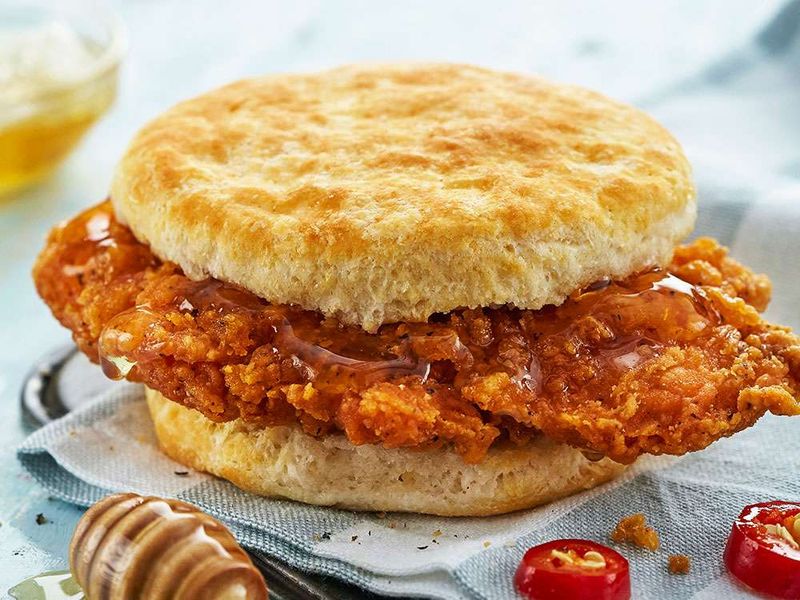
Not every biscuit sandwich needs to follow the egg-and-cheese route to make sense at breakfast. Biscuitville also lists chicken choices, including fried chicken and a spicy chicken and honey biscuit.
That gives you a different starting point if sausage or bacon isn’t your first choice. The biscuit stays central, but the filling moves the meal toward another familiar Southern food combination.
The spicy chicken and honey option brings a named sweet element into the sandwich. Its title also signals heat, so ask questions if you prefer food without a spicy component.
A menu name cannot tell you exactly how a particular seasoning will suit your own taste. Staff can clarify the preparation, although individual ideas about heat will always differ.
For the clearest choice, compare the chicken sandwiches available at the restaurant you plan to visit. Do not assume that every featured item or promotion appears at every location indefinitely.
You should also avoid treating a chicken biscuit as automatically lighter than another breakfast sandwich. Preparation and added ingredients matter, so use nutrition information when that comparison is important to you.
Anyone managing an allergy should ask about both the chicken preparation and the biscuit itself. Sauces, coatings, and shared equipment can matter just as much as the main ingredient.
There is something appealingly direct about choosing between classic breakfast fillings and chicken without changing restaurants. A group can take different routes through the same menu and still keep ordering fairly simple.
I would treat this part of the menu as a change of pace, not a required upgrade. The right choice depends on what sounds good to you that morning.
A biscuit can carry more than one kind of breakfast, and these choices make that clear. You get another direction to explore without leaving the chain’s main idea behind.
A Fork Has Plenty to Do, Too
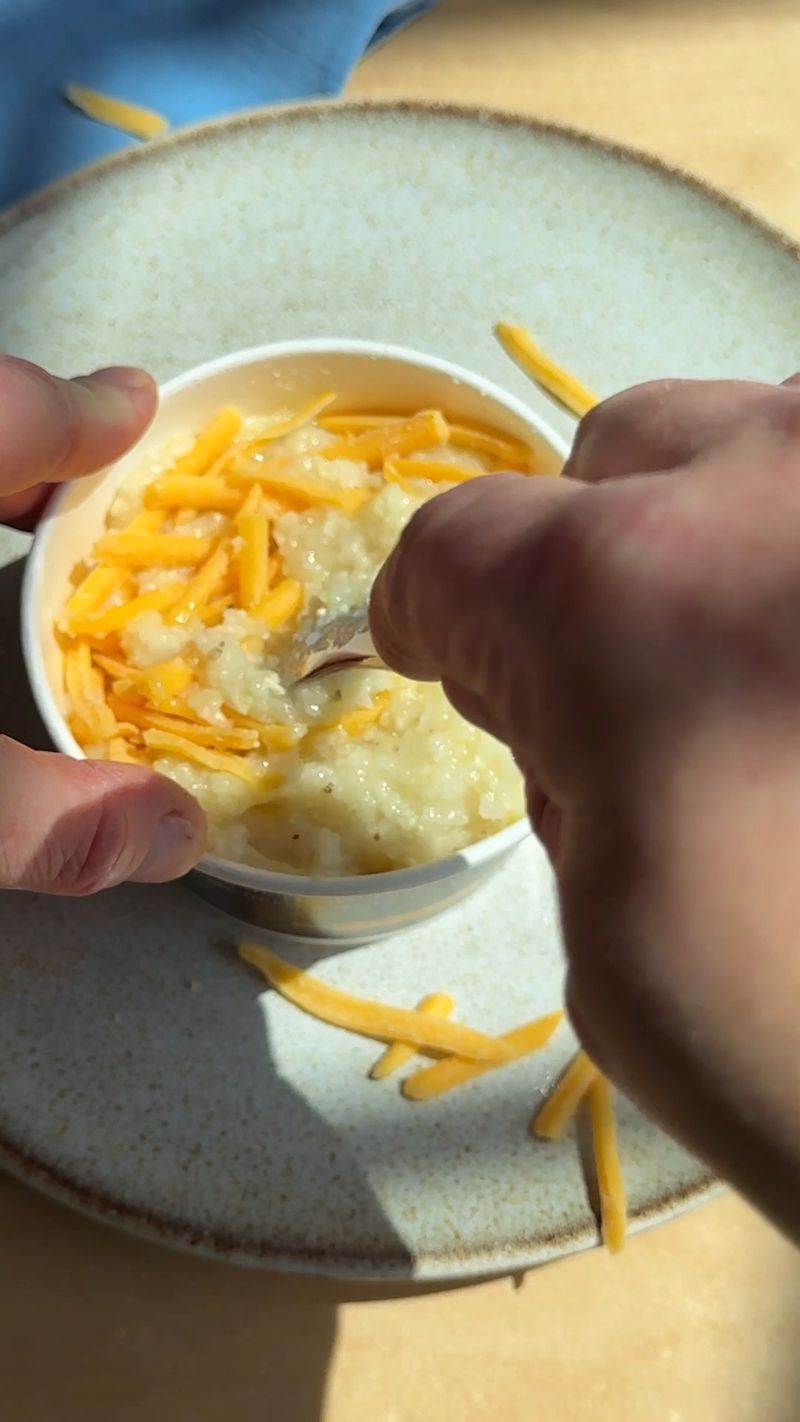
Prefer breakfast on a plate instead of holding the whole meal in your hand? Biscuitville’s broader menu includes breakfast platters, pancakes, grits, hash browns, country fries, and sausage gravy.
Those choices matter when your group includes someone who doesn’t want a biscuit sandwich. They also let you build a meal around a different breakfast habit without changing the destination.
Check the listed contents of a platter before adding separate sides to your order. You may already have the combination you want, and a quick look can prevent unnecessary doubling.
Grits offer one direction, while potato sides offer another way to round out breakfast. Choose based on your preference rather than feeling that a complete meal requires every available category.
Pancakes give the menu an option for someone who wants to move away from sandwiches altogether. Ask about the serving and included accompaniments instead of assuming they match another restaurant’s version.
Sausage gravy deserves the same attention to ingredients as any other part of the meal. Its name provides a starting point, but questions about dietary needs still belong with restaurant staff.
For children, begin with foods they recognize and check the available ordering options at that location. You don’t need to make breakfast an experiment just because the restaurant is new to them.
When several people order different styles of breakfast, keep track of which sides belong to which meals. That little bit of organization helps more than a last-minute discussion over the pickup bags.
The useful surprise is how much room the menu leaves around its signature food. Biscuitville can keep biscuits at the center without asking every diner to order exactly the same way.
A fork-friendly breakfast is still part of the picture, even under a biscuit-focused name. Order the format you enjoy, and let the menu do its job.
The Ingredient Story Reaches Beyond the Kitchen

The chain describes its sourcing approach as farm to drive-thru, which puts ingredients into the larger story. Biscuitville emphasizes relationships with local and regional suppliers rather than discussing only finished sandwiches.
Its supplier examples include eggs from Monroe, North Carolina, and flour milled in Newton, North Carolina. Those connections give the breakfast menu a link to businesses beyond the restaurant kitchen.
The flour supplier is described as a fifth-generation family-owned mill, adding another family business to the picture. You don’t need to know milling history to understand why a biscuit chain discusses flour.
Flour is central to the product that gives the restaurant its name and main purpose. Talking about its source helps explain where the chain chooses to place some of its attention.
Restaurants also display information about many suppliers, giving interested diners another detail to explore during a stop. Look for that material if the origins of your food influence where you eat.
Keep the meaning of regional sourcing clear, because it does not mean every ingredient comes from nearby. Different foods have different supply chains, and a broad phrase cannot explain them all.
Likewise, a sourcing statement should not replace a specific question about an ingredient or dietary restriction. Ask directly when the answer affects your health or determines what you can order.
I like this part of the story because it makes an everyday meal easier to connect with actual places. Eggs and flour stop being background words and become part of the restaurant’s identity.
You can appreciate those connections without turning a breakfast stop into a lesson about agriculture. One sign or one supplier detail may be enough to add some useful context.
The biscuit remains the main attraction, but it starts with ingredients brought through the kitchen door. Knowing a little about those ingredients makes that simple fact more interesting.
Pizza Took a Turn Toward Biscuits
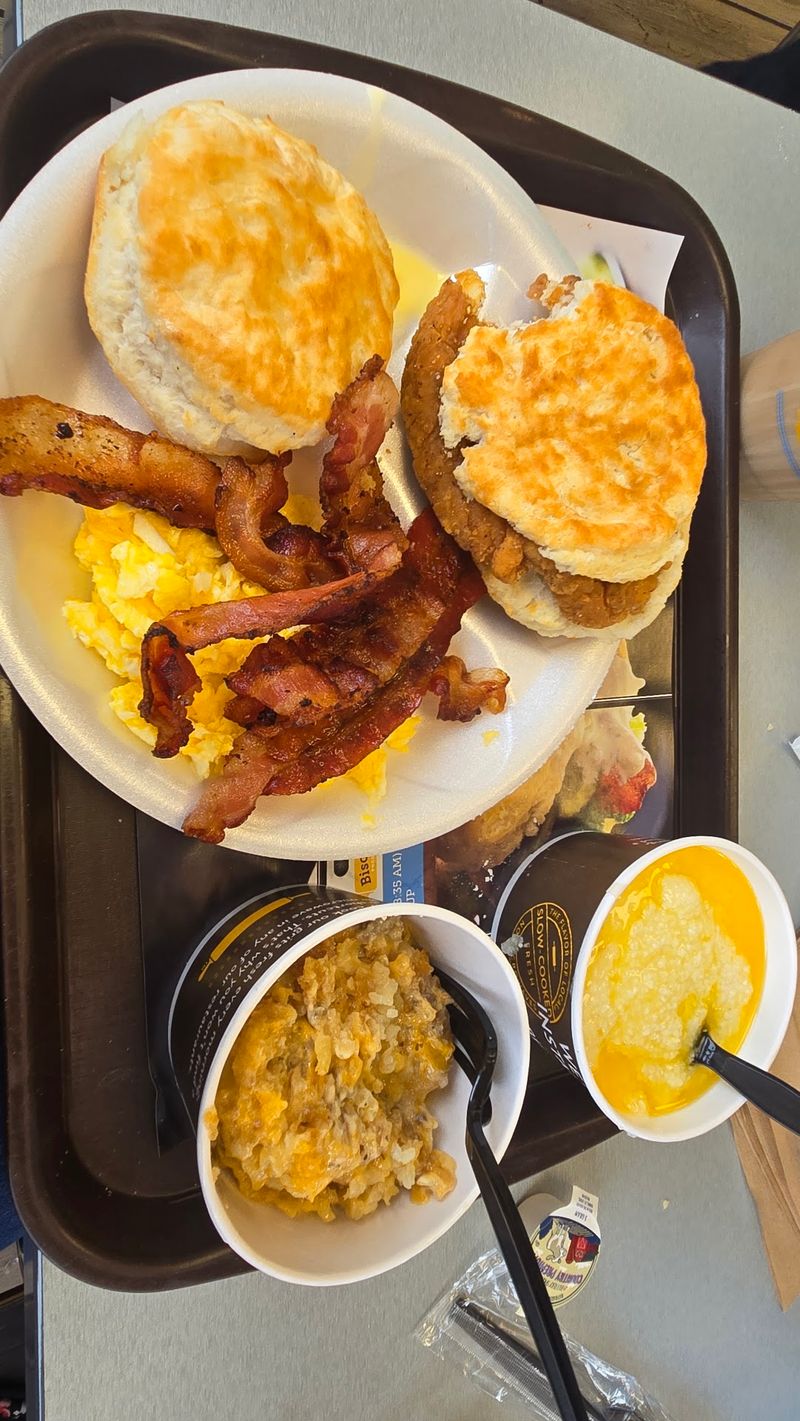
Pizza belongs in this breakfast story, even if it isn’t what brings you to the menu today. Founder Maurice Jennings began with two bread stores in Burlington, North Carolina, in 1966.
The original business was called Mountainbrook Fresh Bread & Milk before the next stage arrived. In 1967, it became Pizzaville, selling pizza and bread rather than building its identity entirely around breakfast.
The first dedicated Biscuitville restaurant opened in Danville, Virginia, in 1975, marking the turn toward biscuits. That sequence makes the company’s name feel less like an obvious starting point and more like a decision.
A business built around bread had found a different way to put baking at its center. You can follow the change without needing a complicated account of every step along the way.
Family ownership also runs through the company’s history, with Maurice’s son Burney later taking a leadership role. Burney Jennings became chief executive in 1996, continuing that connection across another generation.
The company adopted the Biscuitville Fresh Southern name and a refreshed identity in 2014. That fuller name links the familiar biscuit focus with the regional food approach the company emphasizes.
For a newcomer, these dates explain why the chain can feel rooted in more than one Southern state. North Carolina holds its beginnings, while Virginia holds the first restaurant devoted to the Biscuitville name.
You don’t need to memorize the timeline to appreciate the useful twist in the story. A company associated with breakfast biscuits did not begin as a restaurant devoted only to biscuits.
That makes the history more interesting than a simple tale of starting with a finished idea. The business changed direction before arriving at the food that now defines it.
Today’s breakfast menu is the clearest result of that choice, even without a history lesson beside your plate. Pizza had its chapter, but biscuits got the title.
Breakfast Runs on an Early Clock

A breakfast plan works better when you remember that this chain finishes its day early. Biscuitville generally operates from 5 a.m. to 2 p.m., keeping its focus on breakfast and lunch.
Check the hours of your chosen restaurant before leaving, especially around holidays or unusual schedules. A chain-wide pattern is helpful, but the location’s own information should guide your actual trip.
The early closing approach dates to 1982, giving it a place in the company’s longer story. It isn’t simply a recent detail attached to one branch or one temporary menu.
For you, the practical result is straightforward: plan the stop during the first part of the day. This isn’t a destination to save for dinner after everything else on your schedule.
If you are traveling, compare the restaurant’s hours with your expected arrival rather than your departure time. A breakfast idea can lose its usefulness when the drive takes longer than planned.
Do not assume a particular wait time just because you arrive early or choose a quieter-looking road. Build whatever flexibility your schedule needs without relying on guesses about service speed.
Online and mobile ordering are available at select locations, which may help you organize a stop. Check that your chosen restaurant supports the option before planning around it.
Look over the selected location, pickup instructions, and order details before confirming anything through a digital service. Small checks are especially useful when several nearby restaurants share the same brand name.
I find the early schedule helpful as a planning detail because it removes one possible misunderstanding. You know breakfast belongs near the beginning of your day, not at its far end.
The biscuit may be the attraction, but the clock still gets a vote in your plans. Give both a little attention, and the stop becomes much easier to arrange.
Choose a Restaurant, Not the Company Office
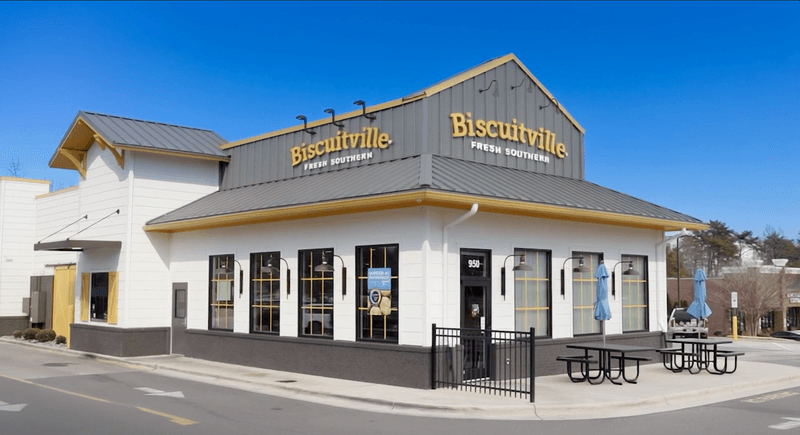
Finding the right address matters more than simply typing a company name into a map. Biscuitville operates restaurants across North Carolina, South Carolina, and Virginia, with its headquarters in Greensboro.
The corporate office is at 1414 Yanceyville Street, Suite 300, Greensboro, NC 27405, United States. That is an office address, not a recommendation for where to pick up your breakfast.
Use the restaurant locator to choose an operating dining location that fits your route. Then confirm that location’s address and hours rather than relying on a general company search result.
For a road trip, think about the stop in relation to your next stretch of driving. A location that looks nearby on a broad map may not suit your particular route.
Check the features you actually need before making your choice, including any supported ordering options. The biscuit window and digital ordering should not be treated as promises at every branch.
Groups planning food for a meeting can also look into the chain’s catering options. Ask about availability, pickup arrangements, and ordering requirements at the restaurant handling your request.
Build the order around real preferences and dietary needs rather than guessing what everyone will eat. A simple list of choices makes planning easier than one large order based on assumptions.
Restaurant networks change over time, so a remembered location is not enough for a future stop. Confirming the branch before leaving is a small step that can save unnecessary driving.
Once the practical pieces are clear, the decision gets pleasantly simple again: choose the breakfast you want. You don’t need an elaborate itinerary to appreciate a place built around a familiar food.
Biscuitville makes its strongest introduction through that focused idea, carried across its restaurants and menu. Find the right branch, check the clock, and give the biscuit your attention.
Share this story