Bread that goes straight from your freezer into the oven makes a pretty strong case for clearing a shelf. Add gluten-free loaves, rolls, pasta, and cookies to the choices, and planning dinner starts to feel a little easier.
The company behind this subscription is based in Massachusetts, but the real action happens in your kitchen. You choose gluten-free products for a recurring delivery, then keep them frozen until you’re ready to follow each package’s cooking directions.
I like the idea of keeping bread ready without planning a separate shopping trip, especially during a busy week. Still, the useful details deserve a closer look: what counts as a product, which ingredients need checking, how delivery works, and what you should understand before a recurring box earns permanent space beside your frozen vegetables.
Your Box Starts With Choices, Not a Fixed Bread List
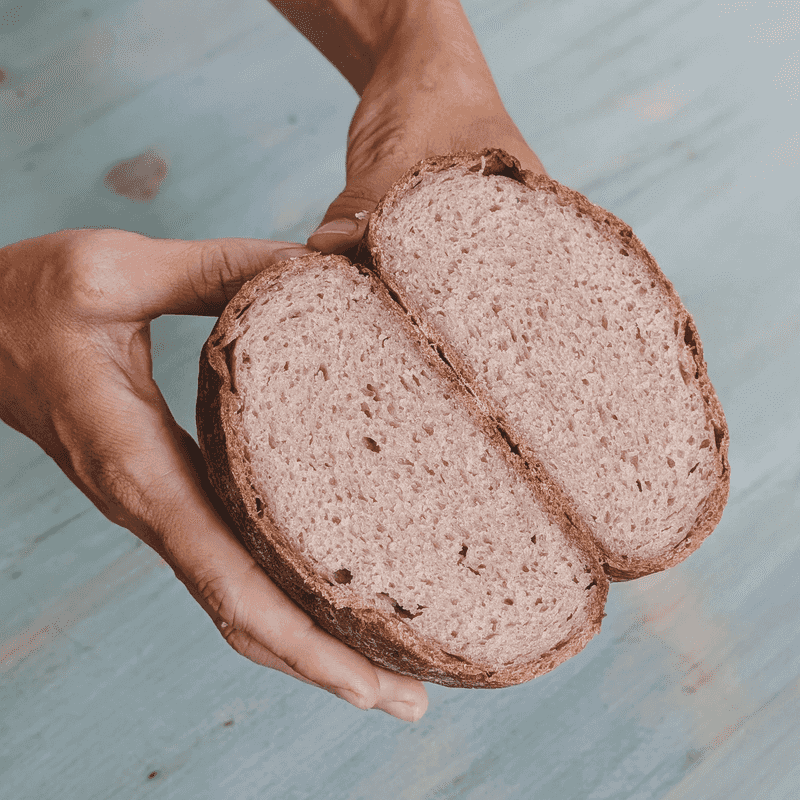
A bread box can mean more than a few loaves stacked together. Wildgrain’s Gluten-Free Bread Box offers a subscription built around choices from its gluten-free selection.
Start by selecting the gluten-free option rather than assuming every product across the company qualifies. Wildgrain also sells other foods, so the category you choose matters from the beginning.
The supplied service information describes box options containing six or twelve products. Check the selection screen carefully, because a product does not necessarily mean one individual serving.
A package of rolls and a loaf may each occupy a selection slot. Read the quantity attached to each listing before comparing how much food different combinations provide.
Customization lets you build around meals you actually make, rather than an appealing but impractical assortment. A household that eats sandwiches regularly may choose differently from someone planning occasional pasta dinners.
I would begin with a short list of familiar uses before adding treats. Think breakfast toast, a dinner side, one easy meal, and something sweet if space allows.
Available products can change, so treat examples as possibilities rather than a promised packing list. Your order summary should show the actual items scheduled for your next shipment.
Before paying, compare that summary with your freezer space and eating habits. The larger option only makes sense when you can store and use the additional packages.
Wildgrain is based in Boston, Massachusetts, but this is a home-delivery service rather than a bakery visit. Your practical starting point is the subscription setup, not a trip to a storefront.
Save a copy of your first order confirmation for an easy reference later. It helps you compare what arrived with what you selected and makes future adjustments simpler.
Loaves Give the Bread Box Its Main Attraction
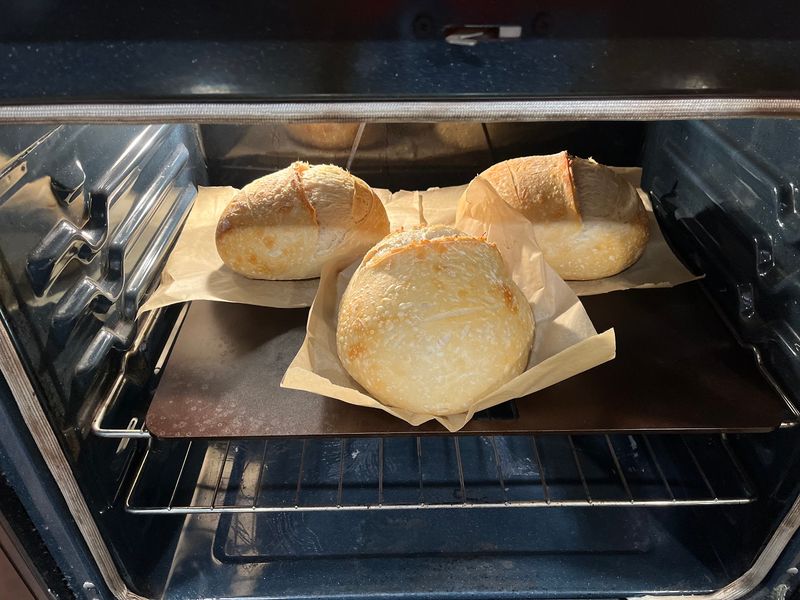
The loaf selection deserves a careful look before cookies steal your attention. Bread is likely to shape how often you reach into this box during an ordinary week.
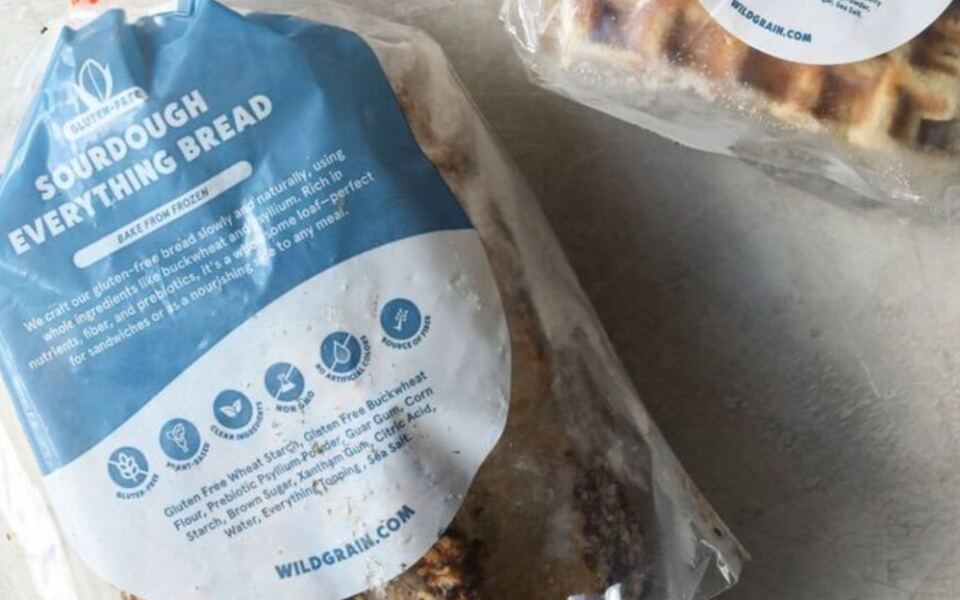
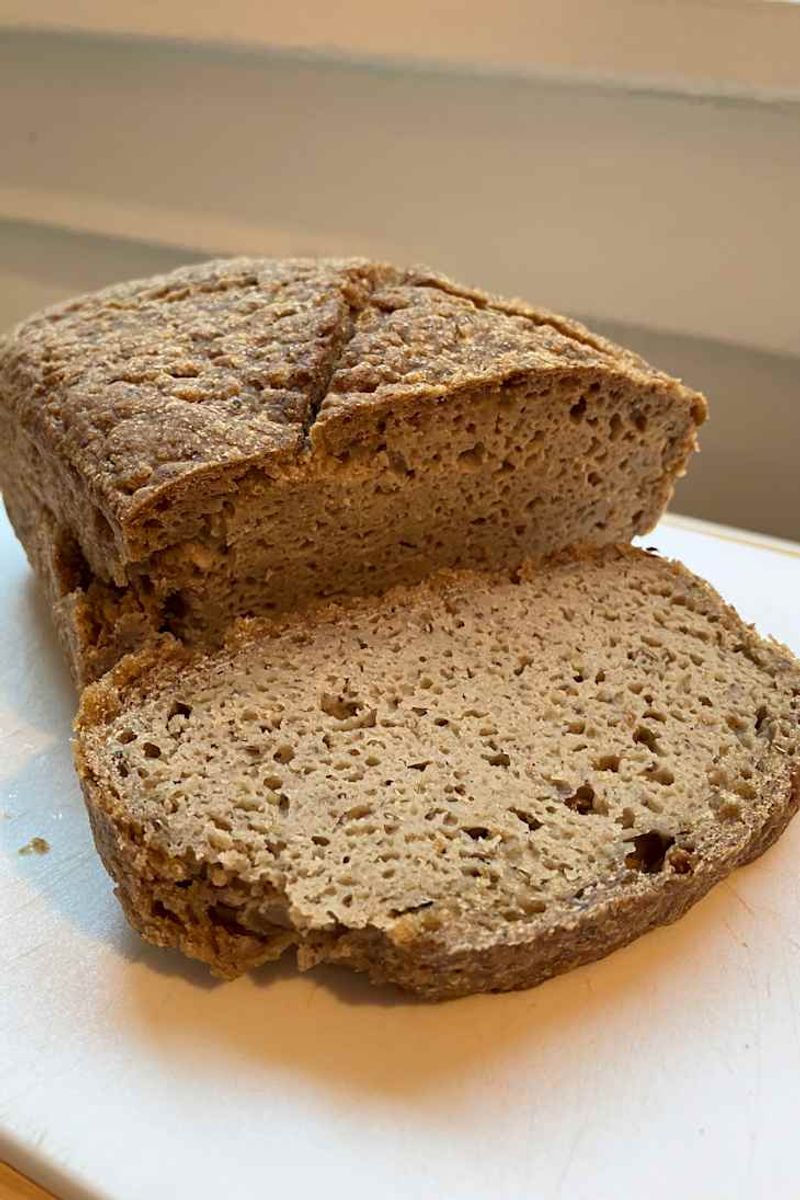
Examples supplied for the gluten-free range include a Country Loaf made with buckwheat and rice flours. Other listed possibilities include a Gluten-Free Sourdough Loaf and an Everything Loaf.
Those names identify different choices, not interchangeable recipes with identical ingredients or handling instructions. Open each product listing and read its own ingredient panel before adding it.
Some gluten-free loaves contain gluten-free wheat starch, which creates an especially important label distinction. A gluten-free claim does not automatically make a food suitable for someone with a wheat allergy.
For everyday planning, decide whether you want bread mainly for toast, sandwiches, or dinner sides. That simple choice helps you select a loaf with a clear job in your kitchen.
Check the listed package size rather than judging value from a product photograph. Photos can help identify an item, but they cannot tell you how long it will last.
Follow the loaf’s baking instructions, including any guidance about cooling before slicing. Cutting too early may affect the result, so leave time between the oven and the table.
Once baked, use the storage directions supplied for that particular bread. Do not assume that advice for a grocery-store loaf applies to every bake-from-frozen product.
A small note on your phone can help you remember which loaf suited your meals. Record the name, preparation time, and whether its package size worked for your household.
Next time, repeat a useful choice or try one different loaf alongside it. Keeping one familiar option makes the box easier to judge without turning breakfast into a full research project.
Rolls and Breakfast Picks Can Change Your Morning Routine
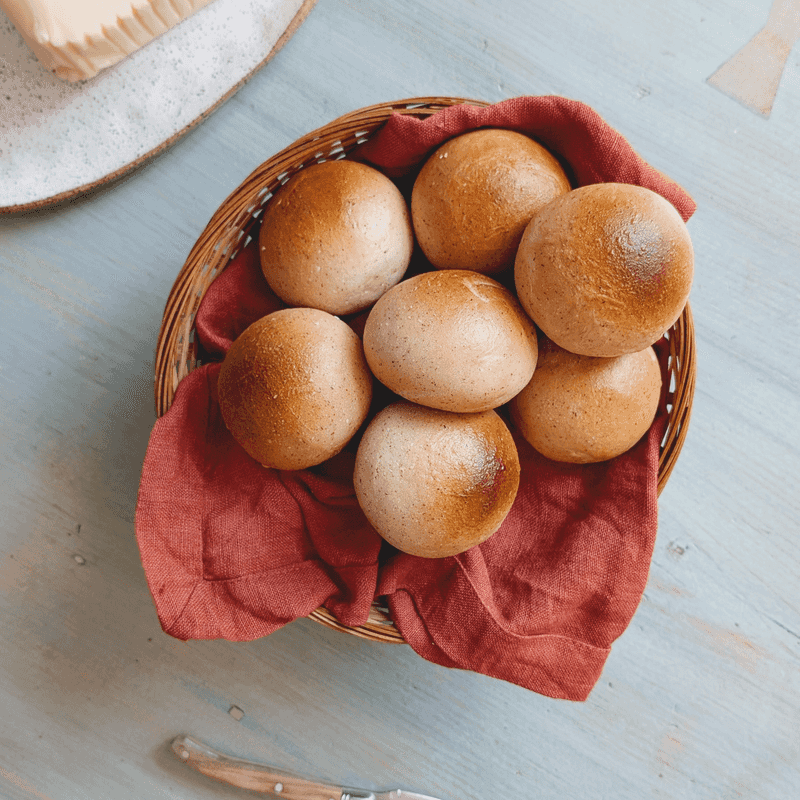
Breakfast has a habit of arriving before anyone feels ready to cook. Smaller bread options can help you plan around that daily rush without choosing another full loaf.
The supplied gluten-free selection includes Sourdough Rolls and Brioche Rolls among its examples. Bagels, sandwich rolls, focaccias, and High-Protein Maple Waffles may also appear among available choices.
Availability matters here, because these examples are not a guaranteed collection in every shipment. Build your expectations around the products shown when you customize your actual order.
Match each choice to a meal before giving it freezer space. Rolls might support dinner, while bagels or waffles could cover a breakfast you already enjoy making.
Read preparation directions separately for each item, even when several arrive together. A waffle, a roll, and a loaf should not be treated as identical cooking projects.
Also check whether a package contains the number of pieces you expect. A familiar product name does not tell you how many breakfasts or side dishes it supplies.
For a practical first box, avoid choosing several products that fill exactly the same role. A little variety can show which formats fit your routine without overwhelming your freezer.
Nutrition labels deserve attention if protein content or other dietary goals guide your breakfast choices. Product names alone cannot explain serving size, ingredients, or how a food fits your needs.
Keep breakfast additions simple while you learn the preparation schedule. Pair the finished item with foods you already keep, rather than buying an entirely separate set of ingredients.
The goal is a useful morning option, not a complicated new ritual. Once you know which package works best, you can make that choice part of your next delivery plan with much less guesswork and effort.
Pasta and Cookies May Join the Bread
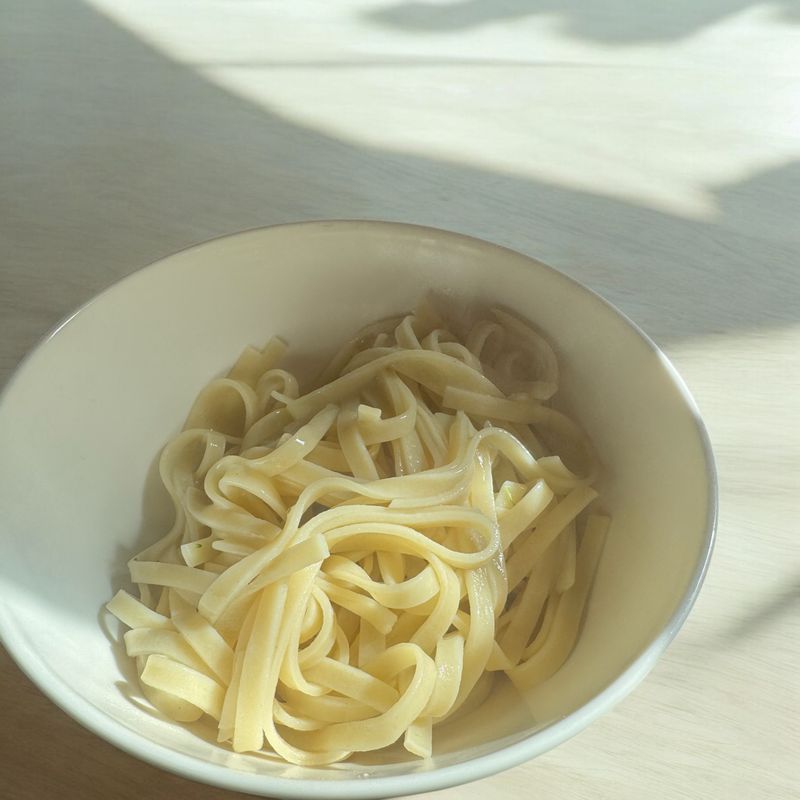
Dinner and dessert can share a delivery without sharing the same cooking instructions. Wildgrain’s wider gluten-free selection reaches beyond bread, which makes the box more flexible than its name suggests.
Gluten-Free Fresh Linguine and Gluten-Free Cheese Tortellini appear among the supplied product examples. These choices may help turn a bread-focused order into part of a planned evening meal.
Pasta still needs its own preparation method, so do not apply bread-baking directions to it. Read the package before deciding when to start sauce, vegetables, or other meal components.
Filled pasta also calls for a close look at the ingredient and allergen information. Gluten-free does not mean dairy-free, egg-free, or suitable for every dietary restriction in your household.
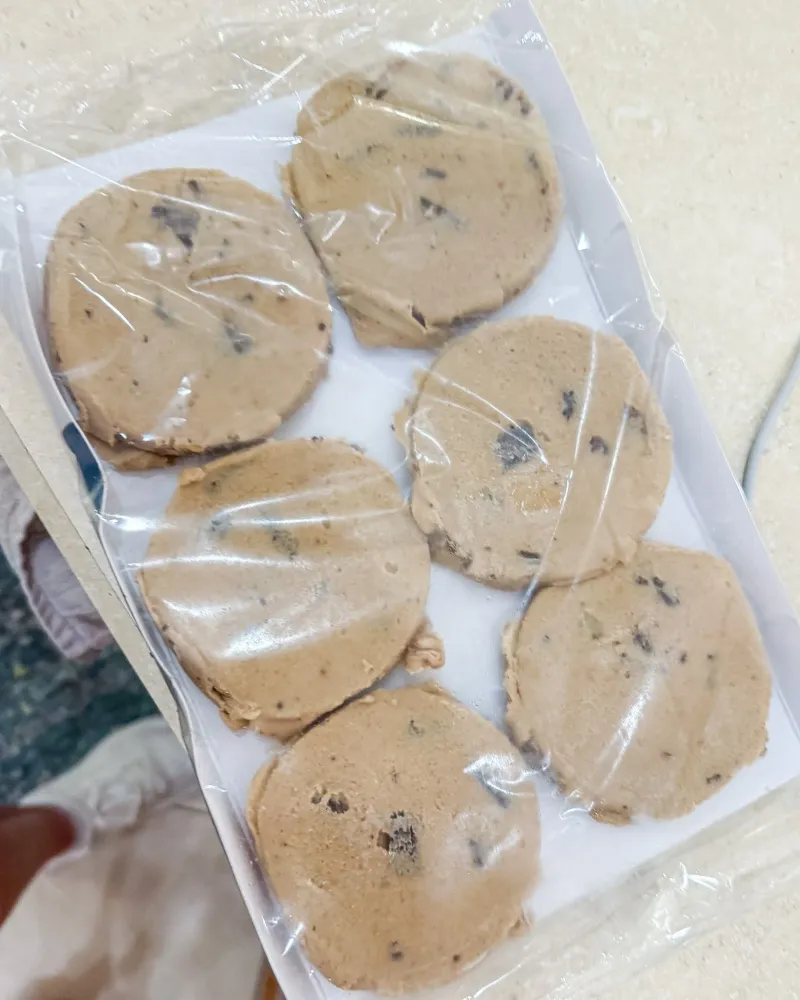
On the sweeter side, listed options include Giant Chocolate Chunk Cookies and Giant Ginger Molasses Cookies. Snickerdoodle Cookies are another example from the supplied gluten-free range.
Choose dessert because you want it, rather than because a promotion makes it sound essential. A cookie package should still fit your preferences, storage space, and planned use.
Some offers advertise free gluten-free cookies with recurring boxes under specific promotional terms. Read the eligibility rules before assuming that benefit belongs to every membership or future order.
Check whether a promotional product is added separately or appears within your selected assortment. The order summary is more useful than a broad headline when confirming what should arrive.
For a balanced first try, one pasta choice and one dessert may provide enough variety. You can learn how each fits your routine while leaving room for the bread you wanted.
Make a simple meal plan before the delivery date, then keep the preparation instructions handy. A flexible box works best when every package has a likely destination beyond the back corner of your freezer shelf.
The Gluten-Free Label Still Needs a Closer Read
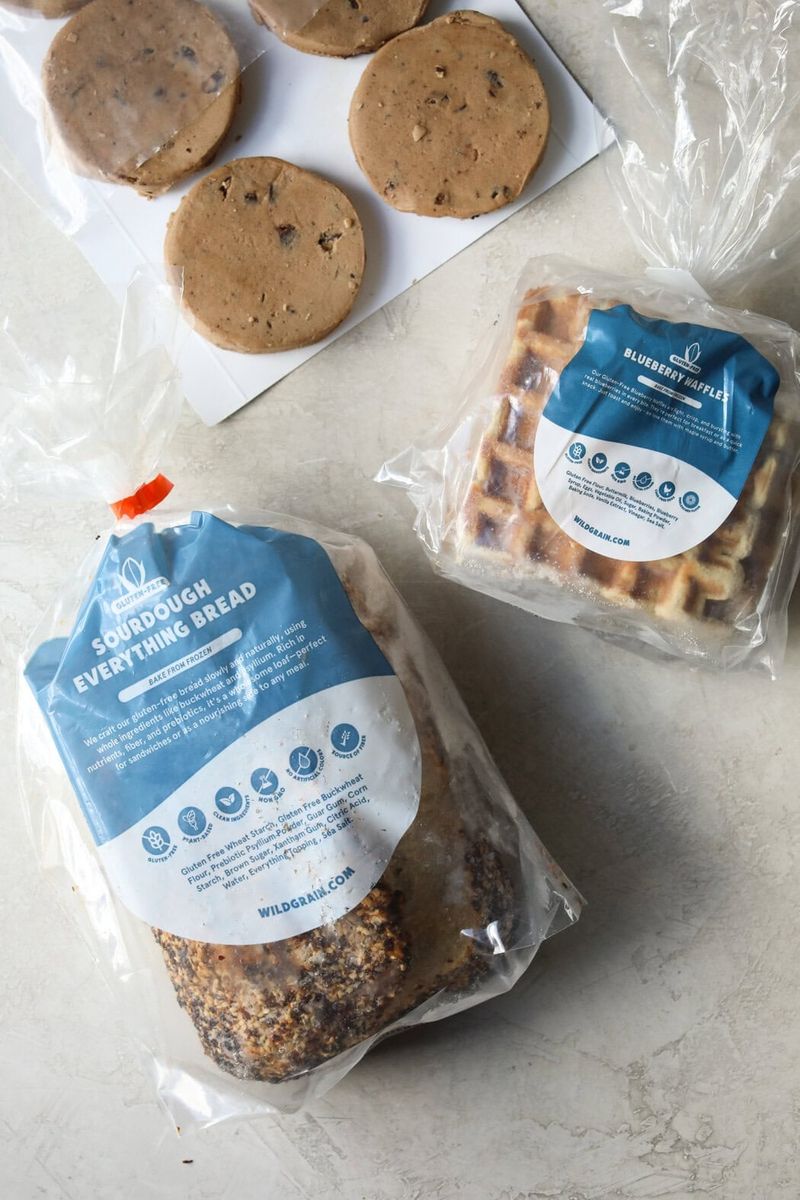
A blue package helps you spot a product, but ingredients answer the bigger questions. The supplied information describes Wildgrain’s gluten-free products as distinctly packaged in blue.
It also describes production in dedicated gluten-free facilities or testing intended to support gluten-free integrity. That wording does not establish one identical production arrangement for every item in the range.
For celiac disease or a food allergy, examine the specific product information before ordering. Ask Wildgrain for clarification when the facility details, testing information, or allergen statement leave questions unanswered.
Wheat starch deserves particular care because the words can sound confusing beside a gluten-free claim. Some listed loaves use gluten-free wheat starch, but that does not make them wheat-free.
Someone with a wheat allergy should not treat gluten-free wheat starch as automatically suitable. Follow advice from an appropriate medical professional and check the product’s wheat allergen declaration.
Other ingredients matter just as much when more than one restriction shapes your meals. Look for milk, eggs, nuts, or any other ingredient your household needs to avoid.
Keep packaging until you have finished the food, especially when several similar products arrive together. The original label preserves preparation instructions, ingredient details, and information useful for a support question.
In a shared kitchen, storage and preparation habits also deserve attention. Use clean surfaces and suitable utensils, and follow your household’s established approach to preventing gluten cross-contact.
Do not let a broad subscription description replace an individual label check. Recipes, suppliers, and available selections can change, so repeat that check with later deliveries too.
Wildgrain’s Gluten-Free Bread Box offers choices, but suitability remains a product-by-product decision. A few careful minutes before checkout are more useful than discovering an unanswered ingredient question when dinner preparation has already begun at home.
Delivery Works Best When Your Freezer Is Ready
Freezer space is the quiet requirement that deserves attention before checkout. A customized order still needs somewhere to go when its collection of frozen packages reaches your door.
Wildgrain ships products frozen, with the supplied information describing dry ice and gel packs for cooling. Shipping is included in the box charge, according to that same service information.
Confirm delivery eligibility for your exact address during checkout rather than relying on broad nationwide language. Address coverage and shipping conditions should be clear before you start a recurring order.
Choose a delivery period when someone can bring the package inside promptly. Tracking updates help you plan, but they do not replace checking the shipment after it arrives.
Open the box carefully and follow any handling instructions for its cooling materials. Never touch dry ice with bare skin or leave it where children or pets can reach it.
Compare the contents with your order confirmation while the product names remain easy to see. Keep useful packaging information if something is missing, damaged, or raises a food-safety question.
Follow Wildgrain’s arrival guidance when deciding whether the condition of a product is acceptable. If anything seems uncertain, contact support before preparing or eating the affected food.
Move suitable products into the freezer promptly, following the storage directions on their packages. Arrange them so the item you plan to use first remains easy to reach.
A simple freezer list can prevent a second order from duplicating forgotten food. Record what arrived and cross off packages as you use them during the following weeks.
The company’s Massachusetts base does not change the basic job waiting in your kitchen. Good delivery planning means having storage ready, checking the contents, and knowing where the preparation instructions are before your next meal starts taking shape.
Bake From Frozen, but Let Each Package Lead
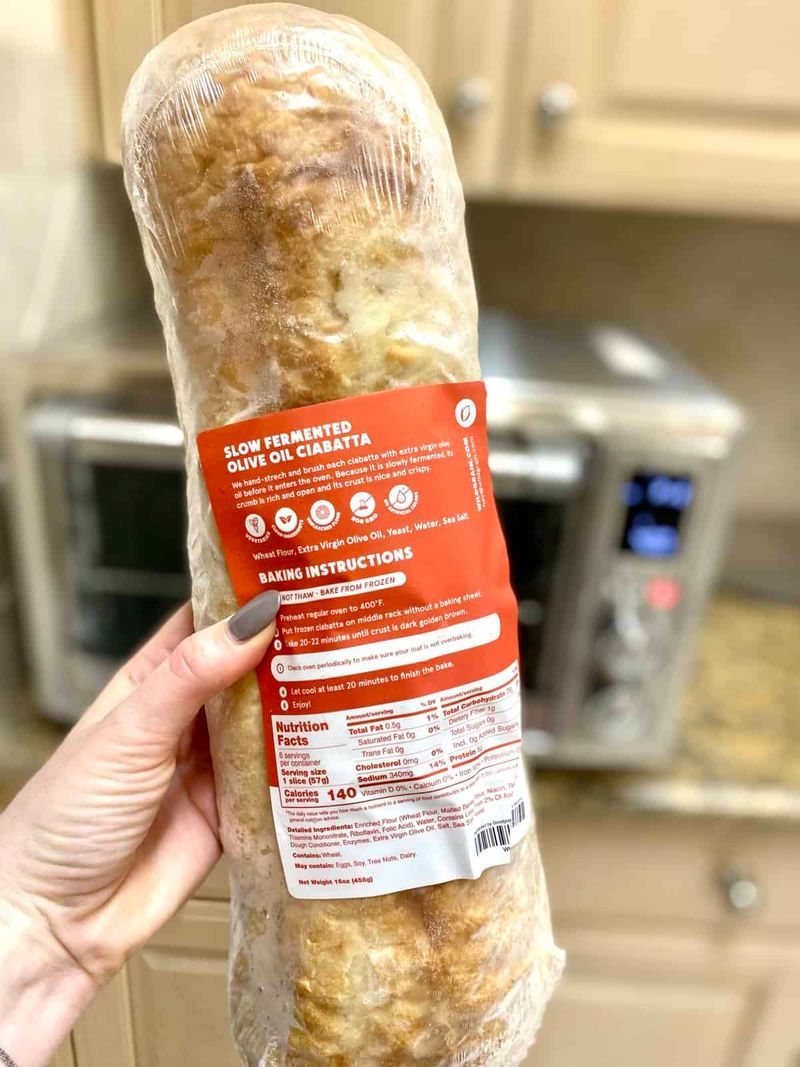
No thawing step is a useful feature when dinner plans come together late. Wildgrain’s bread products are designed for baking from frozen, following the directions supplied with each item.
The service information describes typical baking times around twenty-five to thirty-two minutes or less. Treat that as a general guide, not a timer setting for everything inside your box.
Start with the package’s oven temperature, preparation method, and recommended baking time. Check whether it calls for a particular tray, rack position, or other handling step before you begin.
Allow time for your oven to preheat if the instructions require it. The minutes printed for baking do not necessarily represent the entire time between freezer and table.
Cooling may also be part of the process, especially before slicing a loaf. Build that pause into your meal plan instead of expecting every product to be ready immediately.
Keep bread, pasta, waffles, and cookies in separate mental categories when planning preparation. They may share a shipment, but they do not automatically share equipment or cooking directions.
If you want several foods ready together, write a quick order of tasks. Start the longest preparation first, then fit shorter jobs around it when the instructions allow.
A timer helps, but the package may also describe signs that a product is ready. Follow those directions rather than relying on a general impression from an online photograph.
After your first attempt, note any useful timing observations for your own appliance. Keep those notes alongside the original directions instead of replacing the manufacturer’s guidance with guesswork.
The appeal is straightforward: you store the food frozen and prepare it when needed. Once the routine feels familiar, the main planning question becomes what should share the plate, rather than when to remember a thawing step.
Reminders Help You Keep the Subscription Under Control
A recurring delivery should follow your schedule, not quietly write one for you. Wildgrain lets members manage upcoming orders through their accounts, including options to reschedule, skip, or cancel.
The supplied information says email and text reminders arrive four days before a scheduled order. Check your contact settings so those messages reach an inbox or number you actually use.
Read each reminder as a prompt to review your freezer, not merely another notification. You may already have enough bread, or your plans may have changed since the previous shipment.
Open the upcoming order and confirm its date, selected products, delivery address, and total charge. A saved preference is helpful, but it still deserves a quick check before processing.
Find the stated editing deadline rather than assuming changes remain possible until delivery day. Once an order enters processing or shipping, the available options may differ from earlier account controls.
Skipping and canceling also serve different purposes, so choose the action that matches your plans. A skipped shipment should not be mistaken for ending the subscription altogether.
After making a change, look for confirmation in your account or messages. Save that record until you are sure the next scheduled order reflects what you intended.
If a control or policy is unclear, ask support before the deadline approaches. A short question early is easier to manage than uncertainty after a charge has processed.
Families with changing schedules may benefit from reviewing deliveries alongside their regular meal planning. Travel, school breaks, and a full freezer can all change how much food makes sense.
The subscription becomes more useful when you actively shape it around actual use. Keep the products that earn their space, adjust the timing when necessary, and give yourself permission to pause instead of collecting packages faster than you finish them.
A Useful Box Fits Your Meals, Budget, and Storage
The best assortment is the one you actually use before the next shipment. A generous-looking collection has limited value if several packages remain untouched behind your frozen peas.
Before subscribing, compare the full recurring charge with your usual spending on similar foods. Include the products you would genuinely buy, rather than assigning value to extras you do not want.
Shipping is described as included, but check the final checkout summary for your order. Added products, box size, and promotional terms can affect what you agree to pay.
Look beyond an introductory offer and identify the normal terms that follow it. A first delivery should help you judge the service, not obscure the cost of later boxes.
Consider the preparation effort alongside the purchase itself, including oven use and cooling time. Bake-from-frozen convenience still involves a few steps, so it works best when those steps suit your routine.
Wildgrain says it sources products from independent bakers using artisanal methods and selected ingredients. Read individual product details for meaningful specifics instead of treating broad ingredient language as a personal nutrition guarantee.
The company also states that each order supports a donation of two meals through a food-security nonprofit. That is useful background, while the food’s suitability should remain your main buying consideration.
After your first box, review what disappeared quickly and what needed repeated reminders. Those observations offer a clearer guide than choosing another assortment simply because it looks appealing.
Keep favorites, replace less useful selections, and adjust delivery timing to match your actual pace. Wildgrain’s Gluten-Free Bread Box makes the most sense when customization leads to less guesswork at mealtime.
You do not need to turn every meal into a subscription success story. Bread ready for a planned dinner and a freezer that still closes comfortably are perfectly reasonable signs that your choices are working.
Share this story