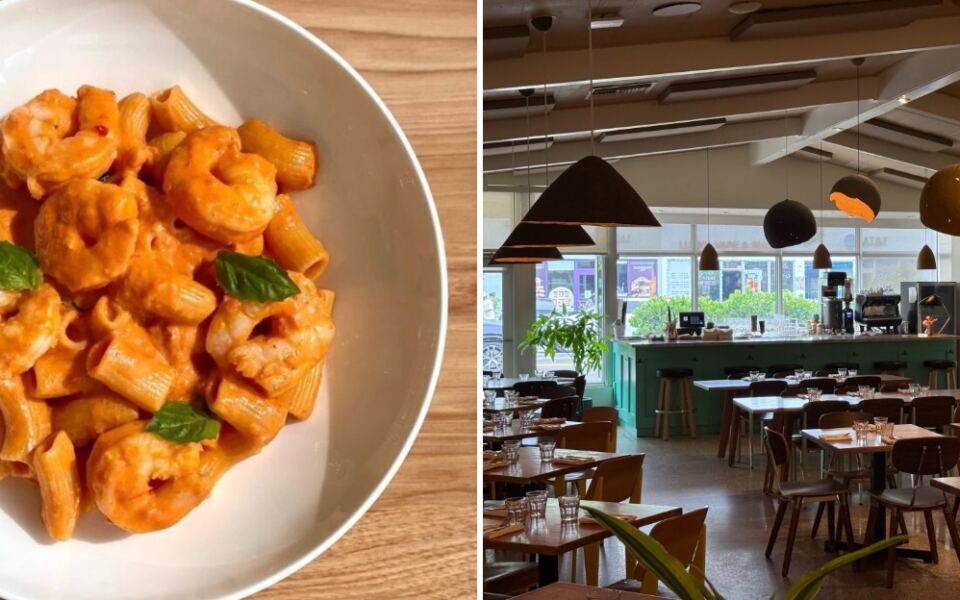
Pasta and sweets share the spotlight at the Florida restaurant behind that eye-catching sixth-best-in-America headline, a pairing that makes choosing dinner sound pleasantly complicated.
I like a restaurant name that leaves room for dessert, especially when the main attraction already gives you plenty of reasons to put your phone down and pay attention to your plate.
Before treating the ranking as settled fact, though, you deserve one clear distinction: I cannot independently confirm its source, publication date, or the restaurant’s current operating details without access to live sources.
That leaves an appealing place to explore with a little care, starting with its pasta-and-dessert identity and the practical questions that help turn an interesting headline into a well-planned meal, rather than a trip built around an old menu or an unchecked claim.
A Big Headline Deserves A Closer Look
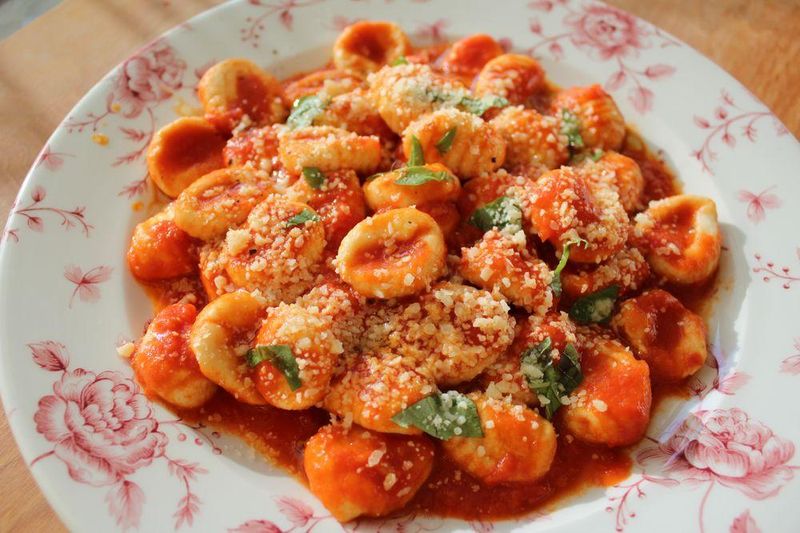
Sixth in America is a bold introduction, and Luna Pasta e Dolci deserves more than an unexplained number. Before sharing that claim, look for the original ranking and the date attached to it.
A pasta list, an Italian restaurant list, and a general restaurant list measure different things. The headline alone doesn’t establish which category applies, who made the selection, or how the restaurant earned its position.
I can’t independently verify those details here, so I wouldn’t present the placement as a confirmed recent honor. That distinction protects the restaurant’s real story from getting buried beneath a claim that needs supporting context.
If you locate the original article, check whether it names a particular location and explains its method. Also notice whether the results reflect editorial choices, customer ratings, or another clearly described selection process.
None of that makes the prospect of pasta less tempting; it simply gives the excitement a solid foundation. Let the ranking spark your interest, then judge the restaurant by the food and experience actually available when you visit, rather than expecting one number to make every decision for you.
The Name Gives You Two Good Starting Points
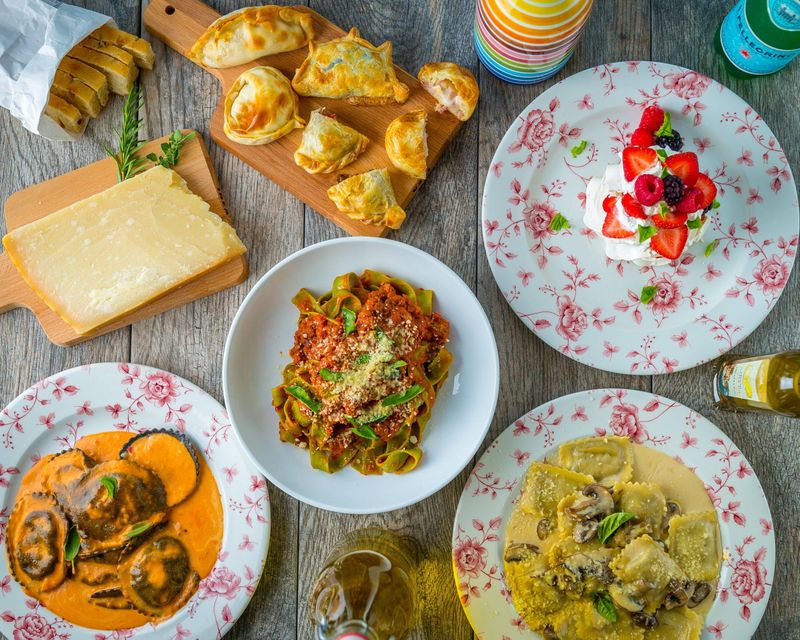
There is a useful clue right in the restaurant’s name: pasta and dolci put savory food beside sweets. In Italian, dolci means sweets or desserts, which gives your meal planning a pleasantly clear starting point.
Rather than treating dessert as a surprise at the finish, consider it while choosing your main course. You might prefer one pasta dish followed by something sweet, depending on the options and your appetite.
That isn’t a promise about today’s dessert selection, and it shouldn’t become a reason to expect a specific pastry. Menus change, so use the restaurant’s own latest menu to see what the name currently represents.
I like this approach because it turns ordering into a simple conversation instead of a balancing act. Decide what matters most to you before adding extras, especially when several appealing choices compete for your attention.
At Luna Pasta e Dolci, the name offers a theme, not a complete description of every available dish. Follow that theme with curiosity, then let the actual menu supply the details that matter, including ingredients, preparation, and whether your preferred finish is available that day.
Let The Actual Pasta Menu Lead
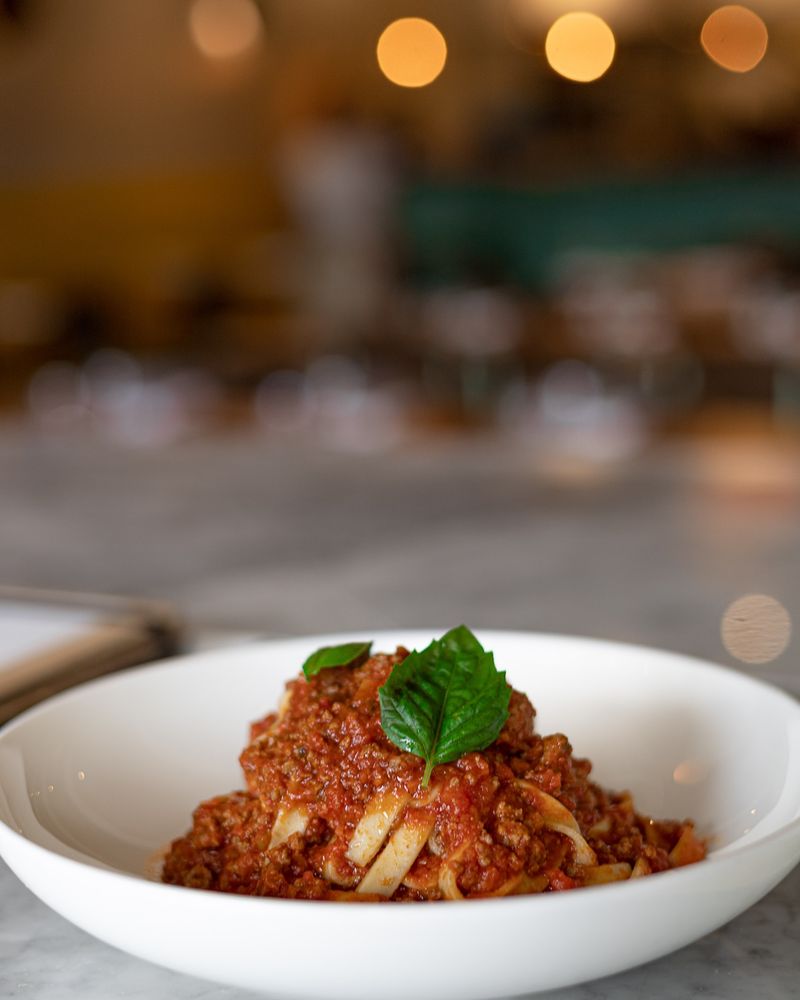
The best order starts with what the kitchen actually offers, not with a dish borrowed from another restaurant’s reputation. Check the latest menu before deciding that your evening absolutely requires one particular pasta shape or sauce.
Read each description for the ingredients that matter most to you, rather than choosing by an unfamiliar name alone. A quick question about the sauce or filling can make the difference between guessing and ordering confidently.
Don’t assume that every pasta is made in house, contains the same ingredients, or comes with interchangeable sauces. Those are specific kitchen details, and staff should confirm them rather than an article filling in the blanks.
If you enjoy exploring, choose one unfamiliar element while keeping the rest of your order within comfortable territory. That gives you something new to consider without turning the whole meal into a culinary guessing game.
For a Florida restaurant drawing attention through a pasta headline, the menu should remain the center of the conversation. Give the available dishes your attention, ask a useful question, and choose something that genuinely sounds good to you rather than something selected to match the publicity.
Dessert Should Get More Than A Last-Minute Glance
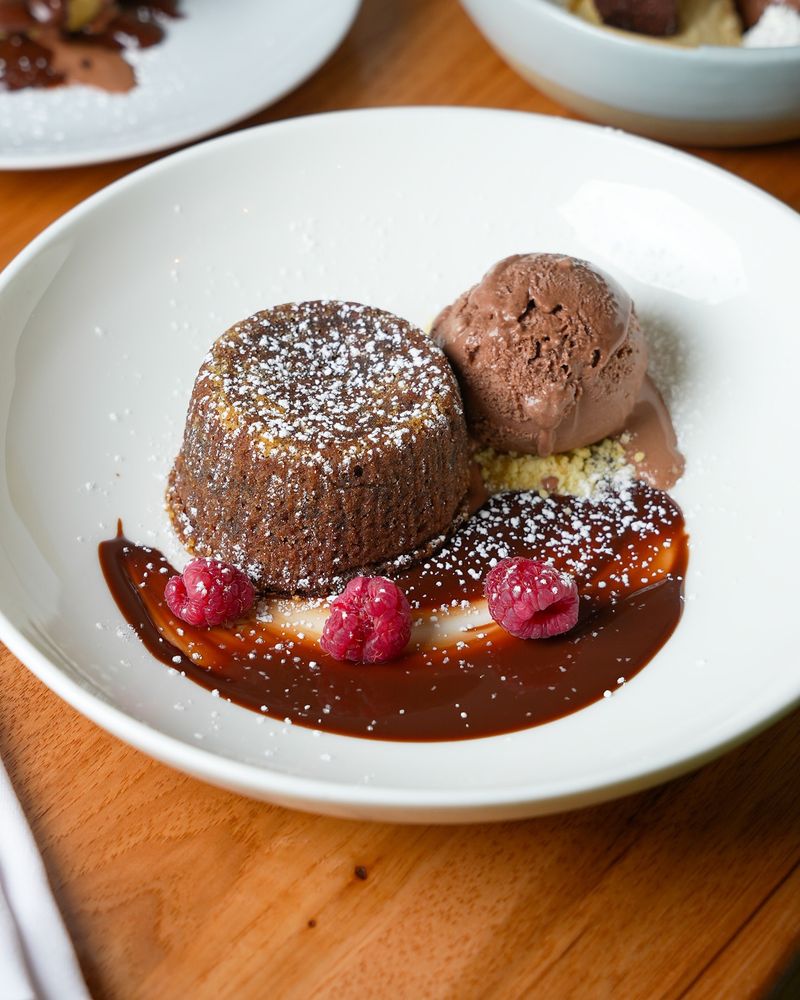
A restaurant with dolci in its name gives the sweet course a fair claim on your attention. That doesn’t mean you need to order dessert, but it makes checking the selection a sensible early move.
Ask what is available that day before building expectations around a photograph you spotted somewhere online. A picture can remain searchable long after a particular dessert leaves the menu or becomes temporarily unavailable.
If you’re sharing, agree on the choice before the server returns, especially when everyone has a different favorite. Also check ingredients separately, since a dessert’s familiar name doesn’t explain every component or possible allergen.
I would rather leave room for something I genuinely want than order an extra course out of habit. Your appetite gets the deciding vote here, not the restaurant’s name and certainly not a headline.
The practical advantage is simple: looking ahead lets the meal feel considered without making it feel scheduled. At Luna Pasta e Dolci, give both halves of the name a look, then choose the ending that suits your table, even if that means saving the sweet half for another visit entirely.
Put Biscayne Boulevard Into Your Plans
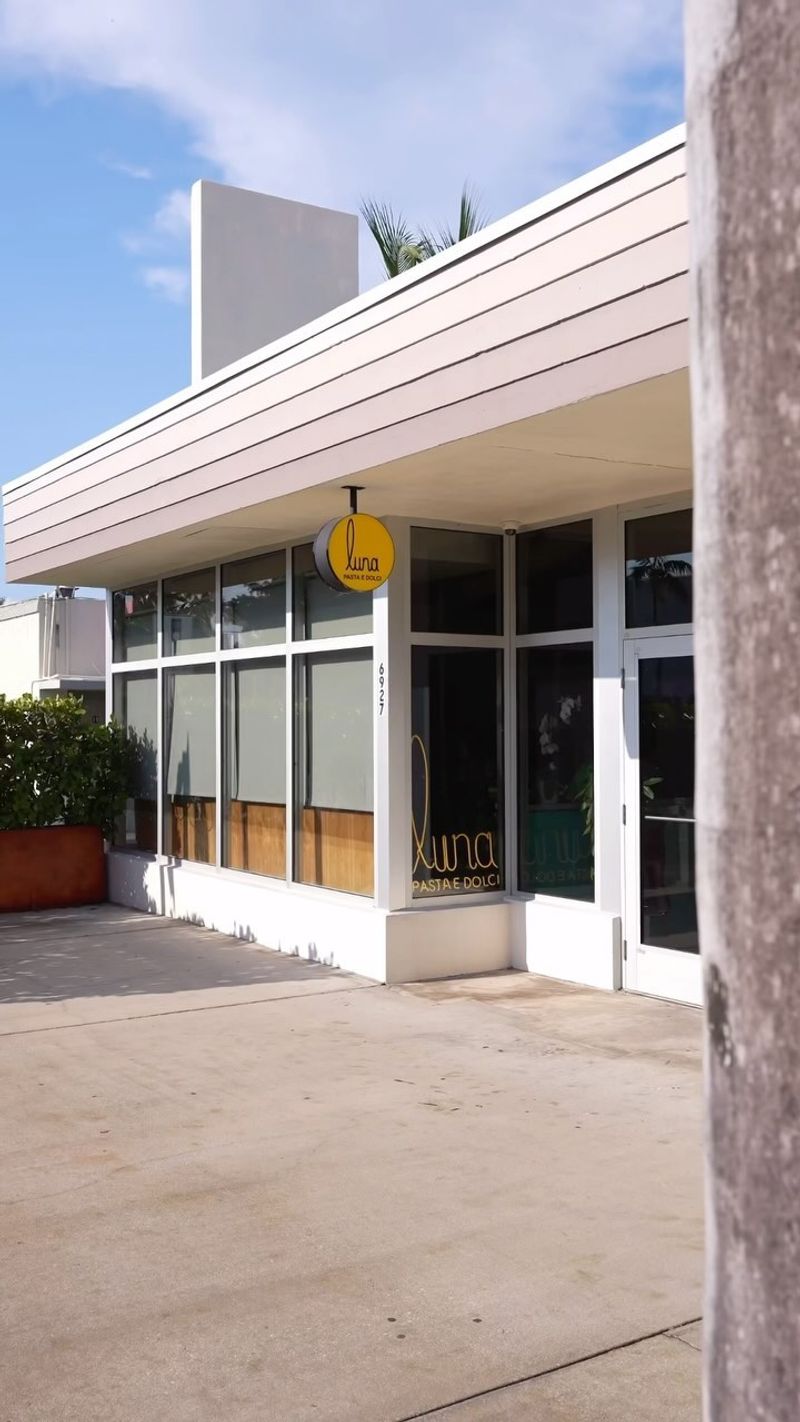
A good meal plan needs a real destination, not just a saved headline and a hopeful departure time. The address associated with Luna Pasta e Dolci is 6927 Biscayne Boulevard, Miami, Florida 33138.
Confirm that address directly before traveling, since I cannot check live business information or operating status here. Enter the full street address into your navigation app rather than relying on the restaurant name alone.
Once you’ve confirmed the destination, look at the route for the time you actually expect to travel. A distance that looks modest on a map doesn’t tell you everything about the journey ahead.
Parking, public transportation, and arrival arrangements deserve their own check rather than an optimistic guess from a storefront photograph. If anyone in your group needs an accessible entrance, ask the restaurant about that directly as well.
These small checks keep practical questions from taking over the part of the evening meant for enjoying dinner. Save the confirmed location, agree on transportation, and give yourself a reasonable arrival window so your first decision concerns food rather than which address everyone has been using in their messages.
Tiny Doesn’t Tell You How A Visit Works
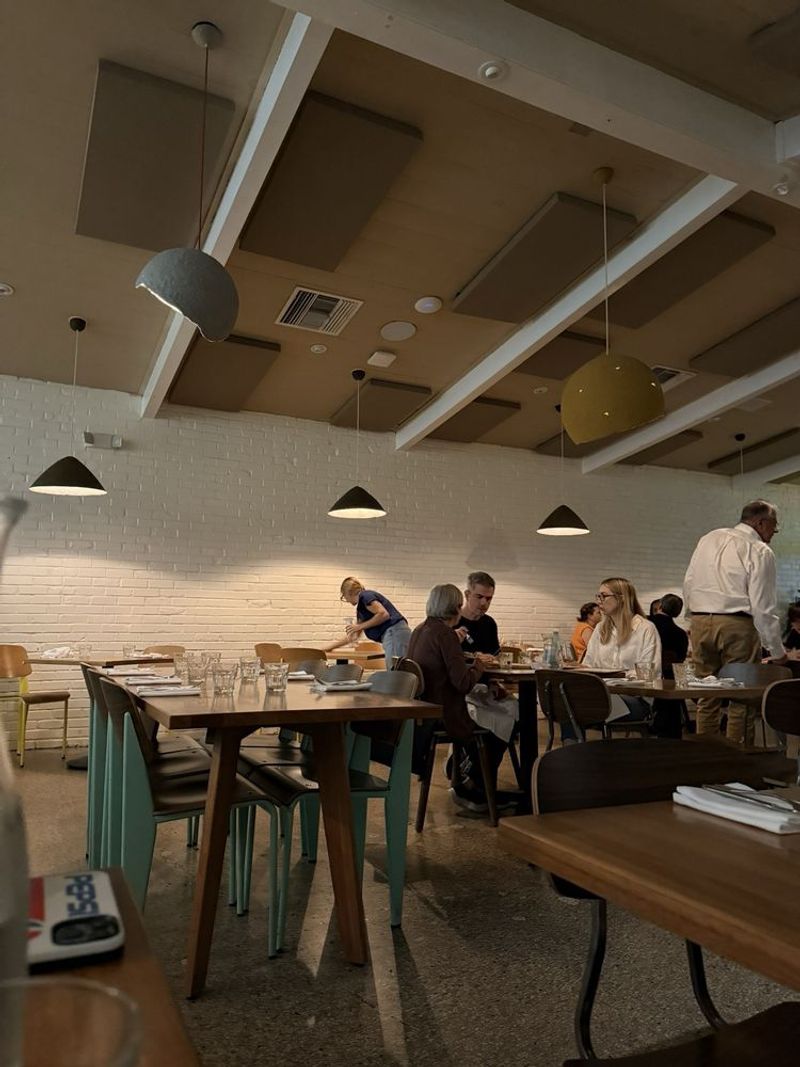
The word tiny creates an instant picture, but it doesn’t establish the restaurant’s seating count or service setup. Treat that headline description as a prompt to ask practical questions, not permission to invent a cozy interior.
Before bringing a group, check how the restaurant handles your party size and whether advance arrangements are possible. Don’t assume reservations, counter ordering, table service, or outdoor seating without confirmation from the business itself.
A small gathering also benefits from knowing how everyone plans to order and how much time they have. Those details matter more than trying to predict the room’s atmosphere from an appealing adjective.
If your schedule is tight, ask about the available service options before committing to a particular plan. I can’t confirm takeout, delivery, or dining arrangements, and those details can change independently of the food menu.
The useful takeaway isn’t that smaller automatically means better, quieter, faster, or more personal; none follows from size alone. Match your plans to the restaurant’s actual setup, and let its team explain what works rather than arriving with a complete imaginary floor plan already arranged neatly in your head.
Ask The Ingredient Questions That Matter
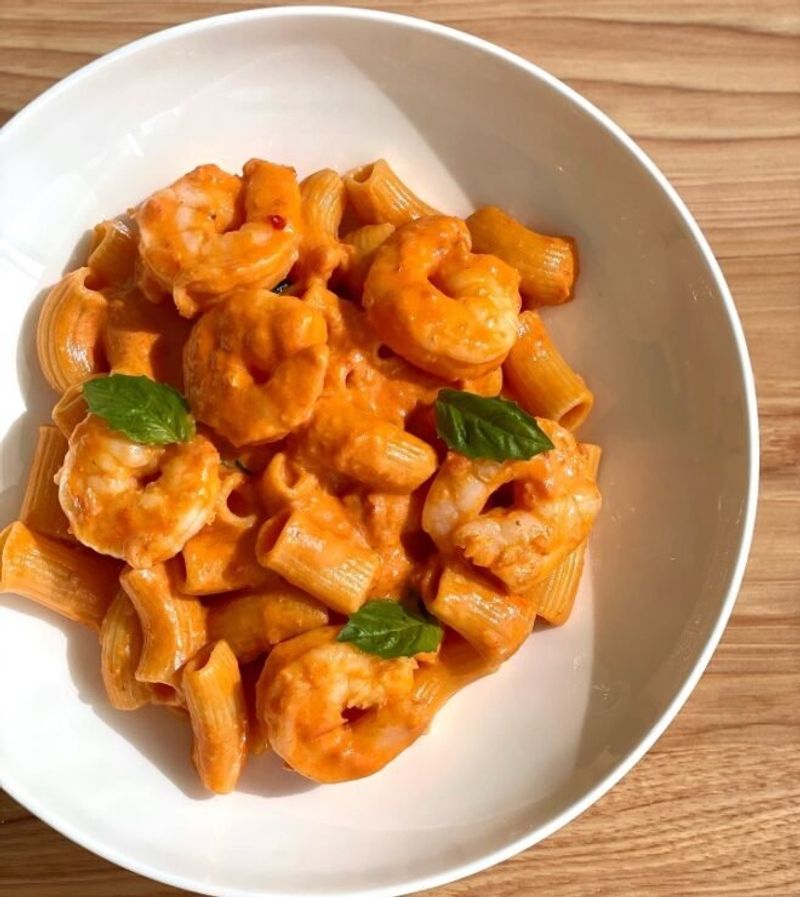
Good questions belong at the table, especially when an ingredient affects your health rather than simply your preference. Pasta and desserts can involve several common allergens, but each dish needs its own specific explanation.
If you have an allergy, tell staff clearly and ask about both ingredients and preparation procedures. Removing a visible topping doesn’t necessarily address ingredients in a filling, sauce, dough, or shared preparation area.
Vegetarian, vegan, and gluten-free requests also deserve direct confirmation instead of assumptions based on a dish’s appearance. A short menu description may leave out details that matter to the way you eat.
For Luna Pasta e Dolci, I can’t confirm dedicated equipment, substitutions, allergen protocols, or particular dietary menu options. Ask before visiting when those answers will determine whether the restaurant can comfortably meet your needs.
This is one place where a little planning makes the conversation easier for everyone at the table. Be specific, listen carefully, and choose only after you understand the answer, because an enjoyable dinner should fit your needs rather than require you to guess what might be inside a promising plate or sweet.
Build Your Order Around Your Own Appetite
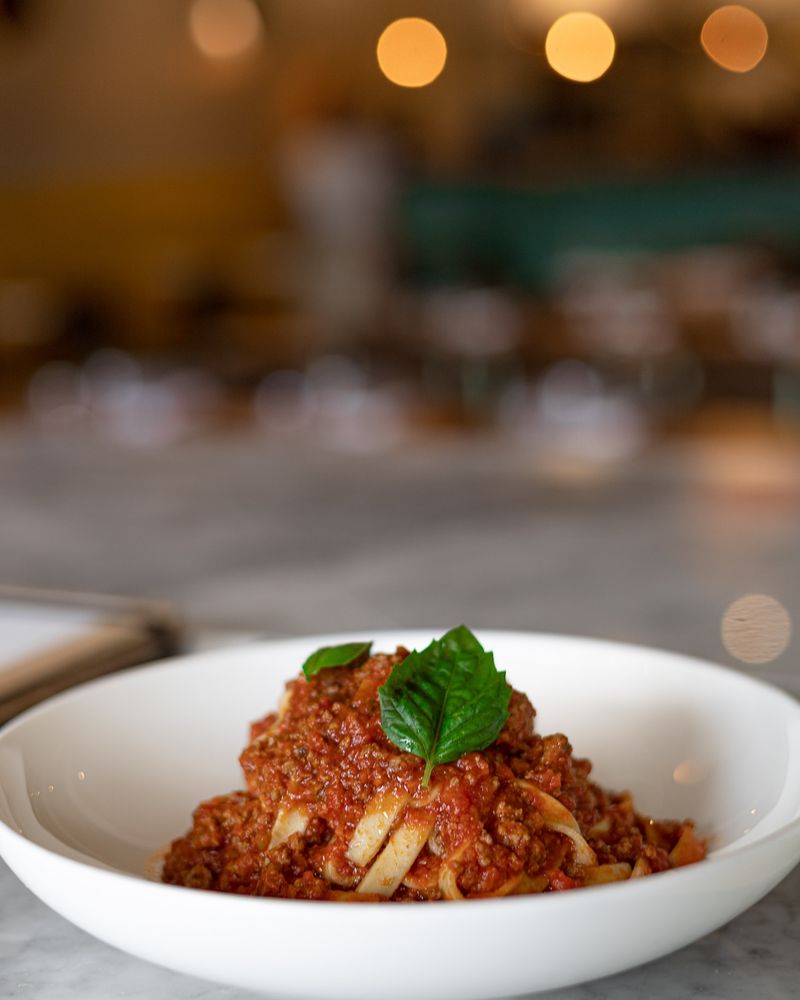
Your order doesn’t need to prove that you understood the assignment hidden inside an enthusiastic restaurant headline. Choose a meal that fits your appetite, your preferences, and the amount you want to spend.
Read the current prices yourself, since an old menu photograph may not reflect what the restaurant charges today. Also ask about any additions before ordering, rather than assuming every listed option includes the same components.
If sharing appeals to your group, first check whether the dishes and service arrangements make that practical. I can’t establish portion sizes or sharing policies, so neither should become a promise attached to this visit.
For a first meal, narrowing your choices can be more helpful than trying to sample the whole menu. Pick the dish you’re most interested in, then decide whether anything else genuinely improves the plan.
I like that approach because it leaves room for enjoyment instead of turning dinner into a checklist. Luna Pasta e Dolci may have caught your attention through a national claim, but the most useful result is a meal chosen for the people actually sitting at your table, yourself included.
Give The Place A Chance Beyond The Number
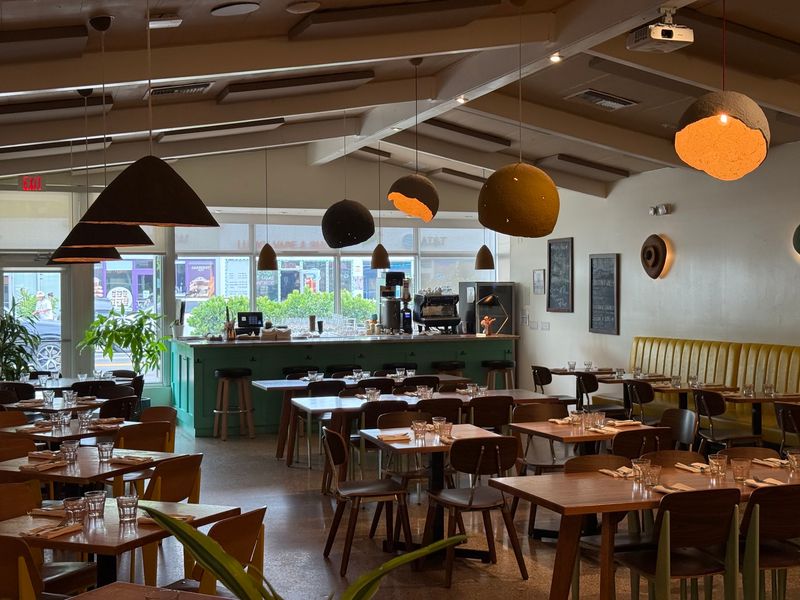
Headlines are good at making introductions, but they aren’t especially useful at choosing what you’ll enjoy for dinner. The better next step is straightforward: confirm the restaurant is operating, then check its latest menu and hours.
Use the business’s own channels when possible, particularly for information that can change between reading and arriving. If two sources disagree, ask the restaurant instead of choosing whichever answer makes your plans easier.
Keep the ranking in perspective until its original source and date are established, especially before repeating the word just. A placement can remain interesting long after the announcement stops being recent news.
What makes Luna Pasta e Dolci worth considering here is its clear pasta-and-sweets identity, not an unsupported guarantee. That gives you a reasonable starting point while leaving the actual meal to speak for itself.
Once the practical details line up, you can approach the visit with curiosity rather than a scorecard. Let a promising dish make the case, give dessert a fair hearing, and remember that your favorite part of dinner doesn’t need a national ranking to earn another thought on the way home.
Share this story