Italian dressing is an unexpected starting point for a creamy bowl of penne. Yet its combination of herbs, garlic, olive oil, and vinegar helped inspire Sauz’s Zesty Italian Vodka Sauce.
The result, according to the brand, is a brighter, herb-forward approach to a sauce usually associated with richness. It is an intriguing idea for a dinner that might otherwise follow a familiar script: boil pasta, warm sauce, grate cheese, repeat.
A different jar can change that routine without requiring a new recipe or a second grocery trip. Still, an interesting name only gets a sauce so far.
What matters is what goes into it, how it differs from the brand’s existing vodka sauce, and whether it fits the way you cook. This addition gives pasta lovers something specific to consider, starting with a useful distinction: zest does not necessarily mean a mouthful of chili heat.
A Familiar Pasta Sauce Takes a Brighter Turn
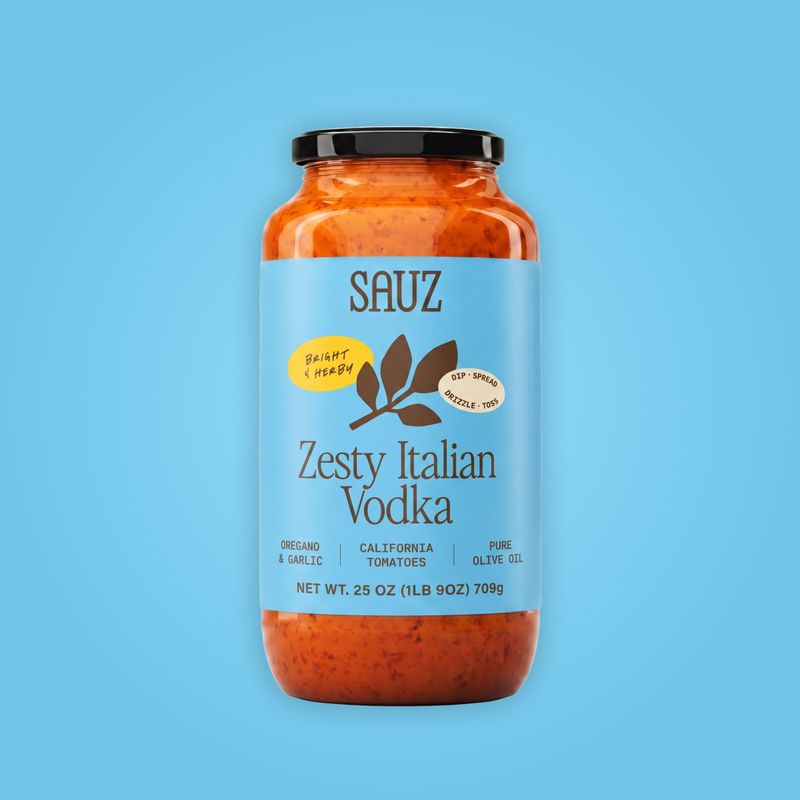
The unexpected ingredient in this story is an idea borrowed from the salad bowl. Sauz describes Zesty Italian Vodka as inspired by Italian dressing, with herbs, garlic, olive oil, and vinegar shaping its flavor direction.
That inspiration gives shoppers a clearer picture than the word “zesty” alone, which can suggest anything from citrus to chili peppers. Here, the emphasis is on an aromatic, tangy approach to creamy tomato sauce.
In cooking, acidity can give a rich dish definition. Think of the small squeeze of lemon that finishes a buttery preparation or the vinegar that sharpens a pan sauce.
The appeal is balance: enough richness to make pasta satisfying, with another element keeping the flavor lively. How successfully a particular jar strikes that balance is a matter of taste, especially for people who prefer their vodka sauce particularly creamy, sweet, or tomato-forward.
A simple first preparation leaves room to make that judgment. Toss the sauce with penne or rigatoni, then taste before reaching for extra cheese, cream, or seasoning.
Those additions can be useful, but they also change the character of the sauce you just bought. There is no reason to make the introduction more complicated than necessary.
A green salad and some bread are enough to turn the pasta into dinner while keeping the sauce at the center of the plate. The broader attraction is how little else has to change.
Your usual pasta shape, favorite skillet, and familiar cooking routine can stay in place. A different flavor balance supplies the variation.
For anyone whose cupboard contains the same two sauces on repeat, that is a practical reason to consider something new. Dinner can take a slightly different direction without becoming an evening-long project.
The Ingredients Behind the Zest
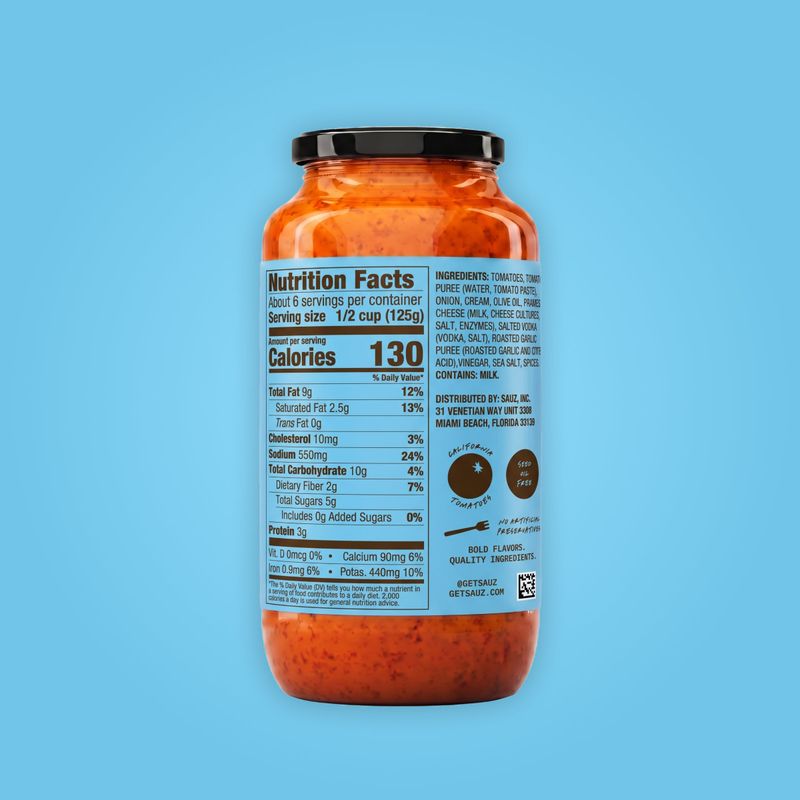
Tomatoes, tomato purée, onion, cream, olive oil, and Parmesan form the foundation of this recipe. The ingredient list continues with salted vodka, roasted garlic purée, vinegar, sea salt, and spices.
Salted vodka is listed as vodka and salt; the roasted garlic purée contains roasted garlic and citric acid. Together, those ingredients explain the intended interplay between a creamy base and sharper, savory accents.
They also offer a more useful starting point than making assumptions from the sauce’s color or its name. An ingredient list cannot predict exactly how a sauce will taste to every person.
It can show what is doing the work. Dairy contributes richness, tomatoes supply the foundation, and the garlic, onion, vinegar, and seasonings add other dimensions.
That gives home cooks a reason to taste before making changes. An automatic splash of heavy cream could soften the qualities that made this variety interesting in the first place.
A generous shower of Parmesan might be welcome, but a smaller amount initially leaves more room to assess the balance. Dietary details deserve the same attention.
Sauz identifies its sauces as vegetarian and notes that Zesty Italian Vodka contains dairy and is not vegan. The brand also states that its products are not certified organic.
Those are specific distinctions, separate from broad packaging claims about ingredient quality. Anyone shopping around an allergy or dietary restriction should check the label on the jar being purchased, since formulations can change.
For everyday cooking, the most useful takeaway is that this is already a composed sauce. It contains several of the ingredients someone might otherwise add while finishing pasta.
Start by warming it, combining it with the noodles, and tasting the result. Adjustments are easier to make when you know what dinner actually needs.
Choosing Between Zesty Italian and Creamy Calabrian Vodka
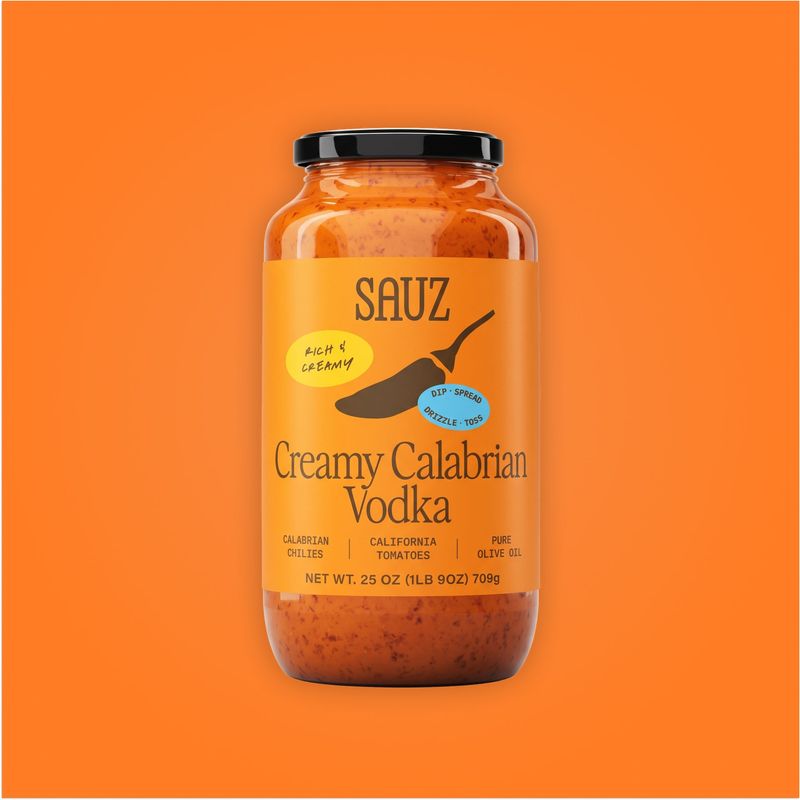
Standing in front of two similarly colored jars, it would be easy to assume the names describe roughly the same dinner. The ingredient lists suggest a more useful distinction.
Sauz’s Creamy Calabrian Vodka includes sweet Calabrian chili pepper and black pepper. Zesty Italian lists roasted garlic purée and spices, without a separately named chili pepper ingredient.
Both share tomatoes, cream, olive oil, Parmesan, vodka, and vinegar. That common foundation makes the differences worth considering, particularly if you already have a favorite.
The Calabrian variety gives pepper enthusiasts an obvious point of interest. Zesty Italian offers a different starting point for someone drawn to roasted garlic and the brand’s dressing-inspired flavor concept.
Neither name is a precise measure of heat, and individual sensitivity varies, so the label alone cannot tell every diner how a spoonful will land. Still, the ingredients provide more guidance than choosing by color.
Household preferences matter here, too. If one person enjoys chili flakes by the spoonful and another considers a little pepper plenty, adjusting individual bowls can be easier than committing the whole skillet to extra heat.
A sauce can provide the shared base while the final seasoning remains personal. For anyone curious enough to compare the varieties, keep the rest of the meal consistent.
Use the same pasta shape, similar quantities of sauce, and restrained toppings. Adding sausage to one bowl and extra cream to the other makes it harder to identify what comes from the jars themselves.
There is no need for scorecards or solemn tasting notes. A straightforward comparison can simply help you decide which sauce better suits your usual dinner.
You may prefer one with plain pasta and the other alongside vegetables or chicken. Similar branding does not mean both jars need to occupy the same place in your cooking routine.
Where a Jar Fits Into Your Dinner Routine
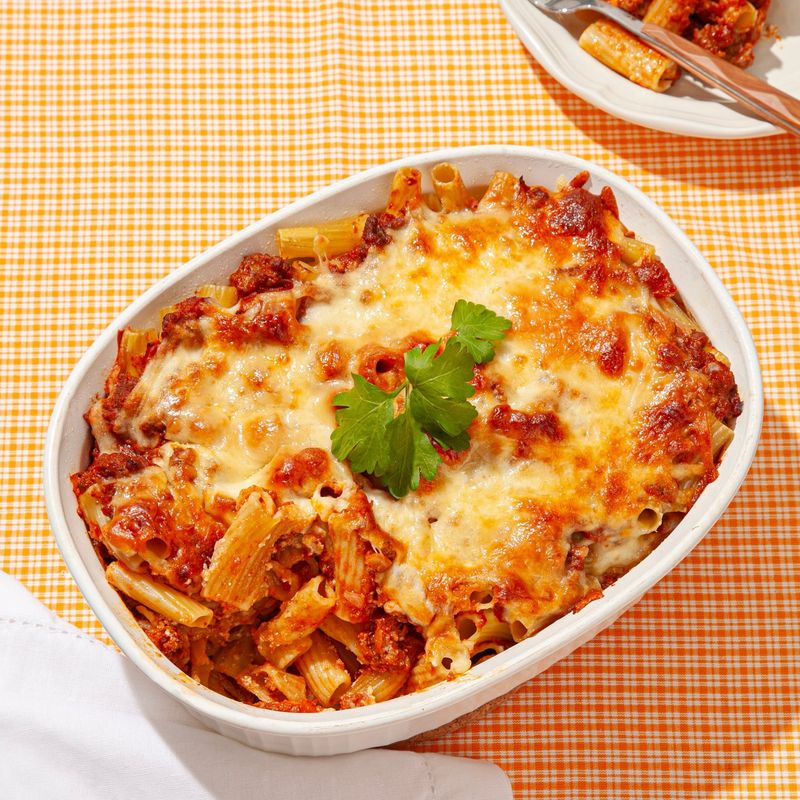
Picture the point in the evening when you have enough energy to boil water but very little interest in chopping an onion. That is where a prepared sauce has a clear purpose.
It turns an available box of pasta into the beginning of a meal, with fewer steps between opening the cupboard and sitting down. Whether Zesty Italian becomes a repeat purchase depends partly on how well it fits that ordinary moment.
A useful way to judge any jarred sauce is to consider the dinners you actually make. If your usual fallback is pasta with a quick salad, a new sauce can add variety while leaving the workload nearly unchanged.
If you tend to build meals around cooked chicken, roasted vegetables, or leftovers, the sauce can become one component rather than the entire plan. The choice is less about finding a single perfect jar and more about finding one you will use.
That also makes comparisons fairer. A carefully tended homemade sauce and a ready-made dinner ingredient serve different occasions.
One may be part of a leisurely afternoon of cooking; the other may be what makes eating at home manageable after a long day. Both can belong in the same kitchen.
Convenience alone does not guarantee satisfaction, though. Notice whether the sauce needs extensive adjustments before you enjoy it.
A little cheese or a finishing herb is one thing; rebuilding the flavor every time changes the value of buying it prepared. Portion size matters as well.
Some people want just enough sauce to coat the pasta, while others expect plenty left for bread. Learning your preferred ratio helps prevent a dry bowl or an unnecessarily heavy one.
The most convincing place for this jar is whatever meal makes good use of it, with an amount of effort that feels reasonable for the evening.
What to Know Before Buying a Jar
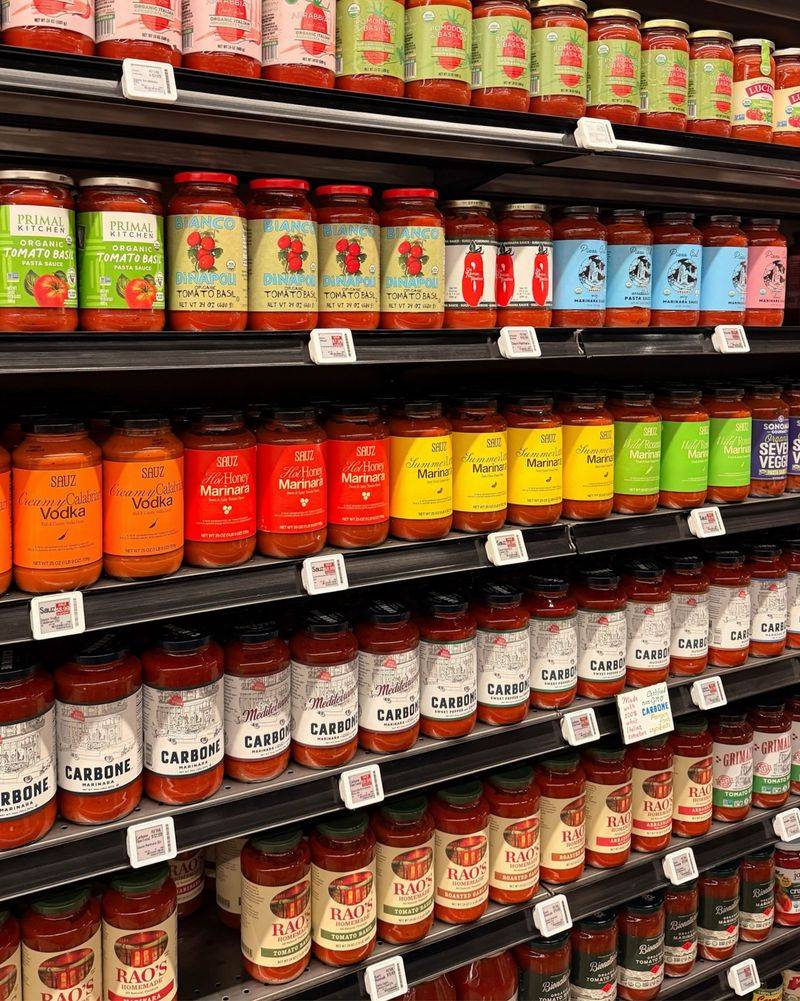
Check the full name before adding anything to the cart. Target lists Sauz Zesty Italian Vodka Sauce in a 25-ounce jar, with a displayed regular price of $7.89.
Prices, promotions, and availability can change, so the amount shown when you shop is the relevant one. The specific flavor matters because finding the Sauz brand does not necessarily mean every variety is available through the same shopping option.
Confirming the item before placing an order helps avoid an accidental switch to Creamy Calabrian Vodka or another sauce in the lineup. Price comparisons are easier when you look beyond the number on the shelf tag.
At $7.89 for 25 ounces, this jar works out to about 32 cents per ounce. That provides a consistent basis for comparing products sold in different sizes.
A lower sticker price may still represent a higher cost per ounce, while a larger jar only offers useful savings if you will finish it. The final cost of dinner depends on the pasta, accompaniments, and amount of sauce used.
There is no universal number of substantial meals hidden inside a jar; appetite and serving style make a difference. For a first purchase, one jar gives you a manageable way to assess both flavor and portioning.
It also helps to have a second use in mind if you expect leftovers. A smaller pasta lunch or another quick dinner can make more sense than opening the jar without considering the remainder.
Sauz recommends refrigerating its sauce after opening and using it within seven days. That window makes a little planning useful, especially for smaller households.
A sauce earns more of its purchase price when it becomes another meal instead of something rediscovered behind the mustard several weeks later.
Bringing It Together in a Weeknight Pasta Dinner
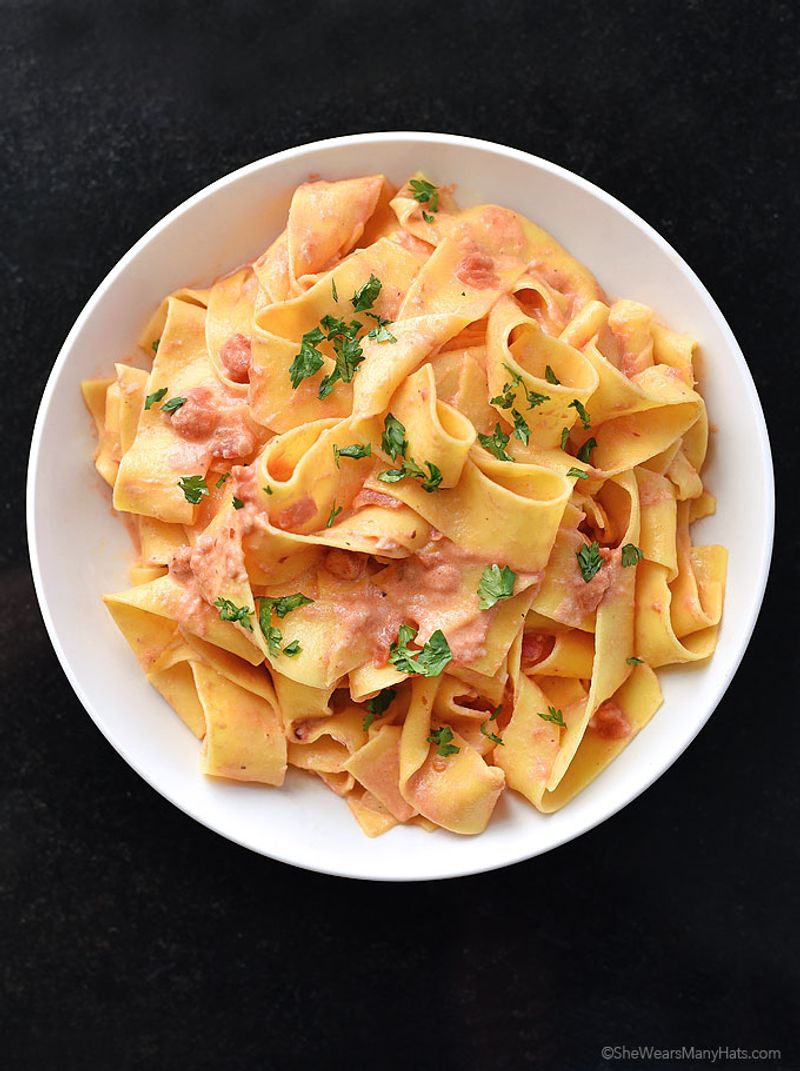
Set a wide skillet beside the pasta pot before the water boils. Having both ready makes the final steps smoother, giving the noodles and sauce somewhere to come together before they reach the bowls.
Penne is a straightforward starting point, rigatoni provides larger pockets, and fusilli offers plenty of twists for catching sauce. Follow the pasta’s package directions, checking early if you prefer a firmer bite.
While it cooks, gently warm the amount of sauce you plan to use, stirring occasionally. Reserve a mug of pasta water before draining, then transfer the noodles to the skillet.
Toss everything together and add the reserved water a small splash at a time until the sauce coats the pasta evenly. Stop when the consistency suits you; there is no obligation to use all the water you saved.
Taste before adding more salt or cheese. From there, a few additions can turn the pasta into a more substantial dinner without making it fussy.
Sliced cooked chicken cutlets can sit on top, keeping their crisp coating away from an extended simmer. Sautéed mushrooms or roasted broccoli bring another texture, especially when cooked separately so they have a chance to brown.
Spinach can be wilted into the pan near the end for a simpler option. Treat these as flexible serving ideas, with quantities guided by appetite and whatever is already available.
Finishing touches work best when chosen deliberately. Basil adds a fresh accent, Parmesan contributes savory depth, and chili flakes allow each person to adjust their own portion.
Bread and a lightly dressed salad can complete the table without demanding another elaborate recipe. The result is a familiar kind of dinner with room for small preferences: a little more sauce in one bowl, extra cheese in another, and a piece of bread ready for the last streak across the plate.
Share this story