A jar labeled marinara can still contain added sugar, so the name alone won’t tell you what you’re putting on your pasta. Tomatoes, oil, salt, and seasonings can appear in very different amounts, making the ingredient list more useful than a fancy label.
I like a sauce that makes dinner easier without taking over the plate, especially when the pasta water is already bubbling and nobody wants another cooking project. Finding that bottle means looking past brand names and deciding what matters most to you: tomato flavor, seasoning, texture, value, or a sauce that needs little help.
Despite the headline, this article does not report a hands-on tasting; it’s a shopping guide with an editorial pick, not invented test results. The eleven options below give you a practical way to compare jars yourself, with a final recommendation worth considering before your next spaghetti night.
11. Prego Farmers’ Market Classic Marinara
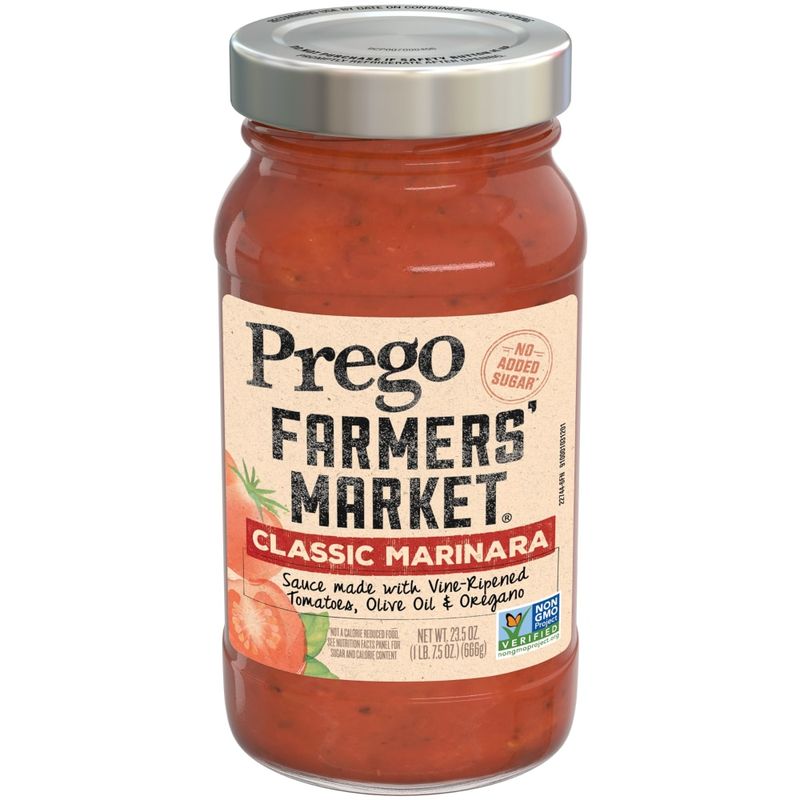
A farmers’ market name makes a friendly first impression, but your shopping decision should happen on the back label. Start with the exact Classic Marinara variety, since nearby Prego products can have different ingredients and nutrition information.
Use this jar as a starting point for deciding how much sweetness you enjoy in a tomato sauce. Check both total sugars and added sugars, because tomatoes contain natural sugar before a manufacturer adds anything else.
For a useful comparison, heat a small portion without adding salt, cheese, or extra seasoning during the first round. Taste it alone, then on plain pasta, where starch can change how strongly you notice sweetness and acidity.
Your best question isn’t whether the sauce tastes exciting straight from a spoon at the kitchen counter. Ask whether you’d enjoy a full bowl, since a bold first bite doesn’t always make the most balanced dinner.
If the flavor feels too sweet for your preference, avoid trying to fix it with a large splash of acid. A little adjustment may help, but buying a better match next time usually saves ingredients and effort.
For a quick meal, pair your chosen portion with pasta and a protein or vegetable you already enjoy. Chickpeas, cooked ground turkey, or roasted zucchini can turn the same basic jar into several different weeknight dinners.
Compare cost by the ounce rather than by jar height, especially when a sale display catches your attention. A larger container only offers better value when you’ll use the extra sauce before it needs freezing or discarding.
Think of this option as a useful sweetness checkpoint rather than a winner declared without tasting evidence. Your own notes should decide whether it earns a repeat purchase, or simply teaches you what to seek elsewhere next time.
10. Bertolli Traditional Marinara
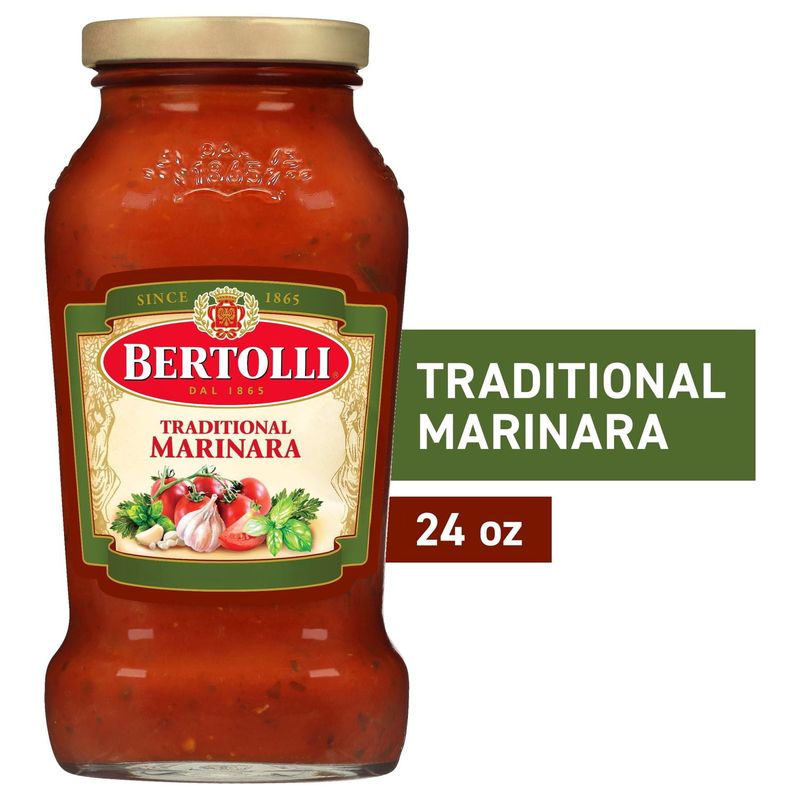
Traditional is a comforting word, but it doesn’t tell you whether a sauce matches your personal pasta preferences. Let the Bertolli label introduce the product, then let a small, plainly served sample do the useful work.
Keep the comparison fair by choosing Traditional Marinara rather than another tomato sauce from the same brand. Similar packaging can hide meaningful differences, and a roasted garlic variety shouldn’t stand in for a basic marinara during testing.
Focus your first spoonful on seasoning rather than trying to identify a long list of individual herbs. Does the tomato remain easy to notice, or do the seasonings become the main thing you remember after swallowing?
Next, try a bite with the pasta shape you actually cook most often at home during busy weeks. A sauce that seems strong alone may feel more balanced once it coats a generous forkful of plain noodles.
For your first bowl, skip the automatic shower of grated cheese until you’ve tasted the pasta and sauce together. Cheese adds salt and richness, which can make it harder to compare the jar fairly with another option.
You can still customize dinner after taking notes, because a comparison shouldn’t turn a weeknight meal into homework. Stir in cooked vegetables, add a few torn basil leaves, or loosen the sauce with reserved pasta water as needed.
When checking value, compare equivalent amounts and keep an eye on how much sauce your household actually uses. A familiar brand on promotion may suit your routine better than a premium jar that stretches your grocery budget.
Give this bottle a place in your comparison if you’re looking for a straightforward supermarket marinara option. The useful verdict is whether its seasoning fits your meals without requiring a rescue mission involving half the spice cupboard at home.
9. Barilla Marinara
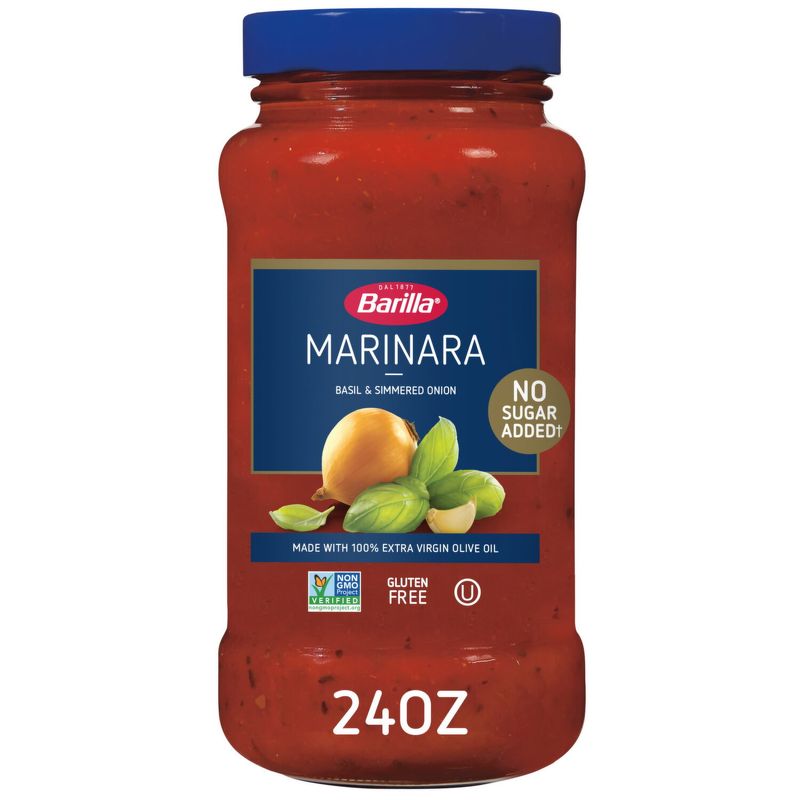
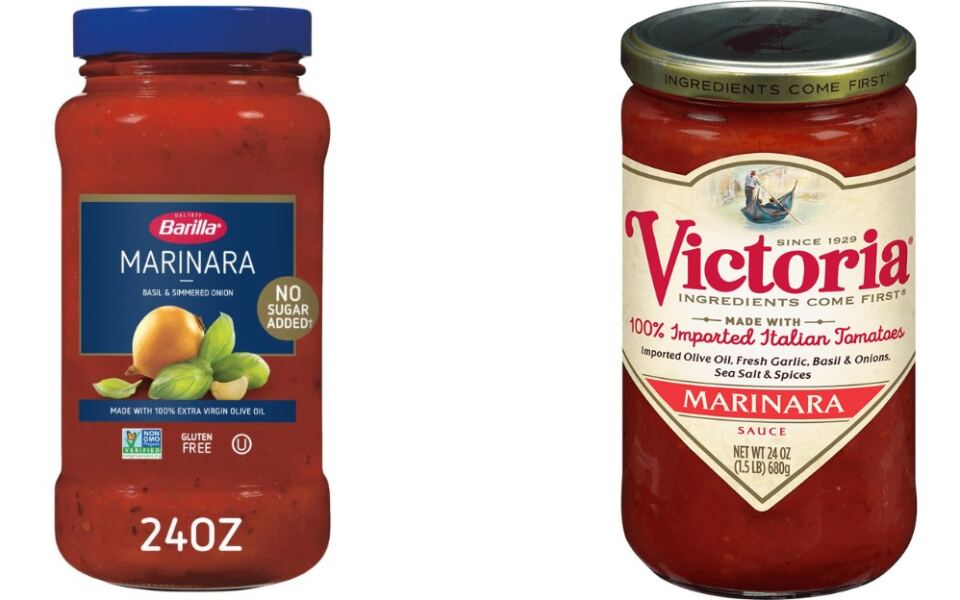
The pasta aisle can supply both halves of dinner, which makes a sauce comparison pleasantly easy to organize. Choose Barilla Marinara specifically, then use the same plain pasta for it and the other jars you plan to compare.
Your first useful checkpoint is coating: watch what happens when a measured amount meets a measured portion of pasta. You want enough coverage for enjoyable bites, not a puddle underneath noodles that barely picked up any sauce.
Don’t confuse a thicker sauce with an automatically better one, since different meals call for different levels of moisture. A baked dish, a quick skillet dinner, and a plate of spaghetti won’t necessarily reward the same consistency.
Reserve some pasta water before draining, then add it a spoonful at a time only after your initial comparison. That starchy water can help the sauce spread, but too much makes judging the original jar more difficult.
Read the ingredient panel with your own priorities in mind instead of treating a short list as a guaranteed victory. You might care most about added sugar, certain allergens, sodium, or simply a flavor your household enjoys eating.
For a practical second meal, try the remaining sauce with cooked beans and a little spinach in a skillet. Serve that mixture with bread or pasta, adjusting the thickness to suit the dish rather than following rigid rules.
Check the package for storage directions after opening, and mark the opening date if your fridge collects half-used containers. Freezing a small portion early is usually more useful than hoping an unfinished jar will somehow become tomorrow’s plan.
Consider this an everyday-use candidate, especially if convenience matters as much as a dramatic first spoonful during your comparison. The best pantry purchase should make an ordinary Tuesday easier, not demand an elaborate supporting cast at dinner.
8. Classico Marinara With Plum Tomatoes And Olive Oil
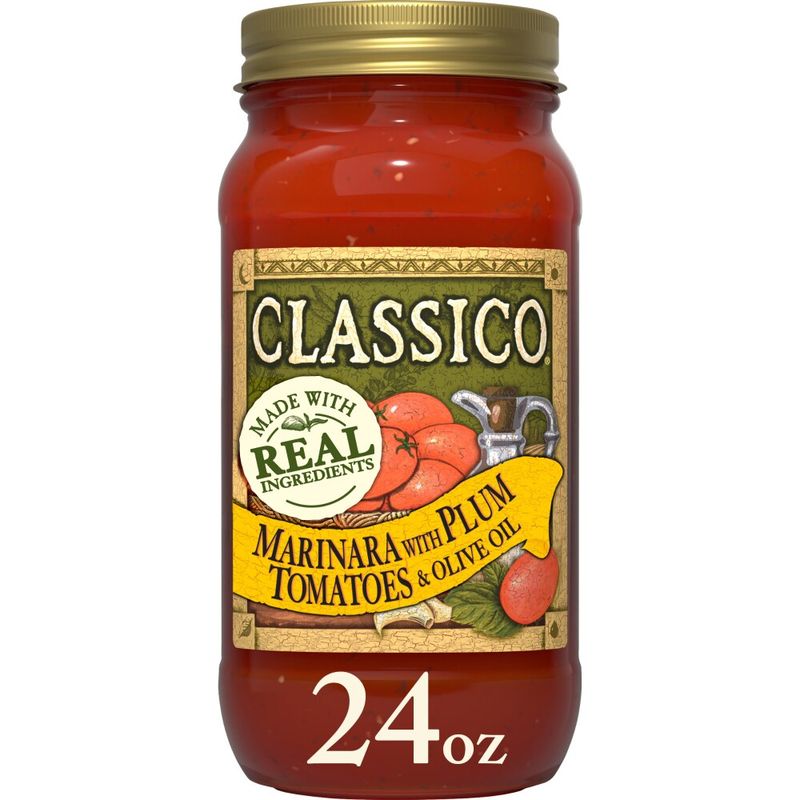
Plum tomatoes and olive oil get billing in this product’s name, giving you two clear label details to investigate. They don’t settle the taste contest, but they offer a better starting point than judging the jar’s decorative design.
Read the full ingredient list before assuming the named ingredients tell the complete story of what’s inside the bottle. Product names highlight selected features, while the back label provides the broader picture you need for a useful comparison.
When tasting, pay attention to what remains after the first bite rather than rushing straight to a score. Tomato, salt, herbs, and sweetness can leave different impressions, especially when you move from a spoonful to a full serving.
Try a second bite with plain bread if pasta makes the differences between your samples harder to notice. Keep the bread consistent across jars, and avoid garlic bread here because its seasoning can take over the whole exercise.
For dinner, choose additions that solve a specific need rather than tossing in ingredients simply because they’re nearby. A handful of cooked lentils adds substance, while a little pasta water changes thickness without adding another strong flavor.
Be careful with extra salt until you’ve tasted the finished dish with any cheese you plan to use. A sauce that seems restrained alone may land differently once salted pasta and a savory topping join the bowl.
Price comparisons work best when you check equal quantities and avoid treating the most expensive bottle as automatically superior. Your favorite may be the one that needs the least adjustment with meals you already make on repeat.
Put this option on your shortlist if its named ingredients match what you usually seek in a basic marinara. Then give it a fair trial against another jar, because attractive wording still needs to earn its place on spaghetti.
7. Newman’s Own Marinara
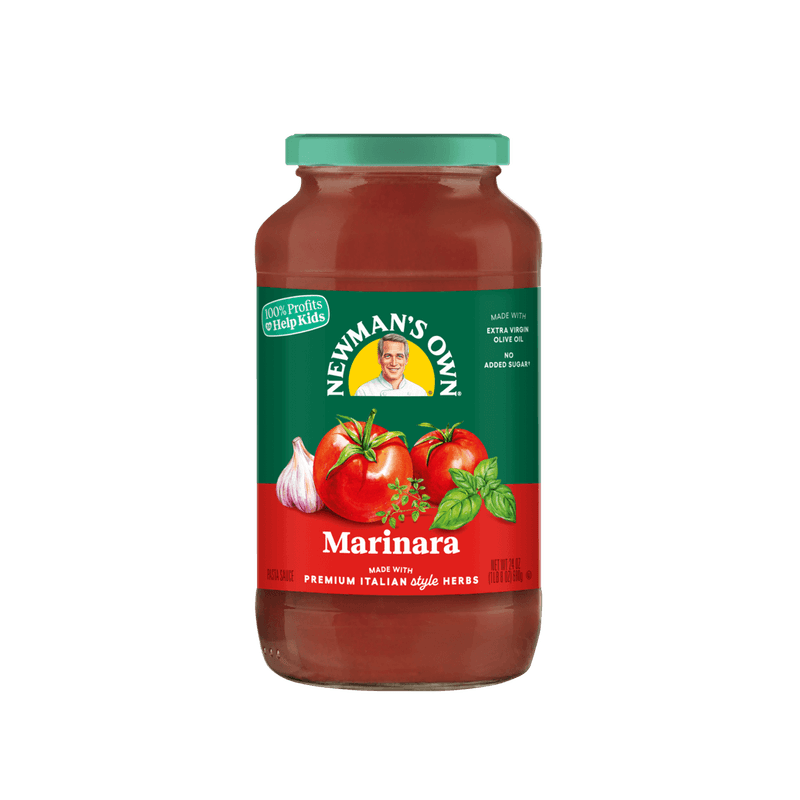
A familiar face on a label can get your attention, but it can’t tell you what dinner will taste like. Give Newman’s Own Marinara the same plain serving and measured portion you use for the less familiar contenders.
Start by checking that you’ve picked marinara rather than another tomato-based recipe sitting nearby on the shelf. Brand recognition makes shopping faster, yet the exact variety matters when you’re comparing ingredients, nutrition, or your own tasting notes.
Use this round to focus on salt, which can influence how clearly you notice the other flavors in sauce. Compare sodium using the same serving size, and remember that your actual portion might differ from the label’s example.
During tasting, wait until the sample reaches a comfortable eating temperature before you decide how strongly it’s seasoned. A very hot spoonful isn’t a fair test, and it makes careful attention to flavor much less pleasant anyway.
For a balanced dinner, pair the sauce with something that doesn’t already bring a large amount of salt. Plain cooked chicken, beans prepared without added salt, or vegetables let you adjust the finished plate more deliberately at home.
You don’t need to turn dinner into a nutrition worksheet to make a useful choice for your household. Simply compare similar servings, notice how much you use, and choose the bottle that fits your priorities and tastes.
If you’re serving several people, let them add cheese at the table instead of stirring it into the whole pan. That keeps individual preferences separate and gives you a clearer sense of how the sauce works by itself.
Keep this jar in consideration if it earns good marks for balance in your own side-by-side tasting session. A recognizable label may start the conversation, but the bowl should have the final say about a repeat purchase next week.
6. 365 Organic Marinara
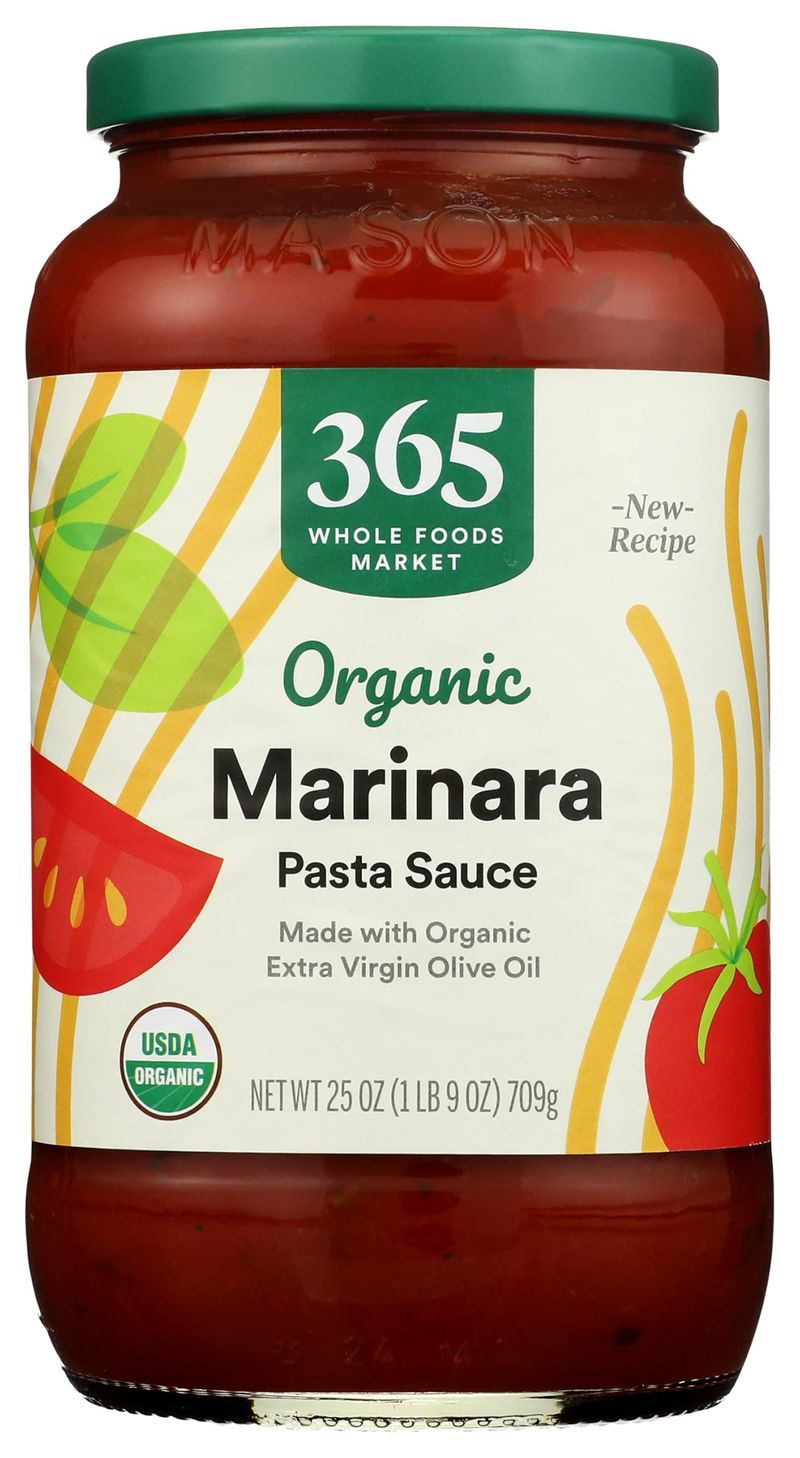
An organic label answers a sourcing question, not the entire question of whether you’ll enjoy your pasta tonight. Treat 365 Organic Marinara as a candidate to taste, rather than a shortcut to declaring the best sauce on the shelf.
Check the exact product name and package because a store brand may offer several tomato sauces with similar designs. Your comparison should use the marinara variety, with its own ingredient list and nutrition panel guiding any dietary decisions.
For this sample, make texture your main point of attention and leave a little room in your notes. Notice whether you prefer visible tomato pieces, a more even consistency, or something between those two styles on your fork.
No single texture wins for every dish, so connect your observations to the meals you actually like making. A sauce you enjoy with chunky vegetables may not be the one you’d choose for a smoother dipping bowl.
Try a small serving with your usual pasta shape before changing anything about the sauce in the saucepan. Shapes with ridges or hollow centers can carry sauce differently from smooth strands, which may affect your final preference.
When adding vegetables, cook watery ones separately first if you want to keep better control of the finished consistency. Mushrooms and zucchini can release moisture during cooking, so adding them raw may change the sauce more than expected.
Store-brand shopping also deserves the same price comparison you’d give a heavily advertised brand with a striking label. Look at cost per ounce, then factor in whether you use the whole container or regularly leave some behind.
Choose this jar again only if its flavor, texture, and value work together for your particular dinner routine. Organic certification can matter to your shopping priorities, but it doesn’t need to do the tasting on your behalf at home.
5. Trader Joe’s Organic Marinara
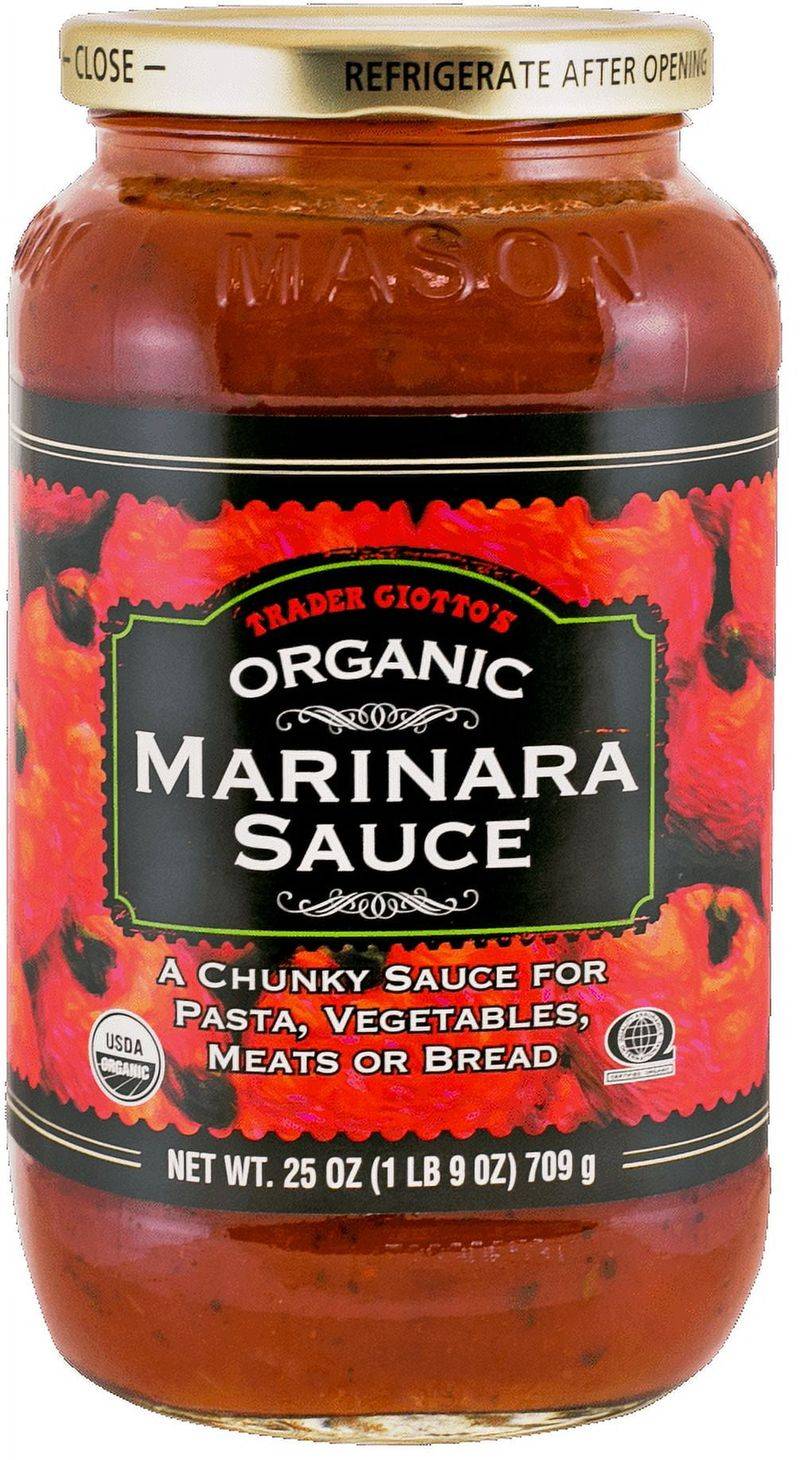
A grocery favorite still needs to pass the fork test, even when the rest of your cart looks promising. Trader Joe’s Organic Marinara belongs in a comparison based on the sauce itself, not general affection for the store.
Check the jar in front of you rather than relying on an old photo or remembered ingredient list. Packaging and recipes can change, and the label you’re actually buying is the useful reference for dietary needs and storage.
Give this contender a simple job: make a bowl of plain pasta enjoyable without requiring a complicated set of additions. Record what you’d change after tasting, even if your answer is only a pinch of seasoning or less sauce.
That adjustment list tells you something useful about convenience, which is a large part of buying jarred marinara. A bottle that needs several extra ingredients may still taste good, but it offers a different kind of shortcut.
For a low-effort comparison, invite another person to taste numbered samples without seeing their jars first on the counter. You don’t need a formal scorecard, just a few notes about sweetness, seasoning, texture, and willingness to eat more.
Keep your portions small enough that nobody gets tired of tasting before the final sample reaches the table. Plain water between bites helps you reset, while strongly flavored snacks can make the sauces harder to judge fairly.
Afterward, turn the remaining sauce into dinner rather than leaving a lineup of open jars without a plan. Use one for pasta, freeze another in meal-sized portions, and follow the specific storage directions printed on each package.
Let this bottle earn its place through usefulness rather than the excitement of an interesting shopping trip that afternoon. The repeat-buy question is wonderfully simple: would you reach for it again when dinner needs to happen with minimal fuss?
4. Mezzetta Family Recipe Marinara
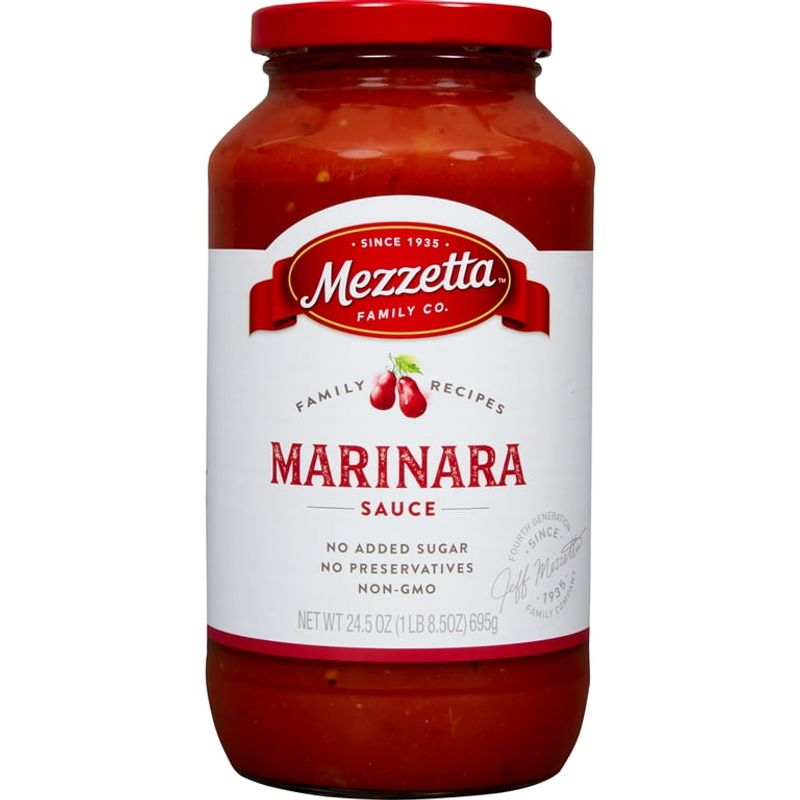
Family recipe sounds inviting, but the most useful family opinion is the one gathered around your own dinner table. Put Mezzetta Family Recipe Marinara beside another candidate and compare equal portions before giving either one a preferred pantry spot.
Use aroma as an observation rather than a verdict when you first heat a small serving in the kitchen. Notice what comes forward, but remember that a noticeable herb scent doesn’t guarantee the balance you want in a bowl.
Follow with a plain spoonful, then a bite of pasta, giving each sample the same amount of attention. This two-step approach separates your impression of the sauce itself from how well it works as part of a meal.
If you usually add fresh basil, hold it back until you’ve finished your first comparison and written a note. Fresh herbs can be a lovely finishing touch, but they also make it harder to judge the jar’s existing seasoning.
For a practical meal variation, use some sauce with cooked white beans and serve the mixture over toasted bread. Adjust the amount so the topping stays manageable, and add greens if you’d like another vegetable on the plate.
That second use matters because a versatile jar can be more helpful than one that only suits spaghetti night. Think about the meals you already rotate instead of inventing a whole new cooking routine to justify a purchase.
Check portion sizes when comparing sodium or sugar with another brand, since unequal servings can create misleading first impressions. Keep the math simple by comparing the same volume or weight whenever the labels make that possible for you.
Move this contender higher on your personal list if you enjoy its seasoning without needing several extra ingredients afterward. A family-recipe name sets an appealing expectation, but your own table gets to decide whether the promise fits dinner tonight.
3. Carbone Marinara
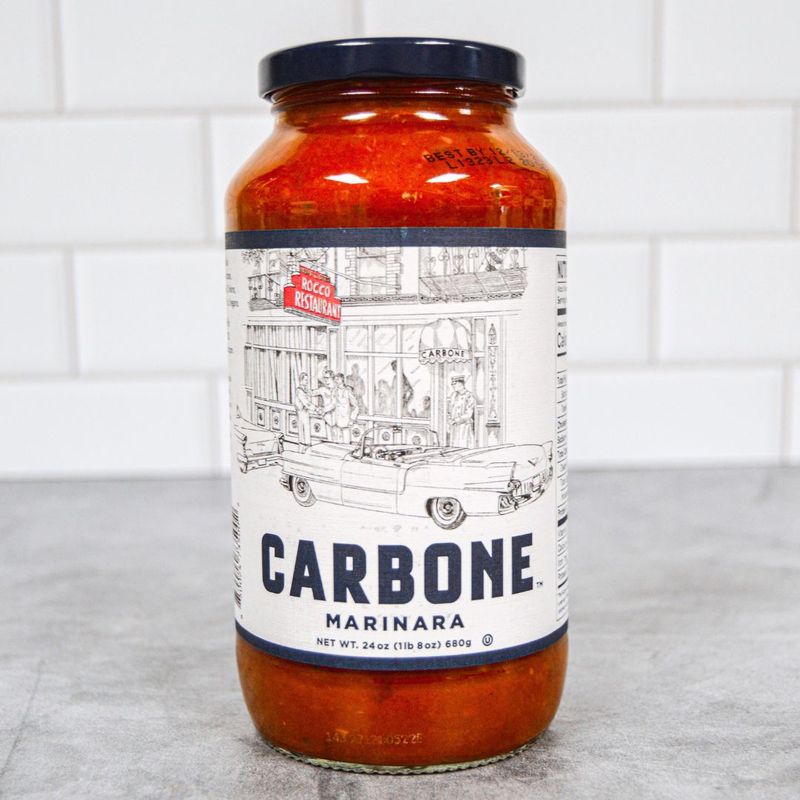
A restaurant-associated name can raise expectations before you’ve even reached for the opener, which makes blind tasting especially useful. Cover the Carbone Marinara label during your comparison and give the sauce a chance to speak without its branding.
Set aside assumptions about what a premium-looking jar should deliver, and decide what you’re actually hoping to get from dinner. Your priorities might include a pleasing tomato base, seasoning you enjoy, or less work between opening and serving.
Use the same pan temperature and heating time for your samples so preparation doesn’t become an accidental advantage. Long simmering can reduce moisture and change concentration, making one jar seem quite different simply because it received different treatment.
For this round, pay attention to finish: what do you notice after the bite, and does it invite another forkful? Write a short description in your own words rather than borrowing polished terms that don’t mean much to you.
Then compare it with a less expensive option using the same pasta and a similar amount of sauce. You may prefer one clearly, or decide that the difference doesn’t matter enough for the meals you usually cook at home.
Neither answer needs an apology, because a useful pantry decision considers enjoyment and budget together rather than treating them separately. The point isn’t to reward a famous name or reject it, but to identify value on your own terms.
Keep add-ins simple after testing, especially if you’ve chosen the jar because you want its existing flavor to lead. A little cooking water may help coat pasta, while a large handful of toppings can quickly change the whole impression.
Buy it again if the actual bowl makes a stronger case than the packaging did on the grocery shelf. Fancy expectations are easy to purchase, but a sauce earns its place when you’d happily serve it on an ordinary evening.
2. Victoria Marinara
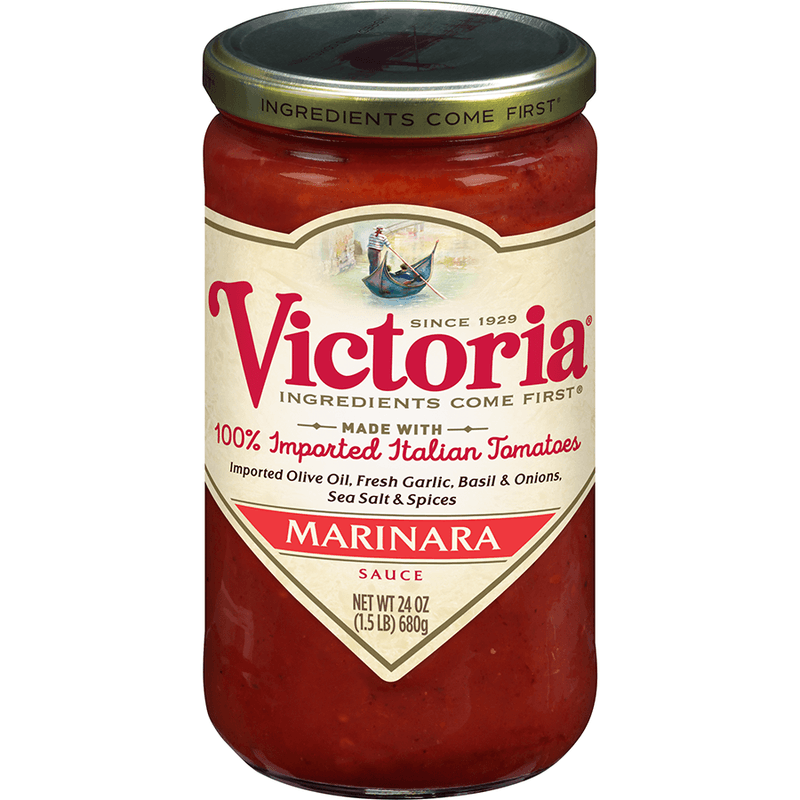
The ingredient panel deserves a turn in the spotlight before another attractive jar joins your shelf for spaghetti night. With Victoria Marinara, use that panel to check your priorities, then separate those label facts from your eventual flavor judgment.
A list of familiar ingredients can make shopping easier, but familiarity alone doesn’t tell you how they balance together. Amounts and preparation matter too, which is why reading and tasting answer different parts of the same buying question.
Set up this comparison around tomato character, asking whether you enjoy how the base comes through on plain pasta. You don’t need to identify a tomato variety by taste or invent a technical explanation for your preference at dinner.
Simple notes such as more tangy than I prefer or easy to enjoy are useful enough for future shopping. Your goal is a repeatable decision, not a food competition speech delivered while the noodles continue getting softer nearby.
Try the sauce with a vegetable you frequently serve, since your usual additions should influence what you buy next. Roasted eggplant, cooked spinach, or broccoli can each change the overall balance, so pick something familiar rather than several extras.
Keep any cheese separate until after the first few bites, especially when you’re comparing salt and richness between jars. You can finish the dish however you like afterward, once the basic sauce has had a fair chance to register.
If you cook for one or two, consider freezing measured leftovers soon after opening instead of saving the jar indefinitely. Follow package directions, use a suitable container, and leave room for expansion when freezing a liquid-based food at home.
Place this option near the top of your own list if its ingredient profile and finished dinner suit you. A dependable runner-up can be just as useful as a favorite, particularly when your preferred bottle isn’t available during a shopping trip.
1. Rao’s Homemade Marinara
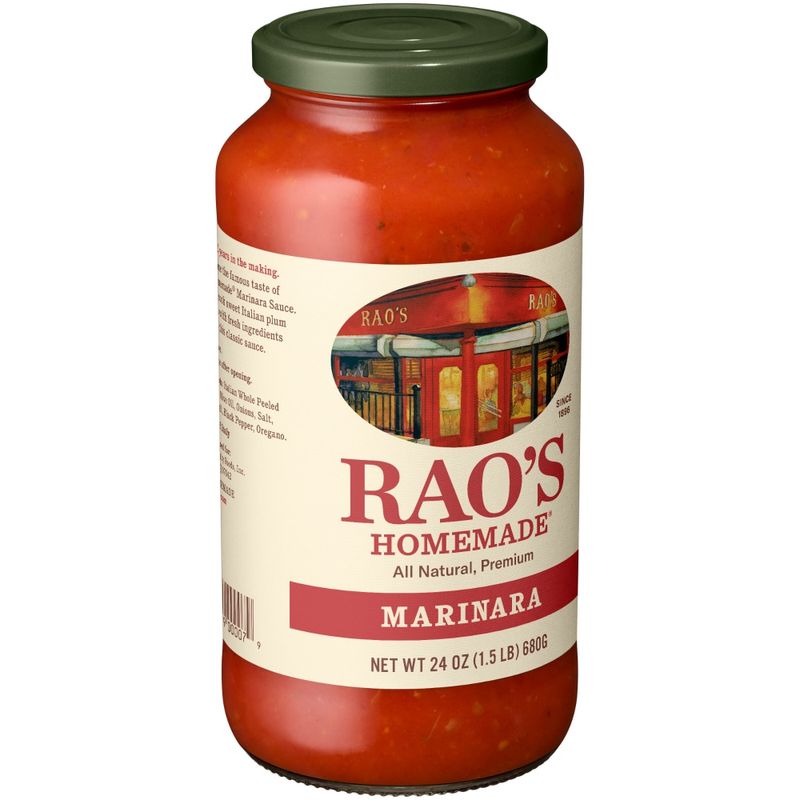
The final spot goes to an editorial recommendation, not a trophy from a tasting that didn’t take place here. Rao’s Homemade Marinara is my suggested first comparison purchase, with the clear understanding that your own palate gets the deciding vote.
Its appeal as a candidate starts with a straightforward marinara identity and a readily recognizable jar on many grocery shelves. Availability varies by store, so check the exact product rather than substituting another sauce from the same brand lineup.
Read the ingredients and nutrition panel on the bottle you’re buying, especially if you have dietary needs or specific limits. A strong reputation doesn’t replace that check, and no sauce should receive a free pass simply because people recognize it.
For the fairest trial, serve it beside your current favorite without adding butter, cheese, fresh herbs, or extra salt first. Use identical pasta portions and equal sauce amounts, then decide which bowl you’d most want to finish for dinner.
Judge convenience alongside flavor, since the point of a jar is partly to reduce the work between shopping and eating. If you enjoy it without changes, that matters; if you need several adjustments, record those before choosing your next bottle.
Consider value in terms of your real meals rather than treating a higher shelf price as proof of better quality. A sauce earns its cost when you enjoy using it, waste little, and feel comfortable buying it within your budget.
My recommendation is to try this contender first, then keep it only if it beats your usual choice at home. That is a more honest buying rule than promising a universal winner for households with different tastes and priorities.
The bottle worth buying again is the one that makes your own pasta night easier and more enjoyable to repeat. Let Rao’s make its case in the bowl, then give the winning jar a permanent job beside the dry spaghetti.
Share this story