Alton Brown, the science guy of TV cooking, reaches for a mayo with zero added sugar and a sharp vinegar kick. He calls it a Carolina classic that gives him the zing he craves.
The jar’s story starts in 1917 in South Carolina. A home cook made sandwiches for soldiers at a nearby training camp, and her homemade spread quickly stole the show.
More than a century later, the tangy recipe still has fans shipping cases to places where stores don’t carry it. A college football bowl even gives the winning coach a mayo bath, and that part is completely real.
I like how one humble condiment can earn this much loyalty. So what makes a famous food expert pick one jar over every other one on the shelf?
The Food Scientist Picked A Side, And It Is Tangy
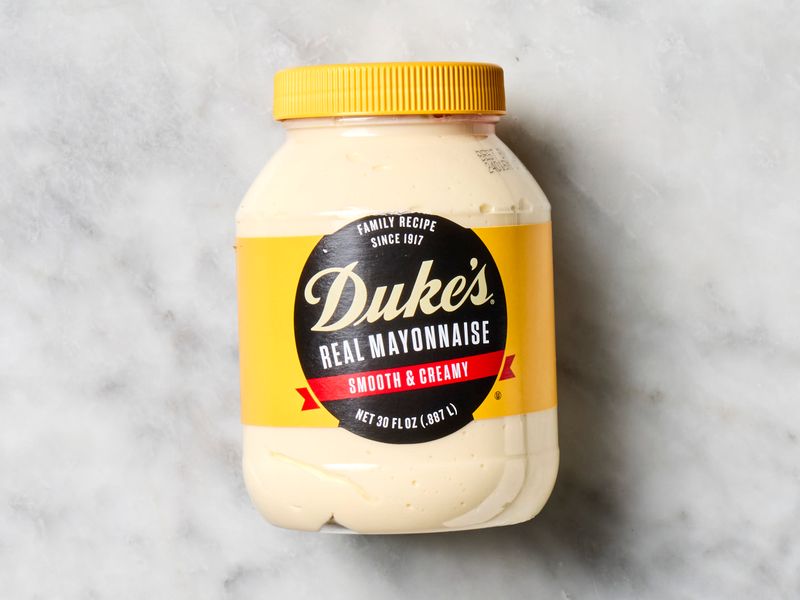
Alton Brown doesn’t hand out praise like candy. When the host famous for explaining kitchen science names a favorite mayo, people listen.
His pick is Duke’s Mayonnaise, the Southern jar with the yellow label and a loyal following. Brown has praised it in recipe notes and video appearances, calling it a Carolina classic.
So why this one? He points to its tang, which comes from apple cider vinegar and the fact that it has no added sugar.
That detail matters more than you might expect. Many mayo brands lean a little sweet, while Duke’s goes bright and sharp instead.
Brown describes that flavor as the zing he craves. For a cook who cares about how every ingredient behaves, that’s a strong vote of confidence.
I believe his choice says a lot about how he cooks. He likes ingredients that pull their weight and add real flavor to a dish.
A spread that tastes like something, rather than just creamy filler, fits that style perfectly. If you trust his advice on brining a turkey, his mayo tip deserves a fair shot too.
Grab a jar next time you shop. Your sandwich may never look at other brands the same way again.
A Sandwich Business For Soldiers Started Everything
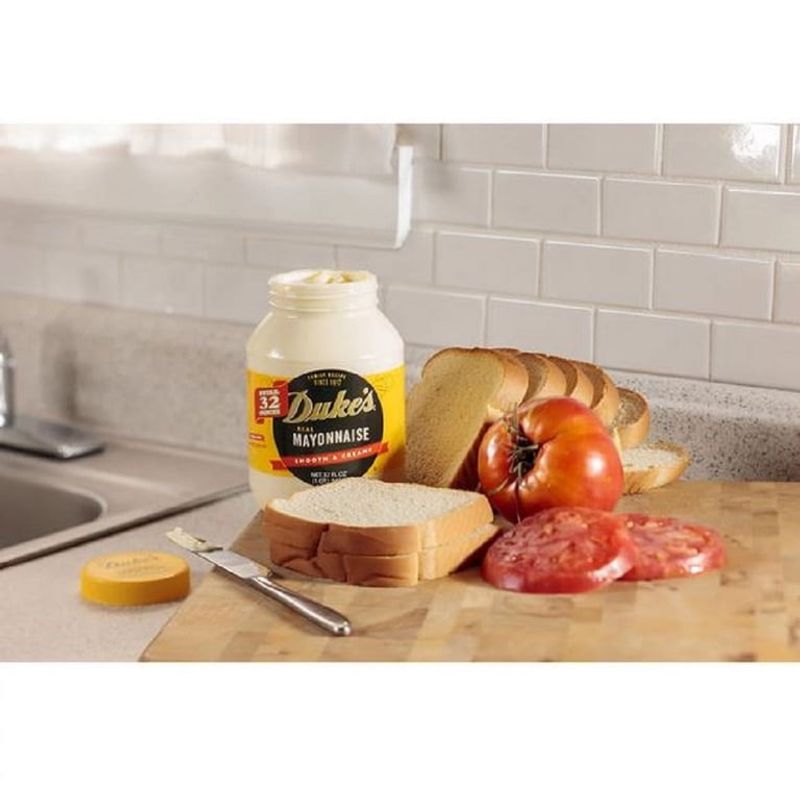
Back in 1917, a Greenville, South Carolina, cook named Eugenia Duke had a smart idea. Soldiers were training at nearby Camp Sevier, and they needed something good to eat.
She started making and selling sandwiches to them. Her homemade mayonnaise turned those simple sandwiches into something people talked about.
Word spread fast, and so did demand. Around 1923, she began bottling the mayo itself so folks could enjoy it at home.
That move turned a sandwich side hustle into a real brand. Not bad for a business that began with bread, fillings, and a big batch of homemade spread.
In 1929, Eugenia Duke sold the mayonnaise business to the C.F. Sauer Company of Richmond, Virginia.
The recipe kept her name, which is why Duke’s still sits on the label today.
I can’t imagine many kitchen experiments lasting more than a hundred years. Hers did, and it still carries that hometown story everywhere it goes.
Next time you open a jar, think about those soldiers lining up for lunch. Every scoop connects you to a clever South Carolina cook who knew good food when she made it.
No Sugar Means The Flavor Gets Loud
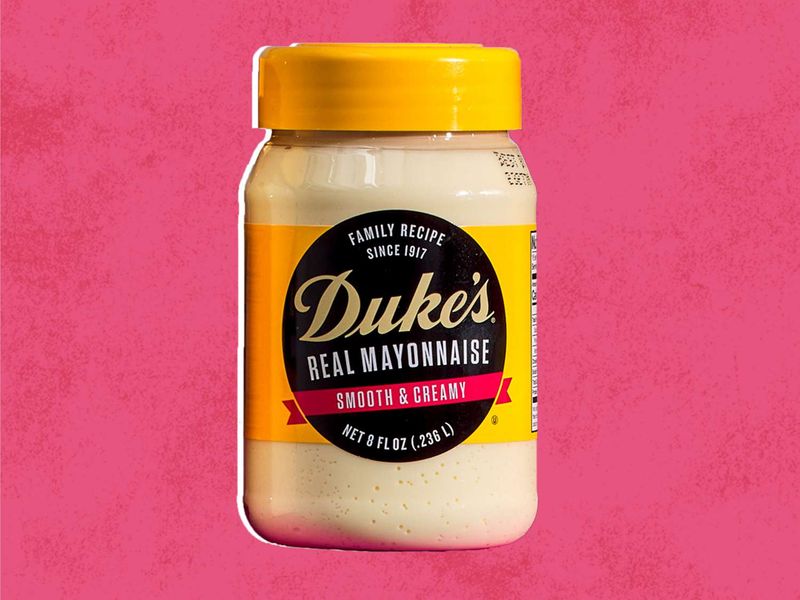
Flip the jar around and read the ingredient list. You won’t find any added sugar, and that’s the secret behind its famous personality.
Duke’s Mayonnaise uses both distilled vinegar and apple cider vinegar. Together they create the tangy, twangy taste the brand loves to brag about.
The other ingredients are simple too. Soybean oil, egg yolks, water, salt, paprika extract, and natural flavors round out the recipe.
Calcium disodium EDTA is also listed to help protect the flavor. It sounds fancy, but its job is just keeping the taste fresh.
Here’s a fun bonus for label readers. The mayo is sugar-free, gluten-free, and kosher, which makes it easy to share at many tables.
Alton Brown points straight to that cider vinegar and missing sugar when explaining his love for it. Science-minded cooks enjoy knowing exactly why something tastes the way it does.
Try a small taste test at home with two brands side by side. Spread each on plain bread and notice which one wakes up your taste buds first.
Odds are good the tangy one will stand out. That bright finish is what keeps fans coming back.
Extra Egg Yolks Make Every Spoonful Silkier
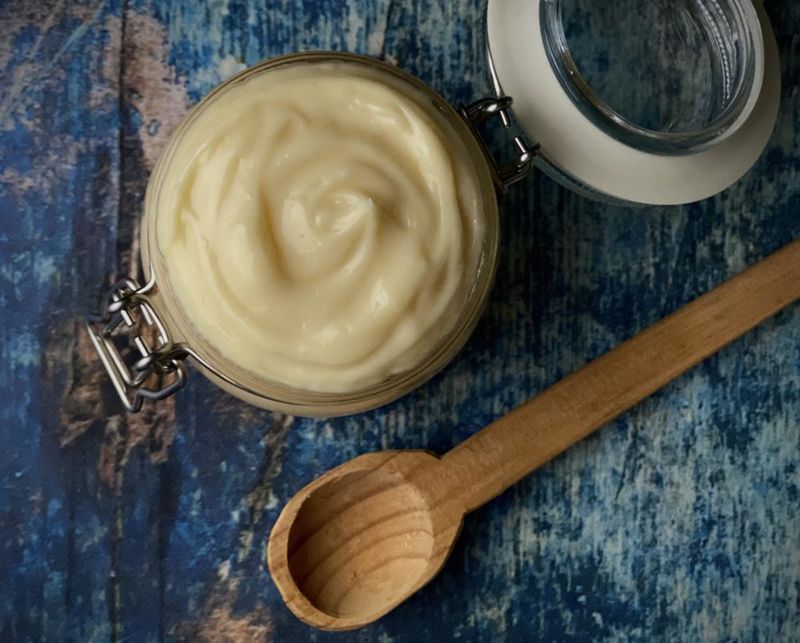
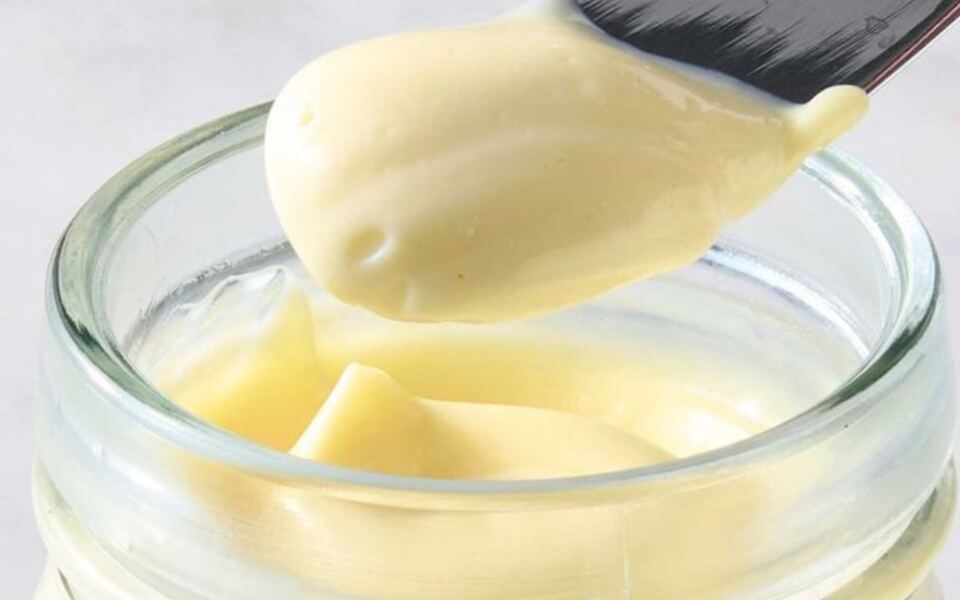
Creamy and velvety are the words people use most for this mayo’s texture. The reason is surprisingly simple: more egg yolks than many competitors use.
Egg yolks are the heart of any mayonnaise. They hold oil and water together, creating that thick, smooth spread we all know.
Duke’s leans into that with a richer yolk recipe. The result feels plush on bread and blends easily into salads and dips.
So what does that mean for your kitchen? It means fewer clumpy dressings and smoother sauces when you stir it into recipes.
A silky base also carries flavor well. Mix in herbs, garlic, or a squeeze of lemon, and everything spreads evenly.
Texture matters to Alton Brown, who often explains how ingredients work together. A mayo that’s both tangy and rich gives cooks more to work with.
Think of it as a two-for-one deal. You get the zip from vinegar and the luxury from yolks in the same jar.
That combo helps explain why fans call it the real deal. One smooth swipe across warm toast should make the point better than any explanation can.
Alton Brown Even Puts It In Cake
Mayo in dessert sounds like a prank. Alton Brown treats it as a smart baking move, and he isn’t alone.
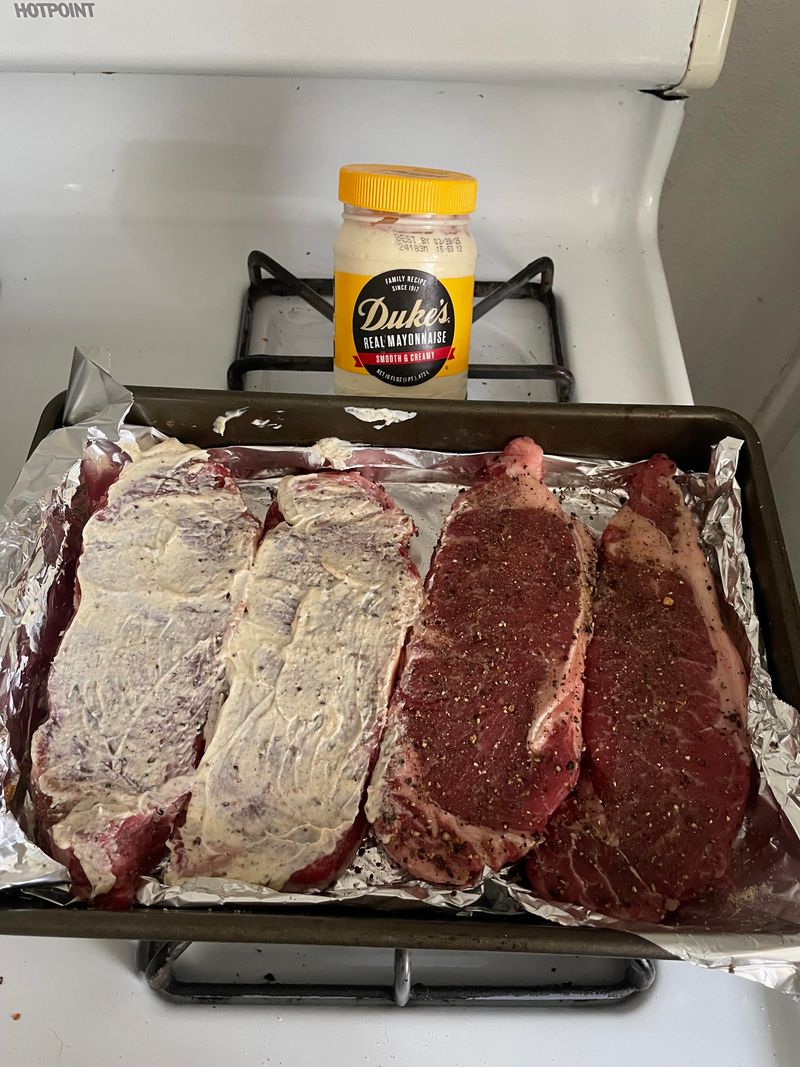
He values Duke’s for more than sandwiches. He uses it as an ingredient in recipes, including moist cake and well-seared steak.
The logic is pure kitchen science. Mayonnaise is mostly oil and eggs, two things cake batter already loves.
Adding it can bring richness and help baked goods stay tender. Nobody at the table will taste a sandwich, promise.
On the savory side, a thin coat of mayo on meat can help with browning. That makes a golden crust easier to reach in a hot pan.
Fans also use it outside the bread box in grilled cheese. A light layer on the outside helps the bread toast to a crisp, even finish.
Duke’s has a whole recipe collection on its own website for curious cooks. The brand clearly wants you thinking beyond the lunch box.
Give the grilled cheese trick a try this weekend. It’s an easy, low-risk way to see what Alton Brown means about versatility.
Southern Tables Would Feel Empty Without It
Deviled eggs, pimento cheese, coleslaw, and potato salad all have one thing in common. Across the South, Duke’s Mayonnaise is often the glue holding them together.
The brand is called a Carolina classic and a Southern icon for good reason. It’s a staple in family recipes passed down at picnics and holiday tables.
Then there’s the famous tomato sandwich. Ripe summer tomato slices, soft white bread, salt, pepper, and a generous swipe of Duke’s make a simple masterpiece.
That sandwich proves how much flavor matters when the ingredient list is short. A tangy spread gives juicy tomatoes something bold to lean on.
Pimento cheese is another star. Sharp cheese and peppers need a creamy partner that won’t make the mix taste sweet.
The same goes for coleslaw, where crunch meets zip. No-sugar mayo lets the cabbage and seasonings speak up.
Plan a little Southern menu at home to see it shine. Make deviled eggs one day and tomato sandwiches the next.
You’ll quickly notice why so many cooks refuse to swap brands. Some recipes simply taste right only one way.
A Football Coach Gets Drenched In The Stuff
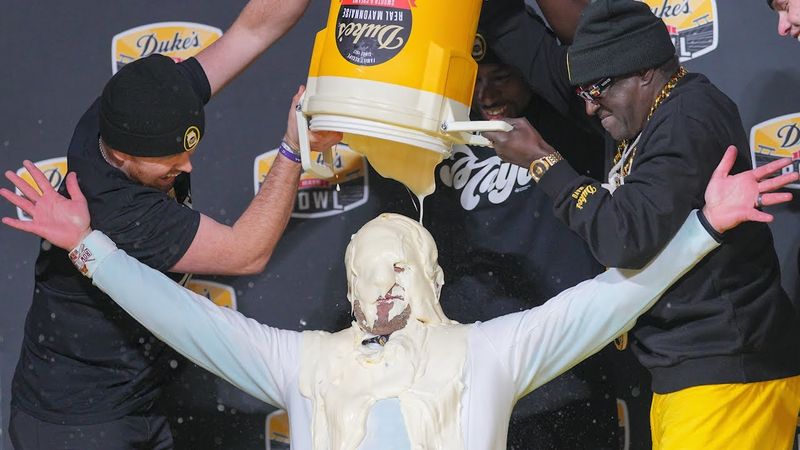
Most winning coaches get a sports drink shower. At the Duke’s Mayo Bowl, the champion coach gets a mayonnaise bath instead.
This annual postseason college football game is held in Charlotte, North Carolina. Duke’s sponsors it and gives it its very memorable name.
The mayo bath has become the game’s signature moment. Picture a giant splash of creamy white, though maybe don’t picture it right before lunch.
It’s silly, messy, and completely on brand. Few condiments can claim their own bowl game, let alone a celebration this wild.
The brand also has a mascot named Tubby. He’s a bushy-browed mayo jar with plenty of personality.
All of this shows a company that doesn’t take itself too seriously. It honors a century of tradition while still having a good laugh.
That playful spirit fits Alton Brown nicely, too. He mixes real food knowledge with goofy humor on screen, much like this brand does.
Tune in to the game during bowl season if you need proof. Watching a coach drip with mayo might be the best victory celebration in college football.
Yes, The Jars Still Come From South Carolina
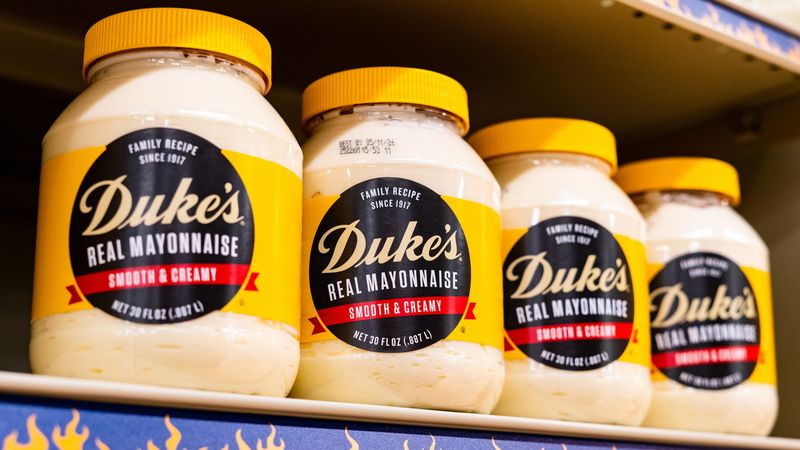
Plenty of old brands move far from home. Duke’s Mayonnaise stayed close to its roots, with its main plant in Mauldin, South Carolina.
Mauldin sits southeast of Greenville, where Eugenia Duke first made her famous spread. The factory was established in 1954 and started operating in 1955.
An expansion came in 1990, boosting what the plant could handle. Today it can produce about 1.1 million pounds of condiments each day.
That’s a mountain of mayo by any measure. It also shows how far a sandwich business for soldiers has traveled.
History buffs can visit a piece of the story in downtown Greenville. The original factory site is now called the Wyche Pavilion, a popular event space.
I like that the brand’s hometown connection is something you can actually see. It turns a grocery store jar into part of South Carolina’s local history.
In 2017, the brand celebrated its 100th birthday. The South Carolina legislature even recognized the milestone, which is quite an honor for a sandwich spread.
Stop by Greenville if you’re nearby. Standing where it began makes your next sandwich feel a little more meaningful.
The Shelf Holds More Than One Classic Jar
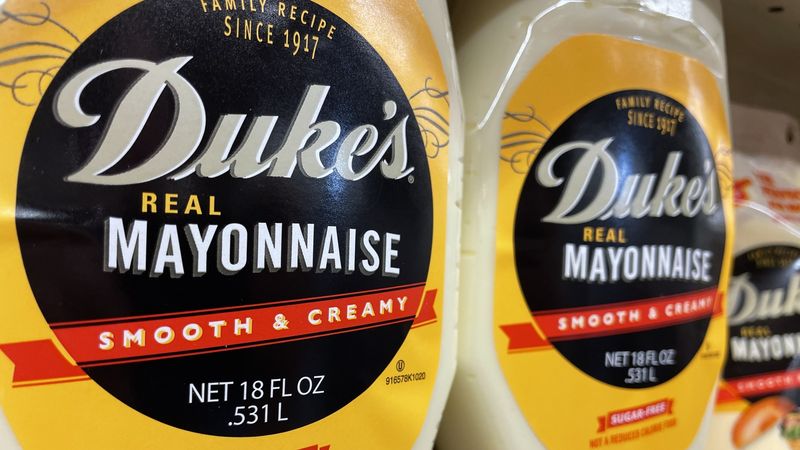
Loyal fans don’t stop at the original jar anymore. The brand has grown into a whole lineup of sauces, spreads, and dressings.
Light mayonnaise options give lighter eaters a choice. Mustards join the party for anyone who wants extra bite on a hot dog or burger.
The regional sauces are where things get fun. Carolina Gold, Mississippi Comeback Sauce, and Alabama White each bring a Southern twist to the table.
Alabama White is a creamy, tangy sauce that pairs nicely with grilled chicken. Comeback Sauce works as a dip for fries, onion rings, or crispy shrimp.
Carolina Gold leans on mustard for a golden, zippy flavor. It’s a strong match for pulled pork sandwiches at backyard cookouts.
There’s even branded merchandise for true superfans. Some people clearly want to show their mayo pride beyond the kitchen.
Still, the classic jar remains the heart of the lineup. It’s the one Alton Brown praises, and it’s the best place to start.
Once you’re hooked, try one regional sauce at a time. Your fridge door may slowly turn into a tour of the South.
Share this story