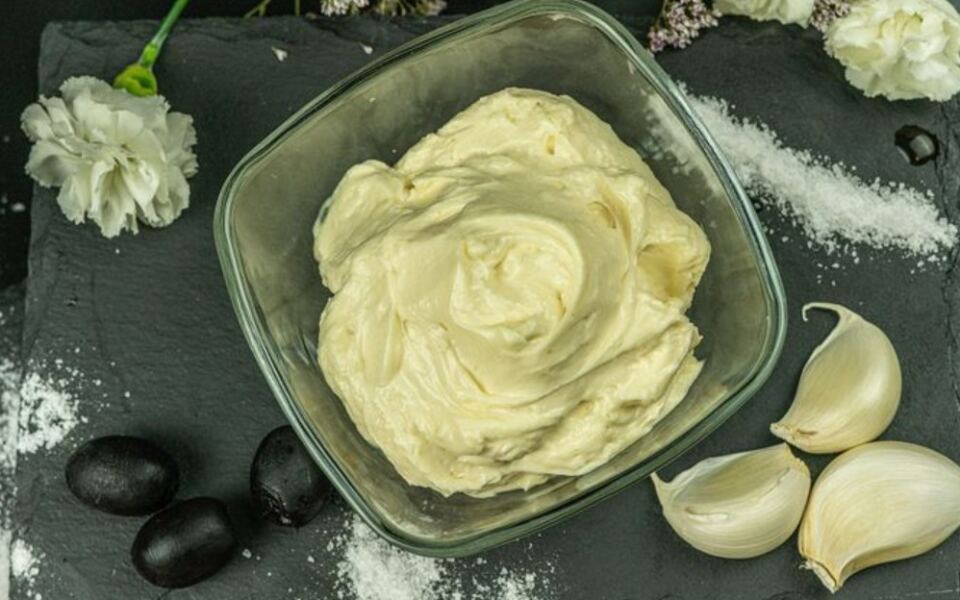
A bowl of oil and egg can become thick, creamy mayonnaise without a single minute on the stove, but the change depends on how you bring those ingredients together.
The trick is breaking the oil into tiny drops and keeping them spread through the water in the other ingredients, rather than letting everything separate into slippery layers again.
I like how this simple kitchen project makes food science useful: the speed of your pouring, the shape of your container, and even a small splash of water can change what happens in the bowl.
Once you understand what each ingredient and movement contributes, you can work with more confidence, spot trouble early, and fix many batches that seem headed for the sink, all while making a spread that suits your own taste.
Tiny Oil Drops Do the Heavy Lifting
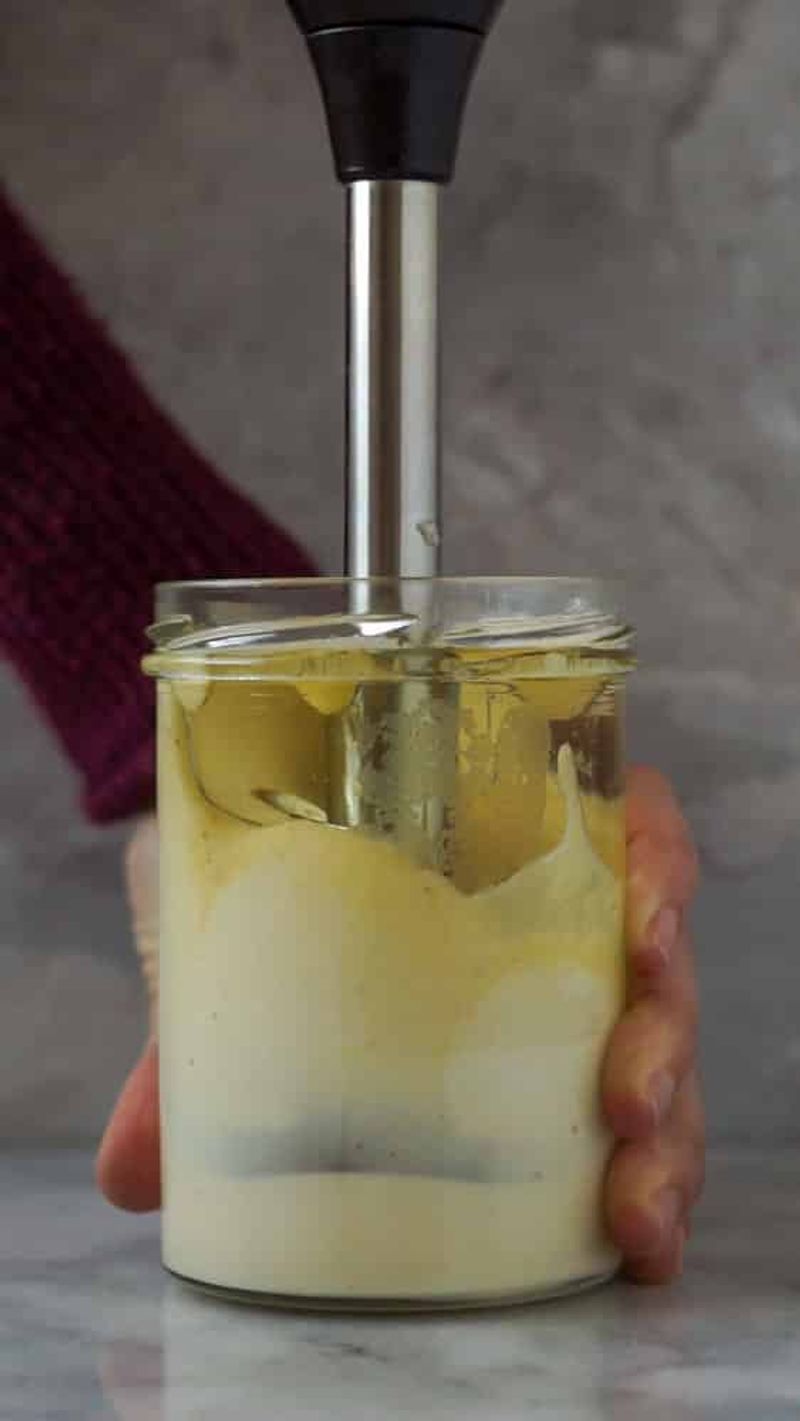
Oil and water usually prefer separate corners of the bowl. Mayonnaise works because you break the oil into tiny drops and keep those drops apart.
Cooks call this mixture an emulsion, which sounds more complicated than it needs to. One liquid spreads through another instead of forming its own visible layer.
In mayonnaise, oil droplets sit within the watery part supplied by egg, lemon juice, and other ingredients. As more droplets gather closely together, the mixture becomes thick enough to hold its shape on a spoon.
Whisking or blending supplies the force that divides the oil into smaller pieces. Ingredients in the yolk help coat those pieces so they don’t quickly join back together.
That explains why simply stirring everything once won’t produce the same result. You need both enough mixing and ingredients that help the droplets stay separate.
Watch the bowl as you work rather than chasing a fixed mixing time. A smooth, even appearance tells you more than the number of seconds on a clock.
Understanding that basic structure makes the remaining steps much easier to follow. You’re building a crowded collection of tiny droplets, not cooking a sauce with heat.
Egg Yolk Helps the Mixture Hold Together
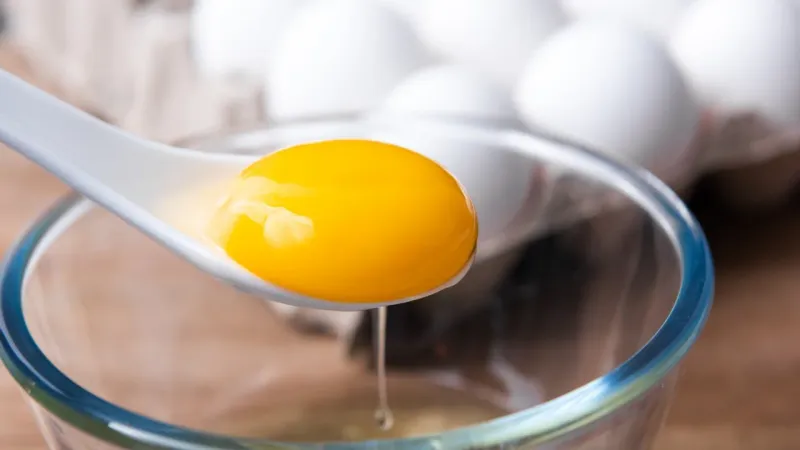
A single yolk brings more than color to your mixing bowl. It contains substances, including lecithin and proteins, that help oil and water stay mixed.
Think of these helpers as having two different kinds of grip. They can interact with water on one side and oil on another.
As you whisk, they gather around the newly formed oil droplets. That coating helps stop neighboring droplets from merging into bigger pools.
For a practical starting batch, many recipes pair one large yolk with about one cup of oil. Follow a tested recipe first rather than treating that amount as a fixed limit.
Some recipes use a whole egg, especially when an immersion blender handles the mixing. The white adds water and protein, so those recipes behave differently from yolk-only versions.
Choose pasteurized eggs or pasteurized egg products when making mayonnaise that won’t be cooked. Ordinary raw eggs can carry harmful bacteria even when their shells look clean and intact.
Crack the egg into a separate bowl before adding it to your mixture. This makes shell pieces easier to catch and keeps your main bowl ready for careful mixing without an unexpected interruption halfway through.
Your Oil Choice Shapes Every Spoonful
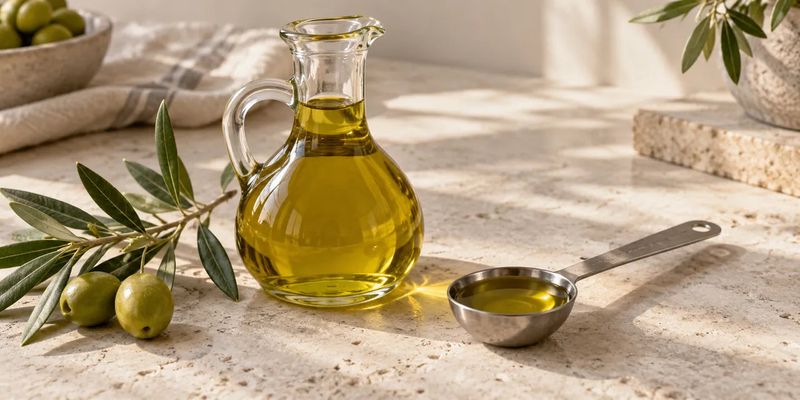
Because oil makes up most of mayonnaise, its flavor gets a starring role. A strong oil can easily take over the finished spread.
For your first batch, choose a fresh, mild oil such as canola or sunflower. A neutral flavor makes it easier to judge your salt, mustard, and lemon juice.
Olive oil can also work, but its character varies widely between bottles. Extra virgin varieties may bring noticeable bitterness or peppery notes that some people enjoy more than others.
Taste a little of your chosen oil before measuring the full amount. If it tastes stale or unpleasant alone, mayonnaise won’t provide a useful hiding place.
You can blend a mild oil with a smaller amount of flavorful oil. That gives you more control than committing an entire batch to a bold bottle.
Measure the oil before starting so your hands stay focused on pouring and whisking. A container with a narrow spout helps you manage the flow.
Save expensive oils for batches where you actually want their distinct flavor. Technique creates the creamy structure, while the oil choice helps decide what that structure tastes like on your sandwich or with vegetables later.
A Slow Start Gives the Sauce Its Structure
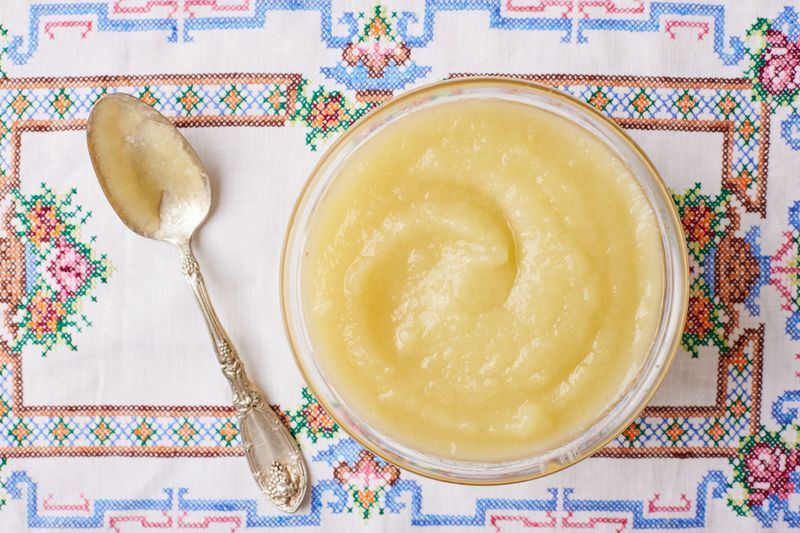
The first few drops of oil deserve your full attention. At this stage, you’re establishing the mixture that will accept the rest.
Whisk the yolk with the recipe’s mustard, acid, and any starting water first. Then add oil just a few drops at a time while keeping the whisk moving.
Wait until each addition disappears into the mixture before adding more. Pouring too quickly can leave more oil than your mixing action can break into droplets.
Once the sauce looks smooth and begins thickening, increase to a thin, steady stream. Keep that stream modest rather than tipping the jug like you’re filling a glass.
A damp towel under the bowl helps stop it from sliding around. You can also nest the bowl inside a saucepan lined with a towel for support.
If your arm needs a break, stop pouring before you stop whisking. Resume with a small addition rather than making up for lost time.
There isn’t a prize for finishing the fastest, especially during your first attempt. A patient beginning usually saves more effort than trying to repair a bowl of separated oil after a rushed start has undone your careful mixing work.
Water and Lemon Juice Have Real Jobs
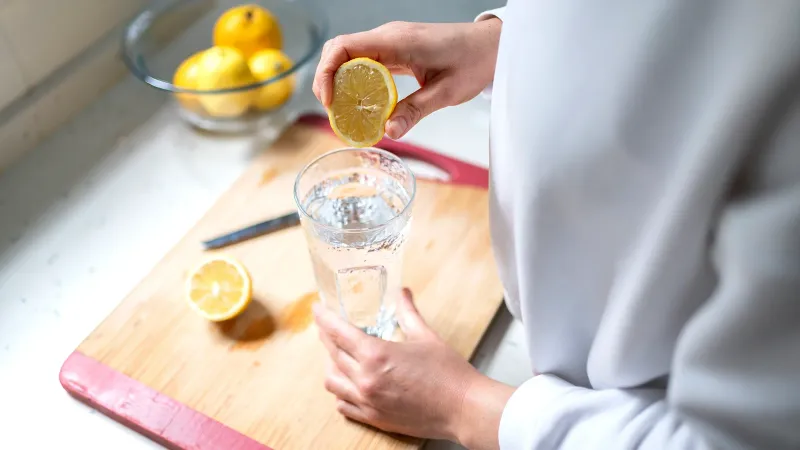
Lemon juice does more than give mayonnaise a bright flavor. It also brings water into a sauce that needs a watery base.
Although oil dominates the ingredient list, the droplets must remain surrounded by that base. Without enough available water, the mixture becomes harder to manage as you add oil.
Mustard can contribute flavor and help support the emulsion, depending on its form and ingredients. It is useful, but egg-based mayonnaise doesn’t always require it.
Follow your recipe’s starting amounts for lemon juice and water instead of guessing. You can adjust the final sharpness after the mayonnaise has formed.
If the mixture grows extremely stiff during whisking, a teaspoon of water may loosen it. Add small amounts and mix fully before deciding whether it needs more.
More oil generally makes an established mayonnaise thicker, which can feel backward at first. Water usually moves the texture in the opposite direction when incorporated carefully.
Don’t assume a sour taste means homemade mayonnaise is safe for room-temperature storage. Home recipes don’t provide a reliable way to confirm a safe acidity level.
Treat lemon juice as an ingredient, not a storage shortcut. Keep the finished sauce refrigerated promptly.
Match the Mixing Method to the Container
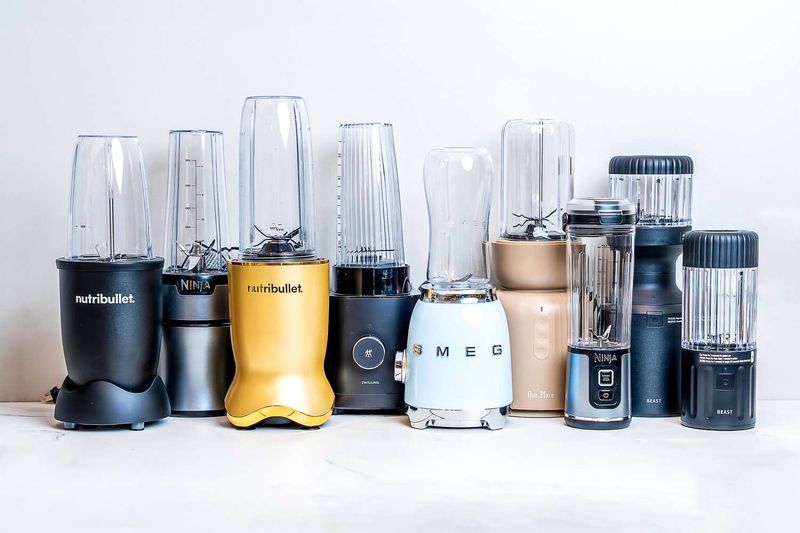
A whisk and an immersion blender can reach the same creamy destination. They simply need different setups to do their best work.
For hand whisking, choose a bowl with enough room for quick, comfortable strokes. A balloon whisk helps move the mixture while your other hand controls the oil.
An immersion blender usually works best in a narrow, straight-sided container. The container should fit the blender head closely while still meeting the tool’s instructions.
Many blender recipes begin with the egg and other watery ingredients beneath the oil. The blender starts at the bottom, drawing in oil as the emulsion forms.
Keep the head down initially if your recipe calls for that method. Lifting it too early can mix the layers before a stable base has developed.
A large food processor may struggle with a very small batch. Its blade needs enough mixture to make proper contact and circulate the ingredients.
Choose a tested recipe written for the tool you’re using rather than swapping methods halfway through. Ingredient order and batch size can matter as much as motor strength.
The most powerful machine isn’t automatically the most suitable one. A good fit makes technique easier.
Learn What the Bowl Is Telling You
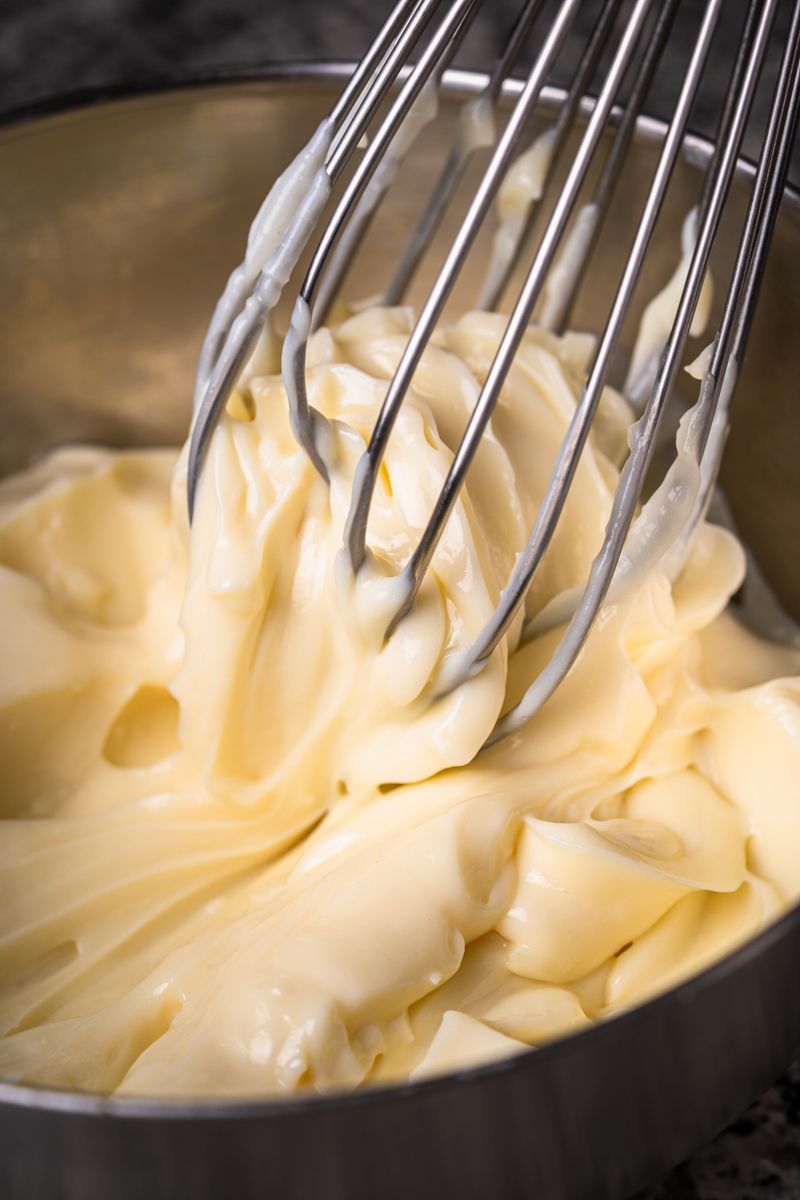
Your best progress report is sitting right under the whisk. Changes in shine, thickness, and visible oil reveal how the mixture is developing.
Early on, the yolk mixture may look loose and deeply yellow. As oil becomes evenly dispersed, mayonnaise usually turns paler and gains body.
A healthy emulsion looks smooth rather than dotted with separate pools of oil. It may leave soft tracks where the whisk moves through it.
Don’t judge success by color alone because yolks and oils vary naturally. Texture and the absence of free oil provide more useful clues.
If oil starts collecting around the edges, pause your pouring immediately. Continue mixing and see whether the small amount already present becomes incorporated.
Very thick mayonnaise doesn’t necessarily mean something has gone wrong. Try a small splash of water if the whisk struggles to move comfortably.
Temperature can affect how ingredients flow, but matching temperatures isn’t a magical guarantee. Careful addition and effective mixing still do the main work.
Keep ingredients out only as long as needed to prepare the sauce. There’s no reason to leave raw egg sitting around for hours.
Read the mixture as you go. Small adjustments beat stubbornly following the clock.
A Separated Batch Can Often Make a Comeback
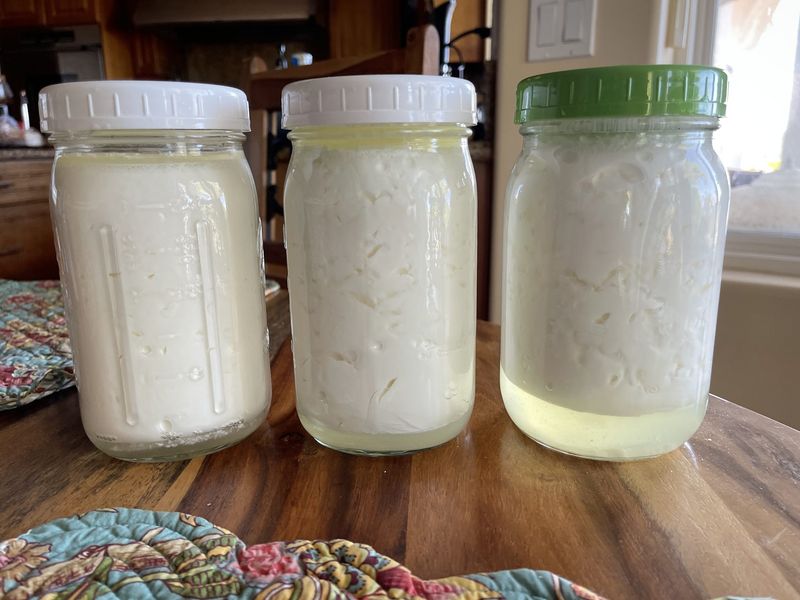
Greasy puddles aren’t always the end of your mayonnaise project. A separated batch often needs a fresh starting point rather than more frantic whisking.
First, stop adding oil and check what you’re seeing. A smooth but runny mixture may need a different adjustment than one with obvious separated liquid.
For a clearly broken batch, place a fresh pasteurized yolk in a clean bowl. Whisk it with a little water or lemon juice, following a reliable rescue method.
Add the broken mixture to this new base just a few drops at a time. Treat it like the oil at the beginning of your original batch.
Once the sauce becomes smooth and thick, gradually increase the flow. Keep whisking so each addition joins the new emulsion before more arrives.
You’re using the fresh yolk to help coat oil droplets again. The original ingredients remain useful, even though their first arrangement didn’t hold.
Some batches also recover when slowly whisked into a small amount of water. Results depend on why the mixture separated and its ingredient balance.
Don’t keep adding random ingredients without a plan. Choose one rescue method and give it a careful, patient attempt before changing direction again.
Finish With Flavor, Then Keep It Cold
Once the sauce holds together, you can finally focus on its personality. Taste a small spoonful before reaching for more salt or lemon.
Add seasonings in small amounts and stir them through completely. It’s easier to add another pinch than to undo an enthusiastic shake.
For a thinner spread, mix in water a little at a time. For a sharper flavor, use small additions of lemon juice instead.
Fresh herbs or garlic can change the flavor, but they don’t extend storage life. Keep additions clean and make only what you expect to use promptly.
Transfer the finished mayonnaise to a clean, covered container and refrigerate it right away. Keep your refrigerator at 40°F or below.
Use homemade mayonnaise within three to four days as a cautious household practice. Follow any shorter storage guidance supplied with your tested recipe or egg product.
Never leave it unrefrigerated for more than two hours, including preparation and serving time. That limit drops to one hour when temperatures rise above 90°F.
Use a clean spoon each time you scoop from the container. Careful handling protects the work you put into those tiny droplets, right through the final sandwich you make.
Share this story