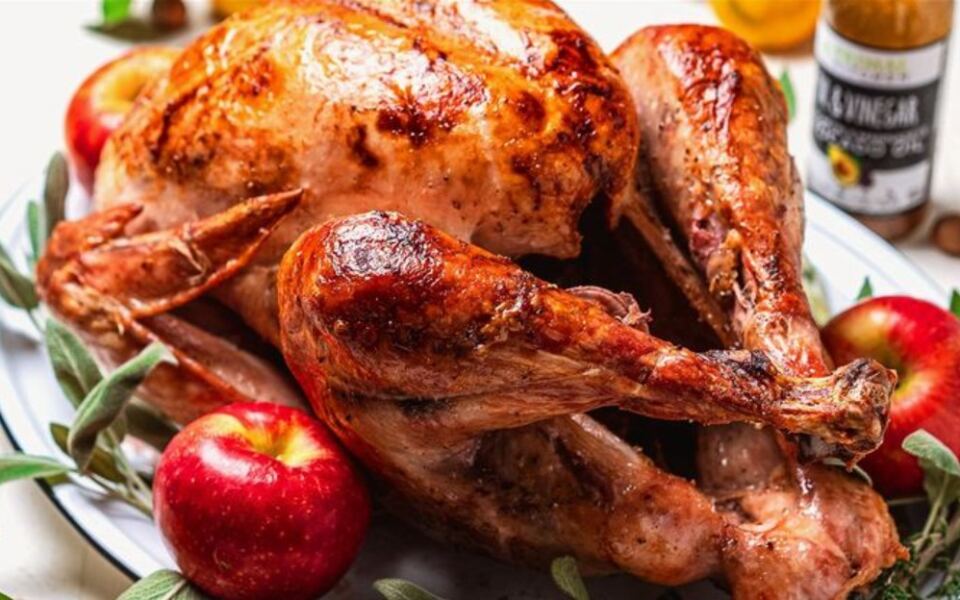
Thanksgiving dinner might be all about the sides for some people, but the turkey still has a way of stealing the spotlight. And if you’re hoping to serve something beyond the usual supermarket bird, there are several specialty producers worth knowing about.
From slow-grown bronze turkeys to heritage breeds raised on small American farms, these companies take different approaches to producing the centerpiece of a holiday feast.
Some emphasize traditional breeds and richer flavor. Others offer organic options, carefully controlled aging, or farming practices that appeal to shoppers who want to know more about where their food comes from.
Of course, a premium label doesn’t automatically guarantee a better Thanksgiving dinner. The breed, size, processing methods, and preparation all influence the final result.
But for home cooks interested in exploring something different this holiday season, these five turkey brands offer compelling alternatives.
1. KellyBronze
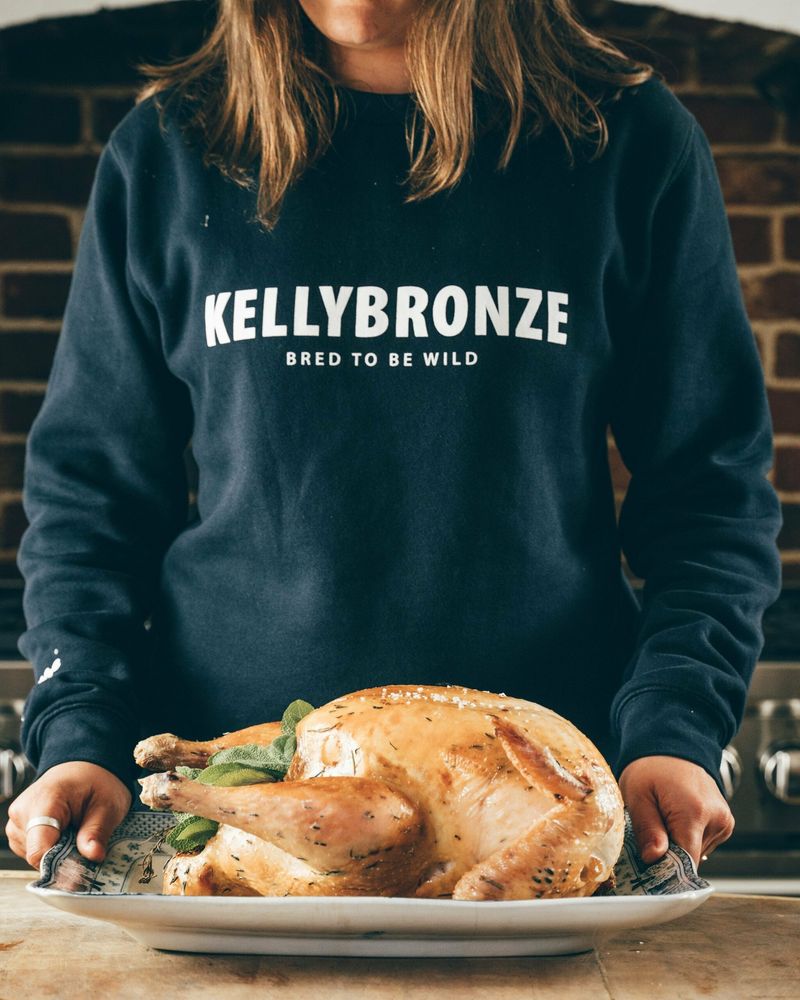
KellyBronze has built its reputation around a traditional approach to raising and preparing turkeys.
Founded in England, the company specializes in bronze-feathered birds that grow more slowly than conventional commercial turkeys. It has also established production in Virginia, bringing its distinctive approach to the American market.
One of the biggest differences is what happens after the birds are raised.
KellyBronze uses dry plucking, a method of removing feathers without the hot-water scalding commonly used in poultry processing.
The company also ages its turkeys under controlled conditions, a process intended to develop flavor and improve the eating experience.
That combination of slower growth, traditional processing, and aging helps explain why KellyBronze turkeys occupy the premium end of the market.
The brand’s birds are often described as having a richer, more pronounced turkey flavor than conventional supermarket varieties.
They’re especially appealing to cooks who want the turkey itself to be the star of the meal rather than relying entirely on heavy seasoning or gravy.
One important detail: KellyBronze provides its own preparation guidance, and its cooking recommendations can differ from those used for standard supermarket birds.
Following the producer’s instructions while checking safe internal temperatures is particularly important when preparing a specialty turkey.
2. Joyce Farms
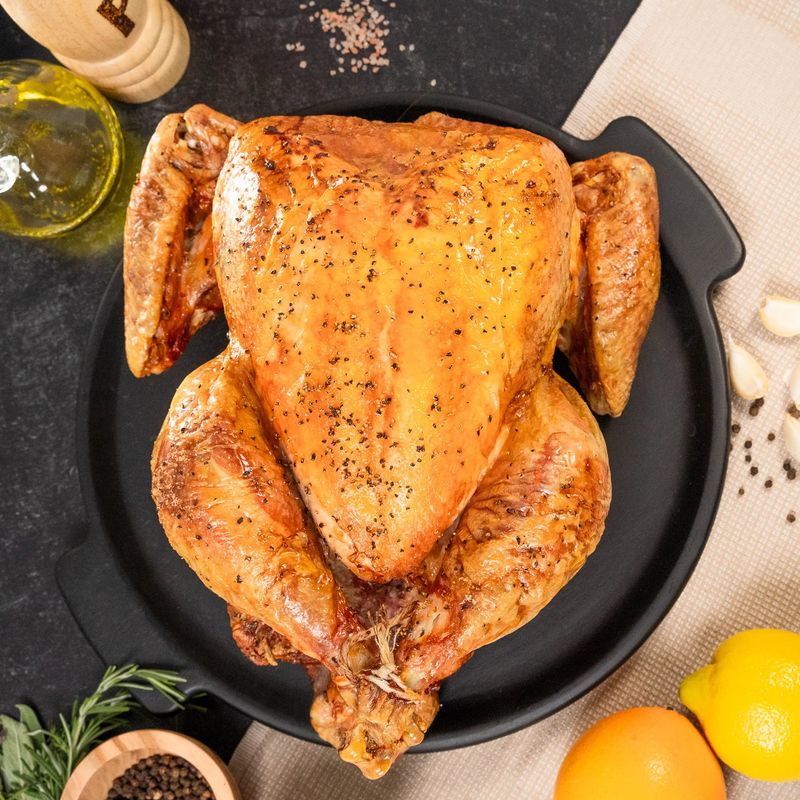
Joyce Farms is a North Carolina-based producer known for specialty poultry, including heritage-breed turkeys.
Its Heritage Black Turkey is particularly interesting for Thanksgiving shoppers looking for a bird that differs from the broad-breasted white turkeys commonly found in grocery stores.
Heritage turkeys generally grow more slowly and retain physical characteristics associated with older breeds.
They can also have a different balance of breast and leg meat, which changes both the appearance of the bird and the way it cooks.
Joyce Farms emphasizes traditional breeding and raising practices, positioning its heritage turkey as an option for cooks who value flavor and the history behind the breed.
For some diners, the appeal lies in the meat’s more pronounced character.
Rather than choosing a turkey primarily for its oversized breast, shoppers can explore a bird bred with a different set of priorities.
That doesn’t mean a heritage turkey is automatically the right choice for every household.
Families accustomed to very large portions of white meat may prefer a conventional bird, while those who enjoy darker meat and a more traditional turkey profile may find a heritage option particularly appealing.
Joyce Farms is worth considering if you’re interested in exploring those differences without moving away from a classic roasted Thanksgiving turkey.
3. D’Artagnan
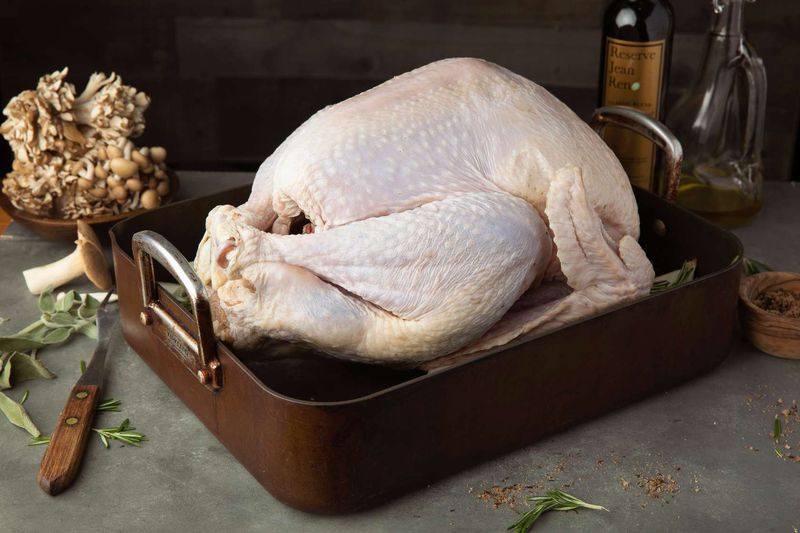
D’Artagnan has long been associated with specialty meats, poultry, and gourmet ingredients.
For Thanksgiving, one of its biggest advantages is variety.
Rather than focusing on a single type of turkey, the company has offered several options, including organic and heritage birds.
That gives shoppers an opportunity to compare different raising methods, breeds, and price points within one specialty food brand.
An organic turkey may appeal to someone who prioritizes certified production standards, while a heritage bird may be more attractive to a cook interested in traditional breeds and distinctive flavor.
The important thing is to read the description of the specific turkey you’re buying.
Terms such as organic, heritage, pasture-raised, and free-range describe different characteristics. They aren’t interchangeable, and they don’t necessarily tell you whether a bird has been brined or contains added solution.
D’Artagnan’s selection also makes it a useful option for shoppers who prefer ordering specialty ingredients rather than relying entirely on what’s available at their neighborhood grocery store.
Because holiday poultry can involve shipping and advance ordering, delivery timing matters.
A frozen turkey needs sufficient refrigerator thawing time, while a fresh bird requires careful planning around pickup, storage, and cooking.
For cooks who enjoy comparing several premium options before making a decision, D’Artagnan offers a convenient starting point.
4. Diestel Family Ranch
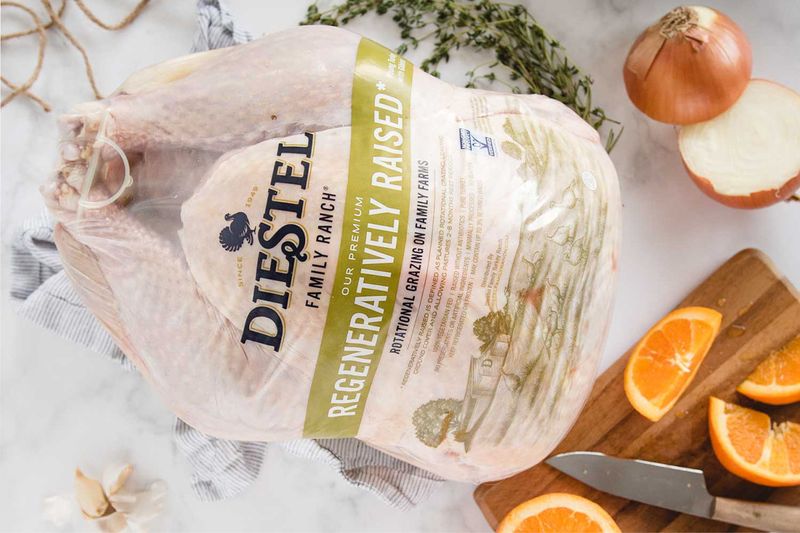
Diestel Family Ranch has been raising turkeys in California for generations.
Based near Sonora in the Sierra Nevada foothills, the family-owned business has become a recognizable name among shoppers looking for specialty holiday poultry.
The company offers several turkey varieties, including organic options, allowing customers to choose according to their priorities and budget.
Its range is one of the brand’s strongest features.
Not everyone shopping for a premium Thanksgiving turkey wants a heritage bird, and not every family needs an especially large turkey.
Diestel’s different product lines give shoppers more flexibility when comparing size, farming standards, and availability.
The ranch has also attracted attention for its work involving regenerative agriculture and land management.
Those efforts may interest consumers who consider farming practices alongside flavor and price when choosing meat.
Still, it’s important to evaluate the specific product rather than assuming every turkey from the same producer carries identical certifications or raising claims.
Check the label for organic certification, added ingredients, and handling instructions.
For West Coast shoppers in particular, Diestel is a brand worth looking for at specialty grocery stores and meat counters during the Thanksgiving season.
Its combination of family ownership, multiple turkey varieties, and a long history in California poultry production makes it a notable alternative to the largest national turkey brands.
5. Good Shepherd Poultry Ranch
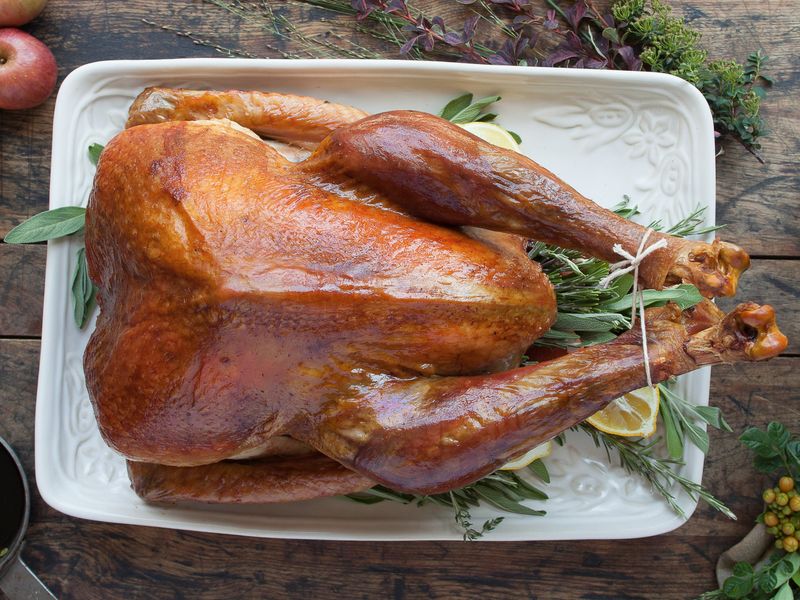
Good Shepherd Poultry Ranch takes a particularly distinctive approach to Thanksgiving turkey.
The Kansas operation is closely associated with Frank Reese, a longtime poultry breeder known for his efforts to preserve traditional American poultry breeds.
Unlike commercial turkey production, which largely relies on a small number of highly specialized breeding lines, heritage poultry programs focus on maintaining older breeds and their genetic diversity.
That mission is central to Good Shepherd.
The ranch has worked with heritage turkeys, including traditional Standard Bronze birds, raised with an emphasis on natural growth and breed preservation.
For shoppers, that translates into a turkey with a different background from the conventional broad-breasted white bird.
Heritage turkeys may have a more pronounced flavor, firmer texture, and different proportions of dark and white meat.
They also tend to be more expensive because traditional breeding and slower growth generally require more time and resources.
Good Shepherd’s appeal goes beyond the finished meal.
Buying heritage poultry can also support producers working to preserve breeds that might otherwise become increasingly rare.
For cooks interested in food history, agricultural diversity, and the story behind their Thanksgiving centerpiece, that can be a meaningful part of the decision.
Availability is often more limited than with conventional grocery-store turkeys, so shoppers should confirm current ordering options well ahead of the holiday.
Share this story