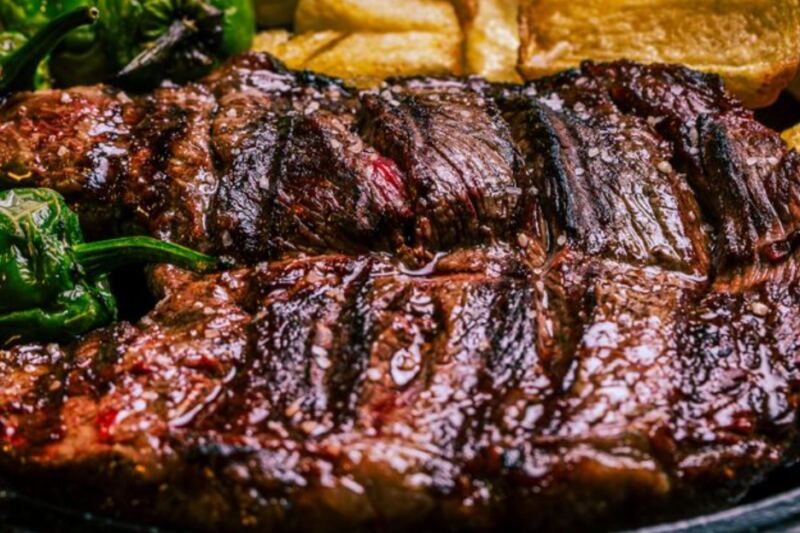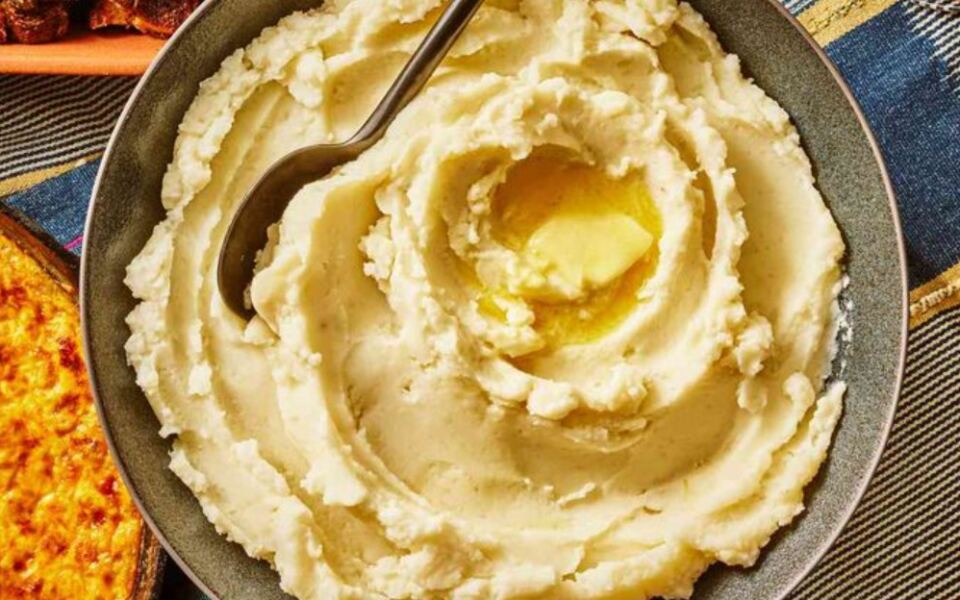
Butter can make a bigger impression in mashed potatoes when you add it before the milk or cream. That small change gives you a useful way to build richer flavor without treating the butter dish like an endless supply.
The method starts with hot potatoes that have been drained well, then mashed gently before butter goes in. I like how practical that is, because better mashed potatoes should not require fancy tools or a shopping cart full of extras when a few careful steps can improve the batch you already planned to make.
Potato choice, moisture, heat, and seasoning all help that buttery flavor come through, too. Once you understand how those pieces fit together, you can stop pouring in dairy and hoping for the best, then start making a bowl that earns its place beside the main dish.
Let Butter Go In Before the Milk
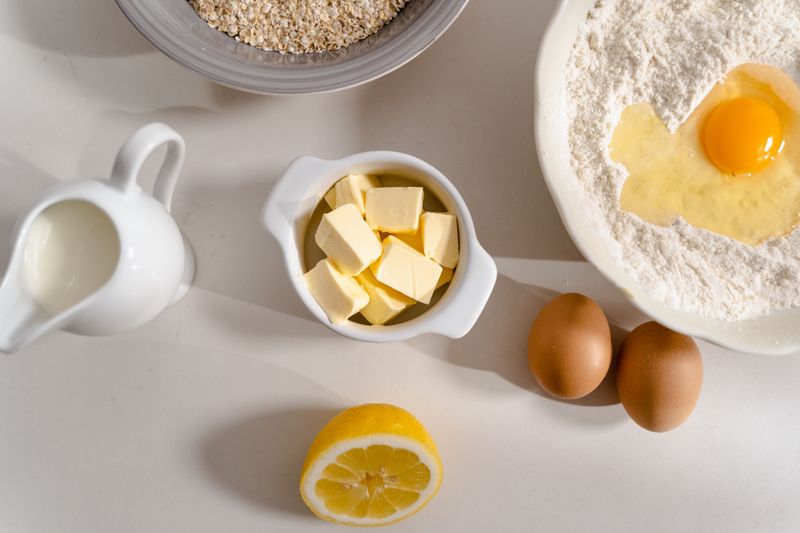
The order of ingredients can change your mash, even when the shopping list stays exactly the same. Instead of pouring milk into freshly mashed potatoes first, work in the butter while the potatoes are still hot.
Butter first is a useful chef technique for building a rich mash with a smooth, rounded feel. The fat can coat the potato starch before you add more water through milk, helping limit a sticky texture.
Start with potatoes that are fully cooked, drained, and briefly dried in their warm cooking pot. Mash or rice them, then fold in softened butter or gently melted butter until no obvious streaks remain in the bowl.
Only then should you add warm milk or cream, using small splashes rather than one large pour. Pause between additions so you can judge the texture before the potatoes become looser than you wanted them to be.
You may see this method explained as butter entering potato cells before milk can fill them up. That picture is too simple, so think instead about fat, starch, moisture, and the order in which they meet.
For an easy starting batch, use two pounds of potatoes and four to six tablespoons of butter. Keep about half a cup of warm milk nearby, but understand that your potatoes may not need all of it.
Fold with a sturdy spoon or flexible spatula instead of beating the mixture until it looks perfectly polished. A few careful turns help blend the ingredients without releasing more starch than necessary from the cooked potatoes.
Finally, taste before reaching for another pat, because salt and temperature also shape how rich the mash seems. The goal is a clear butter flavor throughout the bowl, not simply a shiny puddle sitting on top at dinner.
Choose Potatoes That Help the Butter Shine
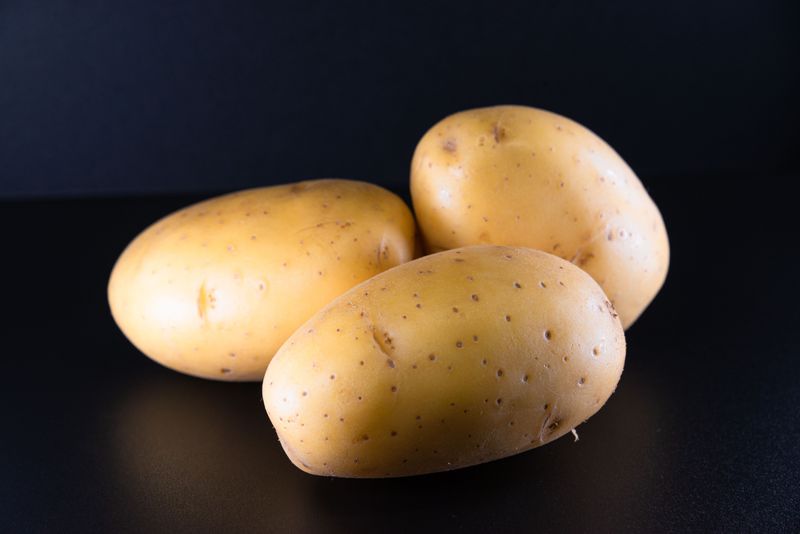
A good bowl starts in the produce aisle, long before anyone reaches for the butter knife. Potato varieties behave differently when cooked, so choosing the right kind makes the rest of the process much easier.
Yukon Gold potatoes have yellow flesh and a naturally rich flavor that works well in a creamy mash. Their color can also make the finished potatoes look buttery, although yellow flesh does not mean they contain butter.
Russets take a different route, giving you a lighter, fluffier result when they are cooked and handled carefully. Their higher starch content makes them useful when you want a mash that feels less dense on the spoon.
You can also combine the two varieties instead of asking one potato to do every job. Start with equal weights of Yukon Golds and russets, then adjust future batches toward the texture your household likes best.
Small red potatoes and other waxy varieties can make pleasant, rustic mashed potatoes with more body. However, they are not the easiest choice when your goal is a fine, fluffy mash that welcomes butter without much mixing.
Peel the potatoes for a smoother finish, or leave some skin for a more casual side dish. Keeping the skins changes the texture more than the butter flavor, so choose based on the meal you are making.
Cut your potatoes into pieces of roughly equal size so they finish cooking at about the same time. Mixing tiny pieces with large chunks can leave some waterlogged while others still resist the tip of a knife.
Check doneness rather than trusting the clock alone, because variety and piece size affect cooking time. When a knife slides through easily, you have the right starting point for a mash that needs less work and tastes more balanced.
Give Extra Water a Chance to Escape

Extra water is the quiet reason some mashed potatoes taste less rich than their ingredient list suggests. Butter has a harder job standing out when the bowl already contains more cooking water than it needs.
Once the potatoes are tender, drain them thoroughly in a colander rather than tipping out most of the water. Give the pieces a brief moment to release steam, then return them to the empty cooking pot.
Set the pot over low heat for about one or two minutes, watching closely as moisture evaporates. Gently shake the pot or move the pieces with a spoon so the bottom does not begin to brown.
You are looking for potatoes that appear drier on the surface, not chunks with a crisp crust. Turn off the heat when visible wetness has faded and a little steam still rises from the warm pieces.
That short drying step gives you more control over the liquid you add during the final mixing. Instead of balancing milk against leftover cooking water, you can build the texture with butter first and measured dairy afterward.
A wide pot helps steam escape, but you do not need special cookware to make this work. Avoid covering the potatoes during this stage, because a lid catches steam and sends moisture right back into the pot.
If the potatoes begin sticking, lift the pot from the burner and continue with the warmth already inside. Scraping browned bits into the mash changes its flavor, which is not the goal of this simple drying step.
Rice or mash the potatoes while they remain hot, then fold in your butter before adding warm milk. Those few extra minutes at the stove can keep the finished bowl from needing more butter just to taste satisfying at the table.
Keep the Dairy Warm, Not Boiling
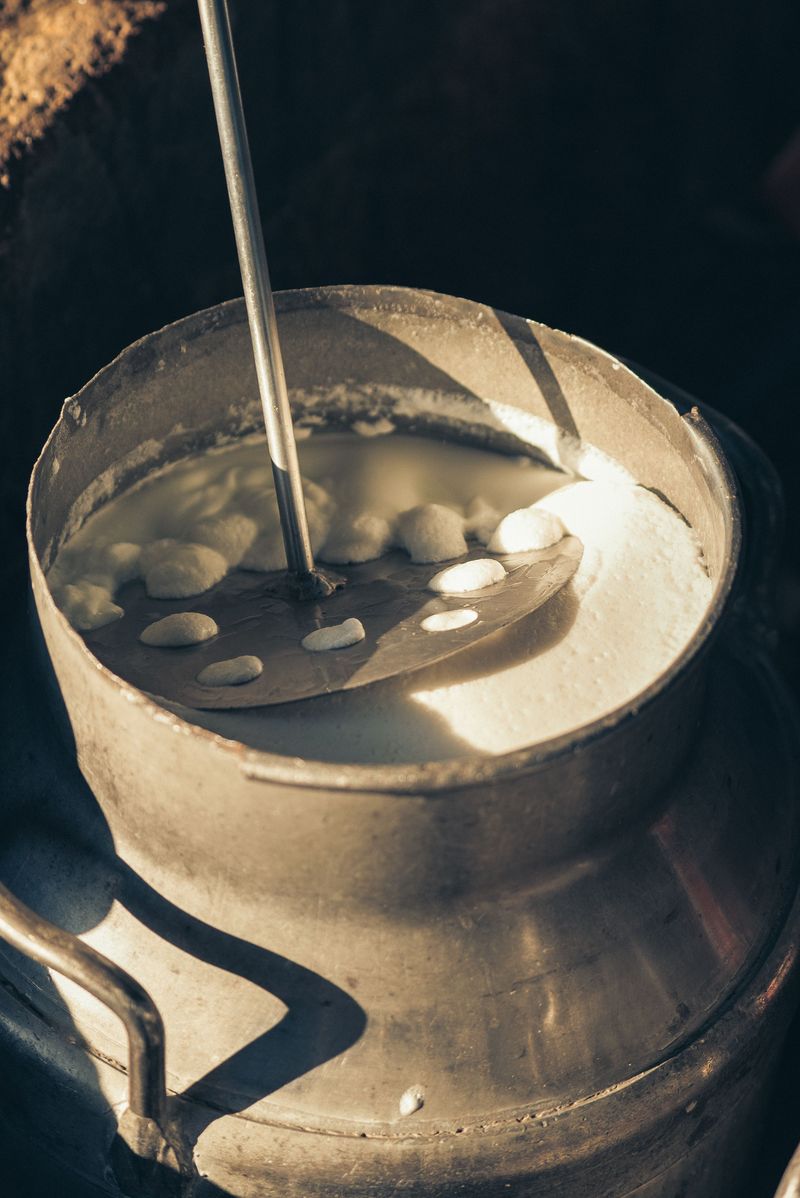
Cold milk can take the warmth out of a pot of potatoes surprisingly fast during mixing. Warm dairy blends more easily into the mash and helps you serve dinner without another round of heating afterward.
Pour your milk or cream into a small saucepan and warm it gently over low heat. Stop before it boils, because you need comfortable warmth rather than bubbling liquid that can scorch or spill over the rim.
Butter needs similar care, though it does not have to become a steaming pool before you use it. Softened butter melts readily in hot potatoes, while gently melted butter is easy to distribute with a few careful folds.
Keep the butter and milk separate if you want to follow the butter first method closely. Blending them together in one saucepan may be convenient, but it removes the ingredient order that makes this technique worth trying.
Add the butter to the hot mash, fold until blended, and then begin adding your warmed dairy. Work in small amounts so the potatoes stay thick enough to hold their shape rather than spreading across the plate.
A microwave also works for warming milk when you would rather skip washing another saucepan after dinner. Use a microwave safe container, heat in short bursts, and stir between them to spread the warmth more evenly throughout.
You do not need a thermometer for this step, and there is no reward for making everything hotter. Excess heat can encourage sticking while you work, especially if the potatoes remain over a burner during the whole process.
Turn the heat off before mixing unless the potatoes genuinely need gentle warming to stay ready for serving. Managing temperature this way keeps the butter easy to blend and leaves you free to focus on seasoning and consistency instead of reheating.
Measure Butter Before You Start Adding More
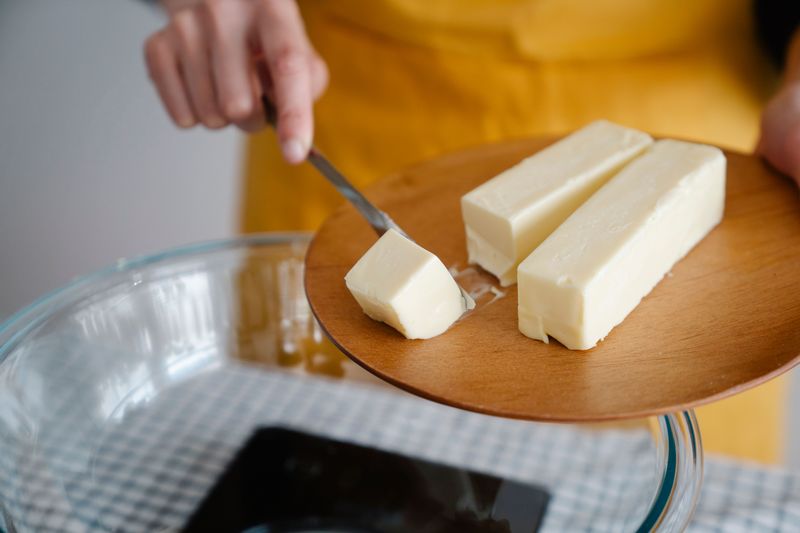
More butter can certainly make potatoes richer, but an unmeasured approach can turn dinner into a guessing game. A clear starting amount helps you learn what you like without losing track halfway through the mixing.
For two pounds of potatoes, four to six tablespoons of butter offers a practical place to begin. That range is a suggestion rather than a rule, since potato variety and your choice of dairy affect the result.
Measure the butter before cooking so you know exactly what went into the first version of your mash. After folding it into the hot potatoes, add enough warm milk to reach the texture you want before tasting.
If the bowl still seems lean, fold in another tablespoon of butter and taste a small spoonful again. Keep the seasoning steady while you compare, because bland potatoes can seem less rich even when they contain plenty of fat.
Restaurant style potato purees sometimes use far more butter than a typical weeknight batch of mashed potatoes. Those versions aim for a very rich finish, and they do not have to become your everyday cooking target at home.
Unsalted butter makes it easier to control seasoning, especially when you are testing a higher butter amount. Salted butter also works, but taste before adding extra salt so the finished potatoes do not become overly seasoned.
Check that your butter tastes fresh before letting it become the main flavor in a simple dish. Store it well wrapped in the refrigerator, because butter can pick up odors that do not belong beside your potatoes.
Write down the final amount when you land on a version that suits your table and main course. Next time, you can repeat the result confidently instead of chasing the memory of a good batch with one more generous spoonful at dinner.
Use Salt to Bring the Flavor Into Focus
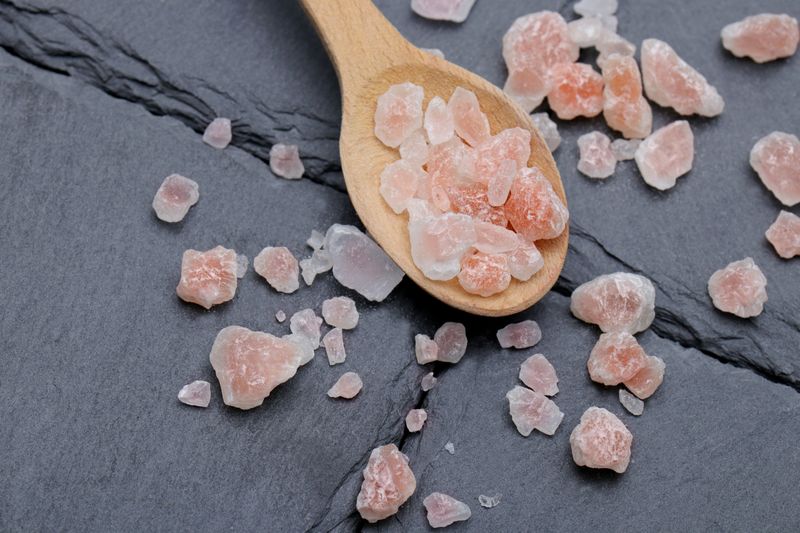
Does the mash need more butter, or does it simply need a little salt to taste complete? That question can save you from adding richness when the real problem is a bowl that tastes flat.
Salt makes the overall flavor clearer, helping both the potatoes and butter come through in each bite. It does not replace butter, but good seasoning can make the amount already present feel more noticeable and satisfying.
Begin by adding salt to the cooking water so seasoning starts before the potatoes reach the mixing bowl. Use a moderate amount rather than treating the pot like a challenge, especially when your butter already contains salt.
The exact amount depends on the water volume, your salt type, and any dietary needs at the table. Coarse and fine salts measure differently by the spoon, so copying a volume without context can lead to uneven results.
After you drain, mash, and add the butter and dairy, taste a small spoonful before seasoning further. Let that spoonful cool enough to taste clearly, since very hot food makes careful flavor judgments harder than they need to be.
Add a small pinch, fold gently, and taste again rather than shaking salt freely over the whole pot. Remember that gravy, cheese, or a seasoned main dish may bring more salt to the plate when dinner is served.
Pepper is optional, and a light hand keeps it from taking attention away from the butter flavor. White pepper blends visually into the potatoes, while black pepper leaves visible flecks that suit a more rustic presentation.
If someone needs less sodium, set aside their portion before adjusting the rest of the batch to taste. Butter first still works without heavy seasoning, and careful cooking gives you a flavorful foundation without making salt the only tool available in your kitchen.
Put the Blender Away for a Better Mash
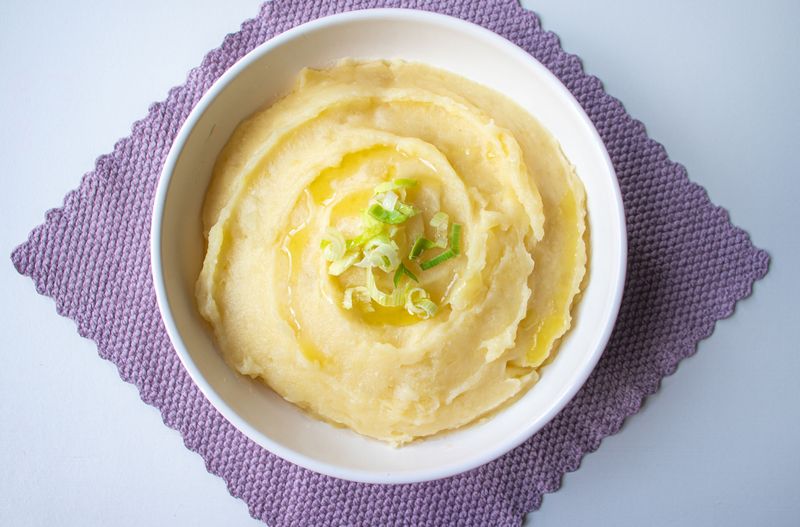
Your blender is excellent at many kitchen jobs, but fluffy mashed potatoes are not its best assignment. Fast blades can release too much starch from cooked potatoes, leaving a sticky mixture that extra butter cannot reliably fix.
A potato ricer gives you fine pieces with little need for repeated stirring once the dairy goes in. Press the hot cooked potatoes through it, then fold in butter gently before adjusting the consistency with warm milk.
A food mill can also make a smooth base, especially when you are preparing a larger batch. Both tools break down the potatoes without the intense blending that can turn a promising bowl into something unpleasantly stretchy.
For a more casual texture, a hand masher works well and takes up less room in the drawer. Press until most large pieces are gone, then stop rather than chasing every small lump with endless extra strokes.
Butter can make a mash feel smoother, but it cannot undo all the effects of rough handling. That is why fully cooking the potatoes matters so much, because firm centers demand more force and more time to break apart.
Use a flexible spatula or sturdy spoon for the final additions, scraping around the sides and folding inward. Keep your movements calm and deliberate, checking the texture after each small addition of milk instead of stirring without pause.
An electric mixer can work in some recipes, but it requires attention and a very light hand. For an easy home method, manual tools give you clearer control and fewer chances to pass the point of a pleasing texture.
Choose the finish you actually enjoy rather than judging the bowl by whether every spoonful looks perfectly smooth. A few tender potato pieces are far more welcome than a glossy mash that stretches from the serving spoon to the dinner plate.
Let Cream Add Richness Without Taking Over
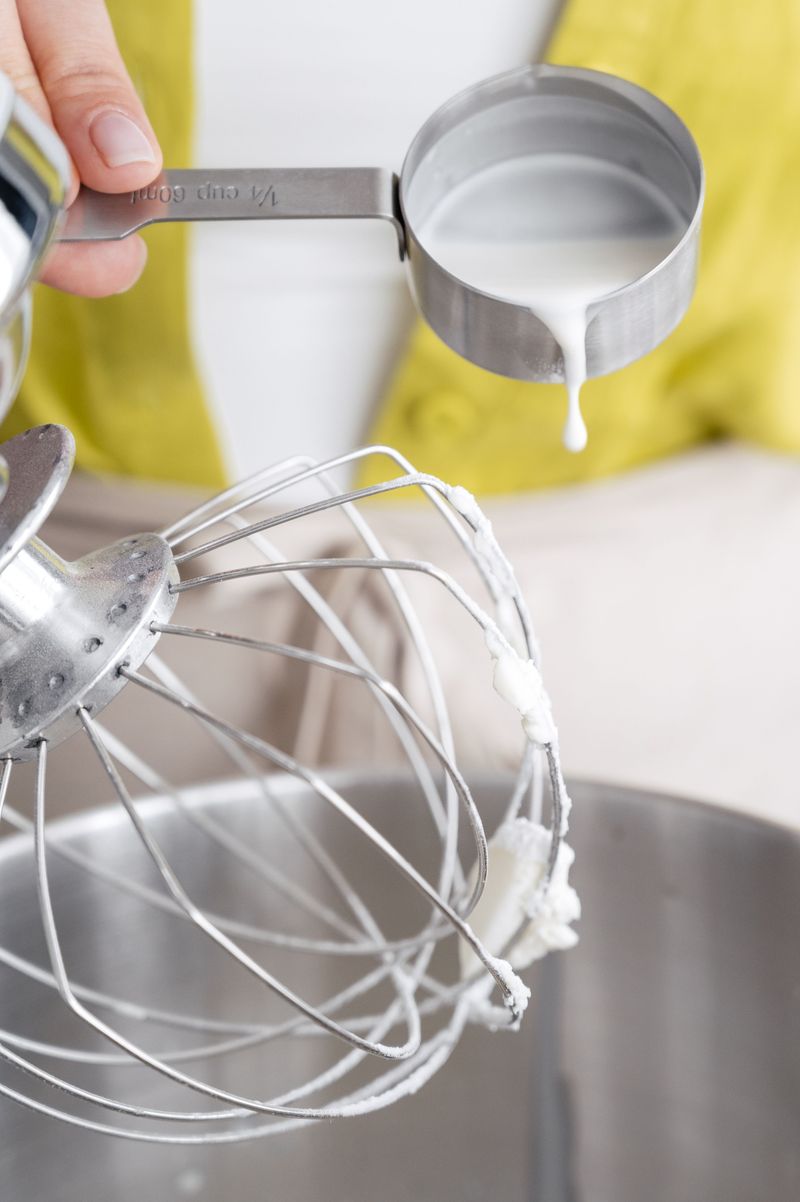
Heavy cream brings extra richness, yet richer does not always mean the butter flavor becomes more distinct. The best choice depends on whether you want a lighter side dish or a thicker, more luxurious spoonful.
Milk contains less fat than heavy cream, so it loosens potatoes without adding quite as much richness. That can be useful when you already love the butter level and only need to make the mash easier to serve.
Heavy cream adds more dairy fat and can create a fuller feeling in the mouth with less liquid. Warm it gently, then add small amounts after the butter rather than assuming you need the same volume as milk.
A mixture of milk and cream gives you another option when either one alone feels slightly off. Try equal amounts in your warming pan, keeping some back until you see how much liquid the potatoes actually need.
Sour cream and cream cheese can also add body, but they bring a tangy flavor of their own. Use them because you want that flavor, not because every creamy ingredient automatically makes potatoes taste more like butter.
For a cautious test, stir a small spoonful of sour cream into a separate portion before changing the whole batch. Taste it beside the plain version and decide which one better suits the rest of your meal.
Keep the first batch simple if you are trying to understand what the butter first method changes. Butter, potatoes, milk, and salt make it easier to notice differences than a bowl loaded with several rich additions and seasonings.
Once that basic version works, you can experiment with one ingredient at a time and keep useful notes. The aim is not to assemble the longest dairy lineup, but to make potatoes that taste balanced and leave the butter easy to recognize in every bite.
Finish With a Little Butter Where You Notice It
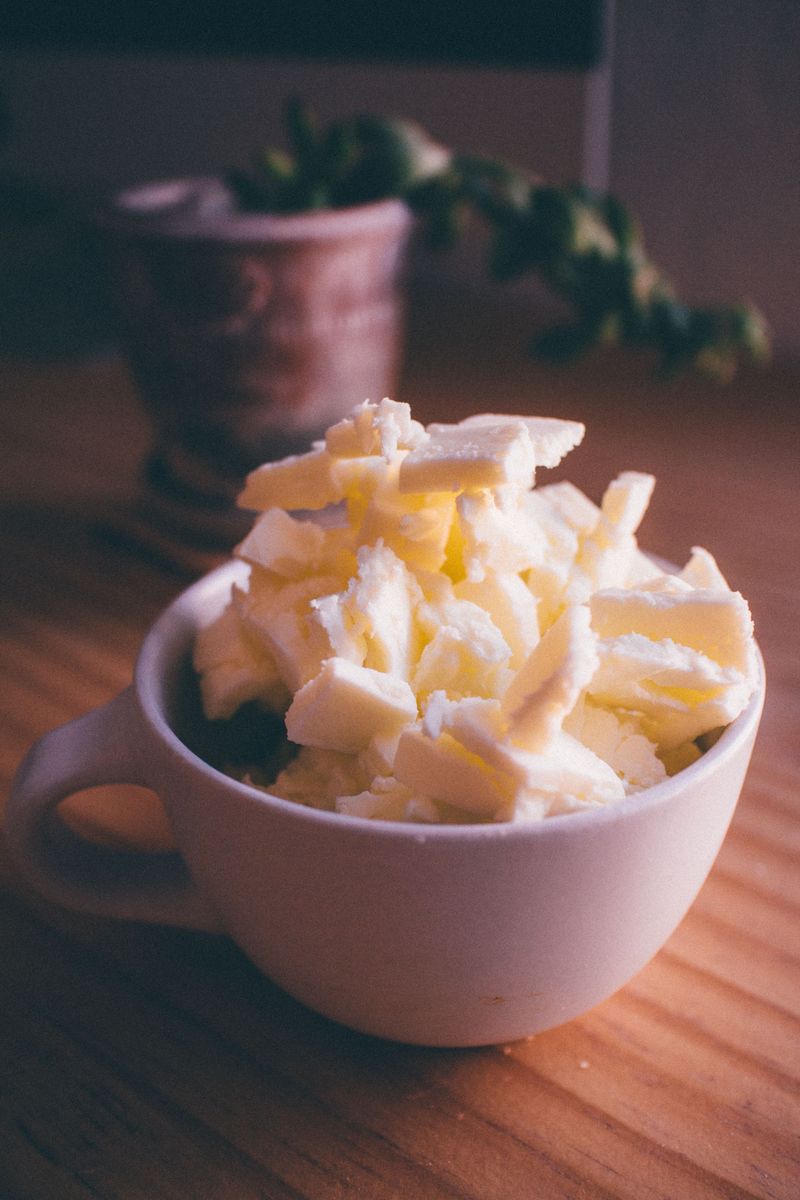
A small pat on top puts butter right where your first spoonful can meet it at dinner. That finishing touch works best when the mash underneath already has good seasoning, enough moisture, and a pleasant texture.
Spoon the hot potatoes into a warm serving bowl and make a few shallow swirls across the surface. Add a little softened butter or a light drizzle of melted butter, letting it collect naturally in the grooves.
You do not need a deep pool to get the effect, especially after adding butter during the mixing. Think of the topping as a final accent rather than a rescue plan for potatoes that still need attention.
Garlic or herbs can flavor a butter topping, but they change the focus of the finished dish. Choose a plain butter finish when you want the cleanest comparison, then try gentle additions once you know your favorite base.
If dinner runs late, keep the potatoes covered and warm for a short period instead of leaving them uncovered. Long holding can dry the surface, so check the consistency and fold in a little warm milk when needed.
For leftovers, refrigerate the potatoes within two hours and use them within three to four days for safety. Reheat gently with a splash of milk, stirring occasionally, and bring the center to 165 degrees Fahrenheit before serving again.
Add any finishing butter after reheating so you can judge how much the refreshed potatoes actually need. Covering the dish during reheating helps limit moisture loss, although you should still check the middle rather than judging only the edges.
Serve promptly, while the potatoes remain warm enough for the butter to stay soft and spread through each spoonful. With butter added first and a modest flourish last, the bowl can taste thoughtfully made without turning a simple side dish into a complicated kitchen project.
Share this story