A great sandwich can tell you a lot about the place that made it. Behind the bread are stories of striking workers, busy immigrant neighborhoods, late shifts, and friendly food rivalries.
Knowing those stories makes a simple lunch more interesting, and might help you choose your next order.
1. The Po’ Boy
Lunch became a small act of support during a bitter New Orleans streetcar strike in 1929. Brothers Bennie and Clovis Martin, former streetcar workers who ran a restaurant, offered food to the striking workers.
Their shop is widely credited with popularizing the name po’ boy, though sandwiches on French bread already existed locally. The familiar story says the brothers called the hungry strikers poor boys, giving the sandwich its lasting nickname.
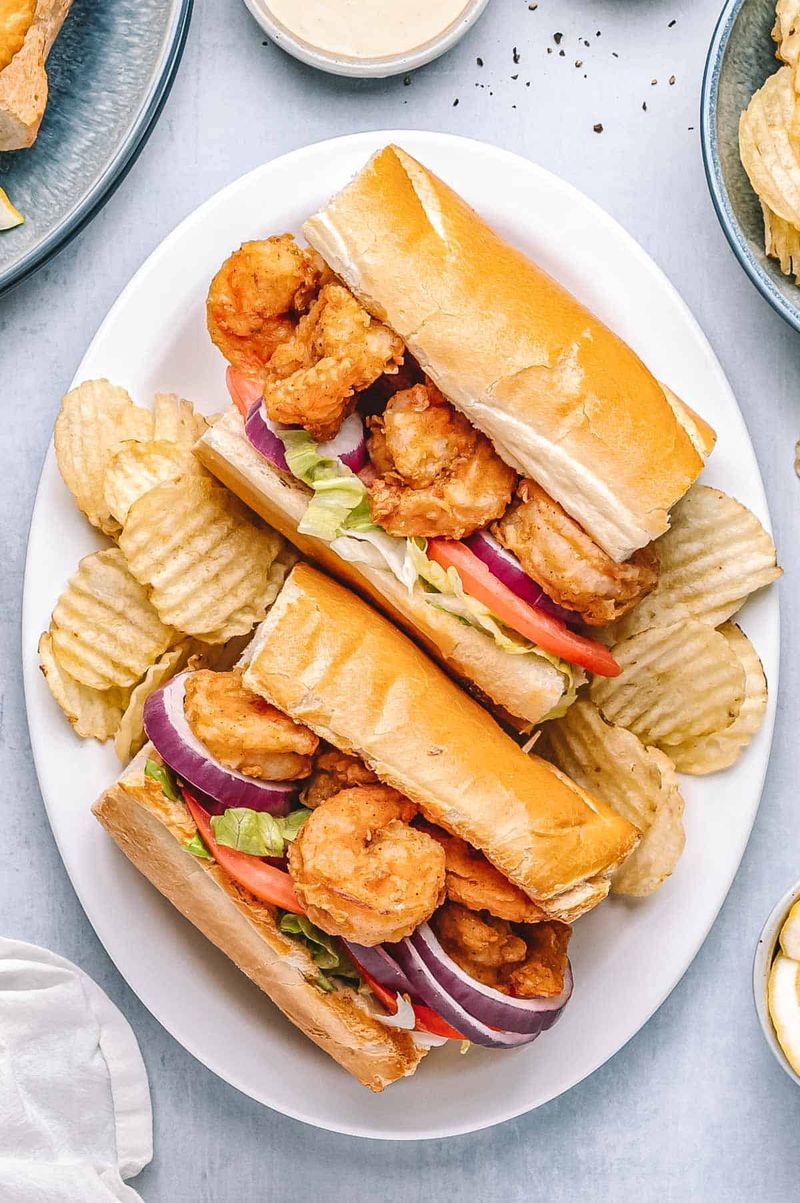
Today, fillings range from fried shrimp and oysters to roast beef soaked in gravy. The bread matters just as much: a crisp, thin crust should give way to a light center, not a chewy workout.
Order yours dressed if you want the usual lettuce, tomato, pickles, and mayonnaise, though details can vary by shop. For roast beef, ask for extra napkins before the first bite.
A neighborhood counter is a good place to start, and splitting two fillings makes a smart lunch for curious eaters. Notice how the bread holds the filling without stealing the show.
Beneath all that crunch and gravy sits a story about feeding neighbors when their paychecks stopped coming. That is a lot of history for one paper wrapper.
2. Muffuletta
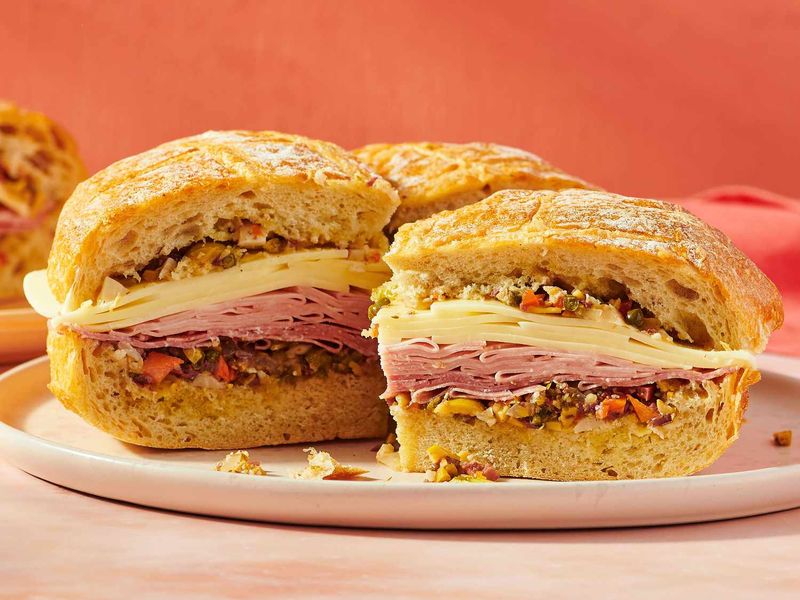
Imagine trying to balance bread, sliced meat, cheese, and olives while standing up for lunch. According to the familiar origin story, one New Orleans grocer saw a better way: put the whole meal inside the loaf.
Central Grocery, founded by Sicilian immigrant Salvatore Lupo in 1906, is widely credited with creating the muffuletta sandwich. Its name comes from the round Sicilian bread used to hold the generous filling.
Inside, you will usually find layers of Italian cold cuts and cheese beneath a chunky olive salad. That salad brings the spark, mixing chopped olives with vegetables, oil, and seasonings for a salty, tangy bite.
Unlike a sandwich that needs eating straight from the grill, a muffuletta often benefits from a little resting time. The olive oil works into the bread, pulling the flavors together without requiring a complicated sauce.
Check the size before ordering because a whole round can feed several people. A quarter or half may be plenty for lunch, especially with a side.
For a picnic, wrap portions tightly and keep them chilled until serving. You get a portable meal with roots in a busy immigrant grocery, not a fancy dining room.
3. The Cuban
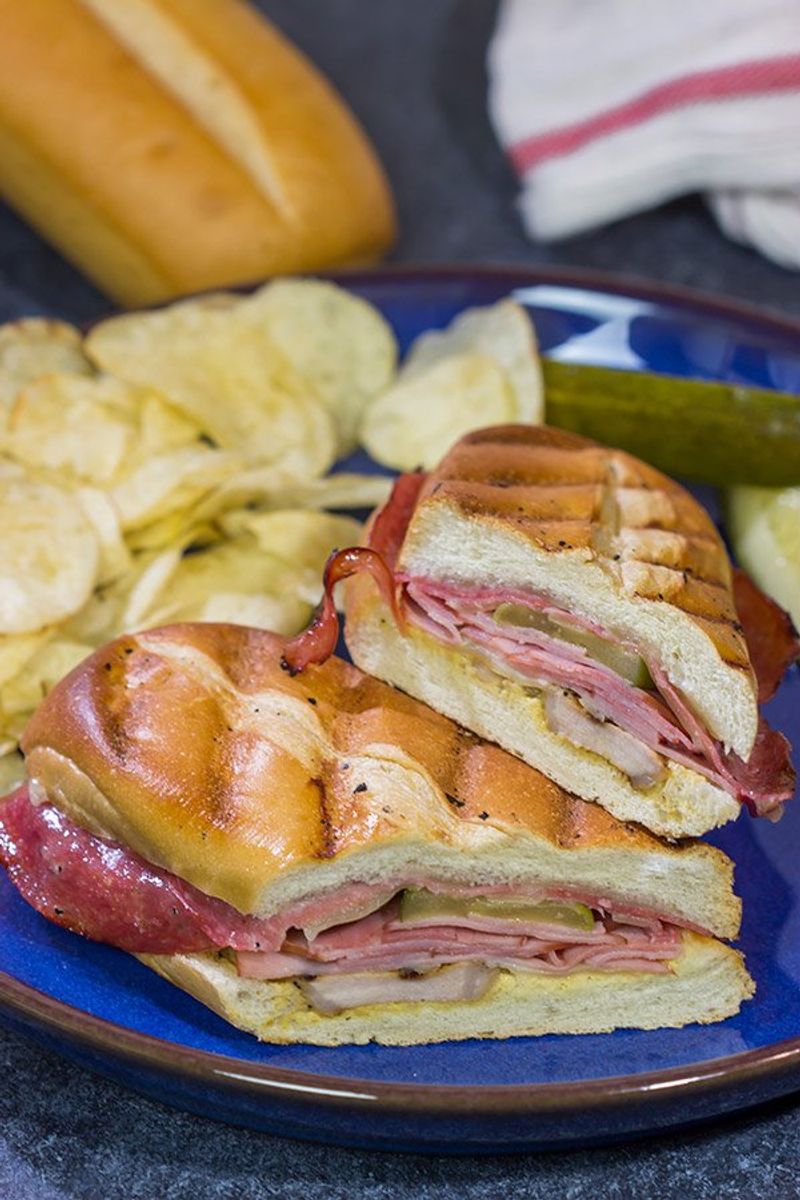
Pick a side carefully when lunch turns into a Tampa versus Miami debate. Both cities proudly claim the Cuban sandwich, and their versions reflect the communities that helped shape them.
Its roots connect Cuban food traditions with Florida’s immigrant neighborhoods, especially the cigar workers of Tampa’s Ybor City. The exact inventor is uncertain, so a neat story naming one brilliant sandwich maker deserves a raised eyebrow.
The usual lineup includes roast pork, ham, Swiss cheese, pickles, and mustard on Cuban bread, pressed until warm and crisp. Tampa’s traditional version also includes salami, reflecting the Italian influence in its immigrant community.
Miami versions generally skip the salami. Neither needs a mountain of extras, because the pleasure comes from tender pork, sharp pickles, melted cheese, and bread that crackles under the press.
When ordering, ask which local style the shop serves rather than assuming every Cuban is identical. Eat it soon after pressing, while the outside stays crisp and the center is hot.
If you are making one at home, weigh it down in a skillet and turn it carefully. The argument over ownership may never end, but your plate can still come back empty.
4. Philly Cheesesteak
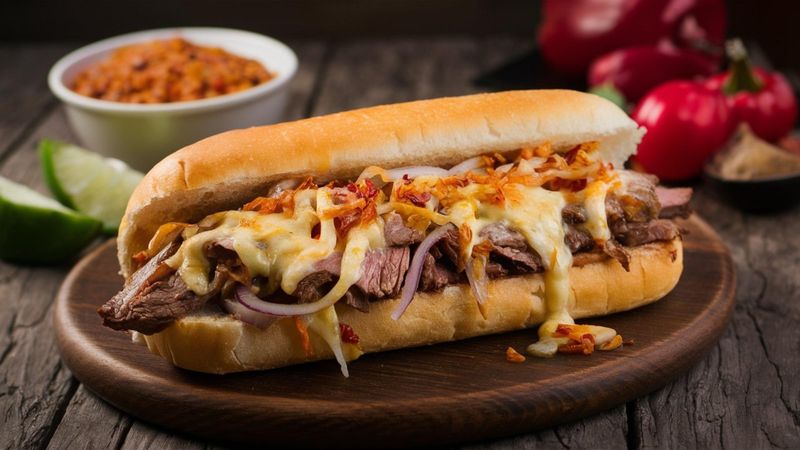
A hot dog vendor’s change of lunch plans helped create Philadelphia’s most famous sandwich. In the commonly told story, Pat Olivieri cooked some beef with onions at his stand in 1930, and a passing cabdriver wanted the same thing.
Pat and his brother Harry built a business around the steak sandwich. Cheese came later, a useful reminder that even a city’s signature food can start as a work in progress.
A proper cheesesteak keeps its focus narrow: thinly sliced beef, a long roll, and cheese, with onions if you want them. Provolone, American cheese, and Cheez Whiz each have devoted fans.
Busy counters move quickly, so decide on your cheese and onions before reaching the front. You do not need to perform a perfect local accent; a clear, polite order works better than nervous slang.
Eat it hot, leaning over the wrapper to catch escaping juices. If you want peppers or mushrooms, check the menu rather than assuming they come standard.
Most of all, resist judging the entire city by a single shop. Comparing neighborhood favorites is half the fun, and every cook handles the meat, bread, and cheese a little differently anyway.
5. The Reuben
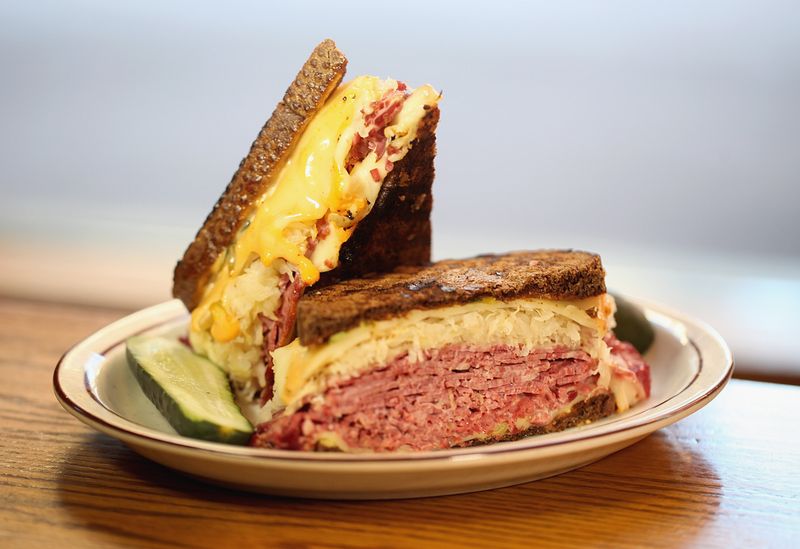
Few sandwiches come with rival origin stories strong enough to fill their own menu. The Reuben has at least two famous claims, and neither side is eager to surrender the credit.
One account places its birth at a poker game in Omaha’s Blackstone Hotel during the 1920s, with grocer Reuben Kulakofsky linked to its creation. Another credits Arnold Reuben, a New York restaurateur, with an earlier sandwich that differed from the version most people recognize today.
Those details matter because food names and recipes can change as stories travel. Calling either account completely settled would make a messy history sound much tidier than it is.
What arrives on your plate is easier to identify: corned beef, sauerkraut, Swiss cheese, and Russian dressing on grilled rye. Some kitchens use Thousand Island dressing instead, bringing a slightly different sweet and tangy flavor.
Look for bread that is crisp rather than greasy, and kraut that has been drained so lunch does not collapse. At home, warm the filling before grilling to help the cheese melt evenly.
A pickle makes a good companion, but the sandwich already has plenty of bite. Save room for the friendly argument afterward.
6. French Dip
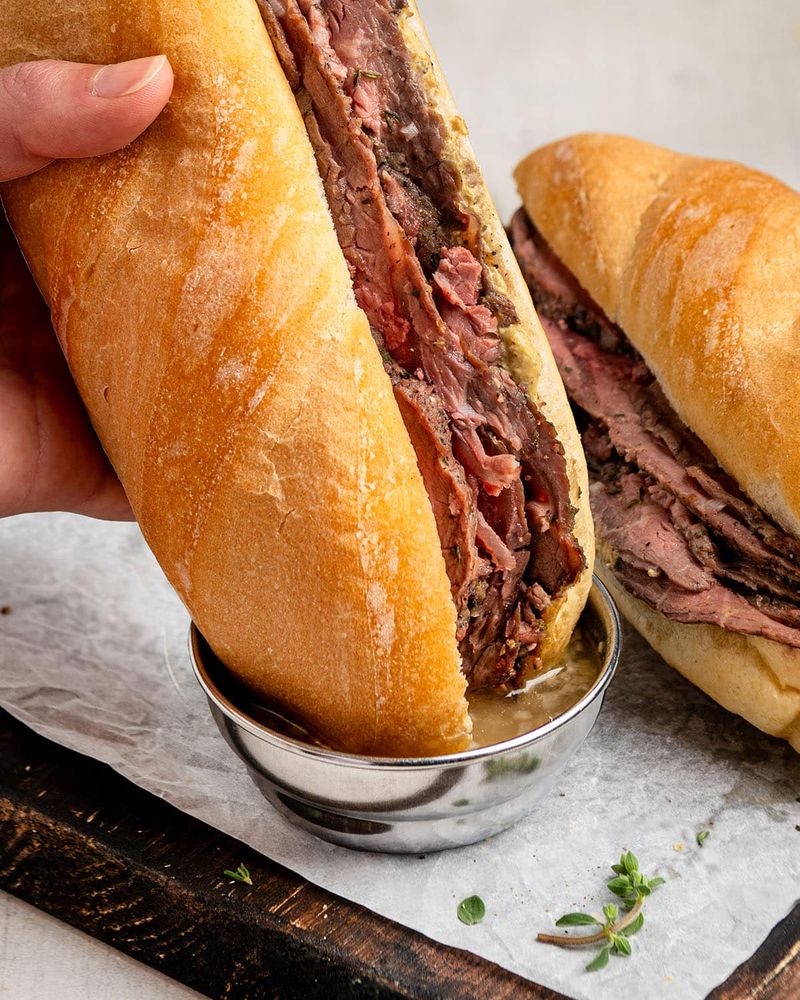
Despite its name, the French dip is a Los Angeles story, not a Paris import. Two longtime restaurants, Philippe the Original and Cole’s, both claim a leading role in its beginnings.
The competing accounts reach back to the early twentieth century. Stories involving dipped bread, meat juices, and customer requests vary, so the safest conclusion is that downtown Los Angeles made the sandwich famous.
At its simplest, roast beef goes into a French roll with savory meat juices involved somewhere along the way. Some shops dip the bread before serving, while others provide a cup of jus for dunking.
That difference changes the experience more than you might expect. A sandwich dipped in advance turns soft and rich quickly; a separate cup lets you control how much crisp bread survives each bite.
Ask how the house serves it before ordering, especially if soggy bread is your personal food villain. Start with a brief dunk rather than dropping the whole sandwich into the cup.
Mustard can add a sharp kick, and some menus offer other meats. Take your time comparing versions, but not so long that the roll falls apart before you finish eating.
7. The Horseshoe
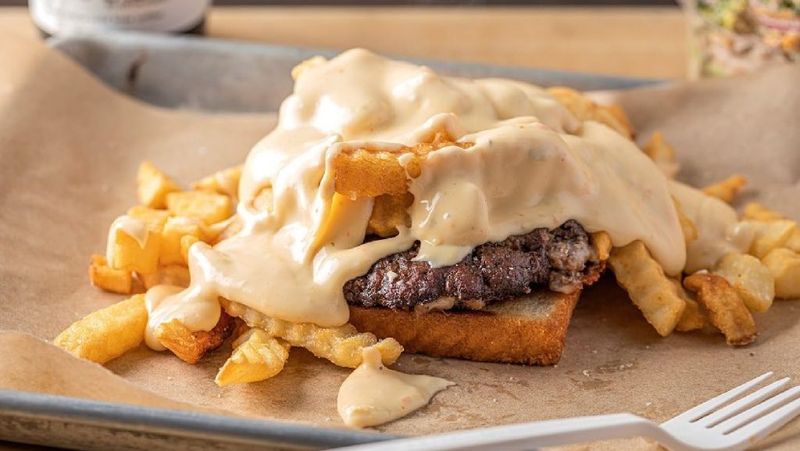
Bring a fork, because picking up this sandwich would require a very unusual grip. Springfield, Illinois, serves the horseshoe open faced, with meat, French fries, and cheese sauce piled over toast.
The dish is generally traced to the Leland Hotel in 1928 and chef Joe Schweska. Early versions used ham, and the familiar origin story links the name to the horseshoe shape of the ham slices.
Other parts of the presentation also picked up blacksmith connections, including fries described as nails. As with many old restaurant tales, colorful details can vary depending on who is telling them.
Modern versions often feature hamburger patties, though local menus offer plenty of other choices. The cheese sauce ties everything together, turning an ordinary meat sandwich into a full plate of comfort food.
For a smaller appetite, look for a ponyshoe, which usually means a reduced portion rather than a different recipe. Ask about sizing because even that can be substantial.
Order the fries crisp if the kitchen allows, since sauce softens them quickly. Sharing is another sensible move, especially if you want dessert.
Nobody needs to treat a regional specialty like a personal endurance test at lunch.
Share this story