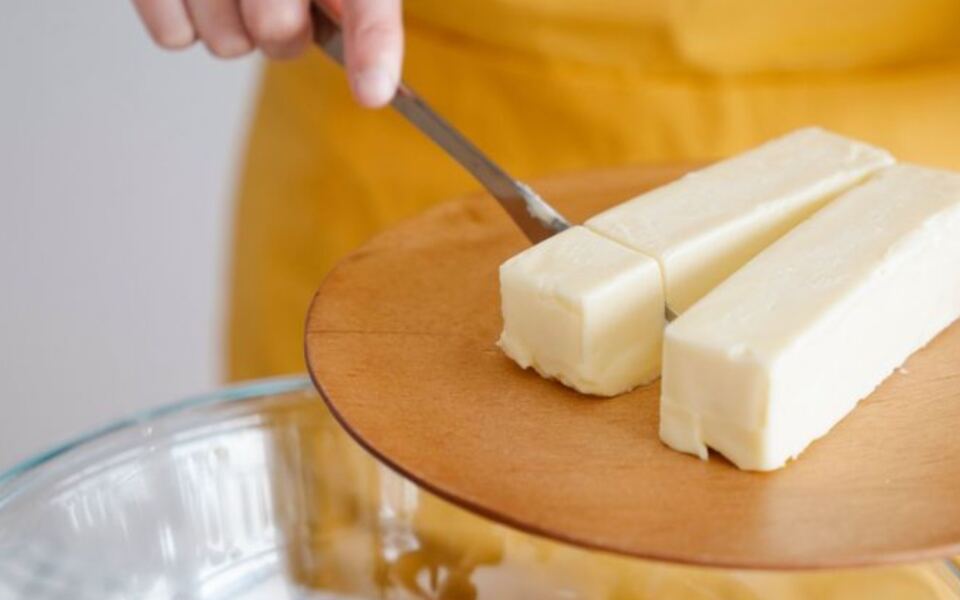
Good butter can turn plain toast into the best bite of breakfast, but a higher price does not always mean a better buy. Grocery shelves offer everything from budget sticks to rich European-style blocks.
This countdown ranks widely available brands by their product features, everyday usefulness, and value, not a verified sales chart or a hands-on taste test. Use it to pick your next package, then compare your favorites on warm bread.
10. Great Value
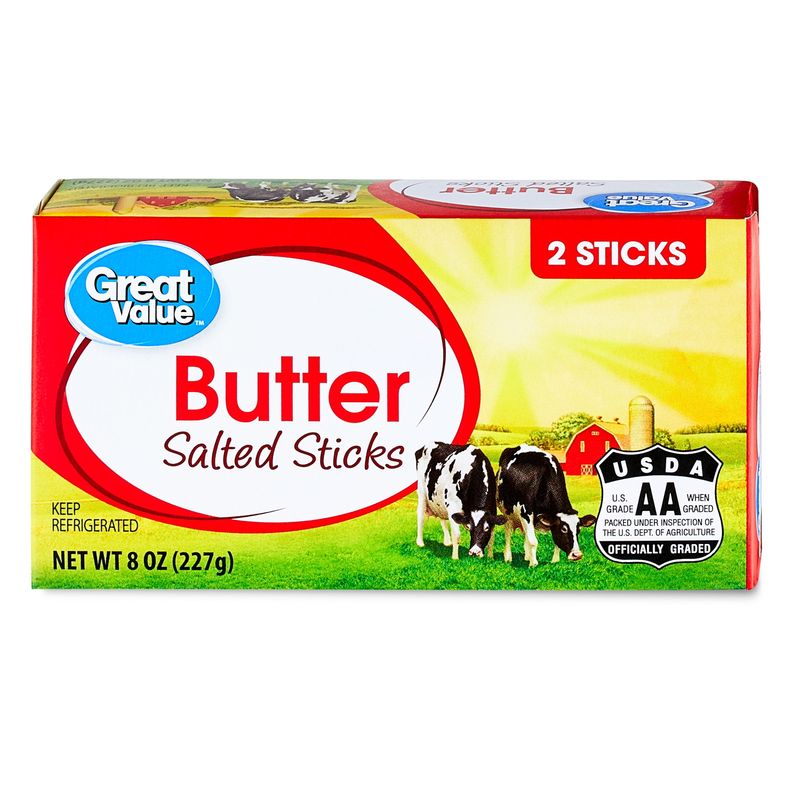
A big batch of cookies should not require a luxury grocery budget. Walmart’s Great Value butter earns its spot by keeping a basic ingredient affordable, especially when several sticks disappear into one recipe.
The standard sticks are useful for brownies, mashed potatoes, and simple pan sauces. Salted and unsalted options let you choose between quick seasoning and better control over a baking recipe.
Compared with richer specialty choices, the main attraction here is price rather than a standout butter experience. That makes it a sensible pick when chocolate, spices, garlic, or cheese will supply most of the flavor anyway.
Check the shelf label for the price per ounce instead of assuming the largest package wins. Store extra sticks tightly wrapped in the freezer, then thaw them in the refrigerator before you need them.
For a fair comparison at home, spread equal amounts of softened butter on plain bread. Great Value takes last place in this editorial lineup because it is a practical pantry helper, while the higher picks offer stronger reasons to buy them for butter itself.
Buy it for busy kitchens, not necessarily for your special bread basket at dinner tonight.
9. Darigold
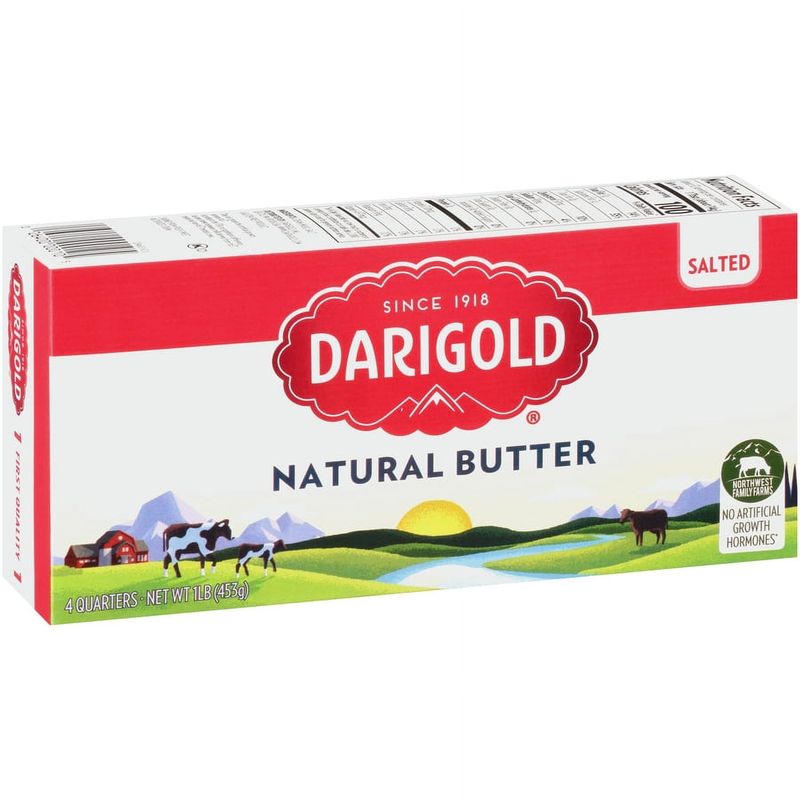
Breakfast in the Pacific Northwest often comes with a familiar dairy name on the table. Darigold has deep regional roots, and its regular butter sticks make an easy addition to a working kitchen.
Choose the standard butter if you want something for scrambled eggs, steamed vegetables, or a baked potato. Its straightforward role is part of the appeal: you do not need a special recipe to put it to work.
Availability can change depending on where you shop, so this brand may feel like a local staple or an occasional find. Compare the exact package, since specialty versions and regular sticks should not be treated as identical products.
For cooking, add butter over moderate heat and watch for browning milk solids. A little oil does not prevent those solids from burning, so temperature control still matters.
Darigold lands ninth because its everyday usefulness is clearer than any reason to pay a premium for a tasting plate. If the local price beats national competitors, though, move it higher on your own shopping list.
Reliable access and a fresh package can matter more than a famous label when dinner needs to happen quickly.
8. Organic Valley
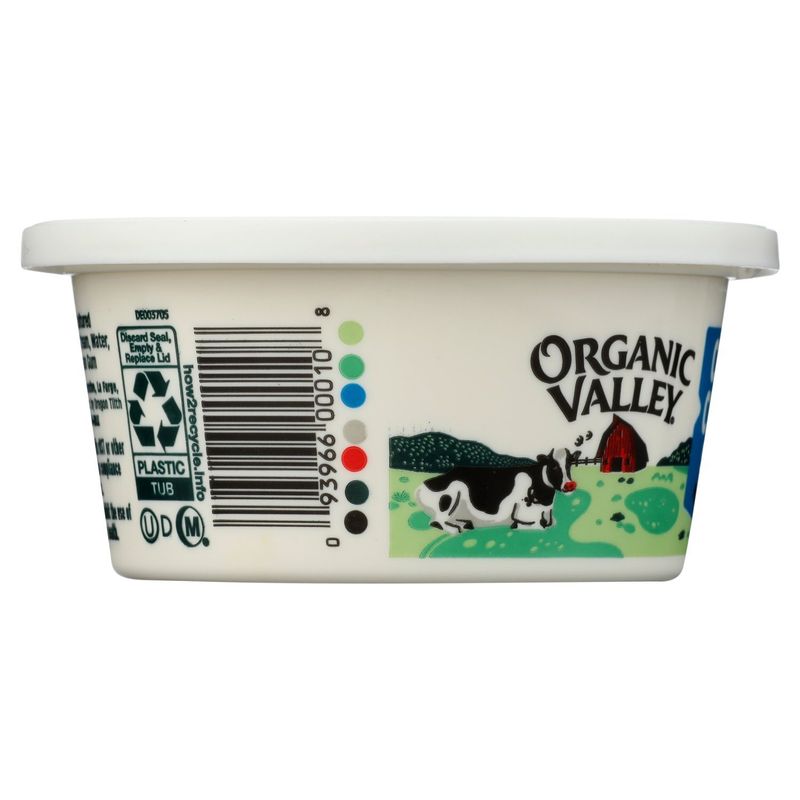
Shopping priorities sometimes start with the farm rather than the frying pan. Organic Valley stands out for shoppers who want certified organic dairy and are willing to spend more to get it.
The brand works with a cooperative of farmers, which gives its butter a story beyond the wrapper. Organic certification concerns production standards; it does not automatically promise a flavor that every person will prefer.
Regular salted butter works well on corn, rice, and warm rolls. For cakes and frosting, the unsalted version makes it easier to follow a recipe without guessing how much salt the butter contributes.
Read product names carefully because the brand offers different butter options, and their features can vary. Compare like with like when checking prices, especially if a cultured or specialty product sits beside a standard package.
Eighth place reflects value for a broad grocery audience, not a judgment against organic farming. The price premium makes the most sense when organic certification is already part of your shopping plan.
Keep the wrapper closed tightly, since even a carefully chosen butter can pick up refrigerator odors that spoil its appeal on a simple slice of toast.
7. Cabot
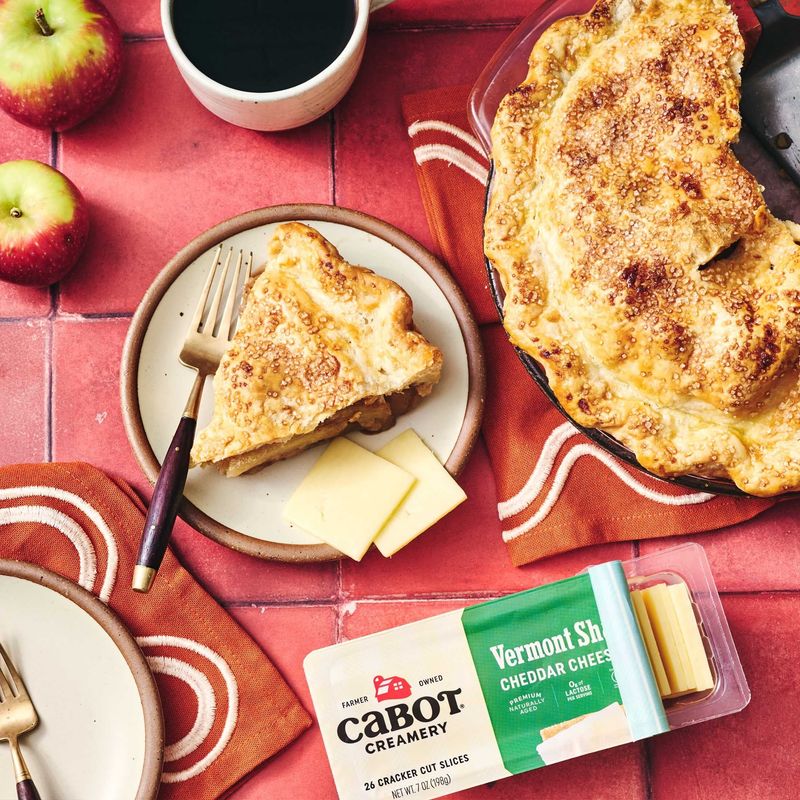
Picture a baked potato split open, steam rising, with one generous pat melting into the middle. Cabot fits that sort of meal: familiar, filling, and more interested in supper than showing off.
Known especially for cheese, the farmer cooperative also sells butter that deserves a look in the dairy case. Its standard sticks are an approachable option for shoppers who already trust the brand.
Use salted butter for vegetables, toast, and quick garlic bread. Reach for unsalted when a recipe asks for it, particularly in delicate cakes where small seasoning changes can become more noticeable.
Cabot takes seventh because it balances an appealing farm connection with ordinary kitchen flexibility. It does not need to be your most expensive purchase to earn a regular space beside the milk.
If your store carries several regional brands, compare freshness dates and current prices before deciding. Butter is often discounted around baking holidays, making that a useful time to stock the freezer.
For the best bread comparison, soften only what you plan to serve, and taste it without jam first. Sweet toppings can cover the small differences you are actually trying to notice between brands today.
6. Land O Lakes
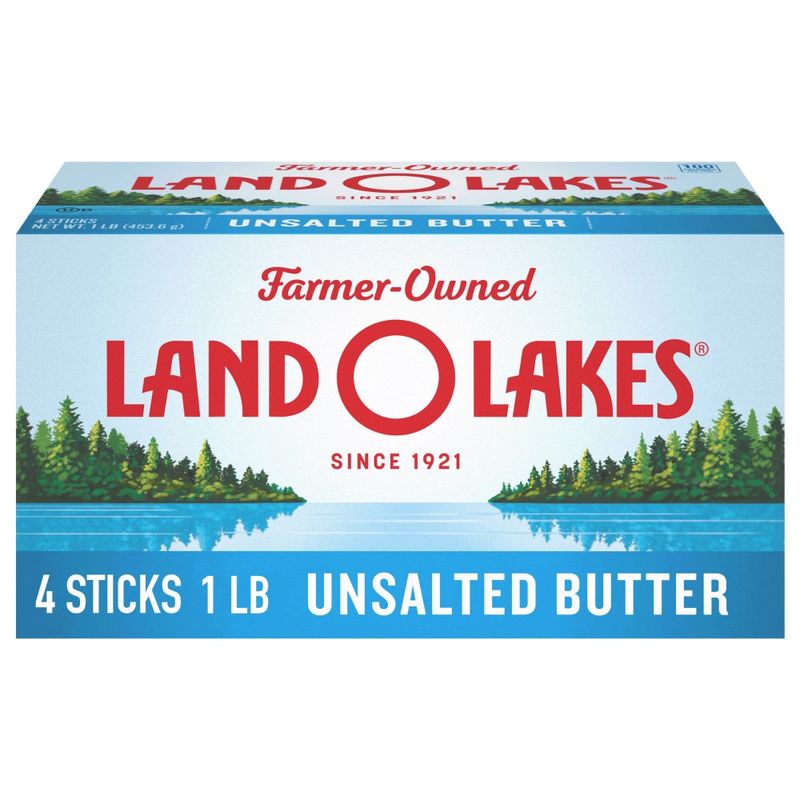
Some ingredients earn trust by showing up whenever the mixing bowl comes out. Land O Lakes is that familiar supermarket choice, with convenient sticks and broad availability in many American grocery stores.
Its biggest strength is a low fuss shopping experience. You can usually find salted and unsalted versions without visiting another store or sorting through a wall of specialty labels.
For baking, stick with the exact type listed in your recipe. Standard butter, whipped butter, and spreads containing oil are not interchangeable just because the packages share a brand name.
The marked wrappers make measuring tablespoons simple, which helps with quick weeknight recipes and smaller baking projects. Let a stick soften until it gives slightly under gentle pressure when a recipe calls for softened butter.
Sixth place recognizes dependable convenience rather than a claim that it wins every flavor comparison. Buy it when you want an easy reference point for cookies, muffins, or frosting.
If another brand costs much more, ask whether butter will actually be the main flavor. In a heavily spiced cake, spending extra may bring less benefit than using fresh spices and measuring your flour carefully each time.
5. Challenge
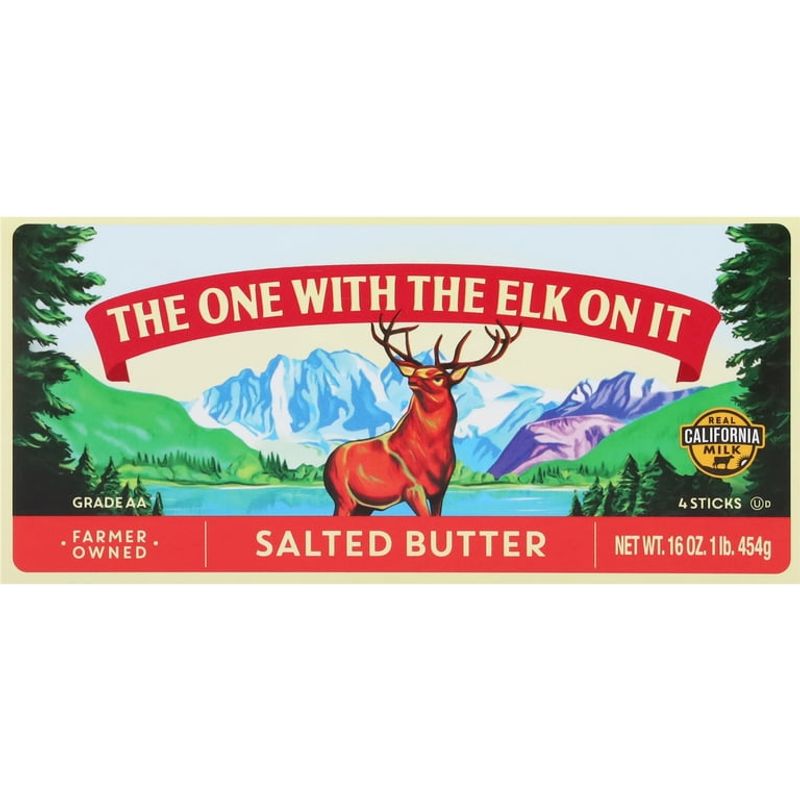
There is something satisfying about a butter that can handle breakfast and still report for baking duty. Challenge occupies that useful middle ground between a bargain box and a special occasion splurge.
The brand has a long history in California, and its elk logo is easy to spot. Regular salted and unsalted sticks keep the choice simple for most home cooks.
Put it to work in pancake batter, a skillet of mushrooms, or a quick sauce for green beans. When browning butter, use a light colored pan so you can see the milk solids change from pale to golden.
Take the pan off the heat once those solids turn brown and smell nutty. Pour the butter into another heatproof container, because a hot pan can keep cooking it after the burner is off.
Challenge ranks fifth as a sensible bridge between everyday value and a more deliberate butter purchase. Its position is about versatility, not proof of a blind tasting victory.
Watch local sale prices, since a discount can make this an especially appealing baking choice. For storage, keep unopened sticks cold and shielded from strong foods such as onions or leftovers.
4. Tillamook
Toast is a pretty honest judge: there is nowhere for an ordinary spread to hide. Tillamook’s Extra Creamy butter is a strong candidate when you want that simple snack to feel more generous.
The Oregon dairy brand is widely known for cheese and ice cream, but its butter deserves shelf space too. Its Extra Creamy line has a higher milkfat level than standard American butter.
That makes it worth considering for spreading and recipes where butter takes center stage. Try it on a warm biscuit before putting the whole package into a complicated dessert.
Higher fat butter can behave differently in baking, so avoid assuming every recipe will improve with a swap. For a dependable result, use recipes written for that style or test a small batch first.
Fourth place goes to an accessible upgrade that still feels at home in an everyday refrigerator. Compare the price with regular sticks and decide where the difference matters most.
A pat on toast showcases the purchase better than a spoonful buried in strongly seasoned chili. Keep it covered on the table, and follow the package’s storage guidance rather than leaving a large amount out indefinitely.
3. President
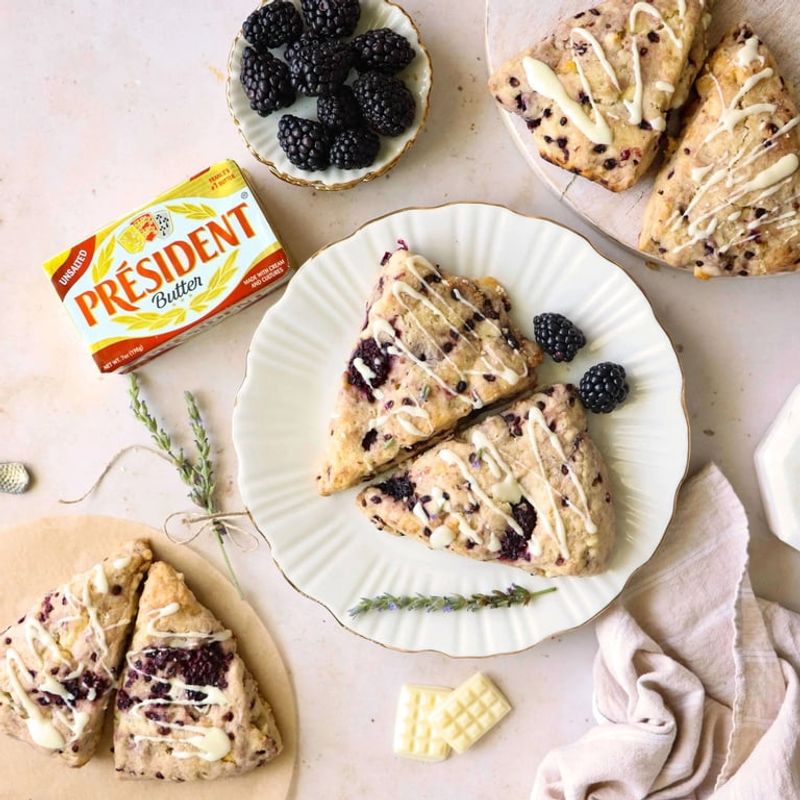
A slice of baguette makes a better stage than a busy recipe for this French brand. President is especially appealing to shoppers who enjoy the slightly tangy character associated with cultured butter.
Culturing gives cream time to develop flavor before it becomes butter. The result offers a different direction from standard sweet cream varieties, though the exact experience depends on the product you buy.
Check the label for the specific version, salt level, and origin rather than relying on the brand alone. Packaging and available products can differ between stores and countries.
Serve a small portion slightly softened with radishes, crusty bread, or plain boiled potatoes. Those simple partners make it easier to notice the butter instead of covering it with sugar or spice.
President takes third because it offers a clear reason to step beyond everyday sticks: a more distinctive style for serving. The higher price is easier to justify when butter is part of the meal’s main attraction.
If you mostly bake large batches of brownies, a cheaper option may serve you just as well. Save this purchase for the dishes where a little butter gets plenty of attention at dinner.
2. Plugra
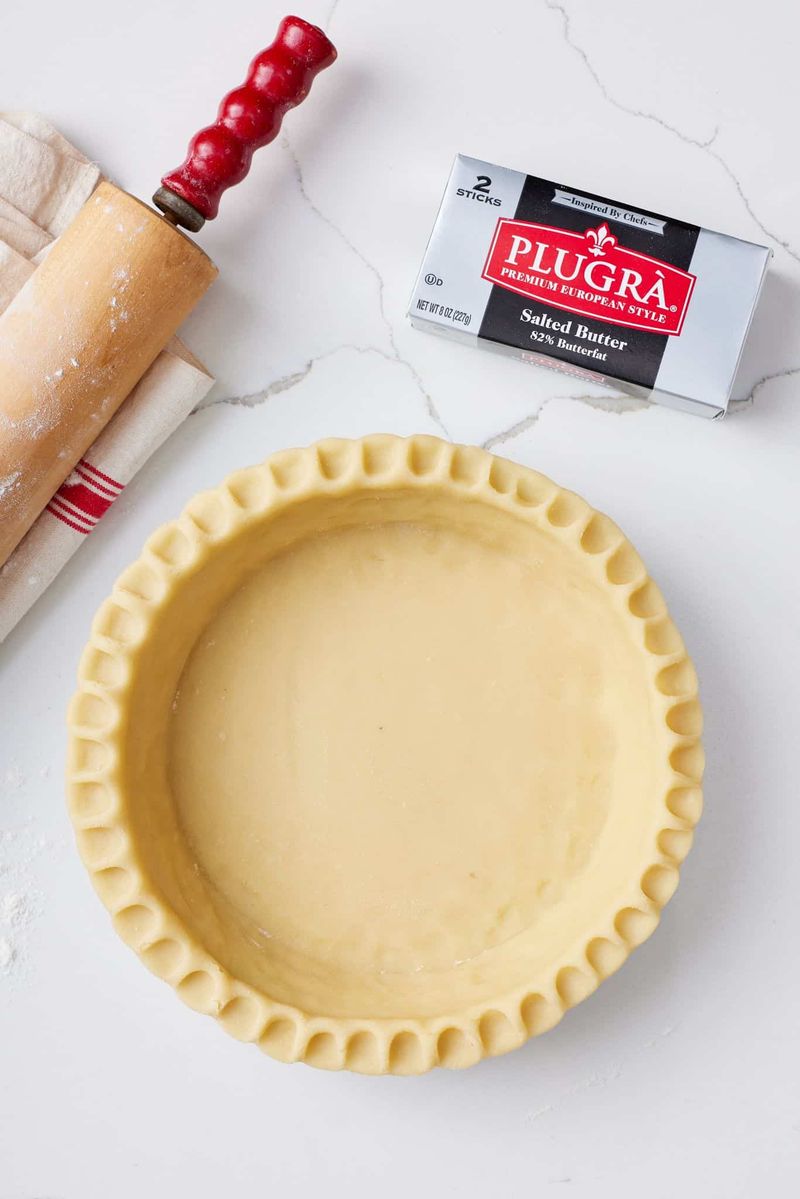
Pastry asks more from butter than a morning piece of toast does. Plugra earns its high position by offering a European style option aimed at cooks who care about richness and baking performance.
Its butter contains 82 percent milkfat, above the 80 percent minimum for standard American butter. That difference changes the balance of fat and water, which can matter in certain doughs and sauces.
Unsalted is a useful starting point for baking because you control the seasoning. Salted versions suit serving, but always check which package you are taking home before starting a recipe.
For laminated pastry, temperature and handling still matter more than an expensive label alone. Butter that gets too warm can smear into the dough instead of helping form separate layers.
Second place reflects a clear specialty advantage without pretending every cookie requires premium ingredients. Use Plugra when a recipe recommends European style butter, or compare a small batch against your usual brand.
If the difference does not matter to you, keep the savings. For a quick serving idea, add a modest pat to hot noodles with grated cheese and black pepper, letting the butter provide much of the sauce.
1. Kerrygold
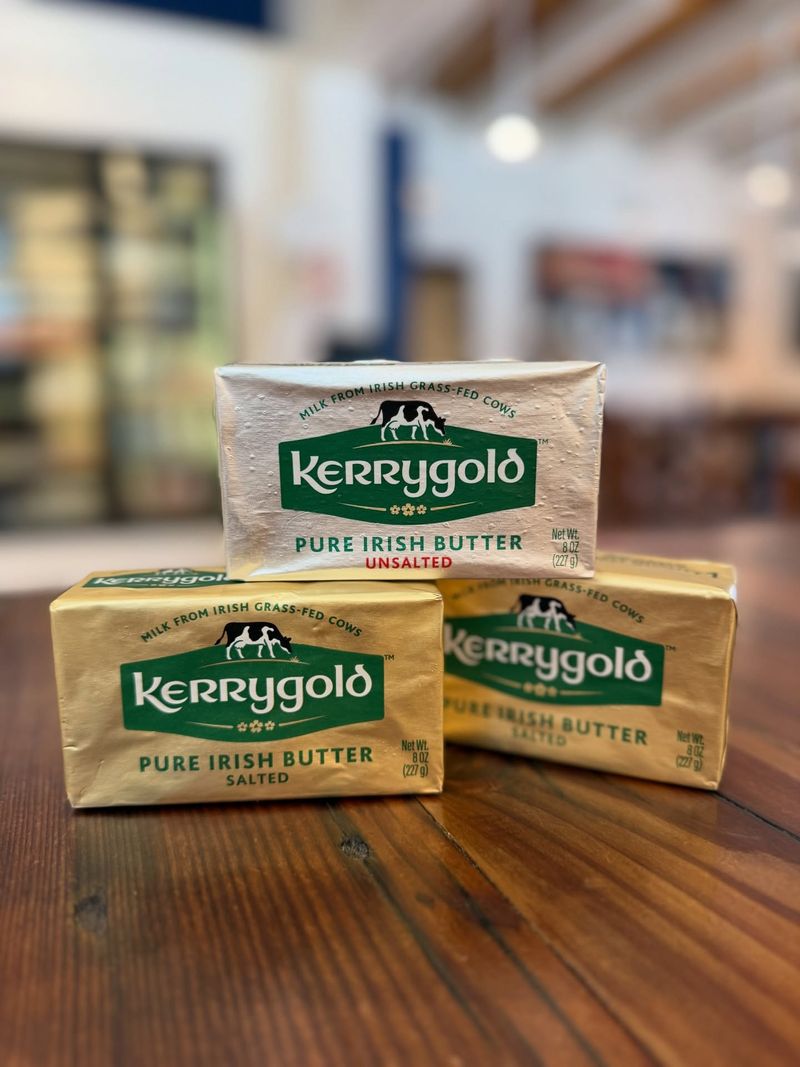
That gold wrapper has become a familiar signal that breakfast is getting a small upgrade. Kerrygold takes the top spot here for combining a distinctive identity with broad usefulness beyond the bread basket.
Made in Ireland from milk supplied by grass fed cows, its butter is known for its golden appearance. Color can vary naturally, and a deeper yellow shade alone does not prove better quality.
The salted version is an easy choice for toast, roasted carrots, or finishing a baked potato. Pick unsalted when you want closer control over a cake, frosting, or sauce.
Its appeal is strongest in simple dishes where the butter remains noticeable. Melt a little over peas, spread it on warm soda bread, or stir it into plain rice just before serving.
First place is an editorial recommendation, not a claim of measured sales leadership or a completed tasting panel. Kerrygold offers a convincing balance of accessibility, character, and everyday flexibility for shoppers ready to spend more.
Still, compare the unit price and buy the format that suits your kitchen. The best butter purchase is one you enjoy using, not a fancy block forgotten behind the pickle jar.
Share this story