For decades, a hungry person on South Beach could find Cuban breakfast, Haitian goat stew, and late-night burgers within a few blocks of each other. In recent years, several of those familiar dining rooms in Florida went dark, and Miami felt the loss.
Rising rents, aging owners, and big changes in neighborhoods all played a part. The places below shaped how Miami eats, and their stories show how fast a food city can change.
1. Tap Tap
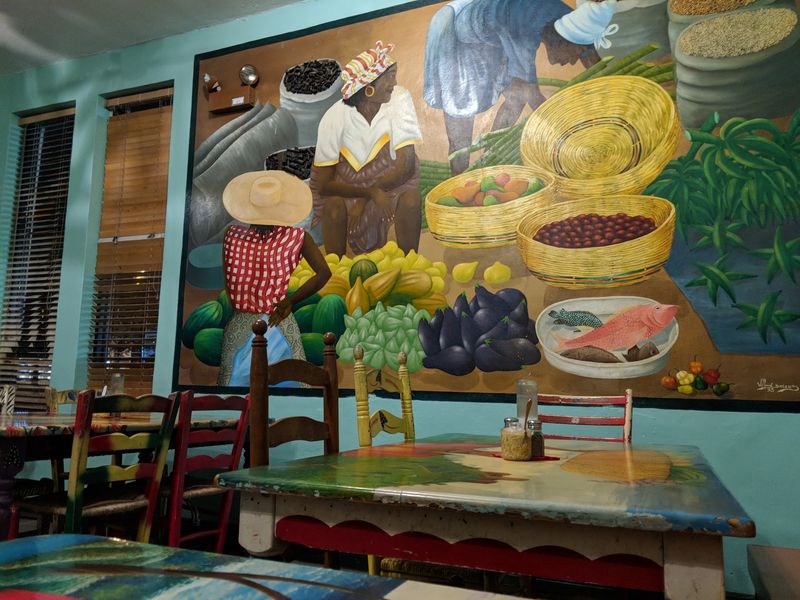
Walls covered in bright, hand-painted murals made Tap Tap feel like a little piece of Haiti tucked into South Beach. The name came from the colorful shared taxis that carry riders around Haitian cities.
Those painted buses inspired much of the art inside.
For many Miami diners, Tap Tap was their first taste of Haitian cooking. Plates of griot, which is fried pork, came with pikliz, a spicy pickled cabbage relish that adds a sharp kick.
Goat stew, conch, and rice with beans also helped teach visitors how rich and layered Haitian food can be.
The restaurant was more than a place to eat. It hosted Haitian art, music, and community events, giving the culture a public stage in a neighborhood better known for nightclubs.
Miami has one of the biggest Haitian communities in the country, yet few Haitian spots ever landed on South Beach.
When Tap Tap closed after running for decades, fans lost an important cultural meeting point. Plenty of Haitian restaurants still thrive in Little Haiti and North Miami, and they are worth seeking out.
Still, the old murals on Fifth Street stood for something special.
Address: Fifth Street, Miami Beach, FL (former location)
2. Big Pink
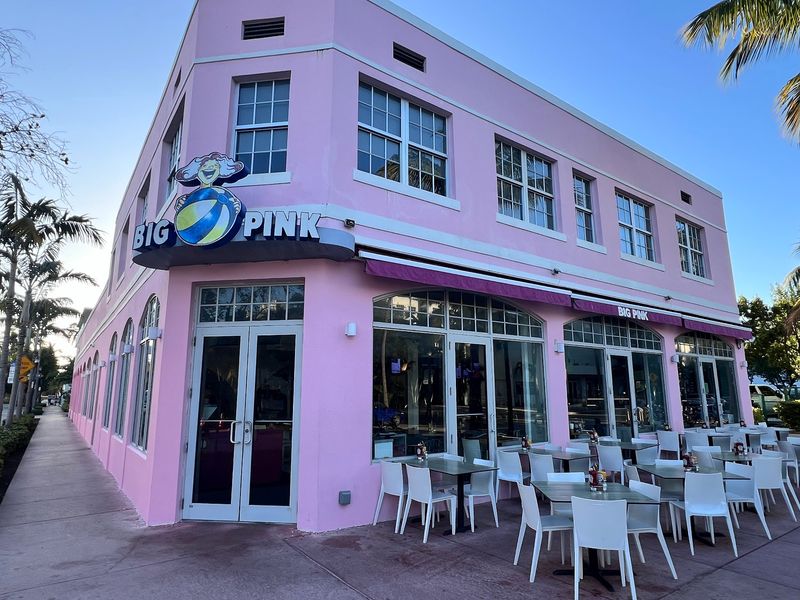
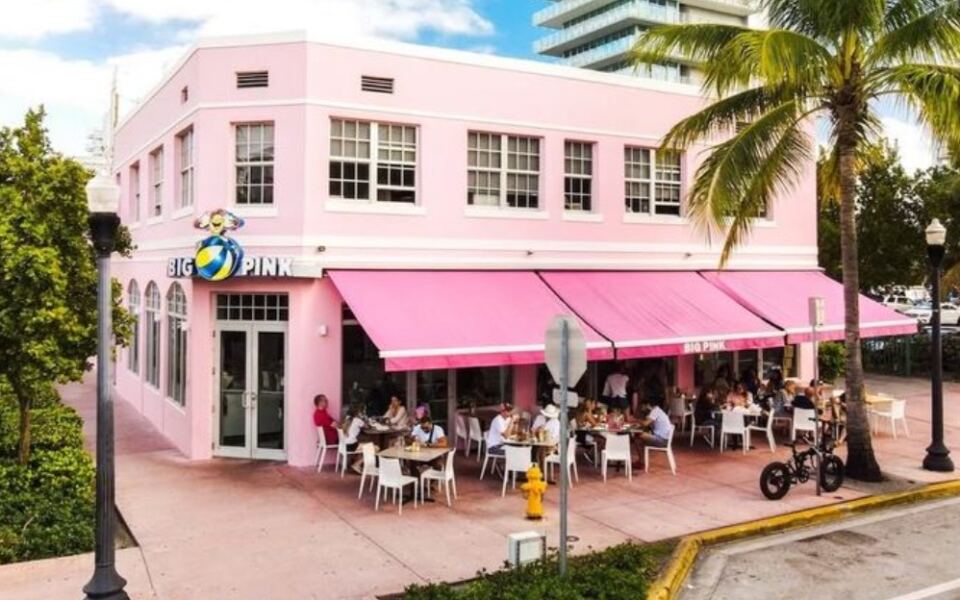
Here is a fun fact: the menu at Big Pink was so huge that people joked it needed a table of contents. The South of Fifth diner leaned into its oversized personality with a bright pink look and comfort food in giant portions.
Burgers, TV dinner style trays, pizzas, and big breakfast plates filled the pages. The trays were a playful nod to the frozen meals many Americans grew up eating in front of the television.
Kids loved the silly style, and grown-ups liked that the kitchen stayed open late.
Big Pink came from restaurateur Myles Chefetz, the same name behind famous spots like Prime 112 nearby. His group helped turn the quiet southern tip of Miami Beach into a busy dining area.
The diner was the casual, budget-friendly side of that story.
When it closed, South of Fifth lost one of its few easygoing family stops. The block has grown fancier over time, with more upscale places replacing laid-back ones.
For many beachgoers, a sandy stop for a milkshake and fries after the ocean was part of a classic Miami Beach day.
Address: Collins Avenue, Miami Beach, FL (former location)
3. Puerto Sagua
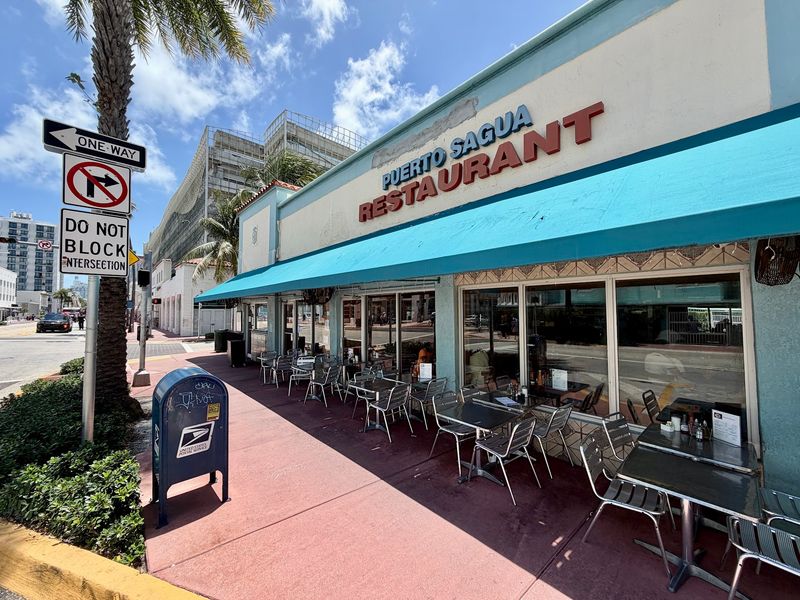
Long before trendy brunch spots arrived, Puerto Sagua was pouring tiny cups of strong Cuban coffee for South Beach workers at its long lunch counter. The old-school Cuban diner felt frozen in time, and that was exactly why people loved it.
The menu stuck to classics. Ropa vieja, which is shredded beef simmered in tomato sauce with peppers and onions, came with white rice and black beans.
Cuban sandwiches, fried sweet plantains, and hearty breakfasts kept the counter busy from morning until late.
Servers in the dining room often worked there for years, and many regulars had favorite stools. Construction crews, hotel staff, and tourists sat side by side, which made it one of the most mixed crowds on the beach.
Prices also stayed friendlier than at most newer spots around it.
Its closing hit hard because Collins Avenue has fewer and fewer of these affordable, family-style Cuban places. Each one that disappears takes a bit of Miami Beach history with it.
Fans still trade stories about the coffee, the waiters in crisp shirts, and the feeling of eating in a true neighborhood joint.
Address: Collins Avenue, Miami Beach, FL (former location)
4. News Cafe
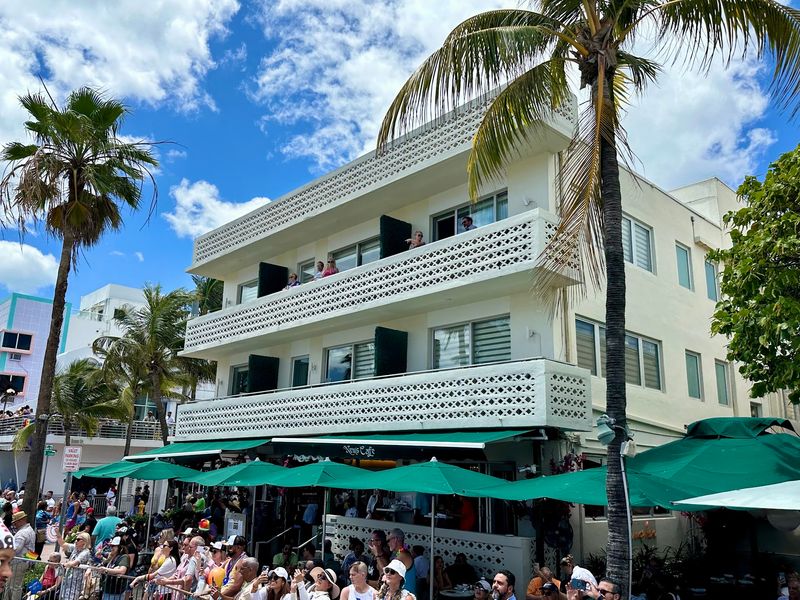
Picture racks of newspapers and magazines from around the world, set beside sidewalk tables facing the ocean. That simple idea turned News Cafe into one of the most famous corners on Ocean Drive.
For years, it served as a meeting spot where people could read, eat, and watch the busy street.
The cafe opened back when South Beach was just starting its big comeback in the late 1980s. It became a symbol of the Art Deco district revival, drawing models, photographers, and visitors.
Breakfast plates, sandwiches, and salads were served almost around the clock.
Fans also connect it to a sad piece of history. Fashion designer Gianni Versace often walked there for magazines, and his mansion sits just down the street.
That link added to its spot in Miami pop culture.
Over time, Ocean Drive changed a lot, with more crowds, more noise, and different kinds of businesses. Losing News Cafe felt like losing a landmark that remembered calmer days.
For longtime locals, the empty corner marks the end of an era on the most photographed street in Miami Beach.
Address: Ocean Drive, Miami Beach, FL (former location)
5. Jaguar Sun
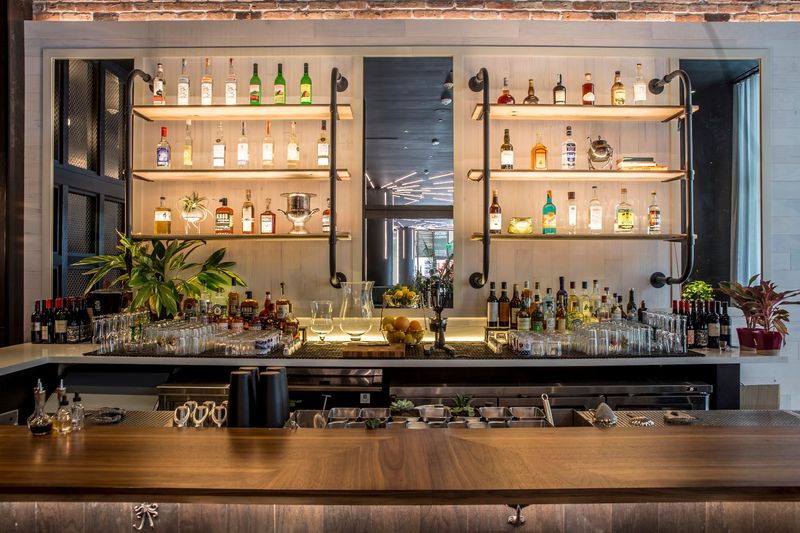
Small spaces can make big waves, and Jaguar Sun proved it in downtown Miami. The cozy restaurant earned national attention for its creative cooking and its relaxed, stylish feel.
Food critics often listed it among the best new places in the city.
Handmade pasta helped build its reputation. The kitchen also played with bold, unexpected flavors, mixing Italian ideas with Miami influences.
Many diners came for the snacks and small plates, which made it easy to try several dishes at once.
Its rise showed that downtown could be a true food destination and not just an office area. Before spots like this, many people only drove downtown for work or big events.
Jaguar Sun helped change that idea and pushed other chefs to open in the area.
When it closed, the downtown dining crowd lost a place that felt personal and inventive. The team behind it had become well-known in the local food world, so fans kept a close eye on what they would do next.
Its short but bright run reminds everyone how quickly a beloved restaurant can come and go in a growing city.
Address: Downtown Miami, FL (former location)
Share this story