A steak can get a second layer of flavor from sautéed mushrooms, sautéed onions, or melted jack cheese. Those menu add-ons make a familiar dinner feel different without sending you hunting for a secret menu.
I like that approach because a useful food upgrade should be easy to explain. A loaded potato, a different side, or dressing served separately can change your meal without turning your order into a speech.
For a visit in Texas, the smartest starting point is the menu at your chosen location. Choices, preparation options, and extra charges can vary, so ask before counting on a particular change.
The ideas below focus on straightforward requests built around familiar menu offerings, rather than internet tricks that promise too much. Pick the change that fits your appetite, keep the request clear, and leave room for a combination you haven’t considered before.
1. Sautéed Mushrooms On Your Steak
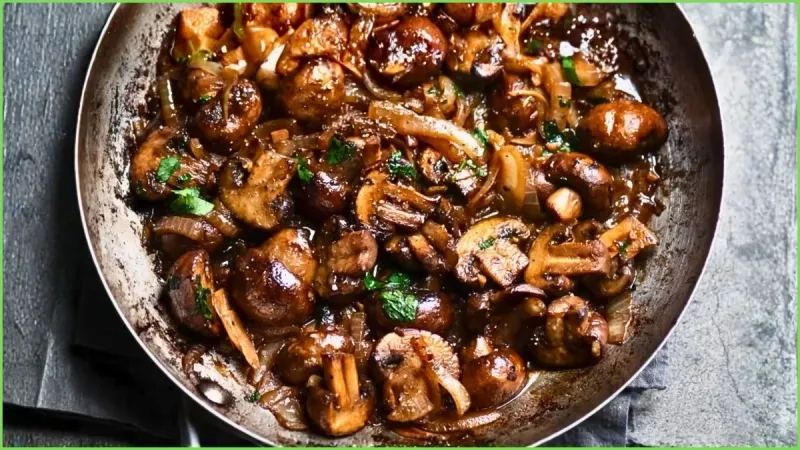
Mushrooms can give your steak a supporting cast without asking you to change the main character. Request the sautéed mushroom topping if your location offers it among its steak additions.
Start with a cut you already enjoy, then keep your usual preferred doneness when ordering. That makes it easier to decide whether the topping deserves a repeat appearance on your next visit.
Ask whether the mushrooms arrive over the steak or whether the kitchen can serve them separately. A separate portion lets you try a few bites together before committing the whole plate to that combination.
Think about the rest of dinner before adding several rich extras to the same order. A vegetable side or a simply dressed salad gives you another flavor to move between as you eat.
Check the added charge before ordering, since a topping is not necessarily included with your steak. If you have an allergy or dietary restriction, ask about the mushroom preparation rather than assuming the ingredient name tells the complete story, especially when cooking fats, seasonings, or shared equipment could matter to your meal and comfort.
2. Sautéed Onions As A Steak Topper
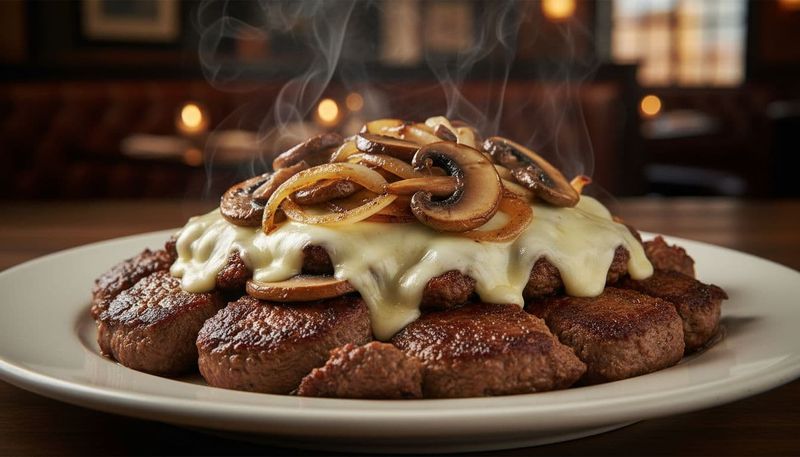
A steak topping doesn’t need cheese to make its presence known at the dinner table. Sautéed onions offer another menu-based way to change your order while keeping the steak itself familiar.
Ask for onions as a topping rather than expecting them to come with your chosen cut. Confirm availability and the extra charge when you place the order, not after the plate arrives.
You can also ask whether the kitchen will put the onions beside the steak instead. That approach suits a shared meal when one person wants the addition and another prefers an unadorned bite.
Keep other sauces separate if you want to judge what the onions bring to the combination. Adding several toppings at once can make it harder to tell which change you actually enjoy most.
For your first attempt, pair the onion addition with sides you already know you like. Dinner still feels familiar, but a few forkfuls get a different direction without requiring an entirely new entrée or an elaborate explanation to your server, which is a fairly good return on one short, clear request during a busy meal.
3. Jack Cheese Over Your Steak

Cheese doesn’t have to stay on the burger side of the menu to earn its place. Where offered, jack cheese gives you a straightforward topping option for a steak you already enjoy.
Order your steak and preferred doneness first, then ask to add the cheese topping. Keep the request specific so your server doesn’t have to guess which cheese or preparation you mean.
Consider trying cheese alone before combining it with onions, mushrooms, or another available steak addition. One change gives you a clearer answer about whether the combination matches what you wanted from dinner.
A simple vegetable side can keep the rest of your order from becoming equally rich. You can also leave an extra sauce off the steak until you’ve tasted the cheese with the meat.
Ask about the topping charge and tell your server about any milk allergy before ordering. Cheese removal doesn’t make a meal automatically safe for someone with an allergy, so preparation questions still matter even when the request sounds simple and the ingredient seems easy to spot on a finished plate at your Texas dinner table.
4. Grilled Shrimp With Your Steak
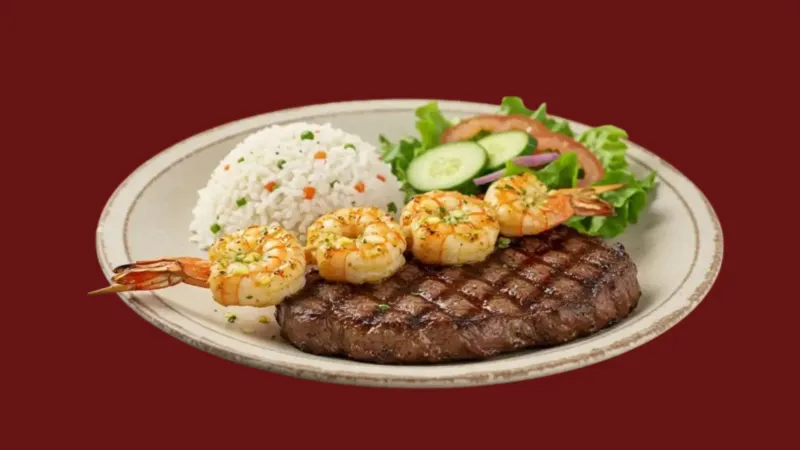
Surf and turf can begin with a small addition rather than a completely different dinner plan. Ask whether your location offers grilled shrimp as an add-on to the steak you want.
Use the menu’s actual add-on or combination wording when you order, if either appears there. That helps distinguish your request from a separate shrimp entrée, which may include a different amount of food.
Confirm what accompanies the shrimp instead of assuming a sauce, garnish, or extra side comes included. Those details matter when you’re comparing the addition with a listed combination meal on the same menu.
Keep your side choices in mind, especially if you also plan to have an appetizer. Adding another protein changes the meal more than adding a topping, so there’s no need to upgrade several parts.
Shellfish allergies deserve a direct conversation with your server before you make this request. Ask about ingredients and shared preparation equipment as needed, and avoid treating a separate serving dish as proof that the kitchen can prevent contact with other foods during cooking or plating at your chosen location that particular evening.
5. A Steak And Ribs Combination
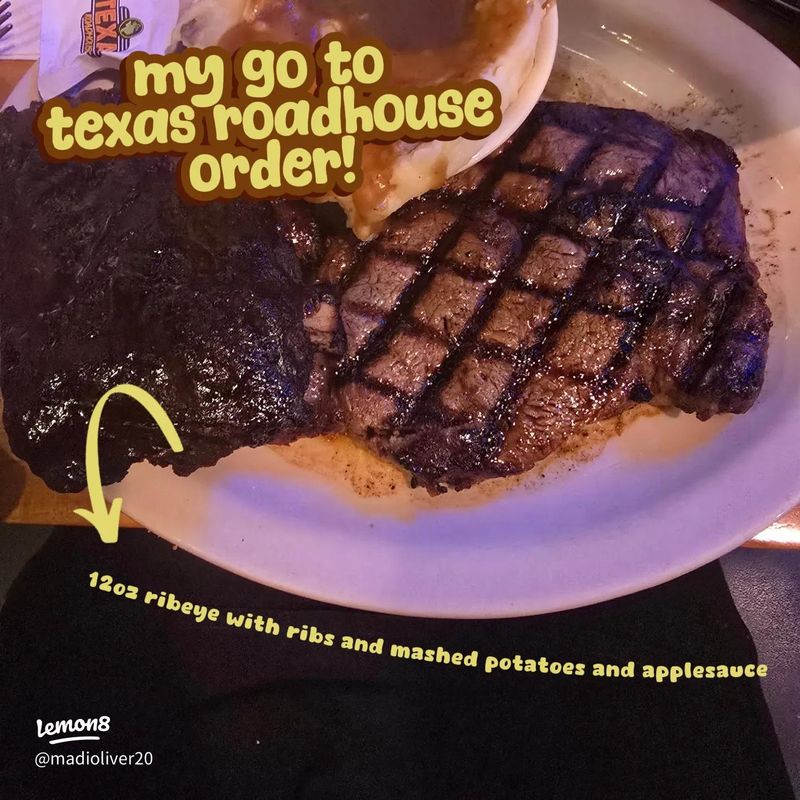
Choosing between steak and ribs can become a menu decision instead of a dinner debate. Look for a listed steak and ribs combination rather than assuming any two entrées can be bundled.
Check which steak cut and size the combination includes before deciding it’s your best choice. A combo may not match the standalone steak you originally planned to order, and that difference deserves attention.
Ask about the included sides and available substitutions when your server takes the order. You might prefer one simple side and one richer choice instead of building a plate with several loaded additions.
Keep the ribs’ sauce in mind before requesting another sauce for the steak as well. Trying the components as served first can help you decide whether anything else would improve your particular meal.
Sharing plans deserve a quick question about restaurant policies and any additional plate charge. If you’d rather keep dinner entirely your own, consider how much food you want before ordering an appetizer too, because choosing a combination should solve your steak versus ribs question without creating a second puzzle about where the remaining food will go.
6. A Loaded Baked Potato
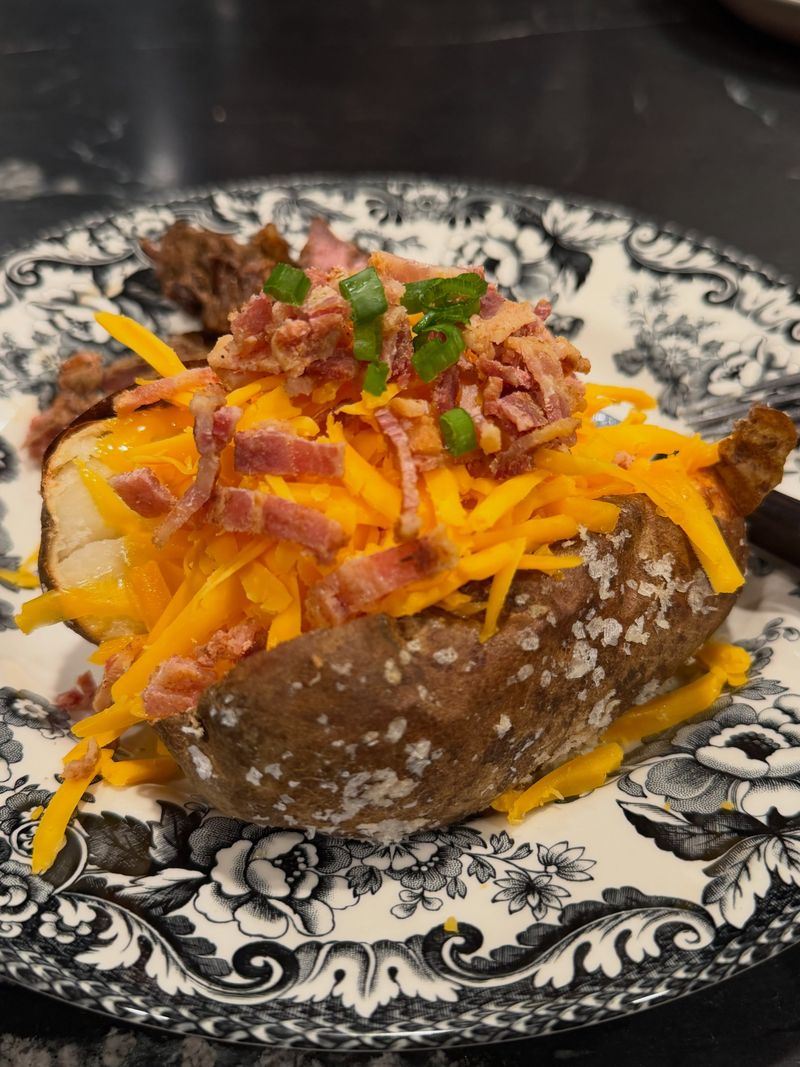
A baked potato can handle more responsibility than simply sitting politely beside your steak. Ask about the loaded option and confirm which toppings your location includes before making it your side.
Cheddar cheese and bacon are familiar parts of the chain’s loaded potato offering. Butter and sour cream choices also deserve a quick check, especially if you want one included and another left off.
Request removable toppings separately when practical so you can decide how much to add yourself. That can be useful if you prefer a little cheese without turning each forkful into the same combination.
Consider the loaded potato your main side upgrade rather than automatically upgrading the rest of dinner. Pairing it with a simpler vegetable gives you a different option between bites of steak and potato.
Don’t treat leaving off bacon or cheese as a guarantee that the whole preparation meets a dietary need. Tell your server what matters, ask about ingredients and handling, and check any added charge before agreeing to the upgrade, so the potato delivers the dinner you intended rather than a surprise attached to the check later.
7. A Marshmallow Topped Sweet Potato
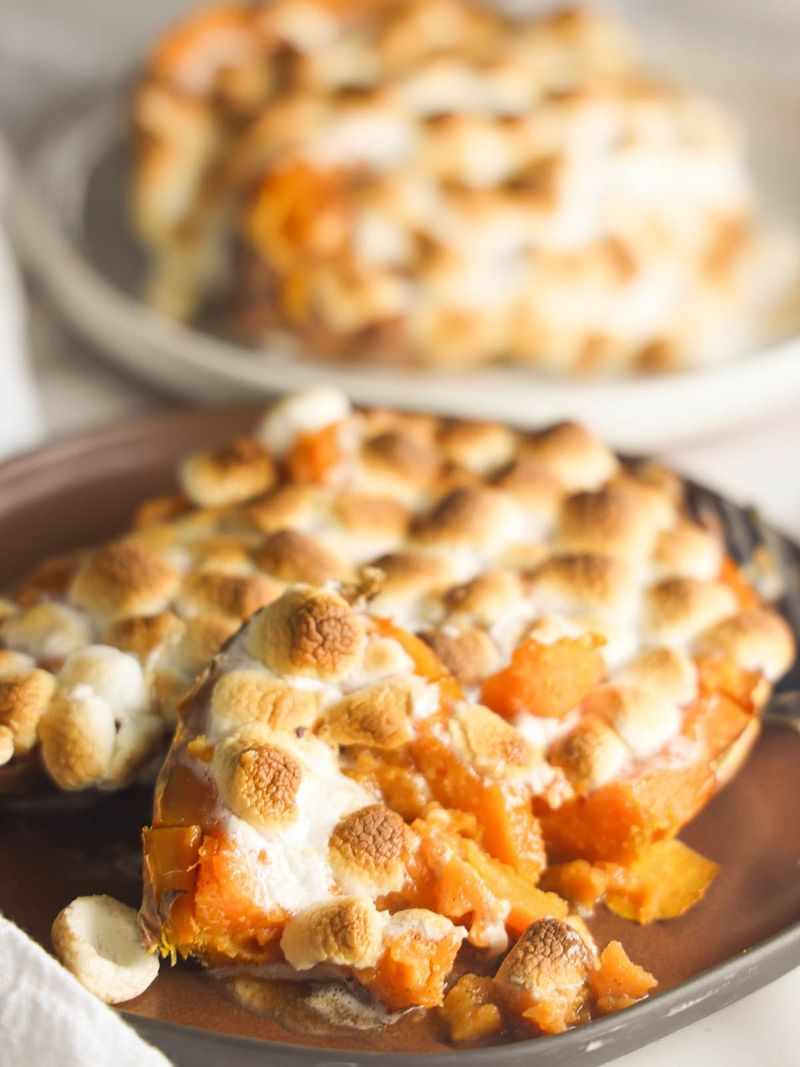
Your side dish can lean toward dessert without requiring a separate trip through the dessert menu. Ask about the sweet potato option with marshmallows and caramel sauce where your location offers it.
Confirm the toppings before ordering because a plain sweet potato and a topped version aren’t interchangeable requests. Mention anything you want omitted at the start, rather than trying to remove it after serving.
If you prefer control over sweetness, ask whether the caramel sauce can come on the side. Kitchen staff may not accommodate each serving request, but a clear question gives them something specific to answer.
Think of this as a deliberate flavor choice beside your entrée, not an automatic improvement over a plain potato. You may enjoy the contrast, or you may prefer saving the sweeter part of dinner for later.
Check whether the topping option carries an extra charge and ask ingredient questions when dietary restrictions matter. Marshmallows and sauces can contain ingredients you wouldn’t identify by looking, so a topping’s familiar name isn’t enough information to decide whether it suits your needs or the needs of someone sharing your meal that evening.
8. A Different Pair Of Sides
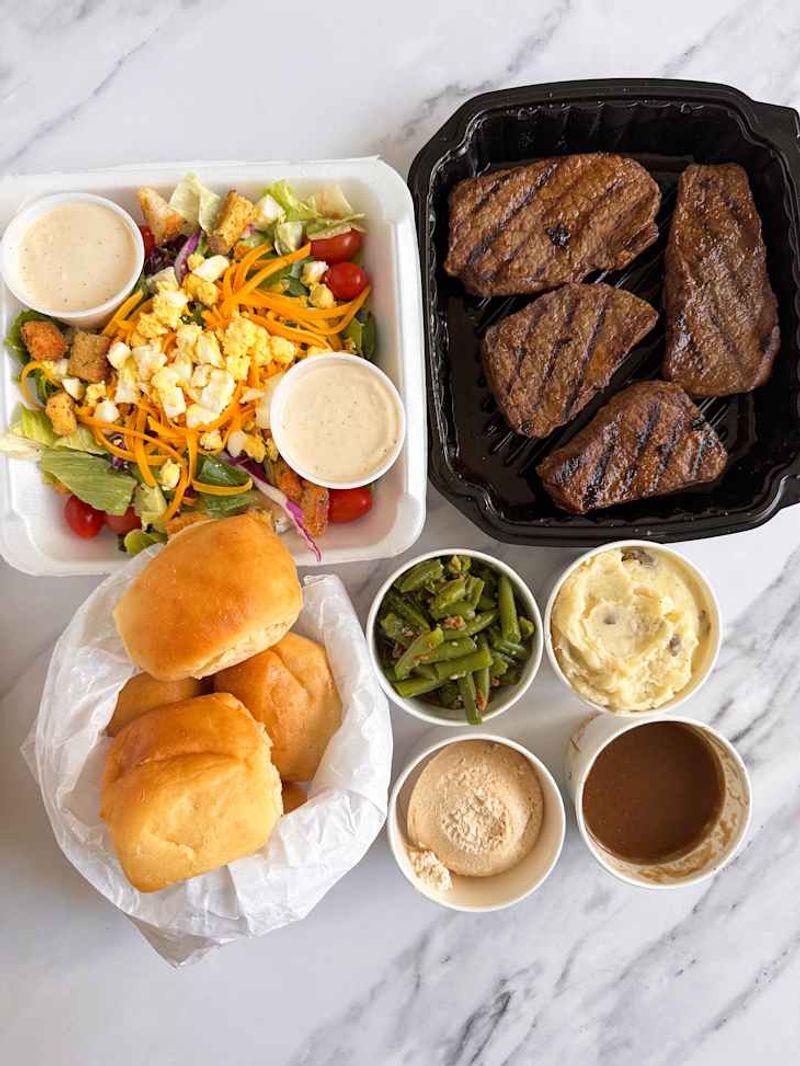
The easiest dinner makeover might happen beside your entrée rather than on top of it. When your meal includes side choices, use them to build a plate that fits your appetite.
Check the side list attached to your entrée instead of assuming the whole menu is interchangeable. Some choices or upgrades can carry additional charges, and availability can differ at your chosen restaurant.
Try pairing two different styles, such as a baked potato and an available vegetable side. That gives you more variety than choosing sides mainly because they’re the first familiar names you notice.
Ask how vegetables are prepared if butter, seasoning, or other ingredients affect your decision. A vegetable name doesn’t explain the complete recipe, just as a potato name doesn’t reveal its possible toppings.
You can also repeat a favorite side if the restaurant allows it, but confirm rather than assuming. For a Texas dinner that already includes a steak topping or another upgrade, changing one side may be enough to make the meal feel different without adding another entrée, another sauce, and another decision to a perfectly manageable order in the first place.
9. Salad Dressing On The Side

A small cup of dressing can give you a surprisingly useful amount of control over dinner. Request your chosen salad dressing on the side when you place the salad order.
You can add a little, taste a bite, and decide whether the salad needs more. That simple pause helps when you enjoy the dressing but don’t want it to dominate the other ingredients.
Check which dressings your location offers rather than relying on a list from another restaurant. Ask about ingredients if eggs, milk, or other allergens matter, since appearance won’t tell you what a dressing contains.
Consider the salad toppings at the same time, especially if you want cheese or croutons left off. A clear request before preparation is more helpful than discovering an unwanted ingredient after the plate reaches you.
Keeping dressing separate doesn’t automatically turn a salad into a particular kind of diet meal. It simply lets you choose the amount you use, which is a practical upgrade whether your salad starts dinner or serves as one of your selected sides beside the entrée you were most excited to order in the first place.
10. Chicken Critter Sauce Served Separately
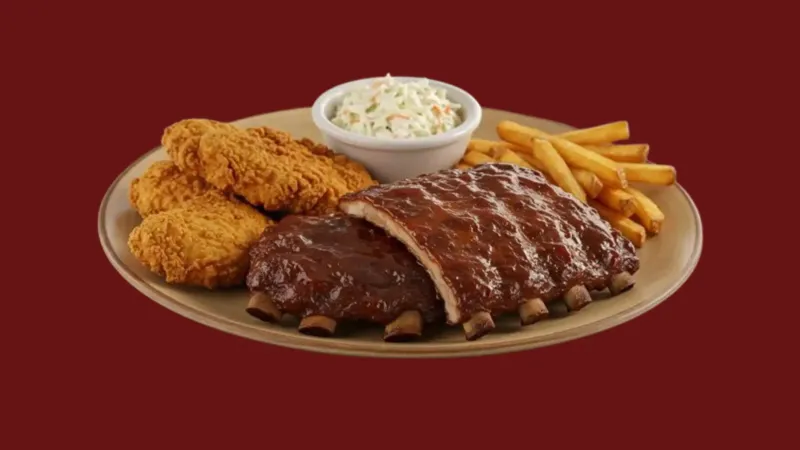
Chicken Critters give dipping sauce a job, but you still get to supervise the amount. Ask which sauces are available and request your choice separately rather than assuming a particular serving arrangement.
Start with the sauce you already enjoy before asking whether another option is available. If you want more than one, check whether extra portions carry a charge or have ordering limits.
Dip individual bites instead of covering the whole serving if you want to compare flavors. Keeping sauces apart also makes sharing easier when your dining partner prefers a different option with the same entrée.
Don’t assume a sauce listed with another menu item can automatically be added to this one. Your server can explain what the kitchen offers without needing to decode a complicated unofficial menu request.
For allergies, discuss both the chicken preparation and the dipping sauce rather than focusing on one component. Separate cups offer serving flexibility, not protection from shared equipment or ingredient contact, so ask direct questions and choose an order based on the restaurant’s answers instead of the reassuring appearance of a neatly divided plate sitting in front of you.
11. A Cheeseburger With Bacon

Bacon can move a cheeseburger in a different direction without requiring a towering collection of extras. Check for a listed bacon cheeseburger before asking the kitchen to modify a different burger.
Ordering the existing menu version gives your server a clearer starting point for any further changes. You can then specify whether you want listed vegetables or condiments included, omitted, or served separately.
Ask which cheese comes with the burger if that detail affects your choice of meal. Don’t assume the kitchen offers a substitution simply because another cheese appears elsewhere on the restaurant’s menu.
Think about your side before adding more toppings, especially if you’re also considering a loaded potato. A burger upgrade and a side upgrade can each sound small while changing the overall order quite noticeably.
Confirm any added charges and follow the restaurant’s guidance about burger doneness and food safety. If you’re avoiding a particular ingredient, make that clear before preparation rather than planning to pull it out later, since removing a visible topping doesn’t undo contact with the burger, bun, cheese, condiments, or cooking surfaces used to prepare your meal.
12. BBQ Sauce On The Side
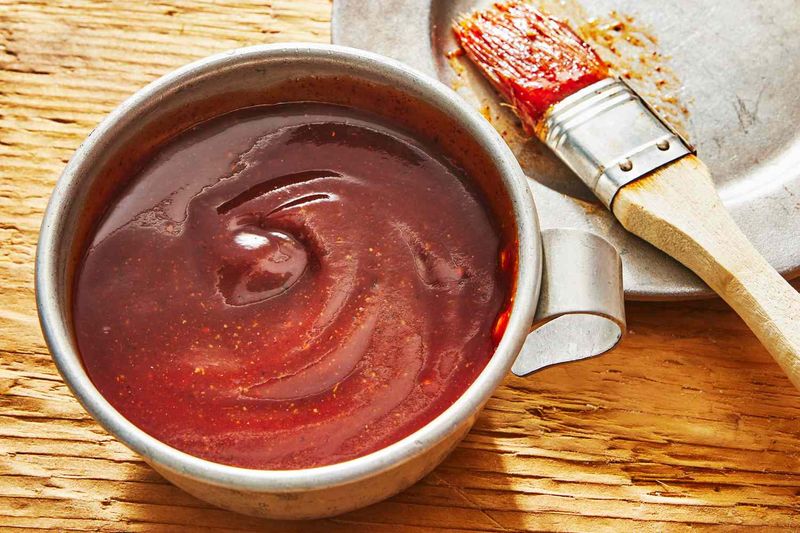
Barbecue sauce can be part of dinner without covering the entire entrée before your first bite. For a sauce-finished item, ask whether the kitchen can serve the sauce separately instead.
Make the request before ordering because sauce may already be part of an item’s preparation. A server can explain the difference between leaving off a finishing sauce and changing food prepared in advance.
When separate service is possible, try a bite of the entrée before adding your sauce. Then use as much as you enjoy rather than feeling committed to a coating you didn’t choose yourself.
Keep expectations reasonable if the kitchen can’t make the change for the item you selected. Choosing another listed entrée may work better than stacking several special instructions onto a dish with an established preparation.
Ask about sauce ingredients if a dietary restriction makes the request more than a flavor preference. Serving sauce separately doesn’t remove ingredients already used in seasoning or cooking, so explain your actual need instead of relying on the shorthand request alone, and let the restaurant tell you what it can reasonably prepare for your order that day.
13. Country Fried Steak Gravy Separately
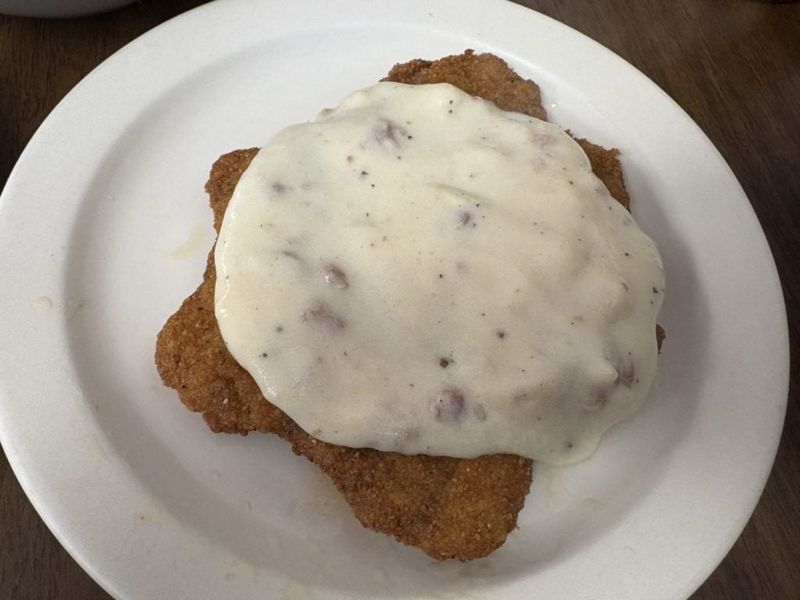
Gravy deserves a place at dinner, but you can ask it to wait beside the plate. When ordering Country Fried Sirloin, ask whether your chosen gravy can be served separately.
Check the gravy choices on your location’s menu rather than assuming there’s only one option. Choose the listed style you prefer and make the separate serving request before the kitchen starts your meal.
Pour a little over one portion first instead of covering the entire breaded steak immediately. You can add more as you go, keeping the amount matched to the bites you’re about to eat.
If mashed potatoes are also part of your order, clarify where you want gravy placed. Otherwise, a request meant for the steak might leave room for confusion about how you wanted the sides served.
Ask about ingredients and preparation when milk, wheat, or another dietary concern affects your choice. Separate gravy isn’t an allergy solution for a breaded entrée, but it can be a useful serving preference when your goal is simply more control, fewer assumptions, and a dinner arranged the way you actually want to eat it that particular evening.
Share this story