A creamy pasta sauce can start with eggs and cheese, without a drop of cream. That small kitchen trick is one reason I find pasta so interesting: a few simple ingredients can turn into something completely different depending on how you handle them.
Shape matters, too, because ridges catch thick sauces while broad ribbons give rich toppings room to spread. Even the cloudy water left in your cooking pot can help cheese, oil, and pasta come together instead of sitting apart on the plate.
I like dishes that teach you something useful while giving you a good reason to reach for another forkful, and pasta offers plenty of those lessons. You can explore peppery Roman sauces, stuffed squares, baked layers, and bright vegetable pairings without needing a restaurant kitchen or a shopping cart full of unfamiliar ingredients, so which bowl gets your attention first?
1. Pasta Alla Carbonara
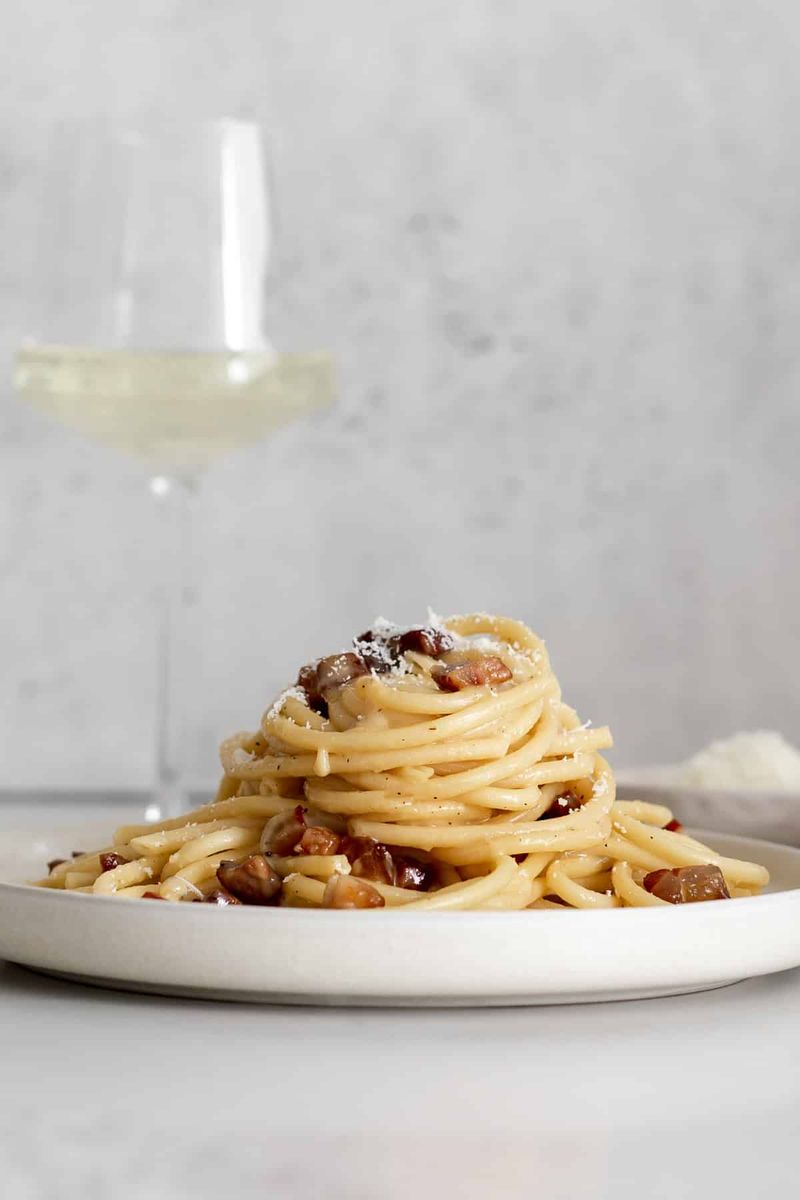
Eggs do the creamy work here, and they deserve a little applause. Carbonara combines pasta with eggs, hard cheese, cured pork, and black pepper for a sauce made without cream.
Guanciale, cured pork cheek, is the traditional choice, while Pecorino Romano supplies a salty edge. Pancetta can work as a practical substitute, though the finished flavor will differ.
Your biggest challenge is heat, not a long shopping list or complicated equipment. Toss the hot pasta with the egg mixture away from direct heat so the eggs thicken without scrambling.
Save a mug of pasta water before draining, then add small splashes while tossing. The water helps loosen the cheese and eggs into a glossy coating rather than a heavy paste.
Spaghetti is common, but rigatoni gives the pork pieces little places to hide. Since the cheese and cured pork already bring salt, taste before adding more to your bowl.
Prepare your ingredients before the pasta finishes because the final mixing happens quickly. Serve right away, with extra pepper nearby, and enjoy a useful lesson in letting simple ingredients do the heavy lifting.
2. Cacio E Pepe
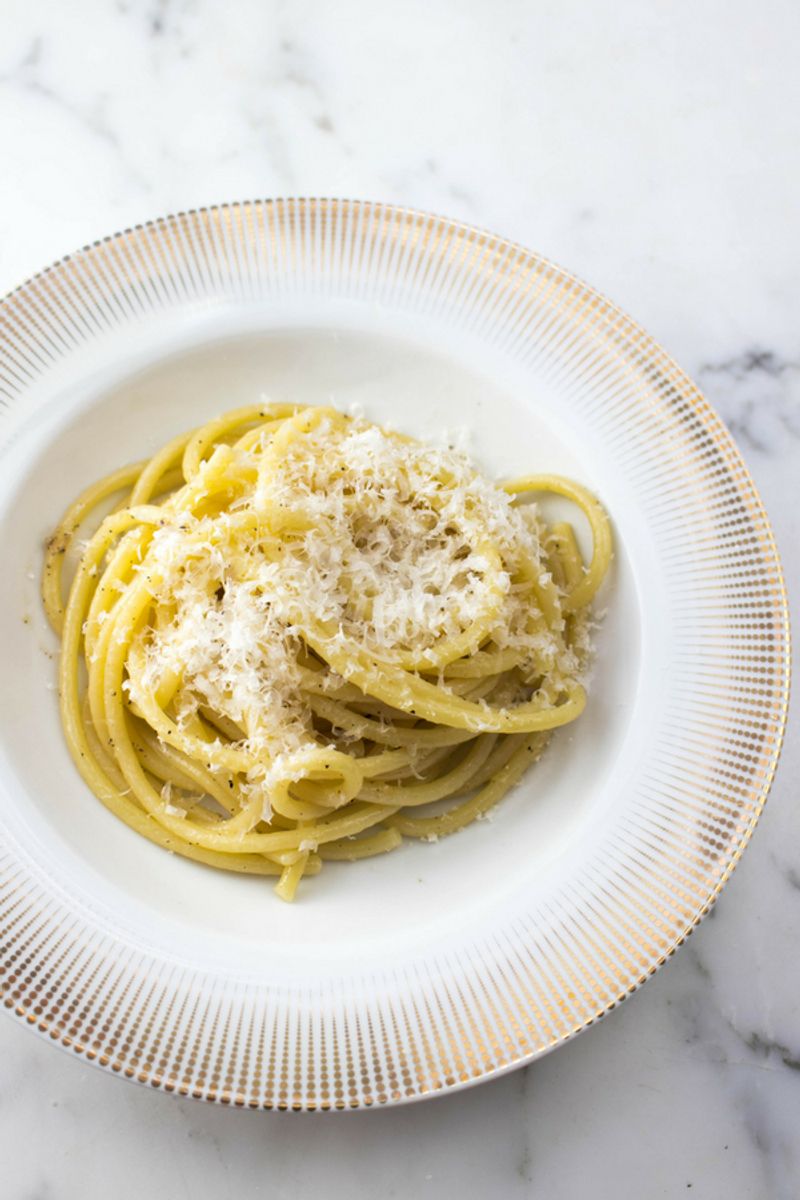
Cheese and pepper sound almost too simple to count as a sauce. Yet cacio e pepe turns those two ingredients, pasta, and cooking water into a dish worth practicing.
Pecorino Romano brings the sharp, salty flavor that defines this Roman favorite. Freshly ground black pepper adds a lively bite, especially when you briefly toast it in a dry pan.
Choose spaghetti or tonnarelli, a thicker, square cut noodle that suits the sauce well. Before draining, save plenty of cloudy pasta water because you may need more than expected.
Temperature deserves your attention because overheated cheese can tighten into stubborn clumps. Let the pan cool slightly, then add finely grated cheese gradually while tossing with small amounts of water.
You want a thin coating that clings to the noodles, not a puddle beneath them. Grating the cheese yourself makes it easier to mix smoothly than using coarse shreds.
Start with a small batch while you learn how the sauce behaves in your kitchen. Once the timing clicks, you gain a quick dinner with a tiny ingredient list and a surprisingly strong personality of its own.
3. Bucatini All’Amatriciana
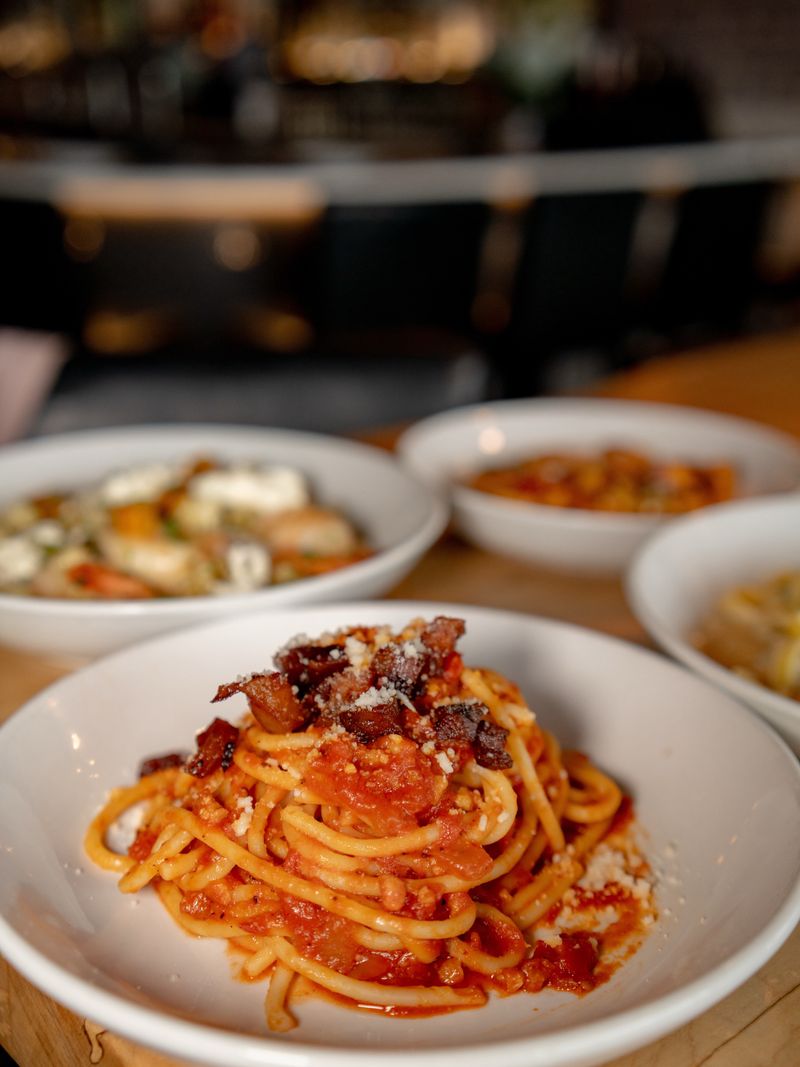
A tiny tunnel runs through bucatini, giving these thick strands their signature shape. Pair them with tomato, guanciale, and Pecorino Romano, and you have a classic take on amatriciana.
The dish takes its name from Amatrice, a town in central Italy. Recipes vary, but the familiar combination balances bright tomato with rich cured pork and sharp sheep’s milk cheese.
Begin by cooking the guanciale gently so its fat renders without scorching the meat. Add tomato and let the sauce simmer until it loses its raw taste and thickens slightly.
Keep the seasoning restrained at first because both the pork and cheese contribute salt. A little chili can add heat, but it should not bury the main ingredients.
Finish the pasta in the sauce with a splash of cooking water. Bucatini can be lively on a fork, so a roomy bowl helps contain those enthusiastic strands.
Rigatoni makes a sensible alternative when you want an easier shape to manage. Serve a modest amount of grated pecorino on top, then let the tomato and pork share the spotlight rather than turning dinner into a cheese delivery service.
4. Pasta Alla Gricia
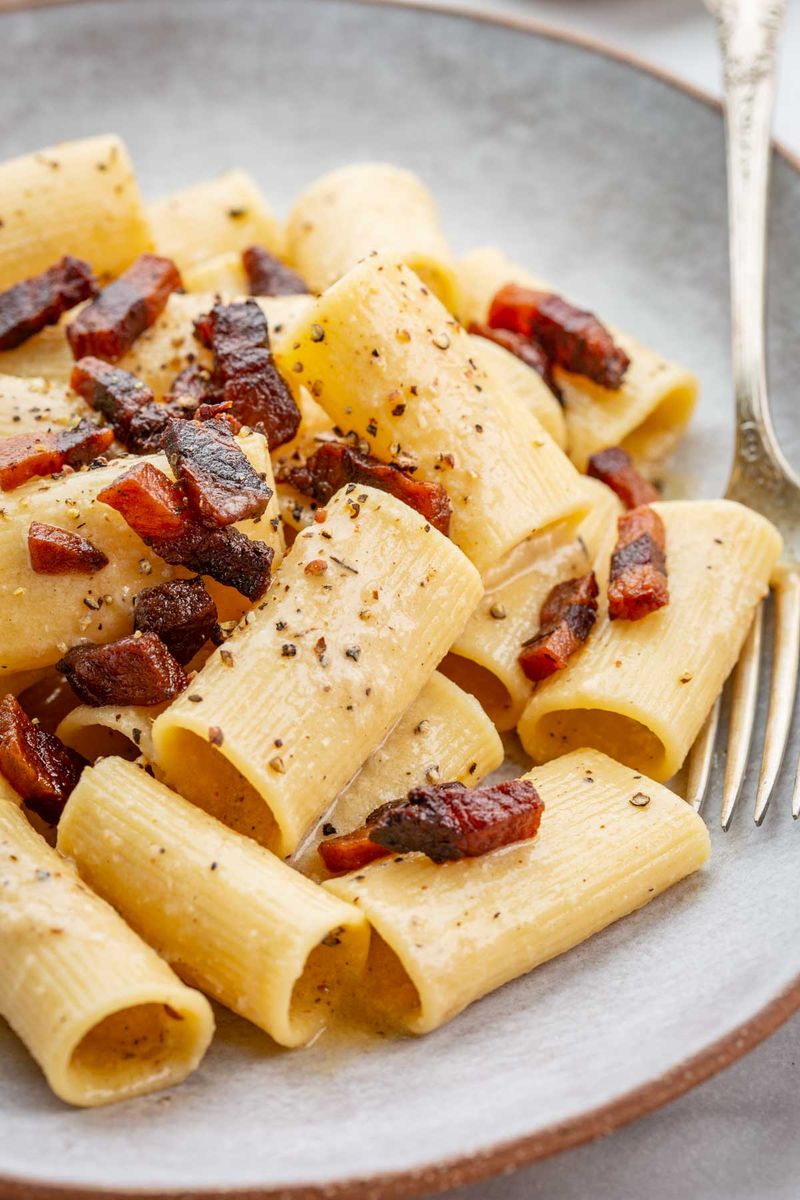
Tomato takes the night off in this deeply savory Roman pasta. Gricia relies on guanciale, Pecorino Romano, black pepper, and starchy cooking water to build its sauce.
You can think of it as a useful companion to carbonara and amatriciana. It shares ingredients with both, yet leaves out the eggs of one and the tomatoes of the other.
Cut the guanciale into pieces that can brown without becoming tiny, dry crumbs. Cook it over moderate heat and keep the rendered fat, which helps carry flavor through the pasta.
Rigatoni works especially well because the tubes catch small pieces of pork and cheese. Move the nearly cooked pasta into the pan and toss with a little reserved water.
Add finely grated pecorino away from strong heat, working gradually to avoid clumps. The finished coating should look glossy, with enough moisture to keep the pasta moving freely.
Skip extra oil unless your particular batch truly needs it, since guanciale supplies its own fat. Taste before salting, add pepper to suit you, and serve promptly while the cheese sauce still coats the tubes smoothly instead of gathering together.
5. Trofie Al Pesto
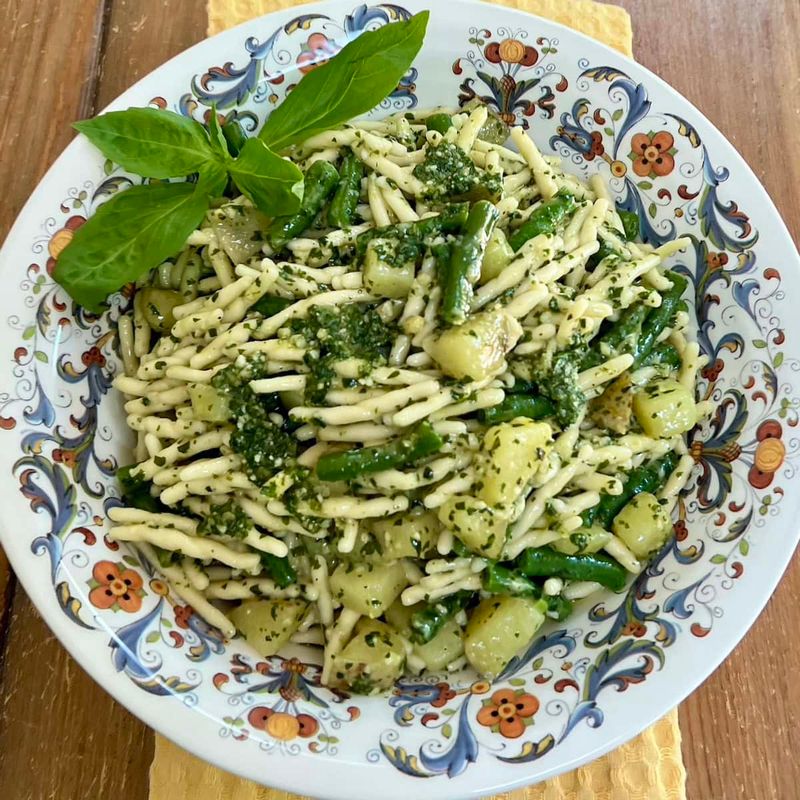
Those little twists have a job beyond looking cheerful on your plate. Trofie gives basil pesto plenty of curves to cling to, making the pairing especially satisfying.
Pesto alla genovese traditionally combines basil, garlic, pine nuts, hard cheeses, olive oil, and salt. Crushing the ingredients produces a different texture from blending, but either method can serve a home cook.
Keep the basil from getting overly hot as you work, especially with a food processor. Brief pulses help you avoid turning a fresh sauce into a long blending project.
Unlike a tomato sauce, pesto does not need a simmer in the frying pan. Toss it with cooked pasta off the heat, loosening it with small splashes of cooking water.
Potatoes and green beans appear in a traditional Ligurian version of this dish. They add variety without asking the pesto to share attention with another strong sauce.
For a simpler dinner, leave the vegetables out and focus on a balanced coating. Add the pesto gradually, taste before adding salt, and remember that a bright green bowl needs careful handling more than it needs a mountain of extra cheese.
6. Orecchiette Con Cime Di Rapa
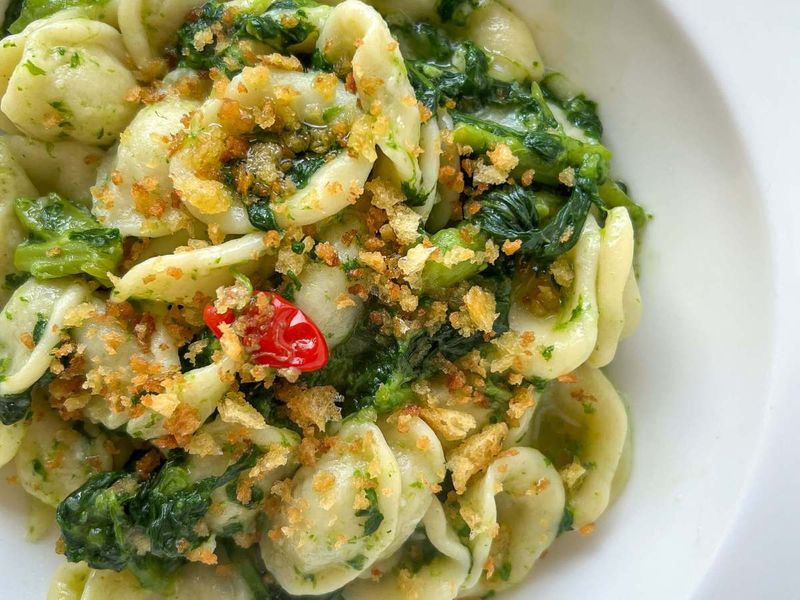
Little ears turn out to be excellent vegetable scoops, which is quite a career choice. Orecchiette pairs beautifully with cime di rapa, a leafy vegetable closely associated with cooking in Puglia.
Broccoli rabe is a common option for making a similar dish in American kitchens. Its slightly bitter flavor gives the pasta character, while garlic and chili provide extra depth.
Trim tough stem ends and cut the greens into pieces that are easy to eat. You can cook them in the pasta water, adjusting the timing to suit their tenderness.
Meanwhile, gently cook sliced garlic in olive oil without letting it turn dark. Anchovy is a common addition that dissolves into the oil, though recipes and preferences differ.
Toss the cooked pasta and greens together until the little cups collect bits of vegetable. A splash of pasta water helps spread the flavored oil across the bowl.
Try toasted breadcrumbs on top when you want a little crunch rather than more cheese. Keep some of the greens’ bite instead of cooking them into a featureless pile, and you get a vegetable centered dinner with plenty to say.
7. Pasta Alla Norma
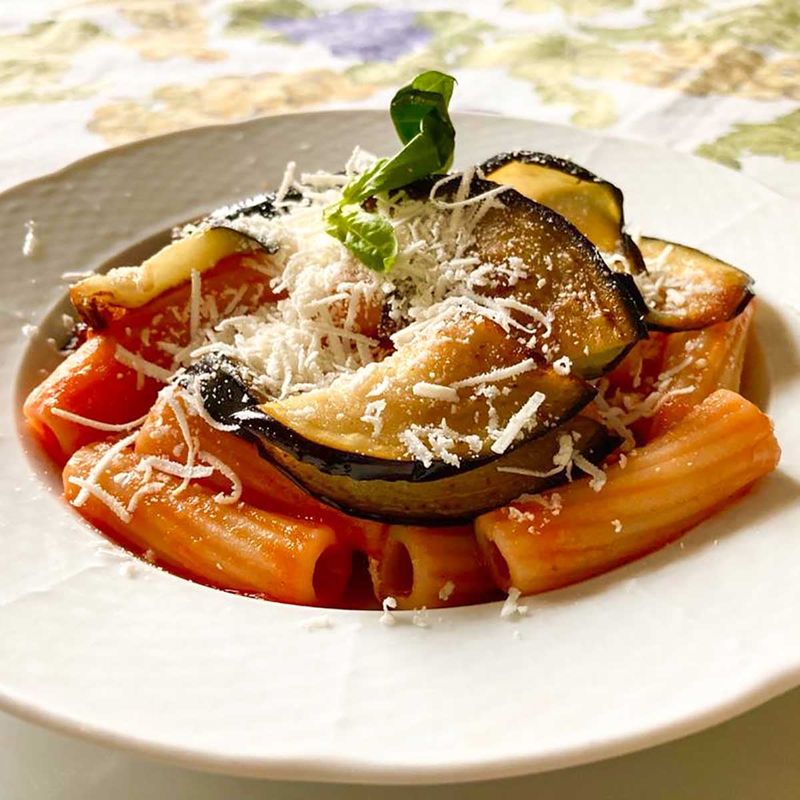
Eggplant gets a starring role here instead of hovering beside the main course. Pasta alla Norma brings together eggplant, tomato, basil, and ricotta salata in a well known Sicilian dish.
Ricotta salata is salted, pressed ricotta with a firm texture suitable for grating. It differs from the soft ricotta sold in tubs, so check the label before shopping.
Traditionally, the eggplant is fried, giving the dish a rich foundation beneath its bright sauce. Roasting offers a practical home variation when you would rather use less frying oil.
Cut the eggplant into even pieces so they cook at roughly the same speed. Give them enough room in the pan or baking tray to brown rather than simply steam.
Choose a short pasta such as rigatoni, then toss it with a straightforward tomato sauce. Fold in the eggplant carefully so you keep some pieces intact instead of crushing them.
Add basil near the end and finish with grated ricotta salata just before serving. You do not need meat to make this bowl feel complete, and the mix of tender vegetables and salty cheese explains why it works.
8. Penne All’Arrabbiata
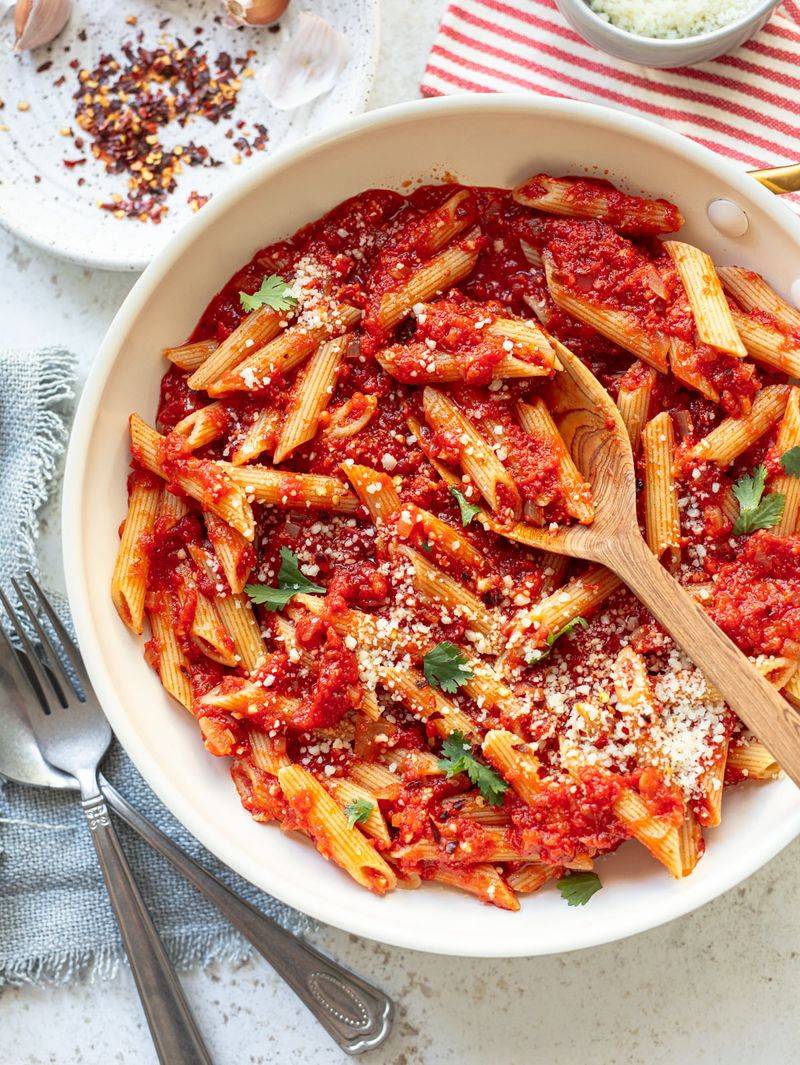
Chili gives this tomato sauce its attitude, but you control the volume. Penne all’arrabbiata combines pasta with tomato, garlic, olive oil, and hot pepper in a direct, lively dish.
The name refers to an angry style, a playful nod to the sauce’s heat. That does not mean your dinner needs to become a test of personal bravery.
Start with a small amount of dried chili or fresh hot pepper. You can add more later, while rescuing an overly fiery sauce usually takes more work.
Cook the garlic gently before adding tomato, and avoid letting it become deeply browned. Simmer until the sauce thickens enough to grip the pasta rather than sliding away.
Penne’s hollow center and angled ends suit a tomato sauce with small bits of garlic. Finish it in the pan with reserved cooking water so the coating reaches those surfaces.
Chopped parsley makes a fitting finishing touch, while cheese remains a matter of preference. Pair the pasta with a simple vegetable side, keep the chili jar within reach, and let each person decide how much excitement belongs in their own bowl tonight.
9. Spaghetti Aglio E Olio
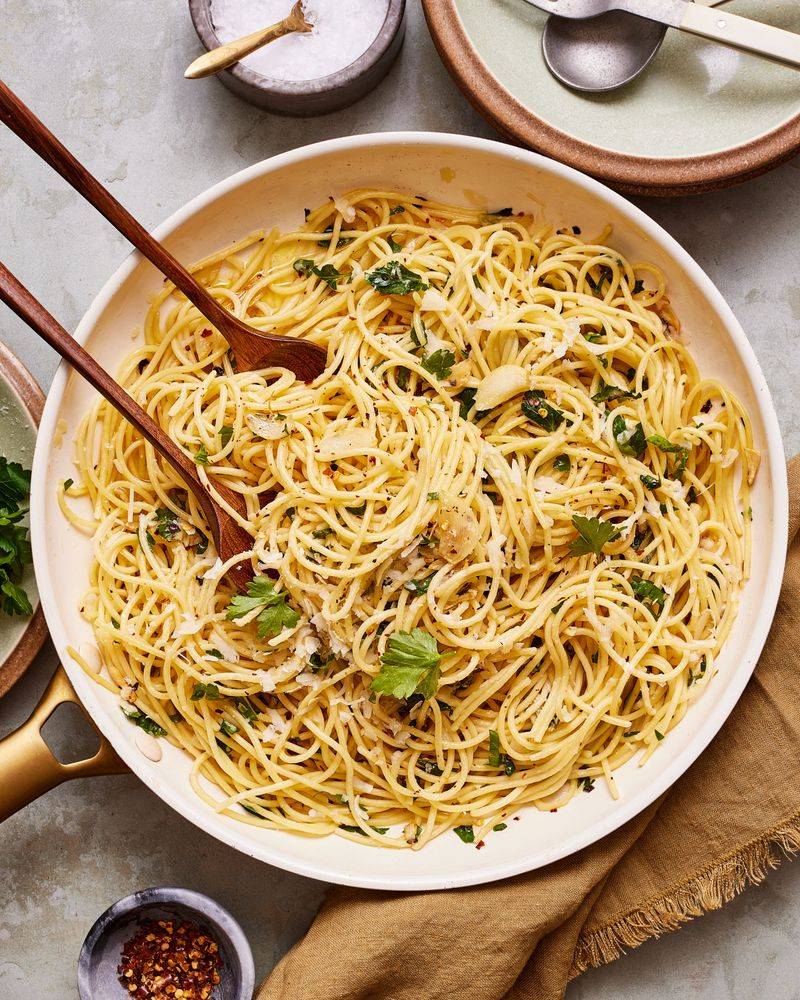
Garlic and olive oil can carry dinner farther than a crowded shopping bag. Aglio e olio uses those pantry basics to make a sauce that rewards careful timing.
Thinly sliced garlic lets you see its color change as it cooks in the oil. Aim for pale gold, then move quickly because dark garlic can turn unpleasantly bitter.
Red pepper flakes are a familiar addition when you want a little heat. Add them briefly to the oil so their flavor spreads without leaving them over strong heat.
The key move happens when you combine the oil with starchy pasta water. Tossing helps the two come together into a light coating rather than separate pools.
Transfer spaghetti while it is still slightly firm, then finish it in the pan. Keep a little extra water nearby because the pasta continues taking up moisture as you toss.
Parsley can add a fresh finishing note, but resist burying the garlic beneath extra toppings. Use an olive oil you enjoy, serve the pasta promptly, and appreciate a dinner that asks for attention rather than a long list of ingredients or fancy kitchen equipment.
10. Pasta Al Limone
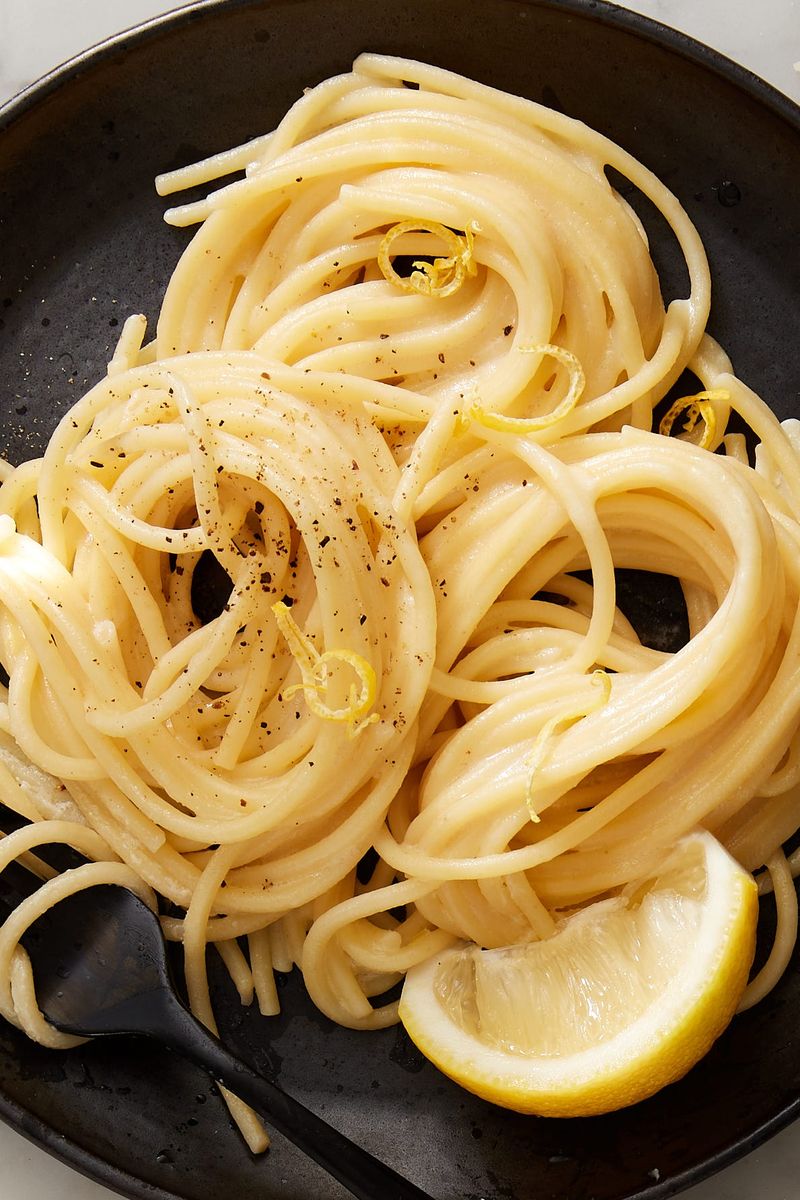
Lemon can brighten a bowl of pasta without turning it into a sour challenge. Pasta al limone balances citrus with fat, cheese, and cooking water in several popular variations.
Some recipes use butter and Parmesan, while others include cream for a richer sauce. Choose a version that matches your mood rather than assuming there is one fixed formula.
Zest gives you fragrant citrus flavor without adding much liquid or sharpness. Grate only the colored outer skin, since the white layer underneath can bring unwanted bitterness.
Add lemon juice a little at a time and taste as you go. The right amount depends on the fruit, the cheese, and how bright you want your sauce.
Long shapes such as spaghetti or linguine suit the light coating especially well. Toss them with the sauce and small splashes of pasta water until the strands separate easily.
Serve in heated bowls if possible, since a delicate butter sauce changes as it cools. A side of peas or asparagus makes a useful partner, but the pasta can stand on its own when you want a simple dinner with a sunny outlook.
11. Tagliatelle Al Ragu
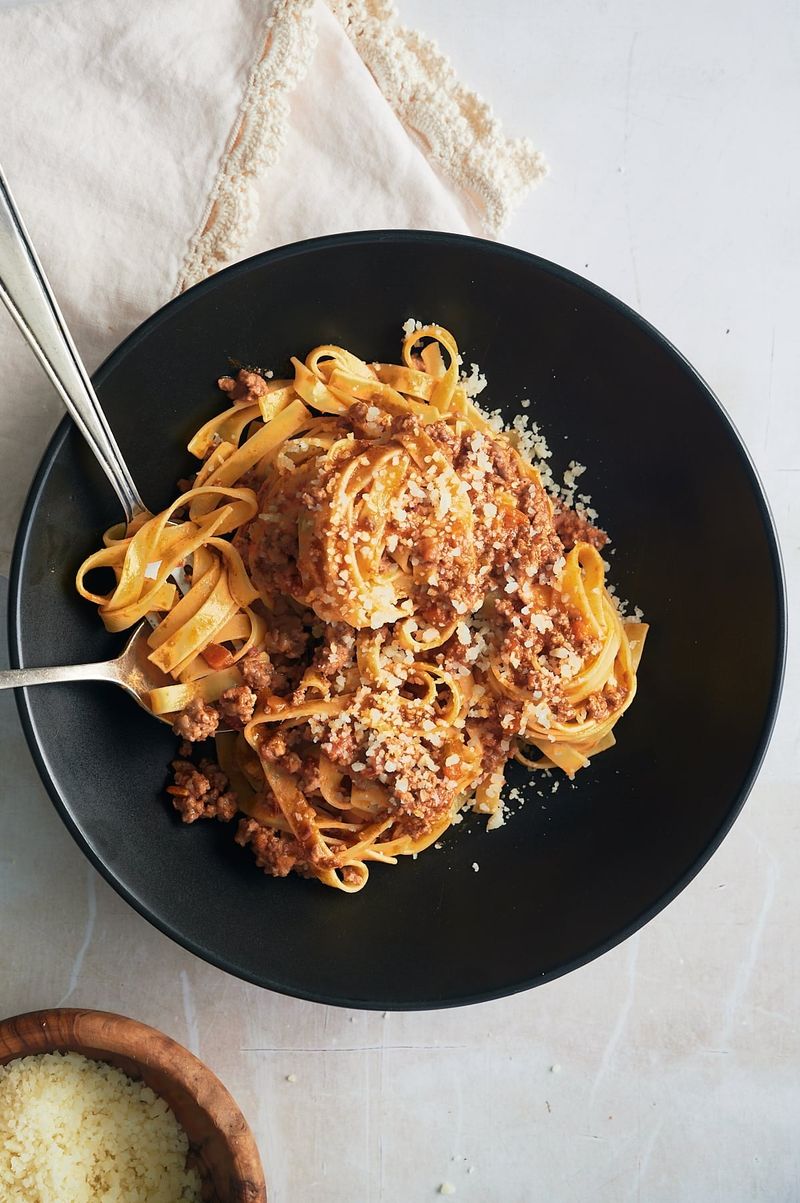
Broad ribbons give a slow cooked meat sauce somewhere comfortable to land. Tagliatelle al ragu pairs flat egg pasta with a sauce that coats rather than floods the plate.
For a Bolognese style version, finely chopped vegetables and meat form the main foundation. Tomato supports the mixture, but it need not dominate the way a basic red sauce does.
Choose a recipe without ingredients you prefer to avoid, since household versions differ. Milk appears in many preparations and helps create a softer balance alongside the meat and tomato.
Give the sauce enough gentle cooking time for the ingredients to come together. Stir occasionally and add liquid as needed so the bottom of the pot does not catch.
Fresh tagliatelle cooks quickly, so have the sauce ready before the noodles enter the water. Toss both together carefully, adding a little pasta water if the mixture seems too thick.
Make extra sauce and freeze portions for another evening when your schedule gets crowded. You get the benefit of patient cooking twice, while the second dinner asks little more than boiling pasta and finding a clean fork to use.
12. Pappardelle Ai Funghi
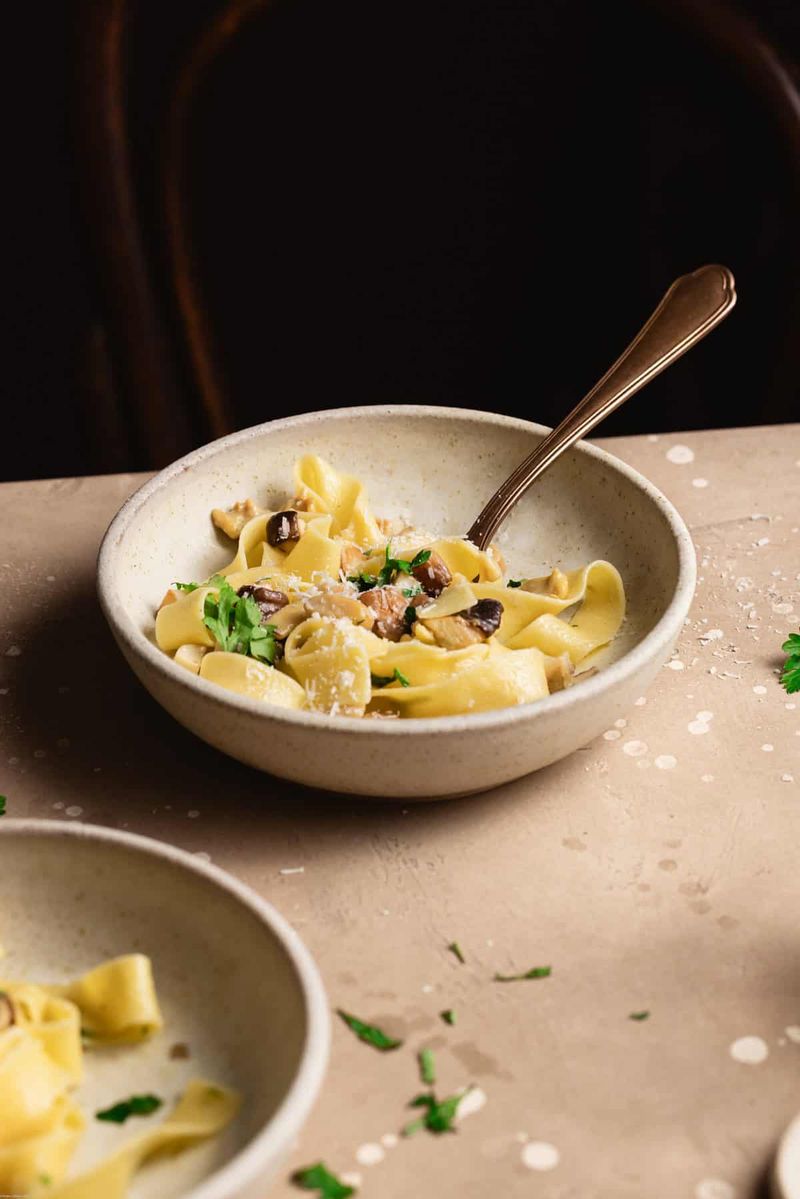
Mushrooms have enough personality to handle the widest ribbons in the pasta drawer. Pappardelle ai funghi brings them together in a dish that can stay simple or become richer.
Cremini mushrooms are an accessible starting point, while mixed varieties add different shapes and flavors. Dried porcini can contribute depth when you soak them according to the package directions.
Strain any soaking liquid carefully before using it, since grit can settle at the bottom. A coffee filter or fine cloth helps catch particles that a coarse strainer might miss.
Cook fresh mushrooms in batches if your pan feels crowded, giving moisture room to escape. Once they brown, add garlic or herbs without overwhelming the mushroom flavor.
Butter, olive oil, or a little cream can help form the sauce, depending on your recipe. Toss the pappardelle gently so the broad ribbons remain separate and do not tear.
Finish with parsley and a modest grating of hard cheese if you like. Serve soon after mixing, because those generous noodles keep absorbing sauce while you decide whether dinner needs another photograph or simply a place at the table right now.
13. Ravioli Di Ricotta E Spinaci
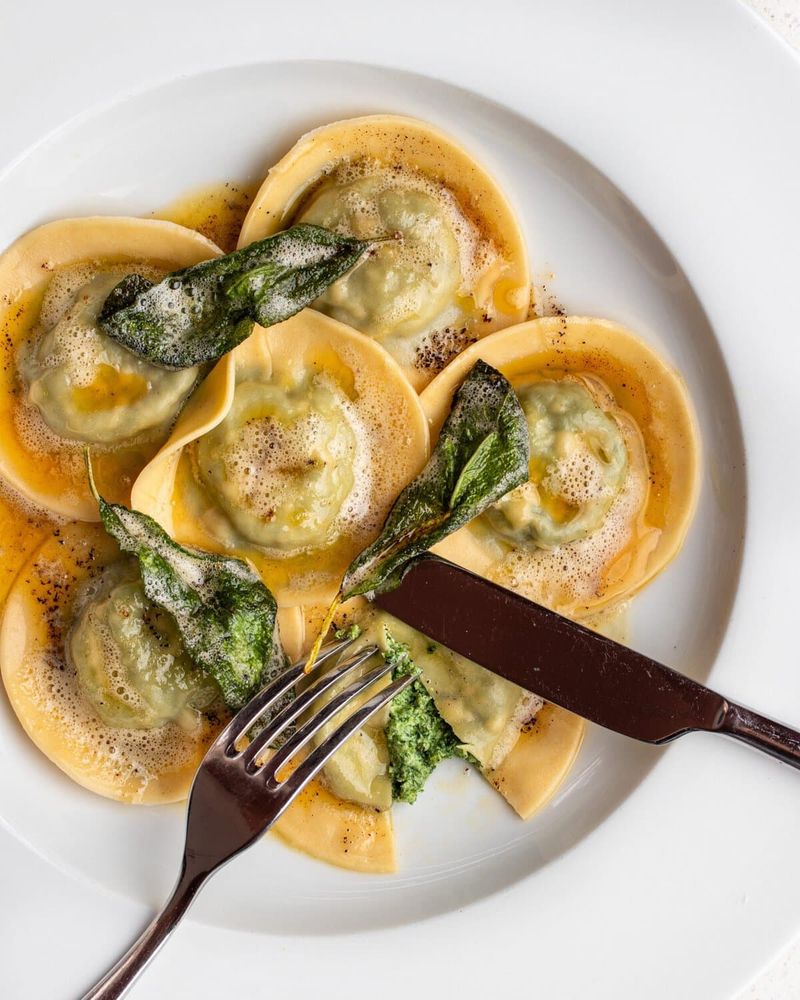
A small pasta parcel can hold a surprisingly useful lesson in moisture control. Ricotta and spinach ravioli depend on a filling that stays soft without becoming watery.
Cook the spinach, let it cool, and squeeze out excess liquid before chopping it. Drain loose ricotta as needed so the mixture holds together when you spoon it onto pasta.
Grated hard cheese and a little nutmeg are common additions that give the filling depth. Taste the mixture before filling, following food safety guidance if your recipe includes raw egg.
When shaping ravioli, leave enough bare dough around the filling to make a firm seal. Press out trapped air gently, since large pockets can make the parcels harder to handle.
Cook them at a controlled boil rather than letting the pot toss them around roughly. Store bought fresh ravioli also works when you want the dish without a flour covered afternoon.
A light butter sauce with sage lets the filling remain the center of attention. Lift the cooked ravioli carefully, add a little cooking water to the sauce, and save heavy toppings for another pasta that needs more help speaking up.
14. Tortellini In Brodo
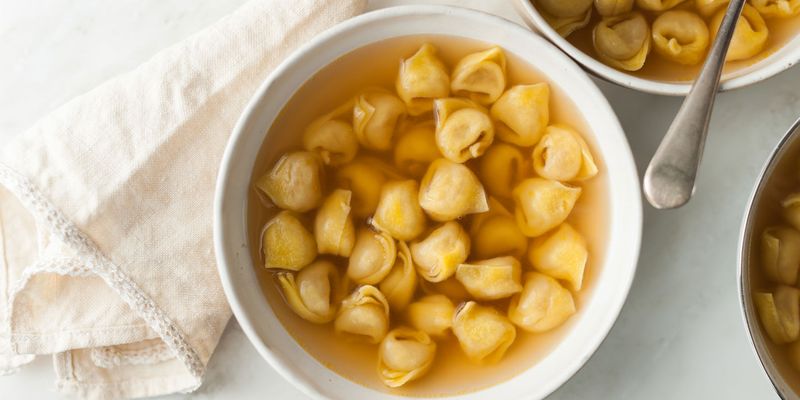
The broth is part of the meal, not merely a place for pasta to swim. Tortellini in brodo serves small filled pasta in a clear, flavorful stock.
The dish belongs strongly to the food traditions of Emilia Romagna in northern Italy. Meat filled tortellini is a classic choice, though packaged fillings vary and deserve a label check.
Start with broth you enjoy sipping on its own, whether homemade or carefully chosen from the store. Taste it before cooking the pasta because filled tortellini and added cheese can increase saltiness.
Keep the liquid at a gentle simmer and follow the pasta’s cooking instructions. Fresh, frozen, and dried tortellini need different timing, so appearance alone is not a dependable guide.
Use a roomy bowl with enough broth to surround the pasta rather than barely dampen it. A little grated Parmesan can finish the serving without turning the broth cloudy and heavy.
If you expect leftovers, consider storing cooked pasta separately from the remaining liquid. Otherwise, the tortellini will continue taking up broth, and tomorrow’s soup may look more like pasta that has quietly misplaced its swimming pool during the night.
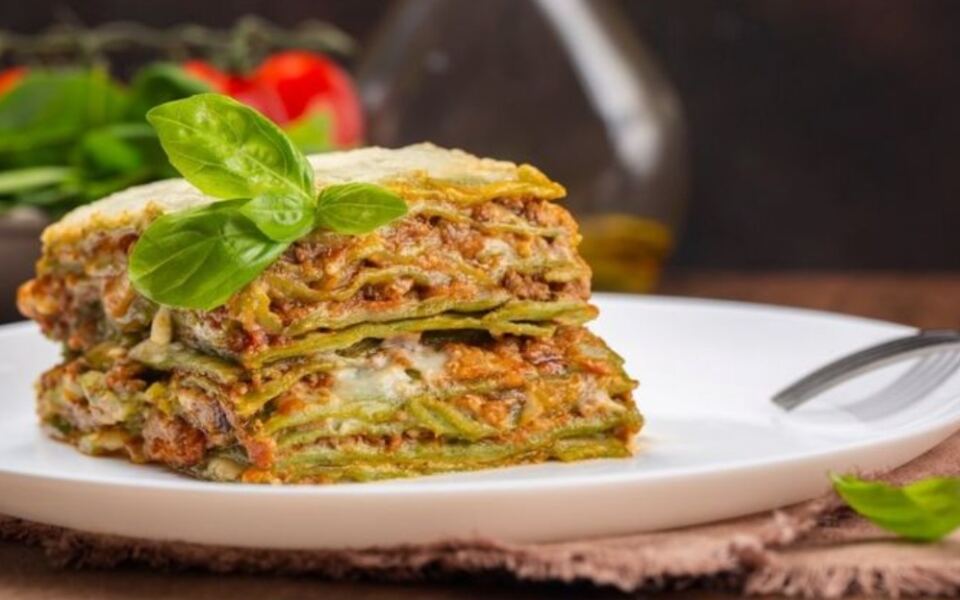
15. Lasagne Verdi Alla Bolognese
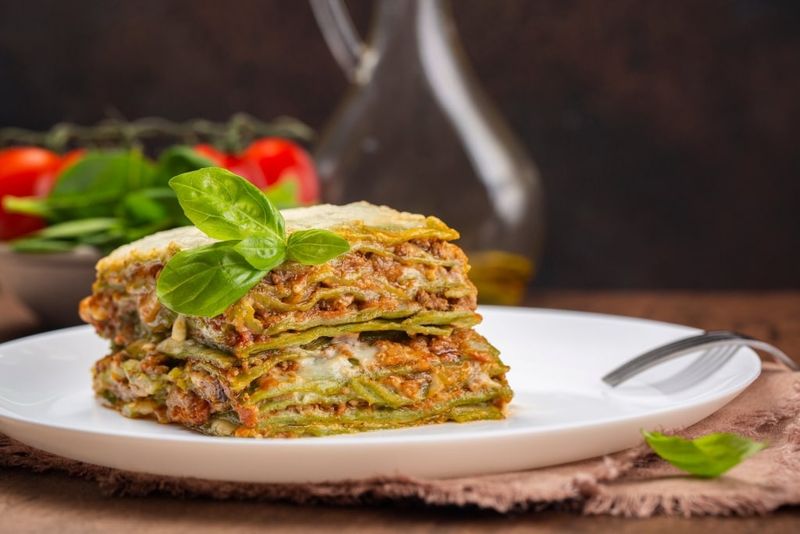
Green pasta sheets give these baked layers a clear identity before the first bite. Lasagne verdi alla Bolognese combines spinach pasta, meat ragu, and bechamel in a layered dish.
Unlike versions built around thick pockets of ricotta, this style uses bechamel for a smooth, creamy layer. Grated Parmesan adds seasoning without requiring a heavy blanket of stretchy cheese.
Prepare the ragu and bechamel ahead if you want assembly to feel less busy. Both should spread easily, since very thick sauces can make the finished layers uneven.
Check whether your pasta sheets need boiling before they go into the baking dish. Fresh sheets, dried sheets, and oven ready sheets do not follow the same instructions.
Build several thin layers instead of a few overloaded ones, spreading filling toward the edges. Cover or uncover the dish as your recipe directs to balance cooking with surface browning.
Let the lasagne rest after baking so portions hold together more neatly when cut. Add a simple salad alongside, and you have a meal that rewards planning without asking you to manage several last minute pans while guests wait at the table.
16. Baked Ziti
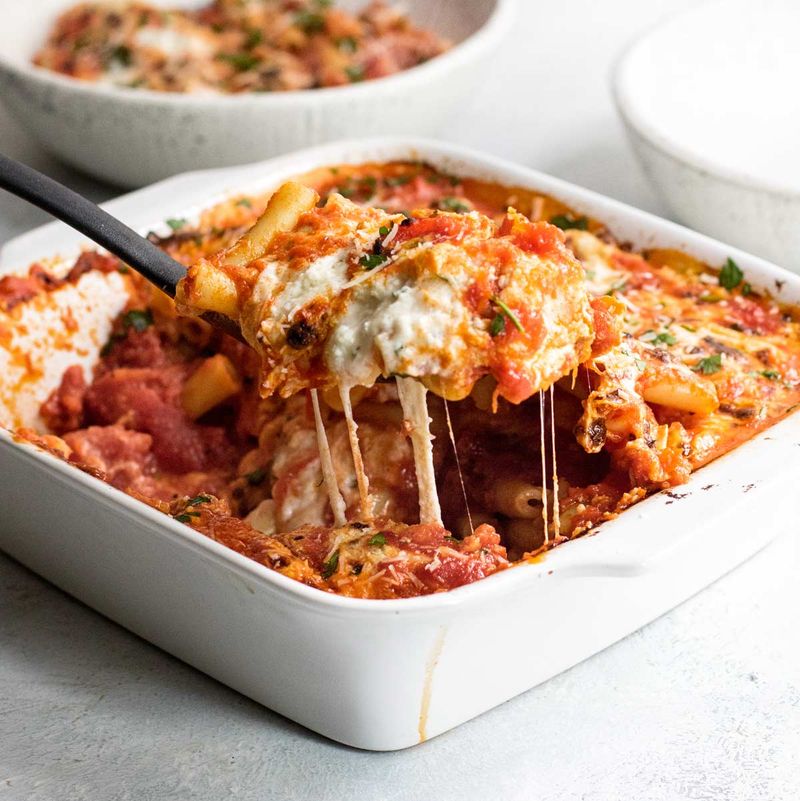
The oven turns a pot of pasta into a dinner you can portion with a spoon. Baked ziti combines tube shaped pasta, tomato sauce, and cheese in a flexible casserole.
Ricotta, mozzarella, and Parmesan appear in many Italian American versions, though family recipes vary. Meat can join the sauce, but a meatless version still offers plenty of substance.
Boil the pasta until it is slightly firmer than you want to eat. It keeps cooking in the oven, where it also takes up moisture from the sauce.
Use enough sauce to coat the tubes generously before transferring them to the baking dish. A mixture that already looks dry in the bowl will not improve during baking.
Spread cheese through the middle as well as across the top for a more balanced result. Covering the dish during part of baking can help protect exposed pasta from drying out.
Let it stand briefly before serving, and cool leftovers promptly for safe storage. You can assemble components ahead, but follow reliable storage and baking guidance rather than leaving a full casserole on the counter while the rest of your afternoon wanders away.
17. Pasta E Fagioli
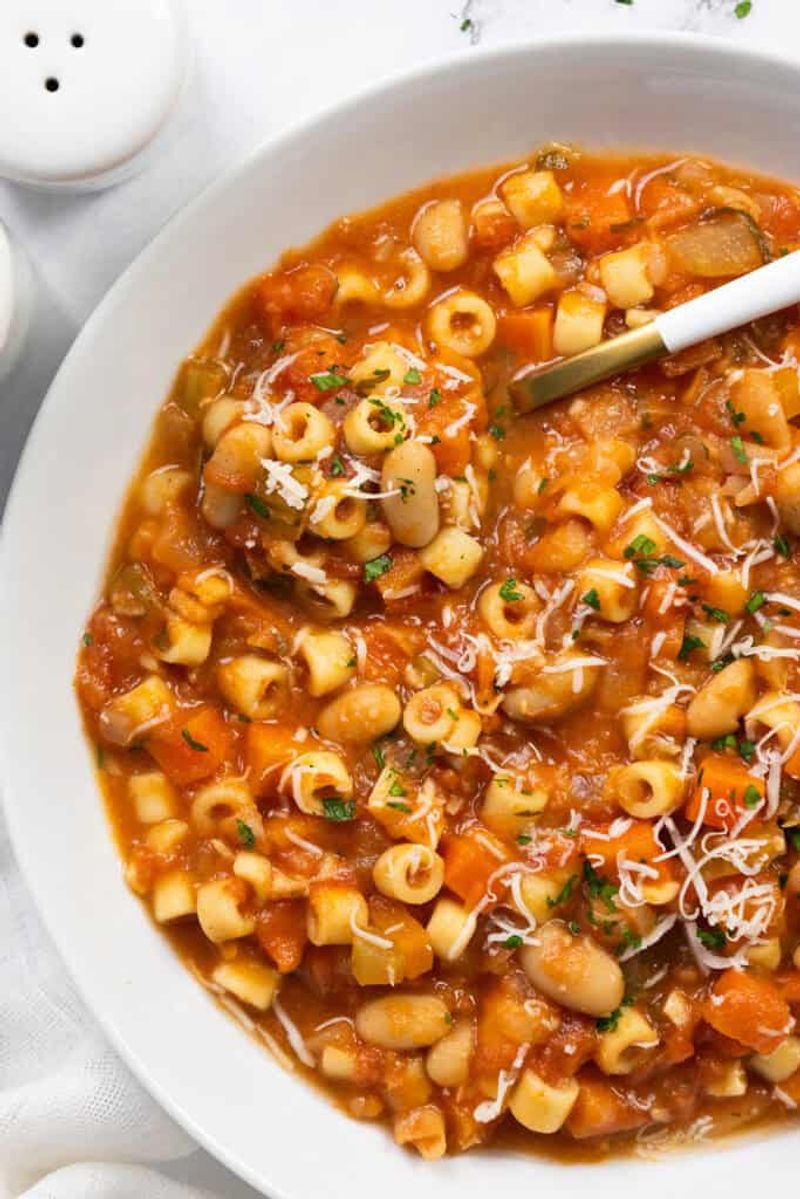
Beans and pasta make a practical team without needing an expensive supporting cast. Pasta e fagioli brings them together in a dish that ranges from brothy to thick.
Small shapes such as ditalini fit neatly on a spoon alongside the beans. Cannellini and borlotti are familiar choices, while the vegetables and seasonings change with the recipe.
Canned beans make this dinner easier when you have not planned an overnight soak. Rinse them if appropriate for your recipe, then add them to a flavorful vegetable base.
Mash or blend a portion of the beans when you want more body without cream. Keep enough whole beans in the pot to give the finished dish varied texture.
Cook pasta directly in the soup for extra thickness, watching the liquid level as it cooks. Prepare it separately if you want more control or expect to save several portions.
Add water or broth when reheating because the pasta continues to absorb liquid during storage. Finish with olive oil and pepper, then judge the consistency by your spoon rather than treating a thick bowl and a brothy bowl as competing answers to the same question.
18. Pasta Con Le Sarde
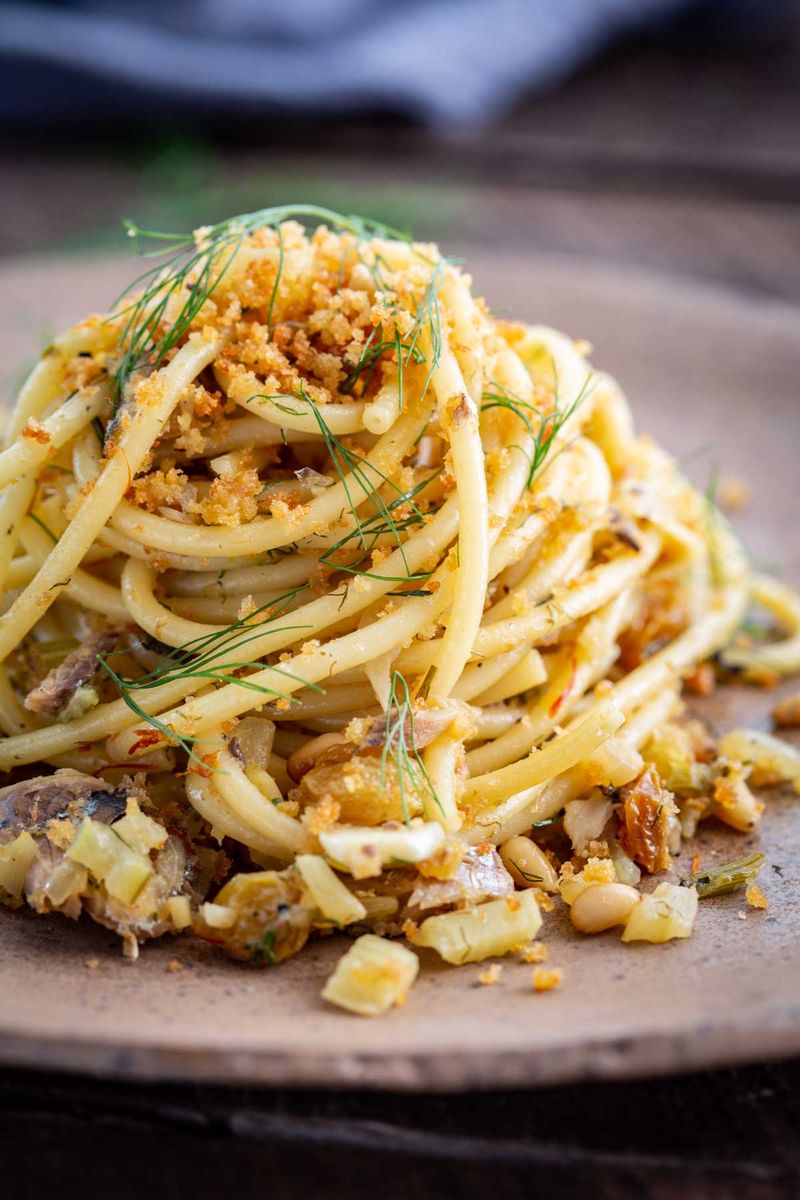
Sardines, raisins, and pine nuts share a bowl here, and the combination has a clear purpose. Pasta con le sarde balances savory fish with sweetness, herbs, and crunch.
This Sicilian dish often includes wild fennel, with saffron appearing in many versions. When wild fennel is unavailable, recipes may use cultivated fennel and its fronds as an adaptation.
Fresh sardines need careful cleaning and removal of bones before they enter the sauce. Canned sardines offer a convenient home variation, though their flavor and texture change the result.
Soften the fennel as directed, then build the sauce without stirring the fish into tiny pieces. Add raisins and pine nuts in measured amounts so neither takes over the pasta.
Bucatini or spaghetti works well, giving the scattered ingredients plenty of strands to cling to. Toasted breadcrumbs provide a finishing layer that adds crunch without needing grated cheese.
Check for fish and nut allergies before serving, since both are central to the dish. Approach it with curiosity rather than expecting a standard tomato pasta, and you gain a useful reminder that sweet ingredients can belong in a savory bowl without turning dinner into dessert.
19. Linguine Alle Vongole
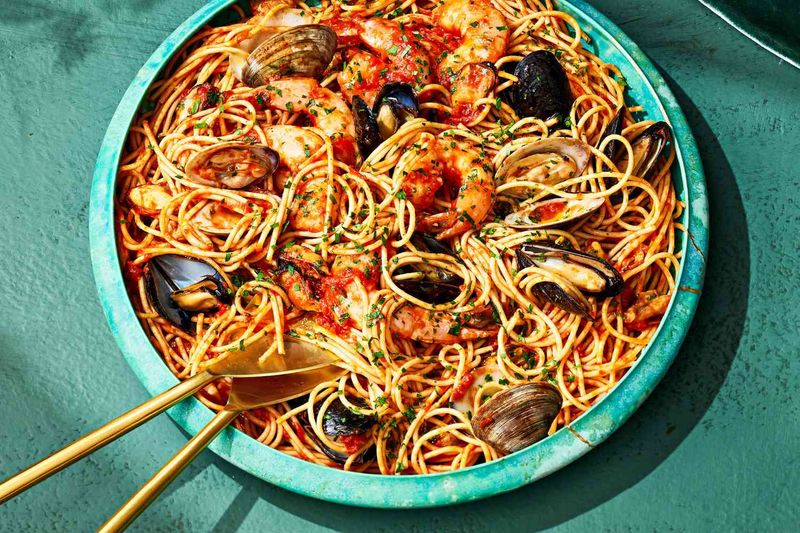
Clams supply much of the sauce themselves, which keeps the ingredient list pleasantly focused. Linguine alle vongole pairs long pasta with clams, garlic, olive oil, and often parsley.
A white version skips tomato, while red versions include it in varying amounts. You can choose a recipe that uses pasta water or suitable broth for additional cooking liquid.
Buy shellfish from a reliable source and keep it properly chilled before cooking. Follow the seller’s cleaning directions, and discard clams with cracked shells or signs that they are not alive.
Cook the clams in a covered pan until they open, following dependable food safety guidance. Discard any that remain closed after cooking rather than forcing them open for the plate.
Strain the released liquid if needed to remove sand, then combine it with the pasta. Taste before adding salt because clam juices can bring plenty of their own seasoning.
Leave some shells for presentation and remove others if you prefer easier eating at the table. Finish with parsley and serve promptly, giving the light sauce enough pasta water to coat the linguine without burying the clams beneath heavy additions or unnecessary extra cheese.
20. Pasta Alla Puttanesca
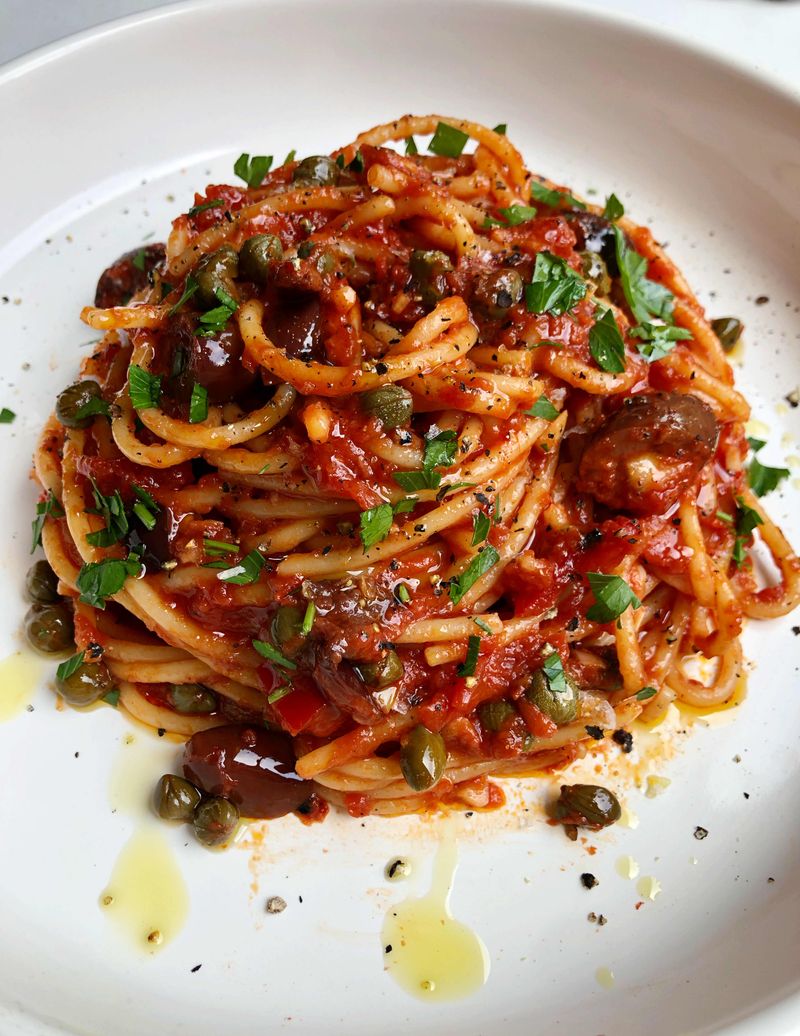
Olives and capers make a tomato sauce speak up without a long simmer. Puttanesca combines those punchy ingredients with garlic, olive oil, and pasta for a pantry friendly meal.
Anchovies appear in many versions, especially those associated with Lazio, while other versions leave them out. Choose deliberately rather than assuming the dish is vegetarian because the fish is hard to see.
If using anchovies, let them soften into the oil before adding the tomatoes. They contribute savory depth without needing to remain in obvious pieces throughout the sauce.
Rinse salt packed capers as directed, and taste brined ones before deciding whether they need rinsing. Olives also vary in saltiness, so hold back on extra seasoning until the sauce comes together.
Spaghetti is a familiar choice, but a short shape can make the olives easier to catch. Chop larger olives into manageable pieces and remove pits before they reach the pan.
Keep the sauce loose enough to coat the pasta, using cooking water when needed. A little parsley can finish the bowl, while the combination of tomato, capers, and olives supplies enough personality that your spice cupboard can enjoy a quiet evening.
Share this story